Nov 14, 2025
Document AI: The Next Evolution of Intelligent Document ProcessingPersona
Industry
Use cases
OCR RPA UiPath
[ OCR RPA UiPath ]

Use LlamaParse to turn messy PDFs into reliable JSON your UiPath bots can trust.
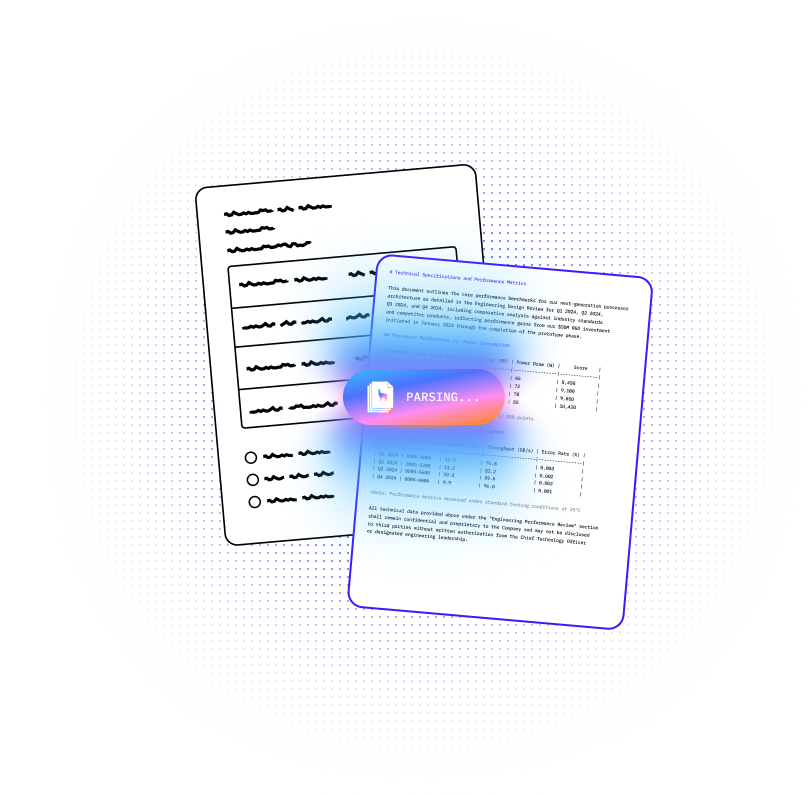
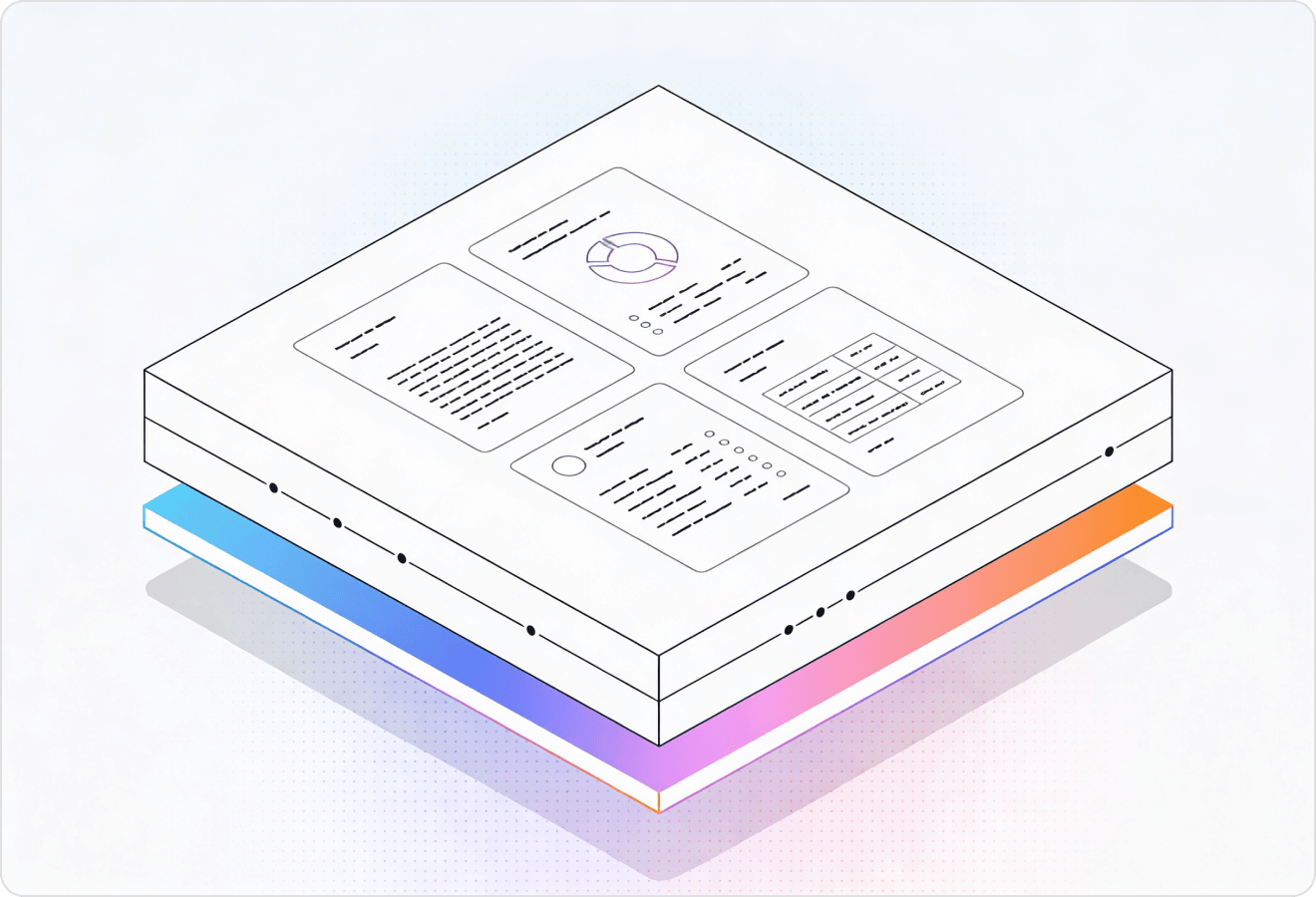

LlamaParse turns messy invoices, claims, and multi-column PDFs into clean, structured data your UiPath bots can act on reliably. It understands layout, tables, and embedded visuals, then adds confidence signals so you can automate faster with fewer exception queues.
Best-in-Class Accuracy

Use LlamaParse as the ingestion layer for UiPath automations to turn inbound PDFs (invoices, contracts, onboarding docs) into clean JSON and Markdown without building brittle regex cleanup. Auto-mode routing and correction loops keep straight-through processing high while you scale volume fast and stay inside a predictable credit budget.

Automate underwriting and back-office processing by parsing bank statements, pay stubs, tax forms, and KYC packets into structured JSON with page-level citations for auditability. Layout-aware table extraction preserves multi-column statements and fee schedules so UiPath can post validated fields into core systems with fewer exceptions.

Streamline prior auth, claims, and medical record intake by extracting key fields from referrals, EOBs, lab reports, and scanned forms where traditional OCR breaks on stamps and inconsistent layouts. Granular metadata and confidence scoring enable targeted human review only on uncertain fields before UiPath updates the EHR and billing workflows.

Turn POs, packing lists, certificates of analysis, and supplier invoices into structured line-item data even when tables are nested, split across pages, or embedded as images. Multimodal parsing converts diagrams and spec sheets into usable text so UiPath can auto-match receipts to orders, flag discrepancies, and reduce costly rework.
The Solution
01
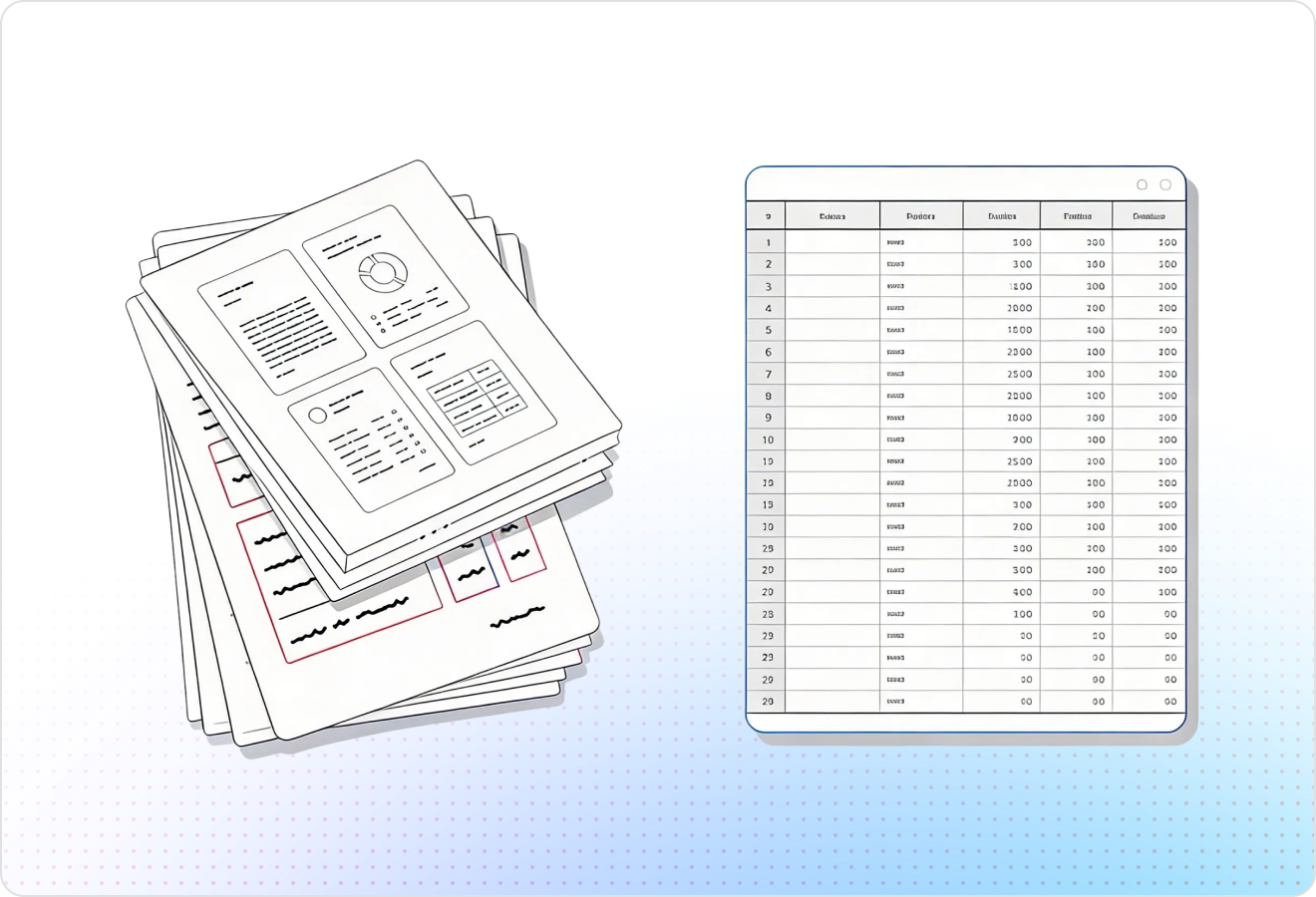
LlamaParse understands page structure (tables, columns, headers/footers) and reconstructs it cleanly instead of dumping scrambled text. For UiPath RPA, that means you can map invoice lines, PO tables, and multi-column forms into reliable fields without building brittle post-OCR cleanup steps.
02
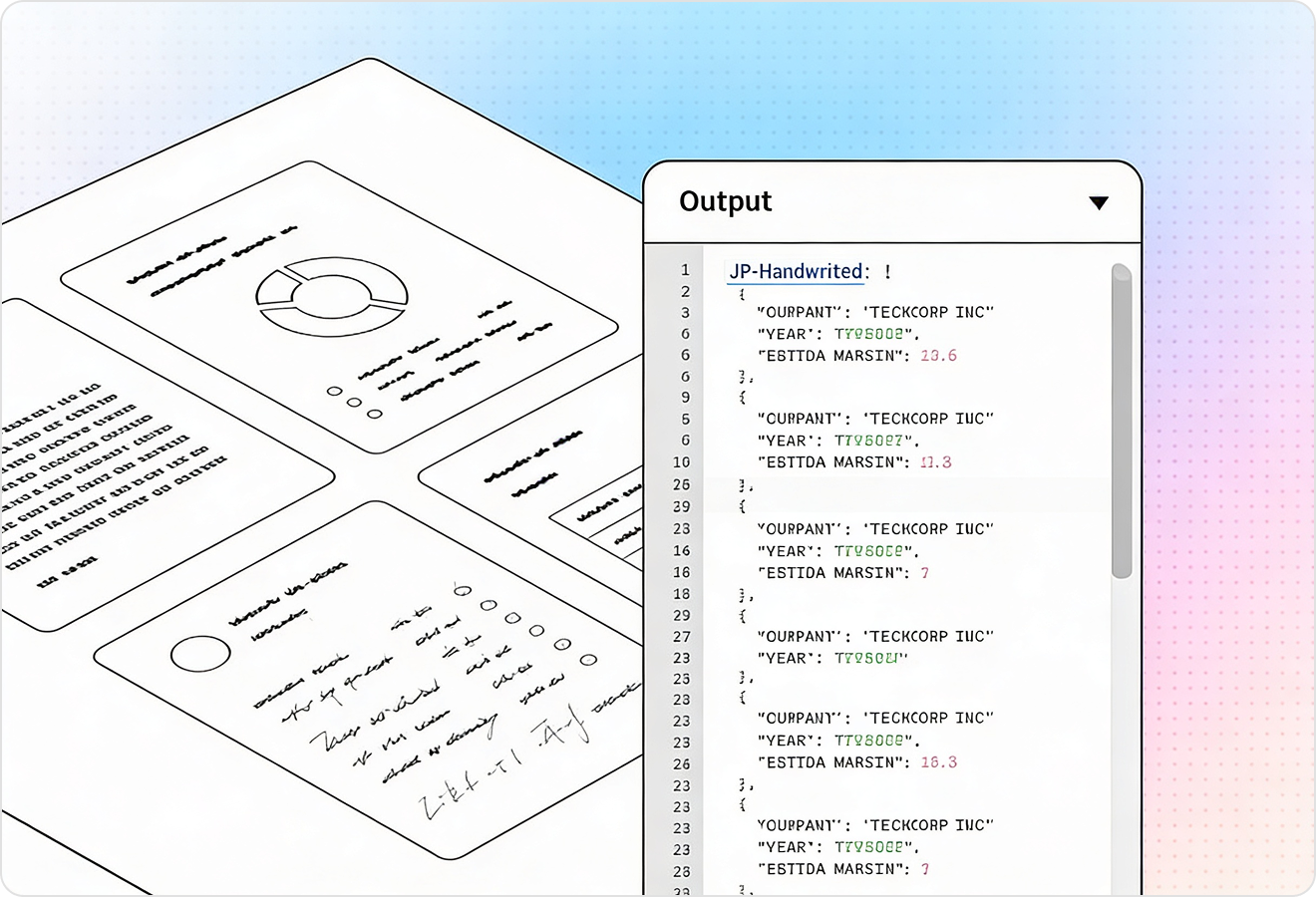
LlamaParse can return AI-ready JSON that matches your downstream automation needs, rather than forcing UiPath to parse messy free text. This makes it straightforward to populate queues, update ERP/CRM records, and drive deterministic selectors with predictable keys and data types.
03
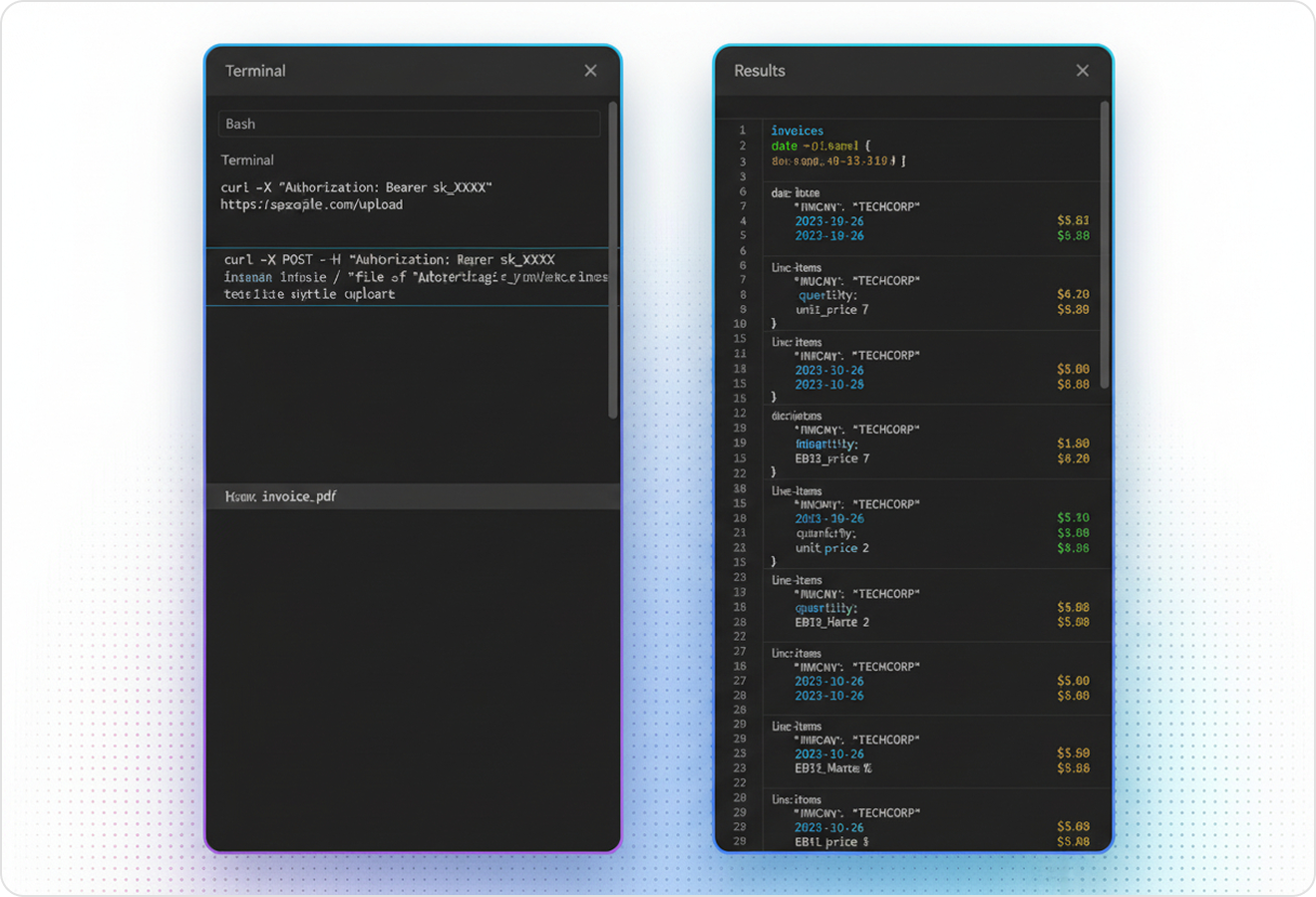
Every extracted element can include page-level traceability like coordinates, element types, and source references for auditing. In UiPath workflows, you can route low-confidence fields to human review, highlight the exact region on the page, and keep compliance teams happy with clear provenance.
04
LlamaParse dynamically applies heavier vision+language reasoning only where the document actually needs it, and uses lighter passes for simple pages. That keeps UiPath automations stable across scan quality changes and template drift while controlling cost at production scale.
Technical OCR documentation
Explore our developer guides to easily connect your document pipelines to LlamaParse.
Explore the documentation
Our AI catches the typos that tired eyes miss.

Export to Excel, JSON, XML, or directly via API.

SOC2 Type II compliant with end-to-end encryption.

Train the tool on your specific forms in minutes, not days.

Average processing time of <3 seconds per page.
LlamaParse’s support of a wide variety of filetypes and its accuracy of parsing made it the best tool we tested in our evaluations. The LlamaIndex team was very responsive and we were off to the races within a day.
Common FAQs
01
Standard OCR often returns tables as scrambled text, which forces you to build fragile cleanup and regex logic in UiPath. Layout-aware extraction preserves rows, columns, and headers so invoice lines, PO tables, and multi-column forms map cleanly into reliable fields. That means fewer exceptions and faster, more stable automations.
02
Yes—documents can be returned as structured JSON with predictable keys and data types, making it easy to populate queues, update ERP/CRM records, and drive deterministic logic. This reduces the need for parsing free text and helps keep automations maintainable as document formats evolve.
03
Each extracted field can include verifiable metadata like page references, coordinates, and element types for traceability. In UiPath, you can route low-confidence fields to human review and highlight the exact region on the page to speed validation. This supports compliance and makes troubleshooting far easier.
04
Will it handle template drift and varying scan quality without breaking our bots?
The parser can adapt its approach per page, using deeper vision+language reasoning only where needed and lighter passes for simpler pages. This keeps results consistent across noisy scans, rotated pages, and minor layout changes. In practice, you’ll see fewer workflow failures and less rework when documents change.
05
How do we control cost and latency at production scale?
Processing is automatically routed so expensive reasoning is applied selectively, not across every page by default. That helps keep throughput high and costs predictable as volumes grow. You can also use confidence signals and metadata to focus human review only where it adds value.
06
What’s the easiest way to integrate this into an existing UiPath Document Understanding setup?
You can plug the structured output into your current pipelines by mapping JSON fields into UiPath variables, queues, or your downstream systems. Metadata and citations make it straightforward to build human-in-the-loop steps for exceptions without redesigning your entire process. Most teams start with one high-impact document type (like invoices) and expand from there.