Nov 14, 2025
Document AI: The Next Evolution of Intelligent Document ProcessingPersona
Industry
Use cases
Consignment Agreement OCR
[ Consignment Agreement OCR ]

Turn messy consignment PDFs into structured JSON with LlamaParse, complete with citations and confidence scores.
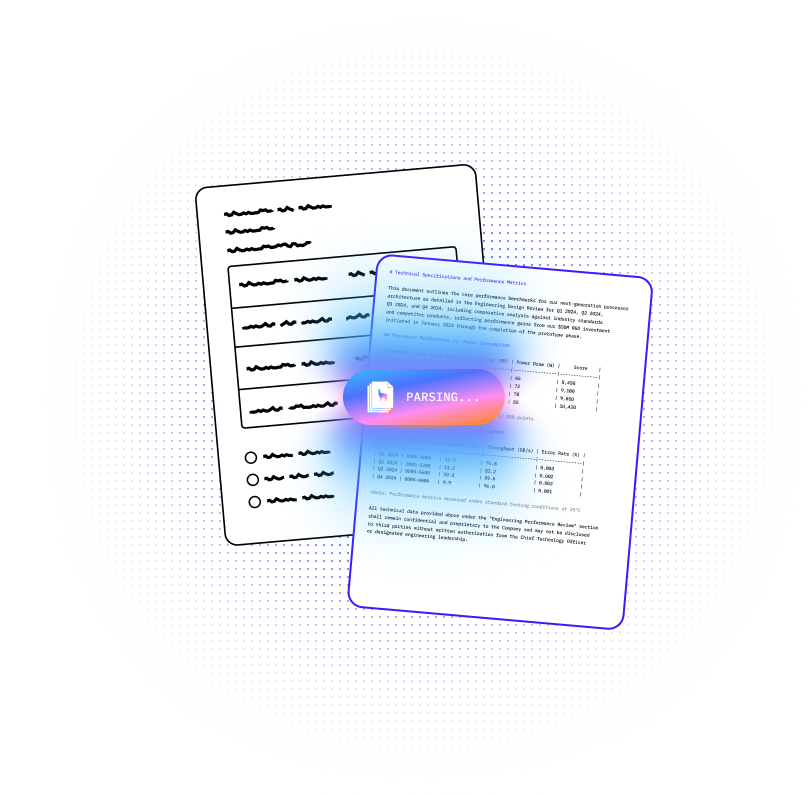
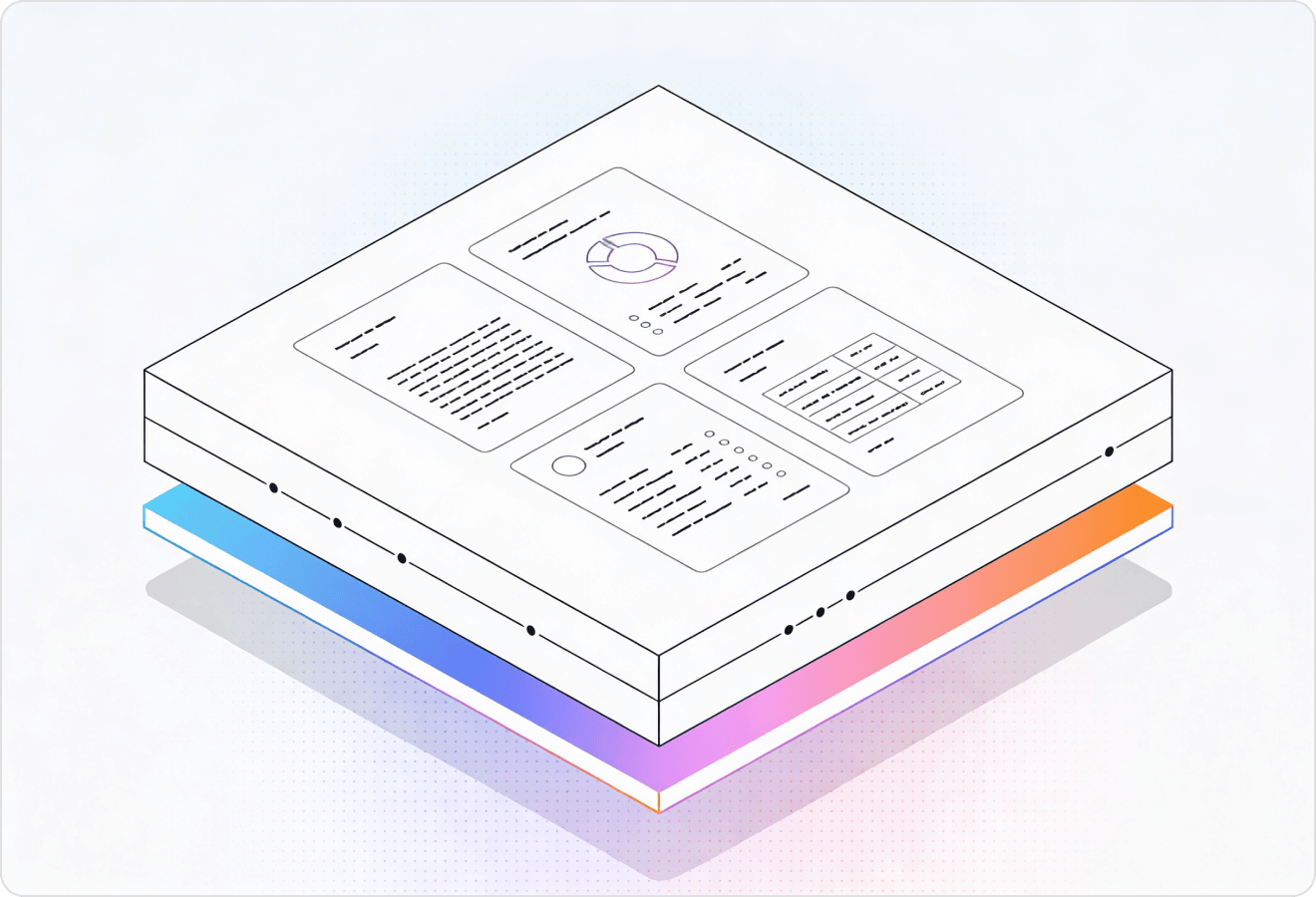

LlamaParse turns messy consignment agreements, scans, and attachments into clean, structured JSON you can trust for downstream systems and reporting. It uses layout-aware parsing and validation loops to capture parties, terms, fees, and tables accurately, with traceable metadata for review.
Best-in-Class Accuracy

Turn messy consignment agreements into clean JSON fields like commission splits, payout cadence, listing windows, and return terms—so you can automate onboarding and payouts without building a brittle parsing pipeline. LlamaParse stays accurate when templates change, extracting multi-page tables and clause variations with layout-aware structure and validation loops.

Extract brand, SKU, minimum price, authentication requirements, and settlement terms from consignment contracts to standardize intake and prevent disputes when items sell or are returned. LlamaParse preserves reading order across multi-column terms and fee tables, producing auditable outputs with page-level metadata your ops team can quickly verify.

Parse consignment agreements to capture reserve prices, seller guarantees, buyer’s premium allocations, insurance responsibility, and consignment duration—then sync those terms directly into your catalog and settlement workflows. LlamaParse handles scanned exhibits and embedded schedules, converting complex tables into structured Markdown or JSON without manual re-keying.

Automatically extract vehicle identifiers, lien/payoff language, floorplan conditions, reconditioning responsibilities, and commission tiers to reduce funding delays and ensure titles and settlements are processed correctly. LlamaParse routes complex, low-quality scans to higher-accuracy processing and returns structured outputs suitable for DMS/ERP ingestion and exception-based review.
The Solution
01
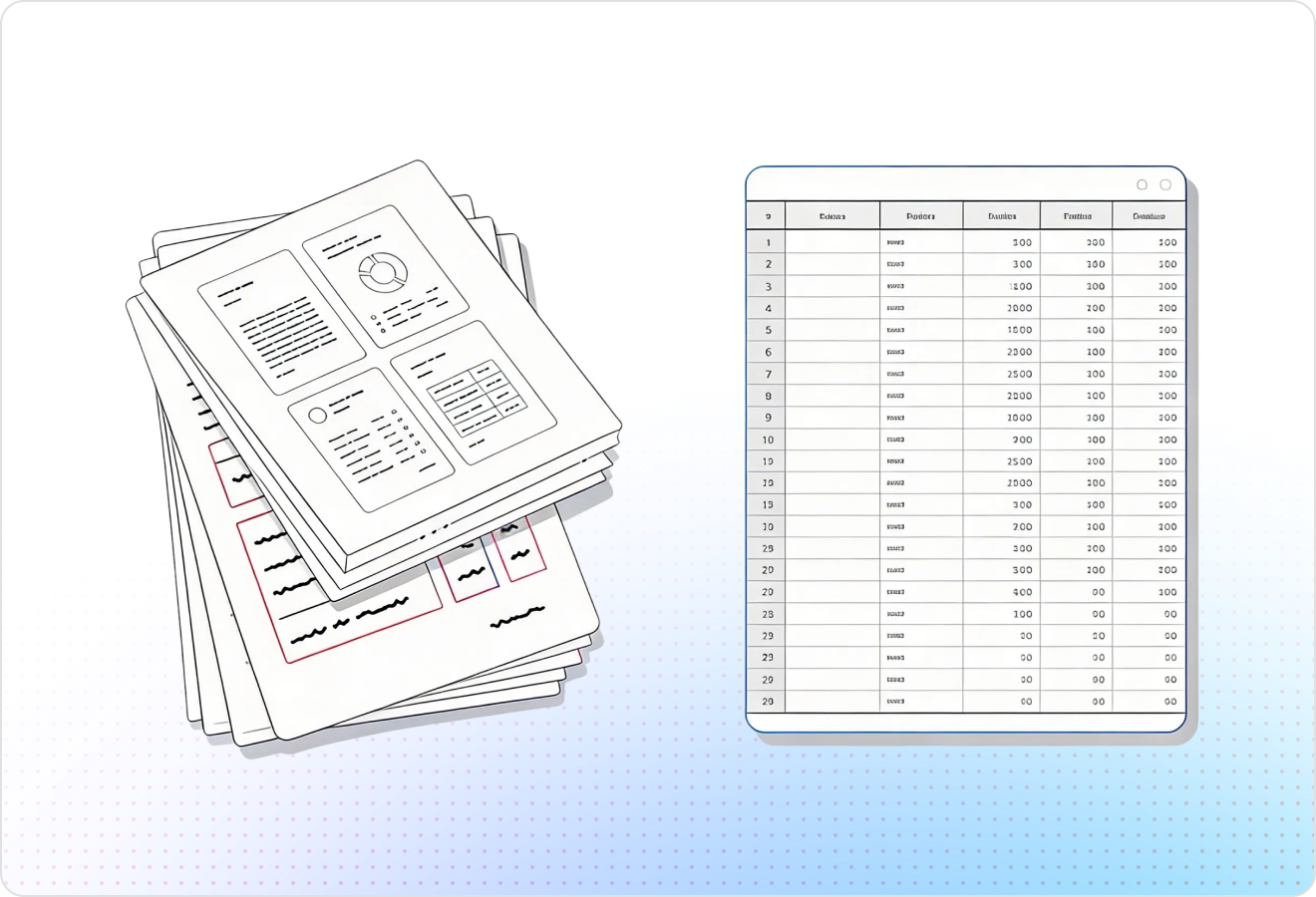
LlamaParse preserves reading order across multi-column pages, headers/footers, and dense legal formatting so consignment clauses don’t get scrambled. That means you can reliably capture terms like consignee/consignor duties, title transfer, and termination language from real-world agreement templates and scans.
02
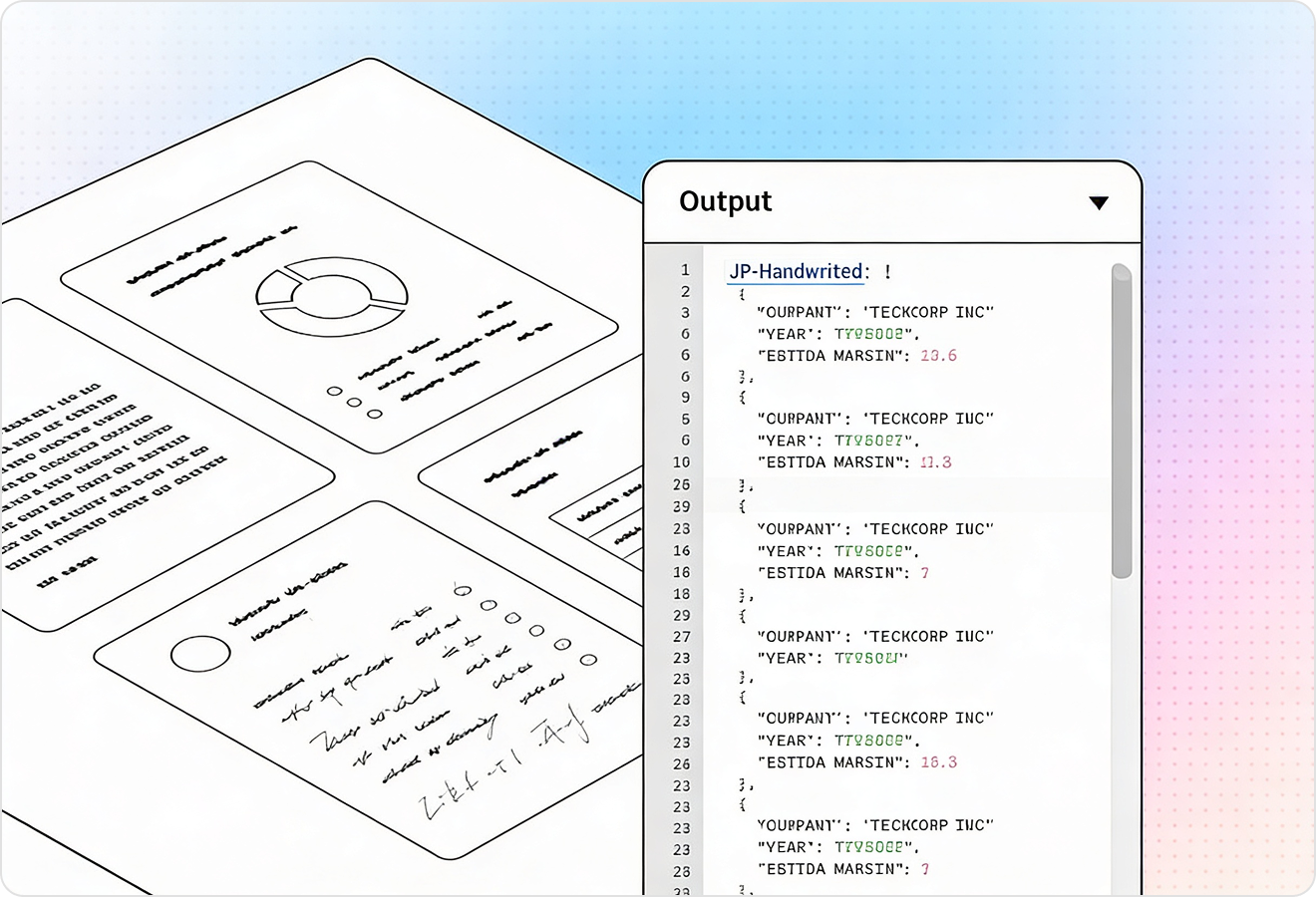
LlamaParse extracts tables without collapsing rows or losing column alignment, even when they’re nested inside legal exhibits. This is critical for pulling consigned inventory lists, pricing/commission schedules, and payout terms into clean structures you can reconcile downstream.
03
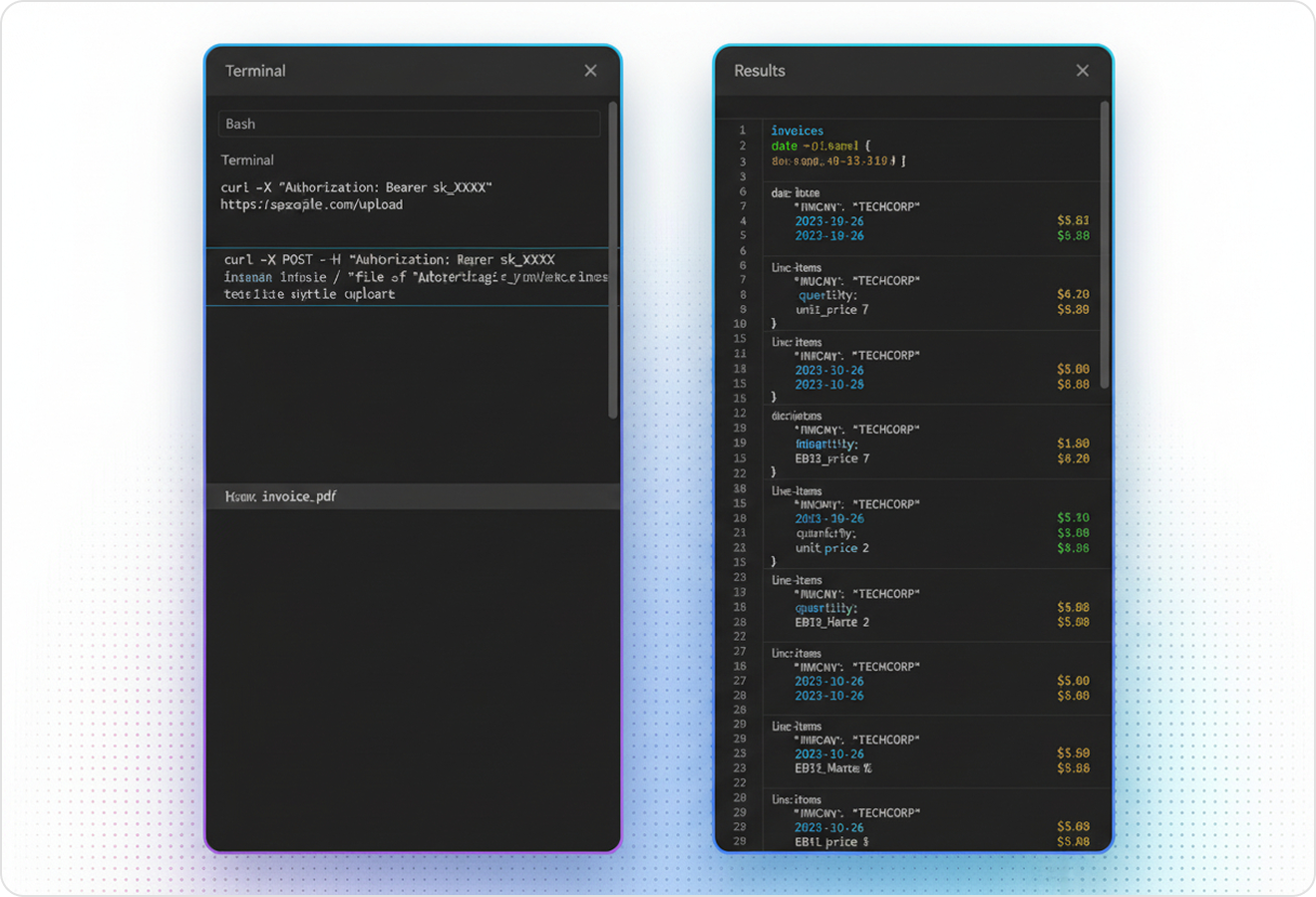
LlamaParse can return structured JSON with granular metadata like page numbers and coordinates for each extracted field. For consignment agreements, this gives you traceability for key terms (fees, insurance, loss/damage, payment timing) so reviewers can verify the exact source location fast.
04
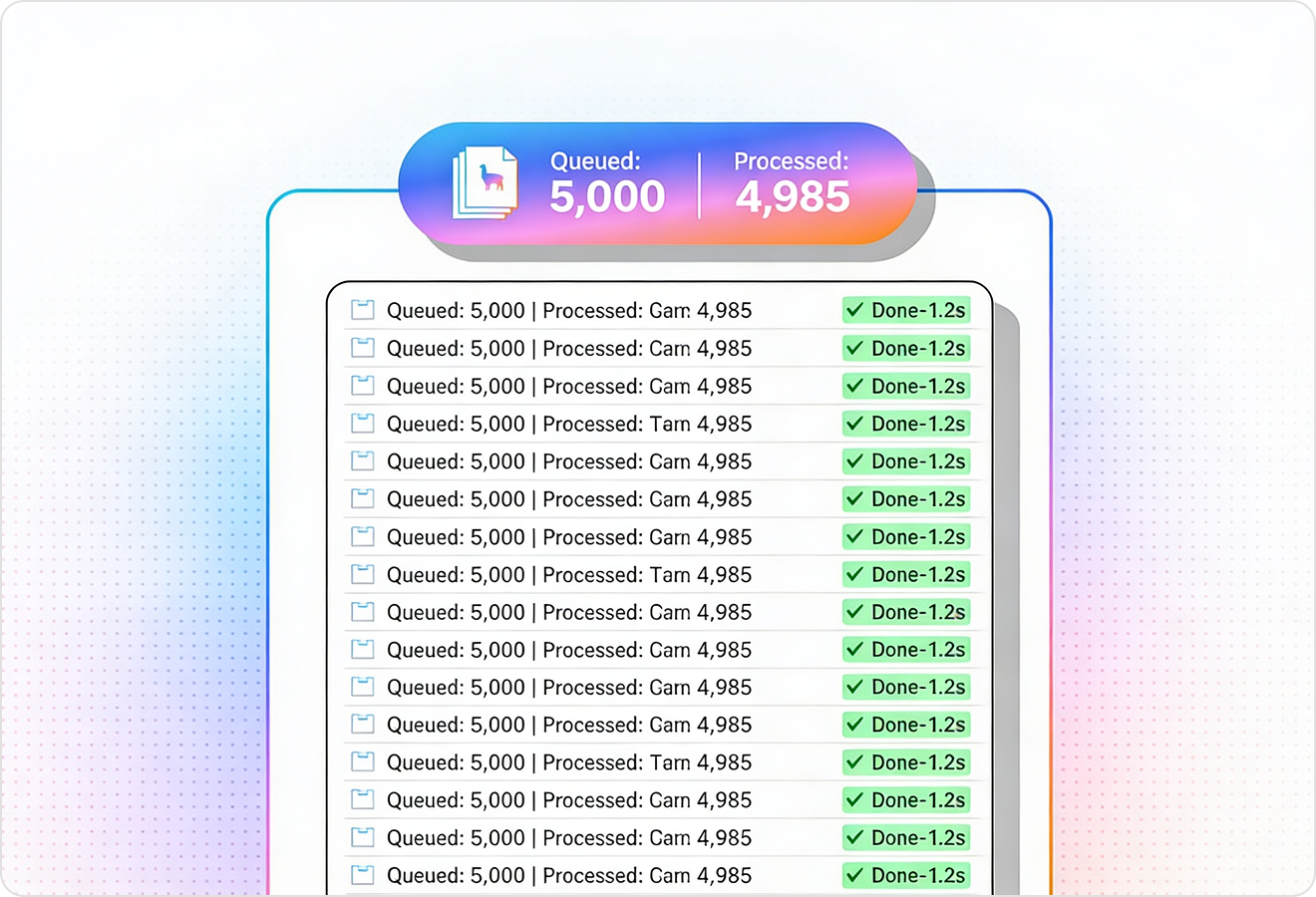
LlamaParse uses multiple validation and self-correction passes to reduce common extraction errors from imperfect scans and inconsistent legal layouts. In consignment workflows, this improves straight-through processing when fields must be correct—like commission rates, remittance cadence, and notice periods—without building brittle post-processing rules.
Technical OCR documentation
Explore our developer guides to easily connect your document pipelines to LlamaParse.
Explore the documentation
Our AI catches the typos that tired eyes miss.

Export to Excel, JSON, XML, or directly via API.

SOC2 Type II compliant with end-to-end encryption.

Train the tool on your specific forms in minutes, not days.

Average processing time of <3 seconds per page.
LlamaParse’s support of a wide variety of filetypes and its accuracy of parsing made it the best tool we tested in our evaluations. The LlamaIndex team was very responsive and we were off to the races within a day.
Common FAQs
01
Yes—layout-aware parsing preserves reading order across multi-column pages, headers/footers, and dense legal formatting. That means clauses like title transfer, termination, and consignor/consignee duties are captured cleanly instead of being stitched together incorrectly.
02
It accurately pulls tables without collapsing rows or misaligning columns, even when they appear in exhibits or nested sections. You can turn inventory line items, pricing, and commission/payout schedules into structured data that’s ready to reconcile downstream.
03
You can receive JSON output with citations that include page numbers and coordinates for each extracted field. Reviewers can jump straight to the exact source location, speeding approval cycles and reducing back-and-forth with legal or ops.
04
How reliable is extraction on imperfect scans or inconsistent agreement templates?
Agentic validation loops run multiple self-check and correction passes to reduce common OCR and layout errors. This improves straight-through processing for high-impact fields like commission rates, payment timing, and notice periods—without relying on brittle post-processing rules.
05
What fields can we confidently automate from consignment agreements?
Teams commonly automate key commercial and risk terms such as commission rates, remittance cadence, fees, insurance requirements, loss/damage provisions, and termination/notice periods. With structured JSON plus citations, you can automate while still keeping auditability for reviewers.
06
How does this fit into our existing workflow and systems?
The structured JSON output is designed to plug into downstream tools like contract repositories, ERPs, and reconciliation pipelines. Because table data and clause terms are extracted in consistent structures, implementation is typically faster and requires less custom rule maintenance over time.