Nov 14, 2025
Document AI: The Next Evolution of Intelligent Document ProcessingPersona
Industry
Use cases
Proxy Statement OCR
[ Proxy Statement OCR ]

Use LlamaParse to turn messy proxy PDFs into structured tables and fields your team can trust.
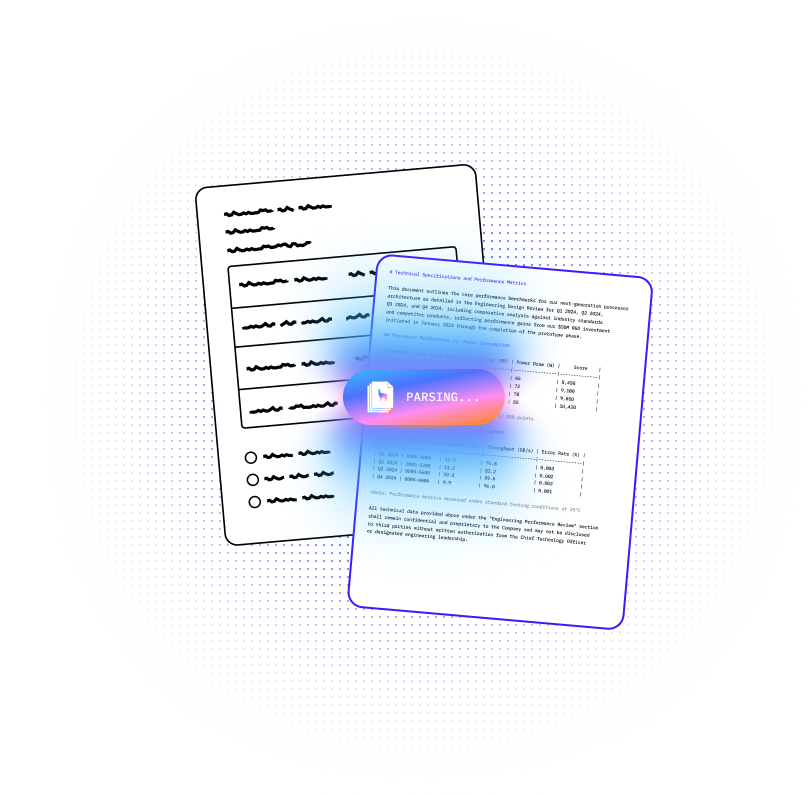
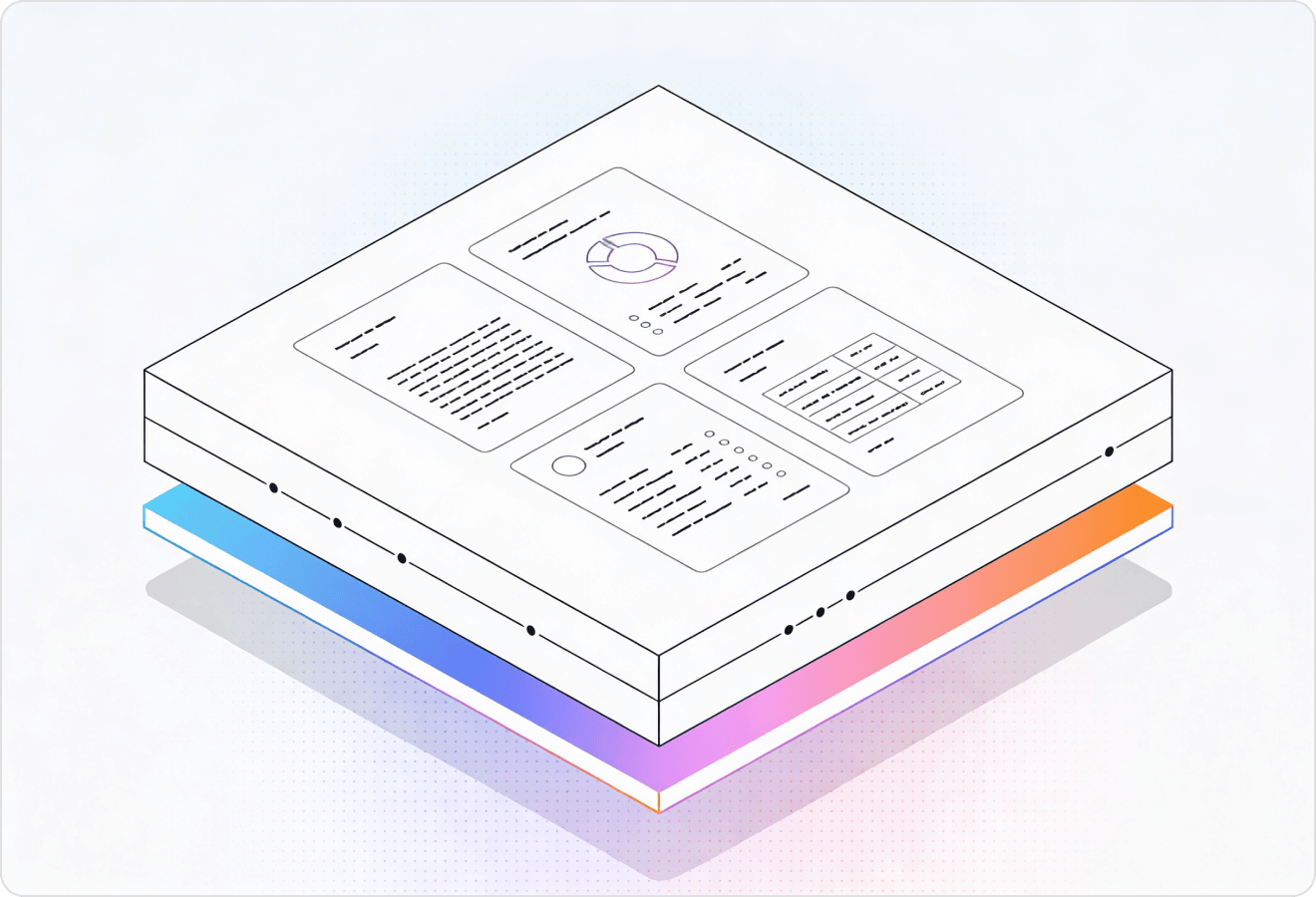

LlamaParse turns messy proxy statements into clean, analysis-ready tables and fields, preserving line items, footnotes, and multi-page layouts with confidence. Agentic document parsing validates extracted values, flags low-confidence cells with citations, and outputs structured JSON or Markdown you can trust downstream.
Best-in-Class Accuracy

Turn SEC proxy statements into clean, layout-faithful Markdown/JSON so governance teams can reliably extract director elections, executive comp, and shareholder proposals without tables getting mangled. Use citations and confidence metadata to speed vote recommendations and audits when analysts need to trace every figure back to the exact page and row.

Parse complex proxy exhibits, footnotes, and multi-column disclosures into structured outputs that support defensible reviews and downstream compliance checks. Natural-language parsing instructions let teams pull only the sections they care about—like related-party transactions or change-in-control terms—without maintaining brittle regex pipelines.

Automate high-volume ingestion of proxy statements into normalized datasets for comp benchmarking, board diversity tracking, and proposal outcomes across issuers. Tier-based processing routes simple pages cheaply while upgrading only dense tables and scanned sections, keeping unit economics predictable at scale.

Ship a proxy-statement ingestion layer fast by using LlamaParse APIs to convert messy PDFs into AI-ready JSON your product can query for comp ratios, pay-for-performance charts, and voting results. Auto-correction loops reduce noisy extractions that would otherwise break dashboards and customer exports, so small teams can hit enterprise-grade accuracy without custom training.
The Solution
01
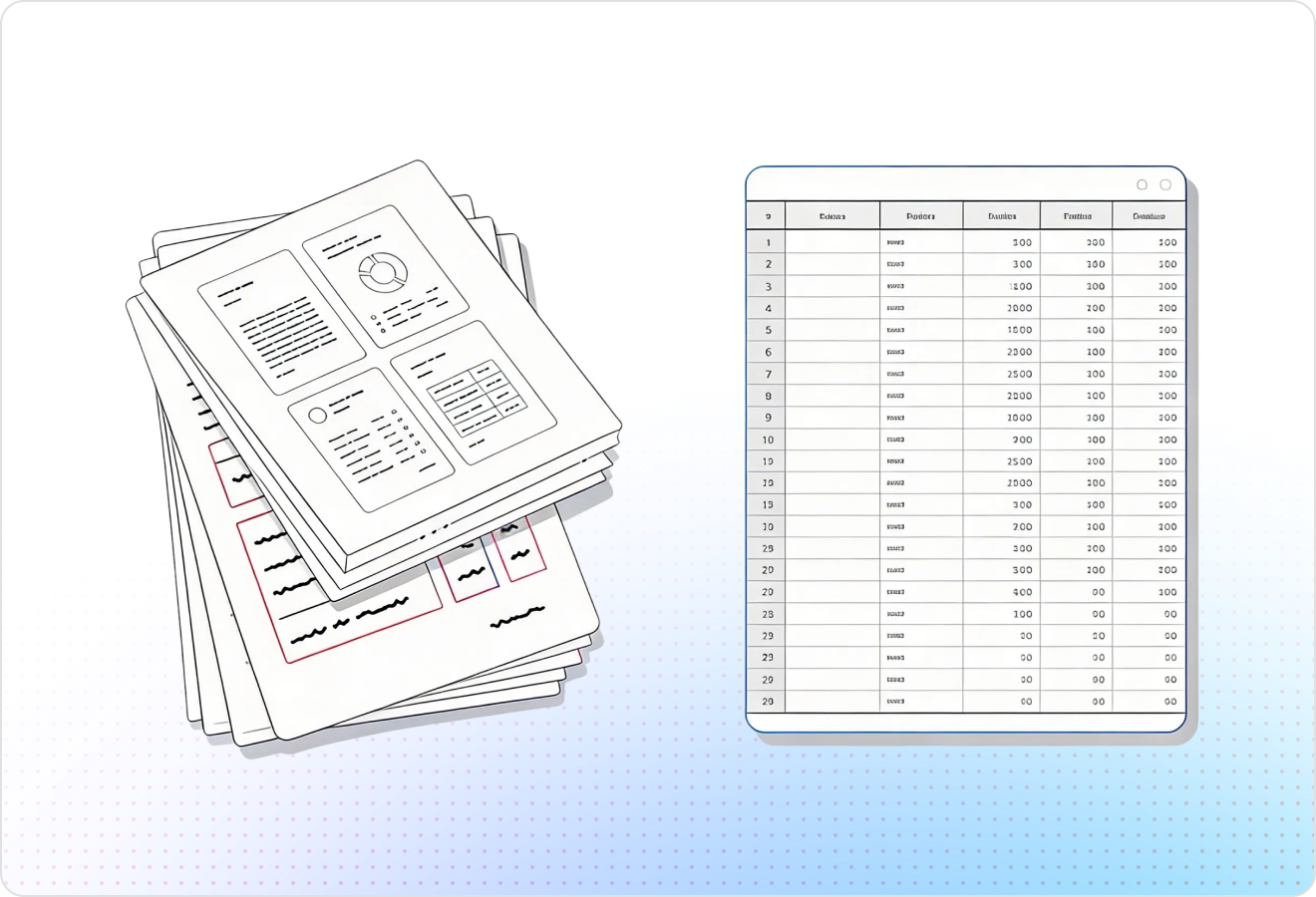
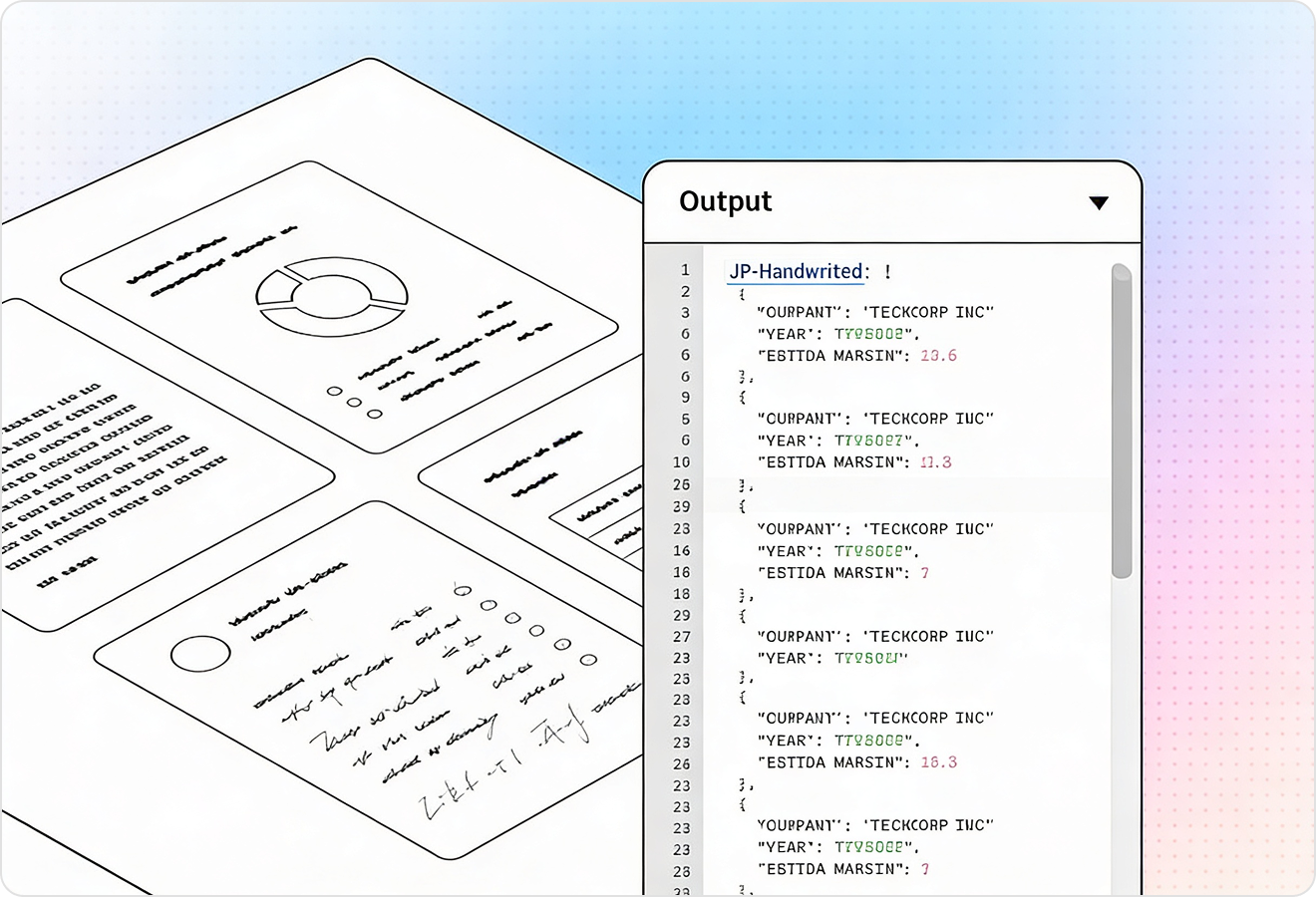
LlamaParse understands real proxy statement layouts—multi-column sections, headers/footers, footnotes, and dense legal formatting—so the narrative stays in the right order. That means you can reliably extract executive comp, governance sections, and disclosures without the scrambled text that breaks downstream analysis.
02
Proxy statements are table-heavy (pay tables, equity awards, beneficial ownership) and those tables often rely on footnotes for the real meaning. LlamaParse preserves table structure and links surrounding context so your pipeline can capture numbers, units, and qualifiers accurately instead of losing critical disclosures.
03
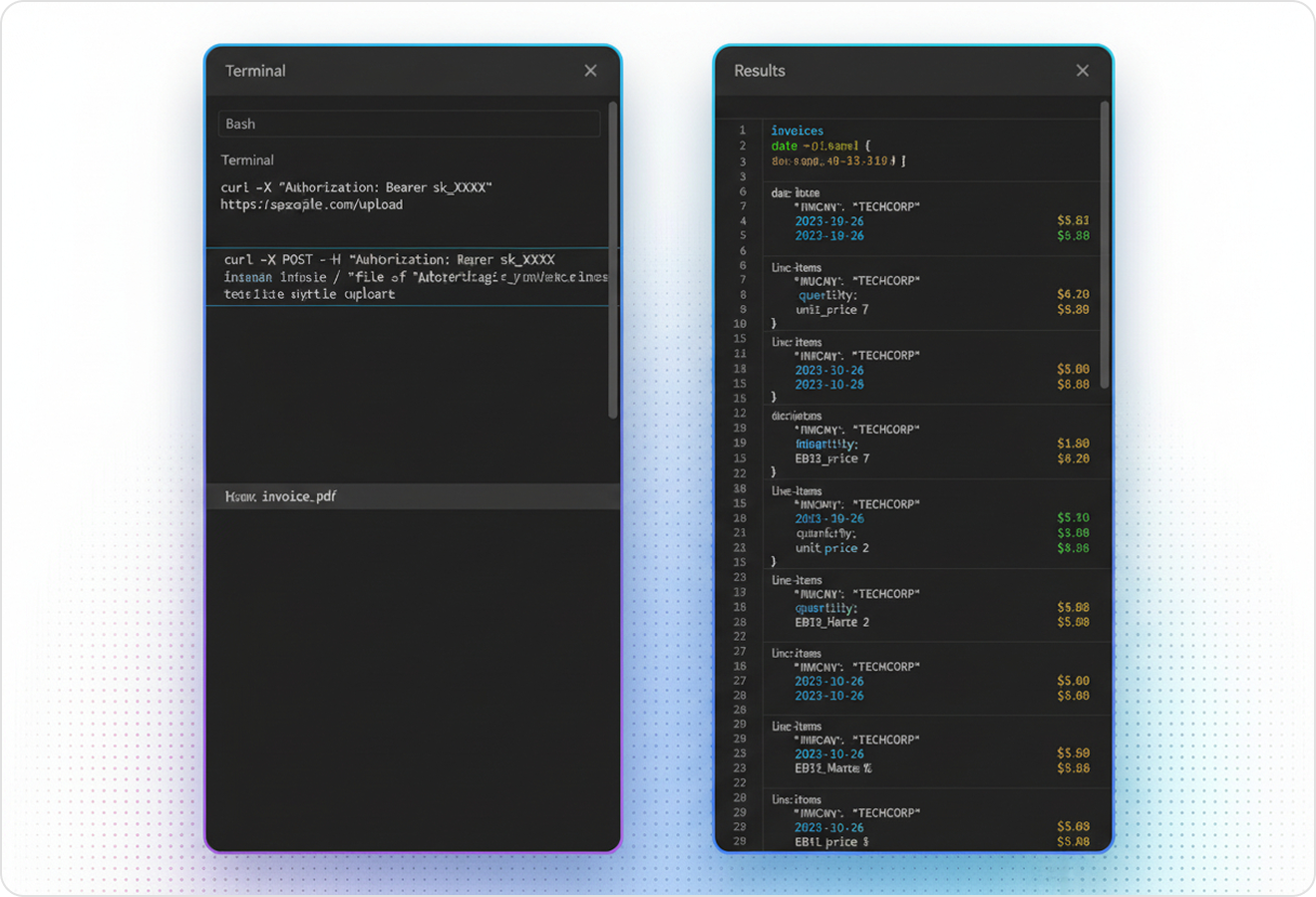
LlamaParse can return clean JSON with granular metadata like page numbers, element types, and spatial coordinates. This makes proxy-statement parsing auditable—your app can trace every extracted figure back to its source and route low-confidence fields to review.
04
Scanned proxies and messy filings can introduce subtle extraction errors—misread tickers, dropped negatives, or swapped columns—that are expensive to catch later. LlamaParse runs validation and self-correction loops during parsing to reduce these mistakes and improve straight-through processing for high-volume proxy ingestion.
Technical OCR documentation
Explore our developer guides to easily connect your document pipelines to LlamaParse.
Explore the documentation
Our AI catches the typos that tired eyes miss.

Export to Excel, JSON, XML, or directly via API.

SOC2 Type II compliant with end-to-end encryption.

Train the tool on your specific forms in minutes, not days.

Average processing time of <3 seconds per page.
LlamaParse’s support of a wide variety of filetypes and its accuracy of parsing made it the best tool we tested in our evaluations. The LlamaIndex team was very responsive and we were off to the races within a day.
Common FAQs
01
Yes—our layout-aware parsing follows real proxy statement structure, including multi-column text, headers/footers, and dense legal formatting. That means sections like executive compensation and governance read in the right narrative order instead of becoming scrambled. You get cleaner downstream analysis with far less manual cleanup.
02
Proxy statements are table-heavy, and we preserve table structure so values stay in the correct rows, columns, and units. We also retain nearby labels and surrounding context so fields like awards, vesting, and ownership totals don’t get separated from what they describe. This helps your models and analysts trust the numbers they’re using.
03
We extract footnotes and link them back to the relevant table or section so qualifiers and exceptions aren’t lost. This is critical for disclosures like “excluding one-time items” or “as of record date,” where the footnote carries the real interpretation. You can capture both the value and the disclosure in one usable output.
04
Do you provide structured JSON output that’s easy to audit and trace back to the source?
Yes—output can be returned as clean JSON with metadata like page numbers, element types, and spatial coordinates. That makes your extraction auditable, so reviewers can quickly verify where any figure came from in the original filing. It’s built for compliance-minded workflows and reliable data lineage.
05
What about messy scans—how do you prevent subtle OCR errors from slipping through?
We run validation and auto-correction loops during parsing to catch issues like swapped columns, dropped negatives, or misread symbols. This reduces costly downstream reconciliation and improves straight-through processing for high-volume proxy ingestion. When confidence is low, you can flag those fields for review instead of guessing.
06
How quickly can I integrate this into an existing proxy statement pipeline?
You can integrate by sending your documents and receiving structured JSON designed to plug into analytics, data warehouses, or review tools. Because the output includes page and location metadata, it’s straightforward to build QA checks and human-in-the-loop review where needed. Most teams start with a small batch and scale once results are validated.