Nov 14, 2025
Document AI: The Next Evolution of Intelligent Document ProcessingPersona
Industry
Use cases
Social Security Card OCR
[ Social Security Card OCR ]

Use LlamaParse to turn Social Security cards into clean, verified fields your workflows can trust.
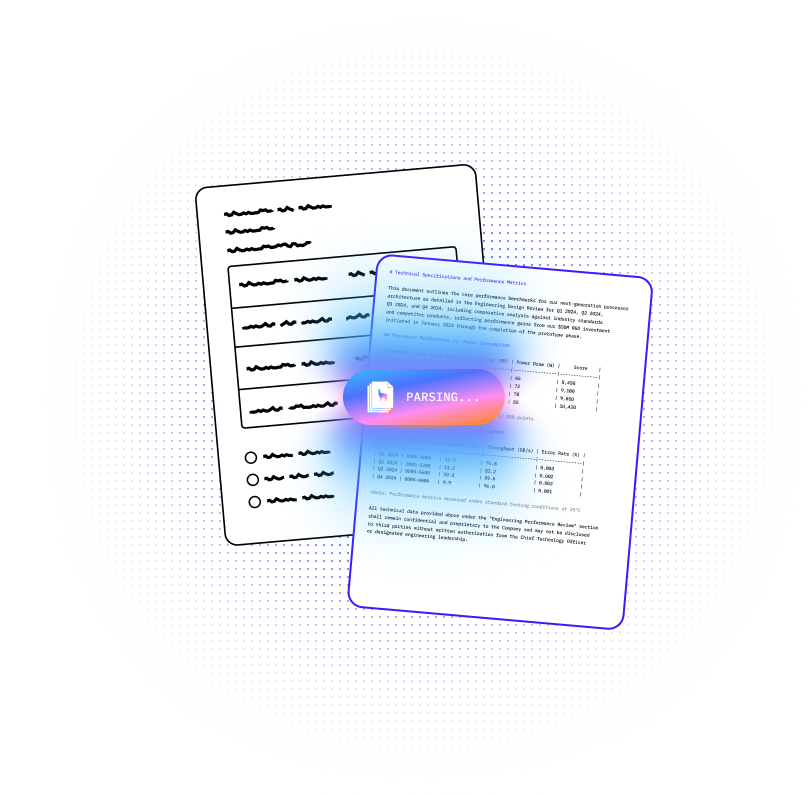
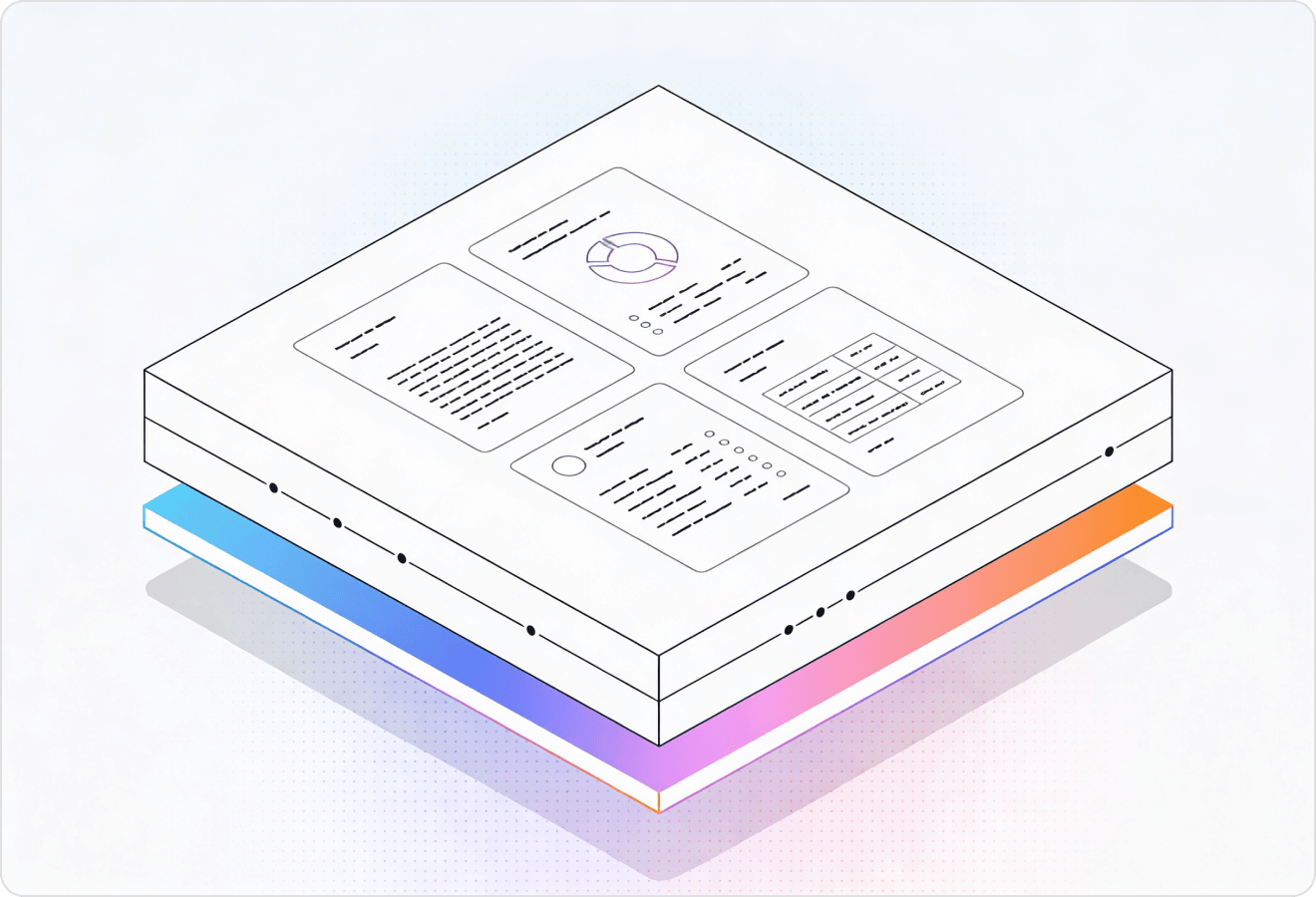
LlamaParse turns Social Security card scans into clean, structured fields like name, SSN, and issue dates, ready for your systems. Agentic document parsing validates results against layout cues and confidence signals, reducing rework and enabling faster, safer identity workflows.
Best-in-Class Accuracy

Use LlamaParse in LlamaCloud to reliably extract SSN, name, and issue details from Social Security cards during I-9 and payroll onboarding, even when scans are skewed, low-res, or partially cropped. Return structured JSON with confidence scores and citations so your team can route exceptions to review instead of re-keying data.

Automate CIP/KYC intake by parsing Social Security cards alongside bank statements and IDs, and normalize the output into a consistent schema for your underwriting and fraud checks. Agentic parsing reduces false mismatches caused by messy uploads and supports validation loops so fewer applications stall in manual review.

Digitize SSN verification from mailed or scanned Social Security cards and convert them into clean, auditable records for eligibility workflows without building brittle, template-specific extraction code. Layout-aware parsing and granular metadata make it easy to track exactly what was extracted from which page region for compliance and appeals.

Ship SS card capture and extraction fast by using LlamaParse APIs to produce JSON-ready fields for onboarding flows, rather than spending weeks tuning rules and edge-case handling. Tier-based processing lets you keep unit costs predictable by reserving heavier models for the hardest scans while still maintaining production-grade accuracy.
The Solution
01
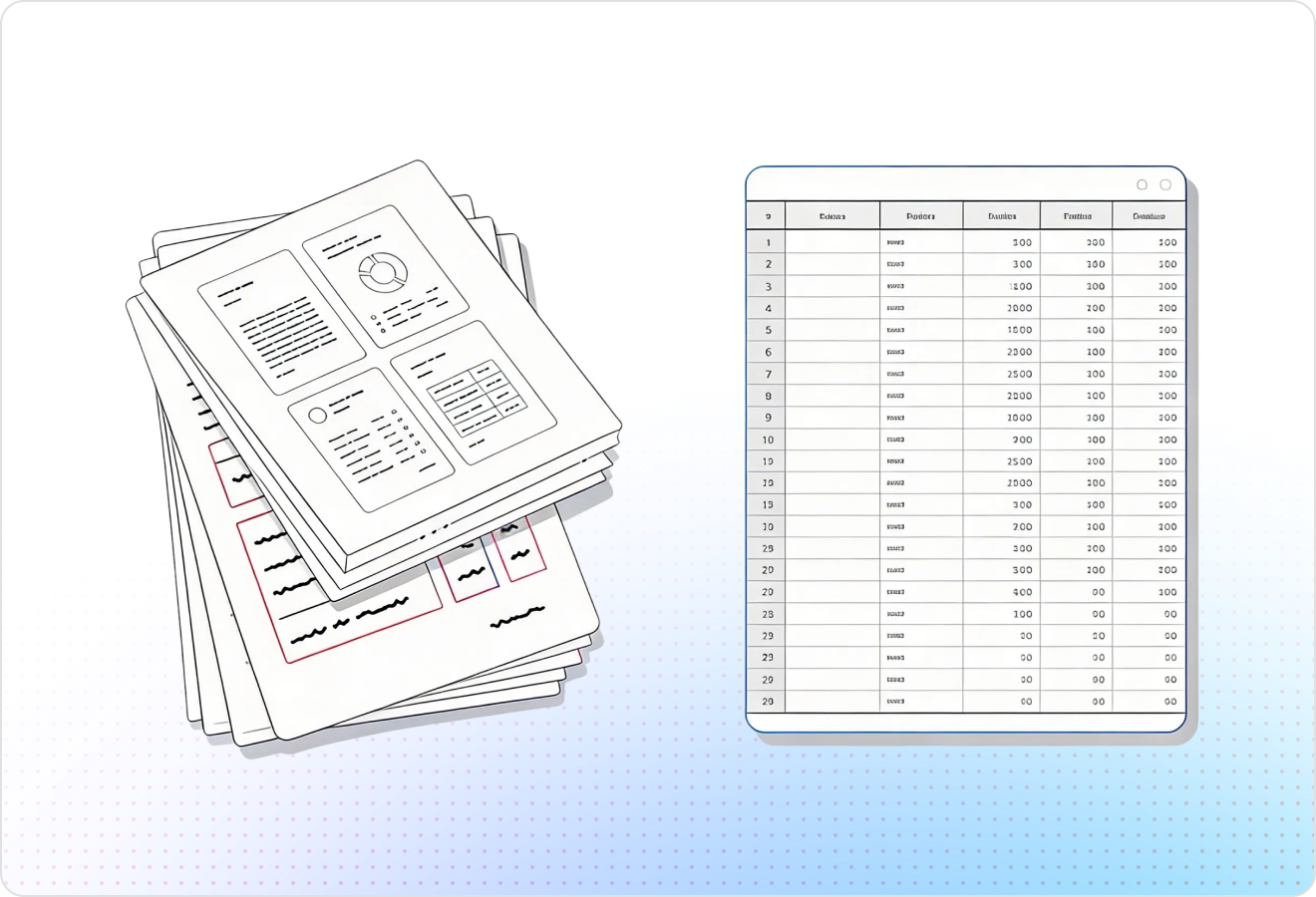
LlamaParse uses layout-aware computer vision to understand where key regions live on an ID card scan, even when the photo is skewed or tightly cropped. For Social Security cards, this helps reliably isolate the SSN line and cardholder name without the “scrambled text” issues common in naive text extraction.
02
LlamaParse runs validation and self-correction loops to catch common scan errors like missing digits, swapped characters, or low-contrast printing. That means fewer false SSNs entering your system and higher straight-through processing when users upload imperfect phone photos.
03
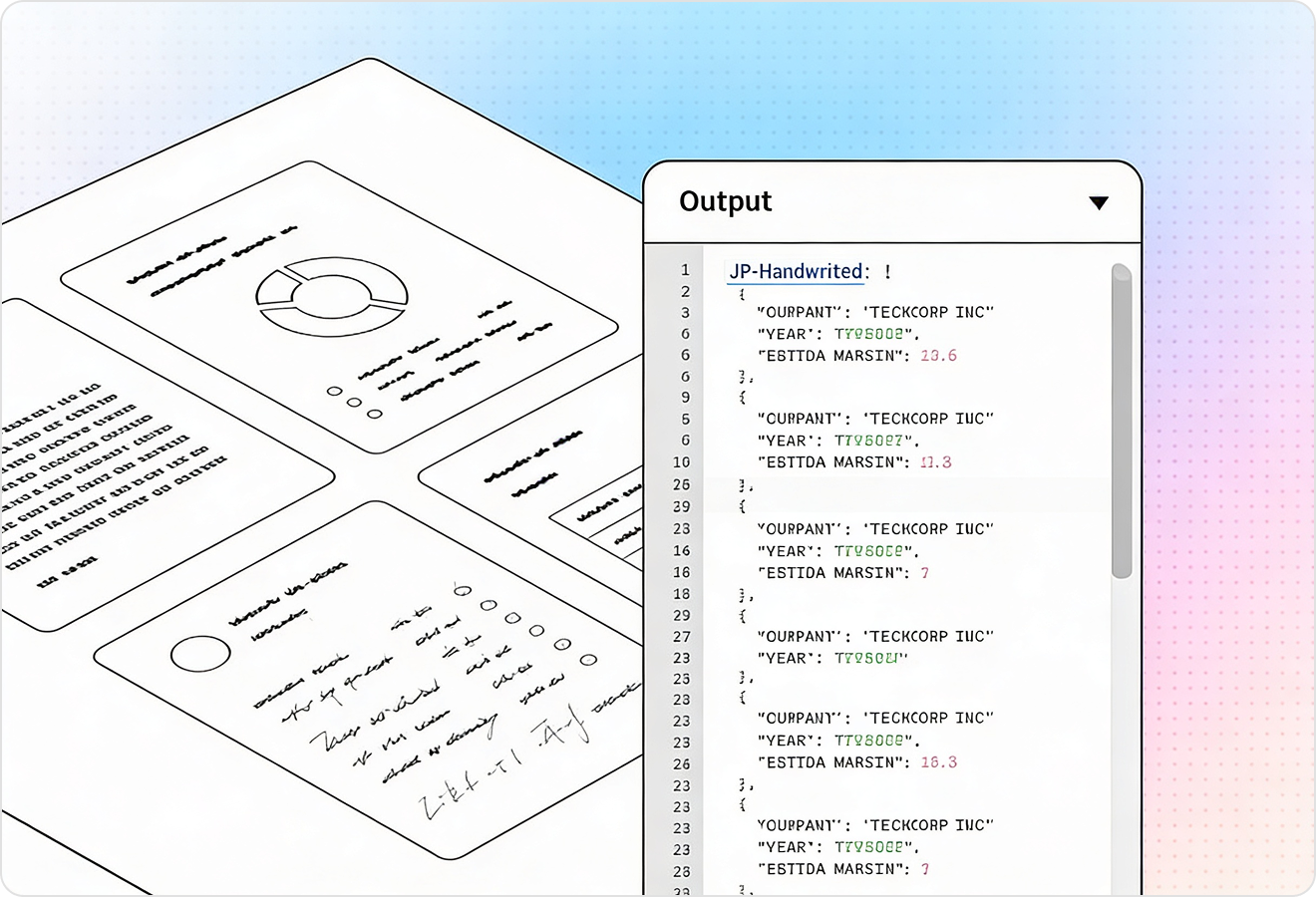
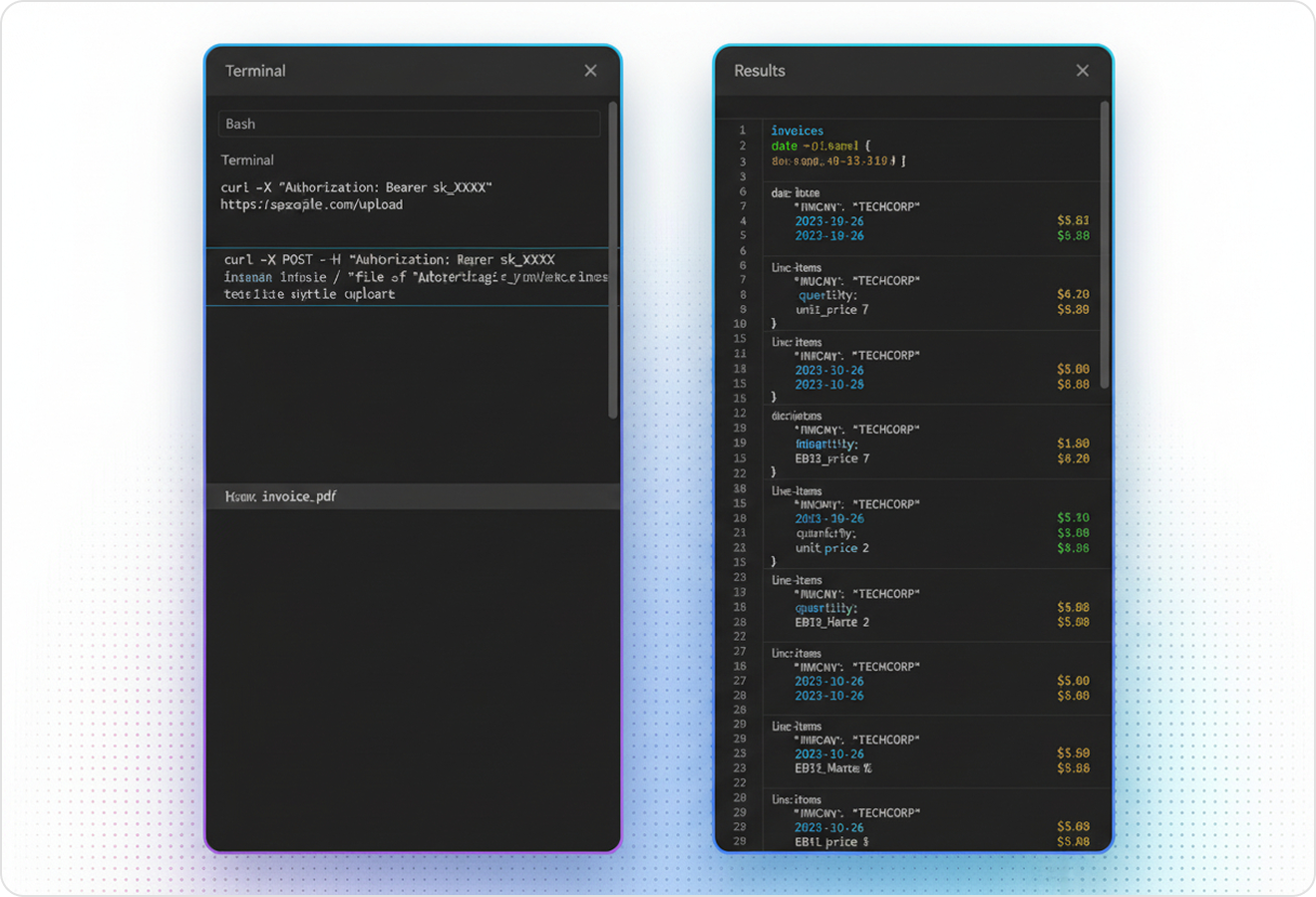
LlamaParse can return clean, structured JSON so you can map outputs directly into fields like ssn and full_name instead of writing brittle post-processing. This is ideal for Social Security card intake flows where downstream steps depend on consistent, machine-readable values.
04
Each extracted value can include traceability metadata like page location and confidence so you can verify what the model saw and where it came from. In Social Security card workflows, this enables fast human review and policy-based routing when confidence is low—without re-reading the entire image.
Technical OCR documentation
Explore our developer guides to easily connect your document pipelines to LlamaParse.
Explore the documentation
Our AI catches the typos that tired eyes miss.

Export to Excel, JSON, XML, or directly via API.

SOC2 Type II compliant with end-to-end encryption.

Train the tool on your specific forms in minutes, not days.

Average processing time of <3 seconds per page.
LlamaParse’s support of a wide variety of filetypes and its accuracy of parsing made it the best tool we tested in our evaluations. The LlamaIndex team was very responsive and we were off to the races within a day.
Common FAQs
01
Our layout-aware field detection isolates the SSN line and cardholder name even when images are skewed, tightly cropped, or slightly blurred. Agentic self-correction then checks for common OCR mistakes like swapped characters or missing digits, reducing bad SSNs entering your system.
02
Yes—layout-aware computer vision focuses on where the SSN and name typically appear on the card, rather than relying on raw text alone. This prevents “scrambled text” outputs and improves consistency when users upload imperfect photos.
03
You can enable Structured JSON Output Mode to receive clean, machine-readable fields like "ssn" and "full_name". That means you can map results directly into your onboarding or KYC workflow without writing brittle parsing rules.
04
How do we verify what was extracted—especially for audits or manual review?
Each extracted value can include verifiable metadata such as location on the image and a confidence score. This makes it easy to spot-check results, route low-confidence cases to a human, and maintain an audit trail without re-reading the entire scan.
05
How do you handle common OCR errors like low contrast printing or missing digits?
The system runs validation and self-correction loops designed to catch typical scan issues, including faint printing and character confusion (like 8/0 or 1/I). You get fewer false SSNs and higher straight-through processing, even when uploads aren’t perfect.
06
Can we set rules for when to accept results automatically vs. send them for review?
Yes—confidence and extraction metadata let you define policy-based thresholds (for example, auto-accept above a certain confidence and queue the rest). This balances speed and risk while keeping your team focused only on the exceptions.