Nov 14, 2025
Document AI: The Next Evolution of Intelligent Document ProcessingPersona
Industry
Use cases
Health Insurance Application OCR
[ Health Insurance Application OCR ]

Use LlamaParse to capture every field reliably, reducing rework so your team approves faster.
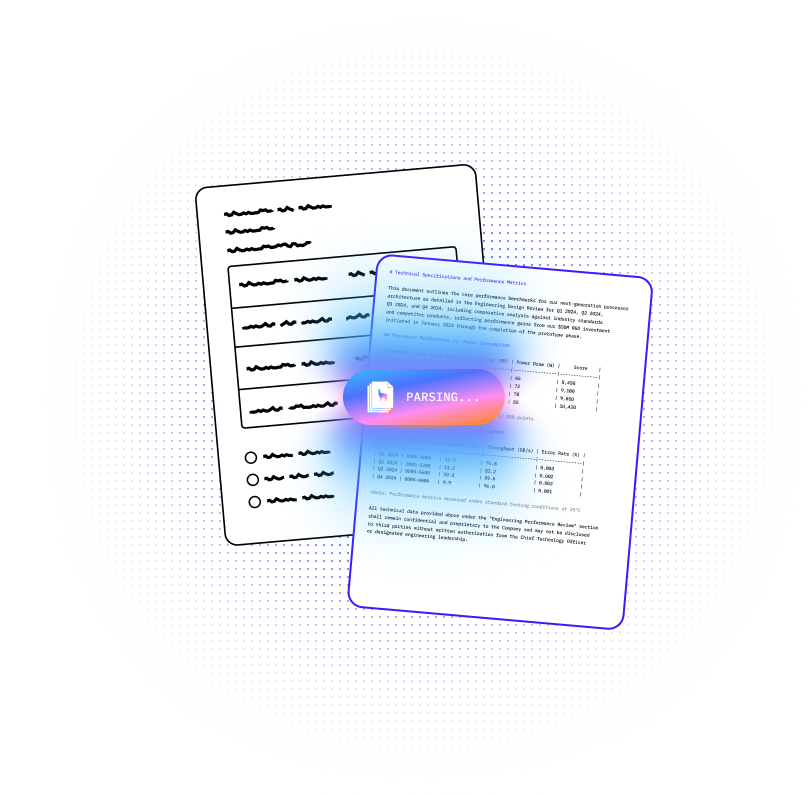
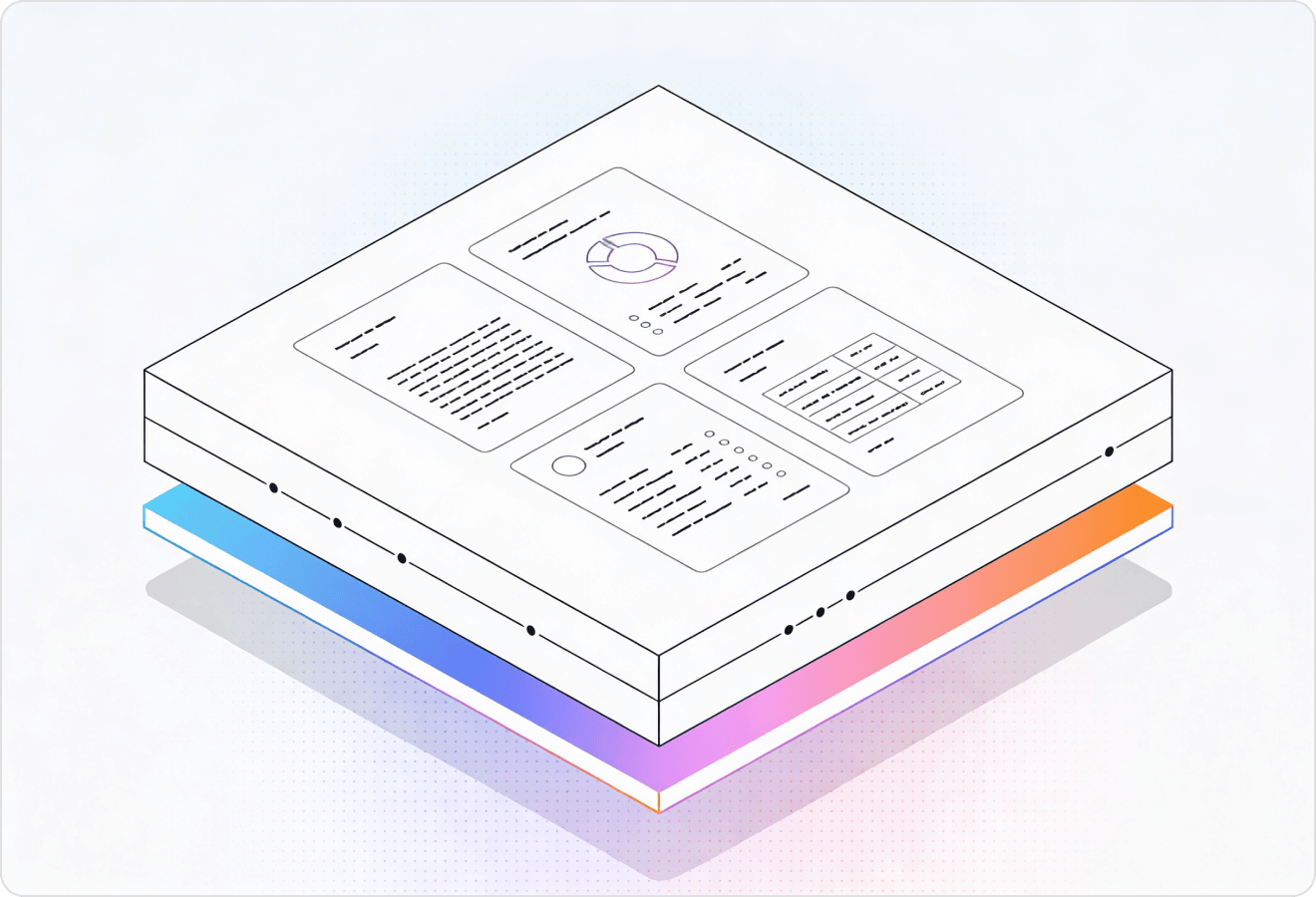

LlamaParse turns messy health insurance applications into reliable, structured fields your underwriting and enrollment systems can actually trust, even with varied layouts. Agentic document parsing uses layout-aware vision, validation loops, and source citations to cut rework and speed straight-through processing.
Best-in-Class Accuracy

Turn messy health insurance applications into clean, structured JSON that maps directly into underwriting and enrollment systems, even when forms include multi-column sections, tables, and attachments. LlamaParse preserves reading order and uses validation loops to reduce pend rates and rework caused by missing fields, inconsistent member details, or low-quality scans.

Ingest employee-submitted enrollment packets from email, portals, or brokers and extract plan selections, dependents, and signatures without building brittle rules for every carrier form variant. LlamaParse returns layout-aware Markdown/JSON plus traceable metadata (page coordinates and confidence) so ops teams can quickly audit exceptions instead of manually keying entire applications.

Automatically normalize application data across carriers and document types (PDFs, scans, images) so producers can pre-fill submissions, generate quotes faster, and avoid NIGO delays from incomplete packets. Natural-language parsing instructions let teams standardize what gets extracted—like prior coverage, effective dates, and member demographics—without maintaining regex-heavy pipelines.

Ship a working ingestion layer in days by plugging LlamaParse into your product to parse real-world health insurance apps into AI-ready outputs your workflows can act on. Use tier-based agentic processing and cost-optimizer modes to keep unit economics predictable while still handling the long tail of weird forms, handwritten notes, and poorly scanned attachments.
The Solution
01
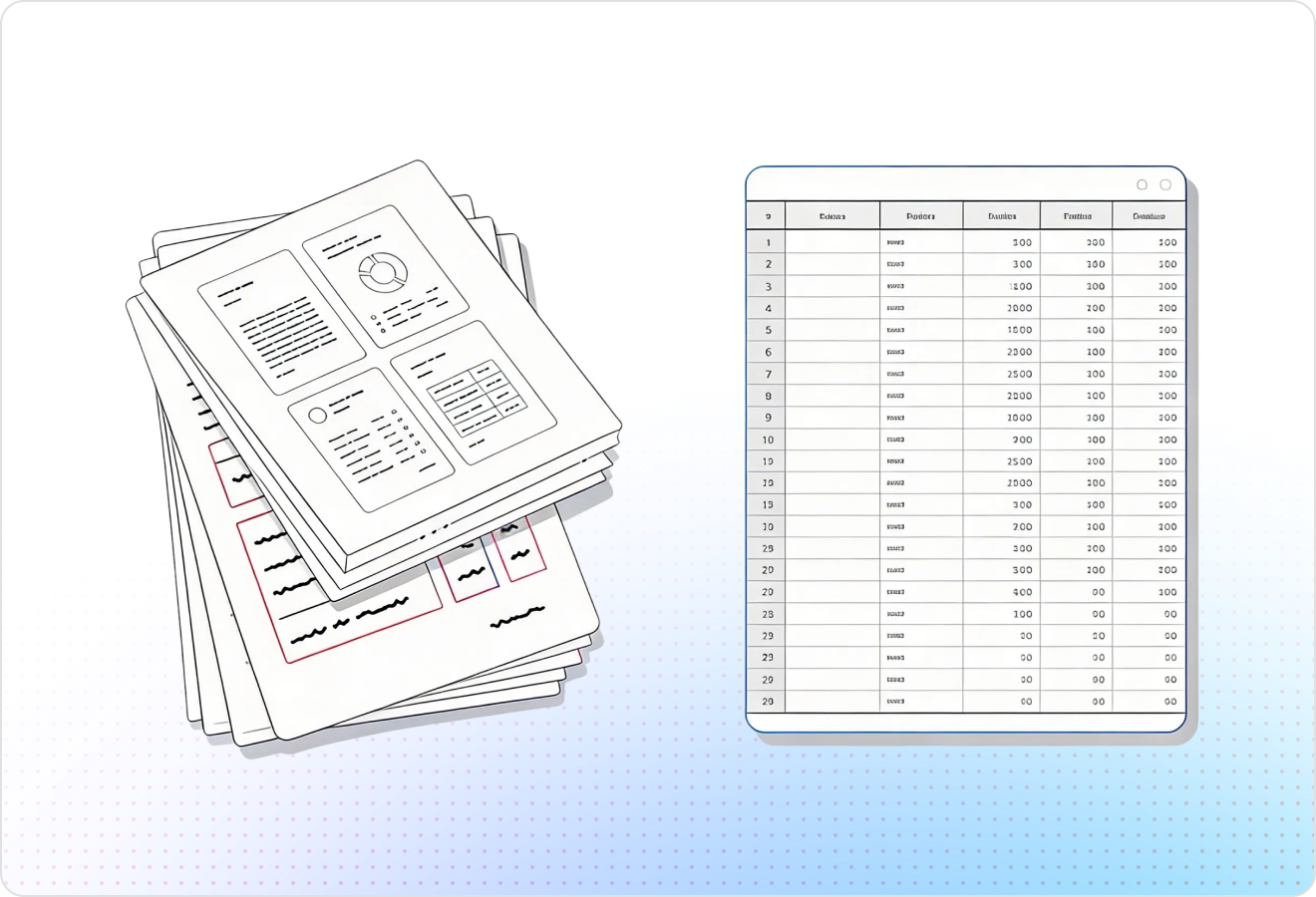
LlamaParse understands page layout so fields, checkboxes, and multi-column sections in health insurance applications don’t get scrambled during parsing. That means applicant demographics, plan selections, and coverage details arrive in the right reading order and stay mapped to the correct labels.
02
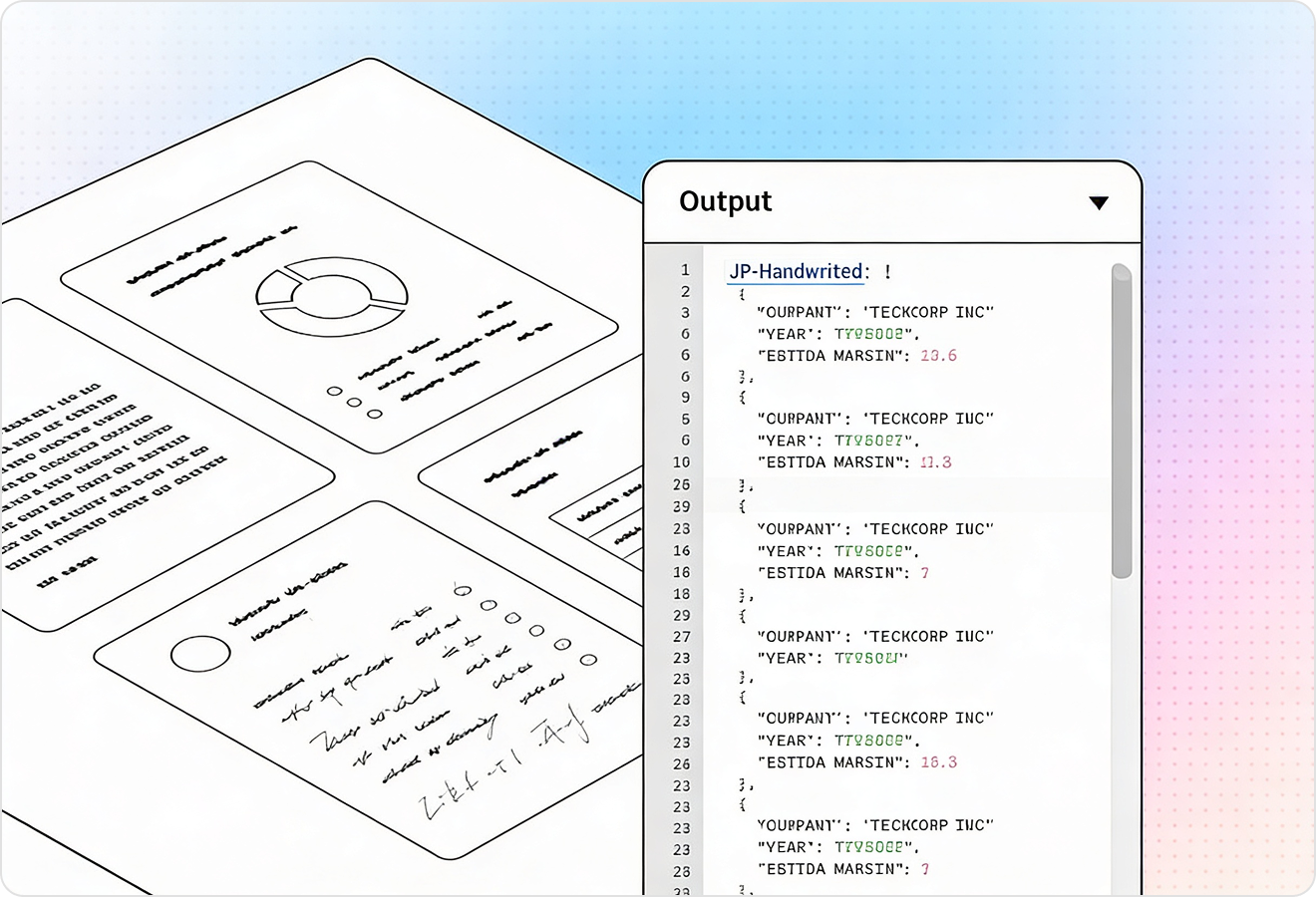
LlamaParse accurately extracts complex tables like premiums, deductibles, copays, and dependent/household grids into clean structured output. This reduces downstream cleanup and makes it straightforward to validate plan math and populate underwriting or enrollment systems.
03
LlamaParse uses validation loops to catch common extraction mistakes and self-correct inconsistencies before results are returned. For health insurance applications, this helps prevent costly errors like mismatched member names, missing signatures, or incorrect policy identifiers slipping into your workflow.
04
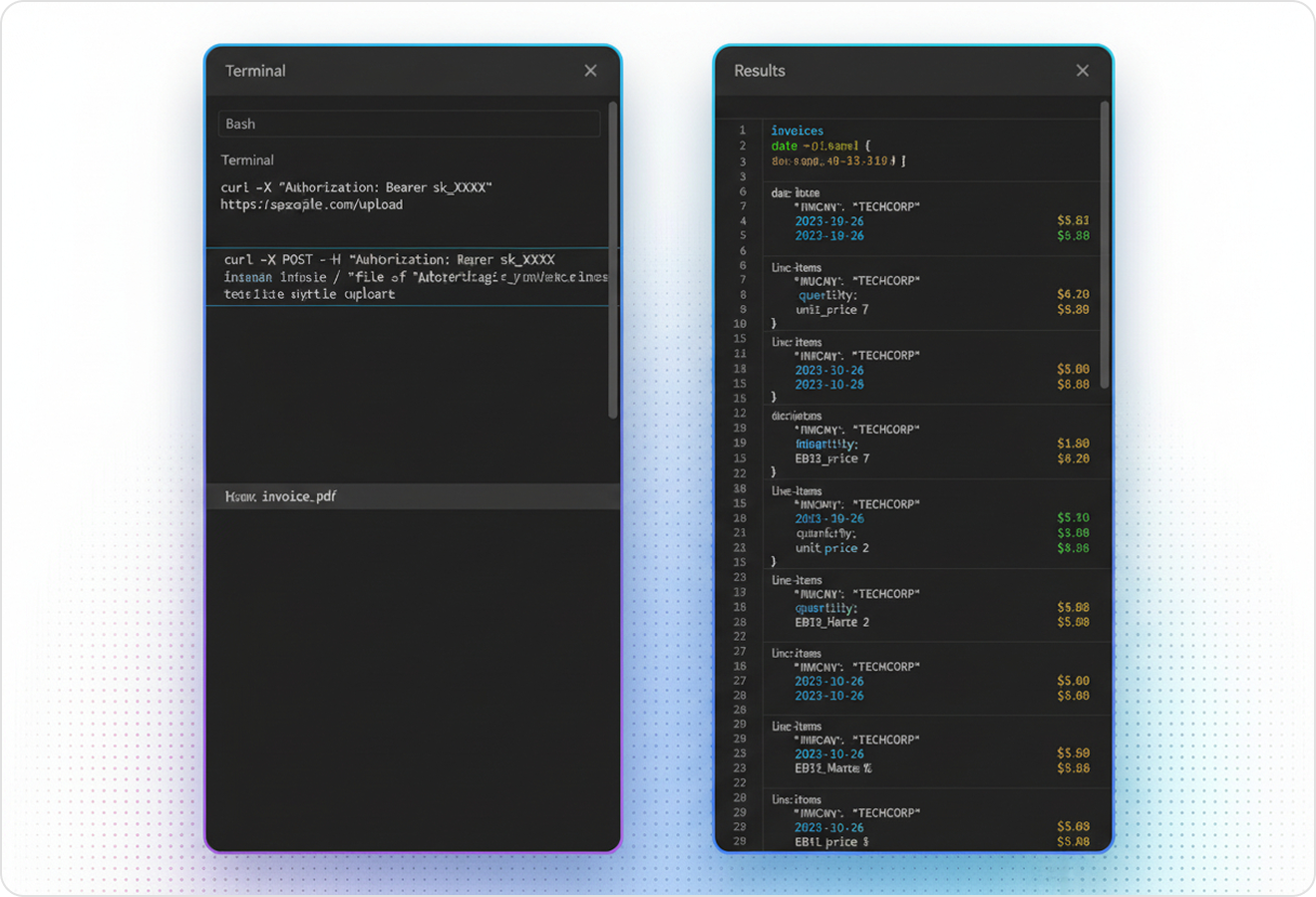
LlamaParse can return structured JSON along with granular metadata like page references and coordinates for each extracted value. That lets you build audit-ready pipelines where every field (e.g., SSN, DOB, address, employer) can be traced back to the exact spot in the original application for review and compliance.
Technical OCR documentation
Explore our developer guides to easily connect your document pipelines to LlamaParse.
Explore the documentation
Our AI catches the typos that tired eyes miss.

Export to Excel, JSON, XML, or directly via API.

SOC2 Type II compliant with end-to-end encryption.

Train the tool on your specific forms in minutes, not days.

Average processing time of <3 seconds per page.
LlamaParse’s support of a wide variety of filetypes and its accuracy of parsing made it the best tool we tested in our evaluations. The LlamaIndex team was very responsive and we were off to the races within a day.
Common FAQs
01
Our layout-aware parsing reads the page the way a human would, keeping multi-column sections, checkboxes, and labeled fields aligned. That means demographics, plan selections, and coverage details stay mapped to the correct questions across pages. You get consistent, downstream-ready data without manual re-ordering.
02
Yes—table and benefit extraction is designed for complex grids commonly found in health plans and enrollment forms. We return clean structured output so you can validate plan math, compare benefit options, and populate underwriting or enrollment systems with fewer exceptions. This reduces the time your team spends cleaning up spreadsheets and PDFs.
03
Validation and auto-correction loops flag common issues like mismatched names, missing signatures, and inconsistent identifiers before results are returned. When something can be confidently corrected, it is; when it can’t, it’s clearly highlighted for review. This helps prevent costly downstream rework and enrollment delays.
04
Do you provide audit-friendly evidence for each extracted field (e.g., SSN, DOB, address)?
Yes—we can return JSON with citations, including page references and coordinates for every extracted value. Reviewers can click directly back to the exact spot in the original application to confirm accuracy. This supports compliance workflows and speeds up QA without chasing screenshots.
05
How easy is it to integrate the extracted data into our enrollment, underwriting, or CRM systems?
Output is delivered as structured JSON, which makes it straightforward to map fields into your existing data model and APIs. Because labels and reading order are preserved, you spend less time building brittle rules for each form variation. Most teams start with a pilot workflow and expand once field mapping is validated.
06
How do you handle exceptions so our team isn’t stuck reviewing every application manually?
The system is built to minimize exceptions by validating results and returning clear, field-level flags when something needs attention. With citations, reviewers can verify only the questionable fields rather than re-checking the entire document. This keeps throughput high while maintaining the accuracy standards health insurance workflows require.