Nov 14, 2025
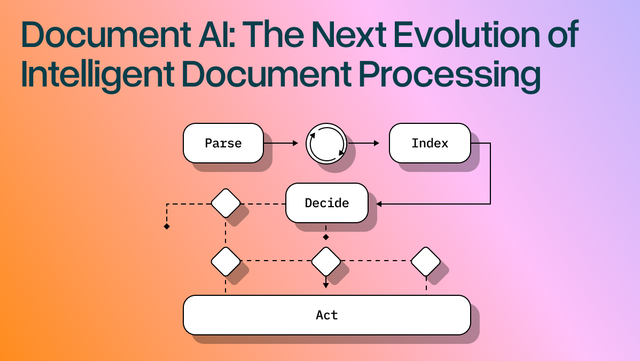
Document AI: The Next Evolution of Intelligent Document ProcessingPersona
Industry
Use cases
OCR To Spreadsheet
[ OCR To Spreadsheet ]

Use LlamaParse to capture tables and layout accurately, so your spreadsheets need less cleanup.
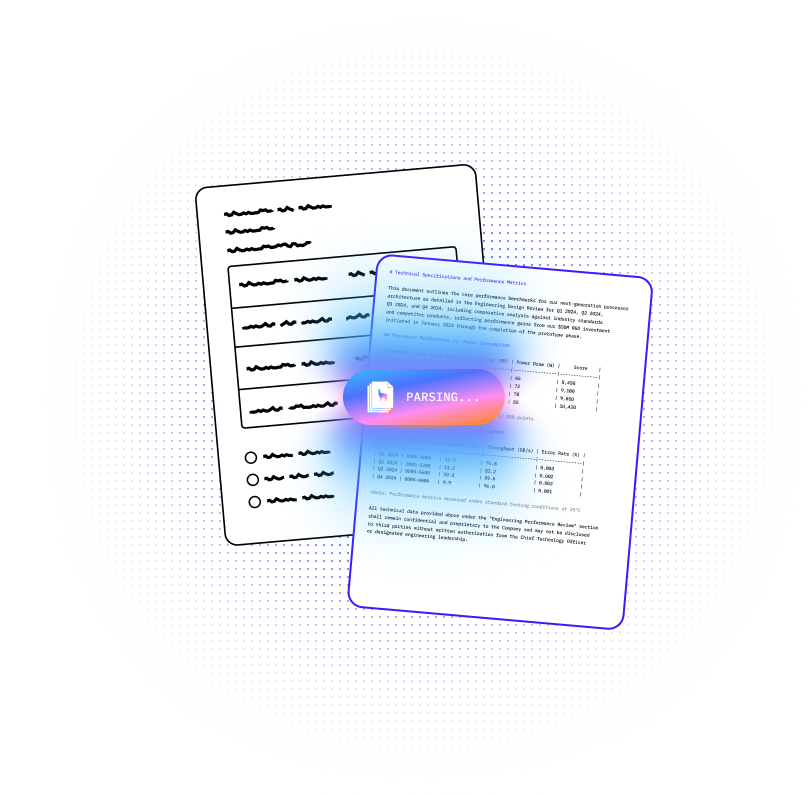
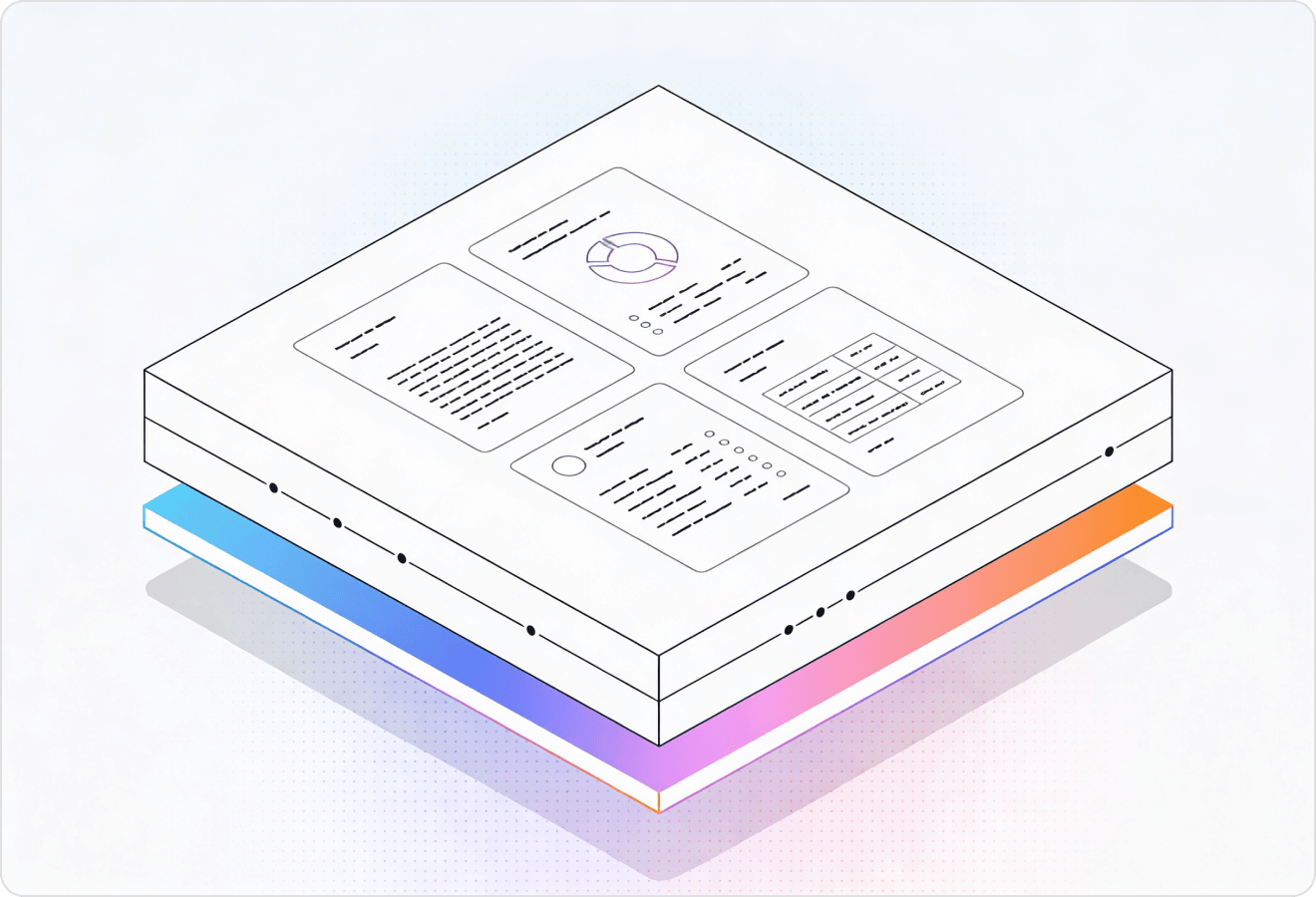

LlamaParse converts messy PDFs, scans, and forms into clean, column-ready spreadsheet data by understanding layout, tables, and field relationships. Agentic parsing adds validation loops, confidence metadata, and smart reconstruction so you can ship fewer fixes and automate downstream workflows.
Best-in-Class Accuracy

Turn inbound PDFs (invoices, contracts, onboarding forms) into spreadsheet-ready rows using LlamaParse’s layout-aware table extraction, so ops teams stop spending nights cleaning scrambled columns. Use natural-language parsing instructions to standardize messy partner documents into a single schema that plugs straight into RevOps and finance systems.

Convert bank statements, AP invoices, and audit evidence into spreadsheets with verifiable JSON output, including page-level traceability for faster reviews and fewer reconciliation disputes. Auto correction loops catch common extraction errors before data hits close workflows, reducing manual exception handling and rework.

Parse bills of lading, customs forms, and packing lists into spreadsheets while preserving reading order and multi-column layouts that traditional OCR routinely breaks. Multimodal parsing captures embedded tables and shipment diagrams so teams can reconcile quantities, SKUs, and charges without re-keying.

Extract line items from pay apps, bids, and change orders into spreadsheets without losing complex tables, alternates, or nested scopes. Cost Optimizer Mode routes simple pages cheaply and escalates only the messy scans, keeping document ingestion scalable across large projects.
The Solution
01
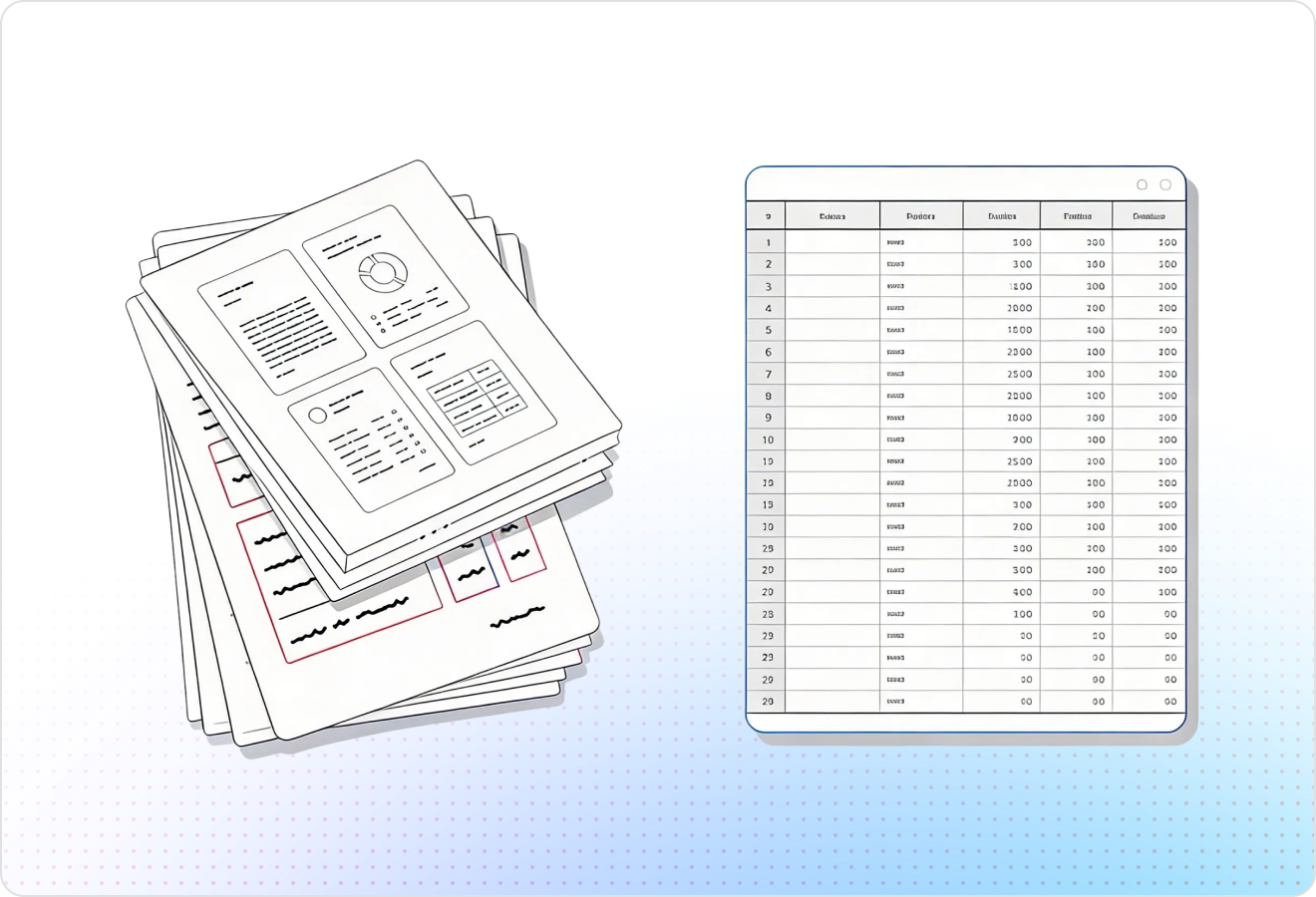
LlamaParse understands page structure (rows, columns, merged cells, multi-column sections) so tables don’t come back scrambled. That means you can reliably turn invoices, statements, and reports into spreadsheet-ready rows and columns without brittle cleanup code.
02
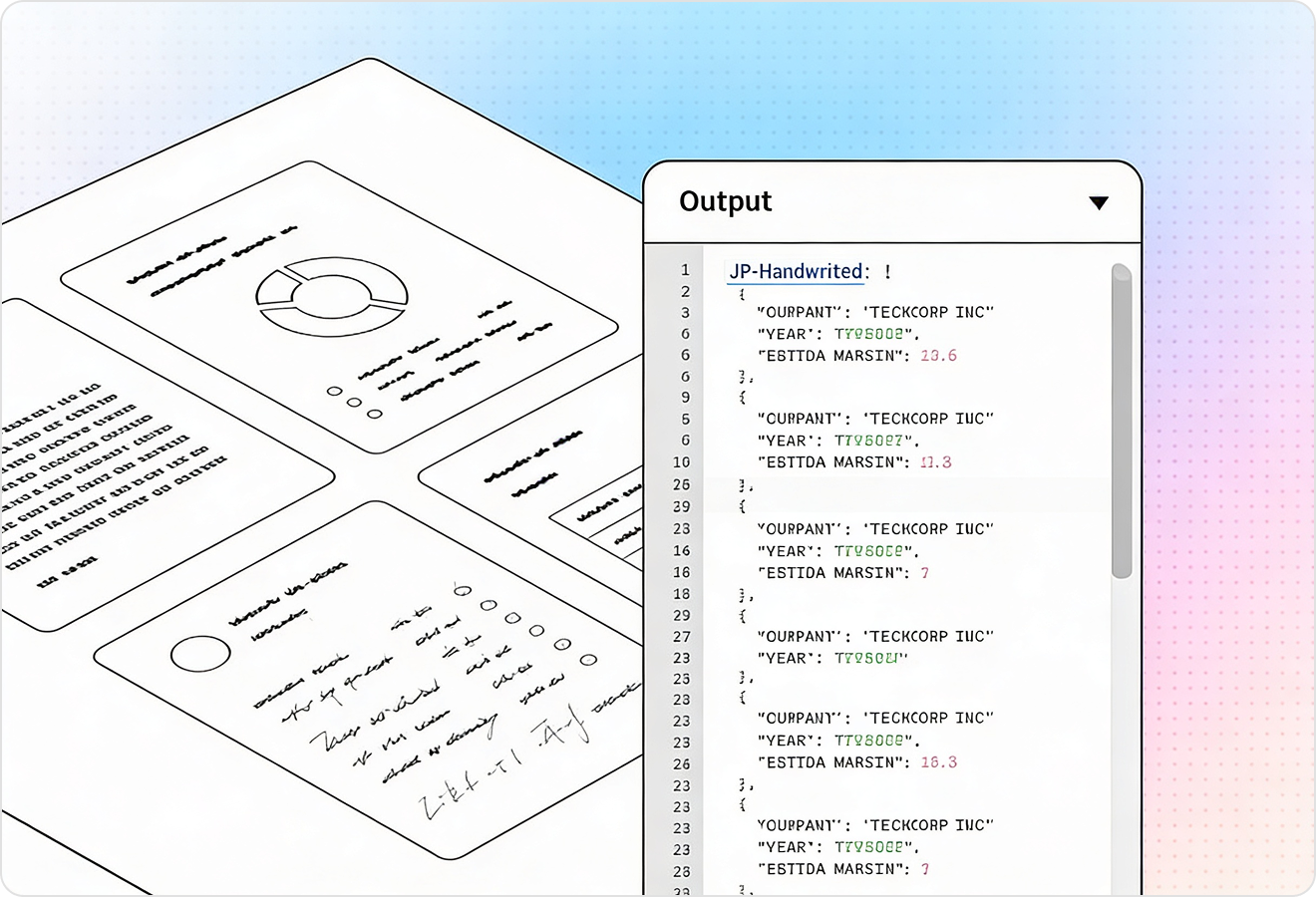
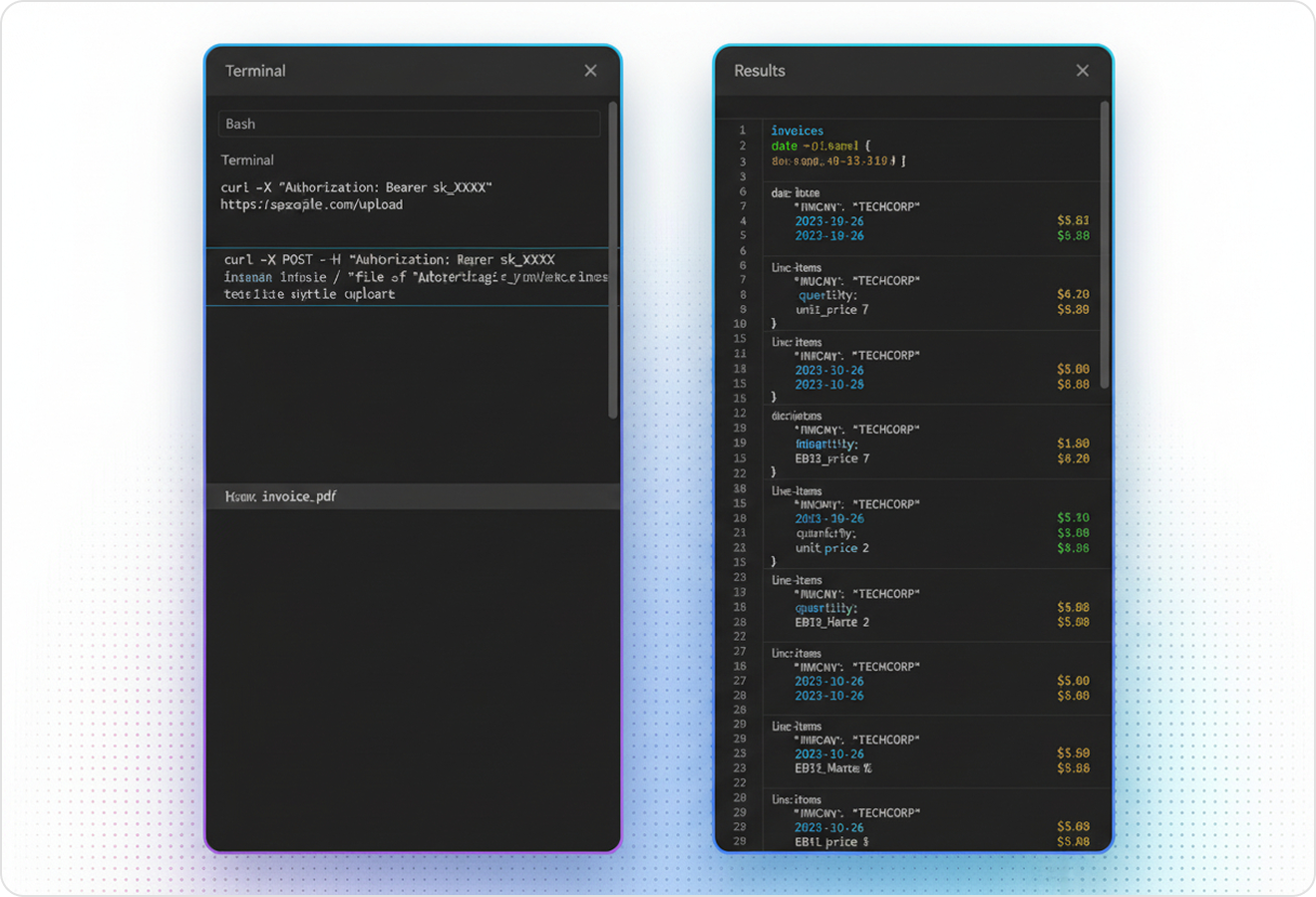
Emit clean, structured JSON for cells, key-value pairs, and sections—ideal for mapping directly into Excel/Google Sheets columns. You also get granular metadata (page, coordinates, element type) so you can trace every spreadsheet value back to its source when something looks off.
03
Use plain-English instructions to control what becomes a column (e.g., “extract line items with quantity, unit price, and total”) and how values are normalized. This lets you standardize spreadsheets across messy document variants without building regex-heavy pipelines.
04
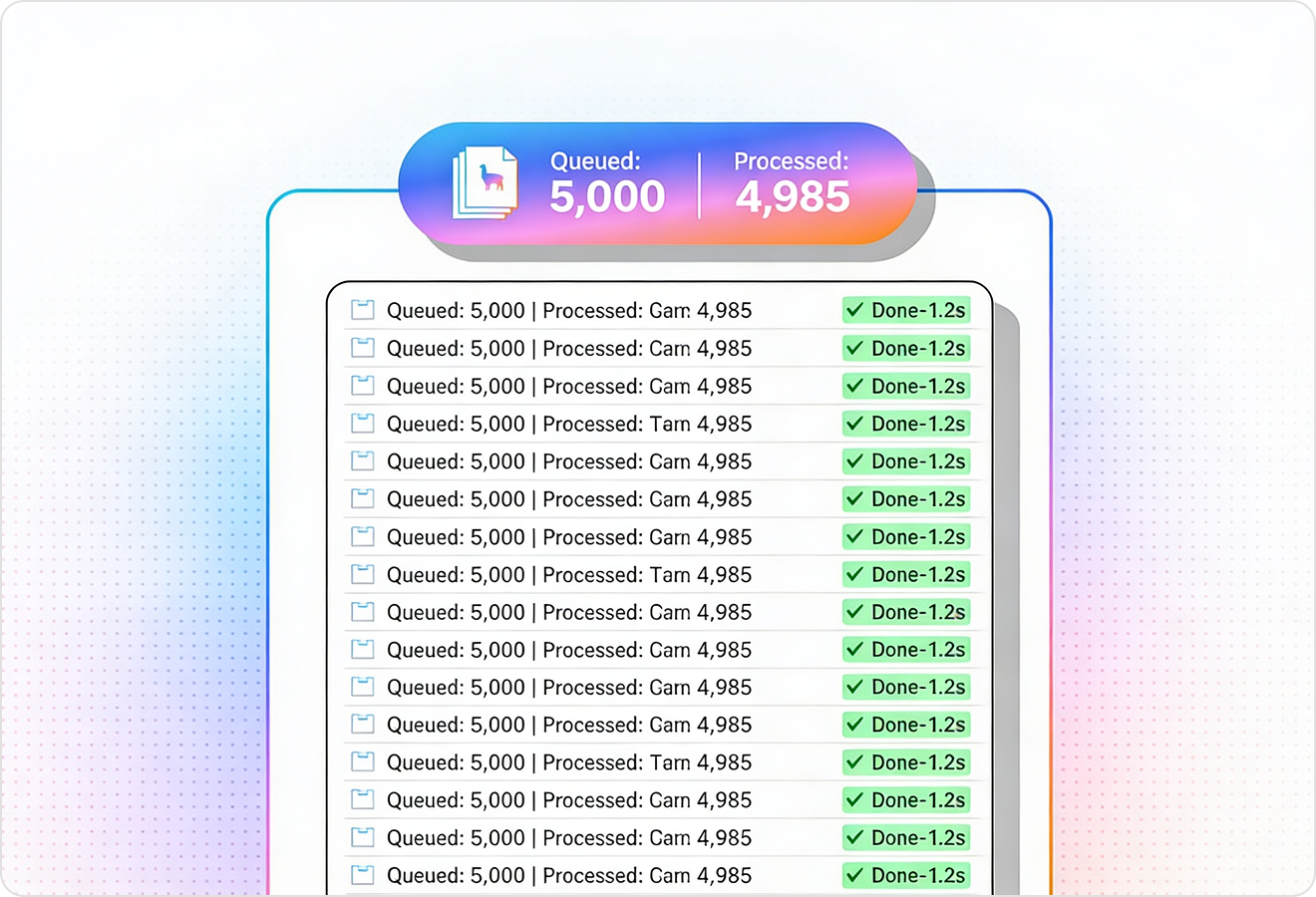
LlamaParse runs multiple validation passes to catch common extraction errors like shifted columns, inconsistent totals, or hallucinated values. For OCR-to-spreadsheet workflows, that translates into higher straight-through processing and fewer manual fixes before exporting to CSV/XLSX.
Technical OCR documentation
Explore our developer guides to easily connect your document pipelines to LlamaParse.
Explore the documentation
Our AI catches the typos that tired eyes miss.

Export to Excel, JSON, XML, or directly via API.

SOC2 Type II compliant with end-to-end encryption.

Train the tool on your specific forms in minutes, not days.

Average processing time of <3 seconds per page.
LlamaParse’s support of a wide variety of filetypes and its accuracy of parsing made it the best tool we tested in our evaluations. The LlamaIndex team was very responsive and we were off to the races within a day.
Common FAQs
01
Our layout-aware extraction reads the page structure—rows, columns, merged cells, and multi-column sections—so tables come back in the right shape. That means invoices, statements, and reports export to clean spreadsheet rows without manual reformatting.
02
Yes—use Structured JSON Output Mode to get consistent cell, key-value, and section data that maps cleanly into spreadsheet columns. Each value can also include page and coordinate metadata, so you can trace any number back to the exact spot in the source document.
03
You can write plain-English extraction rules like “extract line items with quantity, unit price, and total” to define your spreadsheet schema. This makes it easy to standardize outputs across messy vendor formats without building regex-heavy pipelines.
04
How do you reduce errors like shifted columns or totals that don’t add up?
Validation and self-correction loops run multiple passes to catch common OCR-to-spreadsheet issues such as misaligned columns, inconsistent totals, and suspicious values. The result is higher straight-through processing and fewer manual fixes before you export to CSV/XLSX.
05
What if I need to audit results or explain where a spreadsheet value came from?
Every extracted element can include granular metadata (page number, coordinates, and element type) for easy verification. When something looks off, you can quickly compare the spreadsheet cell to the original document without guesswork.
06
How quickly can I get from scanned PDFs to a usable spreadsheet workflow?
Most teams start by defining a few natural-language rules, then export structured JSON into their preferred spreadsheet format. Because the output is consistent and validated, you can move from ad hoc cleanup to an automated pipeline in days, not weeks.