Nov 14, 2025
Document AI: The Next Evolution of Intelligent Document ProcessingPersona
Industry
Use cases
Document Agents API
[ Document Agents API ]

Turn messy PDFs into verifiable JSON with LlamaParse, so your agents act on reliable fields.
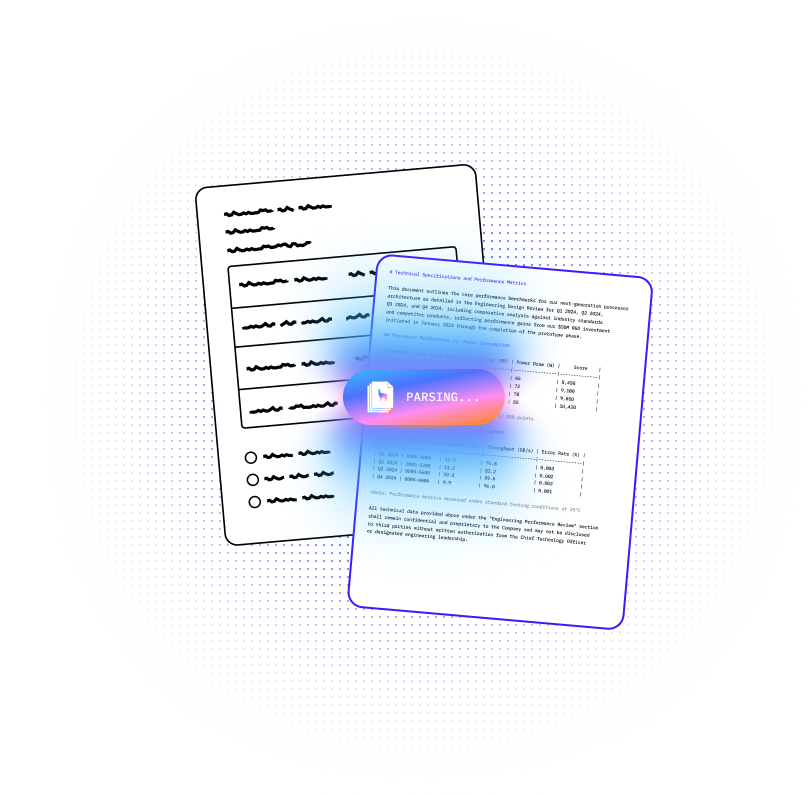
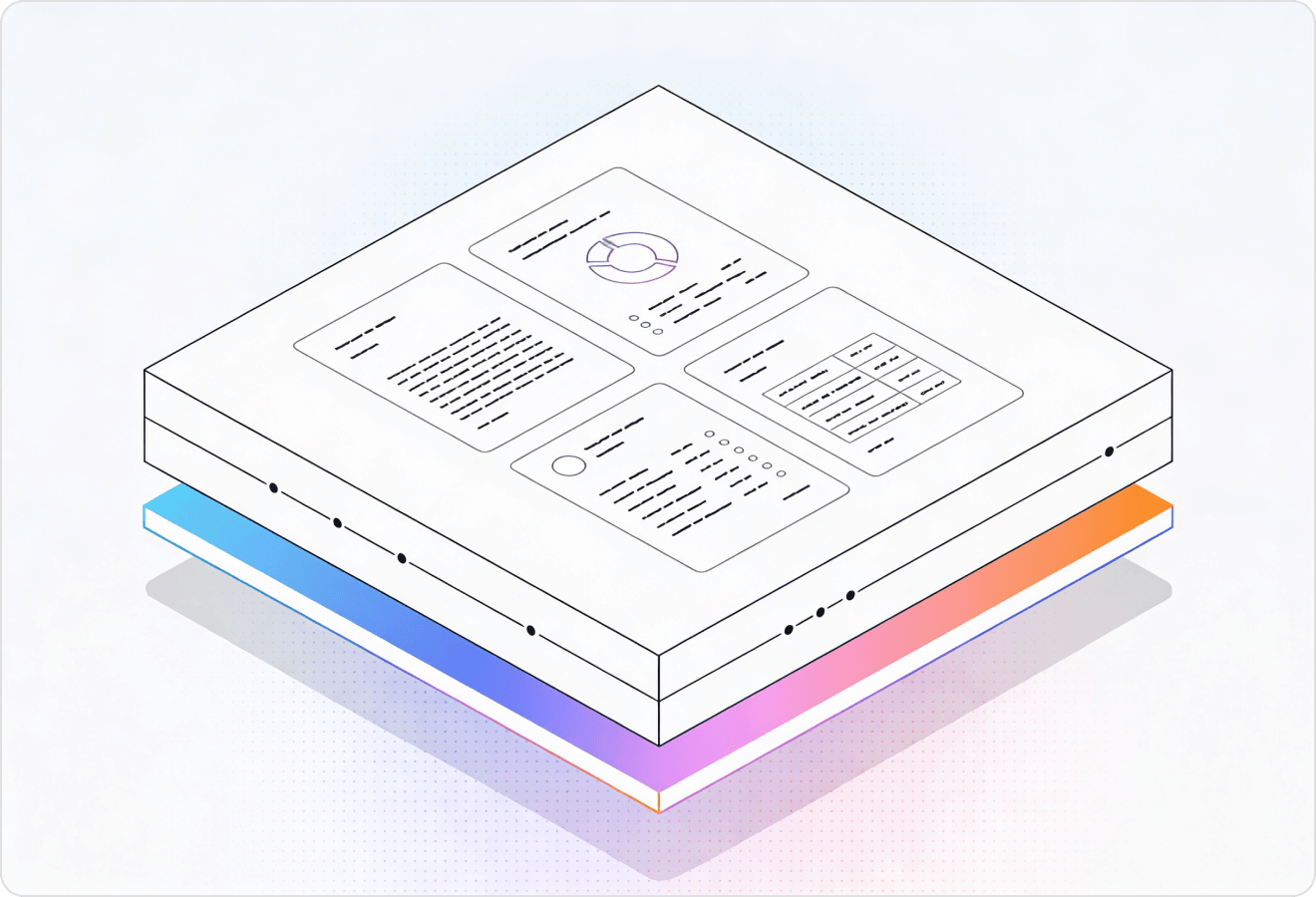

LlamaParse turns messy PDFs, scans, and forms into clean, structured Markdown and JSON your Document Agents API can reliably act on. It understands layout, tables, and charts, then adds citations and confidence metadata so you can validate outputs and automate end-to-end workflows.
Best-in-Class Accuracy

Turn messy customer PDFs, pitch decks, and vendor contracts into clean Markdown/JSON so product teams can ship document-driven features without building brittle parsing pipelines. Use natural-language parsing instructions and tier-based processing to keep accuracy high on the hard pages while staying inside an early-stage budget.

Automate intake for loan packages by extracting financial tables, covenants, and signatures from multi-column PDFs and scanned statements without the usual scrambled outputs of legacy approaches. JSON mode with granular metadata enables audit-ready traceability—every extracted value can be tied back to the exact page and location for faster credit review and compliance.

Parse FNOL packets, repair estimates, and medical/legal attachments—including photos, diagrams, and handwritten notes—into structured fields that flow directly into claims and policy systems. Auto-correction loops reduce rework by catching inconsistencies across documents (e.g., mismatched dates, totals, or VINs) before adjusters ever see the file.

Extract line items, schedules, and change-order tables from bids, pay apps, and submittals while preserving reading order across complex layouts and appendices. Convert drawings and spec visuals into usable text plus structured outputs so teams can reconcile scope, track variances, and reduce disputes without manual data entry.
The Solution
01
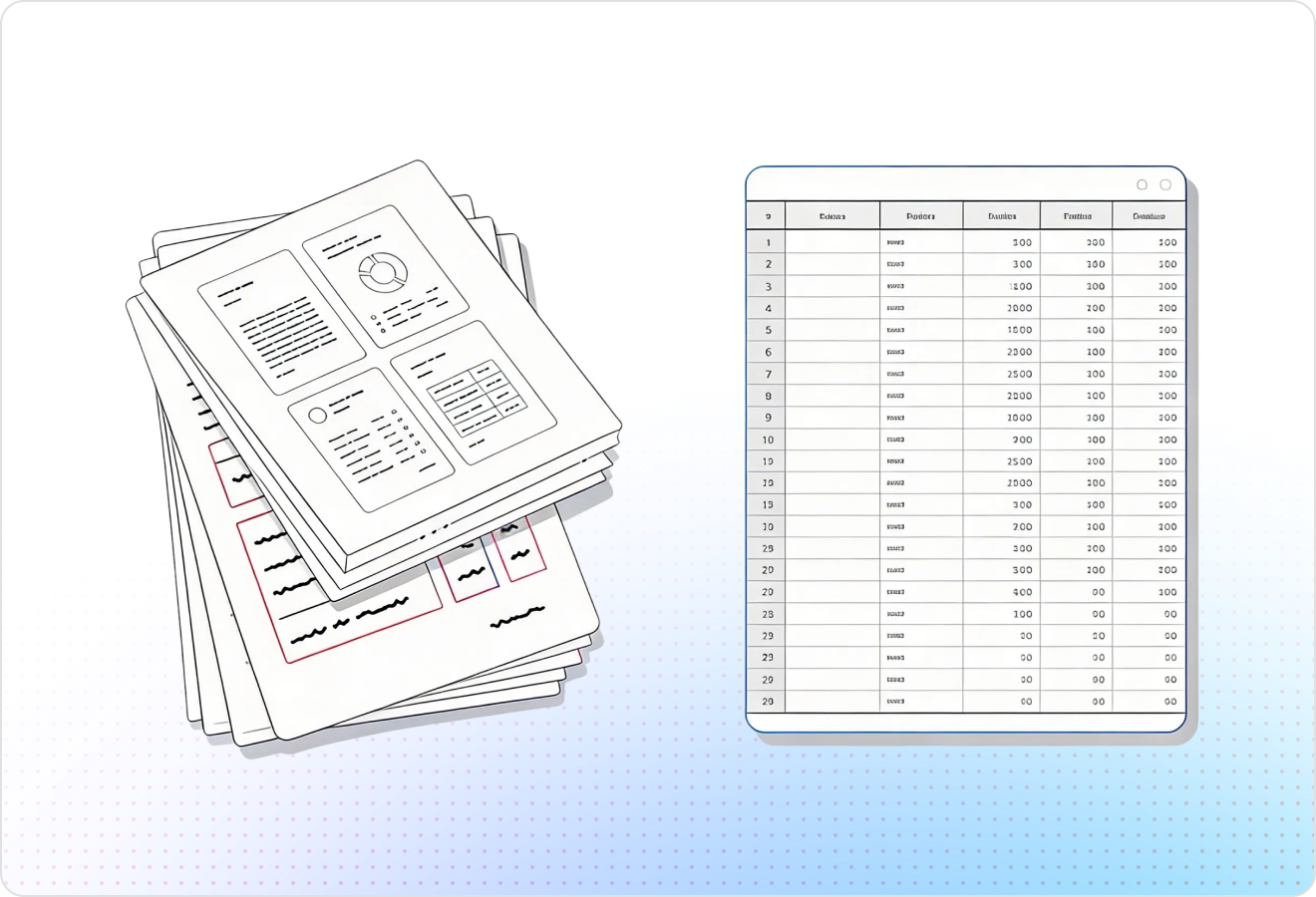
LlamaParse detects page structure—sections, headers/footers, columns, and tables—so extracted content keeps its intended reading order. For a Document Agents API, this means your agents can reliably reference the right clause, field, or row without brittle post-processing.
02
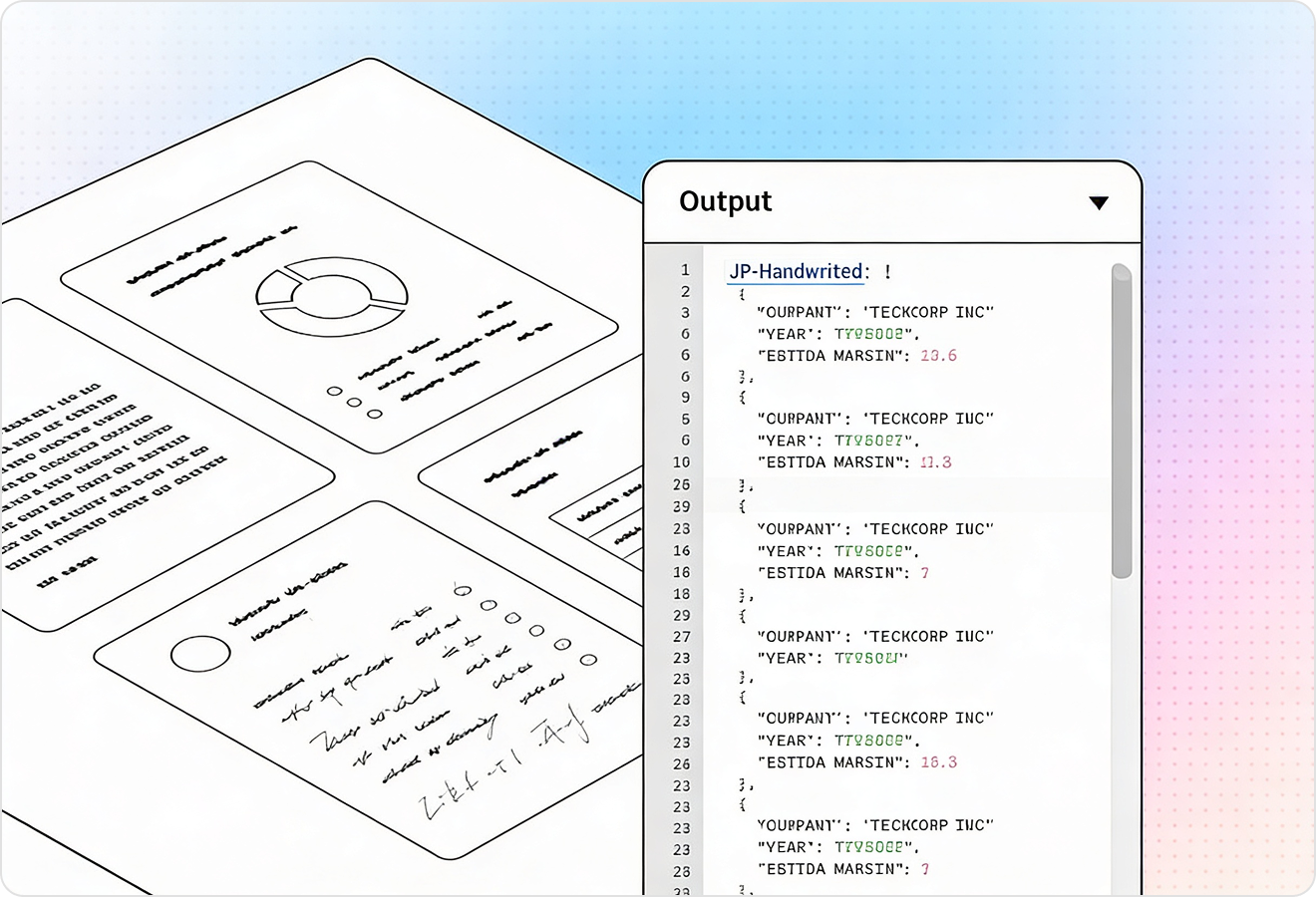
LlamaParse interprets charts, images, and math alongside text, turning visual elements into machine-readable representations. That gives document agents the full context they need to answer questions and trigger actions even when key information lives in tables, figures, or formulas.
03
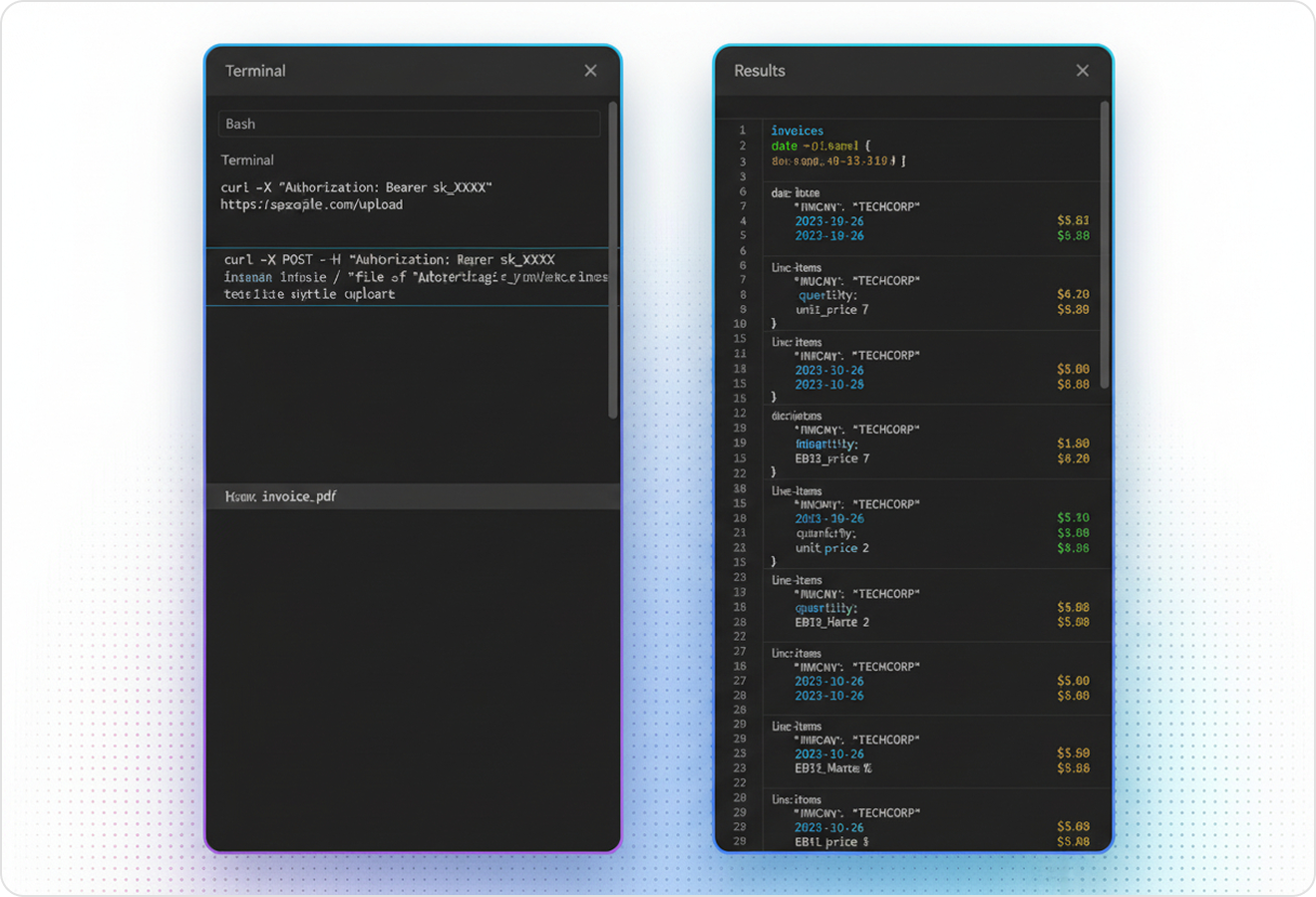
LlamaParse can return structured JSON with granular metadata like page numbers, element types, and spatial coordinates for each extracted node. In a Document Agents API, this enables deterministic tool calls, precise citations, and auditable agent outputs that are easy to validate.
04
LlamaParse applies self-checks and correction passes to catch common extraction errors and inconsistencies before results are returned. This improves straight-through processing for document agents by reducing retries, manual review, and downstream workflow failures.
Technical OCR documentation
Explore our developer guides to easily connect your document pipelines to LlamaParse.
Explore the documentation
Our AI catches the typos that tired eyes miss.

Export to Excel, JSON, XML, or directly via API.

SOC2 Type II compliant with end-to-end encryption.

Train the tool on your specific forms in minutes, not days.

Average processing time of <3 seconds per page.
LlamaParse’s support of a wide variety of filetypes and its accuracy of parsing made it the best tool we tested in our evaluations. The LlamaIndex team was very responsive and we were off to the races within a day.
Common FAQs
01
Our layout-aware parsing detects sections, headers/footers, columns, and tables to preserve the intended reading order. That means your agents can reference the correct clause or row without brittle post-processing or manual cleanup.
02
The API supports multimodal document understanding, interpreting visual elements like charts, figures, and math alongside text. You get machine-readable outputs your agents can use to answer questions and trigger actions even when key data isn’t in paragraphs.
03
Yes—JSON mode includes granular metadata such as page numbers, element types, and spatial coordinates for each extracted node. This enables precise citations, deterministic tool calls, and auditable outputs that are easy to validate.
04
How do you reduce extraction errors and downstream workflow failures?
We run agentic validation loops that self-check and correct common inconsistencies before results are returned. This improves straight-through processing, reduces retries, and minimizes time spent on manual review.
05
Will this work reliably across different document types and templates?
The API is designed to handle varied, real-world documents by using layout signals plus multimodal cues rather than relying on a single rigid template. You can onboard new formats faster while keeping extraction consistent enough for automation.
06
How quickly can we integrate Document Agents API into an existing agent workflow?
Integration is straightforward: send documents, receive structured JSON, and let your agents act on the normalized fields and citations. Most teams can plug it into retrieval, compliance checks, or workflow automation with minimal glue code.