Nov 14, 2025
Document AI: The Next Evolution of Intelligent Document ProcessingPersona
Industry
Use cases
Medical Report OCR
[ Medical Report OCR ]

Use LlamaParse to extract fields, tables, and codes with layout-aware accuracy and citations.
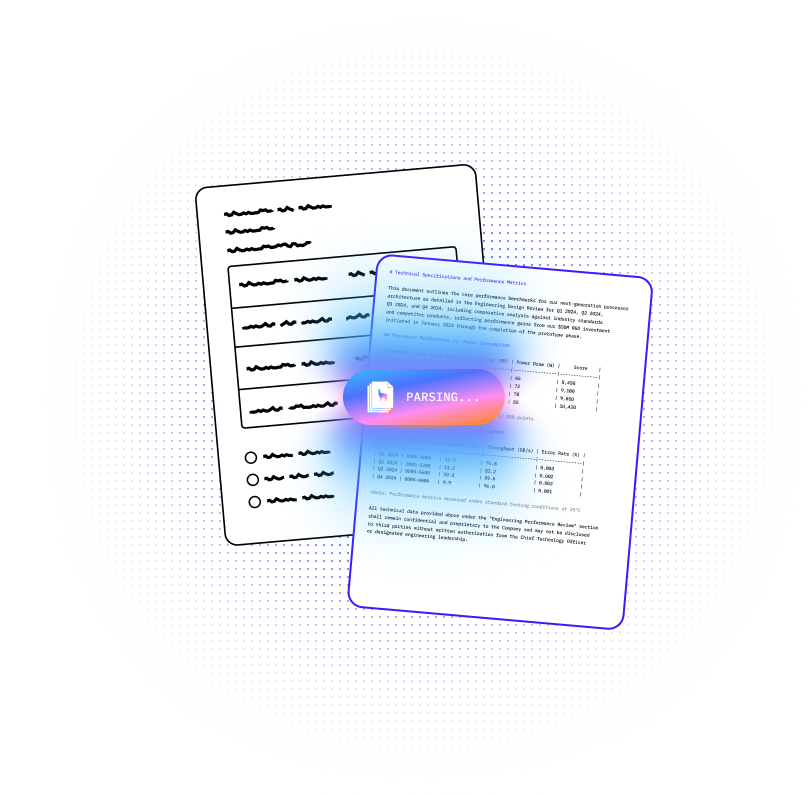
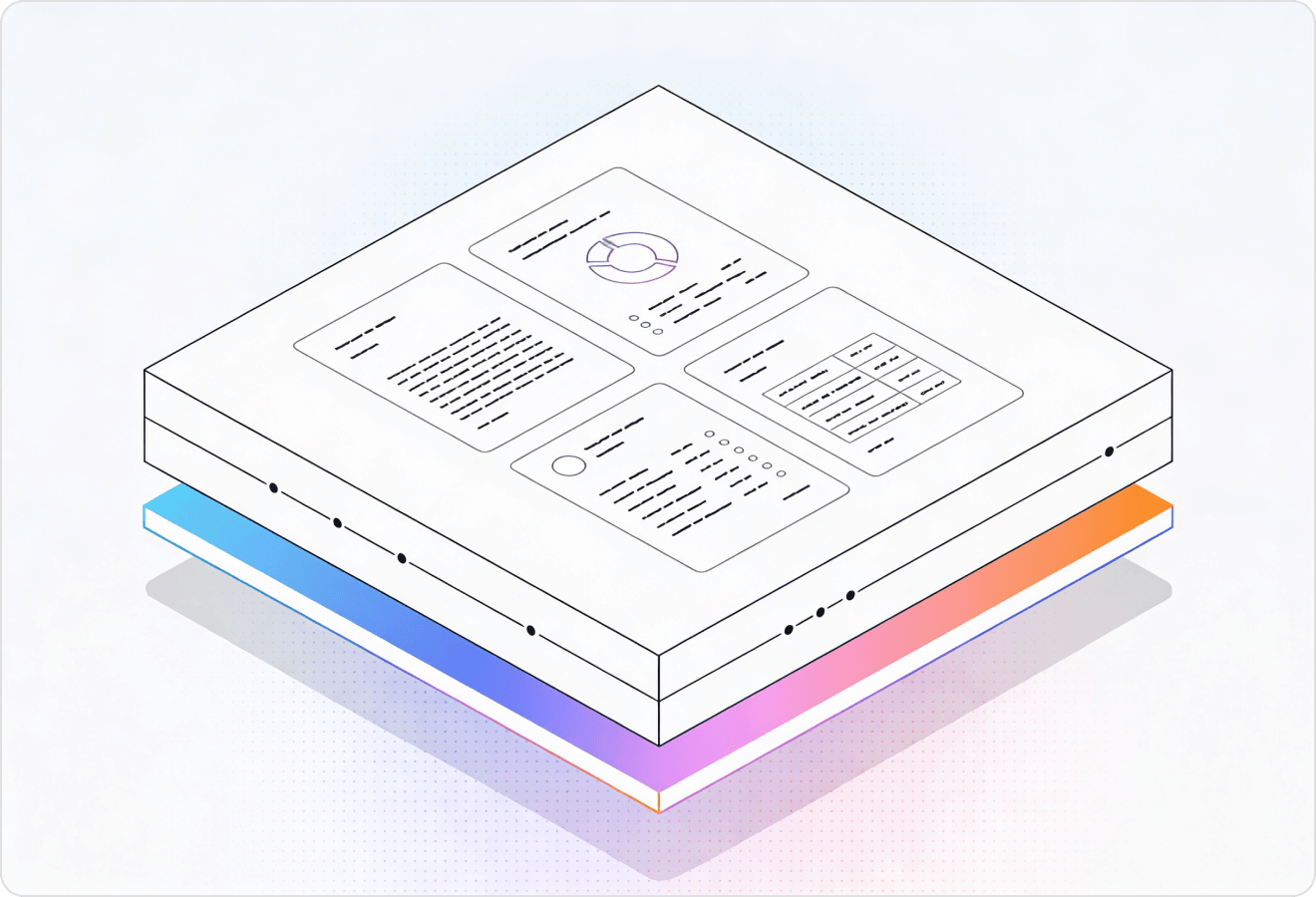
LlamaParse turns messy PDFs and scanned medical reports into clean, structured outputs you can trust, ready for analytics, automation, or downstream models. It understands layouts, tables, and embedded images, then adds validation and citations to reduce manual review and improve straight-through processing.
Best-in-Class Accuracy

Use LlamaParse to turn messy PDFs—lab results, discharge summaries, imaging reports, and multi-column physician notes—into clean Markdown/JSON that preserves sections, tables, and reading order. This eliminates brittle post-processing scripts and enables reliable downstream automation like pre-charting, HCC review, and faster clinical abstraction with traceable citations.

Parse medical records and itemized bills into structured claim-ready fields, extracting CPT/ICD hints, dates of service, provider identifiers, and tabular charge lines without scrambling layouts. Natural-language parsing instructions and metadata make it easy to route exceptions for targeted review while increasing straight-through processing on prior auth and claims adjudication.

Convert protocol deviations, SAE narratives, pathology reports, and lab tables into consistent datasets, including charts and formulas, so teams can run faster QC and analysis without manual transcription. JSON mode with page coordinates provides audit-friendly traceability for monitoring, validation, and regulatory submissions.

Ship medical-report ingestion in days by using LlamaParse as the agentic document parsing layer that outputs app-ready JSON schemas for labs, meds, and diagnoses across wildly different provider templates. Auto/tiered processing keeps costs predictable while correction loops reduce support tickets from bad extractions as volume scales.
The Solution
01
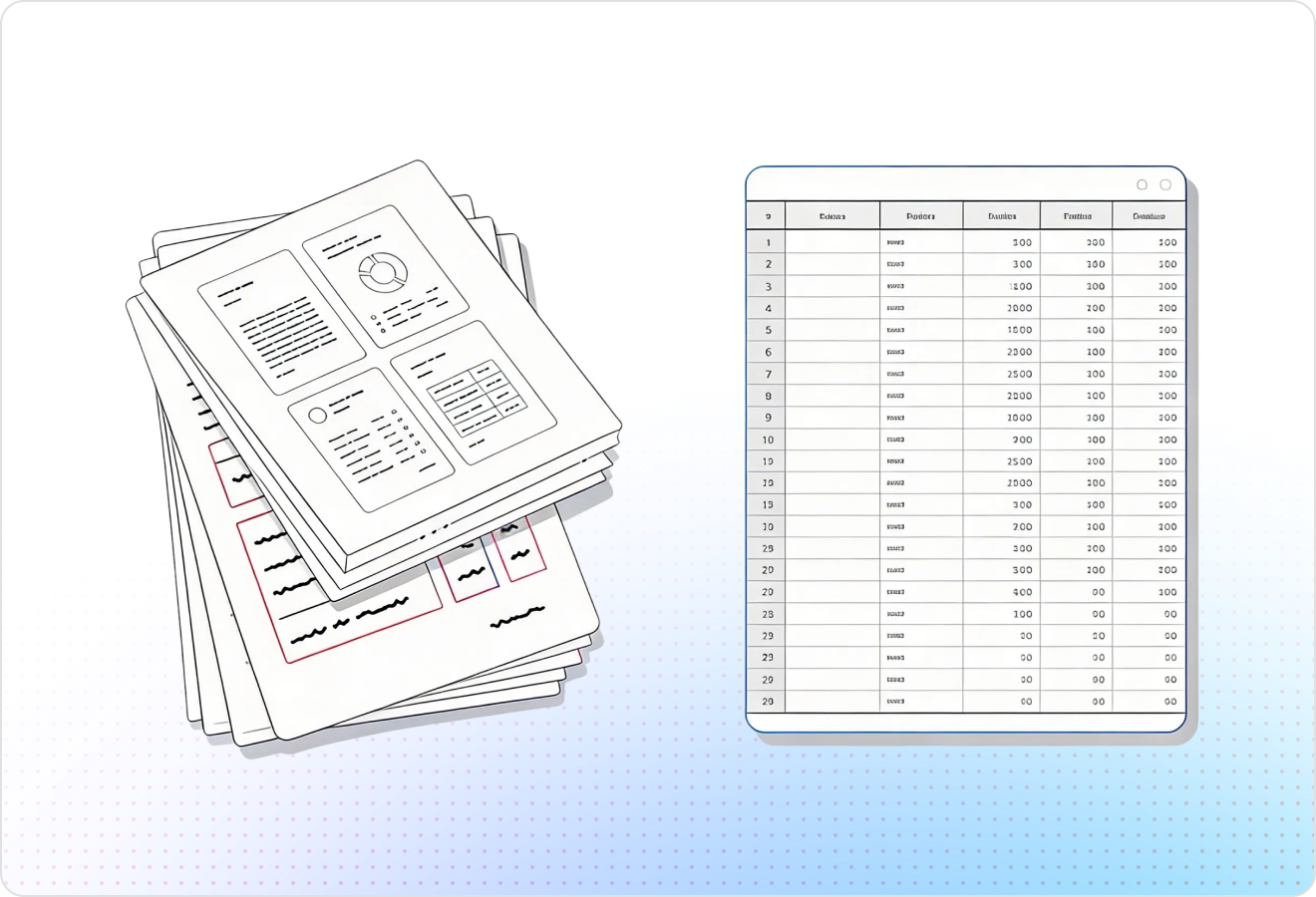
LlamaParse understands page layout to preserve reading order across multi-column consult notes, headers/footers, and scanned forms. For medical reports, that means the diagnosis, impressions, and narrative findings stay correctly grouped instead of getting scrambled into unusable text.
02
LlamaParse extracts complex tables reliably, including lab panels, vitals flowsheets, and reference ranges that often break traditional OCR pipelines. You get clean structured outputs that keep analyte names aligned with values, units, and flags—so downstream systems don’t misinterpret results.
03
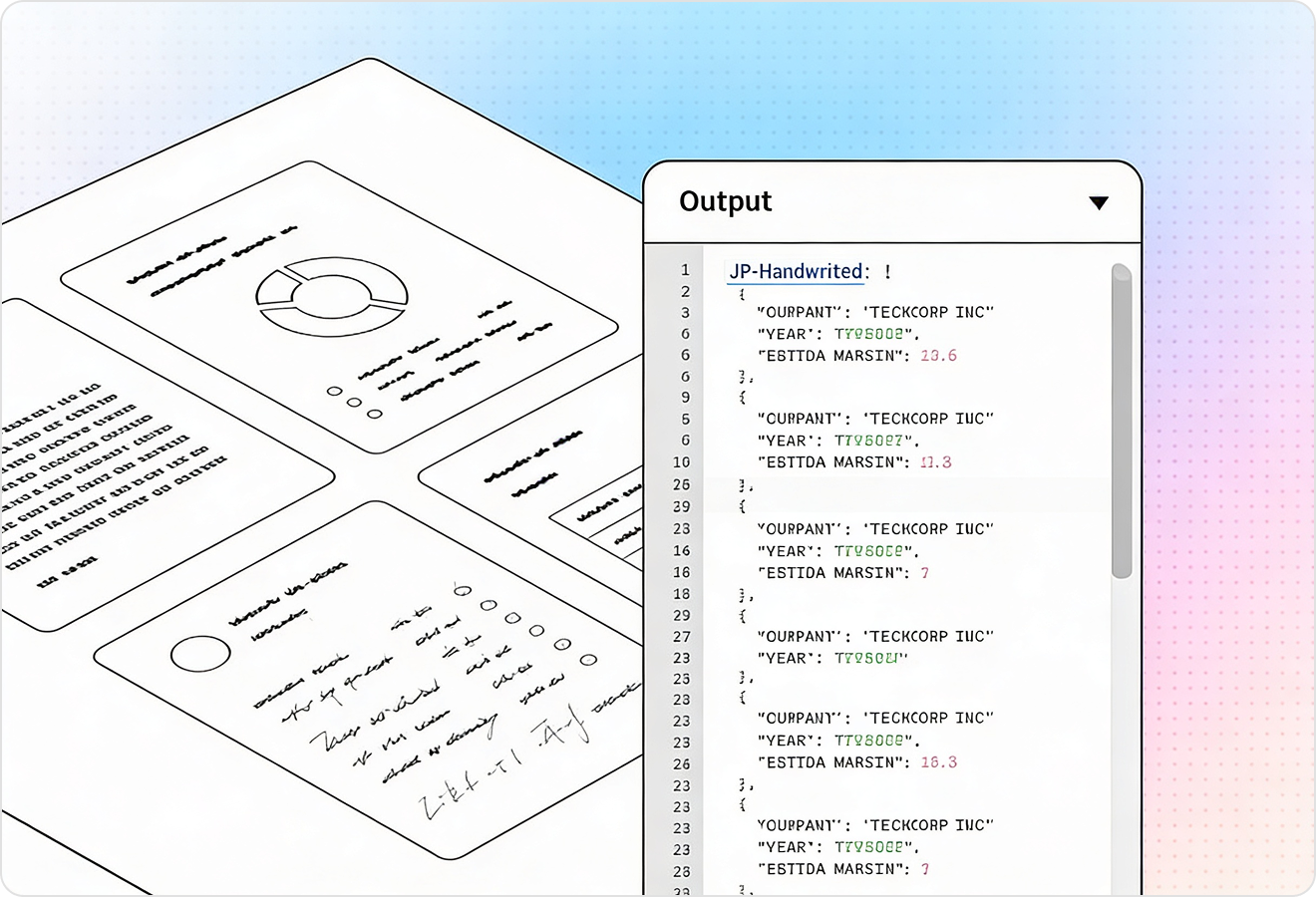
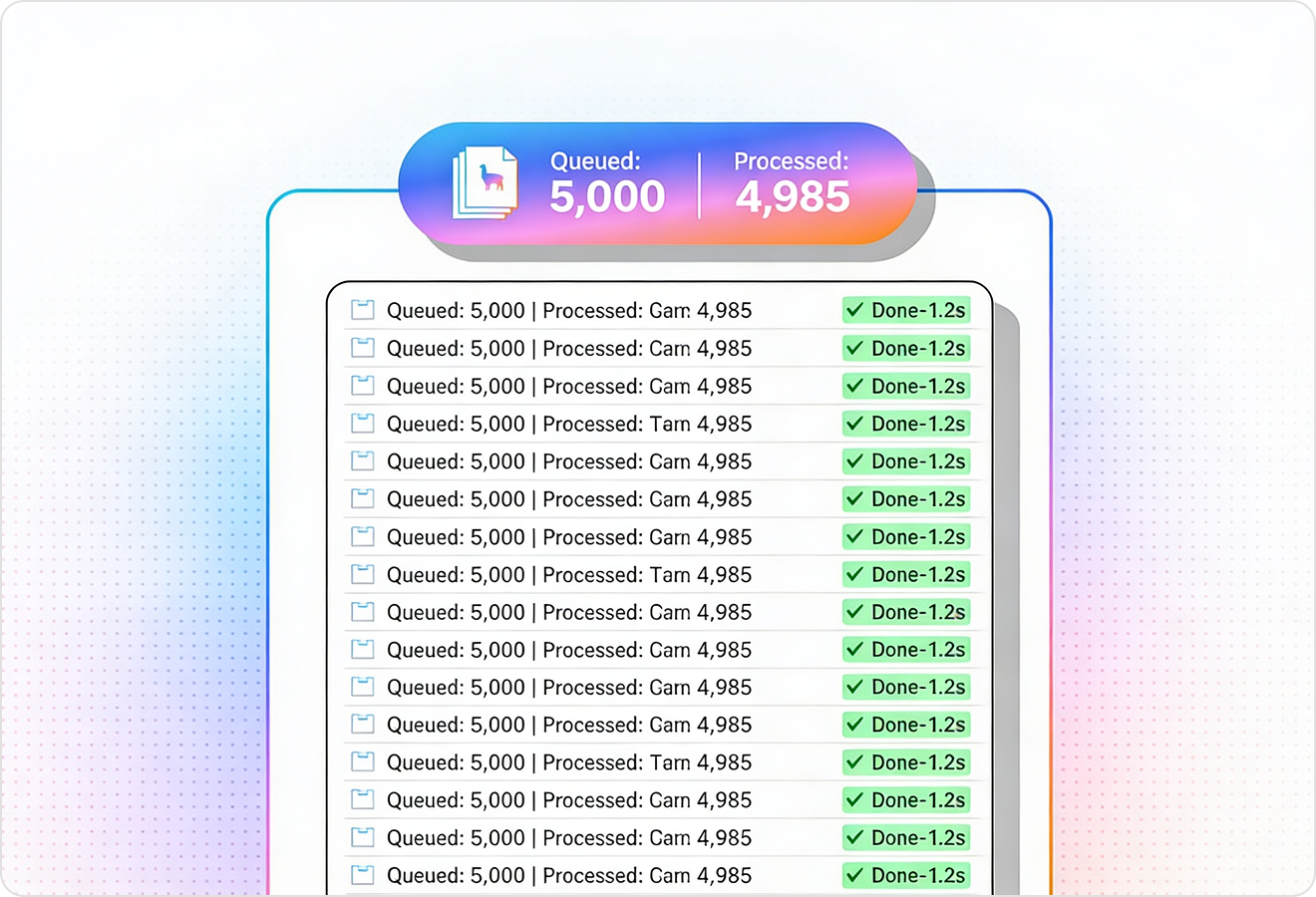
LlamaParse runs iterative self-checks to catch common scan issues like dropped characters, merged rows, or hallucinated values before returning the final parse. This reduces manual QA on sensitive medical data and increases straight-through processing for high-volume report ingestion.
04
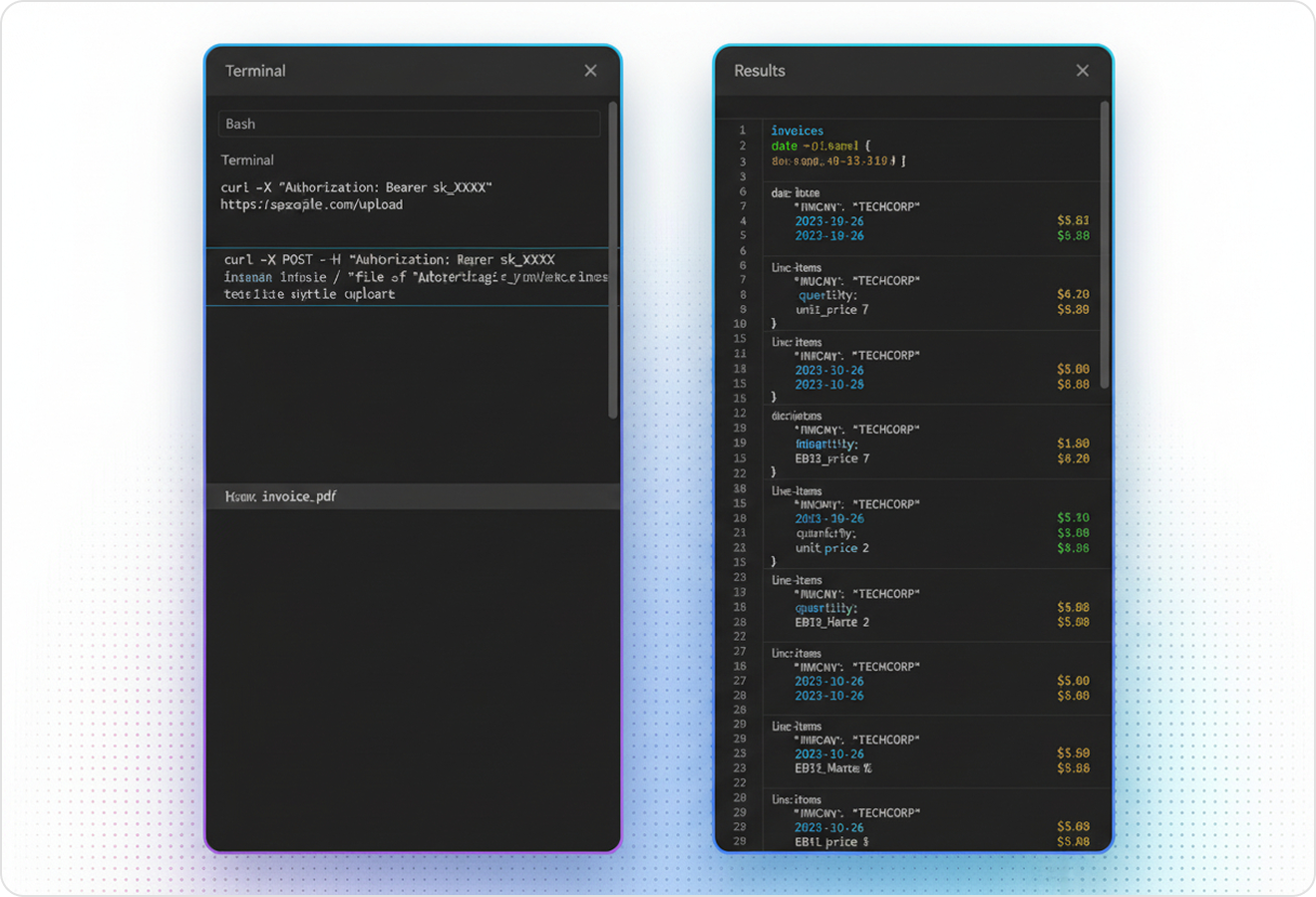
LlamaParse can return structured JSON alongside granular metadata like page numbers, coordinates, and element types for every extracted field. For medical report OCR workflows, this makes each lab value or medication mention auditable and easy to route into EHR mapping, review queues, or compliance checks.
Technical OCR documentation
Explore our developer guides to easily connect your document pipelines to LlamaParse.
Explore the documentation
Our AI catches the typos that tired eyes miss.

Export to Excel, JSON, XML, or directly via API.

SOC2 Type II compliant with end-to-end encryption.

Train the tool on your specific forms in minutes, not days.

Average processing time of <3 seconds per page.
LlamaParse’s support of a wide variety of filetypes and its accuracy of parsing made it the best tool we tested in our evaluations. The LlamaIndex team was very responsive and we were off to the races within a day.
Common FAQs
01
Yes—layout-aware parsing preserves reading order across multi-column pages, headers/footers, and common form structures. That helps keep diagnoses, impressions, and narrative findings grouped correctly instead of being scrambled into unusable text.
02
It’s built to reliably extract complex clinical tables, including analyte names, values, units, reference ranges, and abnormal flags. This reduces downstream errors where misaligned rows or columns can lead to misinterpreted results.
03
Auto-correction validation loops run iterative self-checks to catch common scan issues before returning the final output. This reduces manual QA effort on sensitive data and improves straight-through processing for high-volume ingestion.
04
Can I get structured JSON output I can map into my EHR or data pipeline?
Yes—you can receive structured JSON designed for downstream mapping and automation. That makes it easier to route key fields like lab results or medication mentions into your EHR interfaces, review queues, or analytics workflows.
05
Is the extracted data auditable for clinical review and compliance?
Each extracted field can include citations like page numbers, coordinates, and element types, so reviewers can quickly verify the source in the original document. This improves traceability for chart abstraction, audits, and quality assurance.
06
What types of medical reports does this work best for?
It performs well on common report formats like consult notes, lab panels, imaging summaries, discharge documents, and scanned forms where layout and tables matter. If you share a small sample set, you can validate accuracy on your real templates before scaling.