Nov 14, 2025
Document AI: The Next Evolution of Intelligent Document ProcessingPersona
Industry
Use cases
Deed Of Trust OCR
[ Deed Of Trust OCR ]

Use LlamaParse to turn deeds of trust into structured JSON with citations and confidence scores.
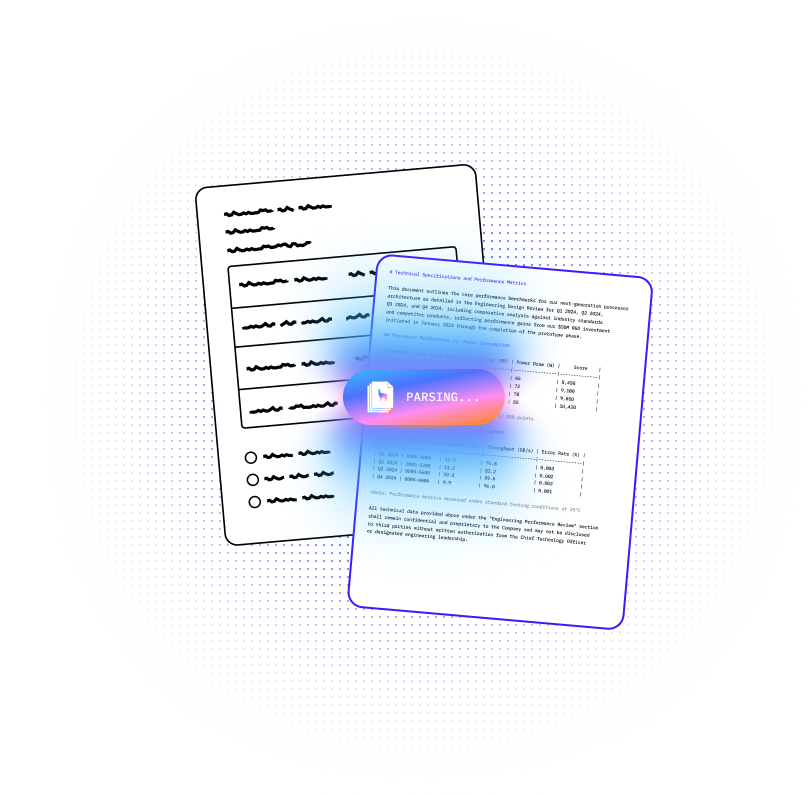
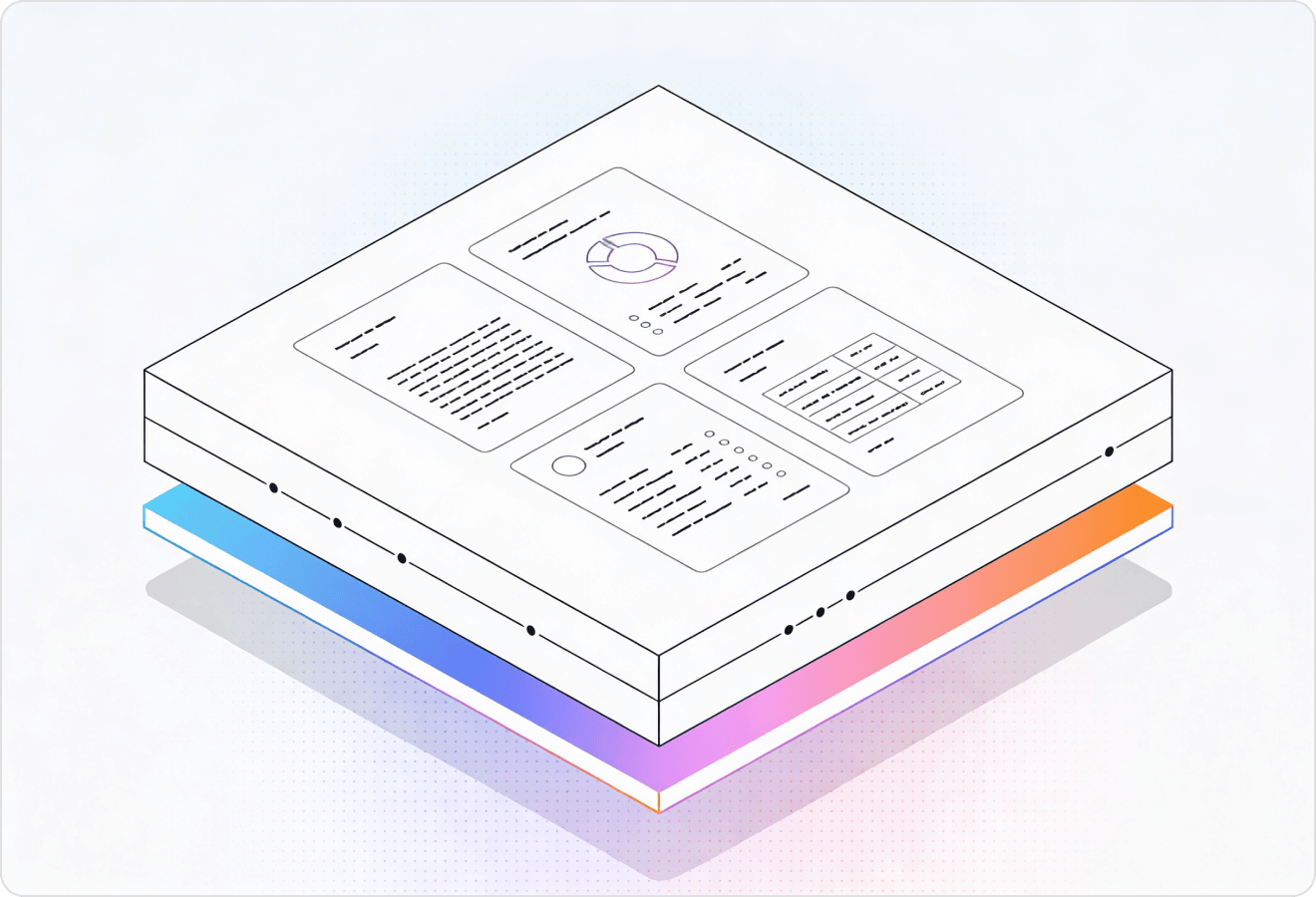
LlamaParse turns deeds of trust into clean, structured fields like borrower, lender, legal description, and recording data you can trust downstream. It uses layout-aware, agentic document parsing with validation loops and citations, so extractions stay consistent even when templates change.
Best-in-Class Accuracy

Use LlamaParse in LlamaCloud to turn deed of trust scans into clean JSON and Markdown, preserving rider tables, legal descriptions, and signature blocks so closing teams don’t re-key critical fields. Layout-aware parsing plus confidence metadata and citations make it easier to flag exceptions fast and ship complete, audit-ready closing packages to downstream systems.

Automatically extract lien position, recording references, and covenant details from deed of trust documents to keep servicing platforms accurate through transfers, mods, and foreclosure timelines. Agentic processing and auto-correction loops reduce missed clauses in messy county scans, enabling faster, defensible decisions without expanding manual review teams.

Parse deeds of trust to confirm insured interest, loss payee language, and collateral/property identifiers when validating claims, issuing payments, or pursuing subrogation. Multimodal parsing and structured outputs prevent adjusters from overlooking embedded exhibits or stamped annotations that change coverage decisions and recovery outcomes.

Ship deed of trust ingestion in days by using natural-language parsing instructions to map extracted fields into your product schema without writing brittle regex or custom cleanup code. Tier-based routing and cost optimizer mode keep unit economics predictable as volume spikes, while still upgrading only the complex pages that need higher-accuracy parsing.
The Solution
01
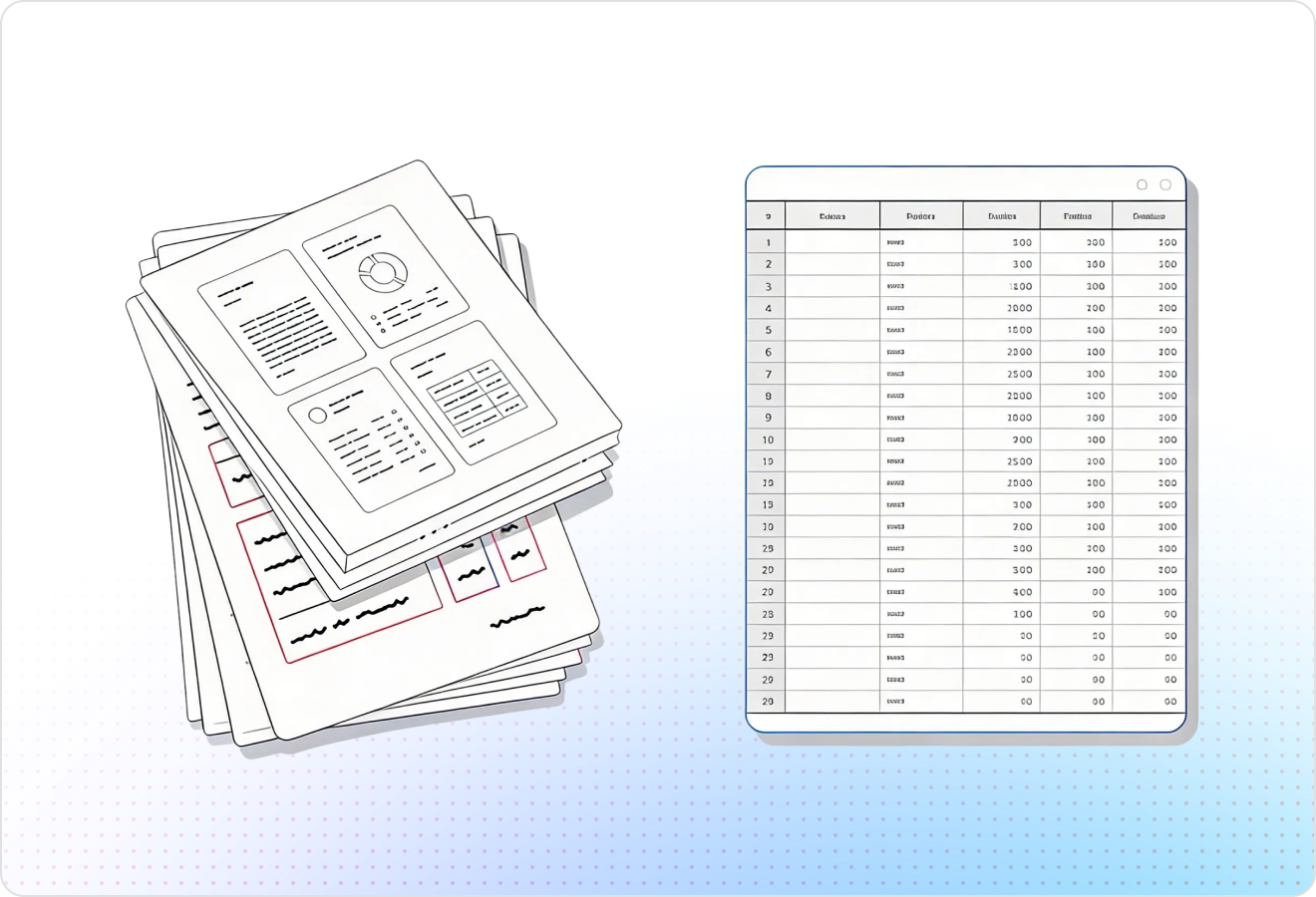
LlamaParse preserves reading order across multi-column deed of trust forms, including headers, footers, and dense legal paragraphs. That means you get clean, logically flowing text for downstream clause detection and indexing instead of scrambled lines from fragile text-only extraction.
02
LlamaParse accurately extracts structured sections like borrower/lender details, loan terms, and recording data even when they appear in boxed layouts or tables. This makes it straightforward to map deed of trust content into normalized fields for search, underwriting checks, or document comparison.
03
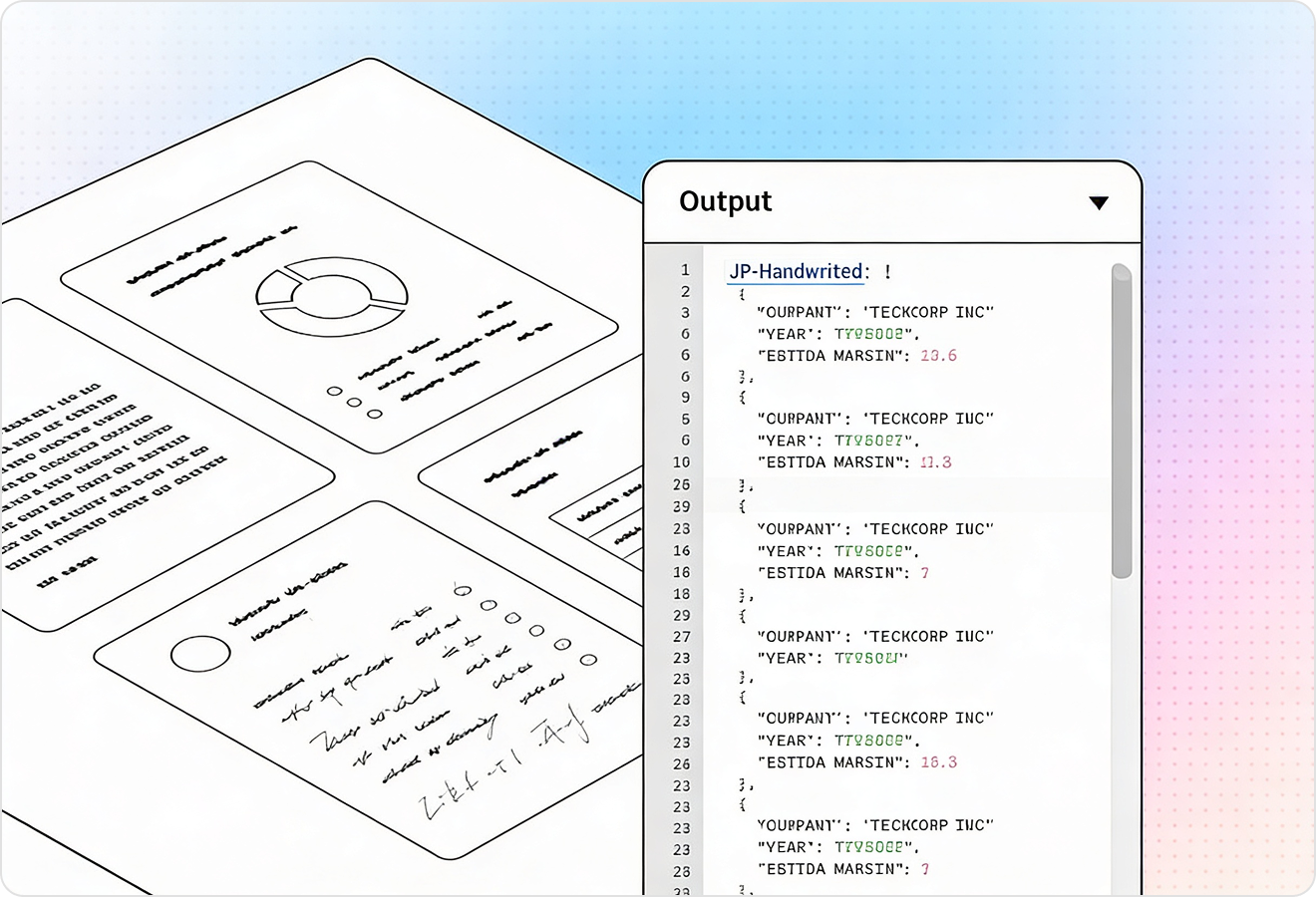
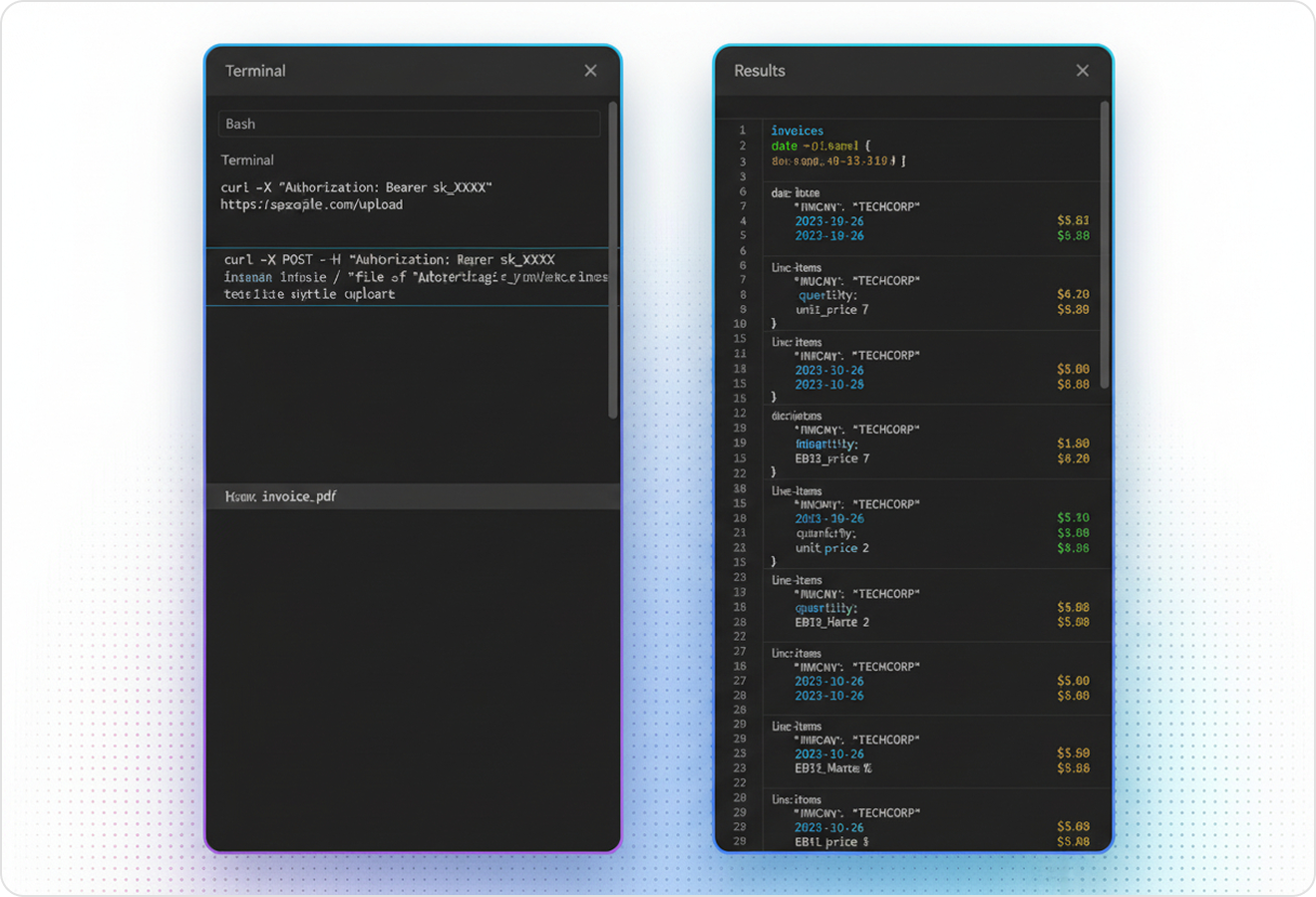
LlamaParse can return structured JSON with granular metadata like page numbers and element locations, so every extracted value is traceable back to the source. For deed of trust review, that enables fast spot-checking, auditability, and reliable human-in-the-loop workflows when exceptions occur.
04
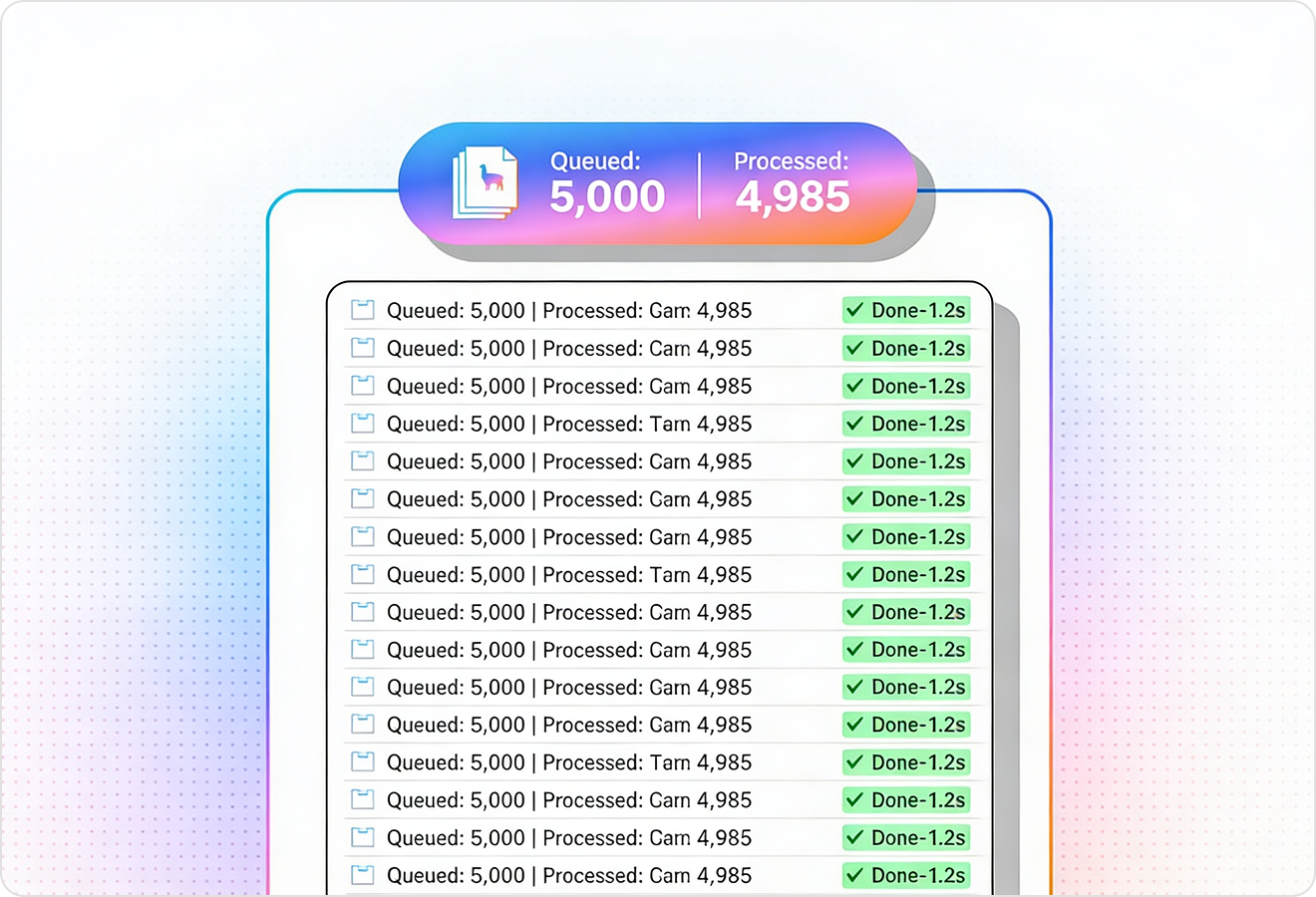
LlamaParse uses validation and self-correction loops to catch common scan issues like dropped lines, inconsistent numbering, and misread legal terms before finalizing the parse. On deed of trust documents, this reduces downstream rework and improves straight-through processing on messy, real-world county recordings.
Technical OCR documentation
Explore our developer guides to easily connect your document pipelines to LlamaParse.
Explore the documentation
Our AI catches the typos that tired eyes miss.

Export to Excel, JSON, XML, or directly via API.

SOC2 Type II compliant with end-to-end encryption.

Train the tool on your specific forms in minutes, not days.

Average processing time of <3 seconds per page.
LlamaParse’s support of a wide variety of filetypes and its accuracy of parsing made it the best tool we tested in our evaluations. The LlamaIndex team was very responsive and we were off to the races within a day.
Common FAQs
01
Yes. Layout-aware page reconstruction preserves reading order across columns, headers/footers, and dense legal paragraphs so your text flows logically. That means cleaner clause detection, indexing, and fewer “scrambled line” errors common with basic text extraction.
02
Absolutely. The parser is built to capture boxed layouts, tables, and labeled fields often found in deeds of trust, including parties, dates, legal descriptions, and recording data. You can map outputs directly into normalized fields for search, underwriting checks, and document comparison.
03
Yes—results can be returned as structured JSON with page numbers and element-level location metadata. This makes spot-checking fast and supports audit-ready workflows because every extracted value can be verified against the source.
04
How does it handle messy scans, county recordings, or faint text that causes OCR errors?
Auto validation and correction loops catch common issues like dropped lines, inconsistent numbering, and misread legal terms before finalizing the parse. This reduces downstream rework and improves straight-through processing on real-world scanned documents.
05
What does “human-in-the-loop” review look like if something needs verification?
When exceptions occur, traceable JSON lets reviewers jump directly to the exact page and region where a value came from. That speeds approvals, improves consistency, and helps your team resolve edge cases without reprocessing the entire document.
06
How quickly can we integrate this into our existing deed of trust pipeline?
You can integrate by consuming structured JSON output and mapping fields into your current systems for search, compliance, or underwriting. Most teams start by parsing a sample set to validate key fields, then expand coverage once the extraction rules and checks match their workflow.