Nov 14, 2025
Document AI: The Next Evolution of Intelligent Document ProcessingPersona
Industry
Use cases
Document AI Agent Workflows
[ Document AI Agent Workflows ]

Use LlamaParse to turn messy PDFs into structured data with validation loops you can trust.
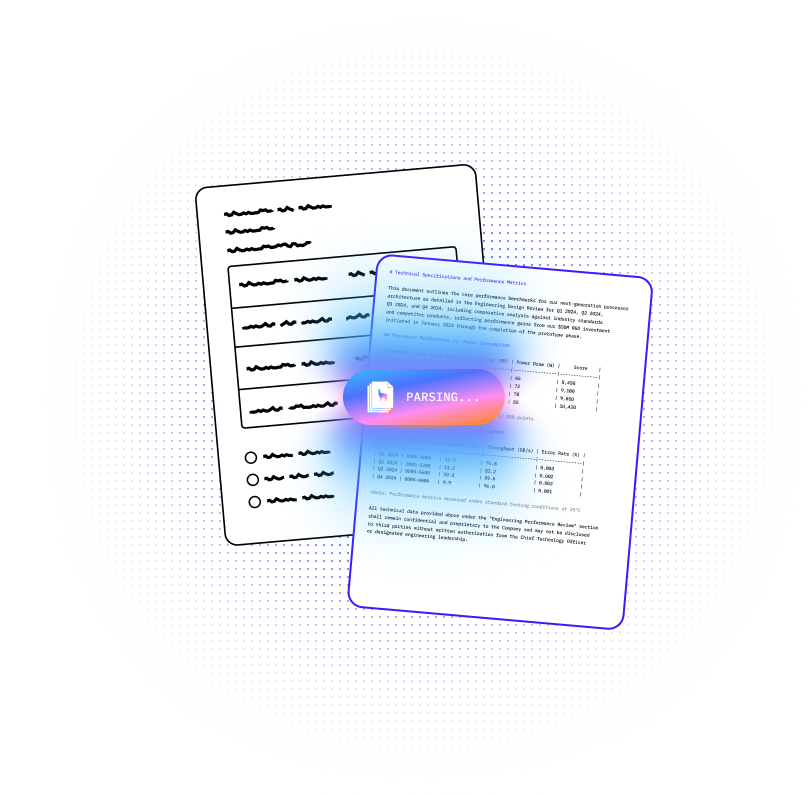
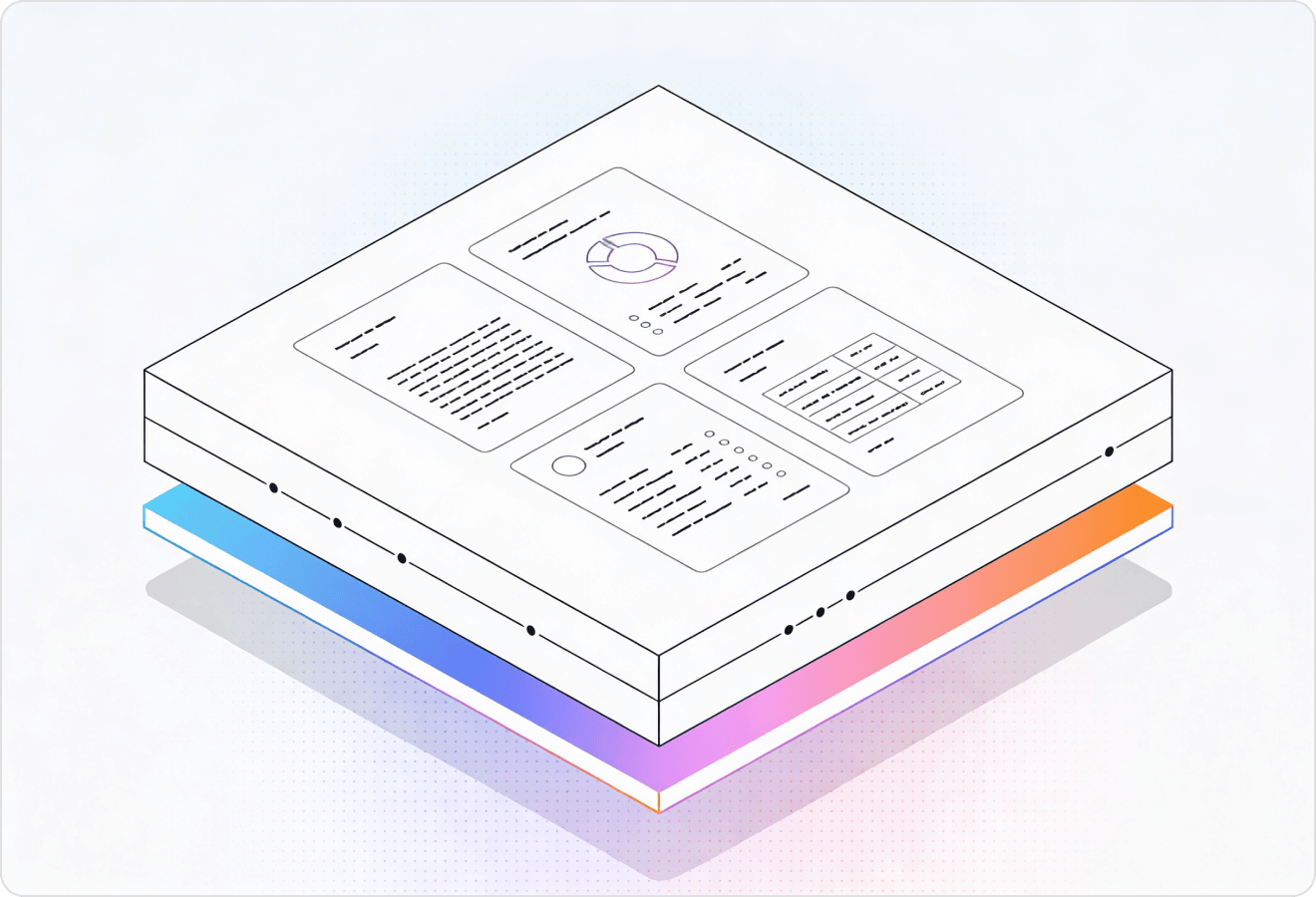

LlamaParse turns messy PDFs, scans, and slide decks into clean, structured outputs your document agents can reliably use in downstream workflows. It stays accurate on tables, charts, and shifting layouts with validation loops, so you ship automations with fewer exceptions.
Best-in-Class Accuracy

Turn customer PDFs, emails, and spreadsheets into clean JSON/Markdown via LlamaParse so your product can ship document-driven workflows without building a brittle extraction pipeline. Use natural-language parsing instructions to enforce output schemas and evolve fields fast as your data model changes—without rework every time a template shifts.

Parse FNOL packets, adjuster reports, invoices, and loss run tables with layout-aware extraction that preserves reading order and complex line-item tables for downstream adjudication. Auto-correction loops and confidence metadata reduce manual review, while tier-based agentic processing routes only the hardest scans to higher-accuracy modes to control cost.

Convert contracts, pleadings, exhibits, and scanned case files into structured outputs with citations and page-level traceability so attorneys can verify answers and provenance quickly. Multimodal parsing captures tables, embedded images, and formatting nuances that traditional text extraction scrambles, enabling reliable clause and obligation workflows.

Ingest POs, invoices, packing slips, and supplier spec sheets—then extract part numbers, quantities, pricing tables, and Incoterms into standardized JSON for ERP/AP automation. Layout-aware table reconstruction prevents line-item corruption across multi-column formats, reducing exceptions and speeding up three-way matching.
The Solution
01
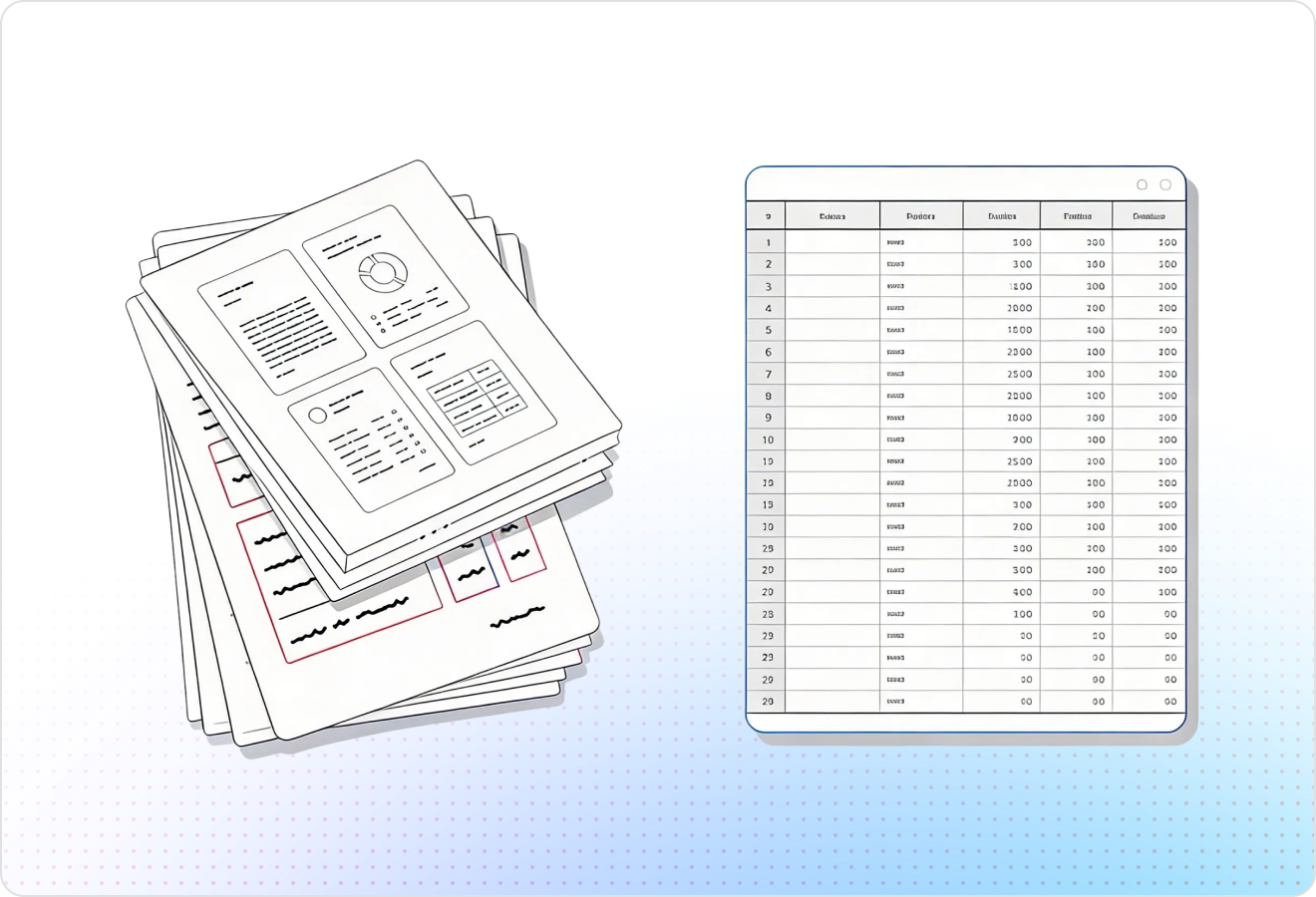
LlamaParse segments pages into coherent blocks (headings, paragraphs, columns, headers/footers) and preserves the true reading order. That gives your document agents clean structure to reason over, so workflow steps like routing, compliance checks, and downstream actions don’t break on real-world formatting.
02
LlamaParse pulls complex tables—including nested cells and multi-page tables—without scrambling rows, columns, or labels. Agents can then validate totals, reconcile line items, and trigger approvals using dependable tabular data instead of brittle post-processing.
03
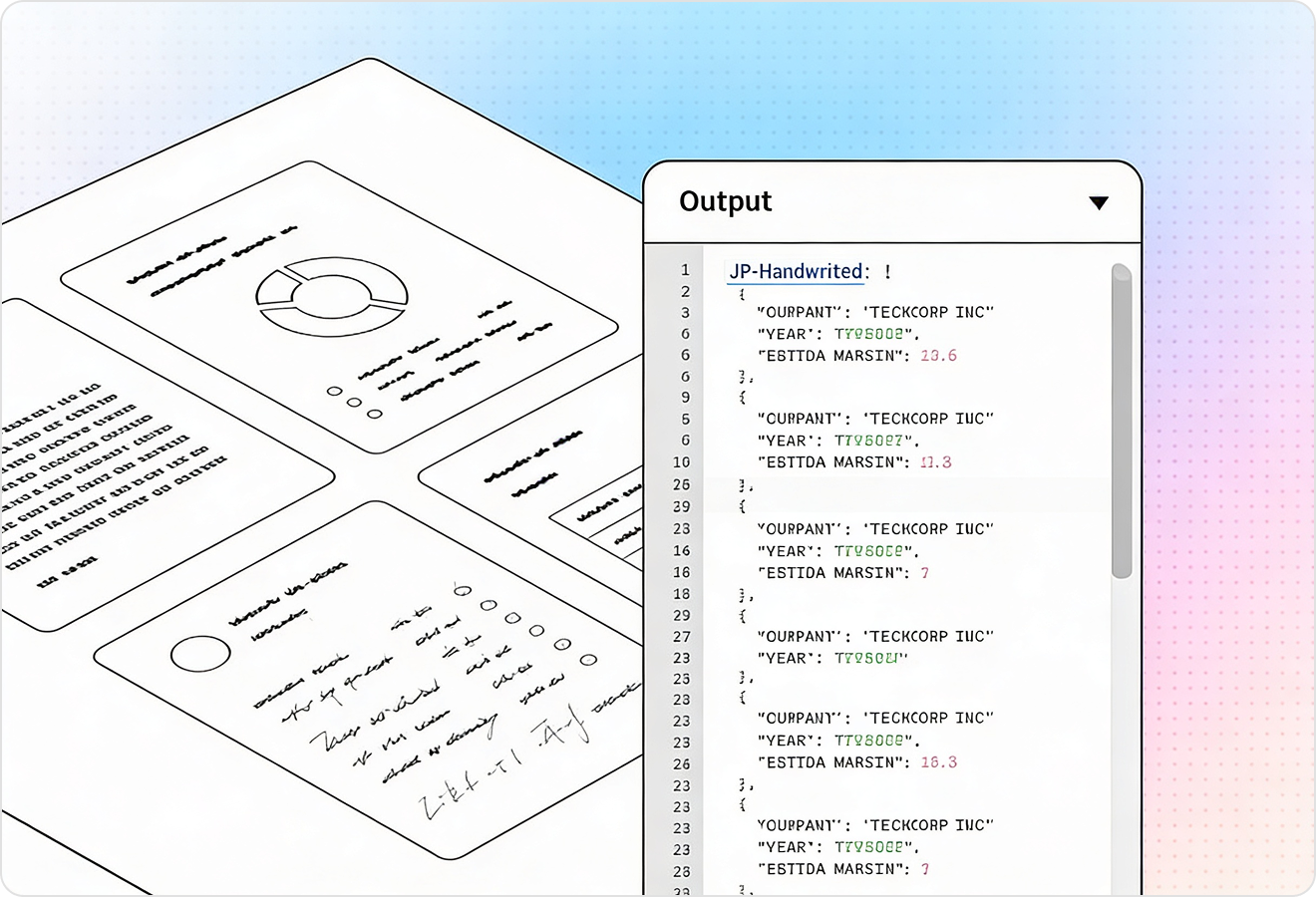
LlamaParse interprets charts, diagrams, images, and math and turns them into usable text representations (e.g., Markdown tables or LaTeX) with supporting metadata. This lets document agents understand evidence beyond raw text, enabling workflows like risk review, technical QA, and report generation that depend on visuals.
04
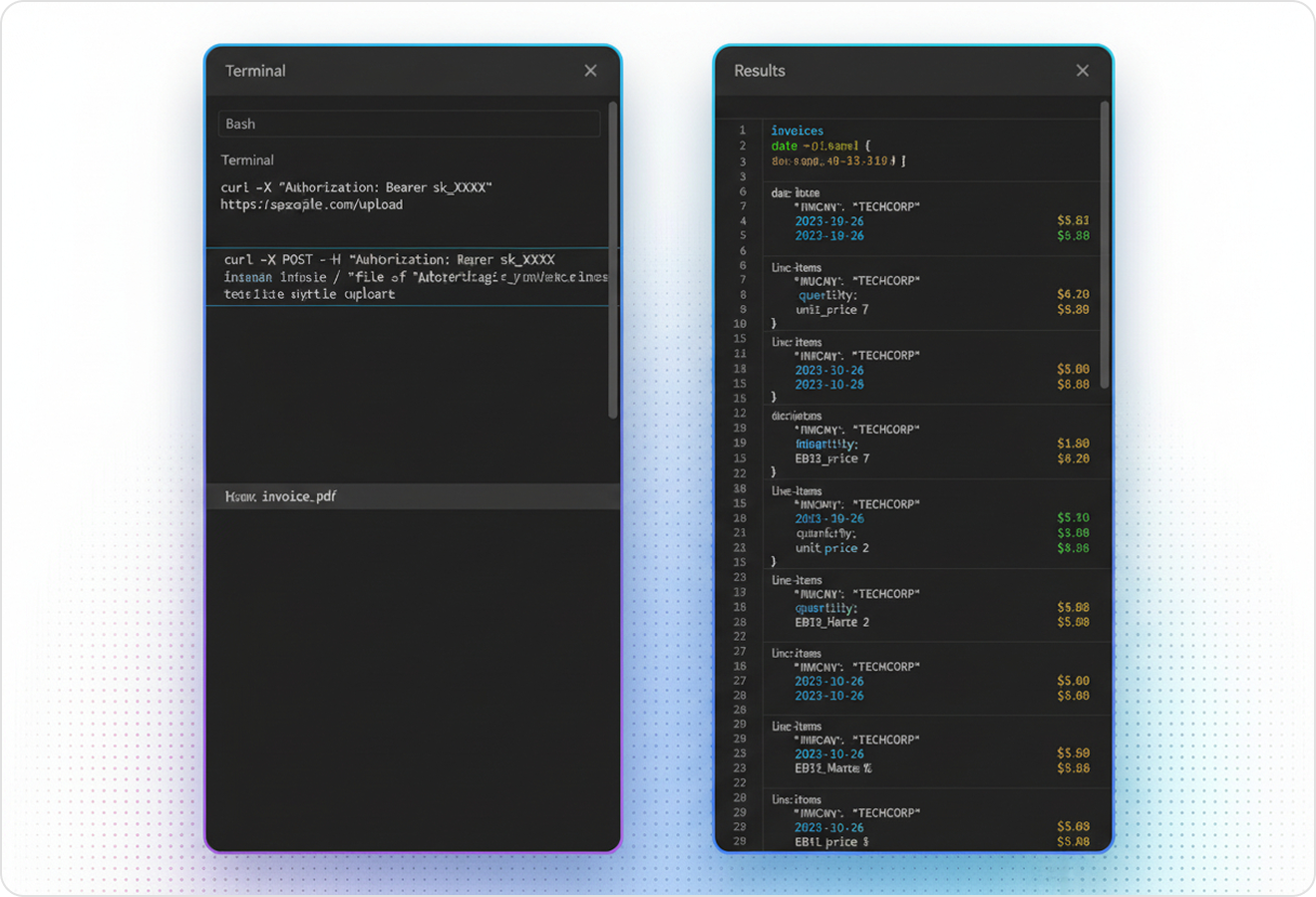
LlamaParse can return structured JSON plus granular metadata like page references and element locations for traceability. That makes agent workflows auditable: every extracted field can be checked, reviewed in a human-in-the-loop step, and grounded back to the source when decisions matter.
Technical OCR documentation
Explore our developer guides to easily connect your document pipelines to LlamaParse.
Explore the documentation
Our AI catches the typos that tired eyes miss.

Export to Excel, JSON, XML, or directly via API.

SOC2 Type II compliant with end-to-end encryption.

Train the tool on your specific forms in minutes, not days.

Average processing time of <3 seconds per page.
LlamaParse’s support of a wide variety of filetypes and its accuracy of parsing made it the best tool we tested in our evaluations. The LlamaIndex team was very responsive and we were off to the races within a day.
Common FAQs
01
It’s layout-aware, so pages are segmented into meaningful blocks (headings, paragraphs, columns, headers/footers) and the true reading order is preserved. That means your agents reason over clean structure instead of guessing, which reduces routing and compliance errors caused by formatting noise.
02
Yes—tables are extracted without scrambling rows, columns, or labels, even when they span pages or include nested structures. This gives agents dependable tabular data for reconciling line items, validating totals, and triggering approvals without brittle cleanup scripts.
03
It’s multimodal: charts, images, diagrams, and math can be interpreted and converted into usable text formats like Markdown tables or LaTeX with supporting metadata. That enables workflows such as risk review, technical QA, and report generation that depend on visual evidence.
04
How do we audit what the agent extracted and prove it came from the source document?
You can return verifiable JSON with granular citations like page references and element locations. This makes reviews fast and defensible—every field can be traced back to the original document in a human-in-the-loop step when decisions matter.
05
What does the output look like for downstream systems—can we rely on structured JSON instead of brittle text parsing?
The output can be structured JSON designed for automation, not screenshots or raw text dumps. With consistent fields plus citations, it’s straightforward to plug into workflow engines, databases, and agent tools while keeping the data reviewable.
06
How does this reduce failures in agent workflows like routing, compliance checks, and approvals?
By preserving document structure, extracting reliable tables, and converting visuals into machine-usable representations, agents get the context they need to make correct decisions. Fewer parsing errors means fewer broken workflow steps, faster exception handling, and more confidence to automate at scale.