Nov 14, 2025
Document AI: The Next Evolution of Intelligent Document ProcessingPersona
Industry
Use cases
1098 Form OCR
[ 1098 Form OCR ]

Use LlamaParse to turn 1098 scans into clean JSON with confidence scores and fewer manual checks.
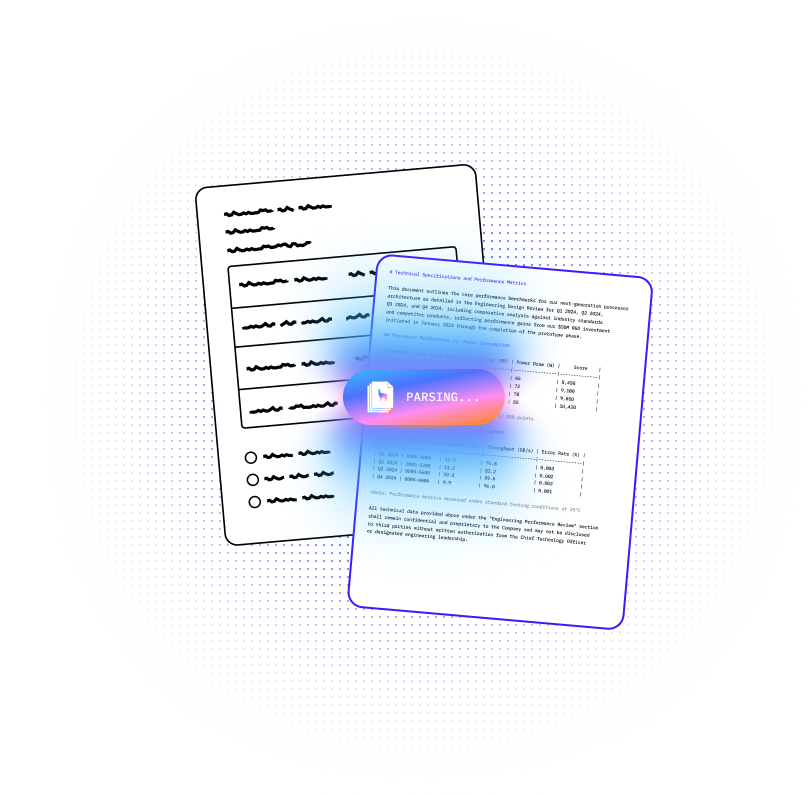
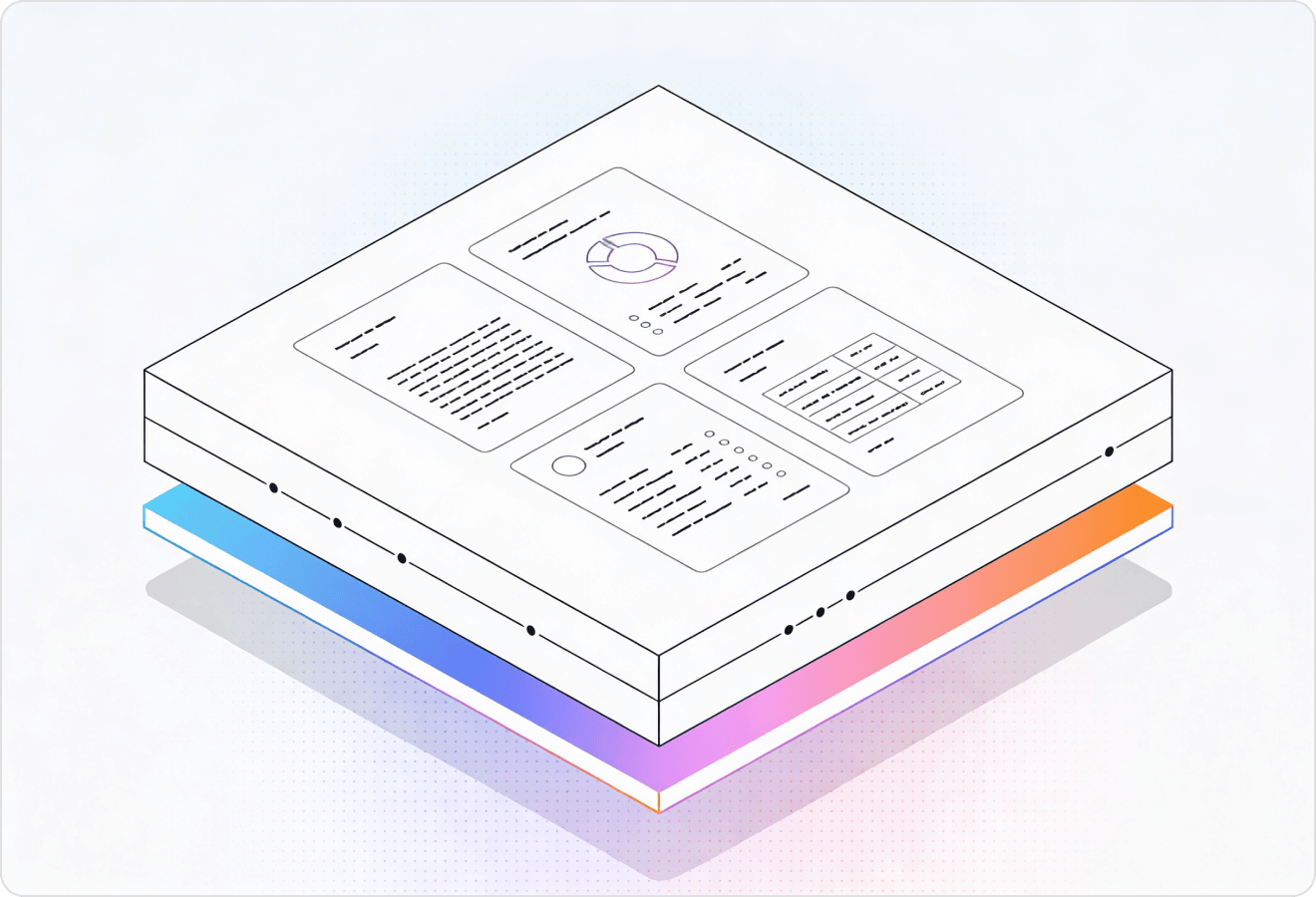

LlamaParse turns messy 1098 scans and PDFs into clean, structured fields you can trust, ready for downstream tax workflows and audits. Agentic document parsing understands layout, validates totals across boxes, and returns JSON or Markdown with metadata for fast human review.
Best-in-Class Accuracy

Use LlamaParse to turn scanned 1098 forms into clean, schema-ready JSON with line-item traceability, even when layouts vary by lender or the scan is skewed. Layout-aware table extraction and auto-correction loops reduce rework during peak season and make reviewer spot-checks fast with page-level metadata.

Automatically ingest borrower 1098 packets and extract interest, points, and lender details into your LOS without brittle template rules. With tier-based processing, you can route clean PDFs through low-cost modes and only upgrade messy scans, keeping per-loan doc costs predictable while maintaining accuracy.

Parse 1098-related documents from multiple lenders to reconcile escrow and interest records across large property portfolios with consistent, normalized fields. JSON mode plus granular coordinates make it easy to flag exceptions (missing lender ID, mismatched property address) and push verified data into your accounting system.

Launch a 1098 form ingestion feature in days by calling LlamaParse APIs and using natural-language parsing instructions to output exactly the fields your product needs. The same pipeline can expand beyond 1098s to other borrower docs without rewriting extraction code, so you can iterate quickly while staying production-grade.
The Solution
01
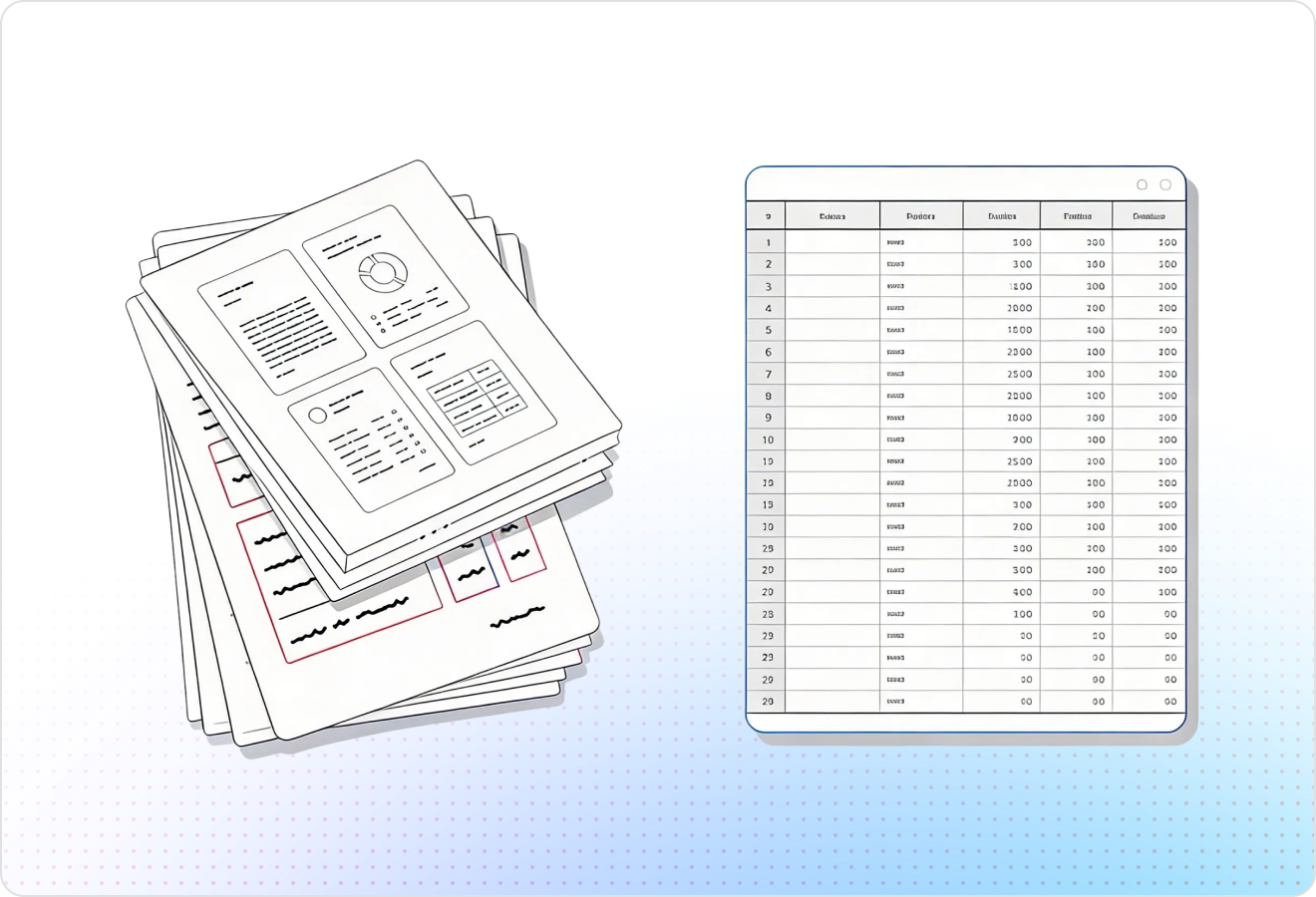
LlamaParse uses layout-aware computer vision to preserve reading order and correctly map values to the right 1098 boxes, even on multi-column or slightly skewed scans. This reduces mis-keyed fields like borrower/lender info, account numbers, and interest amounts that traditional text-only extraction often scrambles.
02
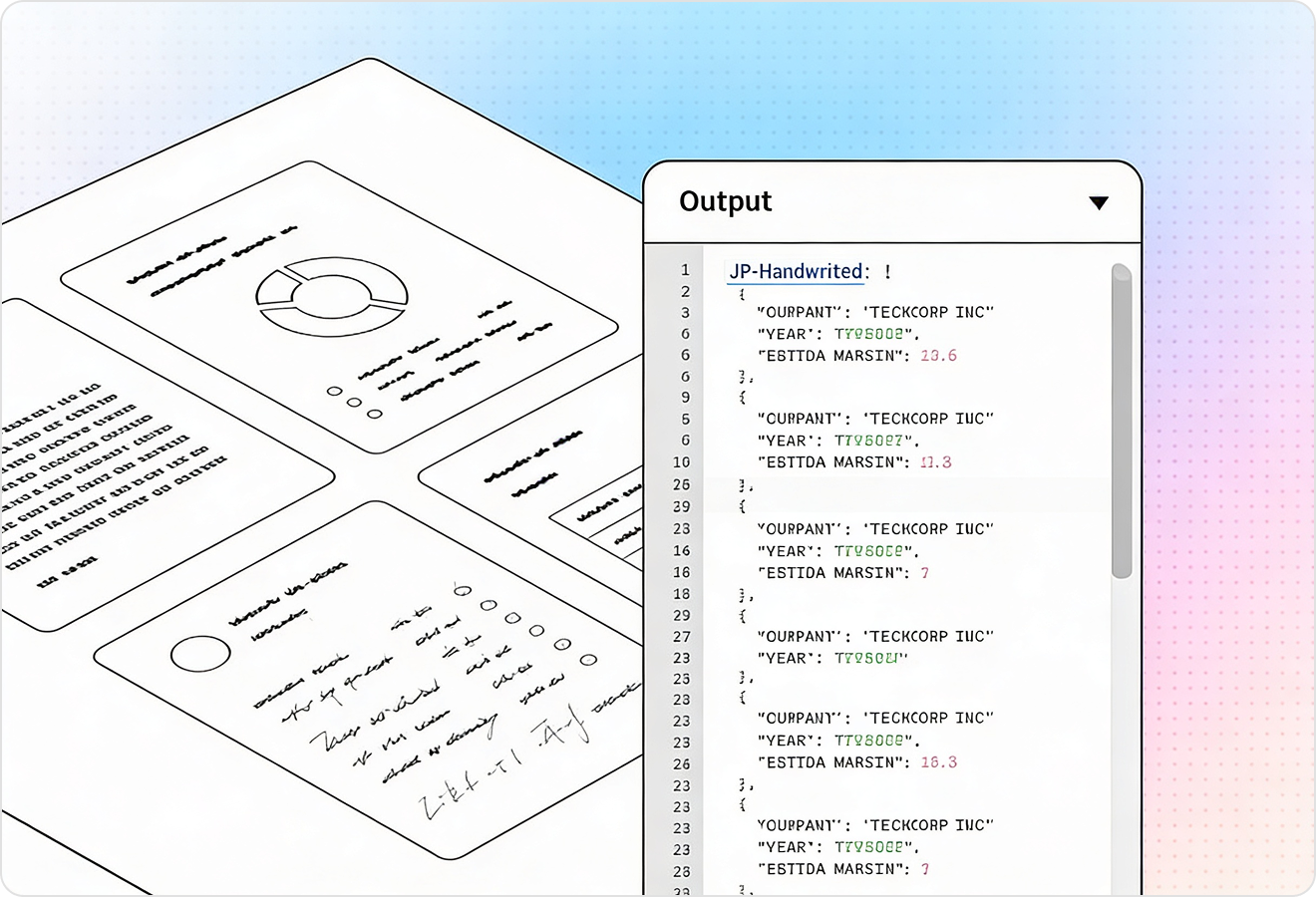
LlamaParse accurately captures structured regions such as boxed amounts, small labels, and tabular sub-sections that appear on 1098 variants. You get clean, consistent outputs for downstream tax workflows without writing brittle post-processing rules to reassemble broken tables.
03
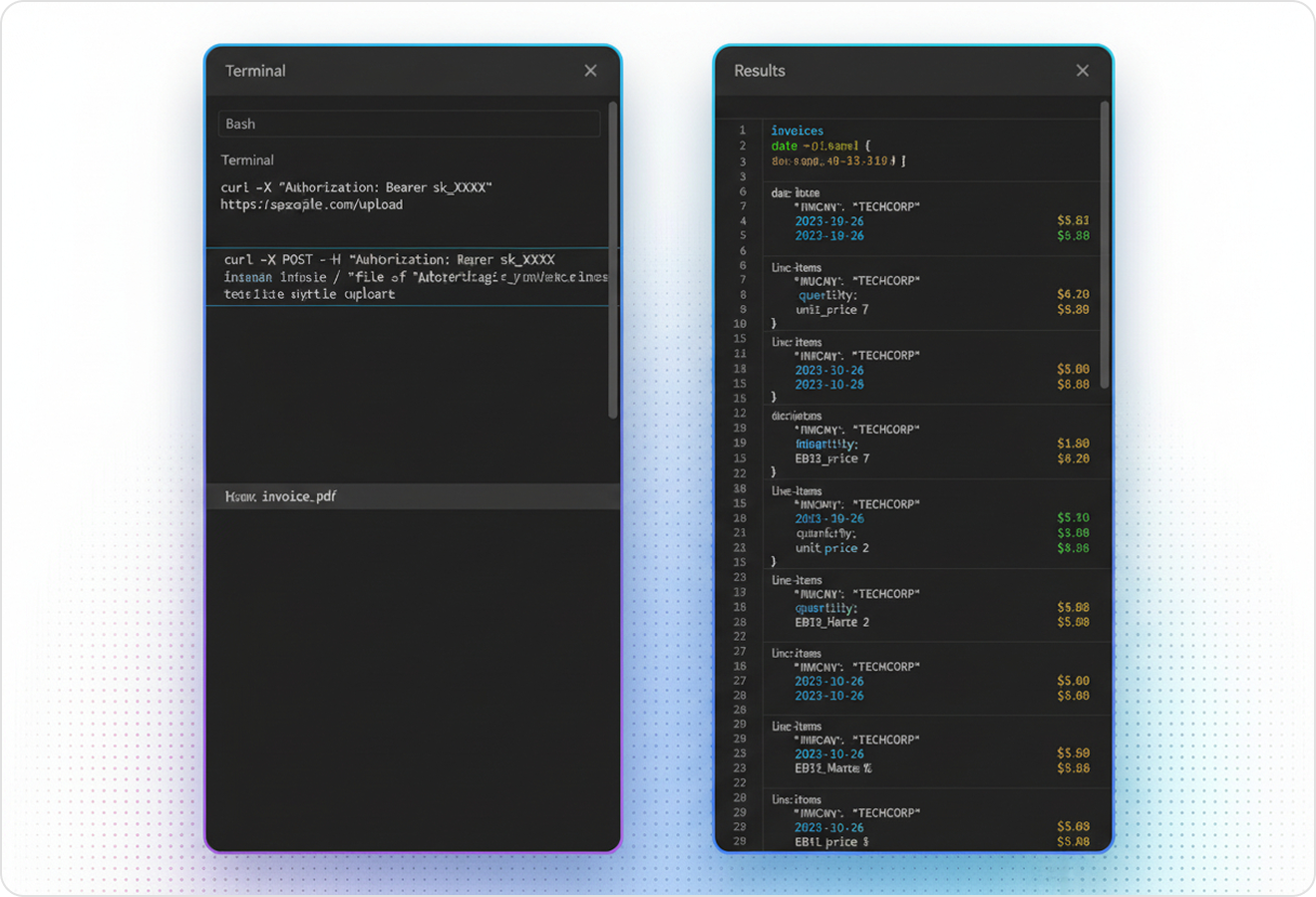
LlamaParse can return structured JSON along with granular metadata like page references and coordinates for each extracted field. That makes 1098 extraction auditable and easy to review—your app can highlight the exact source region for every value before it hits your tax system.
04
LlamaParse runs validation and self-correction loops to catch common document parsing errors like dropped decimals, swapped fields, or partial reads from low-quality scans. This improves straight-through processing for 1098 ingestion and cuts down the manual exception queue during peak tax season.
Technical OCR documentation
Explore our developer guides to easily connect your document pipelines to LlamaParse.
Explore the documentation
Our AI catches the typos that tired eyes miss.

Export to Excel, JSON, XML, or directly via API.

SOC2 Type II compliant with end-to-end encryption.

Train the tool on your specific forms in minutes, not days.

Average processing time of <3 seconds per page.
LlamaParse’s support of a wide variety of filetypes and its accuracy of parsing made it the best tool we tested in our evaluations. The LlamaIndex team was very responsive and we were off to the races within a day.
Common FAQs
01
Our layout-aware form understanding preserves the document’s reading order and maps values to the correct 1098 boxes—even when pages are slightly rotated, faxed, or multi-column. This reduces common mix-ups like borrower vs. lender info, account numbers, and interest amounts that text-only OCR often scrambles.
02
Yes—LlamaParse is built to capture structured regions like boxed values, tight labels, and tabular sections found across 1098 designs. You get clean, consistent field outputs without relying on brittle rules to reconstruct broken tables or misaligned boxes.
03
We return structured JSON and include traceability metadata like page references and coordinates for each extracted field. That makes reviews and audits faster because your app can highlight the exact region where every number or name came from before posting to your tax system.
04
What happens when scans are low quality—blurred text, faint printing, or missing decimals?
Our auto validation and correction loops are designed to catch frequent OCR failure modes like dropped decimals, partial reads, and swapped fields. This improves straight-through processing and reduces the manual exception queue when volumes spike during tax season.
05
How do you prevent mis-keyed borrower/lender details and account numbers from slipping through?
By combining layout context with field-level validation, the system is less likely to attach a value to the wrong box or label. You can also use the included source coordinates to quickly spot-check high-risk fields and resolve exceptions with confidence.
06
How quickly can we integrate 1098 extraction into our workflow without building lots of post-processing?
Because the output is normalized JSON with consistent field structure, most teams can connect it directly to downstream tax workflows and validation steps. You spend less time writing fragile parsing logic and more time shipping reliable ingestion that scales with your document volume.