Nov 14, 2025
Document AI: The Next Evolution of Intelligent Document ProcessingPersona
Industry
Use cases
Form ADV OCR
[ Form ADV OCR ]

Use LlamaParse to turn Form ADV PDFs into clean, verifiable JSON your team can trust.
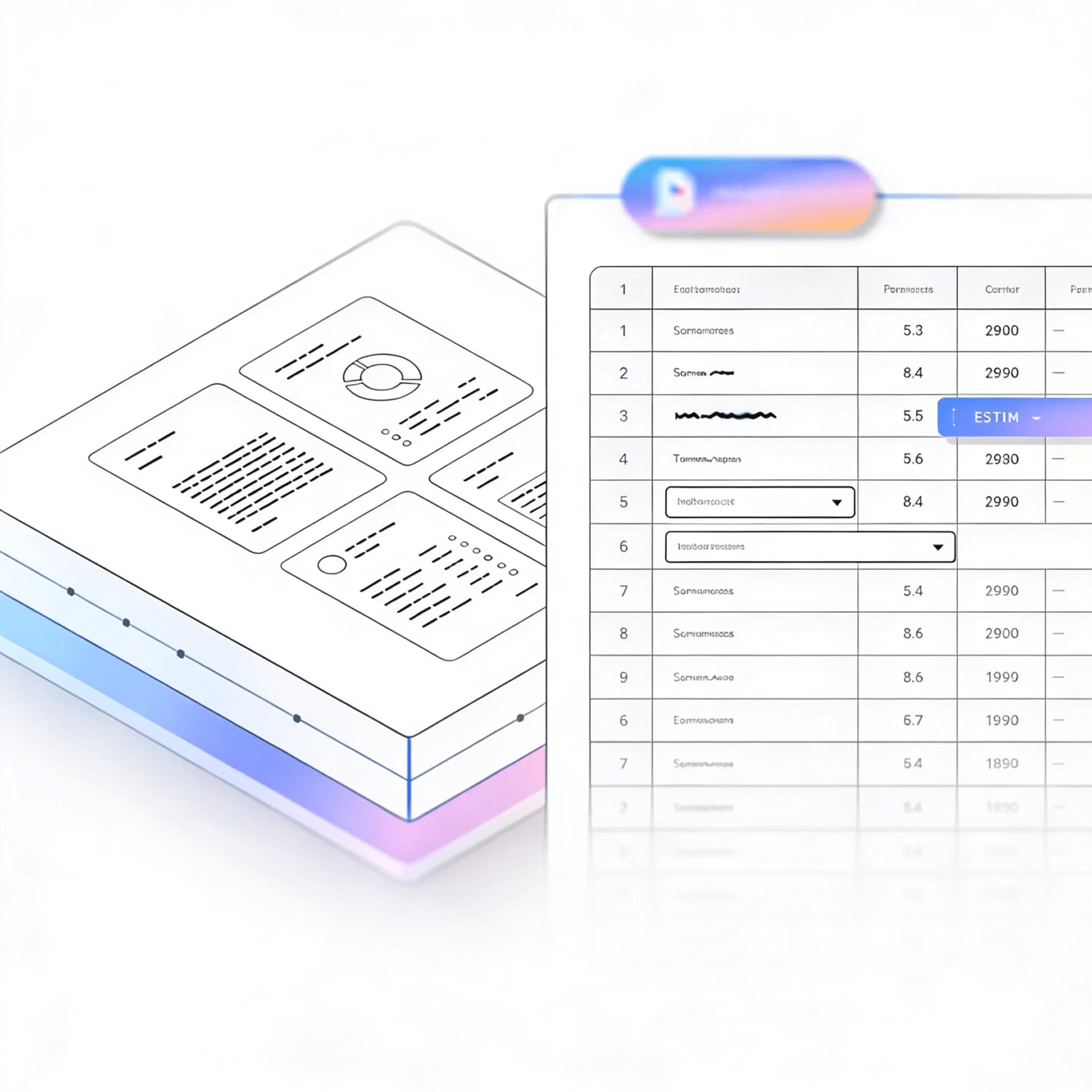


LlamaParse converts Form ADV PDFs and scans into clean, structured JSON you can trust, even when layouts shift or tables get messy. Agentic document parsing validates fields with citations and confidence, so your review team catches exceptions fast and automates the rest.
Best-in-Class Accuracy

Use LlamaParse to turn ACORD forms, loss runs, adjuster notes, and photo-heavy claim packets into layout-faithful Markdown/JSON so downstream systems stop breaking on tables and multi-column scans. Auto-correction loops and traceable citations reduce rework, speed up adjudication, and make audits defensible when a claim decision is challenged.

Parse bank statements, pay stubs, tax forms, and collateral appraisals into structured JSON with coordinates and confidence scores, enabling automated income validation and exceptions routing without brittle rules. Tier-based agentic processing keeps costs predictable by applying heavier vision reasoning only to messy pages like stamps, scanned tables, and mixed-format disclosures.

Convert commercial invoices, packing lists, bills of lading, and certificates of origin into clean, ordered outputs that preserve line-item tables and header/footer context for accurate customs filing. Multimodal parsing captures charted weights, special handling symbols, and embedded annotations so teams avoid shipment holds caused by missing or misread fields.

Ship faster by using natural language parsing instructions to extract the exact schema you need from customer PDFs—no regex pipelines, no hand-tuned post-processing, and no fragile layout assumptions. LlamaParse returns AI-ready Markdown/JSON that plugs into LlamaIndex agent workflows, letting a small team go from “user upload” to automated actions like ticket creation, onboarding, or compliance checks.
The Solution
01
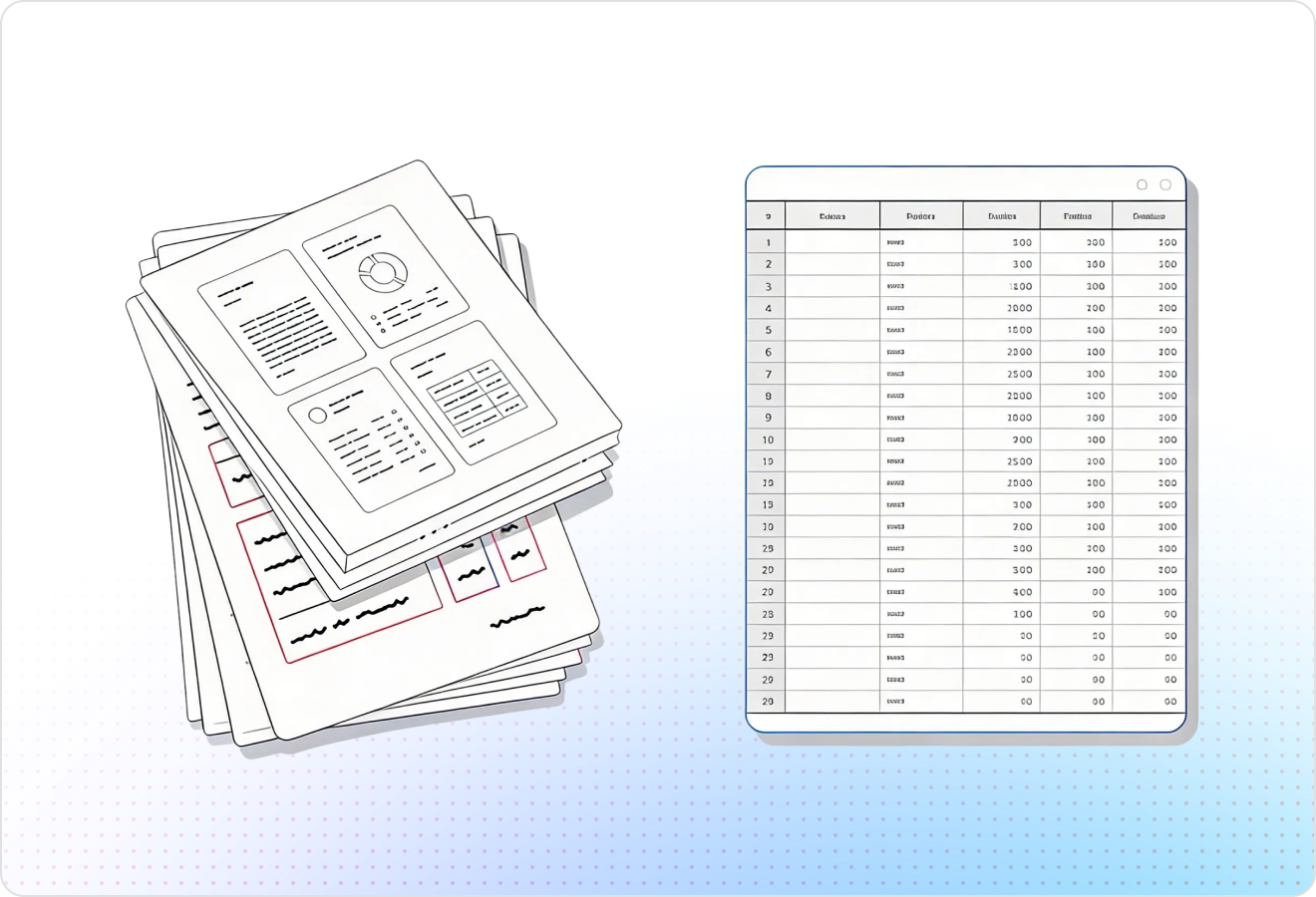
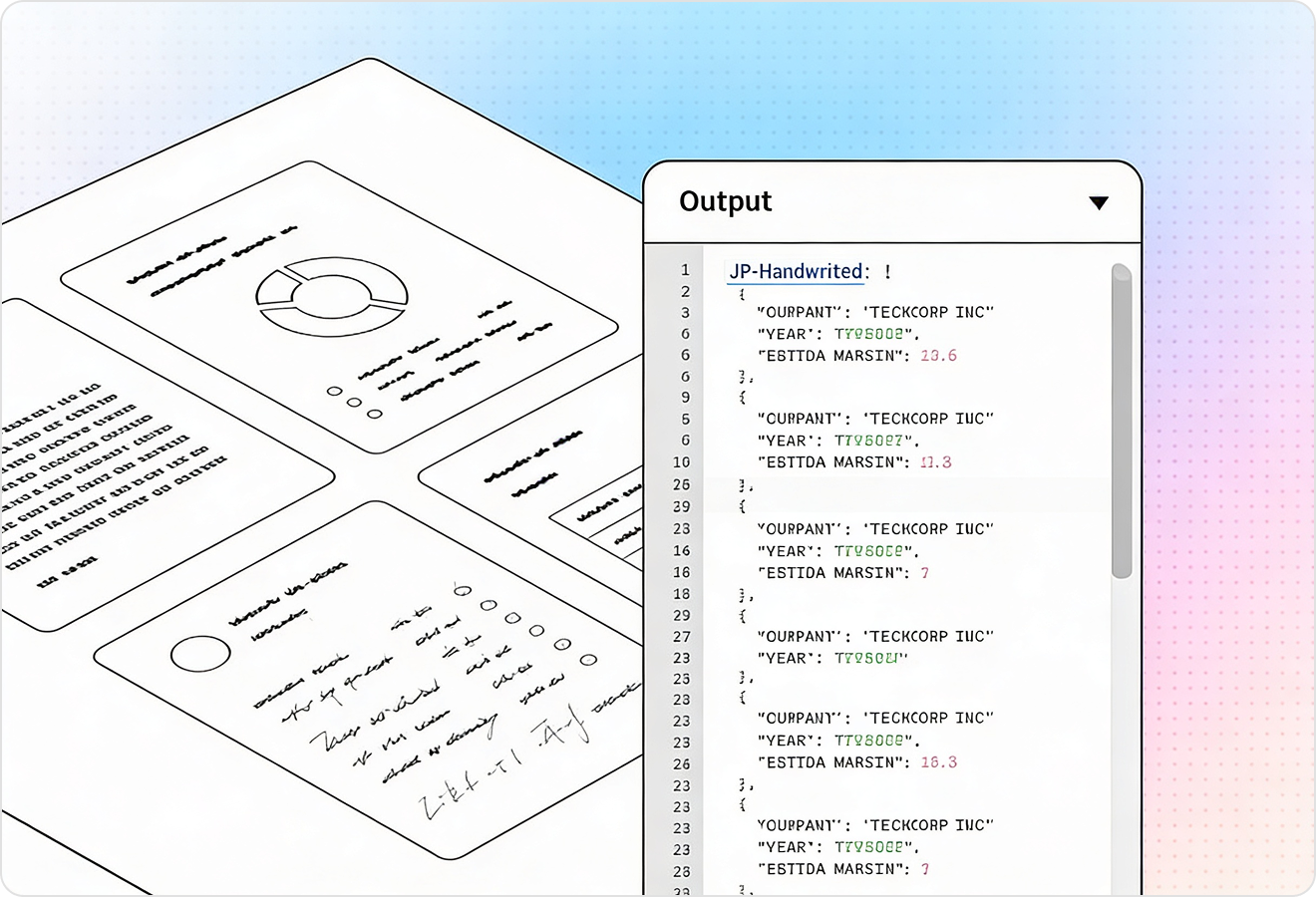
LlamaParse detects page structure (boxes, columns, headers, and field groupings) so ADV forms don’t get flattened into scrambled text. This keeps labels paired with their values, which is critical when extracting identities, addresses, policy details, and signatures from standardized form layouts.
02
LlamaParse pulls complex tables and line items into clean, structured output without losing row/column relationships. For ADV workflows, that means you can accurately capture schedules, premiums, fees, and coded entries without writing brittle post-processing to fix broken tables.
03
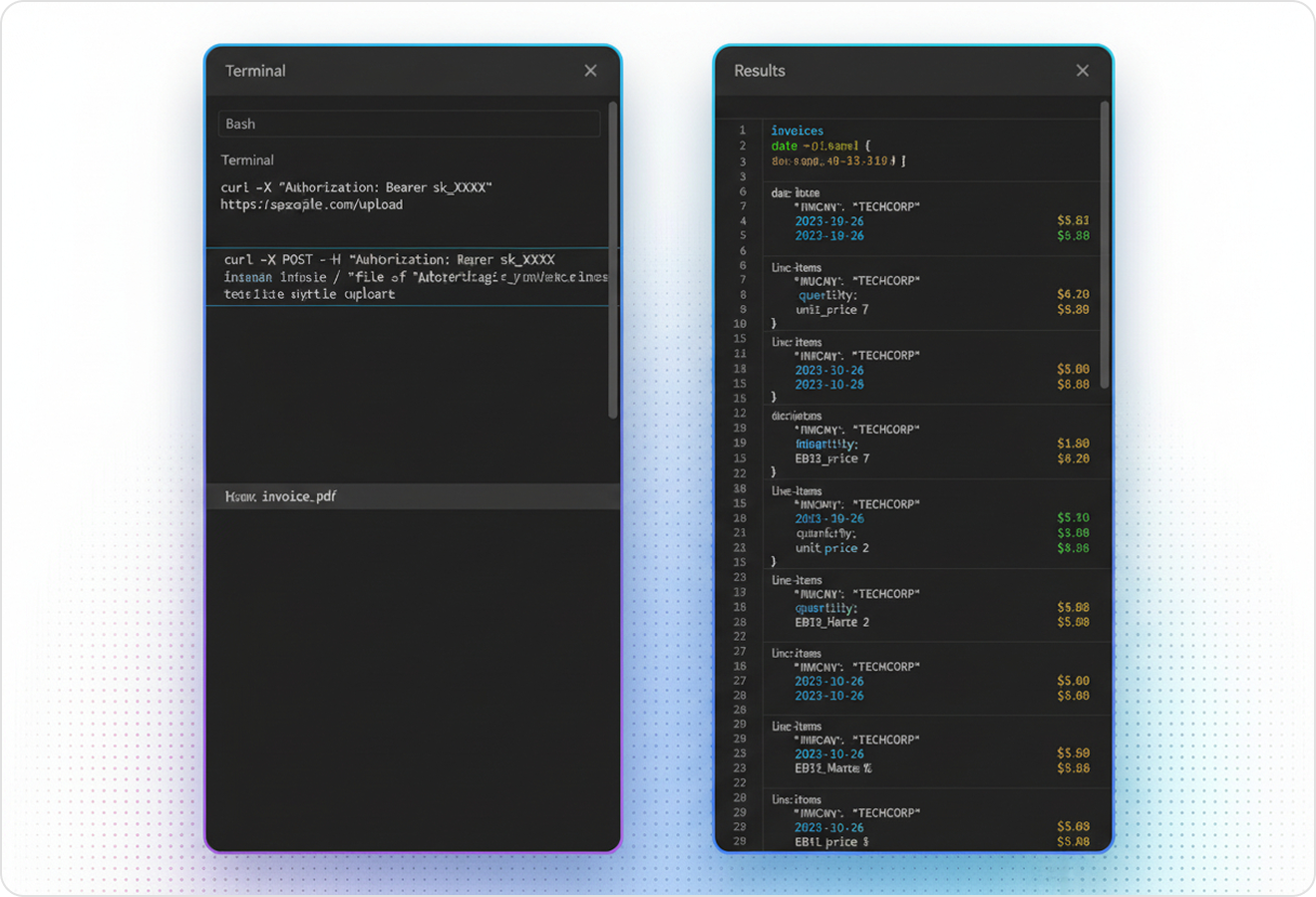
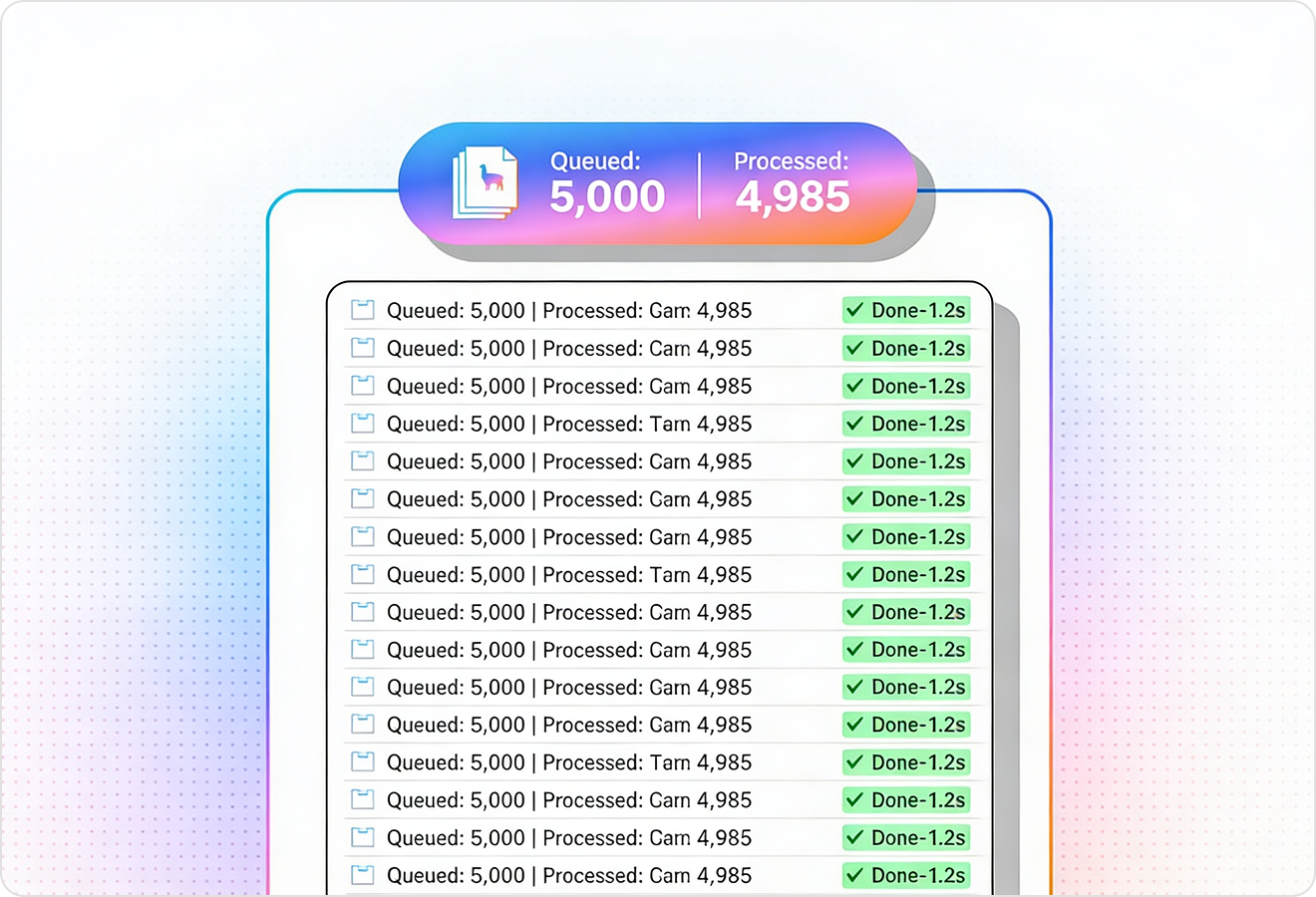
LlamaParse uses multi-step validation to catch common scan errors and self-correct inconsistent or low-confidence reads before returning results. In ADV form processing, this increases straight-through processing by reducing rework from misread IDs, dates, and totals that would otherwise trigger manual review.
04
LlamaParse can return structured JSON plus granular metadata like page references and element coordinates for every extracted field. This makes ADV extraction auditable and easy to QA, since you can trace each value back to the exact source region and build human-in-the-loop review for exceptions.
Technical OCR documentation
Explore our developer guides to easily connect your document pipelines to LlamaParse.
Explore the documentation
Our AI catches the typos that tired eyes miss.

Export to Excel, JSON, XML, or directly via API.

SOC2 Type II compliant with end-to-end encryption.

Train the tool on your specific forms in minutes, not days.

Average processing time of <3 seconds per page.
LlamaParse’s support of a wide variety of filetypes and its accuracy of parsing made it the best tool we tested in our evaluations. The LlamaIndex team was very responsive and we were off to the races within a day.
Common FAQs
01
It’s layout-aware, so it detects boxes, columns, headers, and field groupings instead of flattening everything into a single stream. That means labels stay paired with their values—especially important for identities, addresses, policy details, and signature sections.
02
Tables are extracted with row/column relationships preserved, so line items don’t shift or merge into the wrong fields. You get structured output that’s ready for downstream validation and import, without brittle “table-fixing” scripts.
03
Auto-correction validation loops catch low-confidence reads and common scan issues, then self-correct inconsistencies before results are returned. This reduces exceptions and manual rework, improving straight-through processing for ADV intake.
04
Can I audit extracted values and prove where each field came from in the original ADV document?
Yes—outputs can include structured JSON plus citations like page references and element coordinates for each extracted field. That gives you an audit trail for QA and makes it easy to route only uncertain fields to human review.
05
How do you handle signatures and other “hard-to-capture” regions on standardized ADV layouts?
Because the parser understands page regions and field groupings, it can reliably isolate signature blocks and related metadata instead of mixing them into nearby text. You can also use coordinates and citations to verify presence and flag missing or ambiguous signatures for review.
06
How quickly can we integrate this into our ADV workflow and start seeing results?
You receive clean JSON output designed for direct consumption by your systems, which shortens implementation time. Most teams start by extracting a core field set, adding validation and exception review using citations, and then expand coverage as confidence grows.