Nov 14, 2025
Document AI: The Next Evolution of Intelligent Document ProcessingPersona
Industry
Use cases
Health Insurance Claim Form OCR
[ Health Insurance Claim Form OCR ]

Use LlamaParse to capture every field and table correctly, so your team resolves claims quicker.
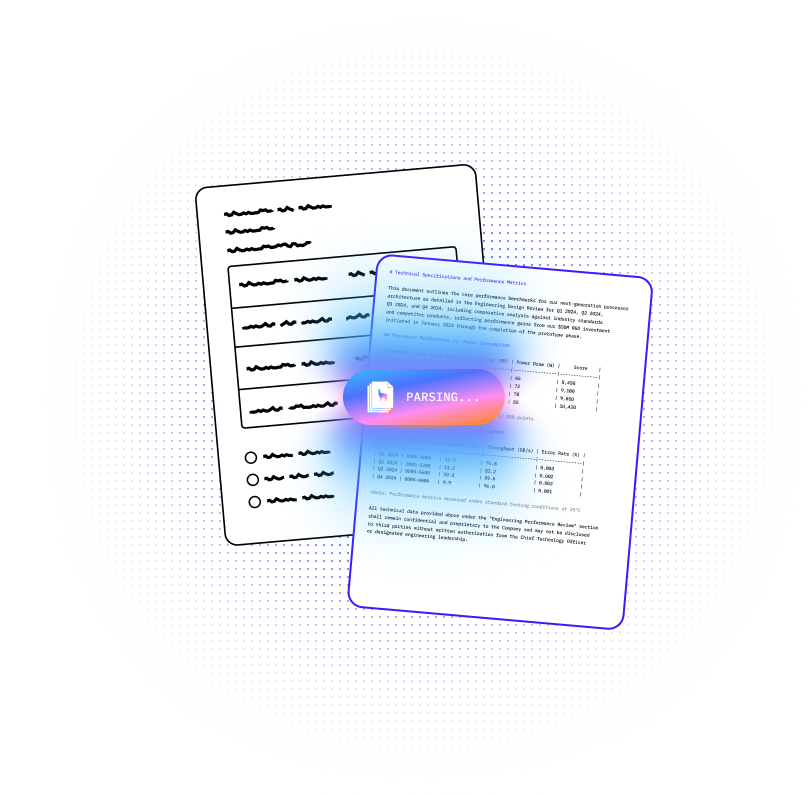
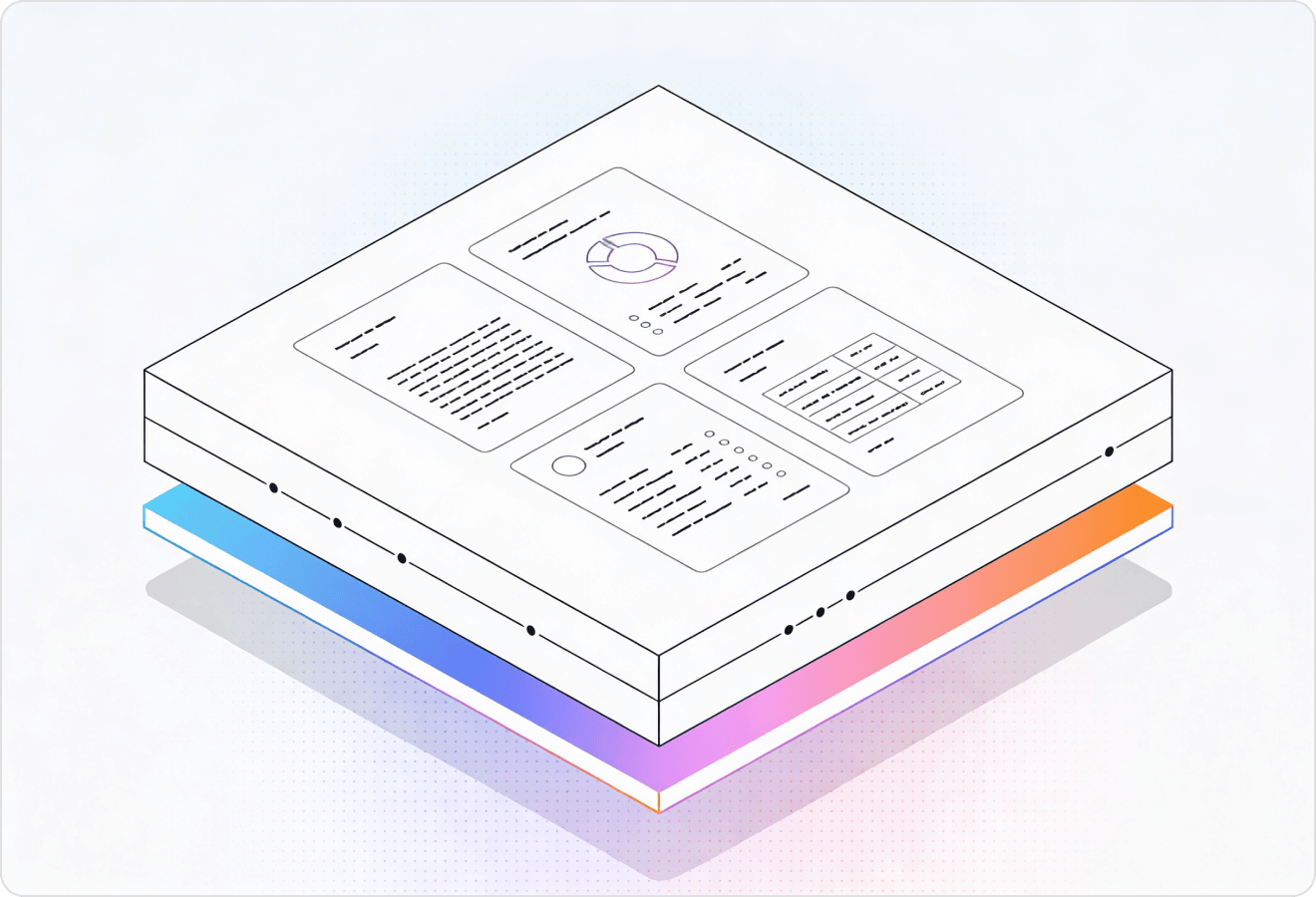

LlamaParse turns messy health insurance claim forms into clean, structured fields by understanding page layout, tables, checkboxes, and handwritten notes. Agentic validation and state-of-the-art correction reduce missed line items and rework, so your downstream adjudication and analytics stay reliable.
Best-in-Class Accuracy

Use LlamaParse inside LlamaCloud to turn messy, multi-page claim forms into structured JSON with line-item fields, ICD/CPT codes, and page-level citations for audit-ready adjudication. Layout-aware table extraction preserves charge tables and attachments so you can increase straight-through processing and reduce rework when form layouts change.

Normalize inbound claim packets (CMS-1500/UB-04 variants, EOBs, notes, and supporting docs) into consistent Markdown/JSON that drops cleanly into your billing workflow and exception queues. Natural-language parsing instructions let ops teams adjust what gets extracted (e.g., modifiers, NPI/TIN, prior auth) without building brittle regex or custom templates.

Parse claim forms and supporting medical documentation with granular metadata (page coordinates, confidence scores, citations) to speed up discovery, fraud investigations, and dispute resolution. Auto-correction loops reduce misreads on low-quality scans so reviewers spend time on true anomalies instead of OCR cleanup.

Ship faster by using LlamaParse APIs to ingest customer-uploaded claim PDFs and instantly produce schema-ready outputs for your data model, without maintaining template libraries as you scale. Tier-based agentic processing routes only complex pages to higher-accuracy modes, keeping unit economics predictable while improving approval and reimbursement SLAs.
The Solution
01
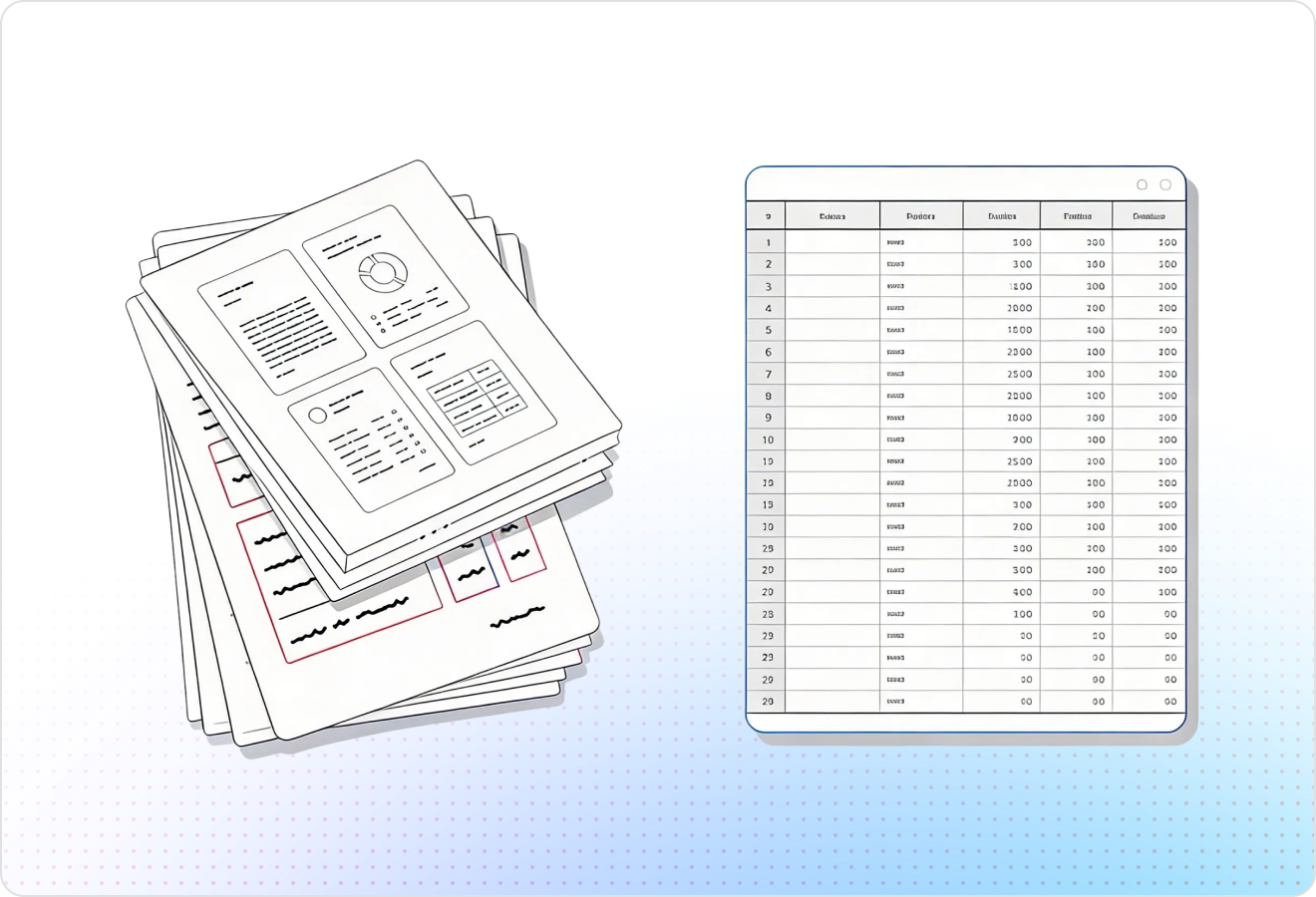
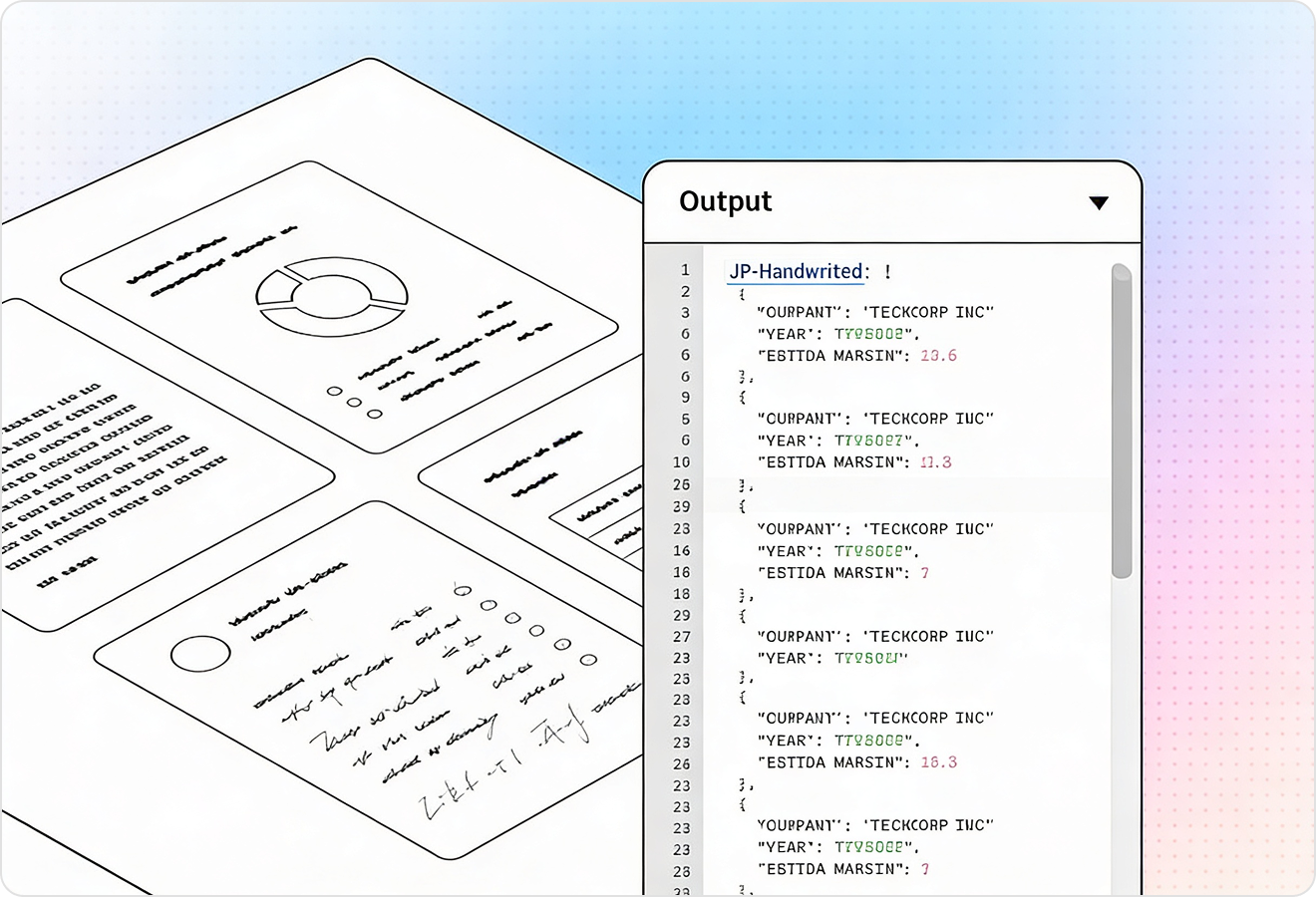
LlamaParse understands claim form structure—boxes, labels, multi-column sections, and checkboxes—so fields don’t get scrambled when the layout changes. That means cleaner capture of patient info, provider details, diagnosis codes, and totals without brittle template rules.
02
LlamaParse accurately extracts dense tables and line items (CPT/HCPCS codes, modifiers, units, charges) while preserving row/column integrity. This reduces downstream cleanup and helps you reconcile billed vs allowed amounts faster.
03
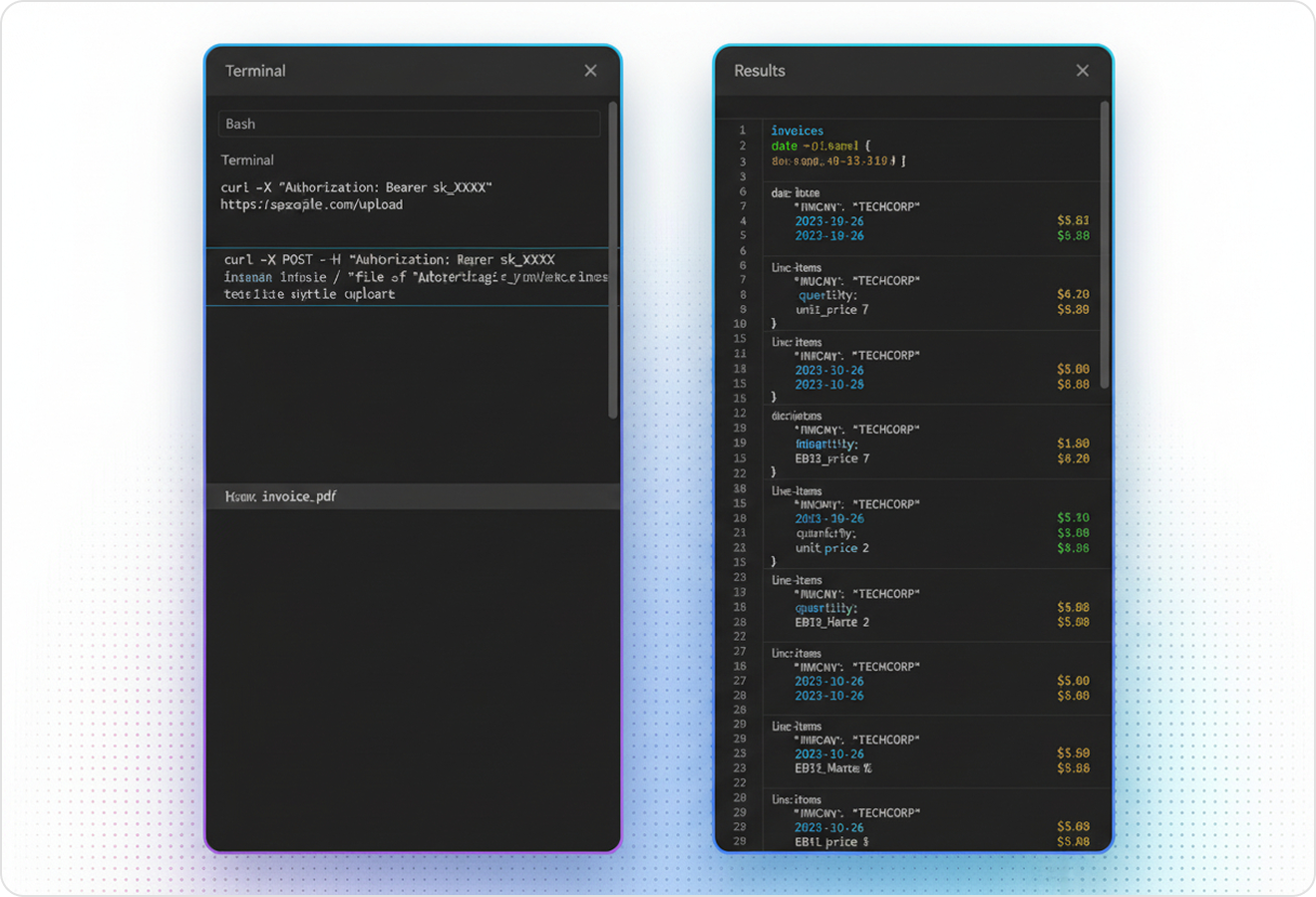
LlamaParse can return structured JSON along with page-level citations and coordinates for each extracted element. For claims, that makes it easy to validate disputed fields, support audits, and route low-confidence values to human review.
04
LlamaParse runs self-checks to catch common extraction failures like swapped digits, missing table cells, and inconsistent totals across sections. On health insurance claim forms, this improves straight-through processing by reducing rework and exception handling.
Technical OCR documentation
Explore our developer guides to easily connect your document pipelines to LlamaParse.
Explore the documentation
Our AI catches the typos that tired eyes miss.

Export to Excel, JSON, XML, or directly via API.

SOC2 Type II compliant with end-to-end encryption.

Train the tool on your specific forms in minutes, not days.

Average processing time of <3 seconds per page.
LlamaParse’s support of a wide variety of filetypes and its accuracy of parsing made it the best tool we tested in our evaluations. The LlamaIndex team was very responsive and we were off to the races within a day.
Common FAQs
01
Yes—layout-aware extraction reads the form structure (labels, boxes, multi-column sections, and checkboxes) so fields don’t shift when the layout changes. You get consistent capture of patient, provider, diagnosis, and total amounts without maintaining brittle templates.
02
It parses tables and line items while preserving row/column integrity, including codes, modifiers, units, and charges. That means fewer downstream fixes and faster reconciliation between billed and allowed amounts.
03
You can export results in JSON so your intake, adjudication, or RPA systems can consume fields reliably. This keeps integrations cleaner and reduces custom parsing logic on your side.
04
How do we validate extracted values during audits or when a field is disputed?
JSON output can include page-level citations and coordinates for each extracted value. That makes spot-checking fast and defensible, and it’s easy to route questionable fields to human review with clear source context.
05
What prevents common OCR errors like swapped digits, missing cells, or inconsistent totals?
Auto-correction validation loops run self-checks to catch issues like transposed numbers, skipped table cells, and totals that don’t reconcile across sections. This reduces exceptions and boosts straight-through processing rates.
06
How quickly can we pilot this on our claim volume without a long implementation?
Because it’s layout-aware and doesn’t rely on fragile templates, you can start with your existing claim PDFs and see structured results quickly. Most teams run a pilot to measure accuracy, exception rates, and review time before scaling.