Nov 14, 2025
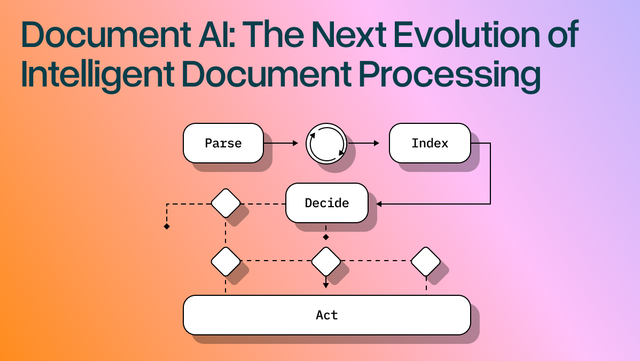
Document AI: The Next Evolution of Intelligent Document ProcessingPersona
Industry
Use cases
OCR for HR & Recruitment
[ OCR for HR & Recruitment ]

Use LlamaParse to turn resumes and forms into structured data your ATS can trust.
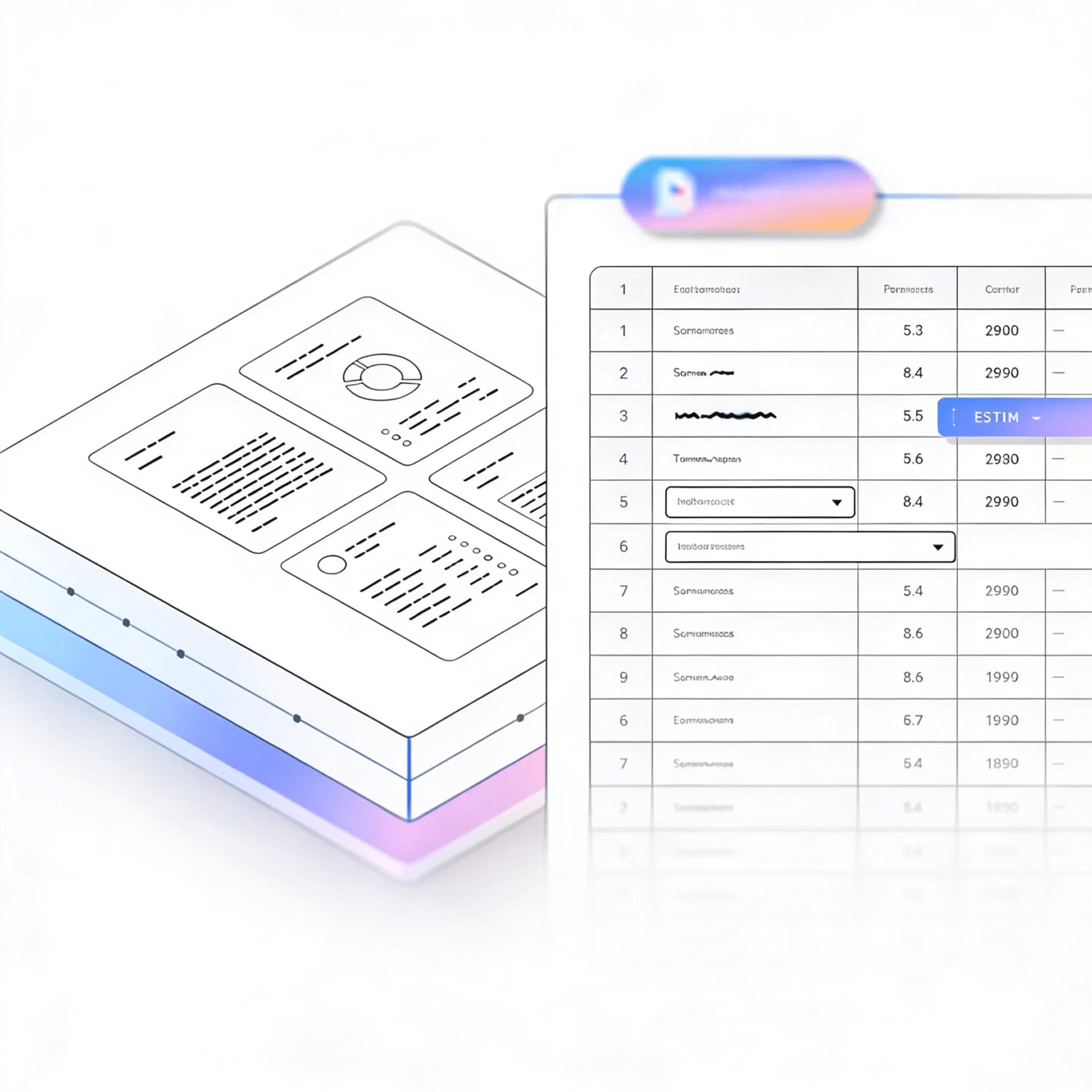


LlamaParse turns messy resumes, CVs, and HR packets into clean, structured JSON or Markdown you can trust for downstream hiring workflows. It uses layout-aware vision and validation loops to handle tables and weird formatting, reducing manual review while keeping citations for auditability.
Best-in-Class Accuracy

Turn inbound resumes, portfolios, and offer letters into structured JSON automatically so your ATS and Slack/CRM workflows stay clean as hiring ramps. LlamaParse’s natural-language parsing instructions let a lean team change what gets extracted (skills, comp bands, eligibility, start dates) without rebuilding brittle parsing code.

Parse clinician CVs, licenses, board certifications, and immunization records into verifiable fields with page-level citations, cutting credentialing turnaround time. Layout-aware extraction prevents missed expirations and scrambled tables in multi-page PDFs, so compliance checks can be automated instead of manually re-keyed.

Extract certifications, safety training cards, union classifications, and shift history from scanned paperwork and multi-column forms into a structured candidate profile for workforce planning. Multimodal parsing captures IDs, stamps, and table-heavy training logs that traditional OCR mangles, reducing onboarding delays for plant and field roles.

Automate intake of background checks, employment verification, and right-to-work documents by converting messy PDFs into audit-ready data with confidence scores and traceable metadata. Agentic processing routes only the hardest pages to higher-accuracy models, keeping per-candidate screening costs predictable while maintaining compliance standards.
The Solution
01
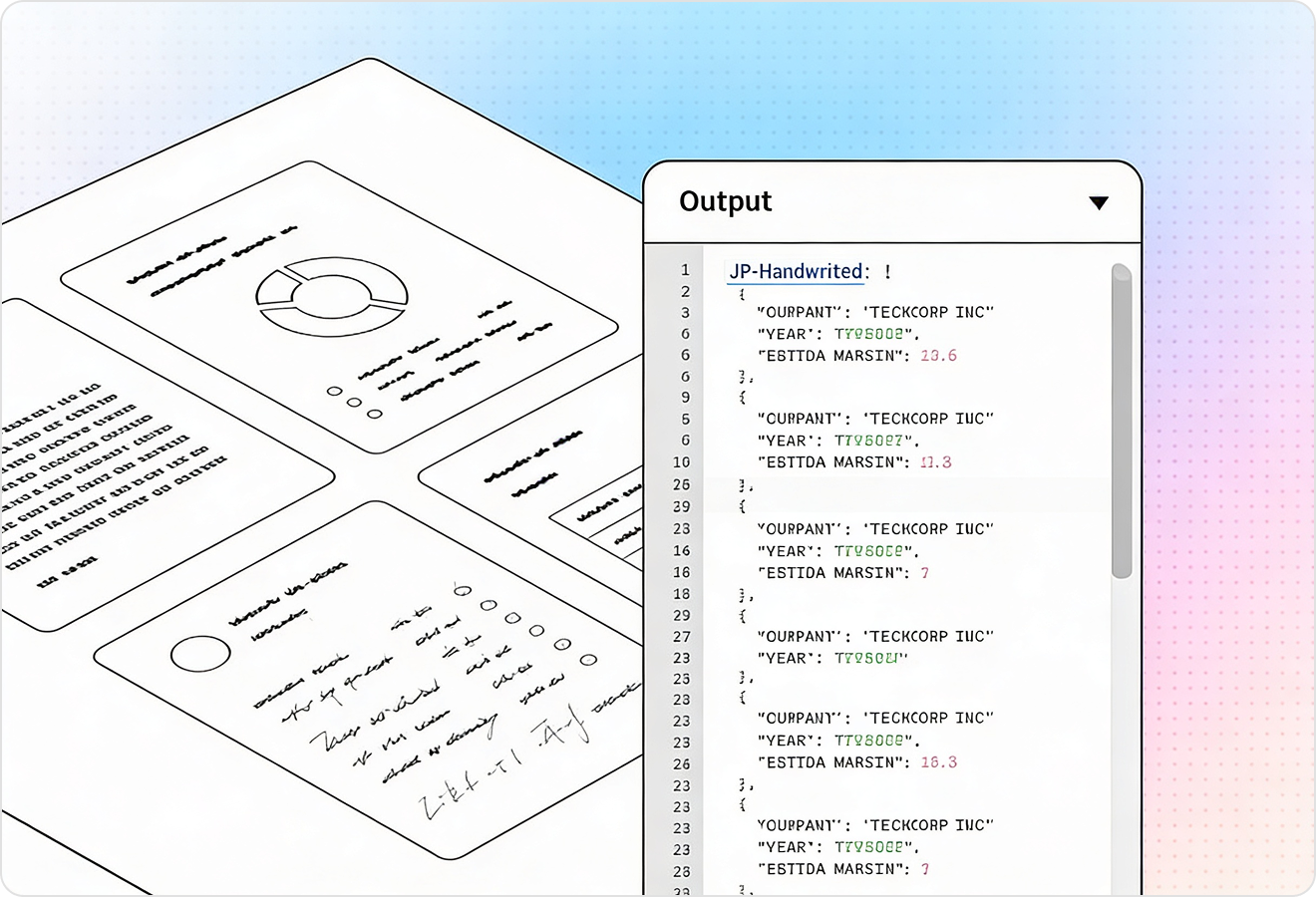
LlamaParse uses layout-aware vision to preserve reading order across multi-column resumes, headers/footers, and dense sections. That means cleaner candidate profiles from real-world CVs, without brittle rules that break when the template changes.
02
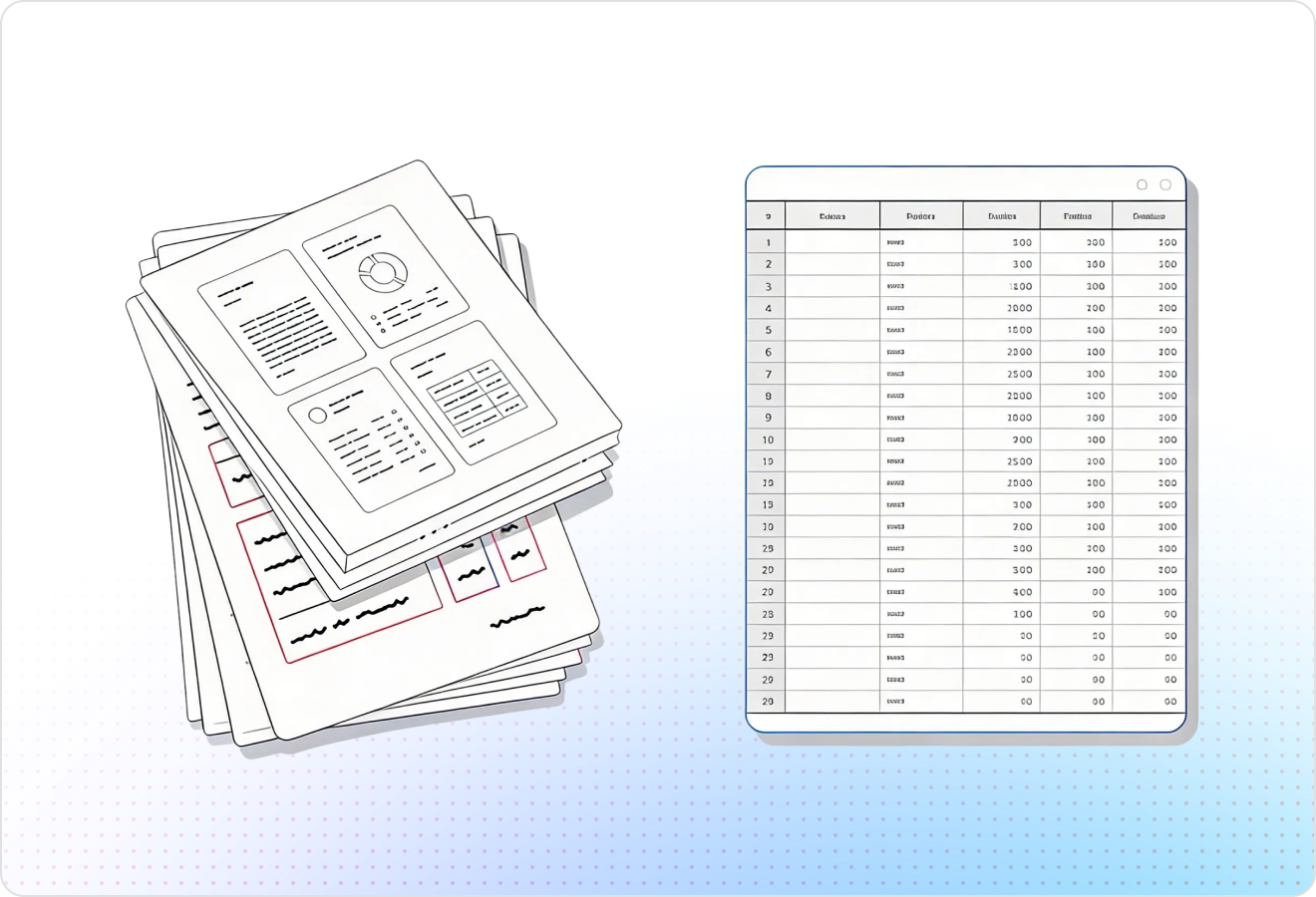
LlamaParse accurately reconstructs tables and structured blocks from offer letters, onboarding packets, and employment applications. You can reliably capture fields like compensation breakdowns, benefits selections, and eligibility grids without manual cleanup.
03
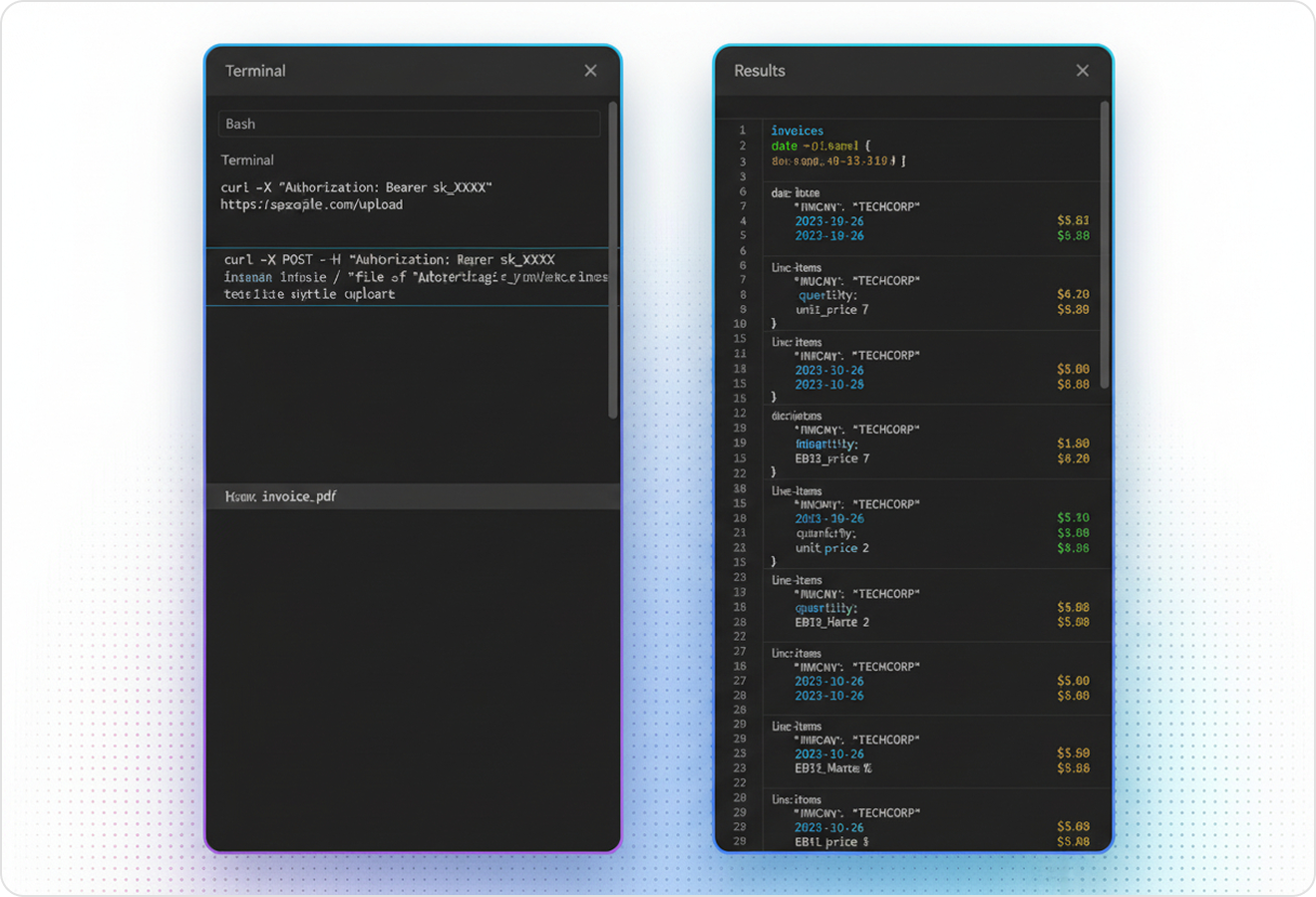
With natural-language parsing instructions, you can tell LlamaParse exactly what to pull (skills, titles, tenure, certifications, education) and how to format it. This speeds up screening workflows by producing consistent outputs that map directly into your ATS or recruiting database.
04
JSON mode returns structured data plus page-level traceability like coordinates, element types, and citations. For HR and recruitment, this enables fast audits and human-in-the-loop review when a resume claim or employment detail needs to be verified against the source document.
Technical OCR documentation
Explore our developer guides to easily connect your document pipelines to LlamaParse.

Our AI catches the typos that tired eyes miss.

Export to Excel, JSON, XML, or directly via API.

SOC2 Type II compliant with end-to-end encryption.

Train the tool on your specific forms in minutes, not days.

Average processing time of <3 seconds per page.
LlamaParse’s support of a wide variety of filetypes and its accuracy of parsing made it the best tool we tested in our evaluations. The LlamaIndex team was very responsive and we were off to the races within a day.
Common FAQs
01
Yes—layout-aware parsing preserves the intended reading flow across columns, headers/footers, and dense sections. That means fewer mis-merged roles and cleaner candidate profiles, even when applicants use unconventional templates.
02
LlamaParse reconstructs tables and structured blocks so compensation breakdowns, benefits selections, and eligibility grids stay aligned. You get reliably structured data without the manual cleanup that usually follows OCR.
03
Yes—use natural-language instructions to specify what to extract and how to format it (e.g., normalized dates, standardized job titles, or a fixed schema). This produces consistent outputs that map directly into your ATS or recruiting database.
04
How do we verify extracted details during audits or when a recruiter needs to double-check a claim?
JSON output can include traceability metadata like page citations, element types, and coordinates tied back to the source document. That makes human review fast and defensible when validating employment dates, credentials, or compensation details.
05
Will this break when candidates change templates or we receive resumes from different regions and formats?
It’s designed to handle real-world variability by relying on layout understanding rather than brittle, template-specific rules. That means fewer ongoing maintenance headaches as your inbound document mix changes over time.
06
How quickly can we integrate it into our HR tech stack and start seeing time savings?
You can start by sending resumes or HR PDFs and receiving structured JSON back, making it straightforward to connect to existing screening pipelines. Teams typically see faster downstream review because the data arrives pre-structured and easier to validate.