Nov 14, 2025
Document AI: The Next Evolution of Intelligent Document ProcessingPersona
Industry
Use cases
Letter Of Credit OCR
[ Letter Of Credit OCR ]

Use LlamaParse to reliably capture every field with confidence scores, even when layouts change.
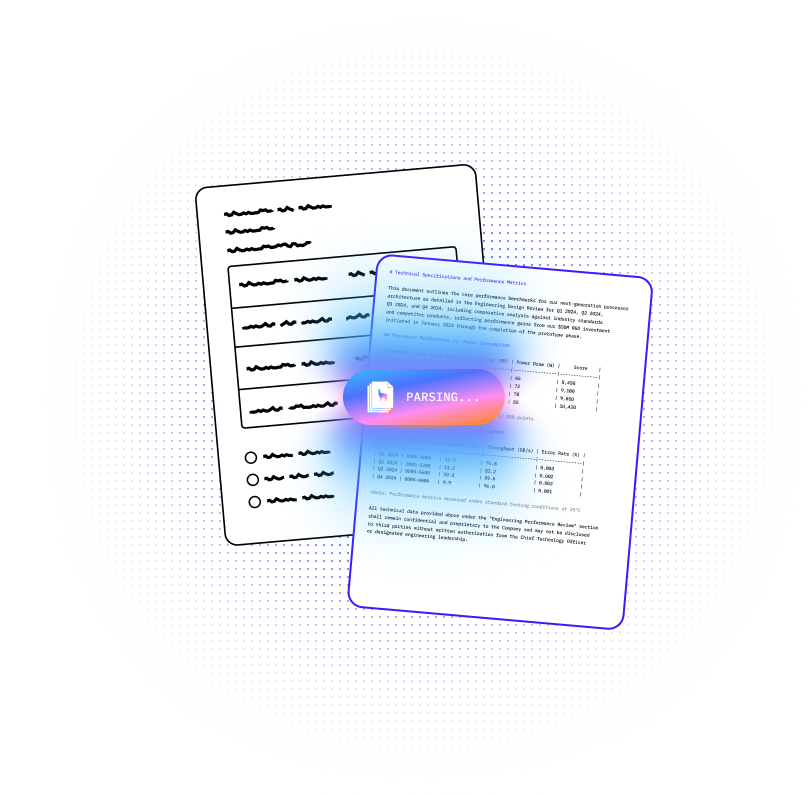
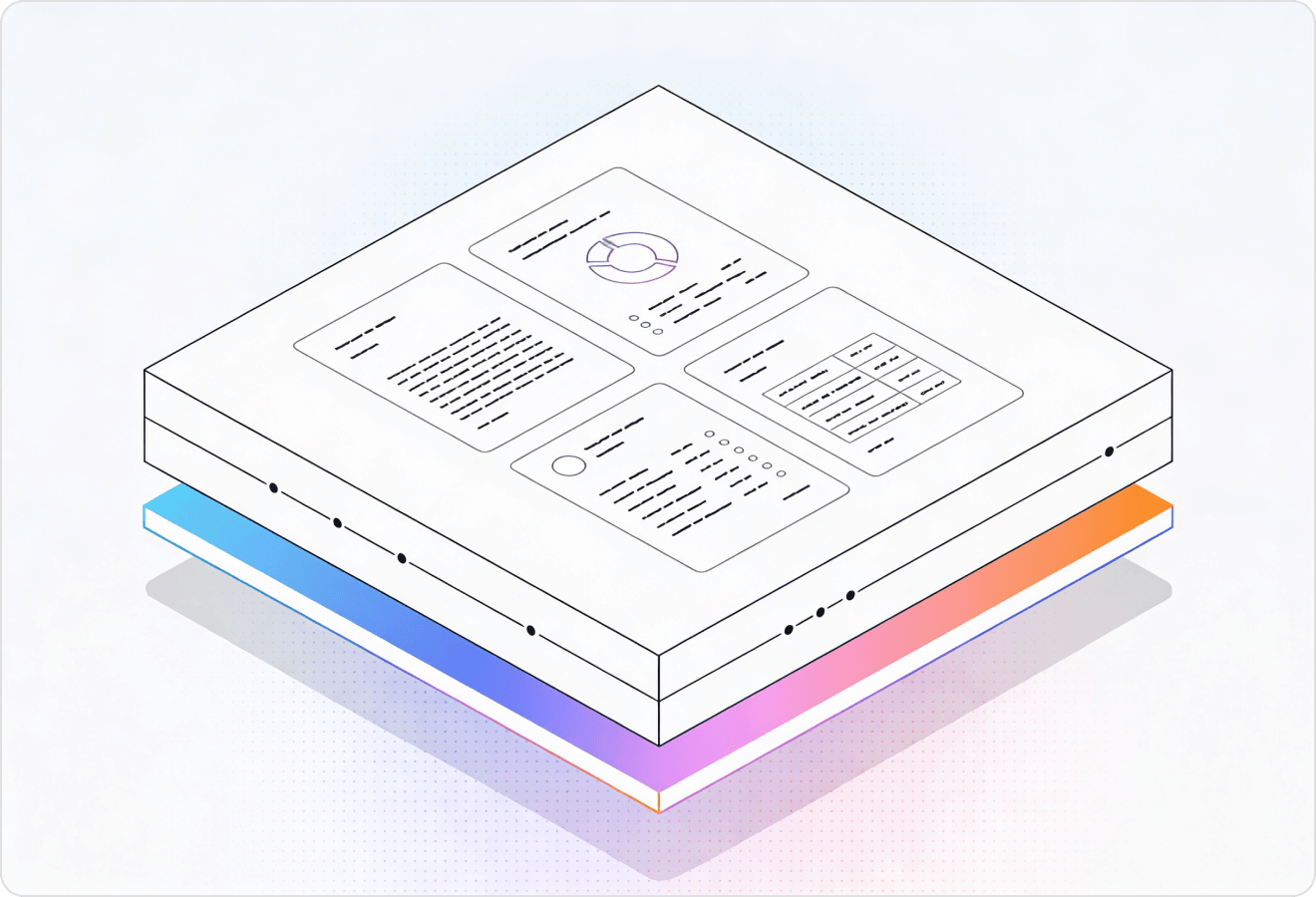

LlamaParse turns messy letters of credit into clean, structured fields you can trust, capturing terms, amounts, parties, and clauses reliably. It’s layout-aware and agentic, so it handles tables, stamps, and scanned pages with validation loops and traceable metadata for review.
Best-in-Class Accuracy

Use LlamaParse in LlamaCloud to turn letters of credit, amendments, and presented documents into structured JSON with citations, so teams can validate fields like amounts, incoterms, and expiry dates without hunting through multi-column PDFs. Layout-aware table extraction prevents mismatched line items and reduces manual discrepancy checks that slow down issuance and settlement.

Parse LC clauses alongside commercial invoices, packing lists, and bills of lading to automatically confirm that document data matches shipment details before cargo moves. Multimodal parsing and reading-order preservation handle stamps, signatures, and dense tables so brokers catch exceptions early and avoid demurrage, rework, and compliance delays.

Convert LCs and amendment chains into a normalized dataset that ties directly to purchase orders, product SKUs, and delivery schedules, preventing missed conditions that block payment. Natural-language parsing instructions let compliance and finance teams extract only the required clauses and fields (e.g., inspection requirements, partial shipment rules) into ERP-ready outputs.

Ship an LC extraction product faster by using LlamaParse APIs to ingest messy scans and PDFs into clean Markdown/JSON, with granular metadata for human-in-the-loop review where confidence is low. Tier-based agentic processing keeps unit economics predictable by reserving heavy vision models for the hardest pages while standard pages route through cheaper modes.
The Solution
01
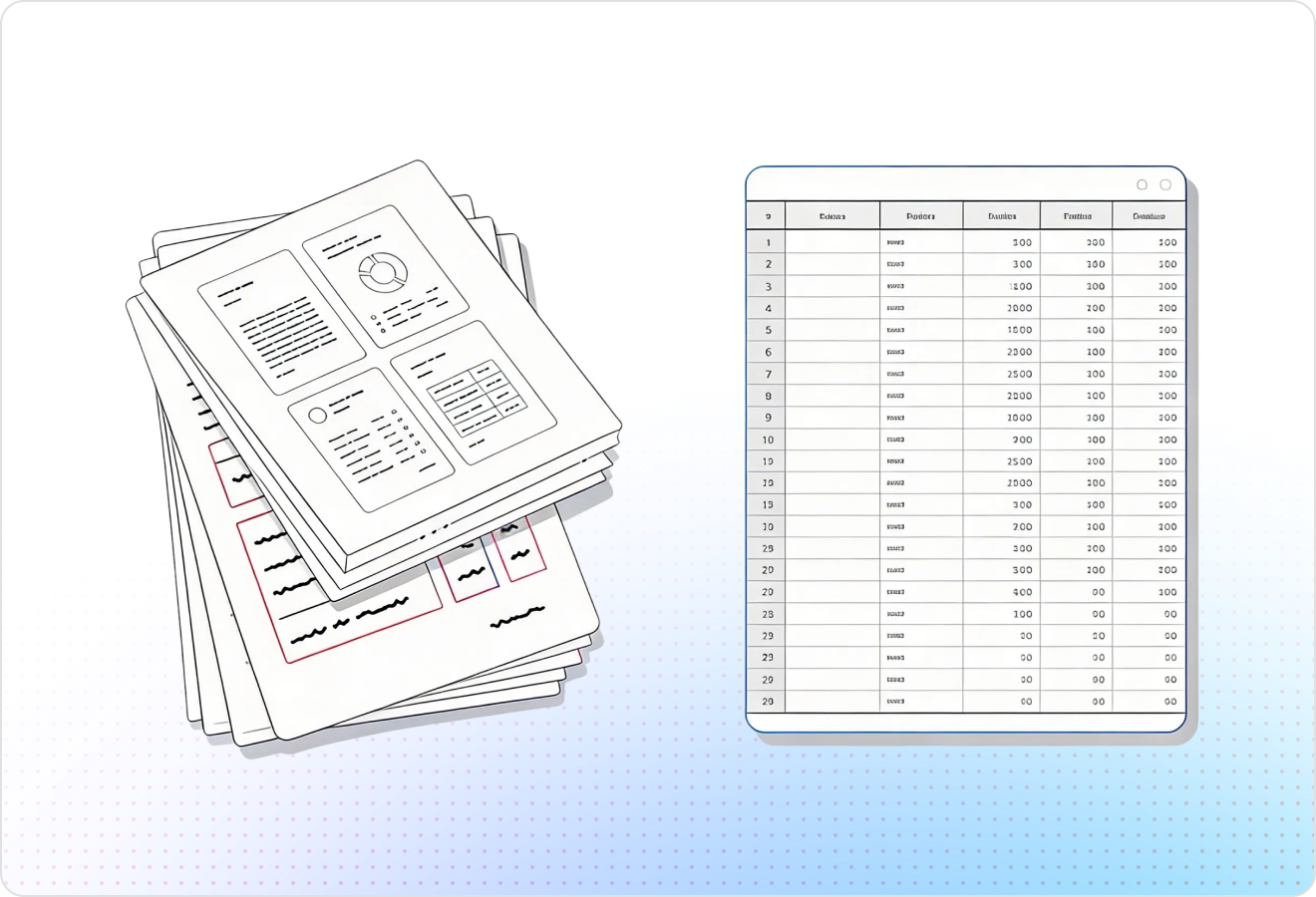
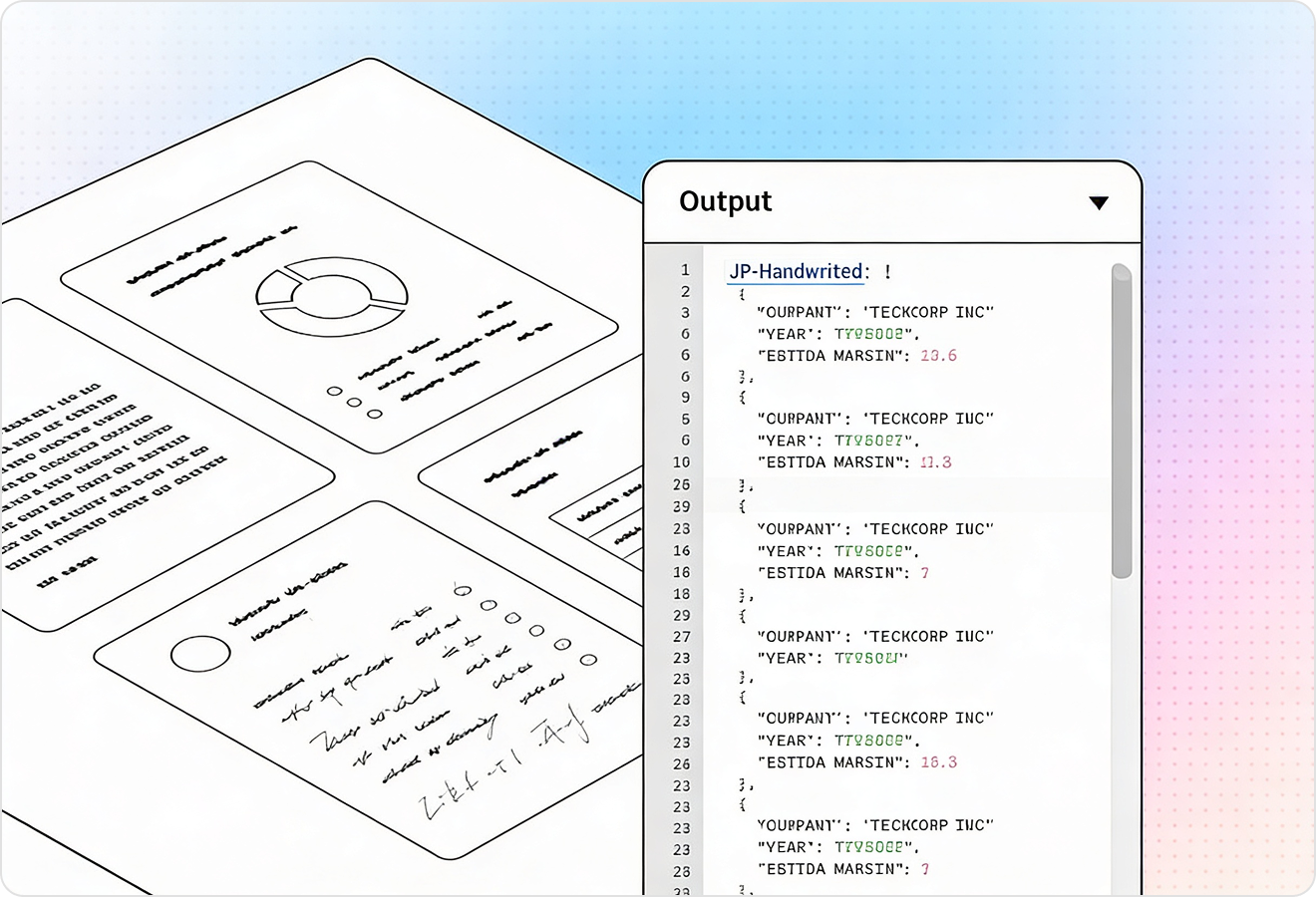
LlamaParse understands multi-column layouts, headings, and dense clause blocks so letters of credit don’t get scrambled into the wrong reading order. That means you can reliably extract terms like issuing bank, applicant/beneficiary, expiry date, and presentation conditions without brittle post-processing.
02
LlamaParse accurately pulls structured data from tables and form-like sections commonly used for amounts, tolerances, shipment windows, and required documents. This makes it straightforward to map LC content into your trade finance system as clean Markdown or structured records instead of messy text blobs.
03
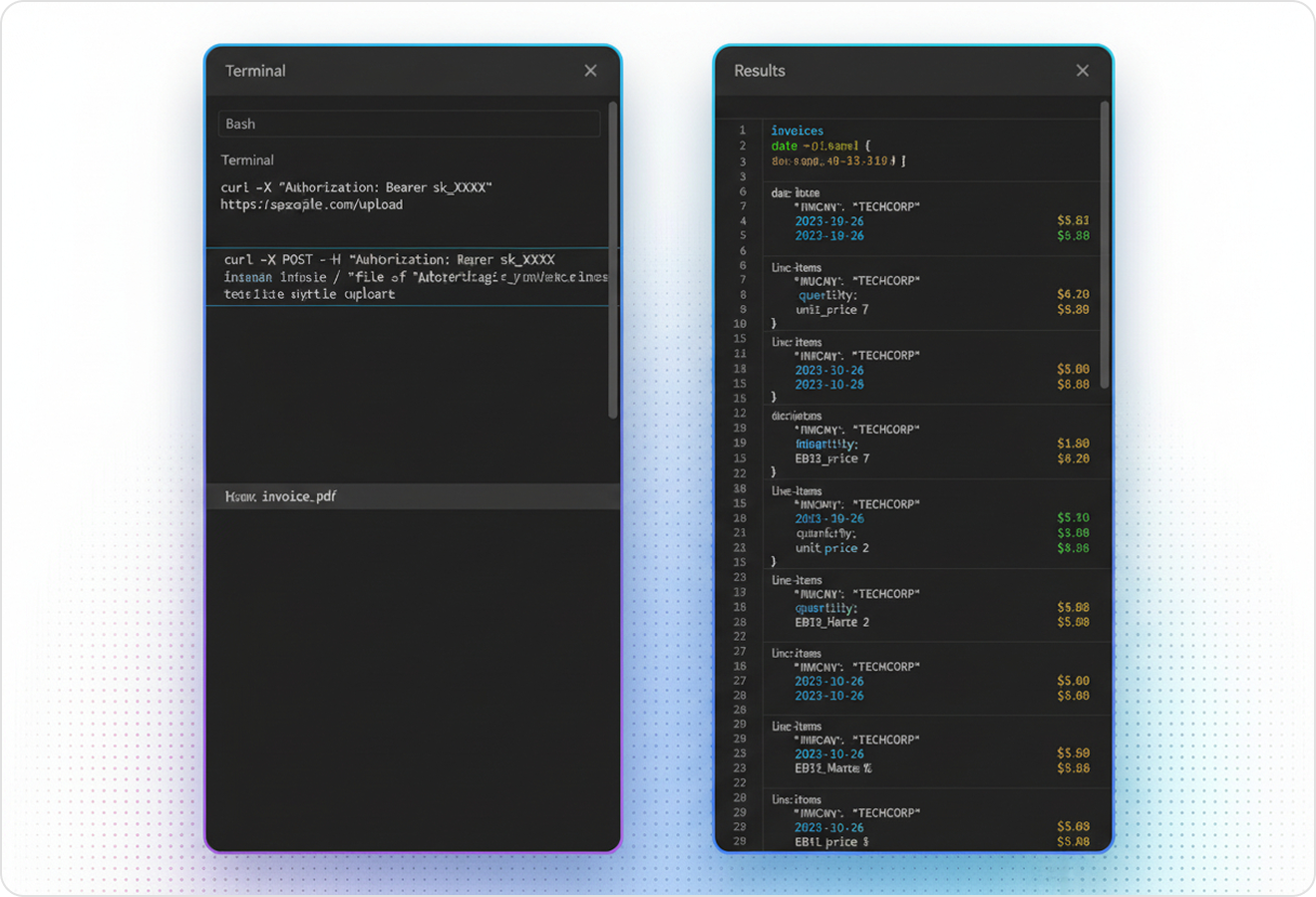
LlamaParse can return structured JSON with granular metadata like page numbers and element coordinates for each extracted field. For LC OCR workflows, that traceability supports auditability and human-in-the-loop review when a bank needs to verify exactly where a term came from.
04
LlamaParse uses iterative validation to catch and correct common extraction failures on complex scans, stamps, and noisy PDFs. In letters of credit, this reduces downstream exceptions by flagging inconsistent values (like currency/amount mismatches) before they hit compliance or operations queues.
Technical OCR documentation
Explore our developer guides to easily connect your document pipelines to LlamaParse.
Explore the documentation
Our AI catches the typos that tired eyes miss.

Export to Excel, JSON, XML, or directly via API.

SOC2 Type II compliant with end-to-end encryption.

Train the tool on your specific forms in minutes, not days.

Average processing time of <3 seconds per page.
LlamaParse’s support of a wide variety of filetypes and its accuracy of parsing made it the best tool we tested in our evaluations. The LlamaIndex team was very responsive and we were off to the races within a day.
Common FAQs
01
Our layout-aware parsing understands columns, headings, and dense clause blocks so content is extracted in the correct reading sequence. That means key terms like issuing bank, applicant/beneficiary, expiry date, and presentation conditions don’t get scrambled and require less manual cleanup.
02
Yes—tables and form-like sections are captured as structured fields rather than dumped as messy text. This makes it easy to map values like amount, currency, tolerances, latest shipment date, and required documents directly into your trade finance system.
03
We can return JSON with granular metadata such as page numbers and element coordinates for each extracted field. This supports auditability and quick verification when reviewers need to confirm exactly where a term appears in the LC.
04
How does the system handle noisy scans, stamps, and low-quality PDFs?
Auto validation loops iteratively check and correct common OCR and extraction failures caused by scans, stamps, and artifacts. When something looks inconsistent, it’s flagged early so your team can review exceptions before they hit compliance or operations queues.
05
How do you catch inconsistencies like currency/amount mismatches before they cause downstream exceptions?
The validation step compares related fields and highlights conflicts—such as a currency mismatch between the amount field and narrative clauses. This reduces rework and prevents avoidable discrepancies from surfacing late in the process.
06
What does implementation look like for integrating LC OCR output into our workflows?
You can ingest output as clean Markdown or structured JSON records, which simplifies integration with document review, compliance checks, and core trade finance systems. Most teams start with a small LC set to validate mappings and then scale once results match their internal field definitions.