Nov 14, 2025
Document AI: The Next Evolution of Intelligent Document ProcessingPersona
Industry
Use cases
Title Insurance OCR
[ Title Insurance OCR ]

Use LlamaParse to capture tables, forms, and handwritten notes with citations your team can verify.
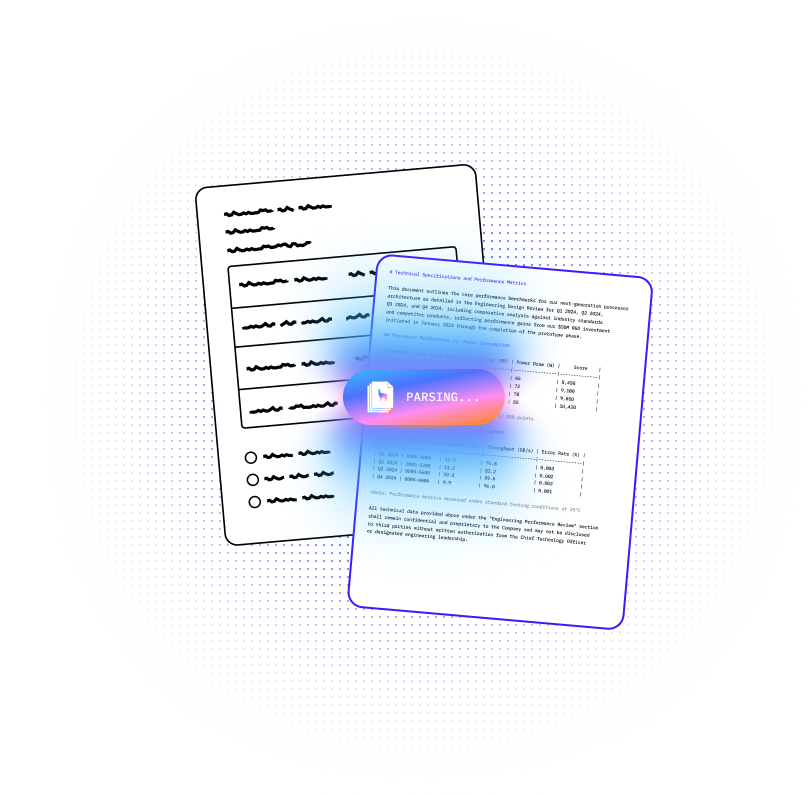
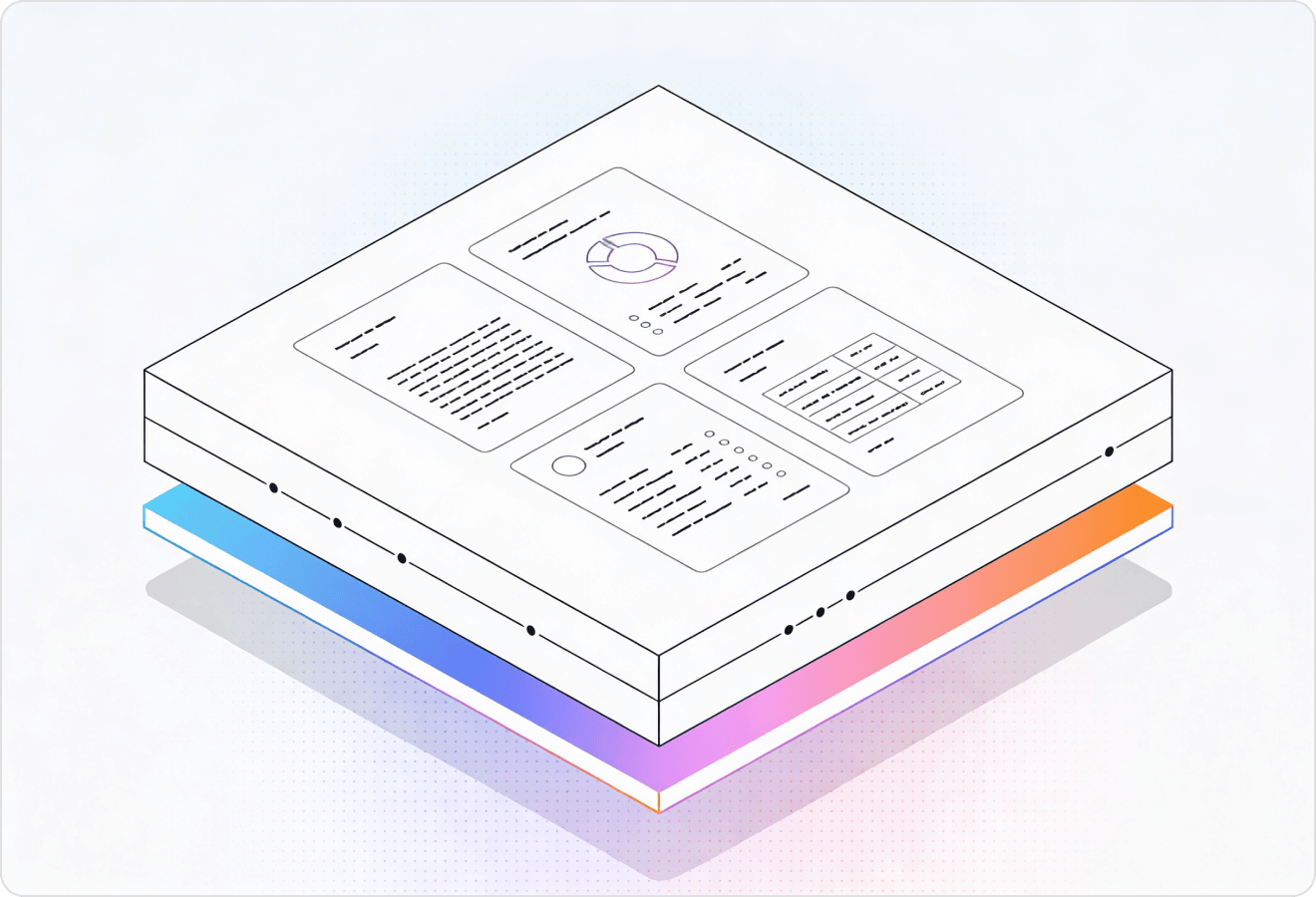

LlamaParse turns scanned title commitments, policies, and endorsements into clean, structured fields you can trust, even when layouts vary. It uses layout-aware vision and validation loops to reduce misses and rework, delivering JSON or Markdown with traceable metadata for review.
Best-in-Class Accuracy

Parse commitments, prior policies, and recorded instruments into clean JSON with citations so examiners can verify vesting, legal descriptions, and exceptions without re-keying. LlamaParse preserves table structure and reading order across multi-column schedules, reducing endorsement mistakes and accelerating clear-to-close.

Extract fees, vesting, and requirement checklists from title documents into your LOS to automate disclosures, funding conditions, and closing packages. Natural-language parsing instructions let ops teams standardize what gets captured per state/county while auto-correction loops cut post-close defects.

Turn messy title PDFs and scans into AI-ready Markdown/JSON so you can ship search, exception summarization, and risk scoring features without building brittle layout-fixing code. Tier-based agentic processing keeps unit economics predictable by reserving heavier vision reasoning only for the hard pages.

Convert title chains, deeds, and easement exhibits into structured, citeable outputs that make it faster to prepare quiet title actions, boundary disputes, and due diligence memos. Multimodal parsing captures stamps, exhibits, and embedded maps/tables so nothing material is missed during review.
The Solution
01
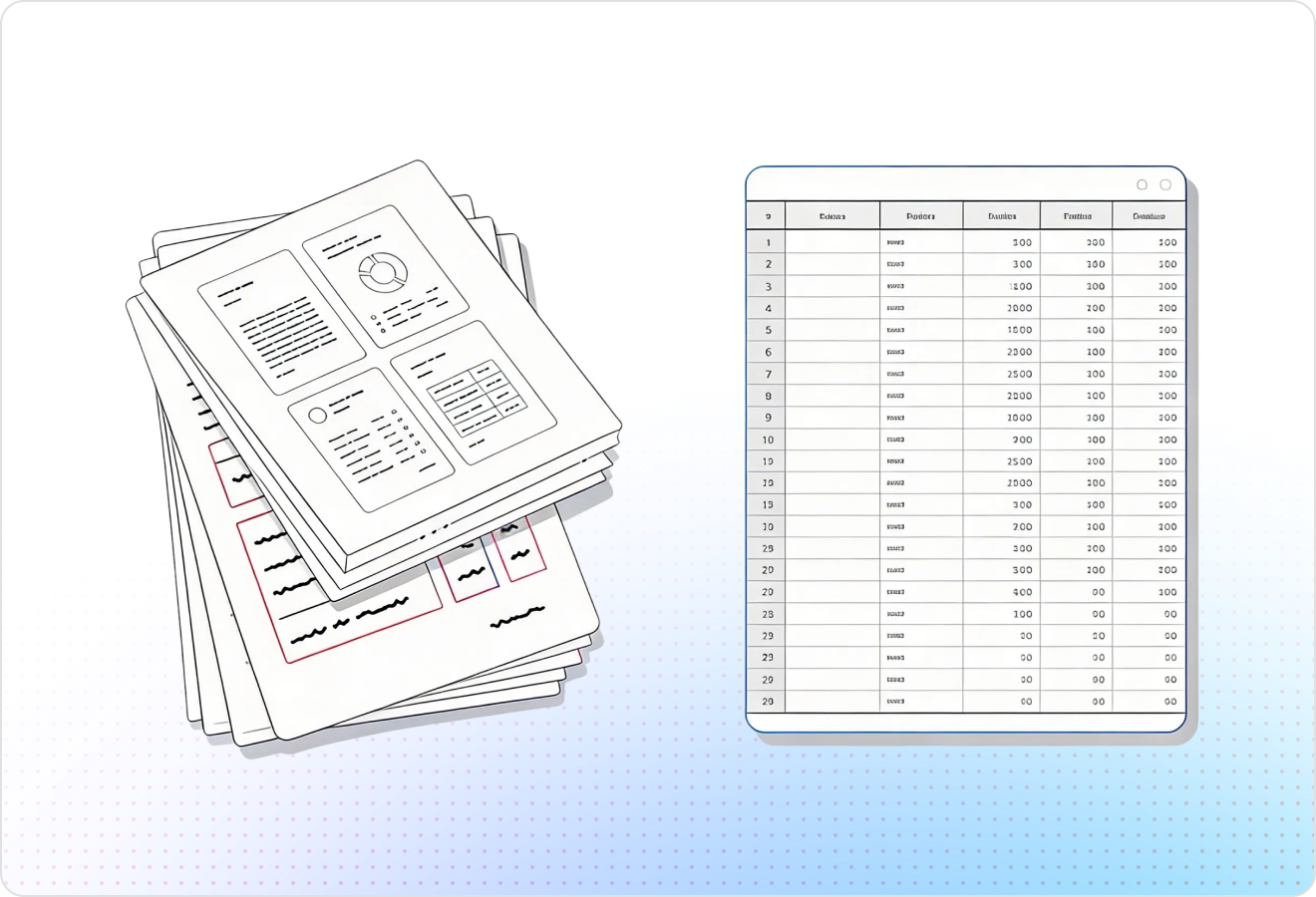
LlamaParse understands reading order, columns, headers/footers, and dense legal layouts so title commitments and policies don’t get scrambled into unusable text. That means you can reliably extract insured names, policy numbers, effective dates, and legal descriptions even when formats vary by underwriter.
02
LlamaParse accurately captures complex tables and line-item schedules (exceptions, endorsements, requirements) and reconstructs them into clean, structured outputs. For title insurance workflows, this makes it easier to turn Schedule A/B and exception lists into data your systems can validate, compare, and route.
03
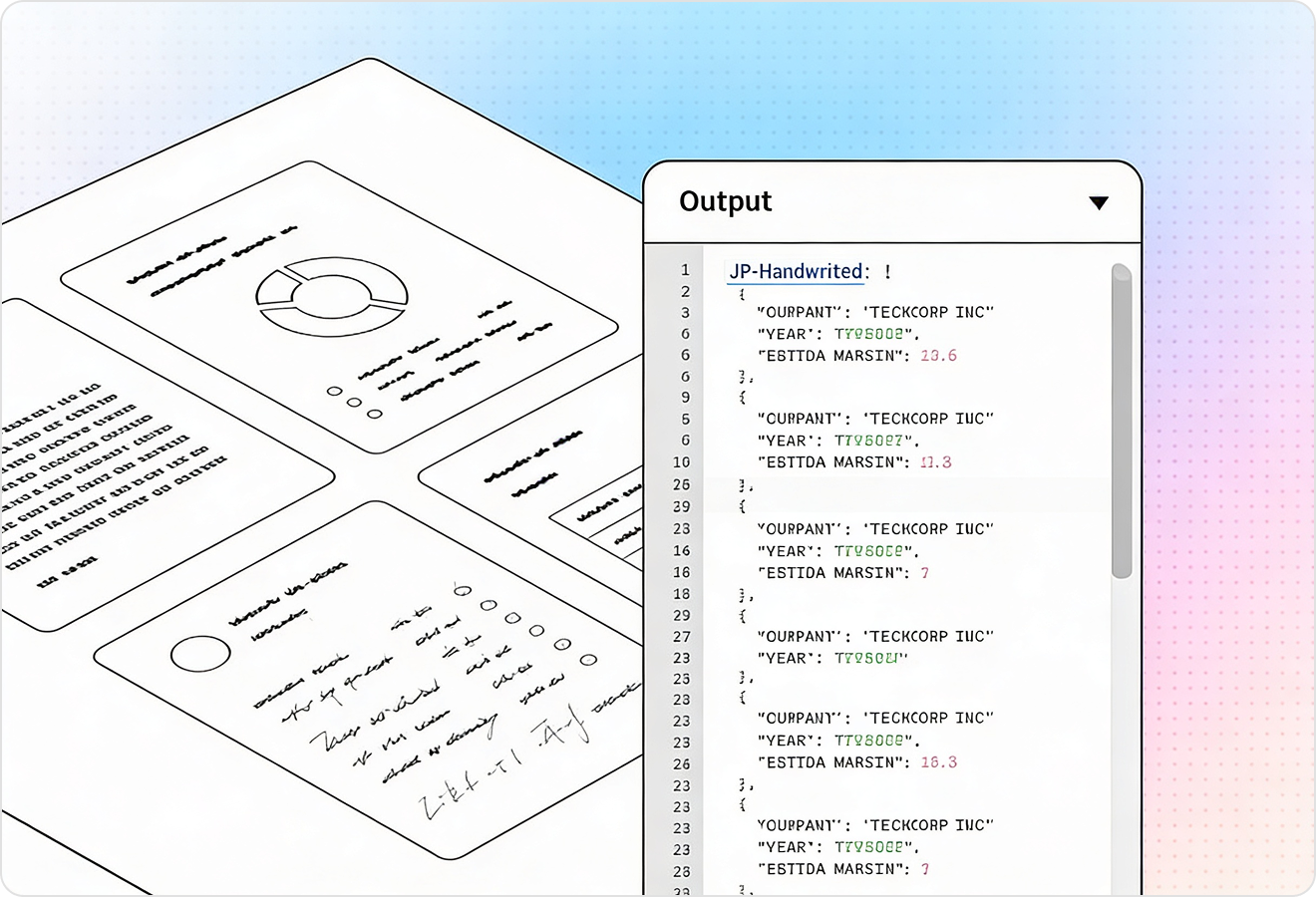
LlamaParse can emit structured JSON with granular metadata like page numbers and element-level coordinates, so every extracted field is traceable back to the source. In title insurance review, that traceability supports fast QA, defensible decisions, and human-in-the-loop checks on the exact clause or exception language.
04
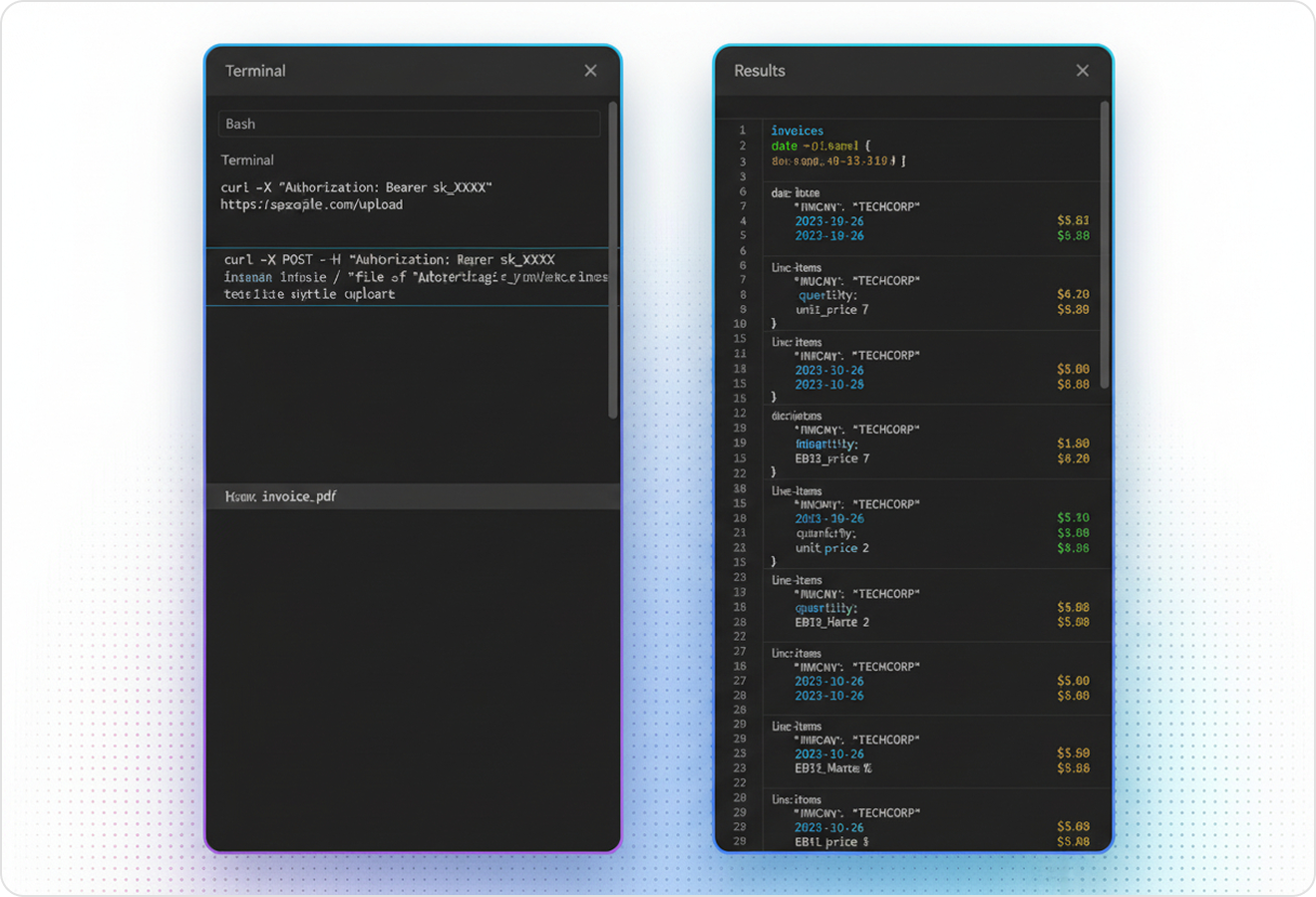
LlamaParse uses agentic validation loops to catch common extraction failures—missed characters in legal descriptions, broken line wraps, and inconsistent formatting—before results hit your pipeline. This improves straight-through processing for title packages and reduces manual cleanup on messy scans and fax-quality PDFs.
Technical OCR documentation
Explore our developer guides to easily connect your document pipelines to LlamaParse.
Explore the documentation
Our AI catches the typos that tired eyes miss.

Export to Excel, JSON, XML, or directly via API.

SOC2 Type II compliant with end-to-end encryption.

Train the tool on your specific forms in minutes, not days.

Average processing time of <3 seconds per page.
LlamaParse’s support of a wide variety of filetypes and its accuracy of parsing made it the best tool we tested in our evaluations. The LlamaIndex team was very responsive and we were off to the races within a day.
Common FAQs
01
Yes—our layout-aware parsing understands columns, headers/footers, and dense legal formatting so text doesn’t get scrambled. That means you can reliably extract key fields like insured names, policy numbers, effective dates, and legal descriptions even when templates vary by underwriter.
02
It captures complex tables and reconstructs them into clean, structured outputs, preserving each line item and its context. This makes it easier to compare exceptions across files, validate requirements, and route issues to the right team or workflow automatically.
03
Yes—outputs can include structured JSON plus page numbers and element-level coordinates for every extracted field. That traceability speeds up QA and makes reviews defensible because users can jump directly to the exact clause or exception language.
04
How do you handle messy scans, fax-quality PDFs, and long legal descriptions that often break OCR?
Auto validation and correction loops catch common failures like missed characters, broken line wraps, and inconsistent formatting before results hit your pipeline. The result is higher straight-through processing and far less manual cleanup on difficult documents.
05
What’s the fastest way to turn extracted title data into something my systems can validate and compare?
Structured extraction turns key fields and schedules into consistent JSON your systems can consume immediately. Because tables and exceptions are normalized, you can run rules, comparisons, and downstream checks without building brittle, template-specific parsers.
06
How does this reduce risk in title review while still letting humans stay in control?
Citations and traceable outputs make human-in-the-loop review simple: reviewers can confirm critical fields against the source in seconds. You get automation where it’s safe, and clear evidence for decisions when the file needs a closer look.