Nov 14, 2025
Document AI: The Next Evolution of Intelligent Document ProcessingPersona
Industry
Use cases
Laboratory Reporting OCR
[ Laboratory Reporting OCR ]

Use LlamaParse to turn lab reports into verified structured data with confidence scores and citations.
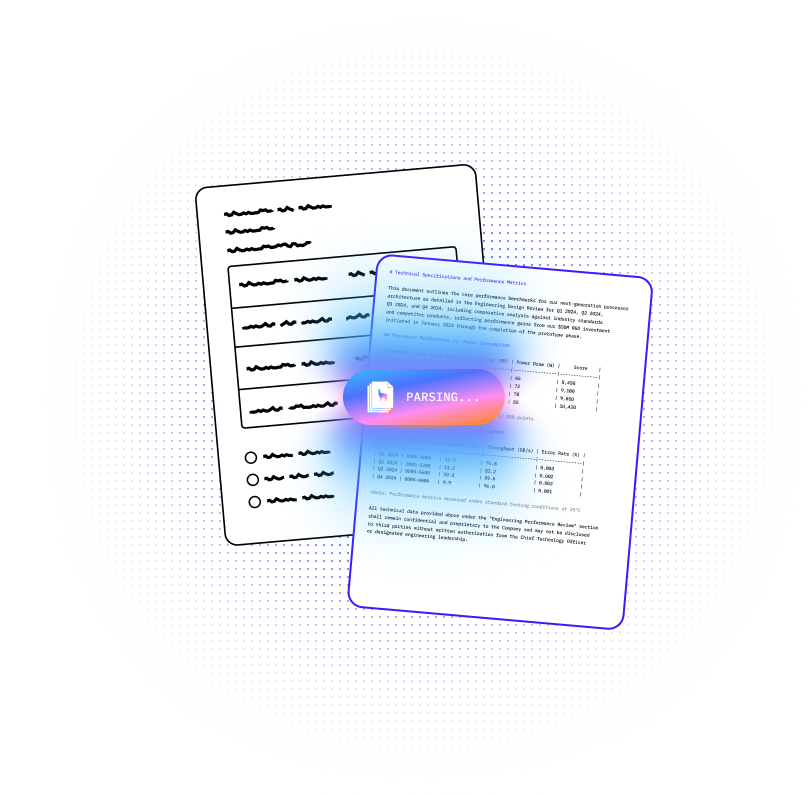
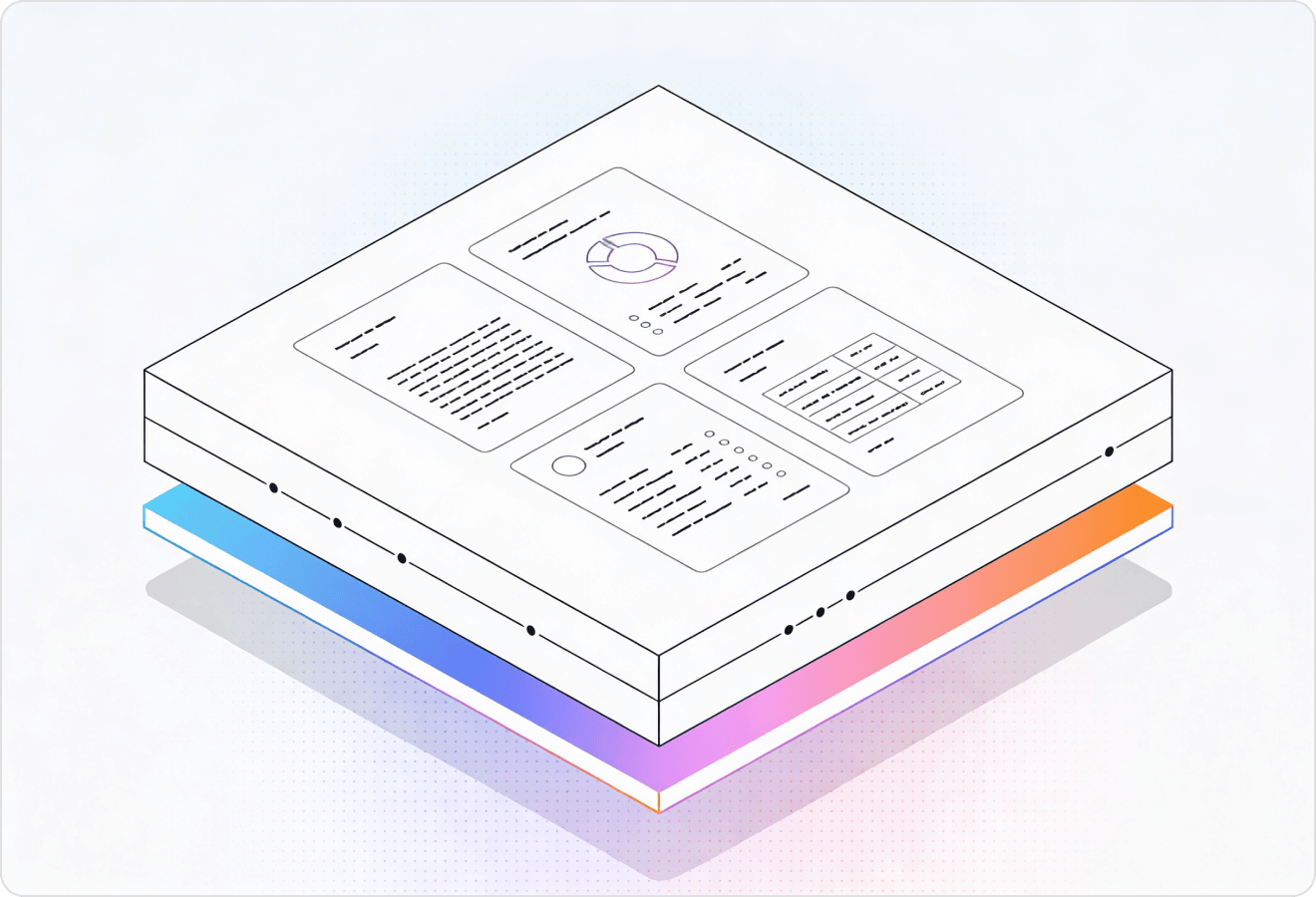
LlamaParse turns messy lab PDFs and scanned results into clean JSON or Markdown, preserving tables, units, reference ranges, and test metadata. It adds citations and confidence signals so teams can verify every value, reduce manual review, and automate downstream reporting workflows.
Best-in-Class Accuracy

Turn scanned lab reports into clean, structured JSON by reliably extracting reference ranges, flags, units, and multi-column result tables without scrambled reading order. LlamaParse adds traceable metadata (page + coordinates) so QA teams can quickly verify critical values and reduce manual data entry backlogs.

Normalize assay readouts, stability study tables, and instrument printouts into Markdown/JSON that downstream analytics and ELN systems can consume, even when results live in complex tables and embedded charts. With natural-language parsing instructions, teams can standardize extraction across studies without writing brittle, per-template scripts.

Extract analyte results, detection limits, chain-of-custody identifiers, and method references from heterogeneous lab packets to auto-populate compliance reports and client portals. Agentic parsing handles messy scans and layout variations while preserving citation links for audit-ready traceability.

Ship laboratory-report ingestion in days by converting user-uploaded PDFs into a consistent schema for dashboards, alerts, and longitudinal patient timelines. Tier-based processing and cost optimizer mode keep unit economics predictable while maintaining high accuracy on the hardest report pages.
The Solution
01
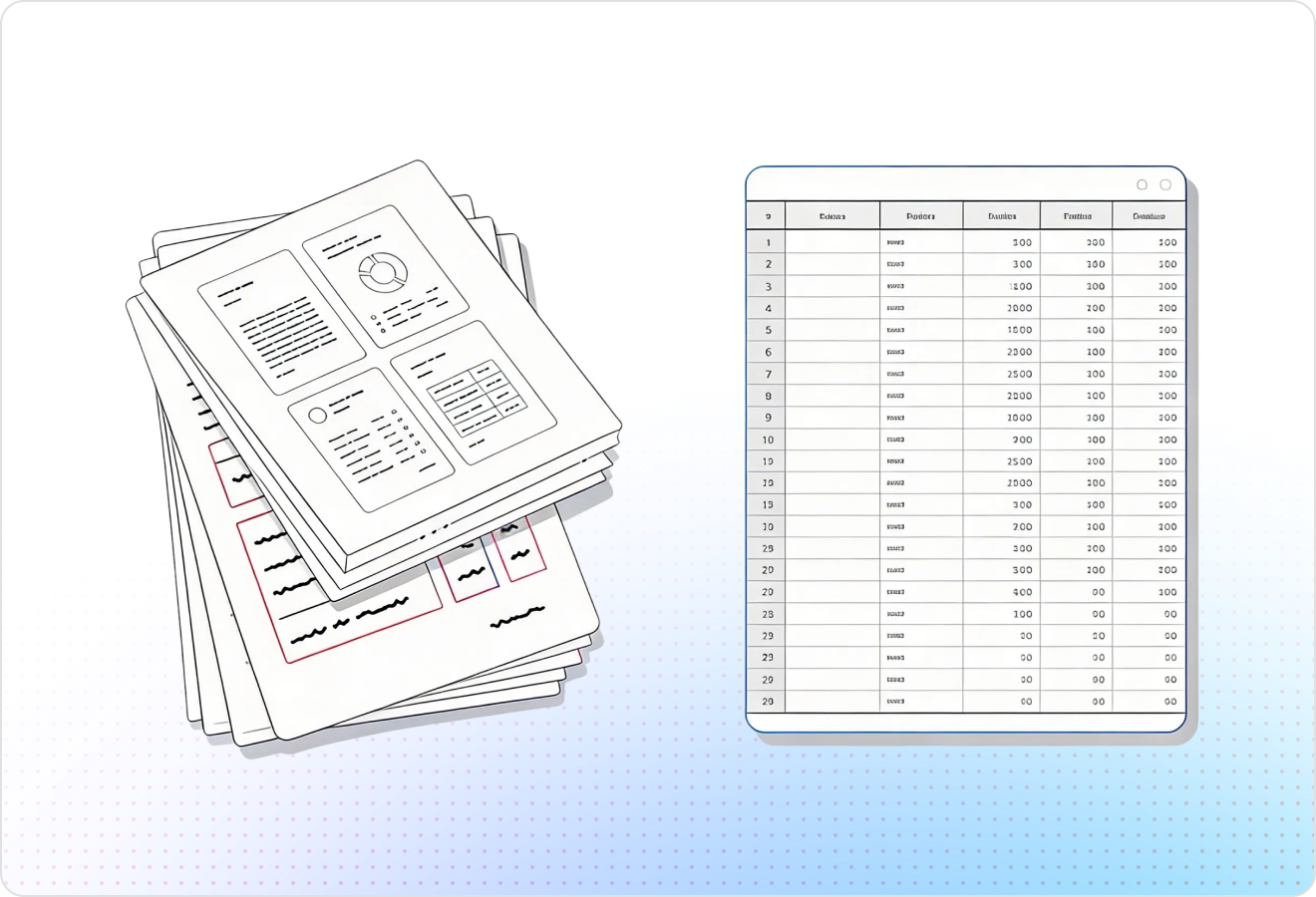
LlamaParse preserves reading order and structure across multi-column lab reports, headers/footers, and reference-range blocks. That means analyte names, results, units, and flags stay aligned instead of getting scrambled into unusable text.
02
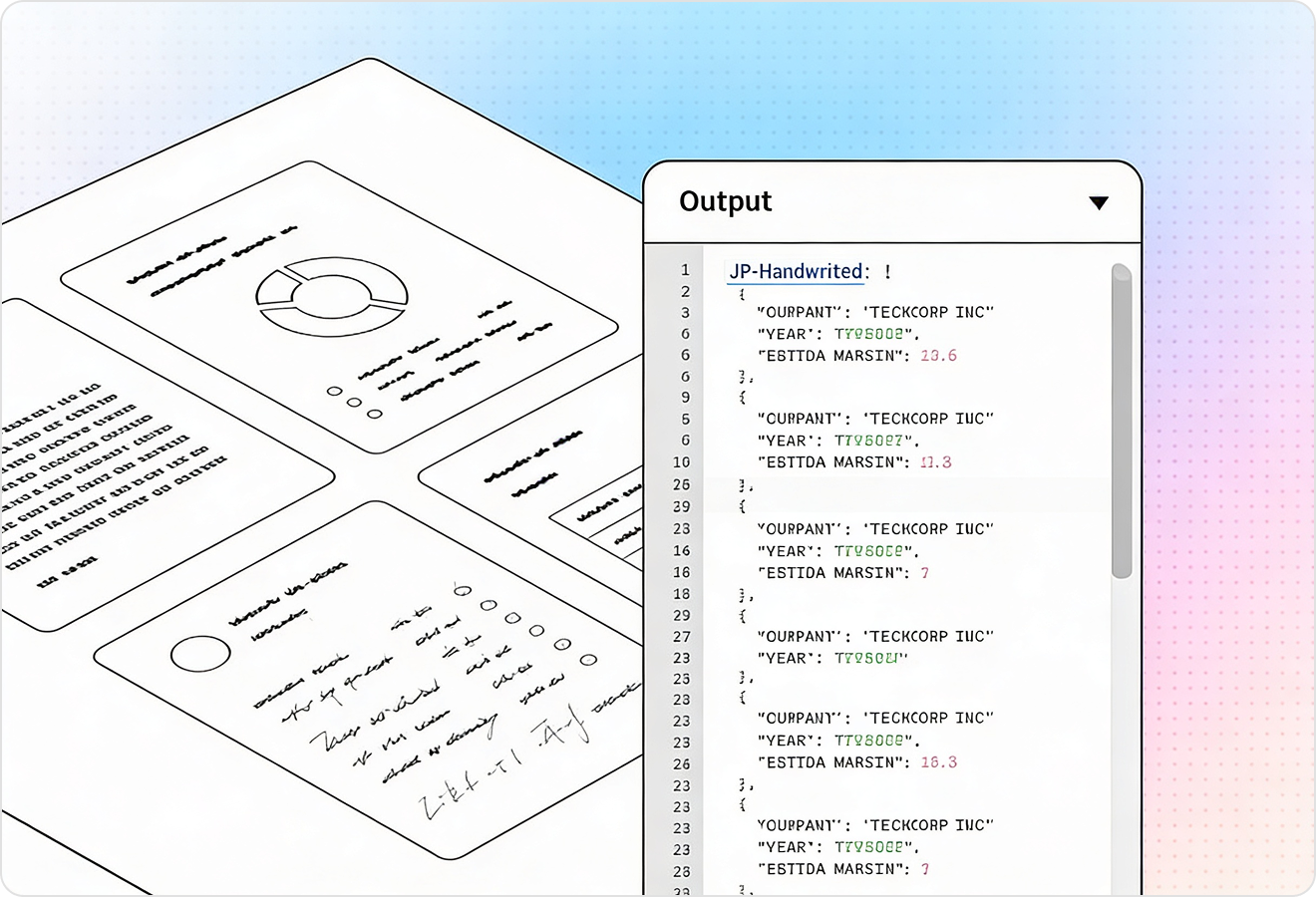
LlamaParse uses agentic validation loops to catch common extraction errors like swapped values, missing negatives, or misread characters in low-quality scans. For laboratory reporting, this raises straight-through processing by reducing manual QA on critical result fields.
03
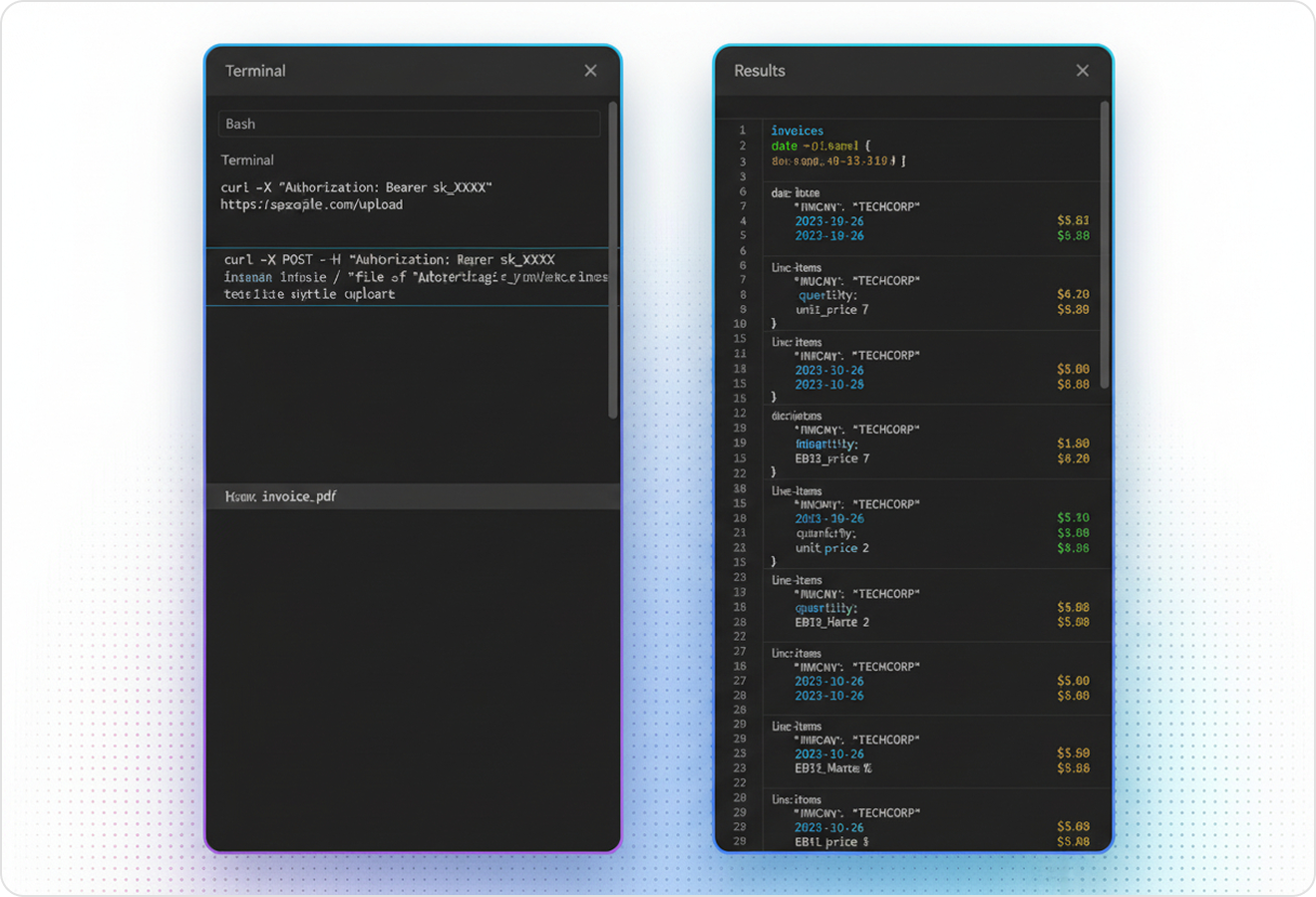
LlamaParse can return structured JSON with granular metadata like page numbers, element types, and bounding boxes for each extracted result. This makes it easy to audit where a lab value came from and route low-confidence fields to human review without reprocessing the entire document.
04
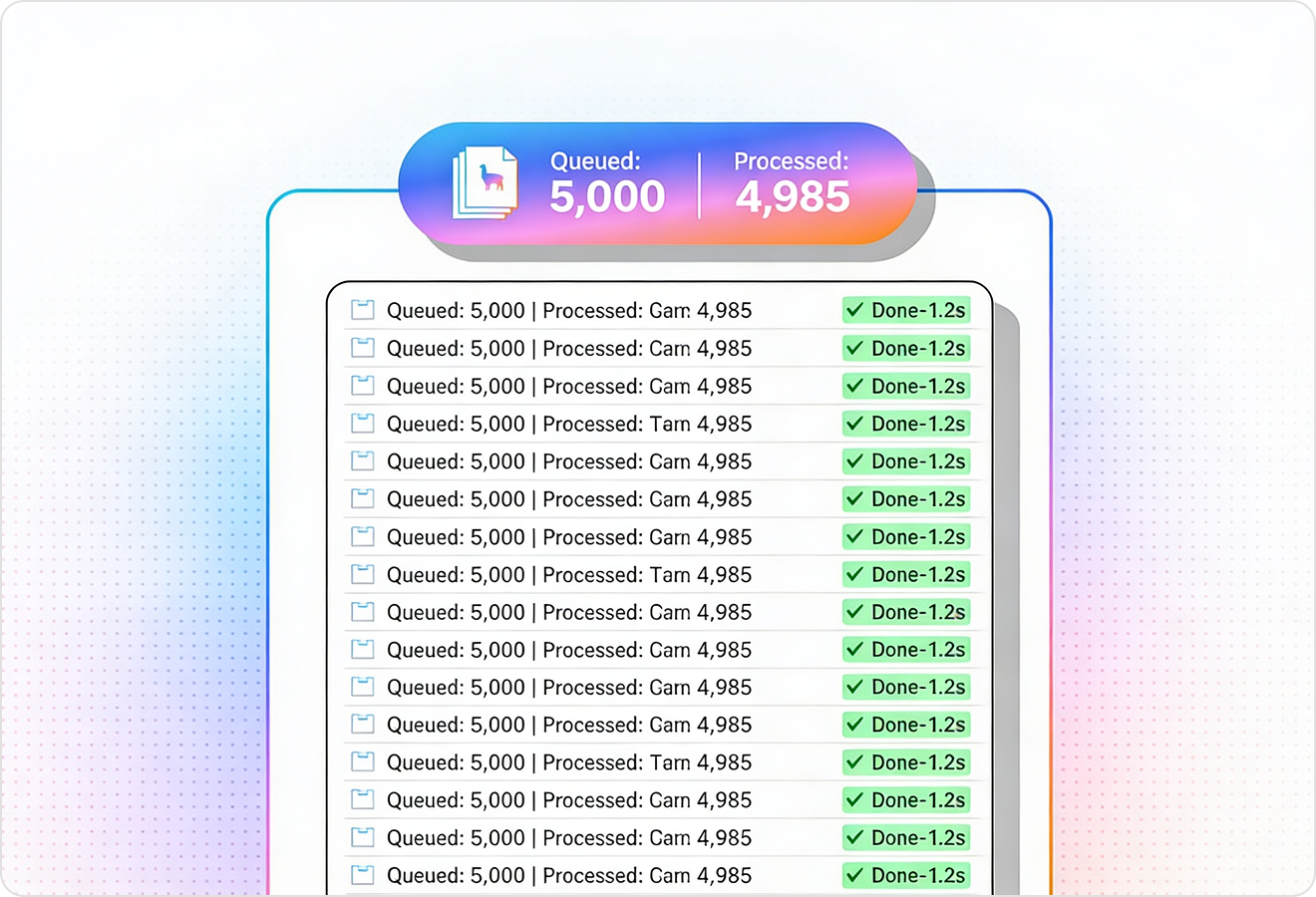
LlamaParse automatically applies heavier multimodal reasoning only to the pages that need it, while keeping simpler pages fast and cost-efficient. In lab reporting pipelines, this helps you handle mixed batches—clean PDFs, faxes, and scanned forms—without blowing up latency or spend.
Technical OCR documentation
Explore our developer guides to easily connect your document pipelines to LlamaParse.
Explore the documentation
Our AI catches the typos that tired eyes miss.

Export to Excel, JSON, XML, or directly via API.

SOC2 Type II compliant with end-to-end encryption.

Train the tool on your specific forms in minutes, not days.

Average processing time of <3 seconds per page.
LlamaParse’s support of a wide variety of filetypes and its accuracy of parsing made it the best tool we tested in our evaluations. The LlamaIndex team was very responsive and we were off to the races within a day.
Common FAQs
01
Yes. The parser is layout-aware, so it preserves reading order across multi-column tables, headers/footers, and reference-range blocks to keep each result tied to the correct analyte. This prevents the common “scrambled text” issue that makes downstream validation and ingestion painful.
02
It uses agentic validation loops to detect common OCR mistakes—such as transposed fields, dropped “negative” indicators, or misread characters in low-quality scans. That means fewer silent errors and less manual QA before results flow into your LIS/EHR or reporting pipeline.
03
Yes. You can get structured JSON with traceability metadata like page numbers, element types, and bounding boxes per extracted field. This makes it easy to verify provenance, support audits, and send only low-confidence fields to human review.
04
How does it handle mixed batches like clean PDFs, faxes, and scanned forms without slowing everything down?
The system routes pages by complexity, applying heavier multimodal reasoning only when necessary while keeping simple pages fast and cost-efficient. You get predictable latency and spend even when document quality varies widely across a batch.
05
What does the output look like, and how easy is it to integrate into our lab reporting workflow?
Outputs are delivered as structured JSON that’s straightforward to map into your existing schema for analytes, values, units, reference ranges, and flags. Because each field can include confidence and location metadata, you can automate most cases and cleanly route exceptions to reviewers.
06
What happens when the scan quality is poor or the report layout is unfamiliar?
Low-quality scans and new templates are exactly where validation and traceability help most: the parser cross-checks extracted fields and flags uncertain reads instead of forcing brittle guesses. You can review only the flagged items with on-page context and avoid reprocessing the entire document.