Nov 14, 2025
Document AI: The Next Evolution of Intelligent Document ProcessingPersona
Industry
Use cases
Medical Information Release OCR
[ Medical Information Release OCR ]

Use LlamaParse to turn messy release forms into structured, verifiable fields your team trusts.
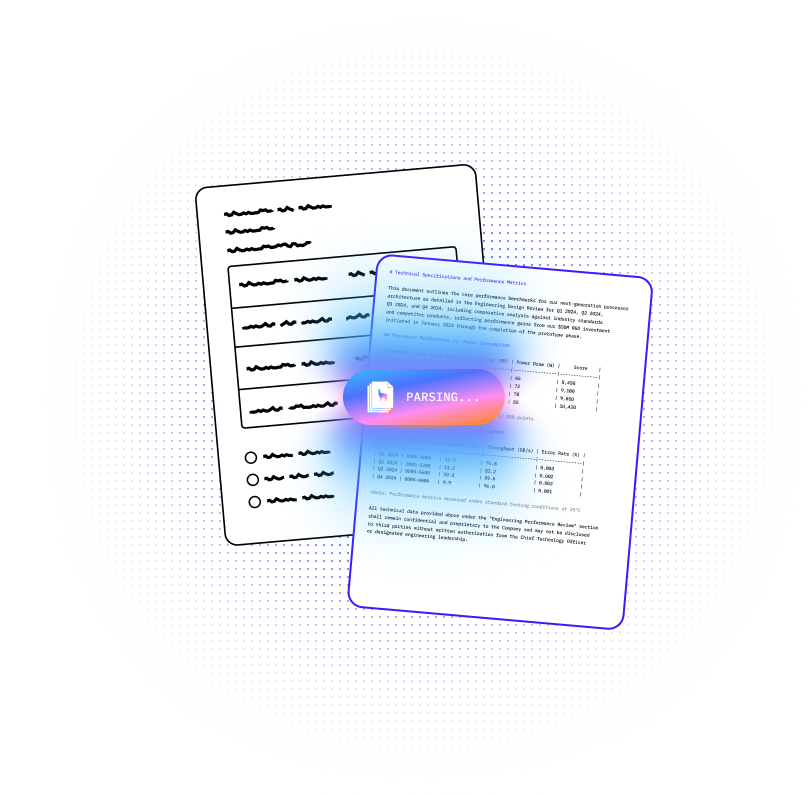
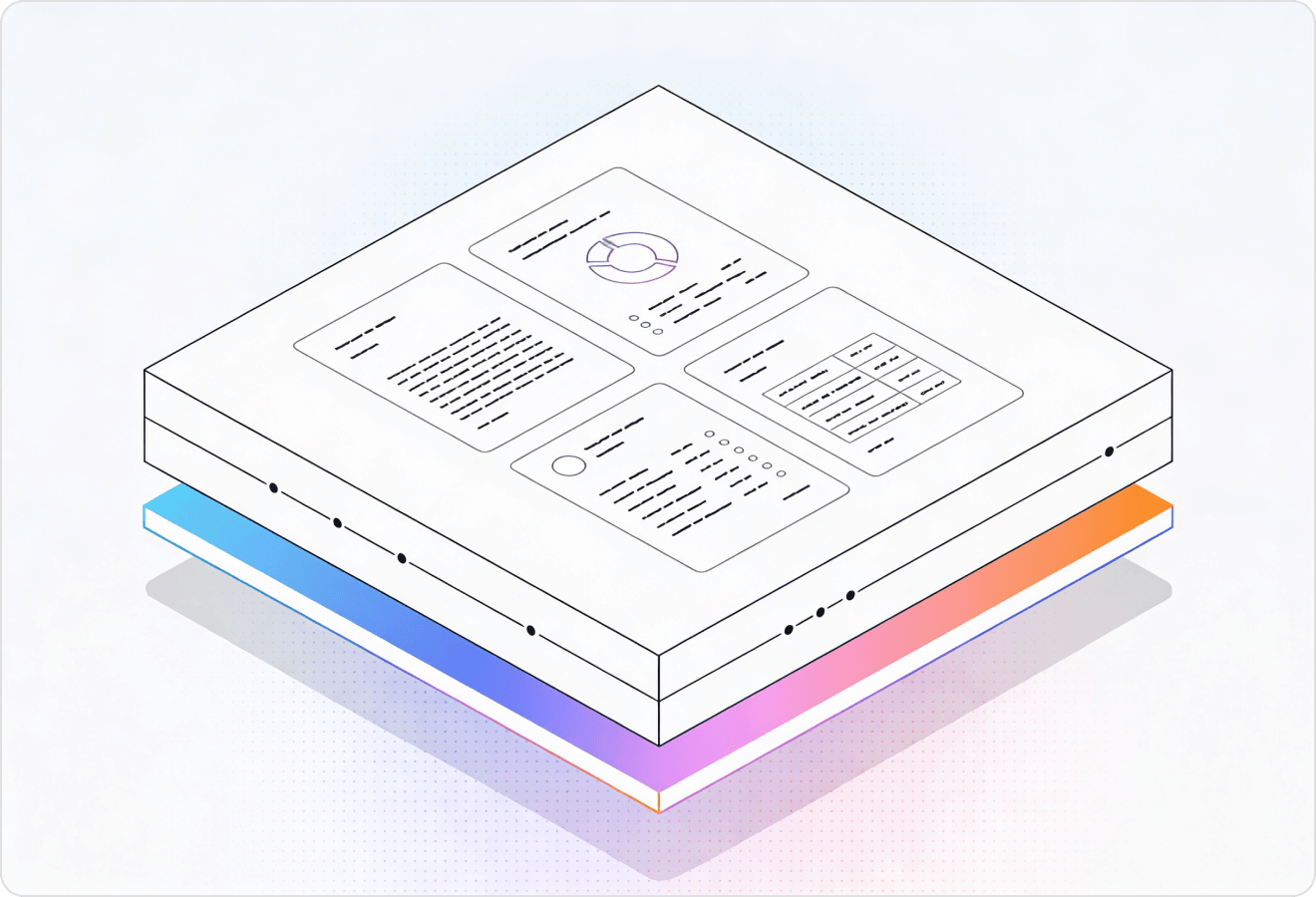
LlamaParse turns inconsistent medical release forms, faxes, and scanned packets into structured, AI-ready data you can trust for downstream workflows. It understands layout, tables, and handwritten quirks, then validates extractions with confidence signals to reduce manual review and rework.
Best-in-Class Accuracy

Use LlamaParse in LlamaCloud to turn inconsistent, multi-page medical release forms (ROI), IDs, and supporting PDFs into clean JSON with page-level citations for fast, compliant fulfillment. Layout-aware parsing preserves checkboxes, multi-column sections, and signature blocks so staff stop re-keying fields and reduce release turnaround time.

Parse incoming medical record release authorizations and attached clinical summaries into structured data that maps directly to claim workflows, even when forms are faxed, skewed, or mixed with tables. Auto correction loops and confidence metadata reduce downstream exceptions and enable targeted human review only where it actually matters.

Extract parties, scope, dates, and restrictions from signed medical authorizations and attach verifiable citations so teams can prove exactly where each constraint came from. Multimodal parsing captures stamps, annotations, and embedded images that traditional text extraction misses, preventing accidental over-production of protected health information.

Ship a self-serve “upload your ROI form” flow by using LlamaParse natural-language instructions to normalize fields across wildly different provider templates without building brittle regex pipelines. Tier-based processing keeps unit economics predictable by routing simple pages cheaply while upgrading only the messy scans that would otherwise break straight-through onboarding.
The Solution
01
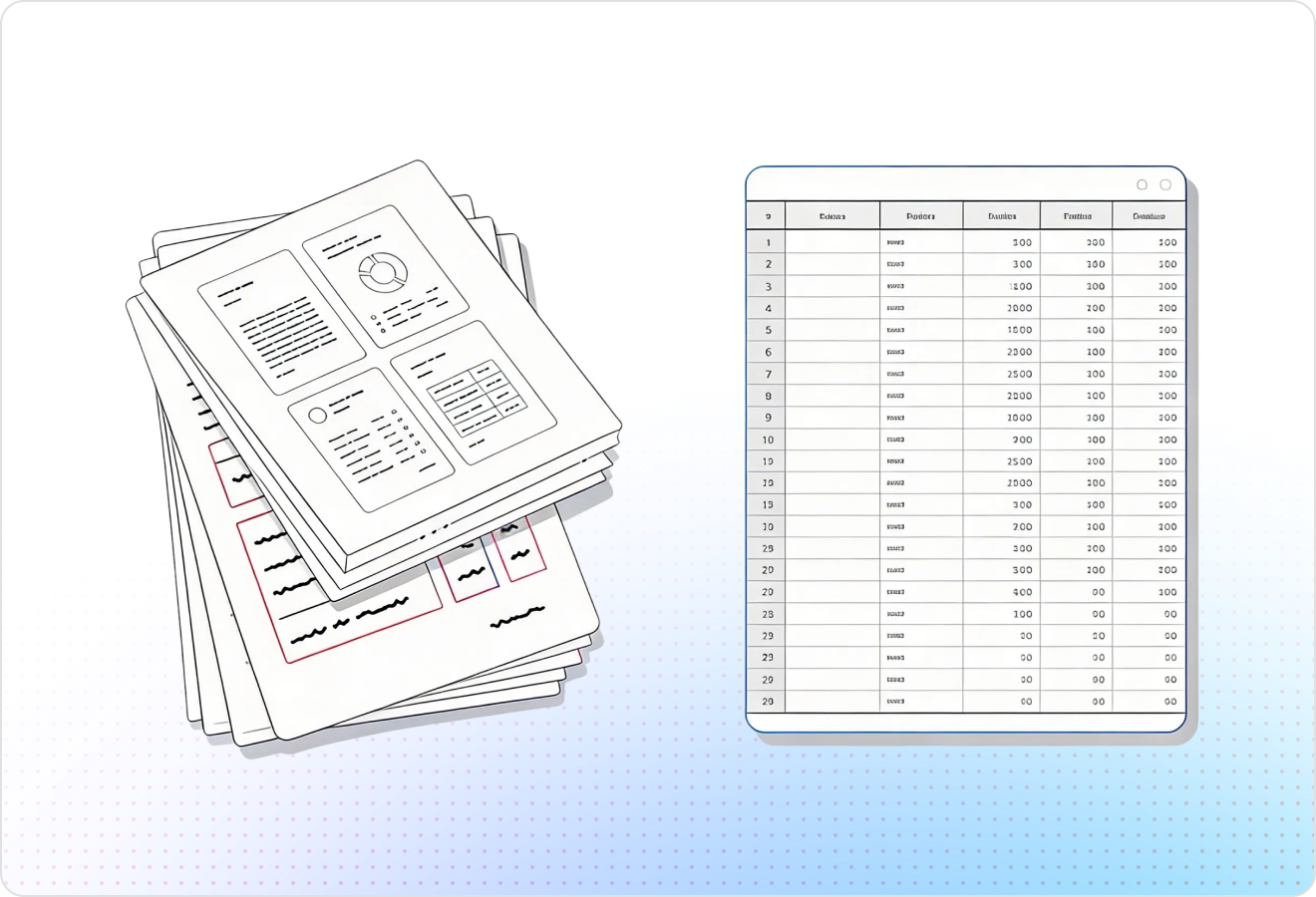
LlamaParse understands page structure so multi-column text, headers/footers, and signature blocks stay in the right reading order instead of getting scrambled. For medical information release forms, that means you can reliably capture who authorized what, for which provider, and under what dates without brittle template rules.
02
LlamaParse accurately extracts tables and grid-like sections, preserving row/column meaning and embedded selections. This is critical for release packets where requested record types, purpose of disclosure, and recipient lists are often represented as checkbox matrices or structured tables.
03
LlamaParse runs multiple validation and self-correction passes to reduce common scan errors and inconsistent field formatting. In medical releases, this helps prevent downstream failures from misread MRNs, swapped dates, or missing “revocation” clauses that can trigger compliance exceptions.
04
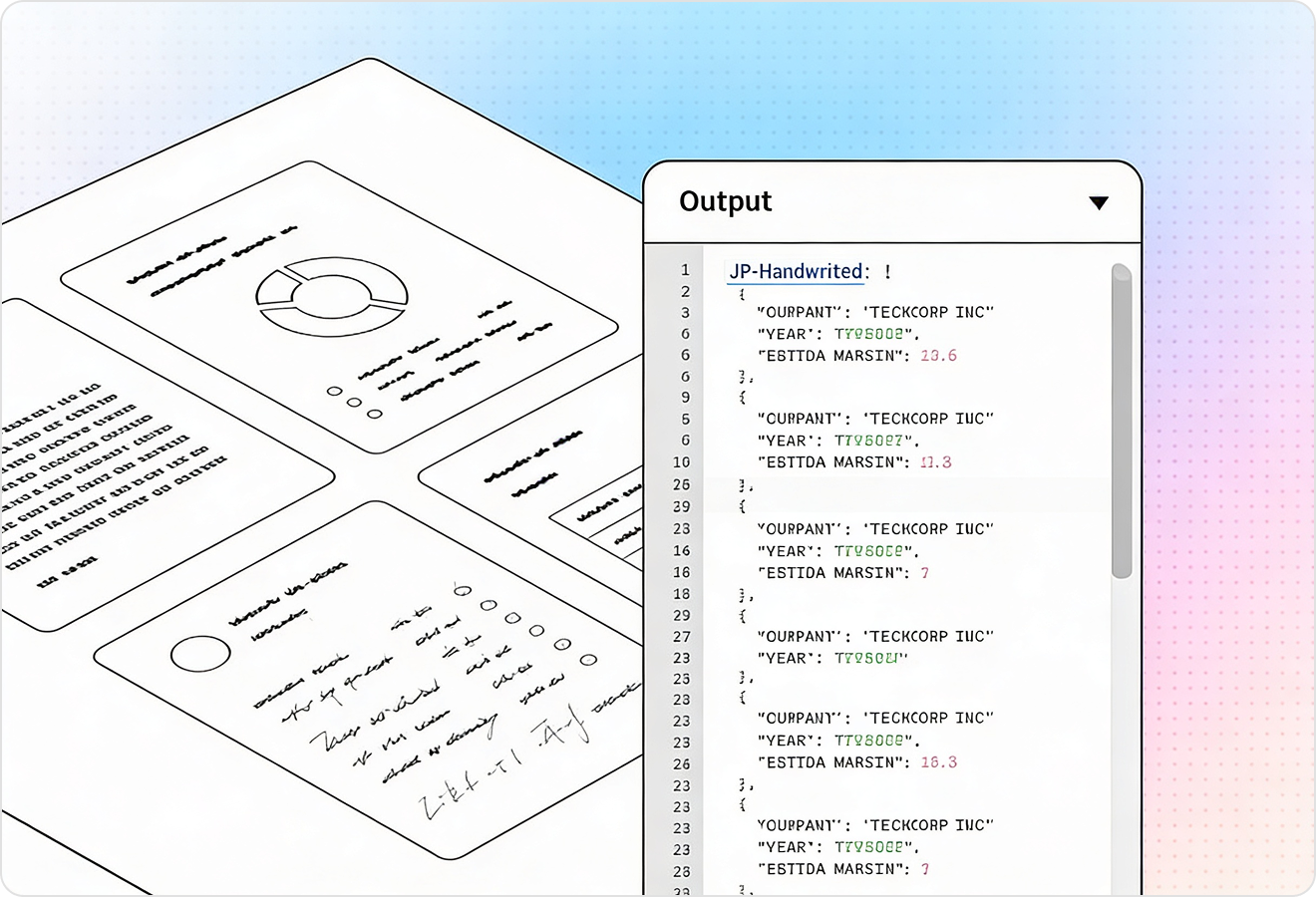
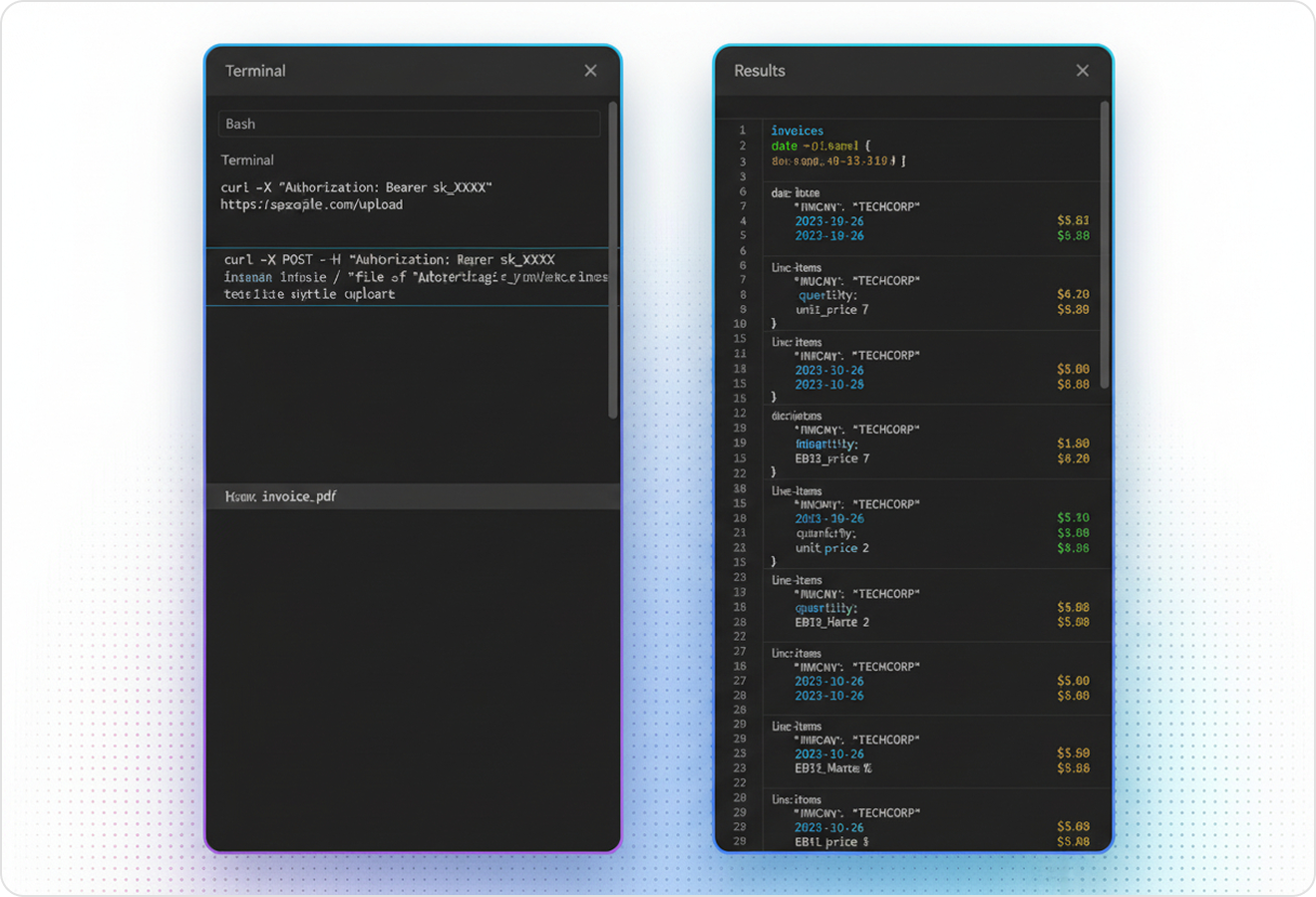
LlamaParse can return structured JSON with granular metadata like page numbers and source references for each extracted field. For medical information release workflows, this gives you audit-friendly traceability so reviewers can instantly verify the exact location of patient consent terms, signatures, and disclosure scope.
Technical OCR documentation
Explore our developer guides to easily connect your document pipelines to LlamaParse.
Explore the documentation
Our AI catches the typos that tired eyes miss.

Export to Excel, JSON, XML, or directly via API.

SOC2 Type II compliant with end-to-end encryption.

Train the tool on your specific forms in minutes, not days.

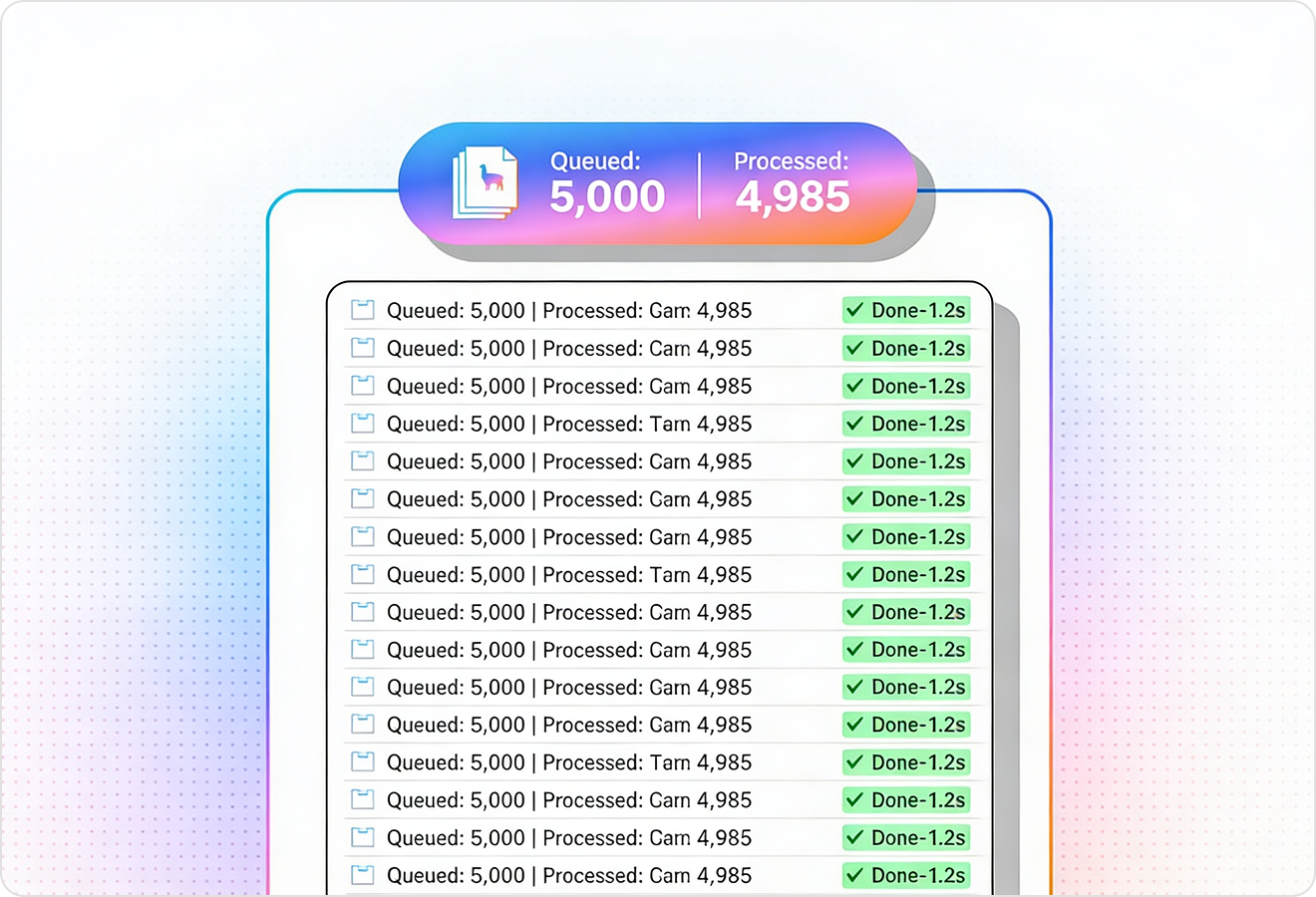
Average processing time of <3 seconds per page.
LlamaParse’s support of a wide variety of filetypes and its accuracy of parsing made it the best tool we tested in our evaluations. The LlamaIndex team was very responsive and we were off to the races within a day.
Common FAQs
01
Yes. Our layout-aware parsing understands columns, headers/footers, and signature blocks so text doesn’t get scrambled. That means you can reliably capture who authorized what, for which provider, and within which date range—even across messy scans.
02
Absolutely. We extract tables and checkbox grids while preserving row/column meaning and the selected options. This helps you avoid manual re-keying and prevents misinterpreting disclosure scope or requested record categories.
03
We run auto-correction validation loops that check and self-correct inconsistent formatting and typical OCR mistakes. This reduces downstream exceptions and rework caused by invalid identifiers, ambiguous dates, or incomplete consent language.
04
Do you provide audit-friendly evidence for each extracted field?
Yes—outputs can include structured JSON with citations such as page numbers and source references per field. Reviewers can quickly jump to the exact location of signatures, consent terms, revocation language, and disclosure details to confirm accuracy.
05
Can I use the extracted data directly in my workflow systems (EHR, RPA, case management, or queues)?
You can. The JSON output is designed to map cleanly into downstream systems, making it easy to route requests, populate forms, or trigger reviews based on extracted consent details. Teams typically see faster turnaround times with fewer manual touches.
06
What happens when a form is incomplete or has ambiguous handwriting or checkmarks?
We surface low-confidence fields and keep traceable citations so your team can verify the source in seconds. This allows you to confidently route edge cases for review instead of stalling the entire release packet, improving throughput without sacrificing compliance.