Nov 14, 2025
Document AI: The Next Evolution of Intelligent Document ProcessingPersona
Industry
Use cases
Certificate Of Analysis OCR
[ Certificate Of Analysis OCR ]

Use LlamaParse to extract COA tables and specs accurately, then flag issues with confidence scores.
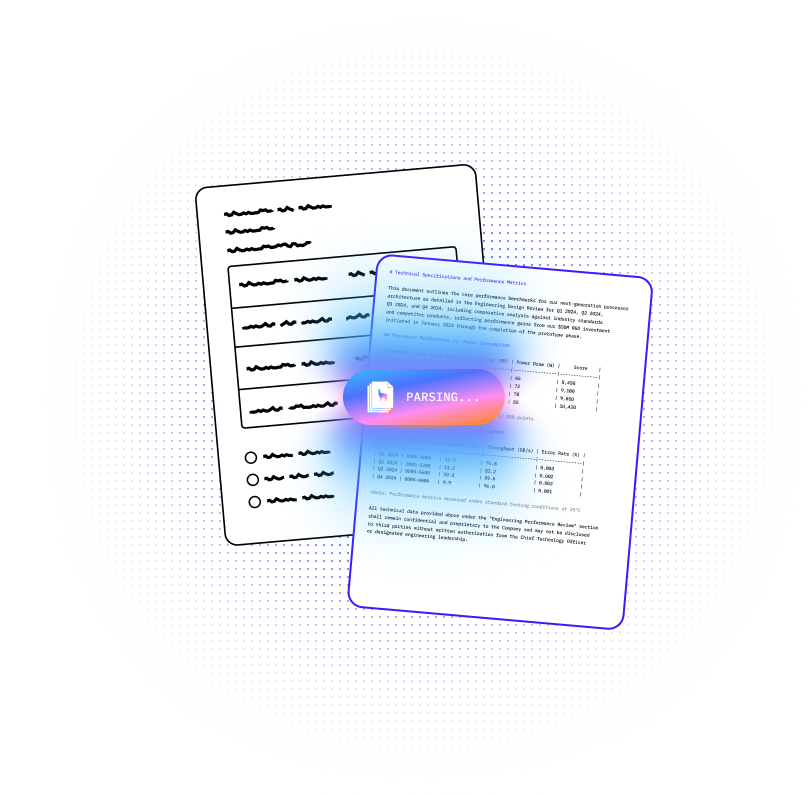
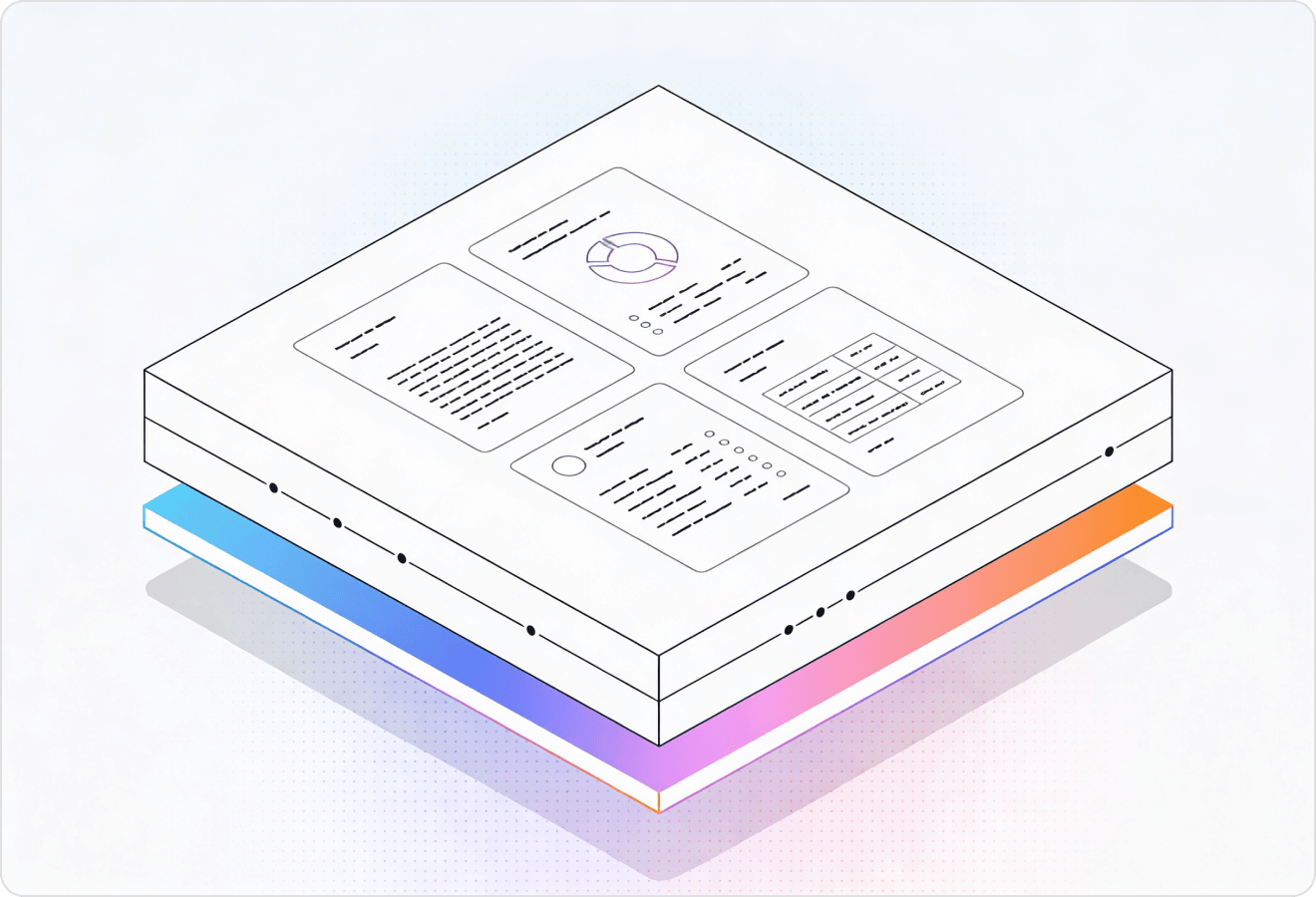
LlamaParse turns messy Certificates of Analysis into clean, consistent JSON, capturing test results, units, limits, and identifiers across shifting layouts. Agentic document parsing applies layout-aware vision, validation loops, and verifiable citations so your QA and compliance pipelines stop breaking.
Best-in-Class Accuracy

Parse supplier Certificates of Analysis into structured JSON, preserving complex test-method tables, limits, and units so QC can auto-validate incoming lots against specs. LlamaParse adds page-level citations and confidence scores to every extracted result, making deviations auditable without manual re-keying.

Convert COAs for allergens, microbiology, and nutrition into clean, layout-faithful outputs that keep multi-column tables and batch identifiers intact. Use natural-language parsing instructions to standardize disparate supplier formats into a single schema for faster release decisions and fewer hold-ups at receiving.

Automatically extract purity, assay, trace metals, and lot details from inconsistent COA layouts, including scanned PDFs with stamps and embedded charts. Cost Optimizer and tier-based processing route only the messy pages to heavier models, helping teams scale COA intake without runaway per-document spend.

Ship COA ingestion in days by using LlamaParse as the document processing layer—turn any supplier PDF into Markdown/JSON that drops directly into your product database and workflows. Granular metadata and traceable citations let you build customer-facing verification and exception review without writing brittle parsing code.
The Solution
01
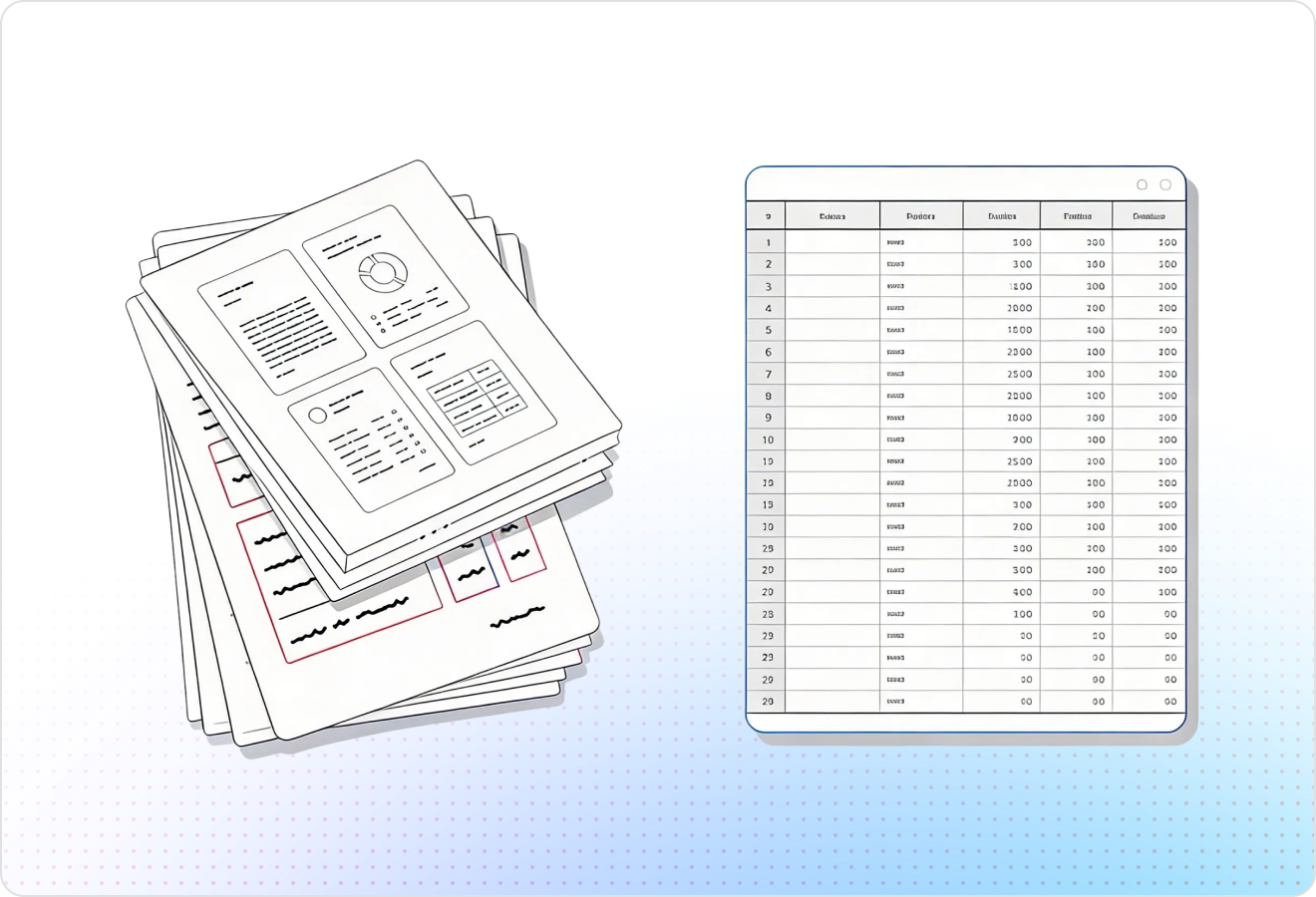
LlamParse understands page layout and preserves reading order, so COA sections like “Test / Method / Specification / Result” don’t get scrambled into unusable text. It reliably extracts dense tables, multi-column blocks, and footnotes so you can trust every value during QA review.
02
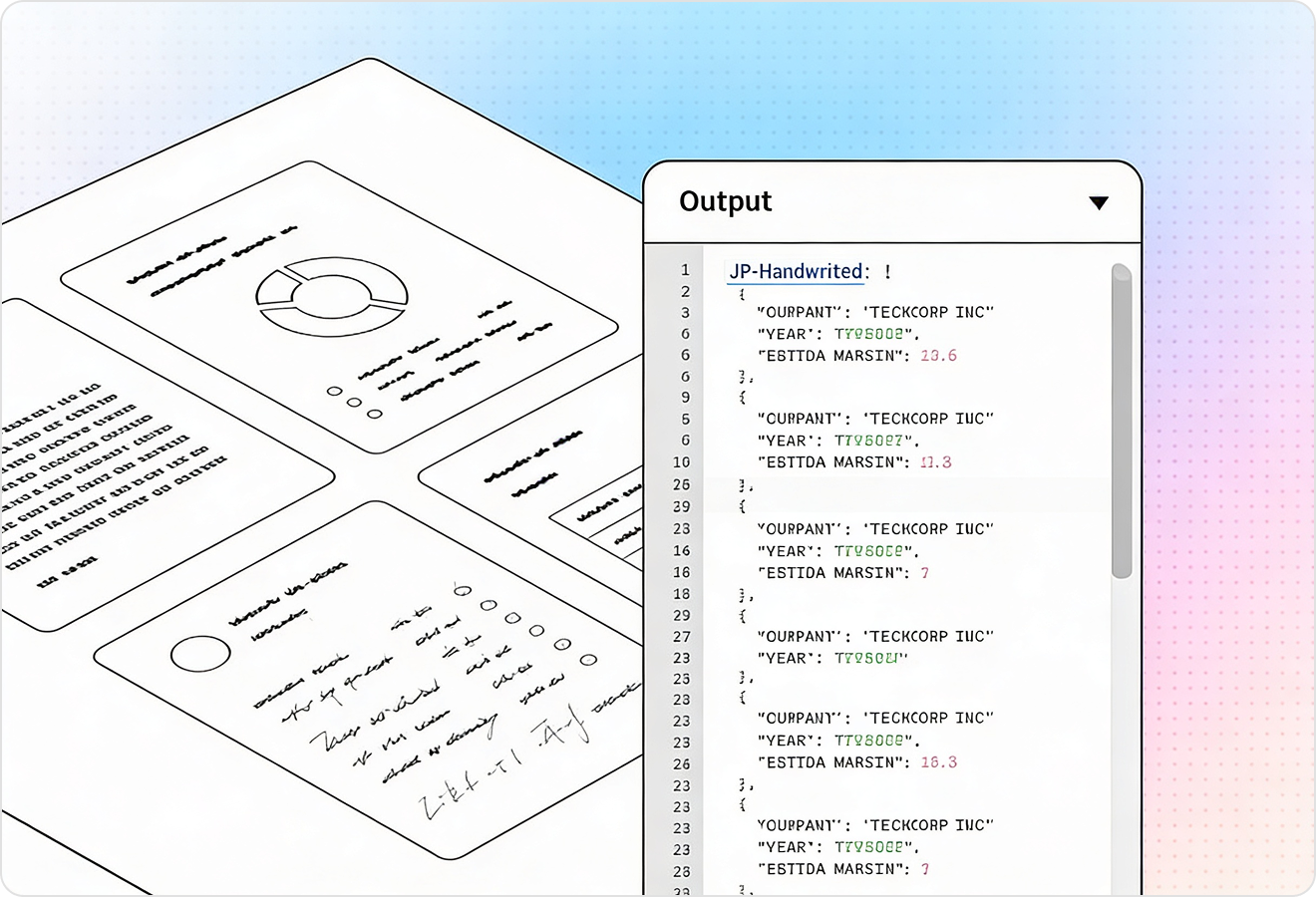
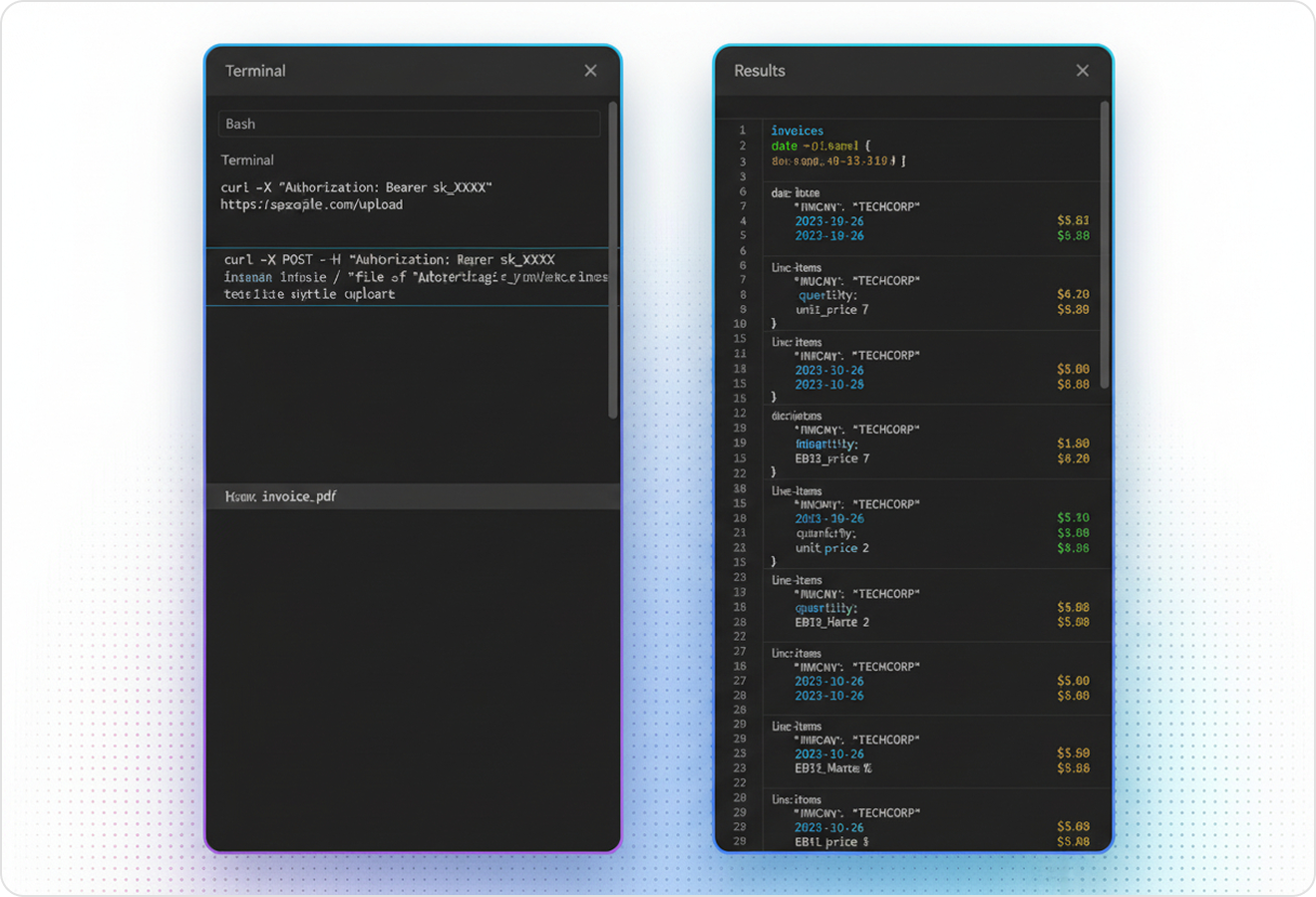
Export COA content as clean JSON so fields like lot number, product name, test dates, and per-analyte results land in your LIMS/ERP without brittle post-processing. Each extracted element can include page and position metadata, making audits and downstream validation straightforward.
03
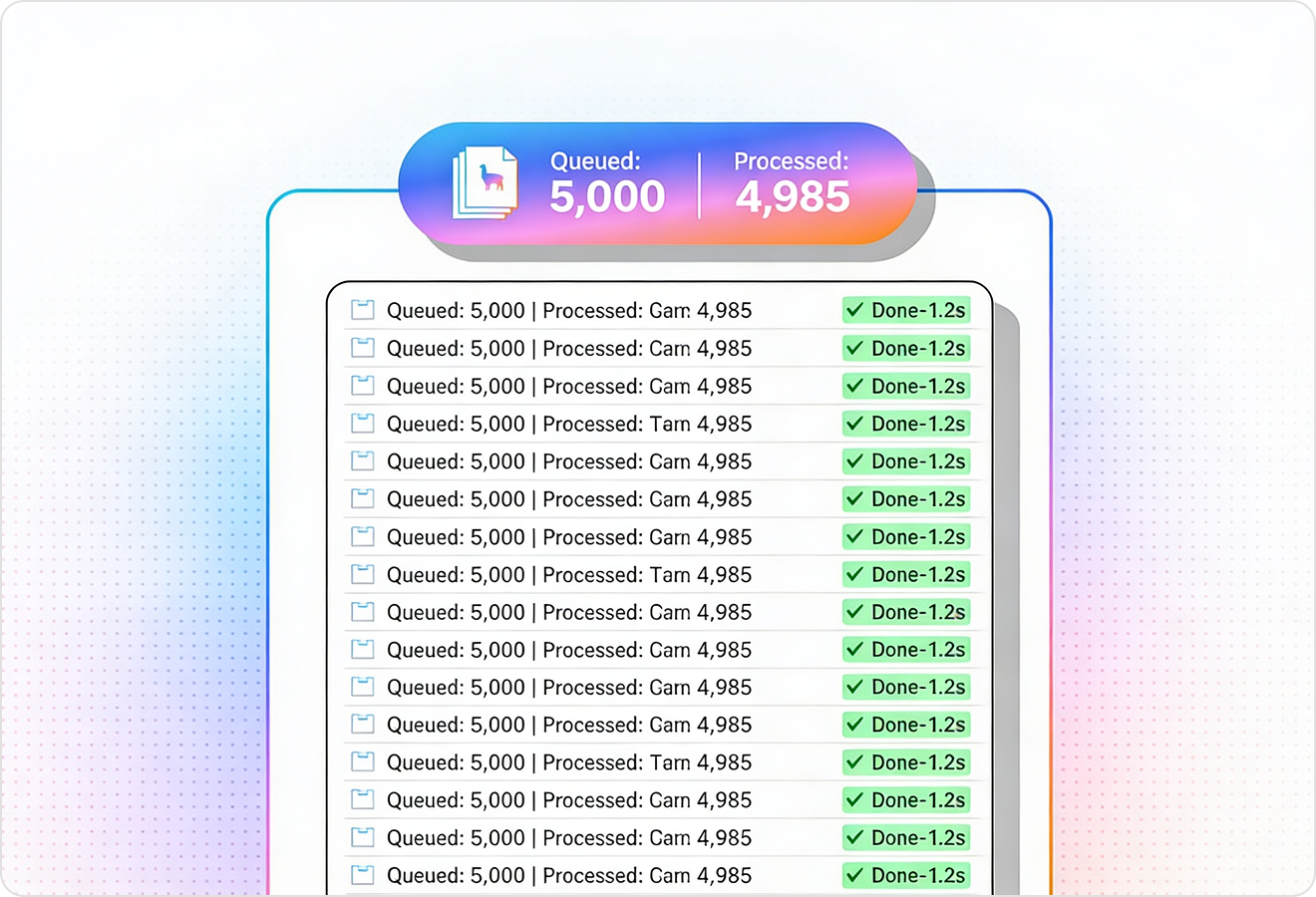
LlamaParse applies iterative validation to catch common scan and parsing failures like swapped units, missing decimals, and misread characters in batch IDs. That reduces manual re-checks and increases straight-through processing when ingesting large volumes of supplier COAs.
04
COAs often include signatures, stamps, small charts, and embedded images; LlamaParse can interpret these visual elements instead of ignoring them as “non-text.” You get a more complete record, including key annotations and visual qualifiers that matter for compliance decisions.
Technical OCR documentation
Explore our developer guides to easily connect your document pipelines to LlamaParse.
Explore the documentation
Our AI catches the typos that tired eyes miss.

Export to Excel, JSON, XML, or directly via API.

SOC2 Type II compliant with end-to-end encryption.

Train the tool on your specific forms in minutes, not days.

Average processing time of <3 seconds per page.
LlamaParse’s support of a wide variety of filetypes and its accuracy of parsing made it the best tool we tested in our evaluations. The LlamaIndex team was very responsive and we were off to the races within a day.
Common FAQs
01
Yes—layout-aware capture preserves reading order across dense tables, multi-column sections, and footnotes so values stay aligned with the correct test and spec. This reduces QA rework and prevents mismatched results that can lead to incorrect release decisions.
02
You can export clean JSON with key fields like lot/batch number, product name, dates, and per-analyte results—ready for mapping into your systems. Optional page and position metadata makes it easy to validate extractions and support audits.
03
Validation and auto-correction loops flag and fix common OCR failures such as decimal shifts, unit confusion, and look-alike characters (e.g., O/0, I/1). The result is higher straight-through processing and fewer manual spot checks.
04
Do you capture signatures, stamps, and other non-text elements on COAs?
Yes—multimodal parsing can interpret and extract key visual elements like signatures, stamps, small charts, and embedded images rather than dropping them. That gives you a more complete compliance record for review and retention.
05
What if my COAs have inconsistent supplier formats and messy layouts?
The parser is built for real-world variability, handling different templates, rotated pages, mixed font sizes, and cramped tables without requiring custom rules for every vendor. You get consistent outputs that are easier to standardize across your supplier base.
06
How can I verify extracted values during QA or an audit?
Each extracted element can include page and location references so reviewers can quickly trace a JSON field back to the exact spot on the document. This speeds up investigations, supports audit readiness, and increases confidence in automated ingestion.