Nov 14, 2025
Document AI: The Next Evolution of Intelligent Document ProcessingPersona
Industry
Use cases
Document Classification Software OCR
[ Document Classification Software OCR ]

Use LlamaParse to classify messy PDFs and scans into clean, structured data you can trust.
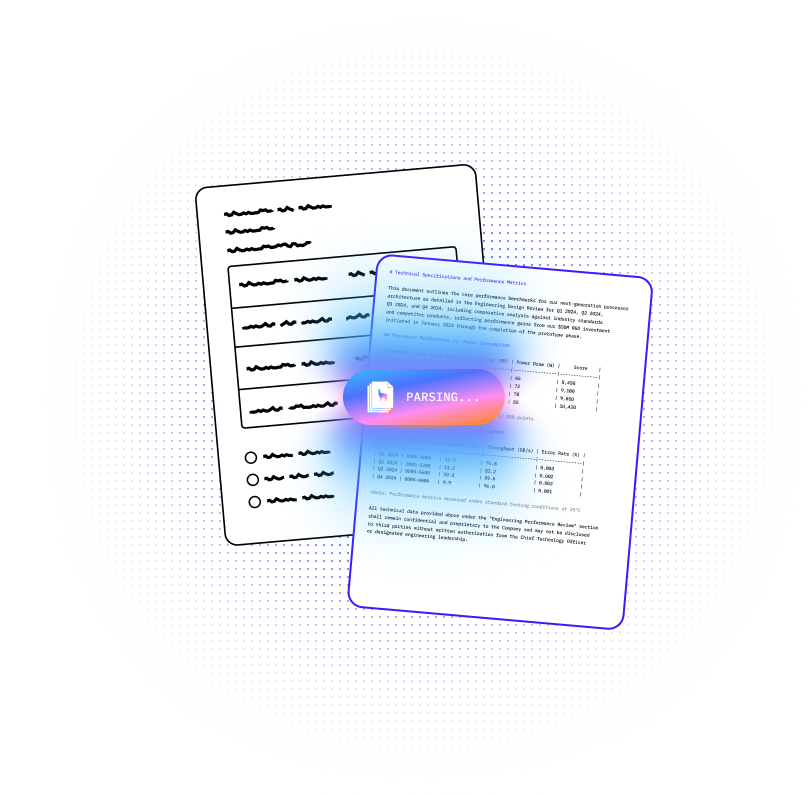
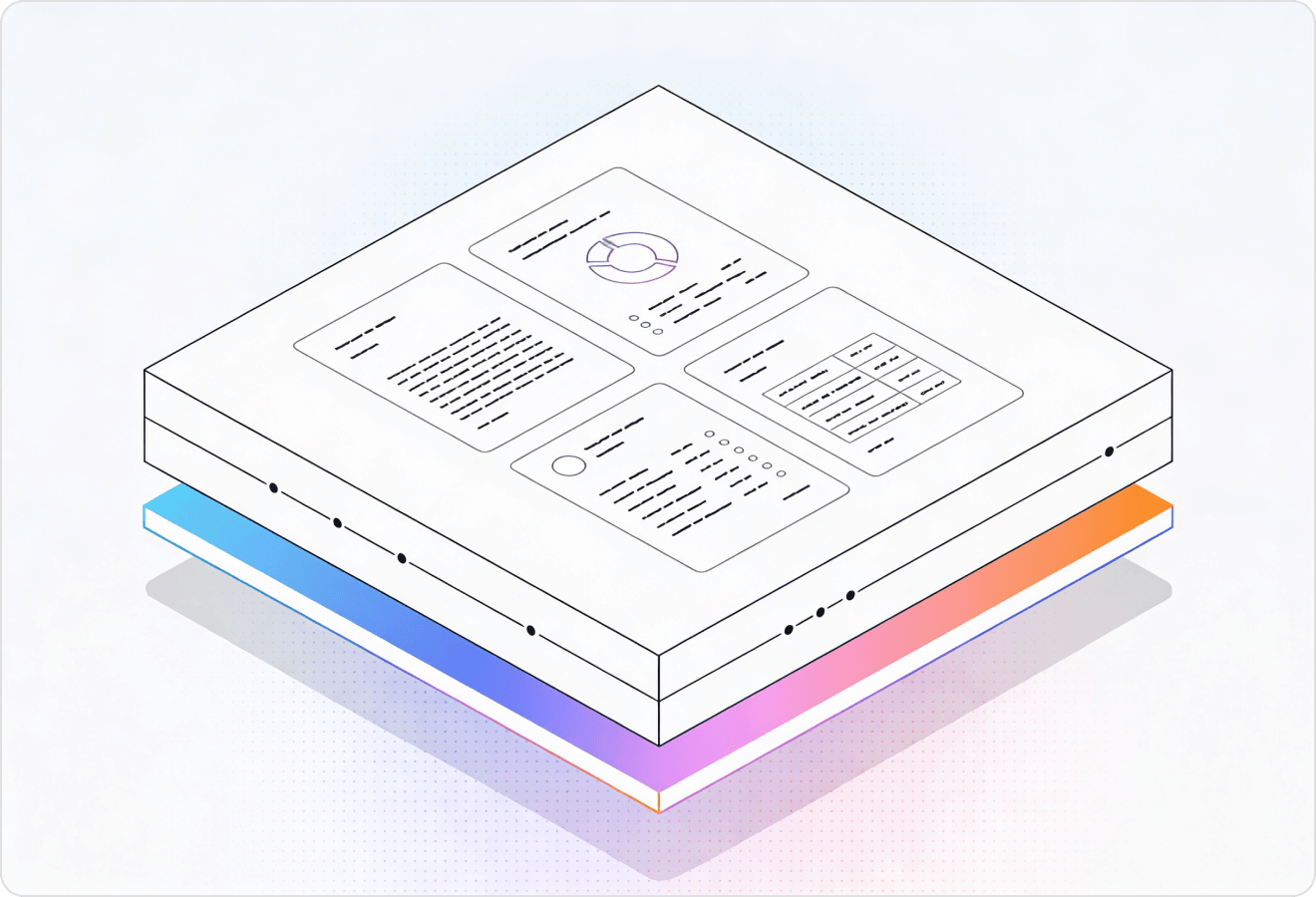

LlamaParse classifies messy PDFs, scans, and mixed-layout files by understanding structure and context, not just extracting text blocks. Agentic document parsing validates decisions with confidence signals and citations, so teams route documents faster and reduce manual review.
Best-in-Class Accuracy

Classify and parse bank statements, invoices, and KYB packs into clean JSON with citations and confidence so onboarding and underwriting workflows don’t stall on manual review. Natural-language parsing instructions let teams ship a reliable ingestion pipeline in days, even when customer uploads include messy scans, multi-column PDFs, and inconsistent templates.

Automatically route referrals, prior authorizations, lab reports, and EOBs into the right queues by extracting layout-heavy fields and tables without brittle template rules. Multimodal parsing captures charts and embedded images while preserving traceability metadata, reducing rework and speeding up claims and patient intake.

Classify and normalize contracts, pleadings, exhibits, and scanned filings while preserving reading order across footnotes, headers, and two-column layouts. Metadata with page coordinates and citations enables defensible review workflows and faster retrieval of the exact clause or exhibit that supports a case.

Convert POs, packing slips, bills of lading, and supplier compliance docs into structured records, including line-item tables that traditional OCR scrambles. Tier-based agentic processing keeps costs predictable by applying heavy parsing only to the complex pages, accelerating 3-way match and reducing shipment and invoicing exceptions.
The Solution
01
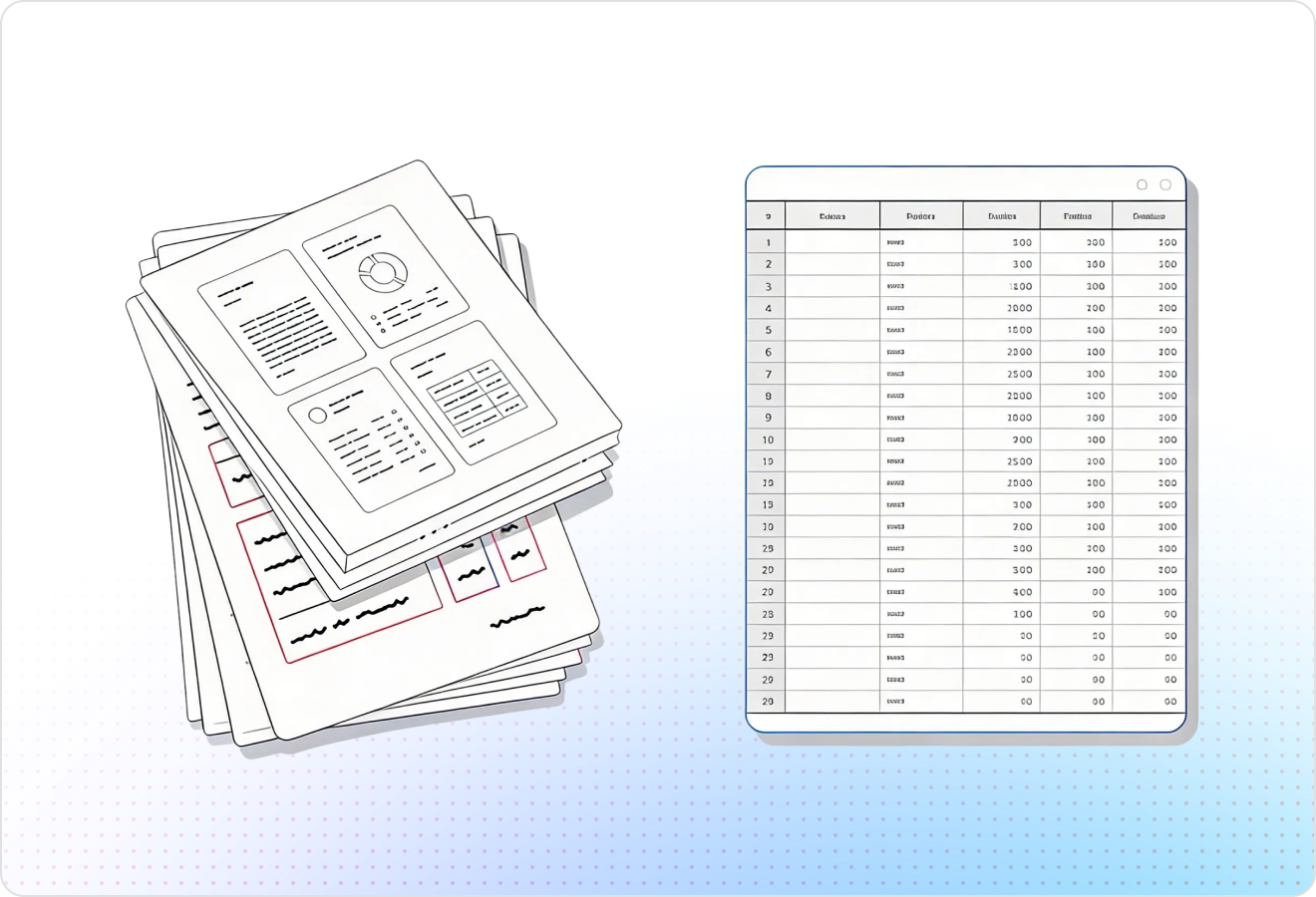
LlamaParse detects document structure—sections, headers/footers, columns, and reading order—and reconstructs it cleanly. That structure becomes reliable signals for classification, so your software can distinguish things like invoices vs. statements even when templates change.
02
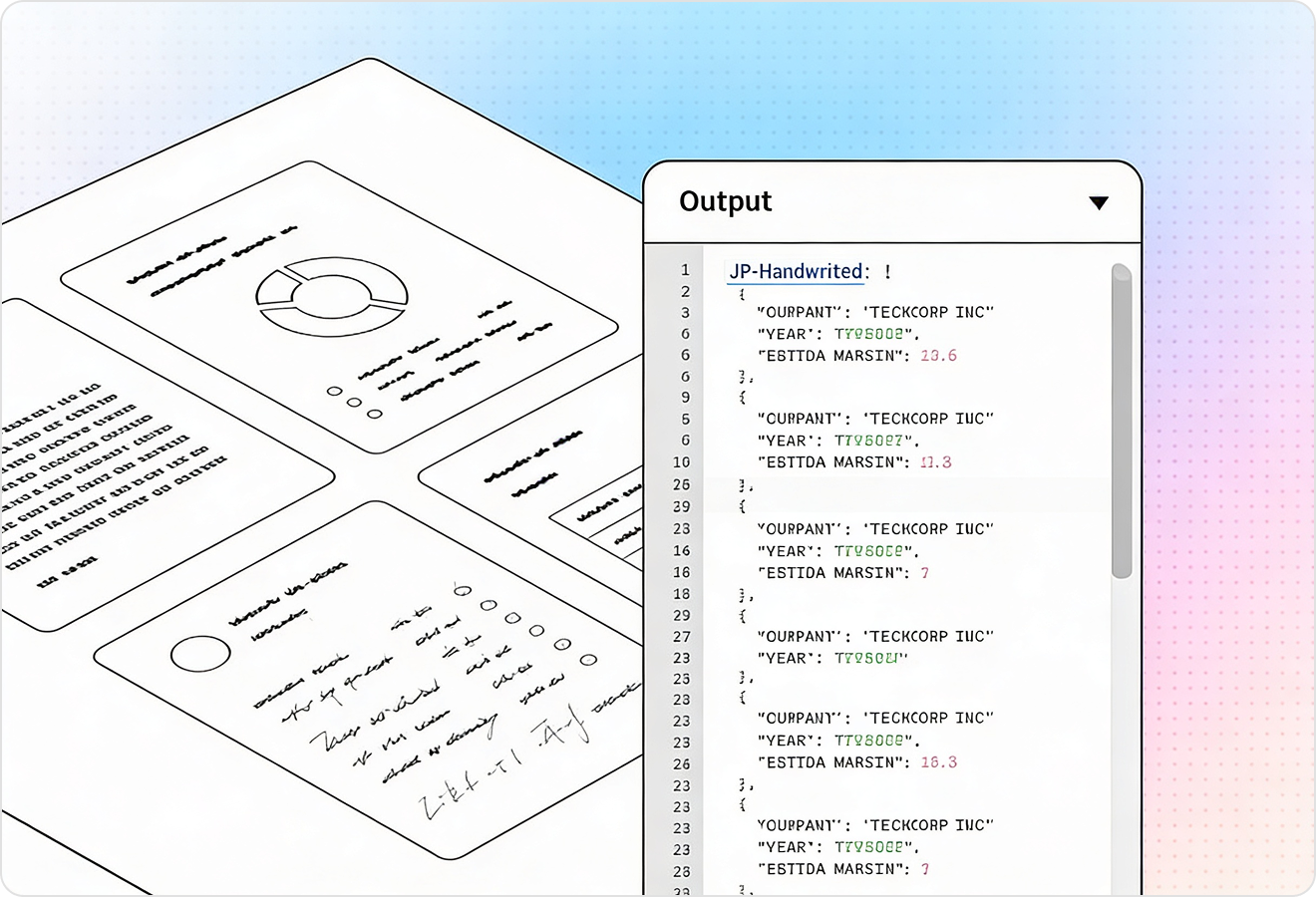
Export parsed content as structured JSON instead of a flat blob of text, with consistent fields you can feed into rules or ML models. This makes it easier to classify by specific cues (sender, totals, dates, clause headings) rather than brittle keyword matching.
03
Every extracted element can include page references, coordinates, and confidence signals for traceability. For document classification, that means you can audit why a file was labeled a certain type and route low-confidence cases to human review instead of silently misclassifying.
04
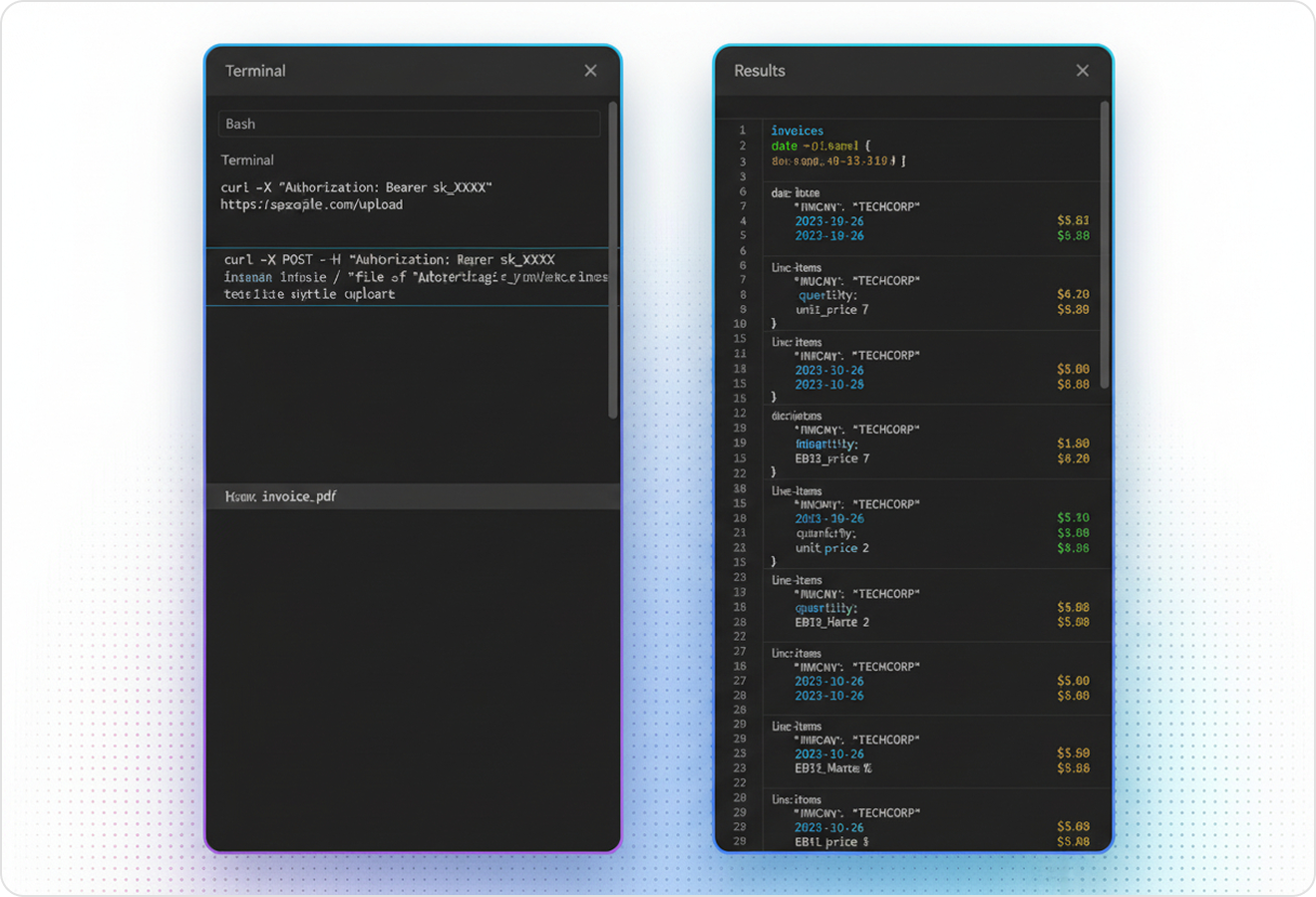
LlamaParse interprets non-text content like charts, stamps, embedded images, and scanned tables, not just plain paragraphs. This improves classification accuracy for real-world documents where the differentiator is visual (e.g., a form layout, a seal, or a table-heavy report).
Technical OCR documentation
Explore our developer guides to easily connect your document pipelines to LlamaParse.
Explore the documentation
Our AI catches the typos that tired eyes miss.

Export to Excel, JSON, XML, or directly via API.

SOC2 Type II compliant with end-to-end encryption.

Train the tool on your specific forms in minutes, not days.

Average processing time of <3 seconds per page.
LlamaParse’s support of a wide variety of filetypes and its accuracy of parsing made it the best tool we tested in our evaluations. The LlamaIndex team was very responsive and we were off to the races within a day.
Common FAQs
01
It uses layout-aware page understanding to detect sections, columns, headers/footers, and reading order—then reconstructs the document structure reliably. That structure becomes a strong signal for classification, so invoices, statements, and letters can still be distinguished even when the template changes.
02
Yes—structured JSON output lets you export consistent fields you can route into rules, workflows, or ML models. You can classify based on reliable cues like totals, dates, sender details, and clause headings rather than brittle keyword matching.
03
Each extracted element can include verifiable metadata like page references, coordinates, and confidence signals for full traceability. This makes it easy to review the evidence behind a classification and route low-confidence cases to human review instead of silently mislabeling files.
04
Will it work on scanned documents, stamps, and image-heavy PDFs?
Yes—multimodal support helps interpret charts, stamps, embedded images, and scanned tables in addition to standard text. That’s critical when the differentiator is visual, such as a form layout, a seal, or a table-heavy report.
05
How do you handle multi-page packets that contain multiple document types?
Because the parser understands page structure and reading order, it can keep context across pages and detect shifts in layout and content patterns. This makes it easier to classify (and route) mixed bundles like onboarding packets, claim files, or bank statement sets with fewer manual splits.
06
Can we start simple and improve accuracy over time without a big ML project?
Absolutely—many teams begin with rule-based classification using structured JSON fields and then add model-based scoring as they gather examples. With confidence signals and citations, you can continuously tune rules or training data while keeping an auditable feedback loop.