Nov 14, 2025
Document AI: The Next Evolution of Intelligent Document ProcessingPersona
Industry
Use cases
Zero Data Retention Document Processing
[ Zero Data Retention Document Processing ]

Use LlamaParse to turn complex files into accurate, AI-ready JSON without storing your documents.
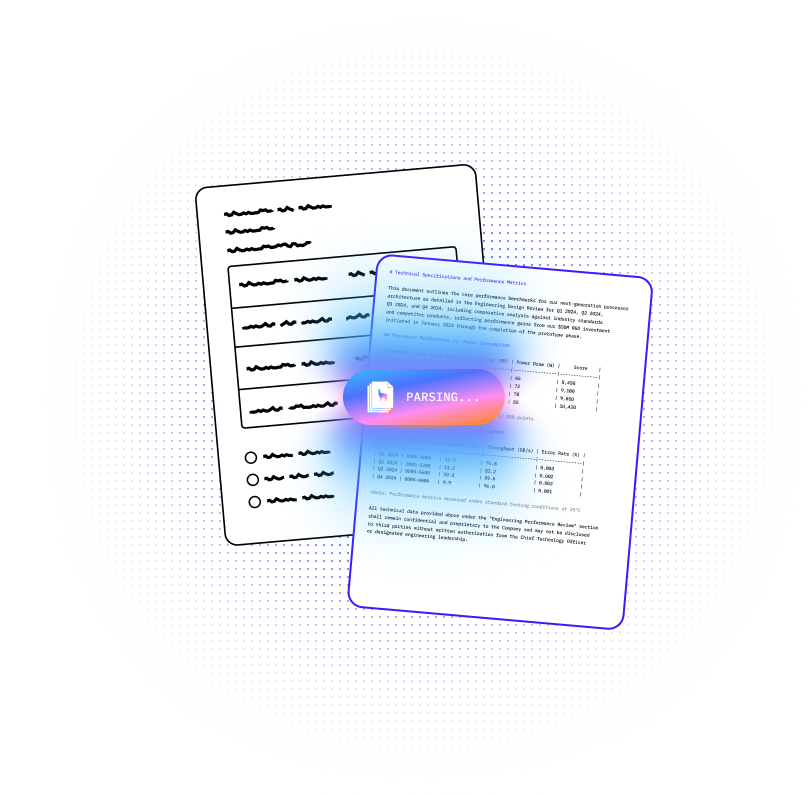
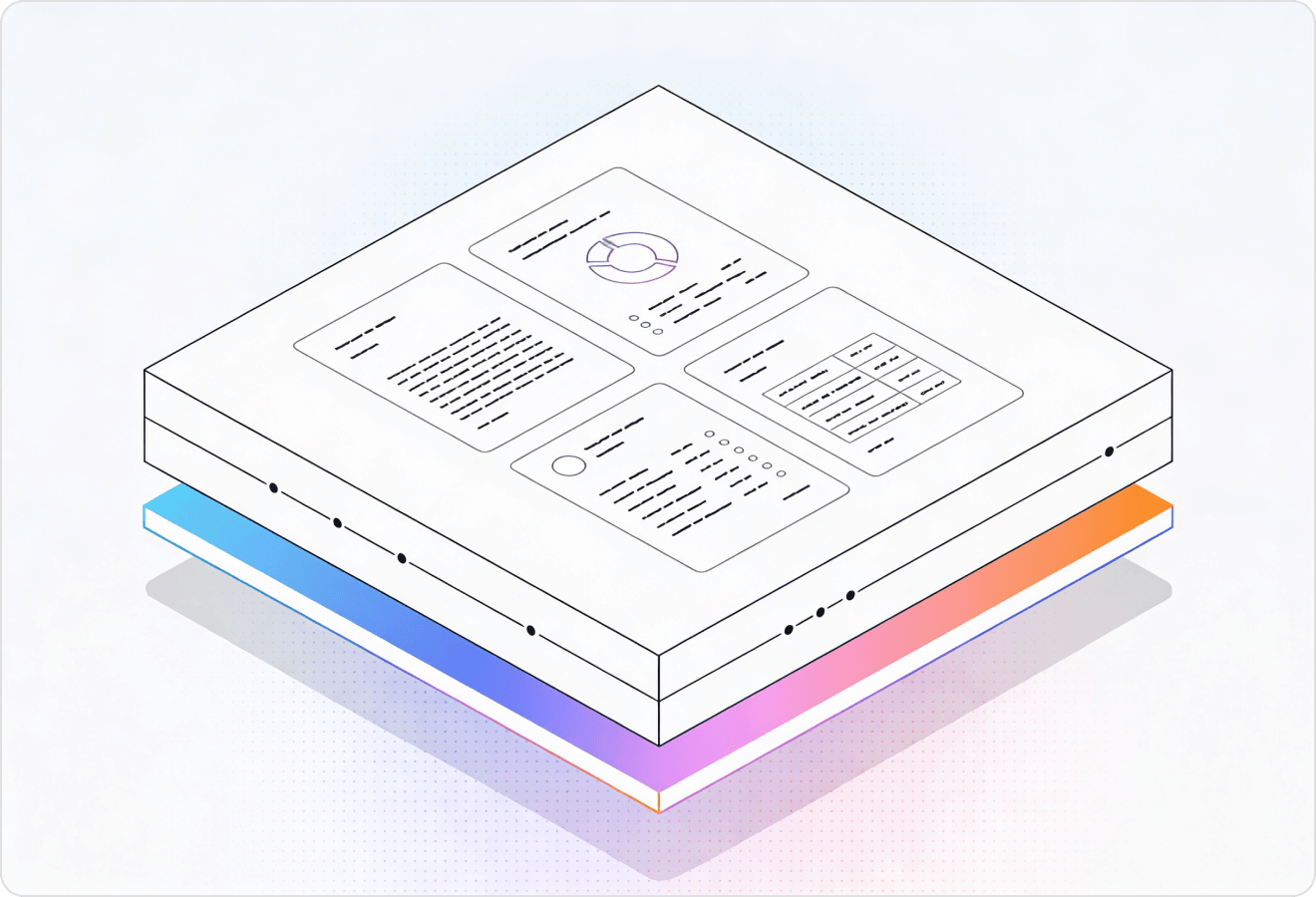

LlamaParse turns messy PDFs and scans into structured Markdown or JSON while ensuring your content isn’t stored, logged, or used for training. You get layout-aware extraction with citations and confidence signals, so teams can automate workflows without leaking sensitive data.
Best-in-Class Accuracy

Process bank statements, claims packets, and underwriting PDFs with zero data retention while LlamaParse extracts layout-accurate tables and returns verifiable JSON for downstream systems. Reduce exception handling by preserving reading order across multi-column forms and attaching page-level metadata that supports audits without storing customer documents.

Turn lab reports, prior auth forms, and clinical trial documents into structured outputs without retaining PHI, using natural-language parsing instructions to extract exactly the fields your workflows require. Capture charts, embedded images, and medical tables accurately so care teams and ops teams stop re-keying data or chasing missing context from “scrambled” extractions.

Ingest contracts, discovery files, and policy manuals with zero data retention, producing clean Markdown that preserves clauses, headings, and exhibit tables for reliable review and downstream automation. Use granular citations and confidence signals to speed up QC and defensibly trace every extracted obligation back to the source page.

Ship document-driven features faster by using LlamaParse as the ingestion layer to normalize messy customer uploads into consistent JSON or Markdown without storing sensitive files. Control burn with tier-based processing and cost-optimizer modes so you only pay premium compute on the few pages that actually need agentic parsing.
The Solution
01
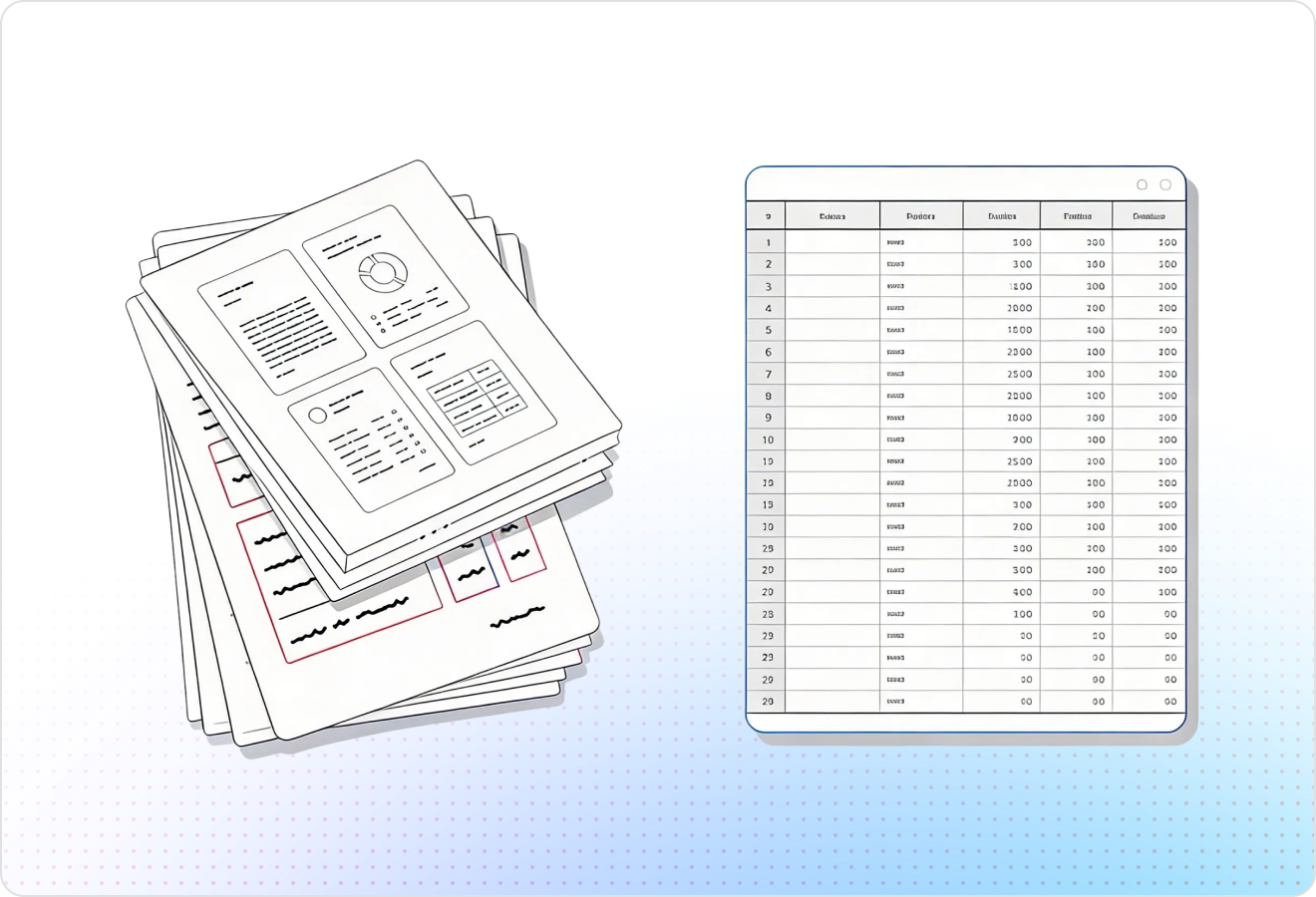
LlamaParse is designed for request/response document parsing, so you can process files and immediately consume the output without needing persistent storage in the parsing layer. That architecture supports zero data retention workflows where your systems control exactly what gets stored (or deleted) after extraction.
02
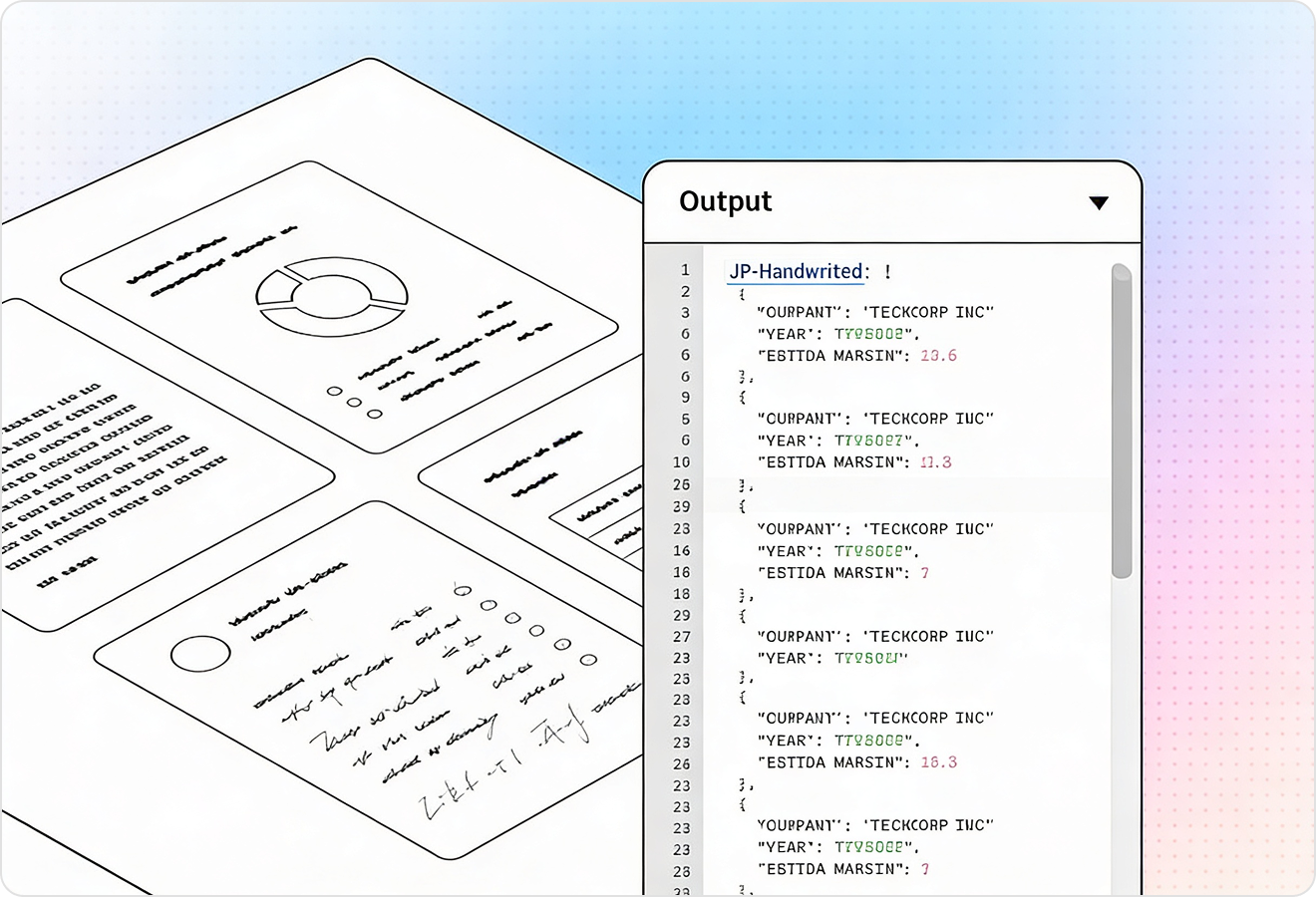
Return AI-ready JSON instead of raw text blobs, so downstream systems don’t need to keep the original document around to be useful. This makes it practical to retain only the minimal fields you actually need and discard the source file to meet strict retention requirements.
03
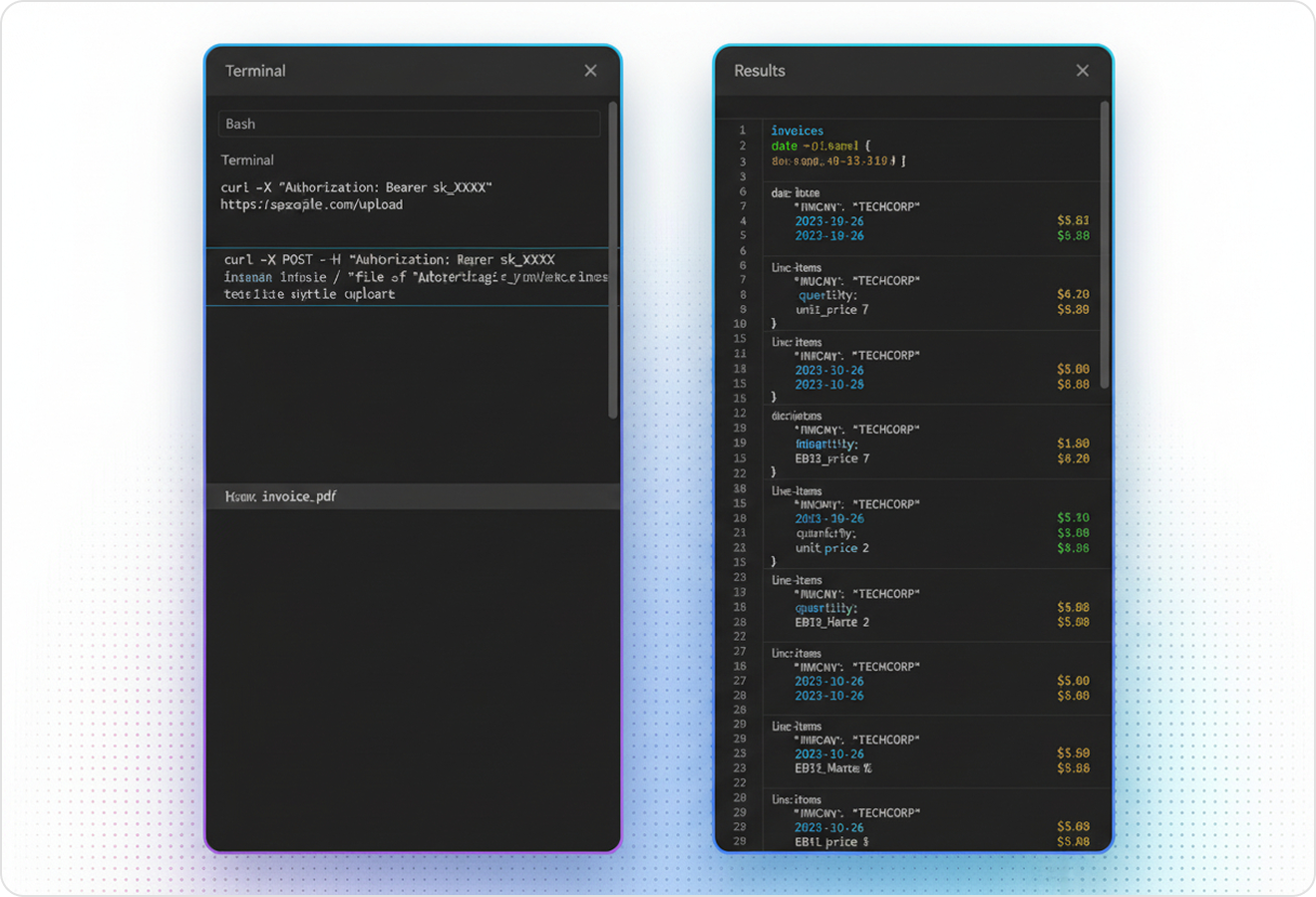
Every extracted element can include page numbers, node types, and spatial coordinates, enabling deterministic auditing without re-processing or re-storing documents. That traceability helps compliance teams validate what was extracted while still enforcing zero retention of the original content.
04
Auto-mode routes each page to the lightest parsing path that still meets accuracy targets, only escalating to more powerful models when needed. For zero-retention pipelines, that reduces retries and re-uploads—minimizing how long sensitive documents must exist in any processing workflow.
Technical OCR documentation
Explore our developer guides to easily connect your document pipelines to LlamaParse.
Explore the documentation
Our AI catches the typos that tired eyes miss.

Export to Excel, JSON, XML, or directly via API.

SOC2 Type II compliant with end-to-end encryption.

Train the tool on your specific forms in minutes, not days.

Average processing time of <3 seconds per page.
LlamaParse’s support of a wide variety of filetypes and its accuracy of parsing made it the best tool we tested in our evaluations. The LlamaIndex team was very responsive and we were off to the races within a day.
Common FAQs
01
No—LlamaParse is built as a stateless request/response API, so files are processed and returned without requiring persistent storage in the parsing layer. That means you control exactly what gets saved, what gets deleted, and how long anything exists in your environment.
02
Instead of returning a raw text blob, you get structured, AI-ready JSON that your apps and workflows can use immediately. This makes it easy to retain only the specific fields you need and discard the source document to meet strict retention policies.
03
Each extracted element can include granular metadata like page numbers, node types, and spatial coordinates. That traceability supports deterministic audits—compliance teams can validate what came from where without needing to store the full document.
04
Will zero-retention workflows increase retries or slow down processing?
Tiered agentic processing automatically routes each page to the lightest parsing path that still meets accuracy targets, escalating only when needed. Fewer retries and re-uploads reduce overall turnaround time and minimize how long sensitive files exist in any workflow.
05
Can we limit what information is kept to reduce privacy and compliance risk?
Yes—because output is structured JSON, you can precisely choose which fields to persist and which to drop. Many teams keep only the minimal required data for business processes, reducing exposure and simplifying compliance reviews.
06
How does this fit into regulated environments where we must prove data handling controls?
The stateless architecture supports policies where documents aren’t retained by the parsing layer, while metadata traceability provides the evidence needed for audits. You get both: tighter control over sensitive content and a clear, verifiable trail of what was extracted.