Nov 14, 2025
Document AI: The Next Evolution of Intelligent Document ProcessingPersona
Industry
Use cases
Motion OCR
[ Motion OCR ]

Turn moving footage into clean, timestamped text with LlamaParse’s layout-aware parsing you can trust.
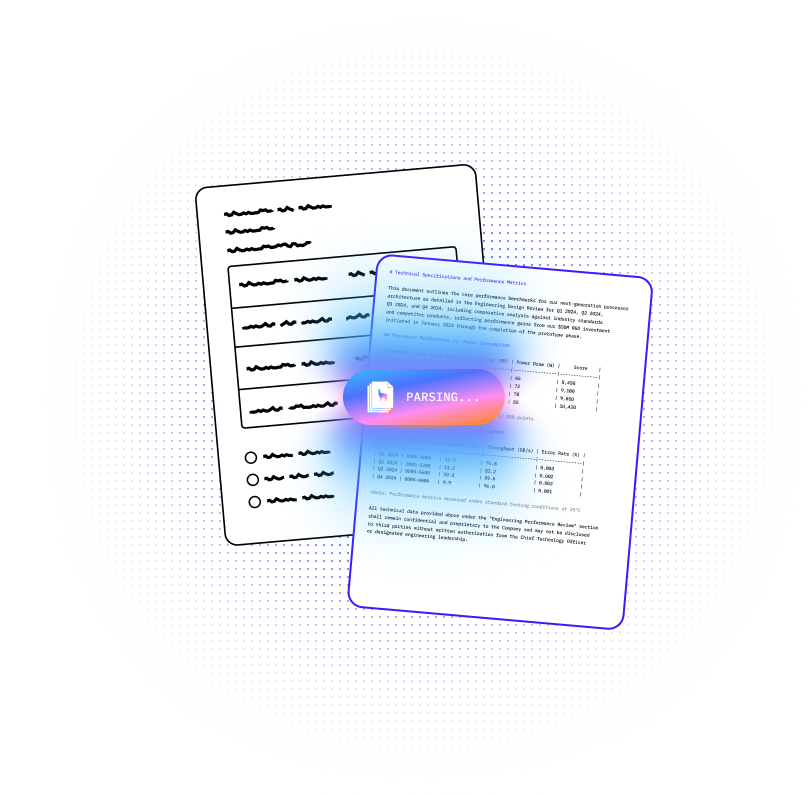
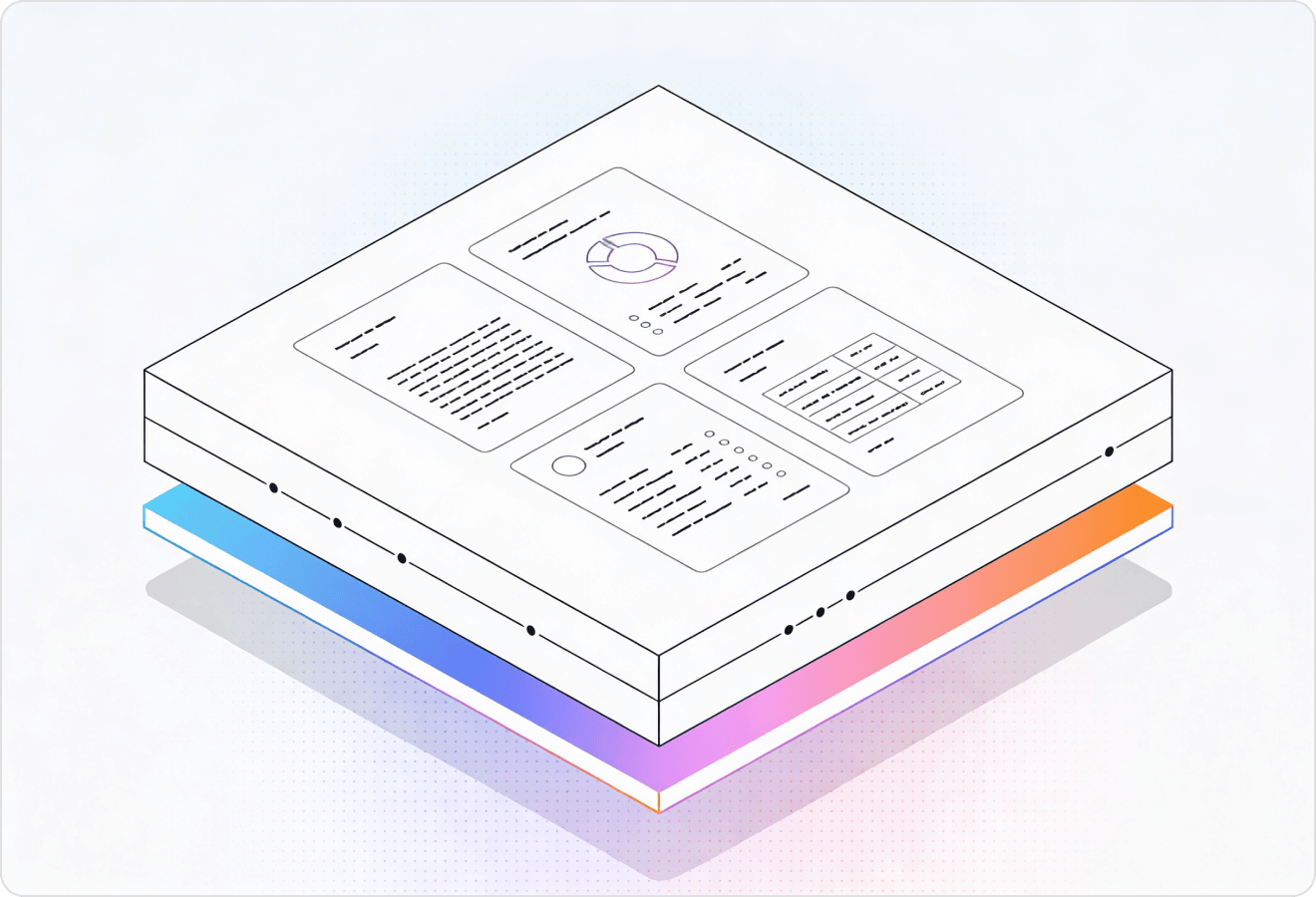
LlamaParse turns messy, fast-changing motion documents into clean, structured Markdown and JSON so your pipeline can search, automate, and act immediately. Its layout-aware vision and agentic validation loops keep tables, diagrams, and key fields consistent, with citations and confidence for quick review.
Best-in-Class Accuracy

Turn inbound PDFs, invoices, and customer forms into clean JSON and Markdown without building a brittle OCR pipeline that breaks every time a layout changes. LlamaParse lets small teams ship automated document workflows fast with natural-language extraction instructions and metadata you can trust for review and audit.

Parse FNOL packets, repair estimates, medical bills, and photo-heavy claim attachments into structured fields while preserving tables, reading order, and supporting evidence. LlamaParse’s agentic parsing and auto-correction loops reduce rework and accelerate straight-through processing for high-volume claims.

Extract quantities, line items, and scope details from multi-column bid packages, change orders, and submittals where traditional OCR scrambles tables and section headers. LlamaParse converts these documents into consistent Markdown/JSON so teams can compare bids, track revisions, and sync data into project controls systems.

Convert protocols, lab reports, and study PDFs with complex tables, charts, and equations into AI-ready outputs while retaining traceability back to page coordinates. LlamaParse enables faster evidence extraction and QC by returning structured JSON with citations and confidence signals for human review.
The Solution
01
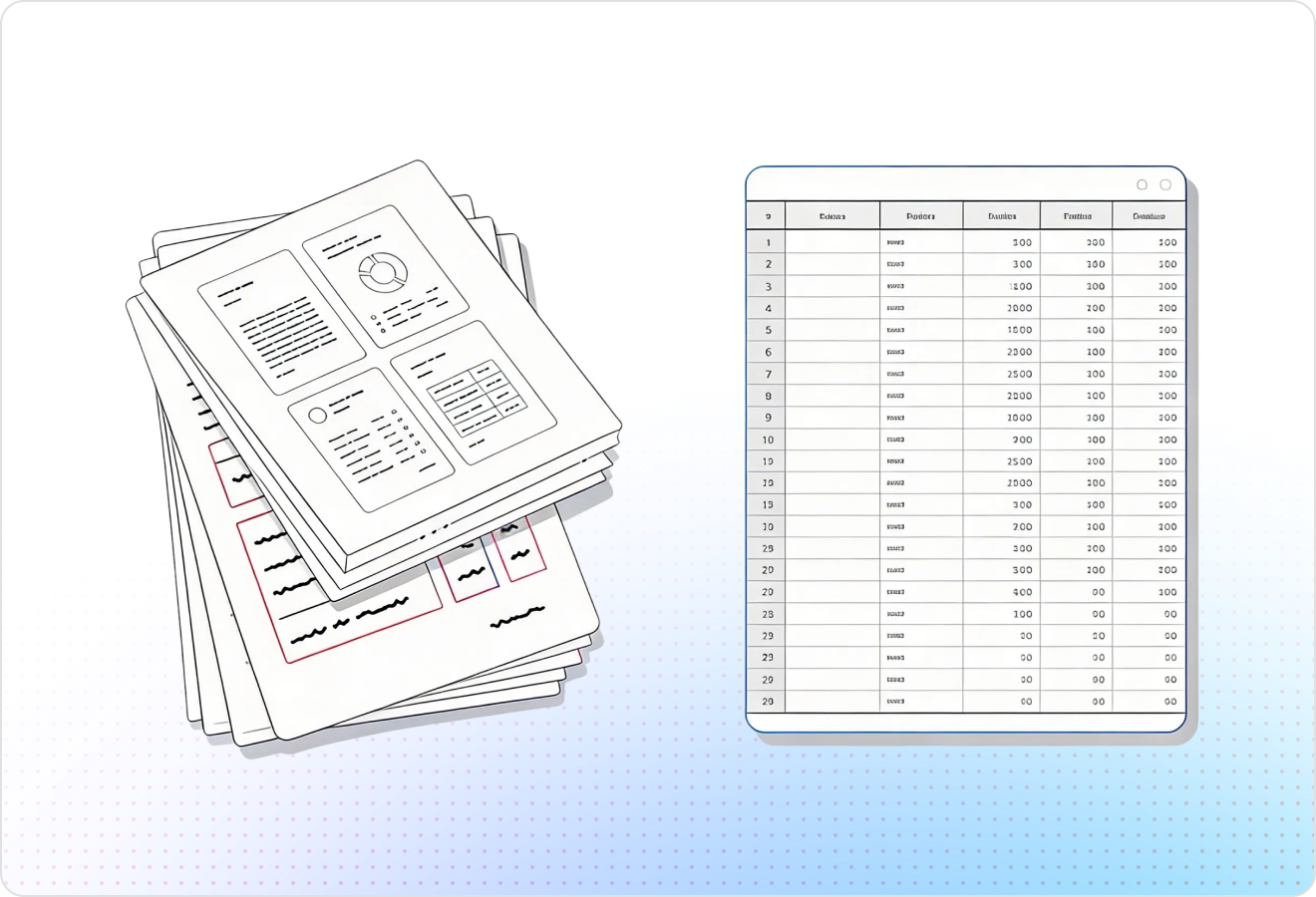
LlamaParse uses layout-aware vision to preserve reading order across multi-column overlays, subtitles, and on-screen text blocks—common artifacts when extracting text from video frames. This reduces scrambled outputs from motion blur and moving lower-thirds, so your “motion OCR” pipeline produces usable text without brittle post-processing.
02
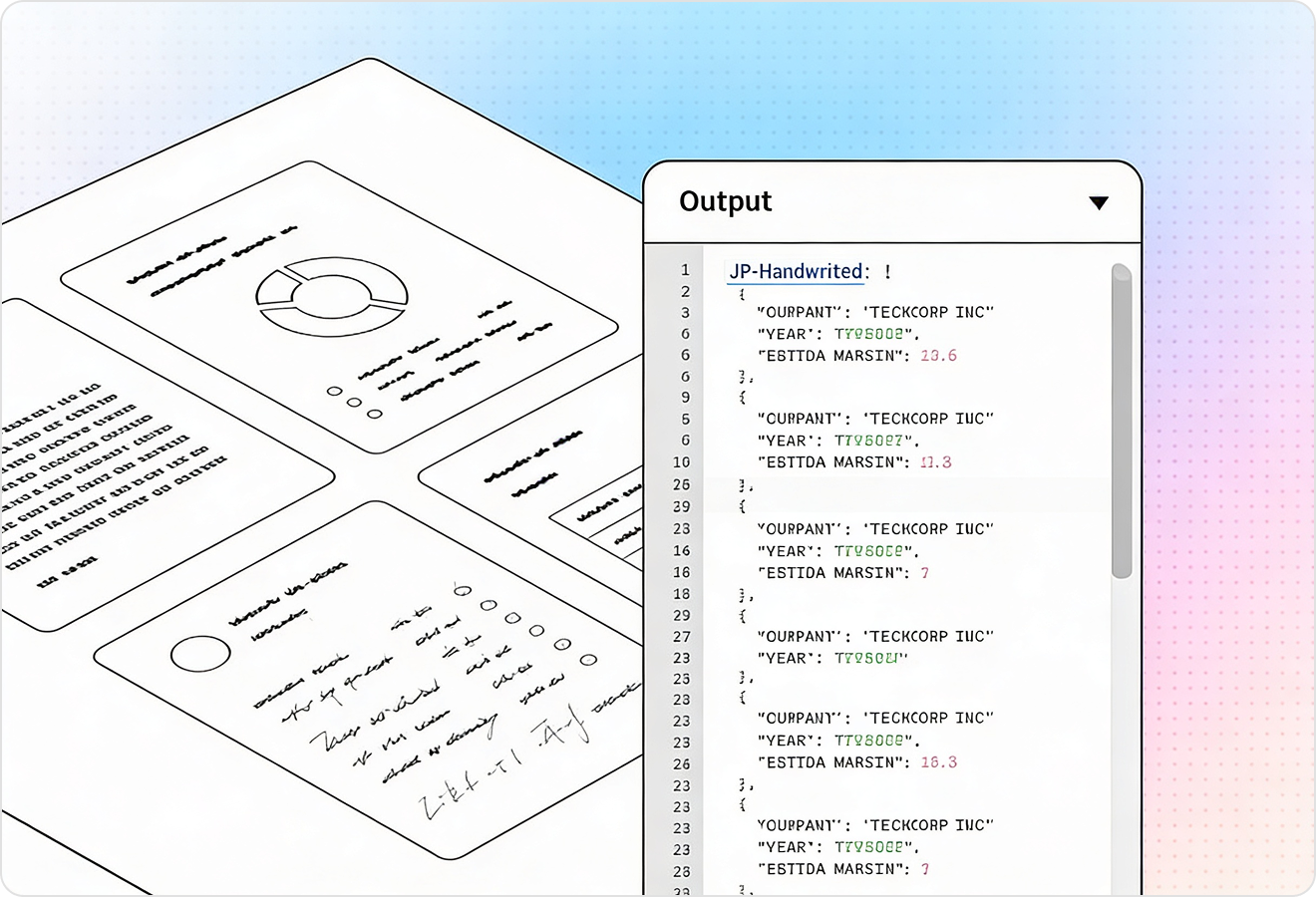
LlamaParse applies validation and self-correction loops to catch inconsistent characters, broken words, and partial extractions that show up when frames are noisy or low-resolution. That means fewer false reads and higher straight-through accuracy when text appears briefly or shifts between frames.
03
When motion content includes charts, scoreboards, or UI widgets, LlamaParse can interpret those visual elements and reconstruct them into AI-ready text structures instead of dropping them as images. This helps “motion OCR” capture meaning—not just raw characters—so downstream analytics can reason over what was shown on screen.
04
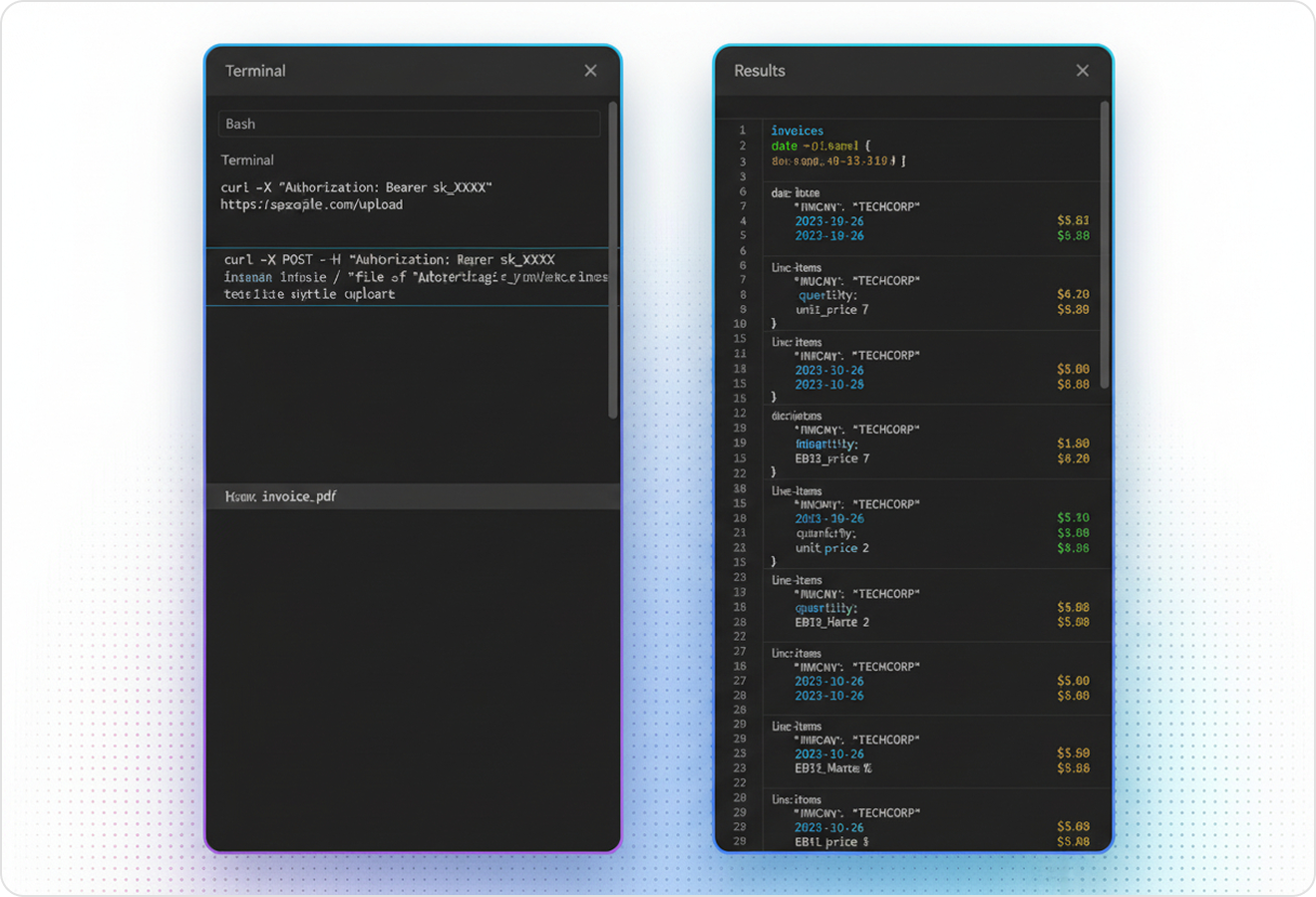
LlamaParse can emit structured JSON with page/frame-level coordinates and rich metadata for each extracted element. For motion OCR, that lets you track where text appeared on the screen, de-duplicate repeated captions across frames, and confidently map extractions back to the original visual context.
Technical OCR documentation
Explore our developer guides to easily connect your document pipelines to LlamaParse.
Explore the documentation
Our AI catches the typos that tired eyes miss.

Export to Excel, JSON, XML, or directly via API.

SOC2 Type II compliant with end-to-end encryption.

Train the tool on your specific forms in minutes, not days.

Average processing time of <3 seconds per page.
LlamaParse’s support of a wide variety of filetypes and its accuracy of parsing made it the best tool we tested in our evaluations. The LlamaIndex team was very responsive and we were off to the races within a day.
Common FAQs
01
Motion OCR uses layout-aware frame parsing to preserve reading order across complex on-screen layouts, including multi-column text, subtitles, and overlays. This reduces scrambled output caused by motion blur and moving graphics, so you spend less time fixing text downstream.
02
Auto correction loops validate and self-correct inconsistent characters, broken words, and partial extractions that are common in fast-moving or low-quality footage. You get fewer false reads and higher straight-through accuracy, even when text shifts between frames.
03
Yes—multimodal visual understanding interprets common visual elements like charts, scoreboards, and UI components and reconstructs them into AI-ready text structures. That means your analytics can reason over what was shown on screen, not just a flat text dump.
04
Do you provide structured output I can use to track text across frames and map it back to the screen?
Motion OCR can output structured JSON that includes frame-level coordinates and rich metadata for each extracted element. This makes it easy to de-duplicate repeated captions across frames and reliably tie every extraction back to its original on-screen location.
05
How does this reduce the amount of brittle post-processing in my motion OCR pipeline?
By preserving layout and applying automatic correction, the output is cleaner and more consistent without relying on custom heuristics for every video style. Teams typically see fewer edge-case fixes, faster iteration, and more dependable results across varied content.
06
Is this a good fit if I need production-grade results across many video sources and formats?
It’s designed for real-world variability—overlays, motion blur, changing typography, and different screen compositions—so you can scale beyond hand-tuned rules. Start with structured JSON outputs and coordinates to integrate quickly, then expand confidently as your volume grows.