Nov 14, 2025
Document AI: The Next Evolution of Intelligent Document ProcessingPersona
Industry
Use cases
Royalty Statement OCR
[ Royalty Statement OCR ]

Use LlamaParse to turn messy royalty PDFs into verified, structured payout data in minutes.
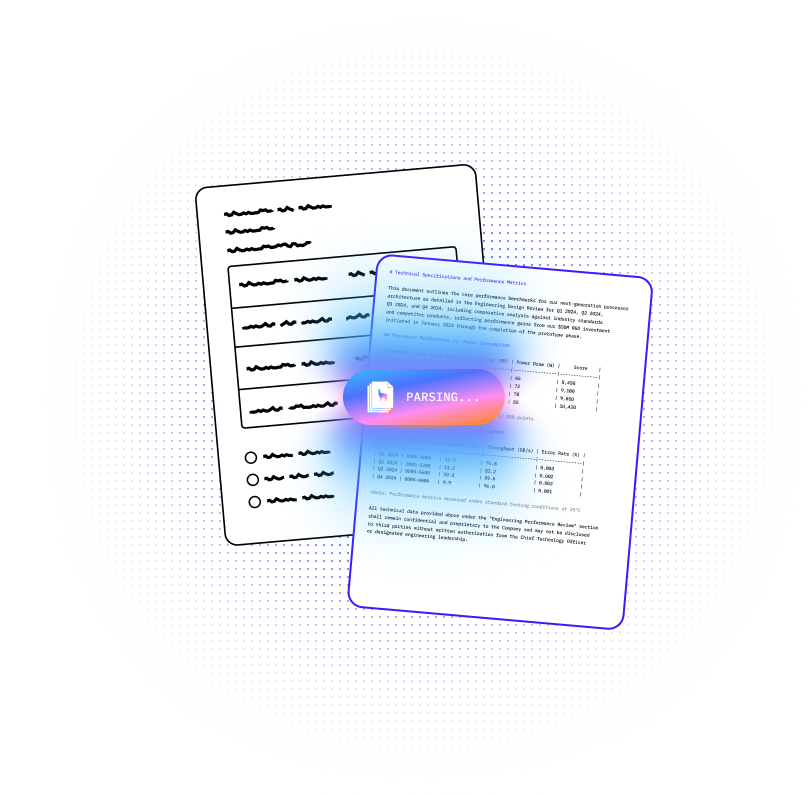
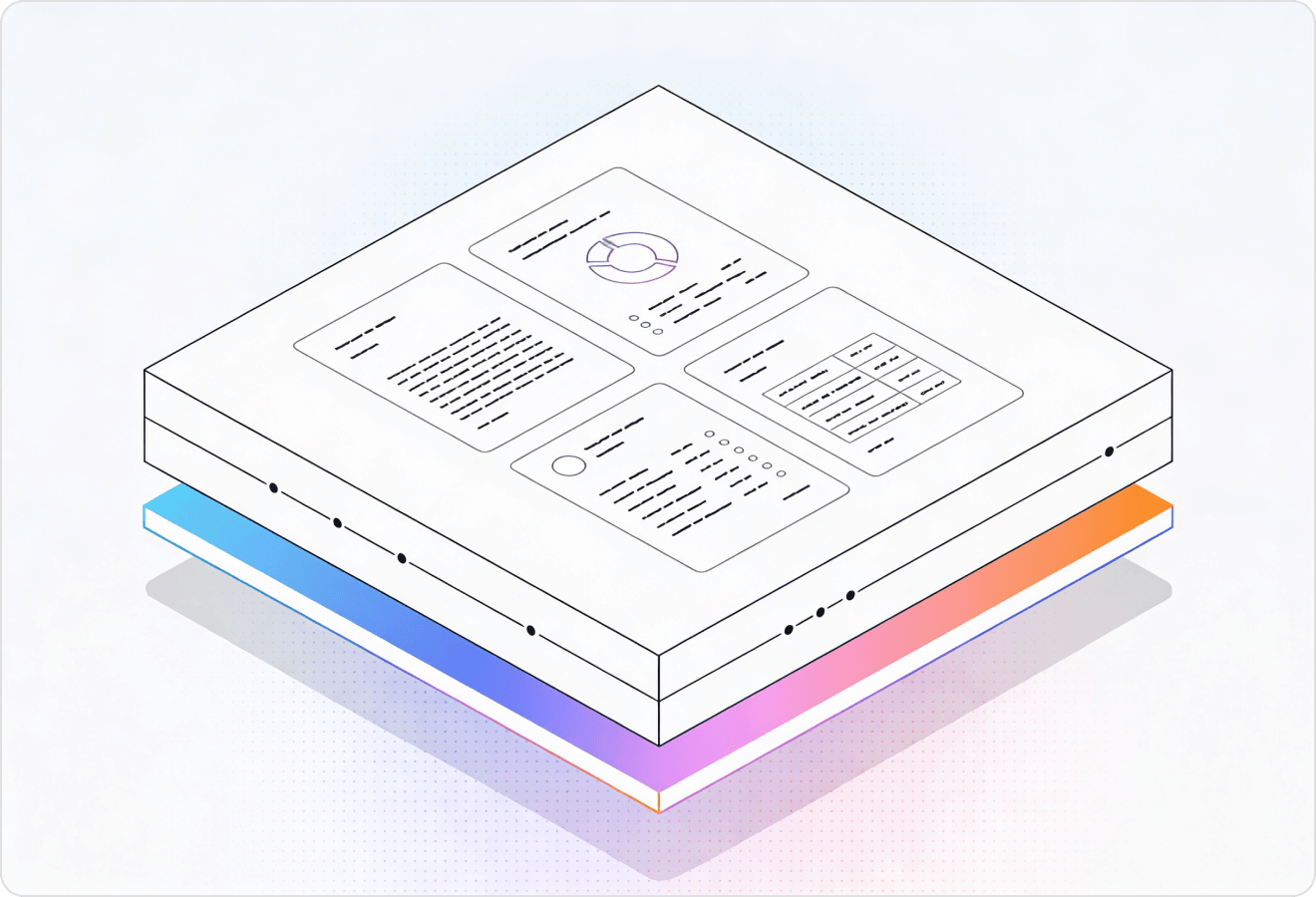

LlamaParse turns messy royalty statements into clean, structured records you can reconcile across periods, products, and territories without manual re-keying. It’s layout-aware and validation-driven, producing JSON or Markdown with citations and confidence scores so every number stays traceable.
Best-in-Class Accuracy

Turn multi-format royalty statements into clean, audit-ready line items by extracting tables, territory splits, and rate tiers without scrambled columns or missing headers. LlamaParse outputs structured JSON with citations so finance teams can reconcile payouts, spot underpayments, and resolve disputes faster.

Parse back-end participation and residual statements across platforms and countries, capturing deal terms, recoupment waterfalls, and title-level earnings even when embedded in complex tables. Use natural-language parsing instructions to standardize outputs into a single schema for portfolio reporting and automated partner statements.

Extract SKU-level royalties, minimum guarantees, and channel breakdowns from licensee reports to eliminate manual spreadsheet cleanup and reduce chargeback errors. Layout-aware parsing preserves reading order and tables so ops teams can quickly validate sell-through, calculate accruals, and trigger compliance follow-ups.

Ship royalty ingestion in days by using LlamaParse APIs to transform messy PDFs into consistent Markdown or JSON for your database, analytics, and payout engine. Tier-based processing and cost optimizer modes keep unit economics predictable as you scale from early pilots to high-volume statement uploads.
The Solution
01
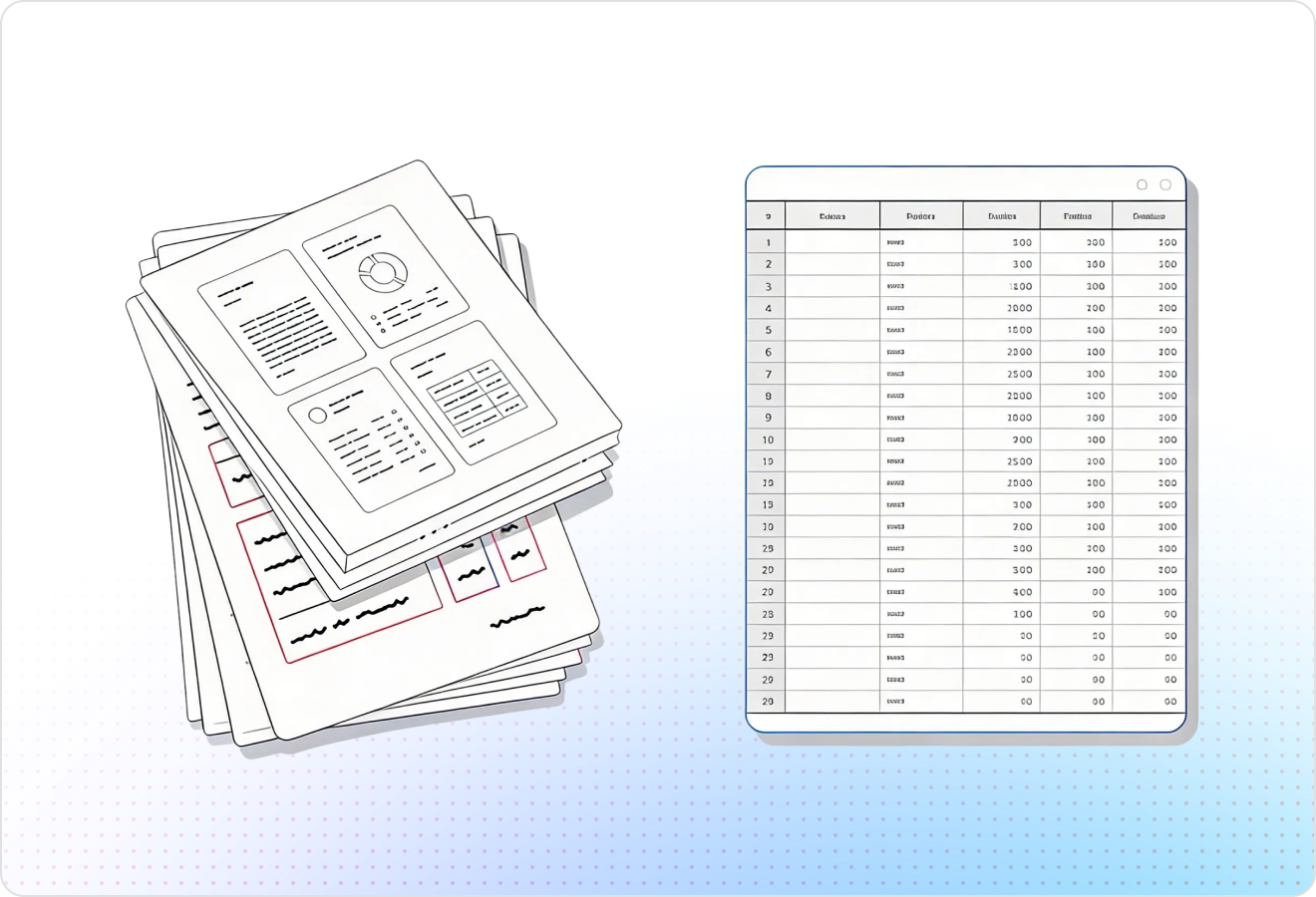
LlamaParse understands royalty statement layouts—multi-column pages, headers/footers, and line-item sections—so payee names, periods, and totals don’t get scrambled. This keeps the reading order intact, which is critical when reconciling earnings, adjustments, and deductions across pages.
02
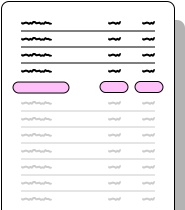
LlamaParse extracts complex royalty tables without breaking rows or dropping columns like units, rate, territory, and net amount. You can reliably turn each statement into structured line items for audits, payout verification, and downstream accounting automation.
03
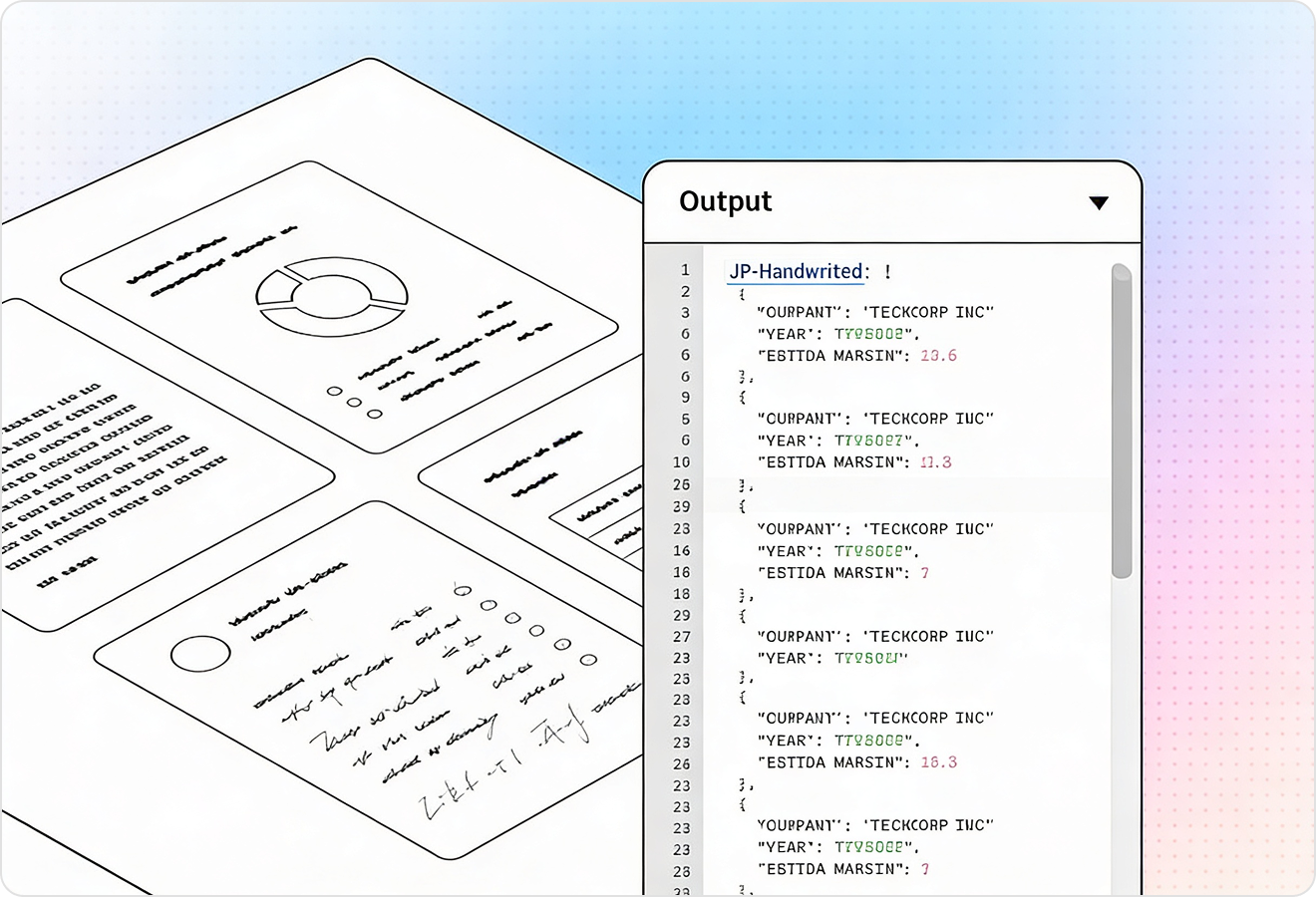
LlamaParse runs multiple validation steps to catch common scan issues and fix inconsistencies before results are returned. That reduces misread amounts and missing negatives—exactly the errors that create costly royalty disputes and manual review work.
04
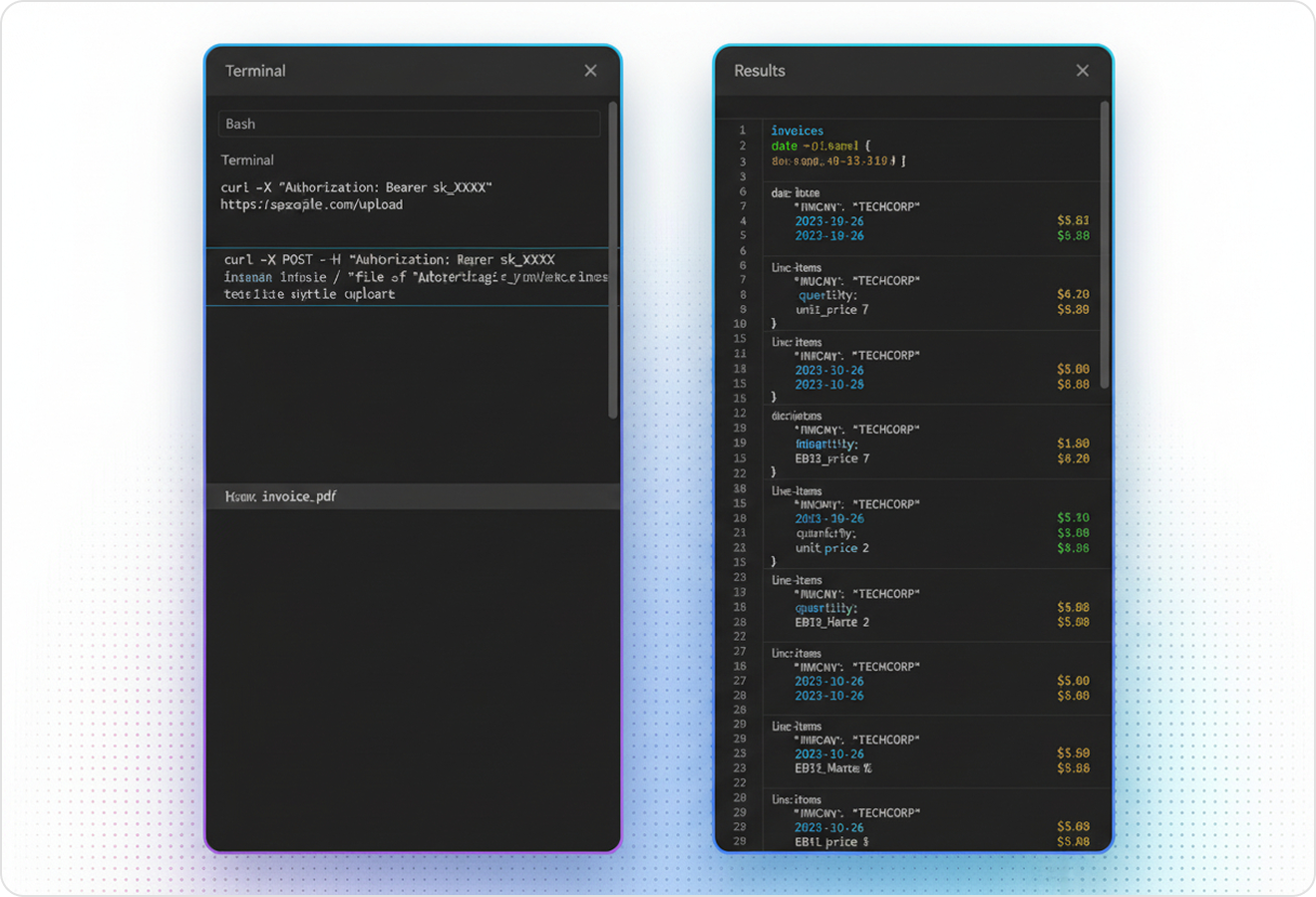
LlamaParse can return clean JSON plus granular metadata like page references and coordinates for each extracted field. For royalty statements, that means every total, fee, and adjustment can be traced back to its exact spot on the statement for fast approval and exception handling.
Technical OCR documentation
Explore our developer guides to easily connect your document pipelines to LlamaParse.
Explore the documentation
Our AI catches the typos that tired eyes miss.

Export to Excel, JSON, XML, or directly via API.

SOC2 Type II compliant with end-to-end encryption.

Train the tool on your specific forms in minutes, not days.

Average processing time of <3 seconds per page.
LlamaParse’s support of a wide variety of filetypes and its accuracy of parsing made it the best tool we tested in our evaluations. The LlamaIndex team was very responsive and we were off to the races within a day.
Common FAQs
01
Yes—layout-aware parsing preserves multi-column structure, headers/footers, and section breaks so payees, periods, and totals don’t get mixed together. That means deductions and adjustments stay tied to the right earnings lines, even across pages.
02
It’s built to capture table rows and columns without splitting entries or dropping fields like territory, units, rate, and net amount. You get consistent, structured line items you can use for audits, payout verification, and automated accounting workflows.
03
Validation and auto-correction loops catch common scan issues before results are returned, including misread amounts and sign errors. This reduces the manual review time that typically leads to slow approvals and preventable royalty disputes.
04
Can I trace every extracted total or adjustment back to the source document?
Yes—output includes clean JSON plus citations like page references and coordinates for each extracted field. When something looks off, your team can jump straight to the exact spot on the statement to confirm and resolve exceptions fast.
05
Does it handle statements where key details appear in headers/footers (payee name, period, currency)?
It recognizes and retains header/footer context so important metadata like payee name and reporting period doesn’t get lost or misassigned. This helps you reconcile batches of statements reliably and keep downstream records consistent.
06
What’s the quickest way to start turning statements into usable JSON for our workflow?
You can feed in your PDFs or scanned statements and receive structured JSON designed for downstream systems, with traceable citations for approvals. Most teams start by parsing a small batch to validate accuracy, then scale up once the mapping matches their reconciliation needs.