Nov 14, 2025
Document AI: The Next Evolution of Intelligent Document ProcessingPersona
Industry
Use cases
Tax Transcript OCR
[ Tax Transcript OCR ]

Use LlamaParse to turn tax transcripts into clean, verified JSON with confidence scores you can trust.
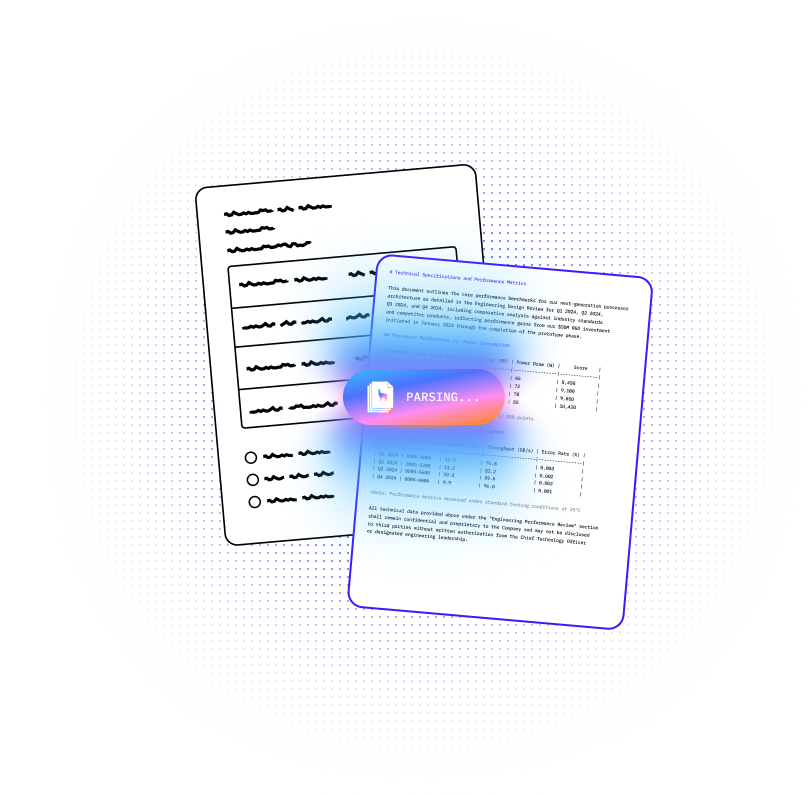
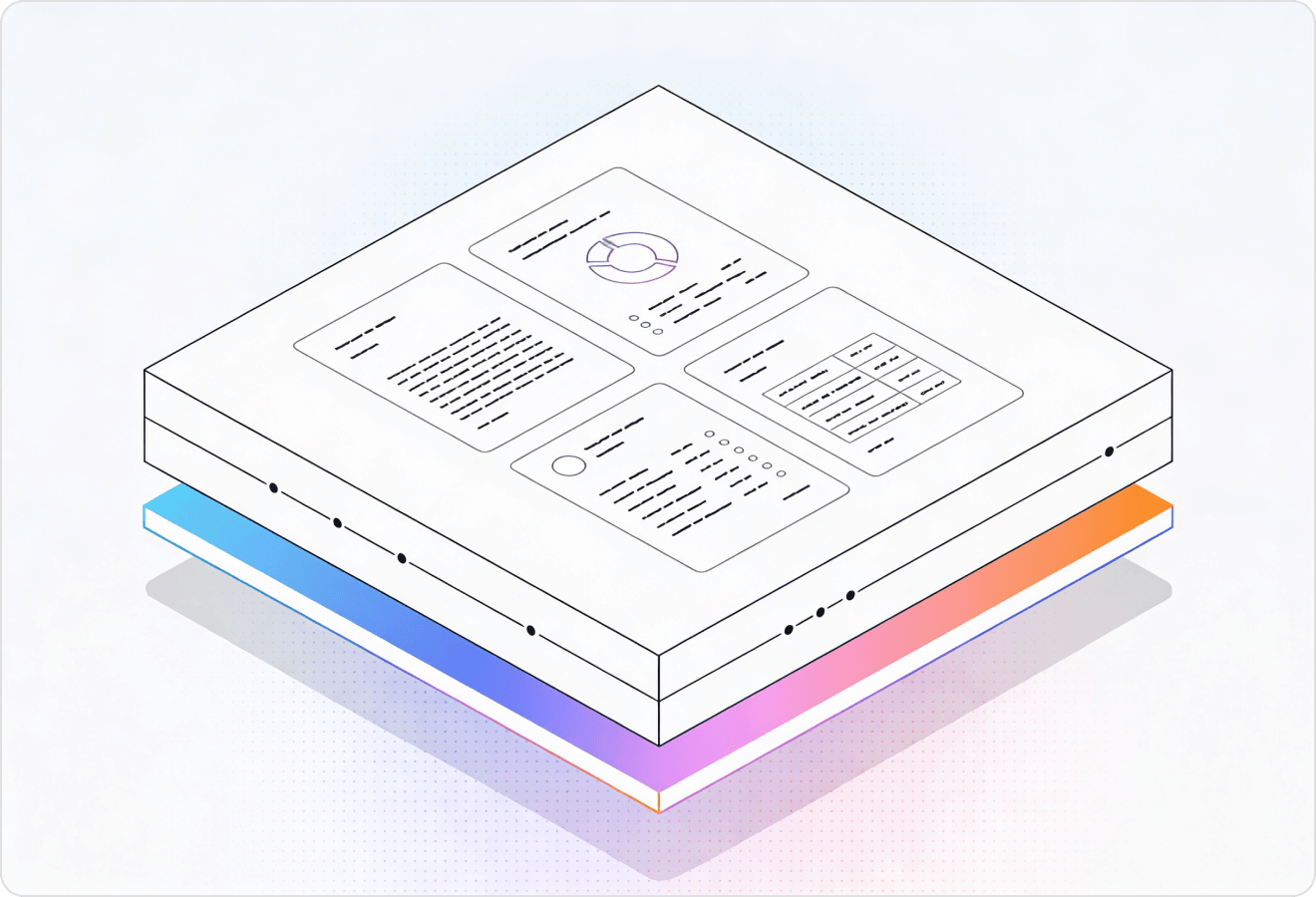

LlamaParse turns IRS tax transcripts into clean, structured JSON in minutes, so your pipeline can validate income, filing status, and liabilities automatically. Agentic document parsing understands messy layouts, runs validation loops, and returns confidence metadata so you can ship faster with fewer manual reviews.
Best-in-Class Accuracy

Parse IRS tax transcripts into clean JSON with line-by-line traceability, so teams can auto-populate organizers, reconcile fields, and reduce rework from scrambled tables and multi-column layouts. LlamaParse’s validation loops catch common extraction errors upfront, cutting manual review time during peak season without brittle template rules.

Convert tax transcripts into underwriting-ready data (income history, filing status, AGI signals) while preserving reading order and table integrity for faster, more consistent decisions. With tier-based processing, you can route clean pages cheaply and automatically escalate only messy scans—keeping per-loan document costs predictable at scale.

Ingest tax transcripts as structured records with page coordinates and confidence scores to support auditability and faster eligibility determinations. Layout-aware extraction prevents missed fields in dense forms and transcript tables, reducing backlogs and minimizing downstream appeals caused by data-entry mistakes.

Turn user-uploaded tax transcripts into normalized, API-ready fields that plug directly into your risk models, onboarding flows, and automated decisioning in days—not quarters. Natural-language parsing instructions let you evolve the output schema as your product changes, without maintaining fragile regex pipelines when transcript formats vary.
The Solution
01
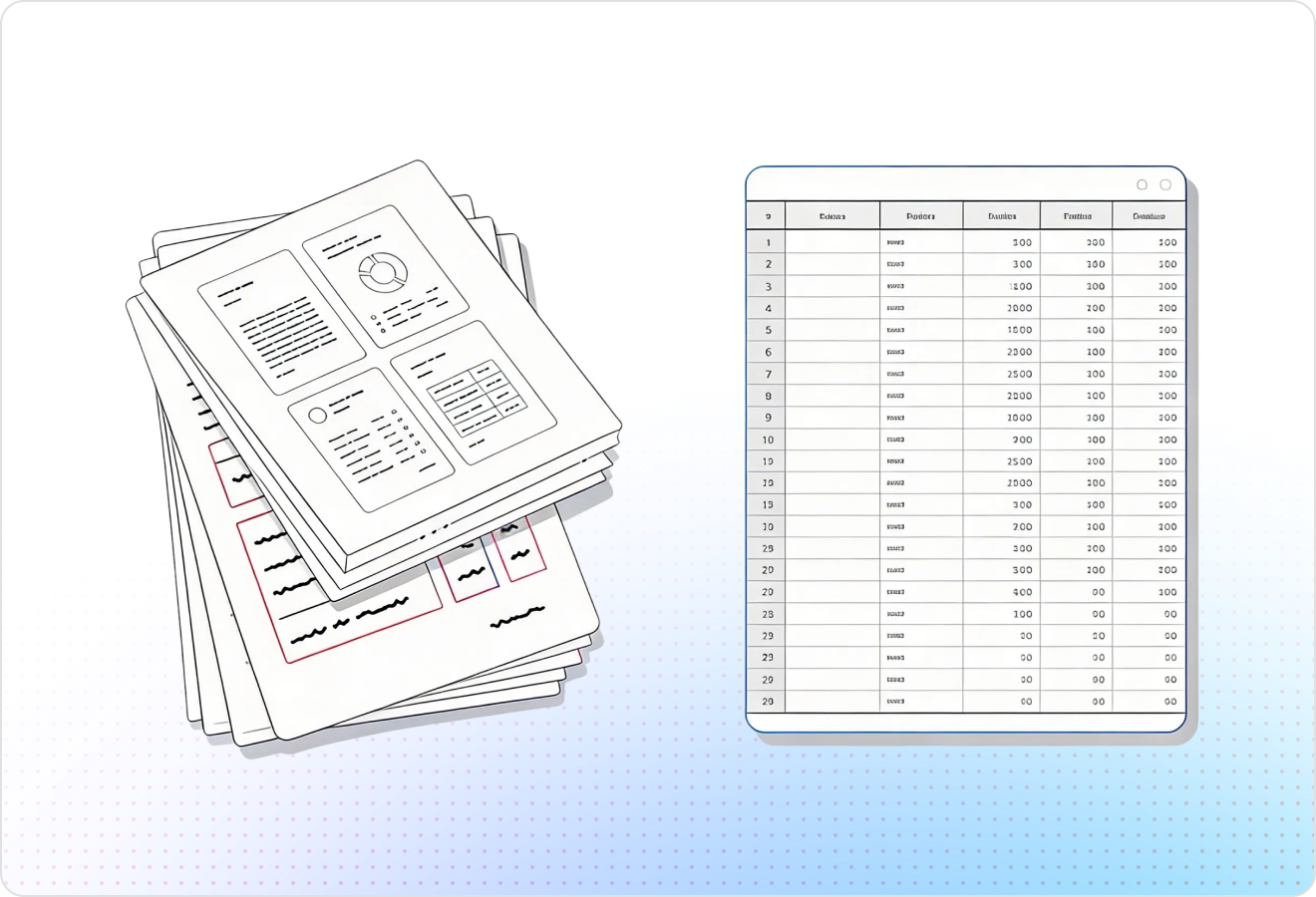
LlamaParse understands the layout of tax transcripts—headers, multi-column sections, line items, and footers—so fields don’t get scrambled when converted from PDF scans. That means you can reliably capture taxpayer identifiers, tax period, and transcript sections in the right reading order for downstream verification.
02
Tax transcripts often include dense tables for account activity, codes, dates, and amounts, and LlamaParse extracts these tables without losing row/column relationships. You get clean structured outputs that make it straightforward to compute totals, flag anomalies, and map values into your underwriting or compliance system.
03
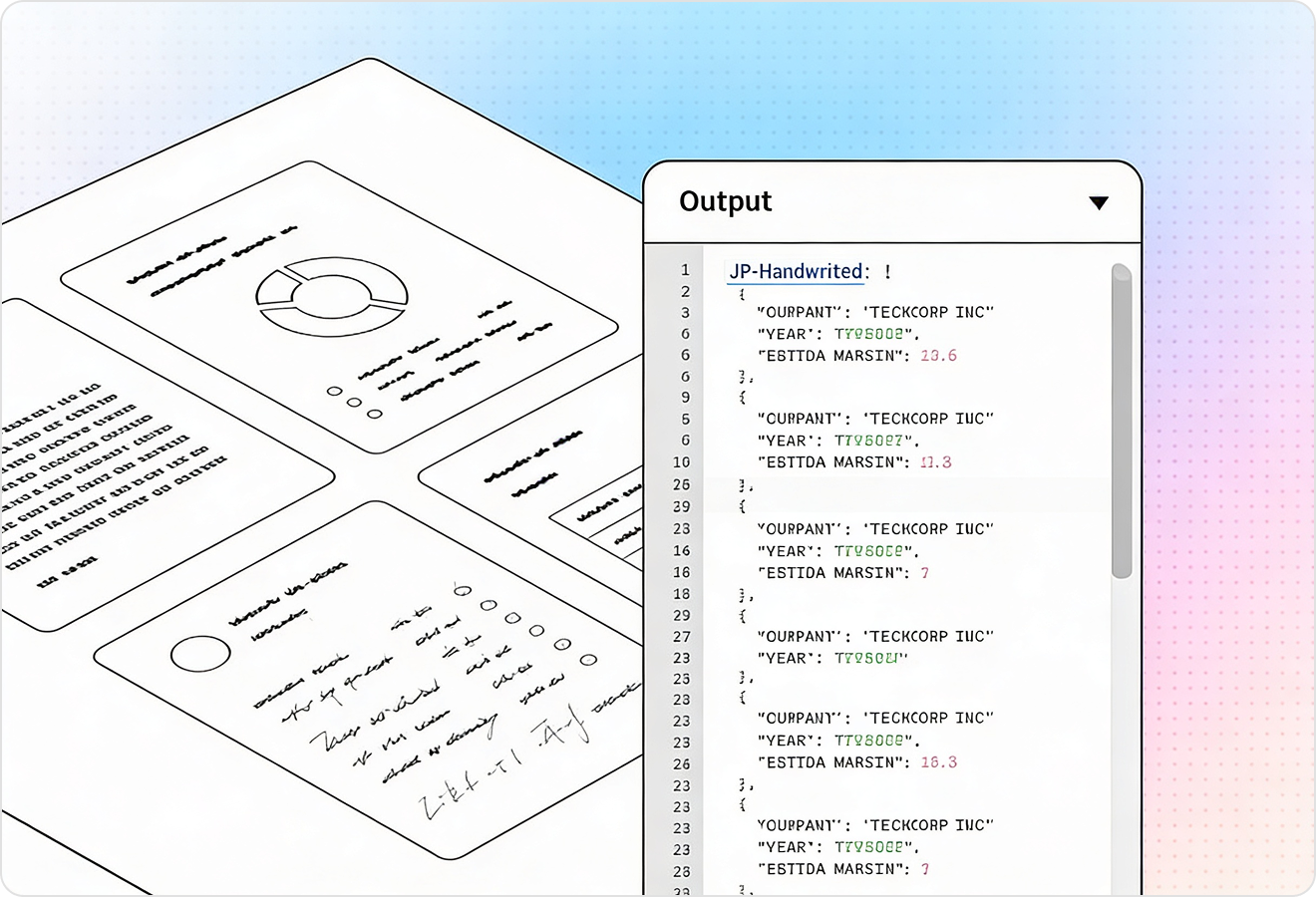
LlamaParse can return JSON with granular metadata like page numbers and element coordinates, so every extracted value stays traceable to its source. For tax transcript workflows, this makes audits and human review faster because you can show exactly where each number came from.
04
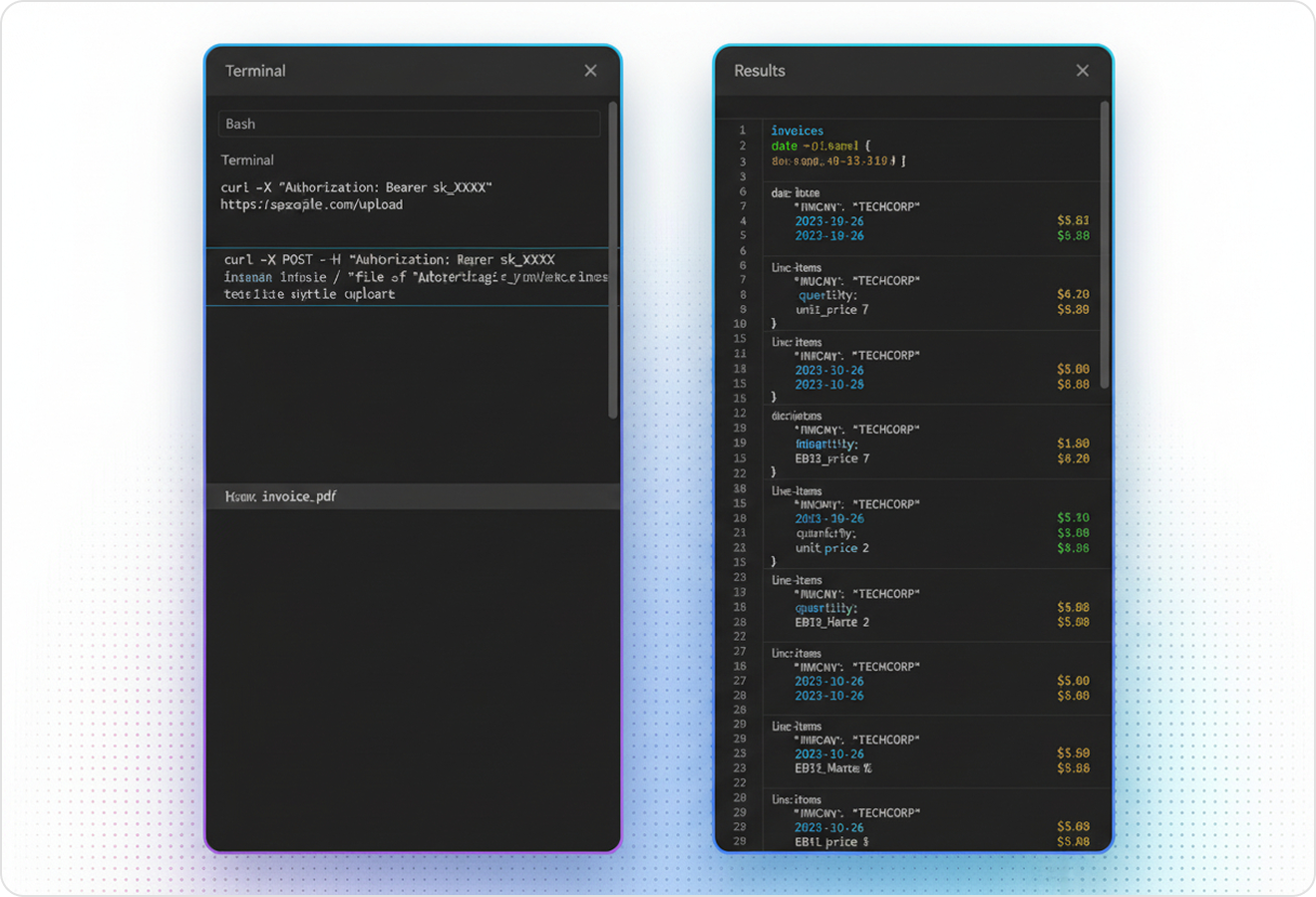
LlamaParse uses validation and self-correction loops to catch common extraction issues like misread digits, shifted columns, or missing negative signs before you ingest the data. This improves straight-through processing on tax transcripts and reduces the manual cleanup that usually follows traditional text extraction.
Technical OCR documentation
Explore our developer guides to easily connect your document pipelines to LlamaParse.
Explore the documentation
Our AI catches the typos that tired eyes miss.

Export to Excel, JSON, XML, or directly via API.

SOC2 Type II compliant with end-to-end encryption.

Train the tool on your specific forms in minutes, not days.

Average processing time of <3 seconds per page.
LlamaParse’s support of a wide variety of filetypes and its accuracy of parsing made it the best tool we tested in our evaluations. The LlamaIndex team was very responsive and we were off to the races within a day.
Common FAQs
01
Yes. Our layout-aware parsing recognizes headers, multi-column blocks, line items, and footers so fields don’t get scrambled when converting scanned PDFs. That means taxpayer identifiers, tax period, and transcript sections land in the right place for fast downstream verification.
02
We extract tables with row/column relationships intact, so codes, dates, and amounts stay aligned instead of flattening into messy text. You get clean structured outputs that are easy to total, reconcile, and map into underwriting or compliance systems.
03
Yes. Output can include structured JSON plus citations such as page numbers and element coordinates, keeping every value tied to its source. This makes audits and human review faster because reviewers can jump straight to where each number came from.
04
What happens when OCR misreads digits, drops negative signs, or shifts columns in a table?
Auto validation loops catch common extraction errors like misread characters, shifted columns, and missing negatives before the data is delivered. This reduces manual cleanup and improves straight-through processing for tax transcript workflows.
05
Can I reliably extract key fields like taxpayer identifiers and tax periods from scanned or low-quality PDFs?
Yes. The parser uses layout signals to correctly locate and capture critical identifiers and tax period details, even when scans are imperfect. You’ll spend less time re-keying data and more time making decisions with confidence.
06
How do I integrate the extracted transcript data into my existing underwriting, fraud, or compliance workflow?
You can receive results as structured JSON that maps cleanly to your internal schema and preserves context with citations for review. This makes it straightforward to automate checks, flag anomalies, and route exceptions to a human—without rebuilding your pipeline.