Nov 14, 2025
Document AI: The Next Evolution of Intelligent Document ProcessingPersona
Industry
Use cases
Rent Roll OCR
[ Rent Roll OCR ]

Turn messy rent rolls into verified JSON with LlamaParse, complete with citations and confidence scores.
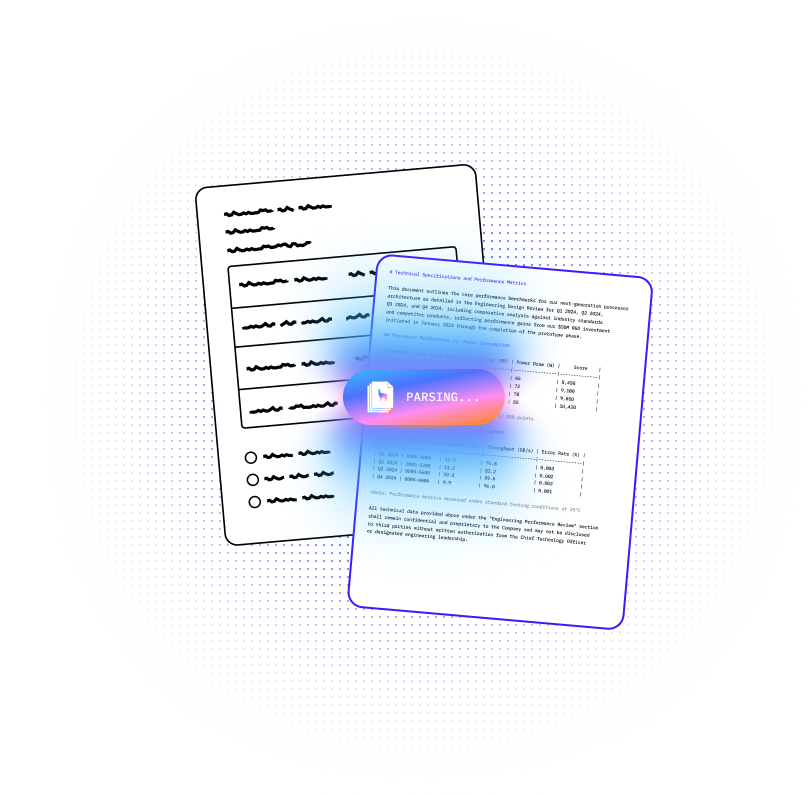
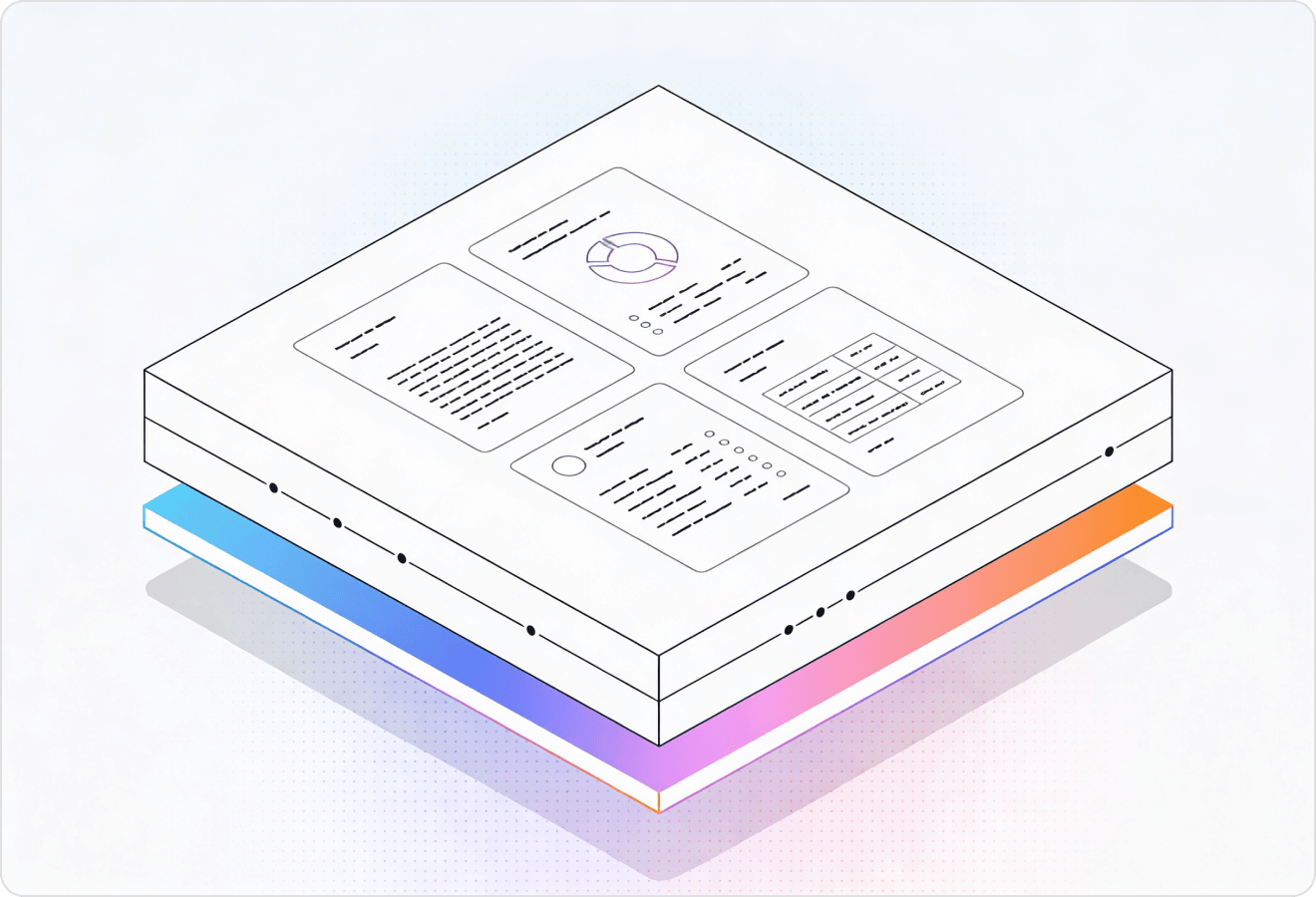

LlamaParse turns messy rent rolls into clean, structured outputs you can trust, capturing unit, tenant, and charge details with layout-aware understanding. Agentic parsing cross-checks fields and returns verifiable metadata, so analysts spend less time fixing spreadsheets and more time underwriting.
Best-in-Class Accuracy

Convert rent rolls from PDFs and broker packages into clean, structured JSON with layout-aware table extraction, even when unit grids, concessions, and recoveries span multiple columns and pages. Automate underwriting inputs for cash flow models and portfolio reporting with citations and confidence scores so analysts can quickly verify the few fields that matter.

Ingest borrower-provided rent rolls alongside appraisal attachments and normalize tenant, lease term, and rent fields into a consistent schema for faster DSCR and collateral reviews. Use auto-correction loops to reduce exceptions from messy scans, cutting manual re-keying and accelerating decision timelines without sacrificing auditability.

Turn owner-submitted rent rolls into system-ready exports by preserving reading order and accurately reconstructing multi-property, multi-building tables into Markdown or JSON. Keep Yardi/RealPage imports clean by extracting unit IDs, lease dates, and current charges reliably, reducing onboarding backlogs and billing errors.

Ship a reliable rent-roll ingestion feature without building brittle parsing rules by using LlamaParse with natural language instructions to match your product’s exact output schema. Control margins with tier-based agentic processing that upgrades only the hard pages, letting you scale from pilot users to production workloads with predictable costs.
The Solution
01
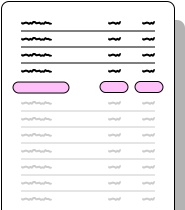
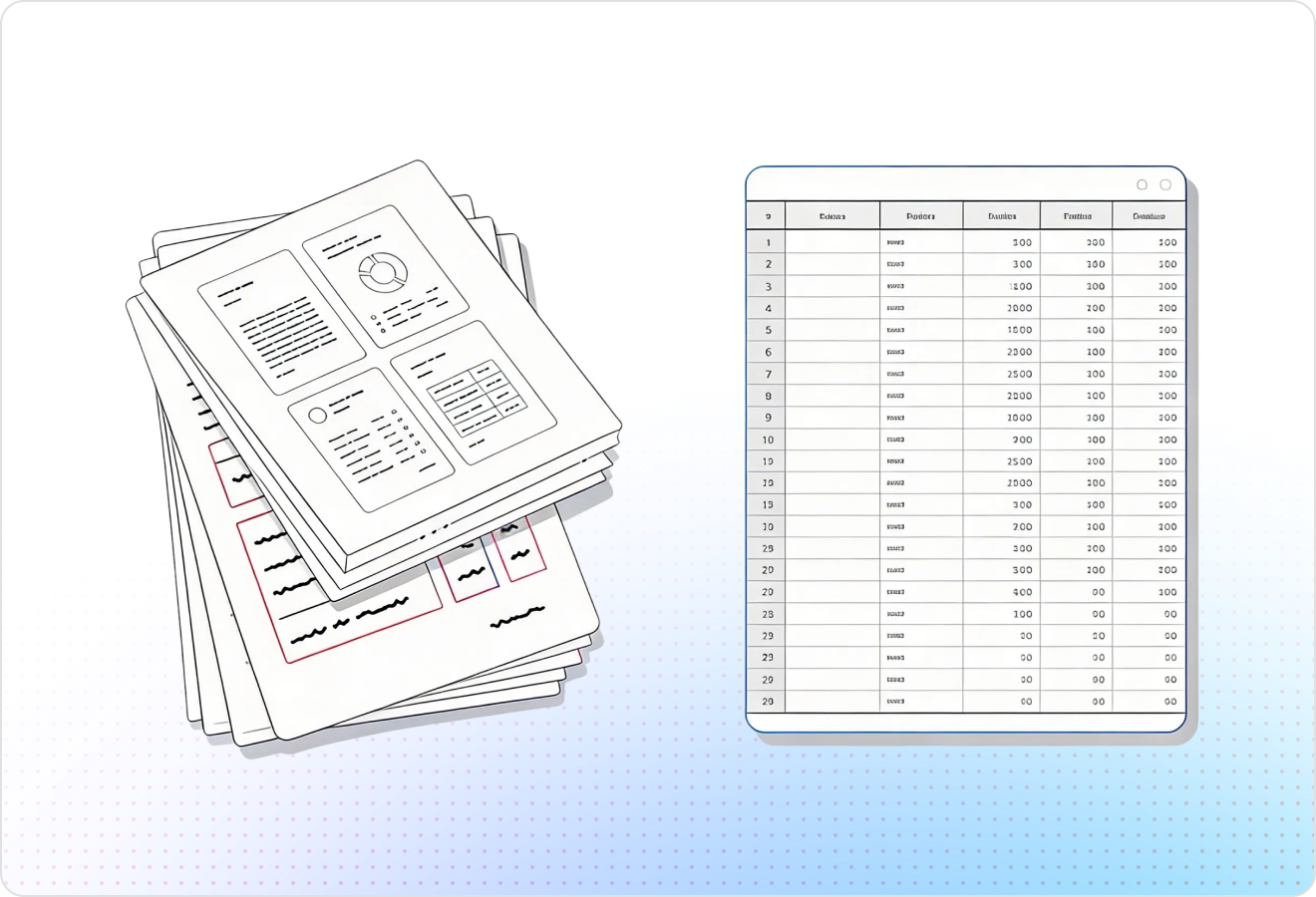
LlamaParse detects rent roll grids, headers, and multi-column sections so unit rows don’t get scrambled when converted from PDF scans. You get clean, consistent table structure for unit, tenant, rent, and lease-date fields—without writing brittle post-processing code.
02
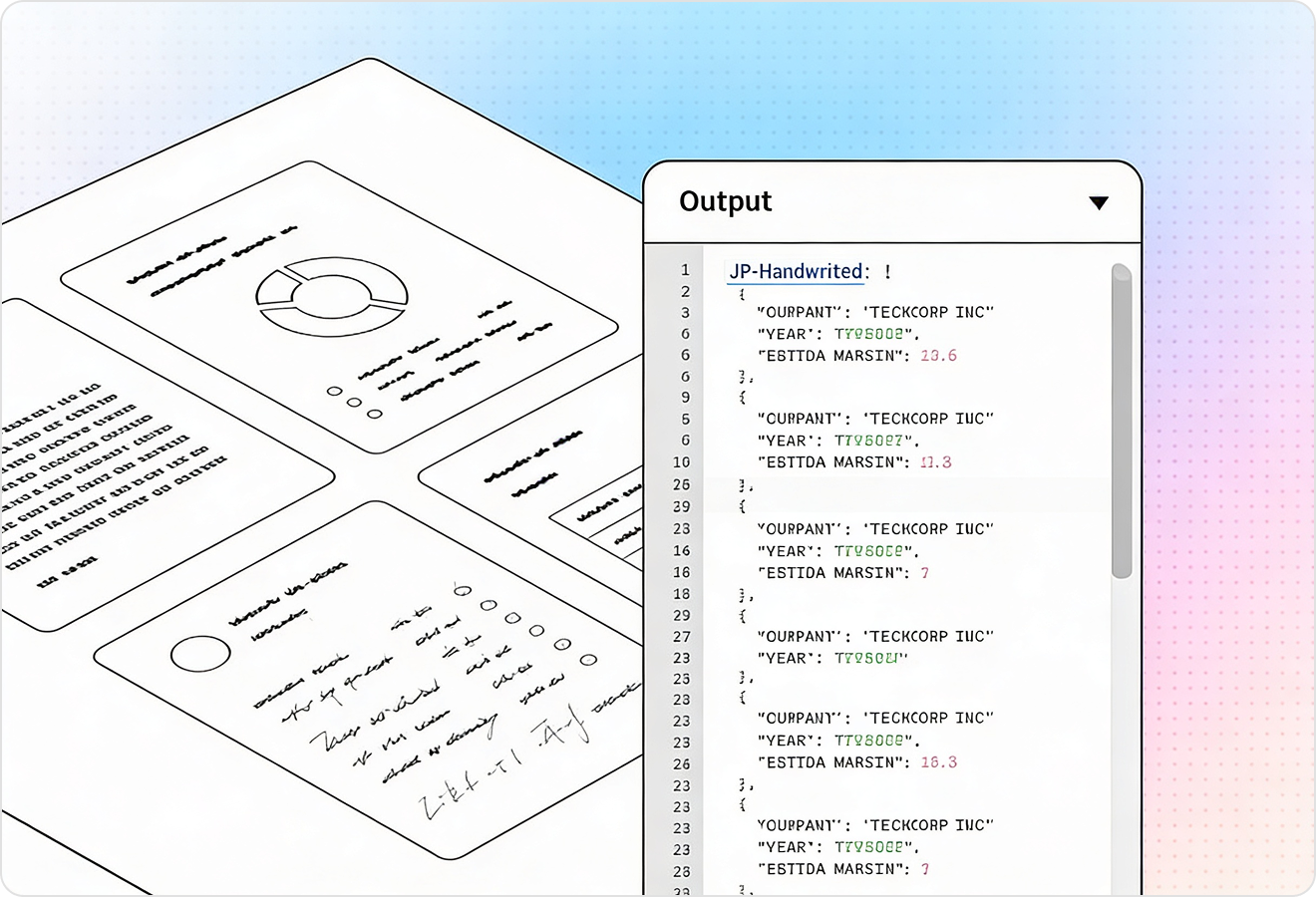
LlamaParse automatically routes each page to the right combination of vision and language models, escalating only when the rent roll is complex or low-quality. This keeps extraction accuracy high across varied property templates while controlling cost on large document batches.
03
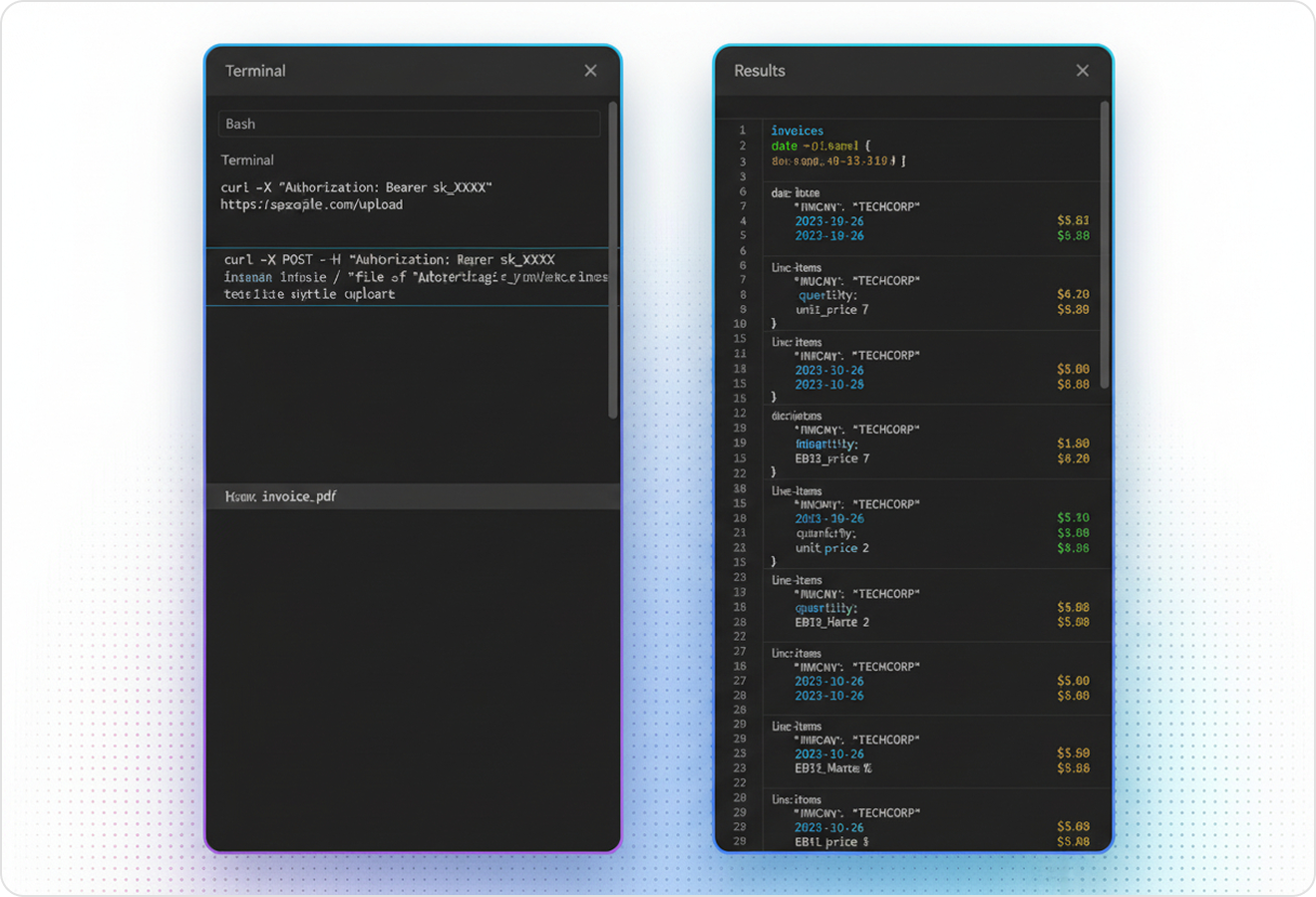
LlamaParse can return structured JSON for rows and fields while attaching page-level metadata like coordinates and element types. That traceability makes it easy to audit rent roll numbers, highlight the source cell for reviewers, and reconcile exceptions fast.
04
LlamaParse runs validation and self-correction steps to catch common document errors like shifted columns, merged cells, or misread totals. For rent rolls, this reduces downstream rework by tightening consistency between unit lines, subtotals, and occupancy figures.
Technical OCR documentation
Explore our developer guides to easily connect your document pipelines to LlamaParse.
Explore the documentation
Our AI catches the typos that tired eyes miss.

Export to Excel, JSON, XML, or directly via API.

SOC2 Type II compliant with end-to-end encryption.

Train the tool on your specific forms in minutes, not days.

Average processing time of <3 seconds per page.
LlamaParse’s support of a wide variety of filetypes and its accuracy of parsing made it the best tool we tested in our evaluations. The LlamaIndex team was very responsive and we were off to the races within a day.
Common FAQs
01
Yes—layout-aware table extraction preserves grids, headers, and multi-column sections so unit rows don’t get scrambled. You get consistent columns for unit, tenant, rent, and lease dates without relying on fragile, custom cleanup scripts.
02
Agentic Parsing Auto Mode automatically selects the right combination of vision and language models per page. It escalates only when a page is complex or low-quality, maintaining high accuracy across templates while controlling cost on large batches.
03
You can export clean JSON for rows and fields, plus page-level metadata like coordinates and element types. That traceability makes audits and reviews faster because you can pinpoint the source cell for any number in seconds.
04
What happens when the document has merged cells, shifted columns, or incorrect totals?
Auto Correction Loops validate the extraction and run self-corrections to catch common issues like merged cells, column shifts, and misread subtotals. This reduces downstream rework and helps keep unit lines, occupancy figures, and totals consistent.
05
How much manual review will my team still need after extraction?
Most teams use the traceability metadata to spot-check only exceptions instead of reviewing every row. Because the output is consistently structured and auto-corrected, reviewers can focus on a small set of flagged lines and move faster with higher confidence.
06
Can we scale to large rent roll batches without costs getting out of control?
Yes—the system is designed to be efficient at scale by routing straightforward pages through lower-cost paths and reserving heavier processing for harder cases. That means you can process thousands of pages with predictable performance while keeping accuracy high.