Nov 14, 2025
Document AI: The Next Evolution of Intelligent Document ProcessingPersona
Industry
Use cases
Sales Order OCR
[ Sales Order OCR ]

Use LlamaParse to turn messy sales orders into clean, validated JSON your systems can trust.
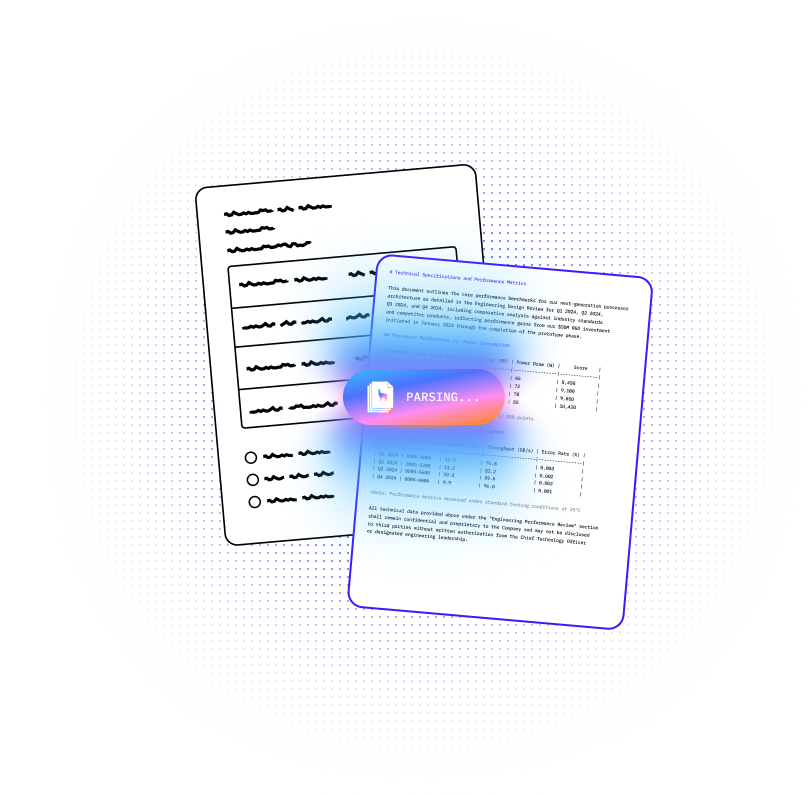


LlamaParse turns messy sales orders from PDFs, scans, and emails into clean JSON or tables your ERP can ingest automatically. Its agentic document parsing reads layout, line items, and totals with validation loops and citations, so you can trust straight-through processing.
Best-in-Class Accuracy

Use LlamaParse to turn emailed and scanned sales orders into structured JSON with line items, UOM, pricing, and ship-to details—without brittle template rules when customer formats change. This cuts order entry errors and prevents fulfillment delays by preserving table structure and reading order across multi-page, multi-column forms.

Parse high-variance wholesale and drop-ship sales orders into clean, consistent order payloads that map directly into your OMS/ERP, even when SKUs and quantities are embedded in dense tables. Natural-language parsing instructions let ops teams standardize fields like requested ship date, substitutions, and promo terms so exceptions don’t clog the queue.

Extract pickup/delivery windows, accessorials, Incoterms, and multi-stop details from sales order PDFs that often include embedded notes, stamps, and attachments. Granular metadata and citations make it easy to audit what was captured and route only low-confidence orders for review, keeping dispatch moving while reducing costly misquotes.

Ship sales order ingestion fast by plugging LlamaParse into your product as the document-processing layer, converting customer orders into predictable JSON you can sync to Stripe, HubSpot, NetSuite, or your own database. Tier-based processing keeps costs under control as volume spikes, while auto-correction loops reduce manual QA that early teams can’t afford.
The Solution
01
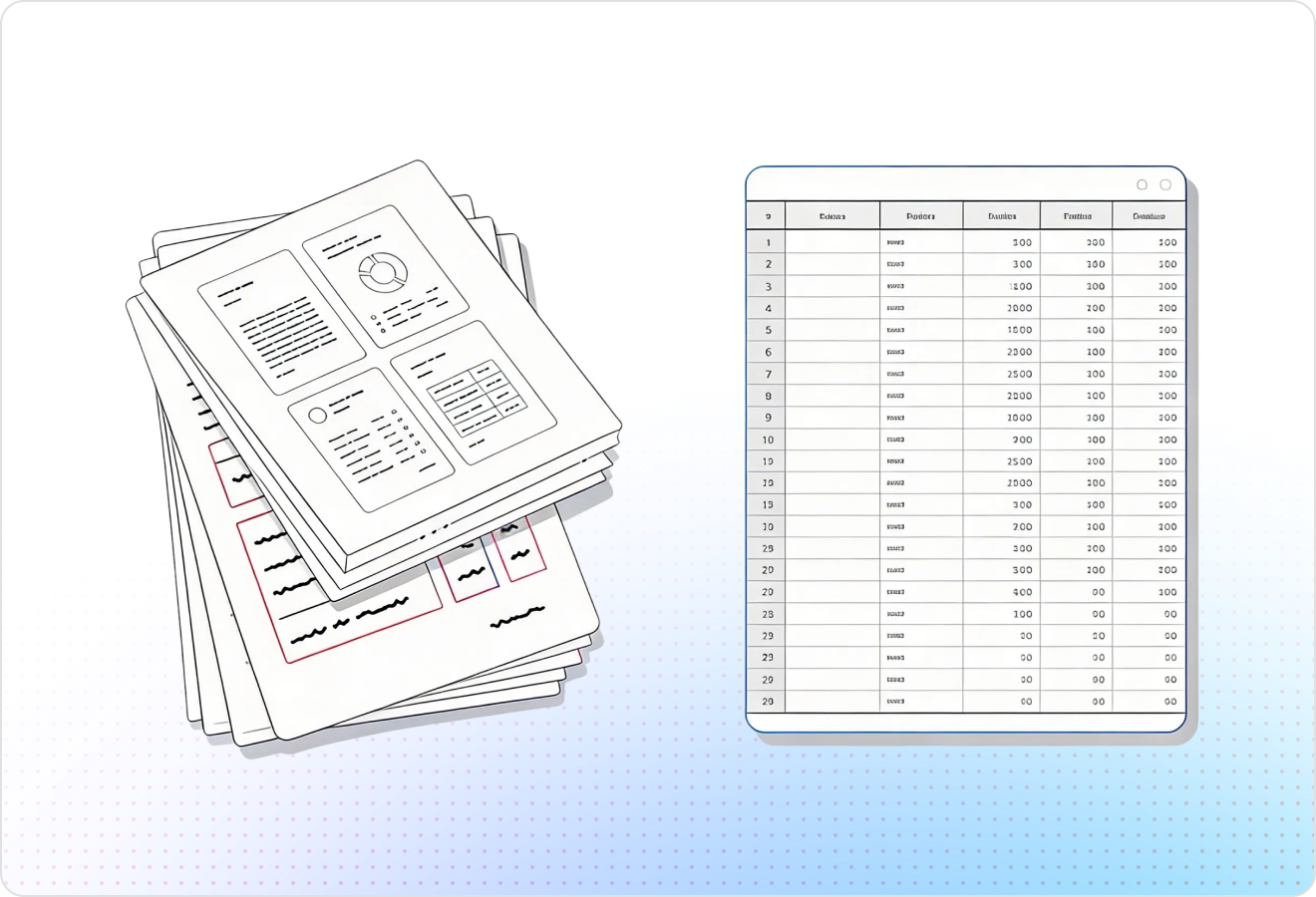
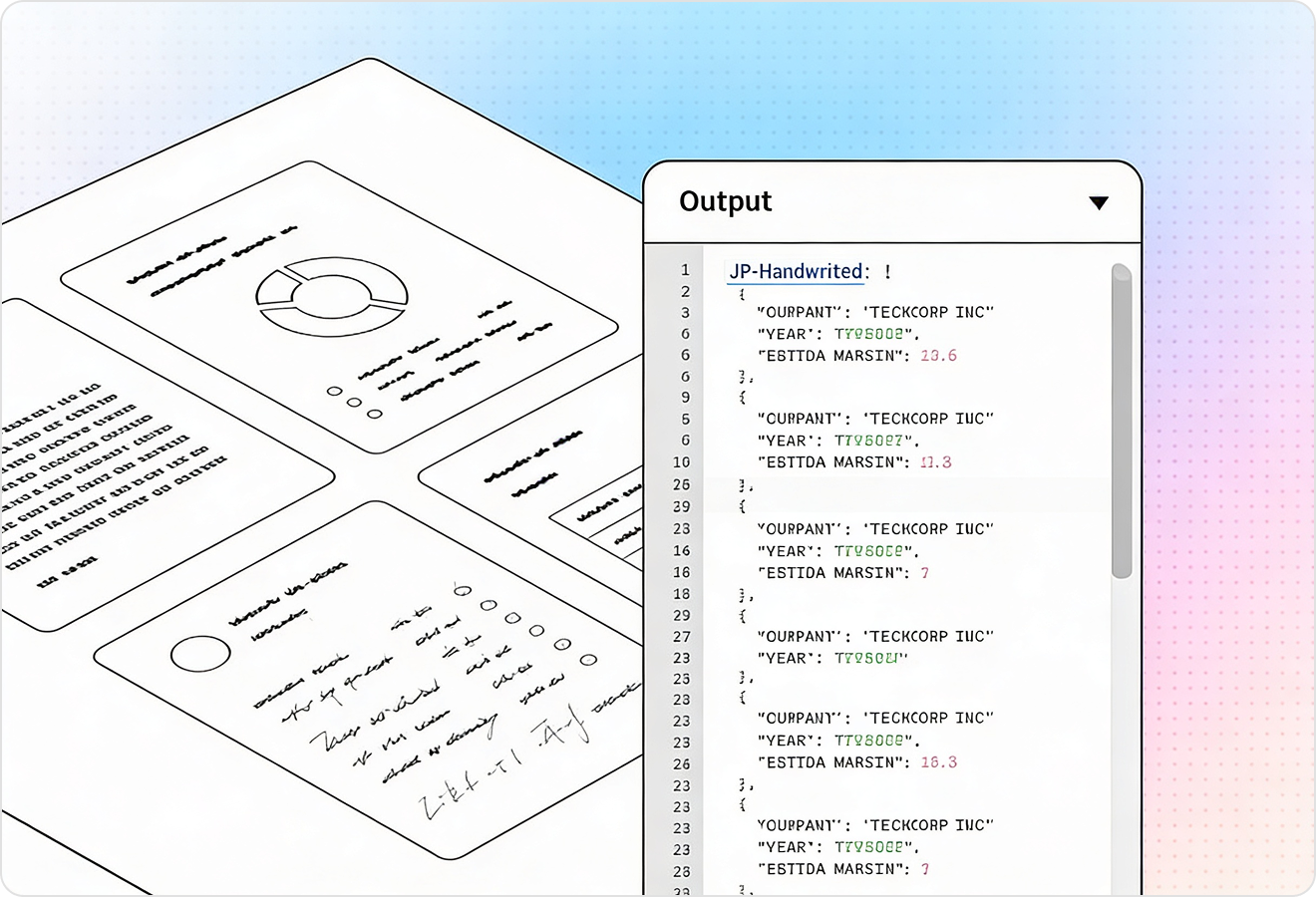
LlamaParse understands sales order layout and preserves reading order across headers, ship-to/bill-to blocks, and multi-column sections. It reliably extracts line-item tables (SKU, quantity, unit price, discounts) without the scrambled rows that break downstream ERP ingestion.
02
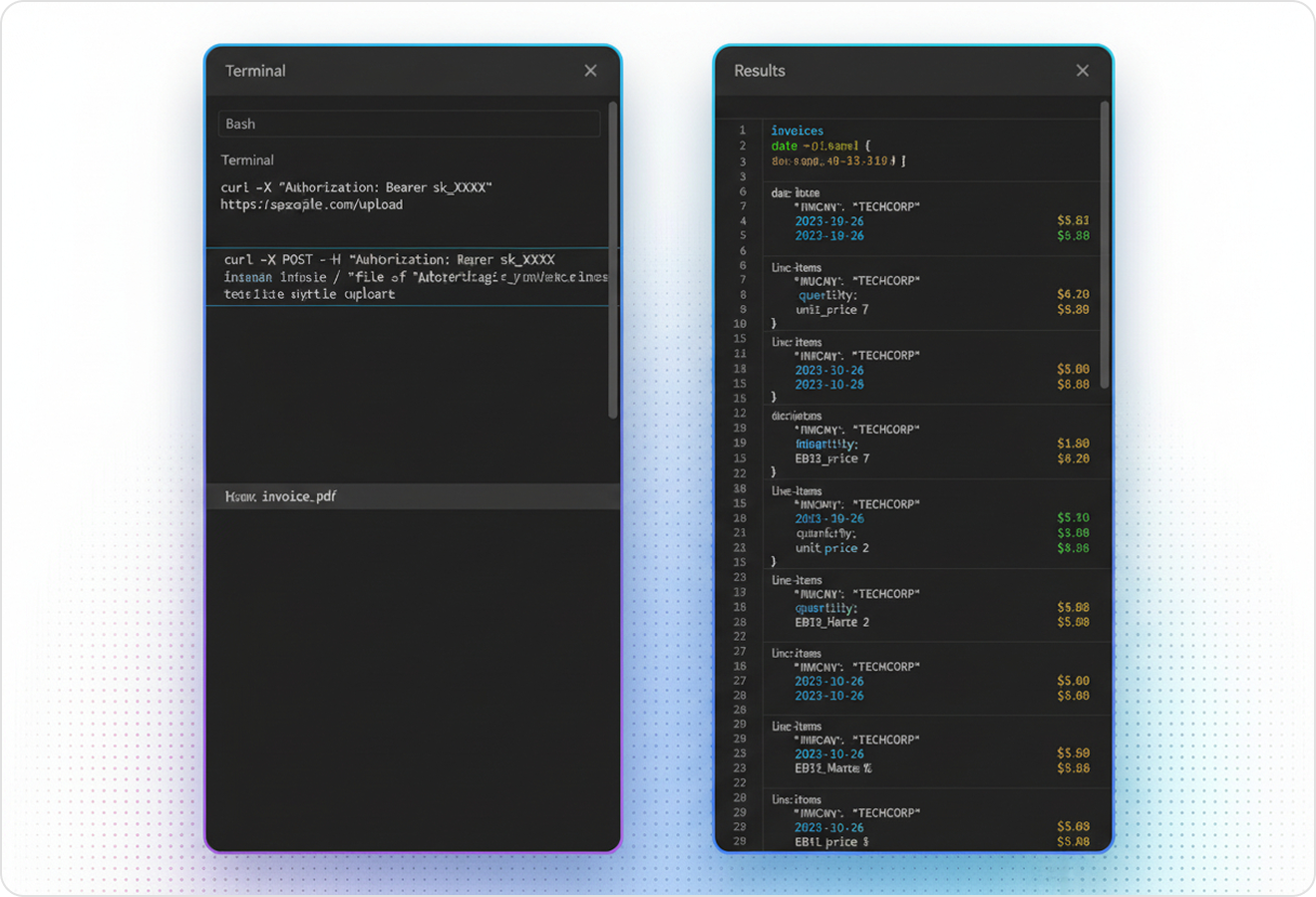
JSON Mode returns clean, machine-ready fields for PO number, order date, customer, totals, tax, and each line item. This makes it easy to map sales orders directly into your order management system or validation rules without brittle post-processing.
03
Every extracted value can include page-level traceability like coordinates and element types, so you can see exactly where each field came from. That audit trail helps sales ops quickly review exceptions and resolve disputes when vendors send inconsistent forms.
04
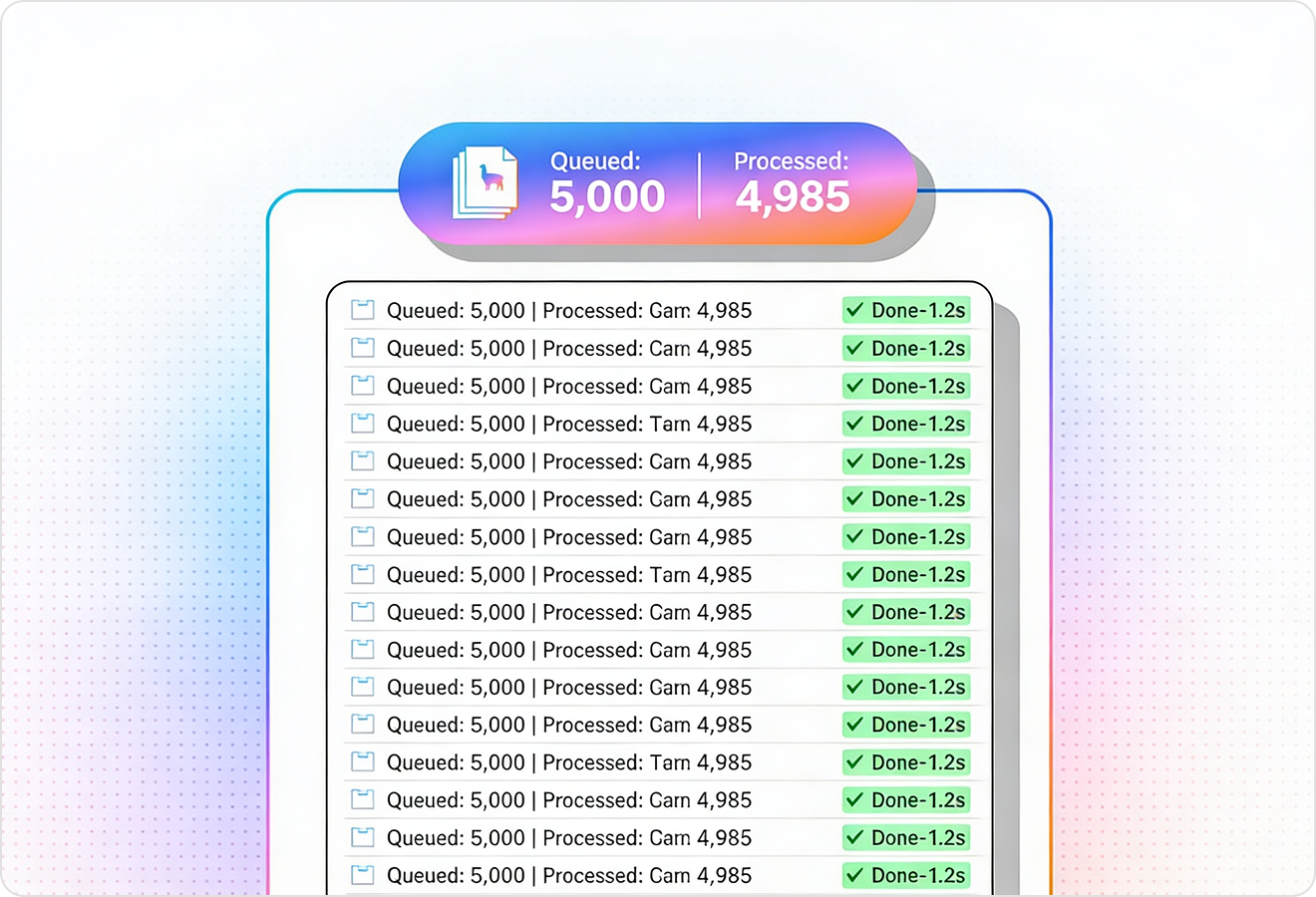
LlamaParse uses self-checking steps to catch common sales order issues like mismatched totals, missing currencies, or partial table reads on noisy scans. You get higher straight-through processing because the parser corrects errors before the data hits your system.
Technical OCR documentation
Explore our developer guides to easily connect your document pipelines to LlamaParse.
Explore the documentation
Our AI catches the typos that tired eyes miss.

Export to Excel, JSON, XML, or directly via API.

SOC2 Type II compliant with end-to-end encryption.

Train the tool on your specific forms in minutes, not days.

Average processing time of <3 seconds per page.
LlamaParse’s support of a wide variety of filetypes and its accuracy of parsing made it the best tool we tested in our evaluations. The LlamaIndex team was very responsive and we were off to the races within a day.
Common FAQs
01
Yes. The parser is layout-aware, preserving reading order across headers and address blocks while reliably extracting line-item tables without scrambled rows. That means SKUs, quantities, unit prices, and discounts come through cleanly for downstream ERP or OMS ingestion.
02
You can output structured, machine-ready JSON with consistent fields like order number, order date, customer info, totals, tax, and full line-item arrays. This reduces custom parsing and makes it straightforward to plug into your existing validation rules and import pipelines.
03
Yes—each value can include extraction metadata such as page coordinates and element type so reviewers can trace it back to the original document. This speeds up exception handling and builds confidence when vendors send inconsistent formats.
04
How does it handle noisy scans or common errors like mismatched totals and missing currency?
It runs auto-correction validation loops to detect and fix common issues before the data reaches your systems. That improves straight-through processing by catching partial table reads, inconsistent totals, and missing or ambiguous fields early.
05
What happens when a sales order doesn’t match our expected format or something looks off?
Instead of silently failing, the system flags exceptions and provides the supporting metadata needed to review quickly. You can route those cases for human review while keeping the majority of orders flowing automatically.
06
Can it extract everything we need beyond line items—like customer details, dates, taxes, and totals?
Yes. Along with line items, it returns key header and summary fields such as customer, order date, taxes, discounts, and grand totals in a consistent JSON schema. This helps you automate end-to-end order intake, not just table extraction.