
Nov 14, 2025
Document AI: The Next Evolution of Intelligent Document ProcessingPersona
Industry
Use cases
Shipping Request Form OCR
[ Shipping Request Form OCR ]

Use LlamaParse to accurately capture line items and fields, even when layouts change.
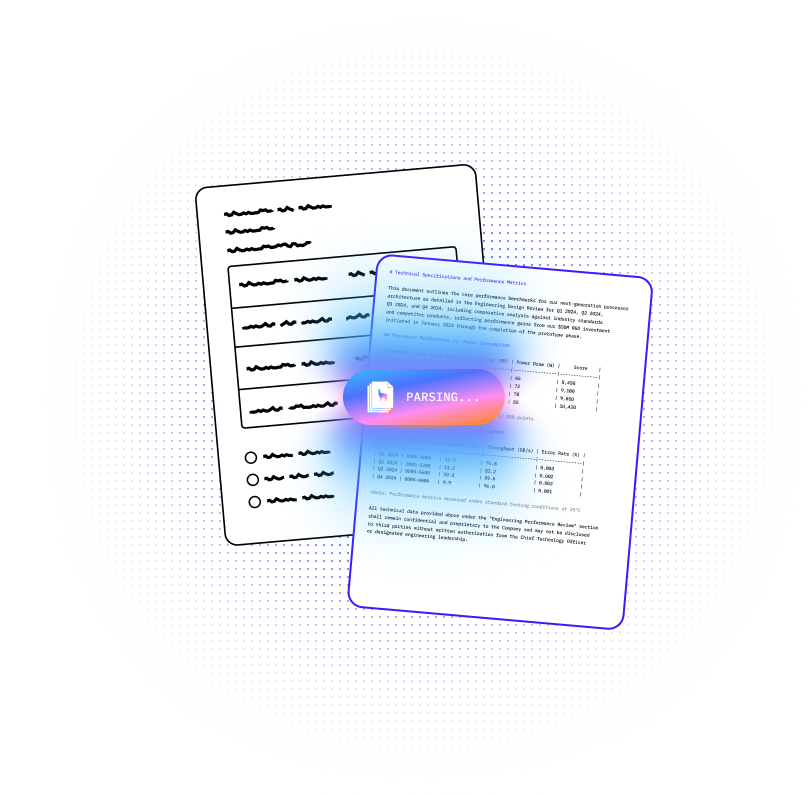


LlamaParse turns messy shipping request forms into clean, structured fields like ship-from, ship-to, SKUs, quantities, dates, and special handling notes. It understands layouts and tables, validates extractions with confidence signals, and outputs JSON or Markdown your ops systems can trust.
Best-in-Class Accuracy

Turn emailed and scanned shipping request forms into clean JSON that maps directly into your TMS—shipper/consignee, Incoterms, lane, accessorials, and pickup windows included. LlamaParse is layout-aware, so multi-column forms and dense tables don’t scramble, reducing rework, missed requirements, and shipment delays

Extract part numbers, quantities, packaging specs, and dock appointment details from supplier shipping request forms and push them straight into ERP/WMS to pre-build ASNs and inbound schedules. With natural-language parsing instructions, ops teams can standardize inconsistent supplier templates without writing brittle regex or custom layout rules.

Normalize shipping request forms from vendors into verifiable, auditable records with page-level citations and confidence scores for review workflows. LlamaParse preserves tables and header/footer context, preventing mis-keyed delivery locations, funding codes, or contact details that create compliance exceptions.

Ship “upload your shipping request form” as a product feature that instantly converts PDFs into structured fields for booking, quoting, and label creation—without building a fragile extraction pipeline. Use tier-based agentic processing to keep unit economics predictable by applying heavier parsing only to messy scans while routing clean pages through faster, cheaper modes.
The Solution
01
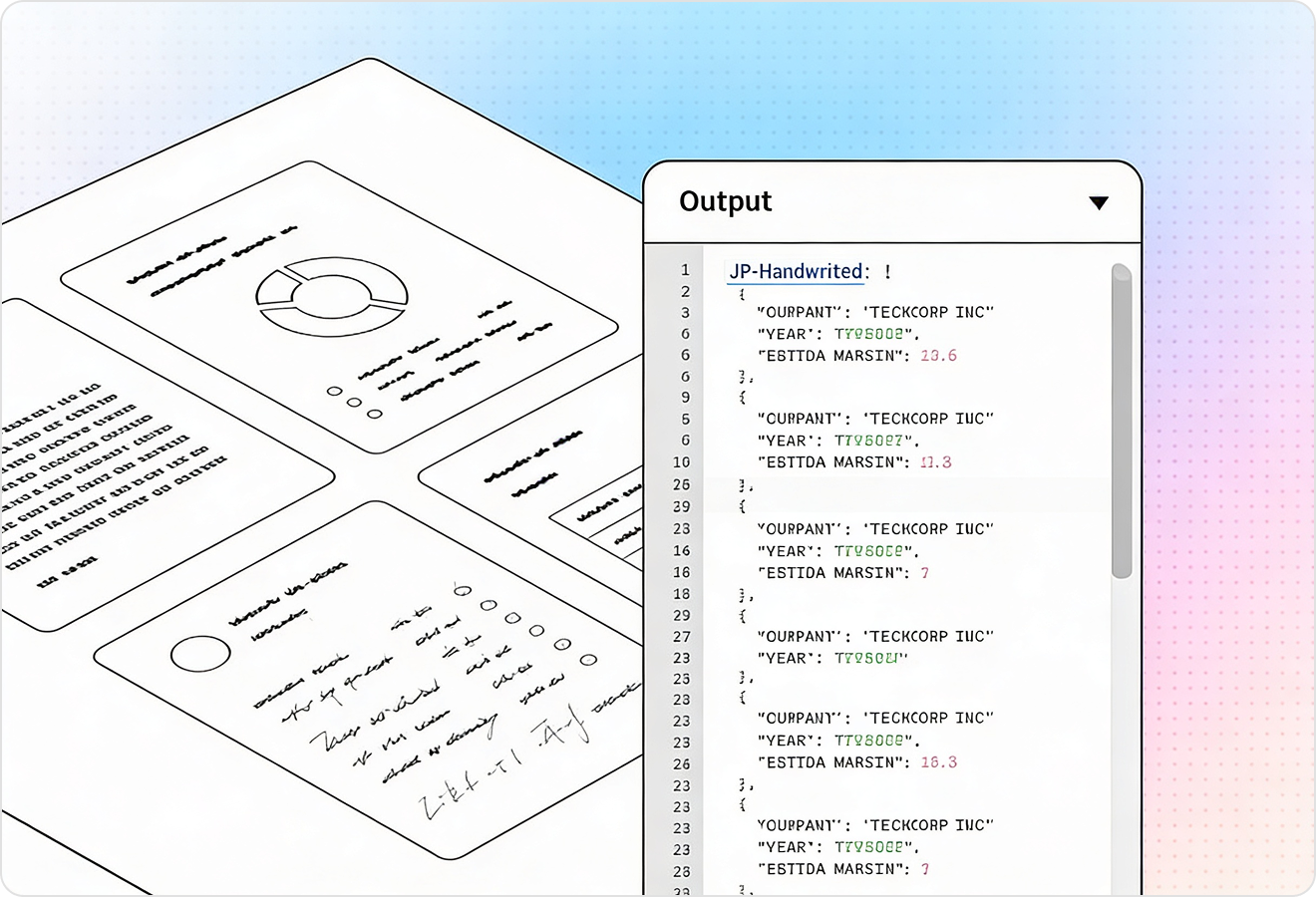
LlamaParse understands page layout so it can reliably capture key shipping request fields (ship-to, requested date, service level, references) even when forms shift across versions. It preserves reading order across multi-column sections and headers/footers so downstream systems don’t ingest scrambled addresses or instructions.
02
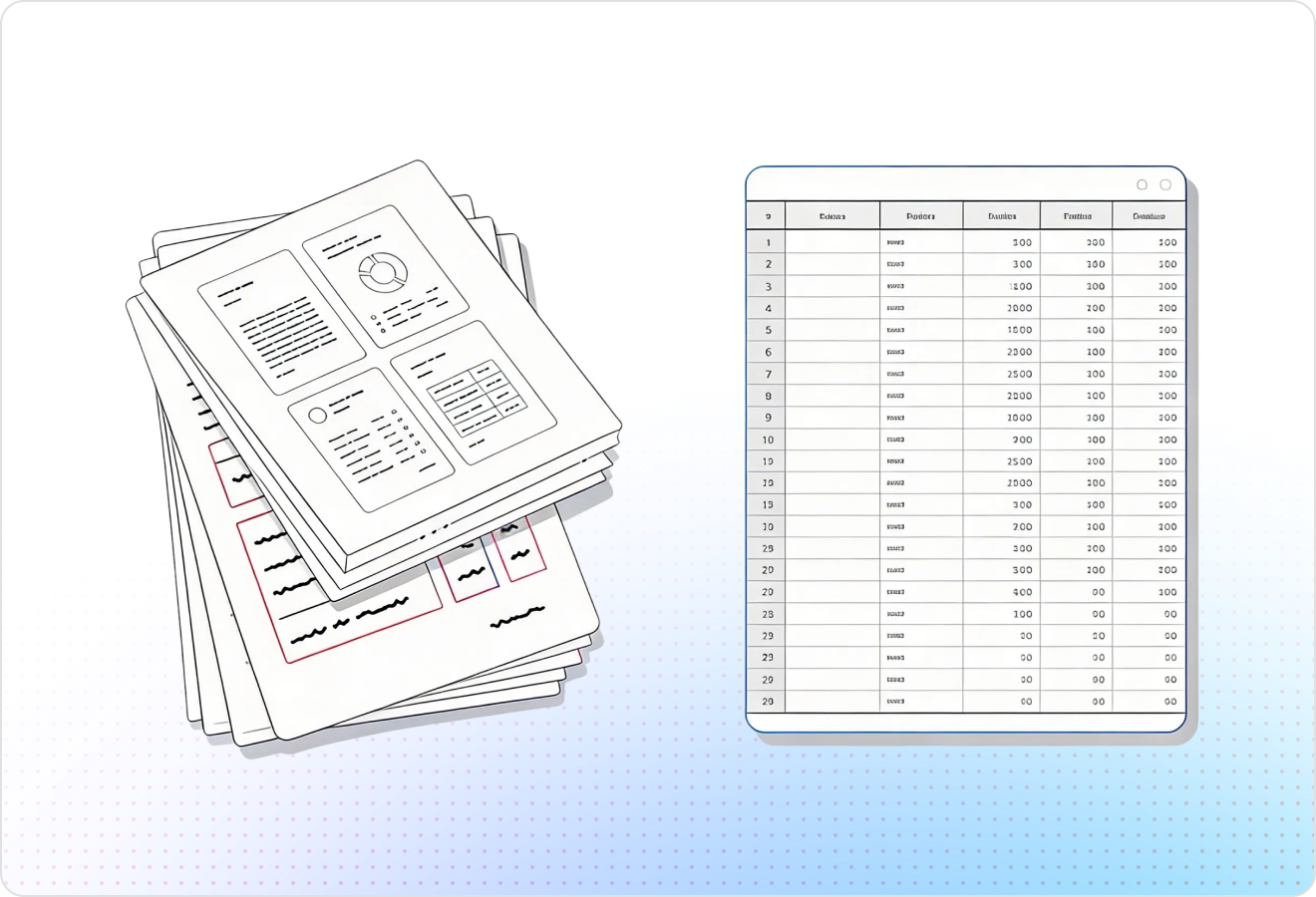
Shipping request forms often include item tables (SKU, quantity, weight, dimensions) that break brittle parsers when cells merge or lines are faint. LlamaParse extracts these tables cleanly and returns structured outputs you can map directly into your TMS/ERP without manual reformatting.
03
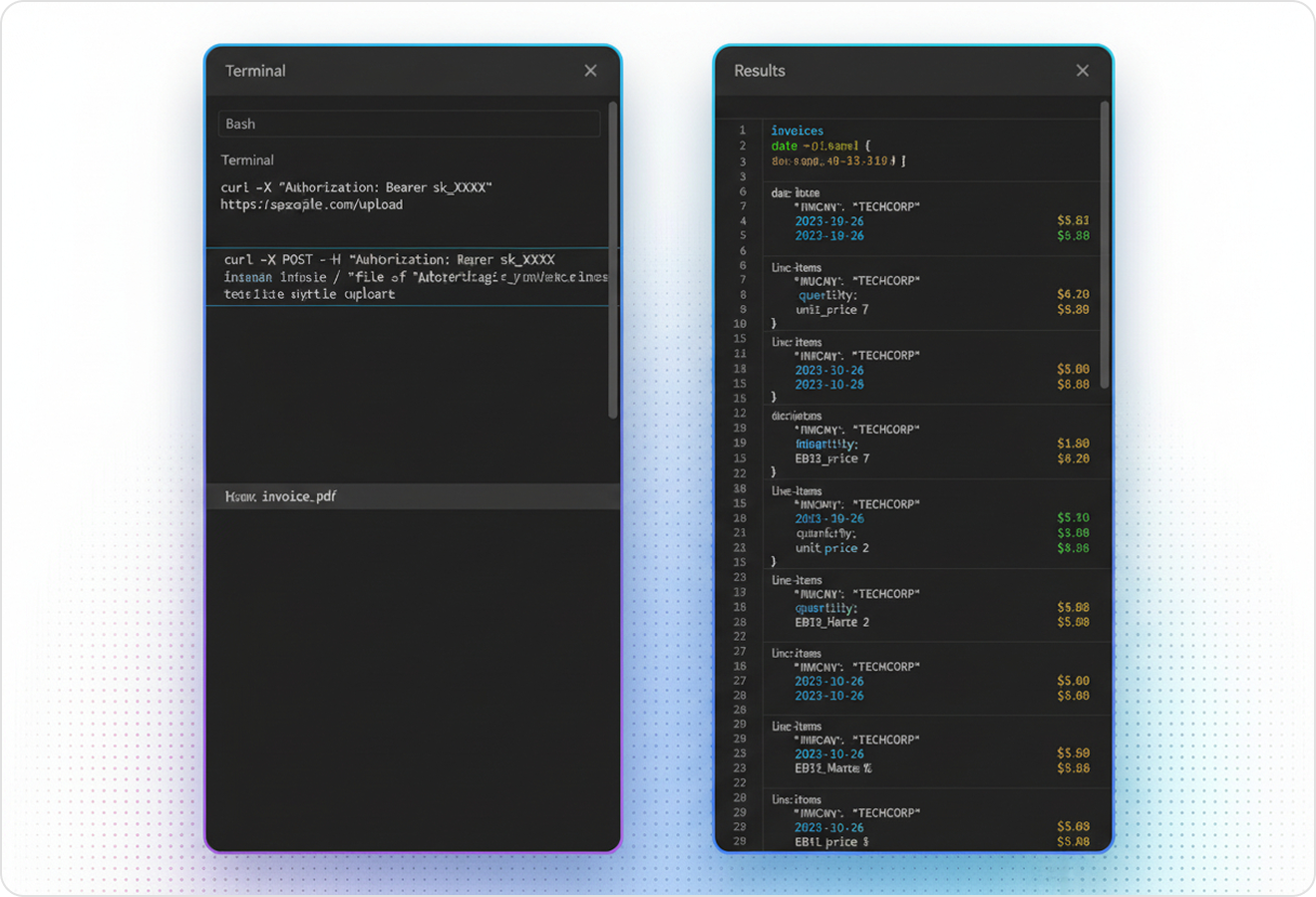
LlamaParse can output normalized JSON for shipping requests, with each extracted field tied to page metadata like coordinates and page numbers. That makes it easy to audit what was captured, build human-in-the-loop review for low-confidence fields, and resolve disputes quickly by pointing back to the source.
04
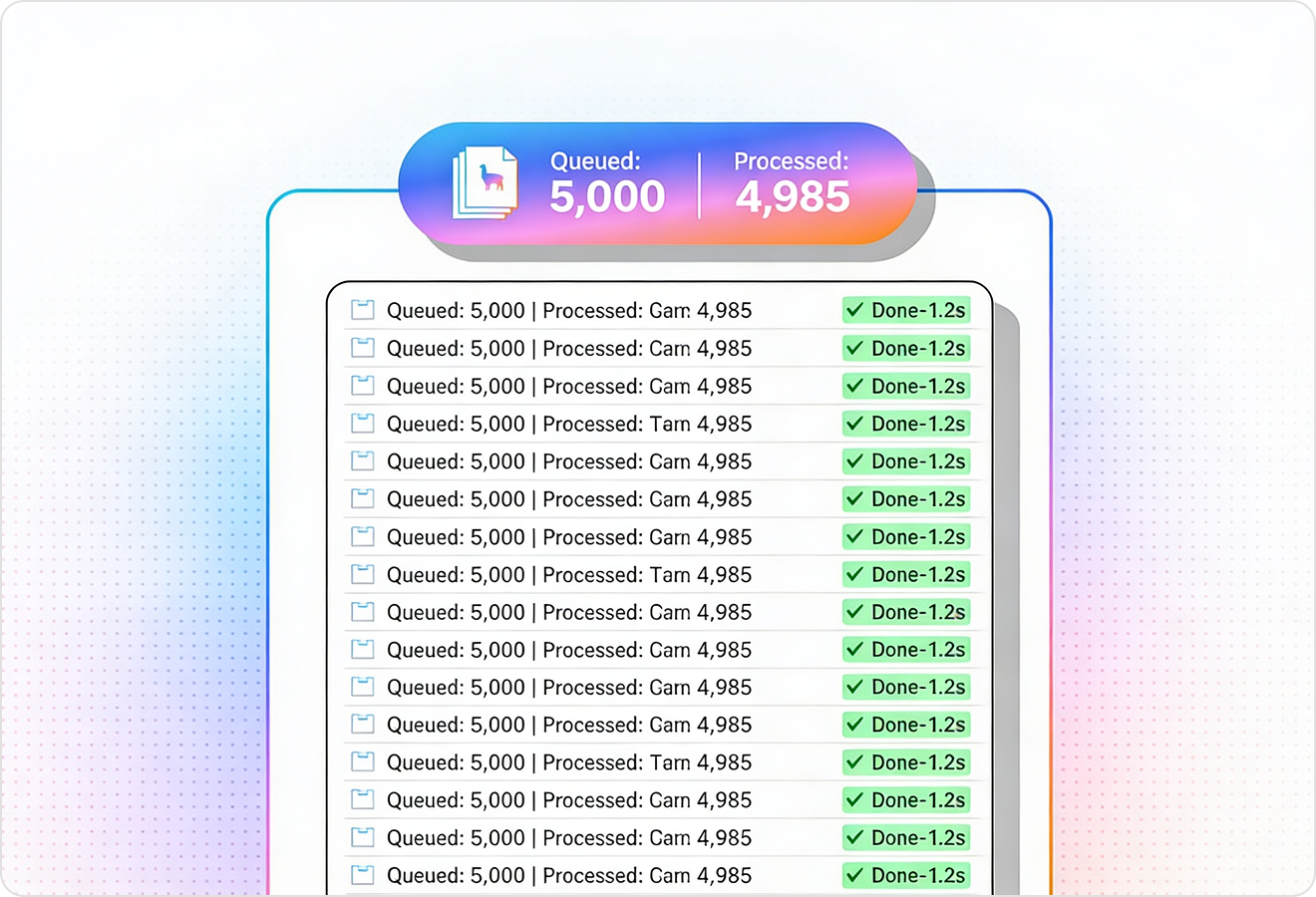
LlamaParse runs validation and self-correction steps to catch common document errors—like missing postal codes, inconsistent totals, or misread carrier codes—before results hit your workflow. This reduces exception handling in shipping operations and improves straight-through processing on messy scans and faxes.
Technical OCR documentation
Explore our developer guides to easily connect your document pipelines to LlamaParse.
Explore the documentation
Our AI catches the typos that tired eyes miss.

Export to Excel, JSON, XML, or directly via API.

SOC2 Type II compliant with end-to-end encryption.

Train the tool on your specific forms in minutes, not days.

Average processing time of <3 seconds per page.
LlamaParse’s support of a wide variety of filetypes and its accuracy of parsing made it the best tool we tested in our evaluations. The LlamaIndex team was very responsive and we were off to the races within a day.
Common FAQs
01
Yes. Layout-aware extraction captures key fields like ship-to, requested date, service level, and references even when sections move or the template is updated. It also preserves reading order across multi-column areas and headers/footers, so addresses and instructions don’t get scrambled.
02
It’s built to parse shipping line-item tables reliably, even when the table structure is imperfect. You’ll get clean, structured data for fields like SKU, quantity, weight, and dimensions that can be mapped directly into your TMS/ERP without manual cleanup.
03
Yes—JSON mode returns consistent, normalized fields so downstream workflows don’t need custom parsing for every customer form. This reduces integration time and helps you automate intake without reformatting data for each template.
04
How can we audit extractions and prove where a value came from if there’s a dispute?
Each extracted field can be tied back to page metadata (like page number and coordinates) for full traceability. That makes spot-checking fast, enables human review for low-confidence fields, and gives you a clear source reference when questions come up.
05
What if a form has missing or inconsistent information—will bad data flow into our workflow?
Validation and auto-correction loops catch common issues such as missing postal codes, inconsistent totals, or misread carrier codes before results are delivered. This reduces exceptions and rework, improving straight-through processing on messy scans, emails, and faxes.
06
Is this reliable enough for high-volume shipping operations, or will my team still need to re-key data?
It’s designed to minimize manual entry by extracting both top-level fields and line items with strong consistency across varying document quality. When review is needed, traceability makes it quick and targeted—so your team spends time on true exceptions, not routine transcription.