Nov 14, 2025
Document AI: The Next Evolution of Intelligent Document ProcessingPersona
Industry
Use cases
Brokerage Statement OCR
[ Brokerage Statement OCR ]

Use LlamaParse to turn messy brokerage PDFs into verified, structured fields you can trust.
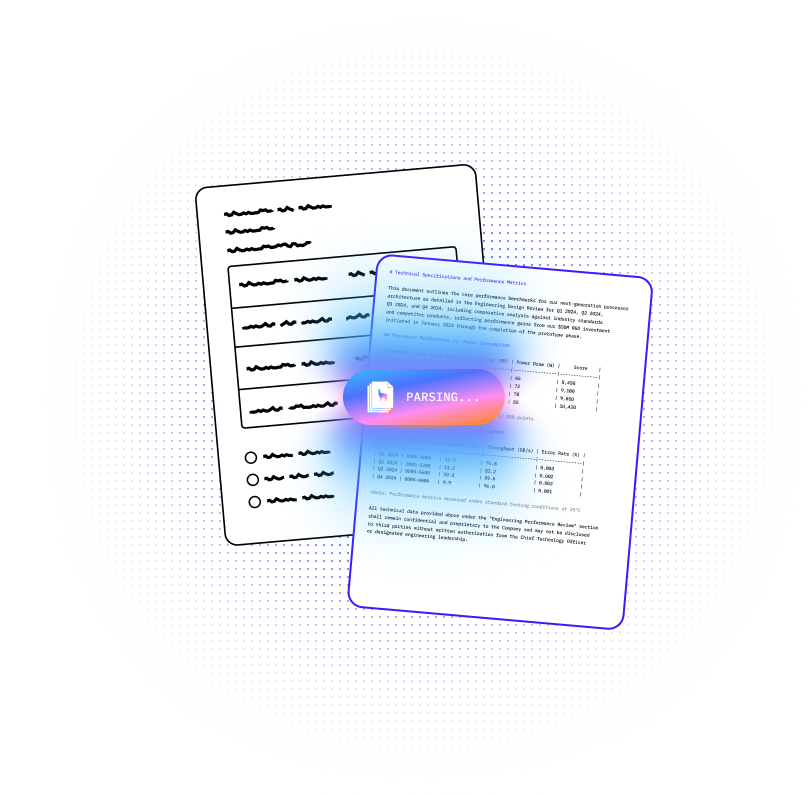
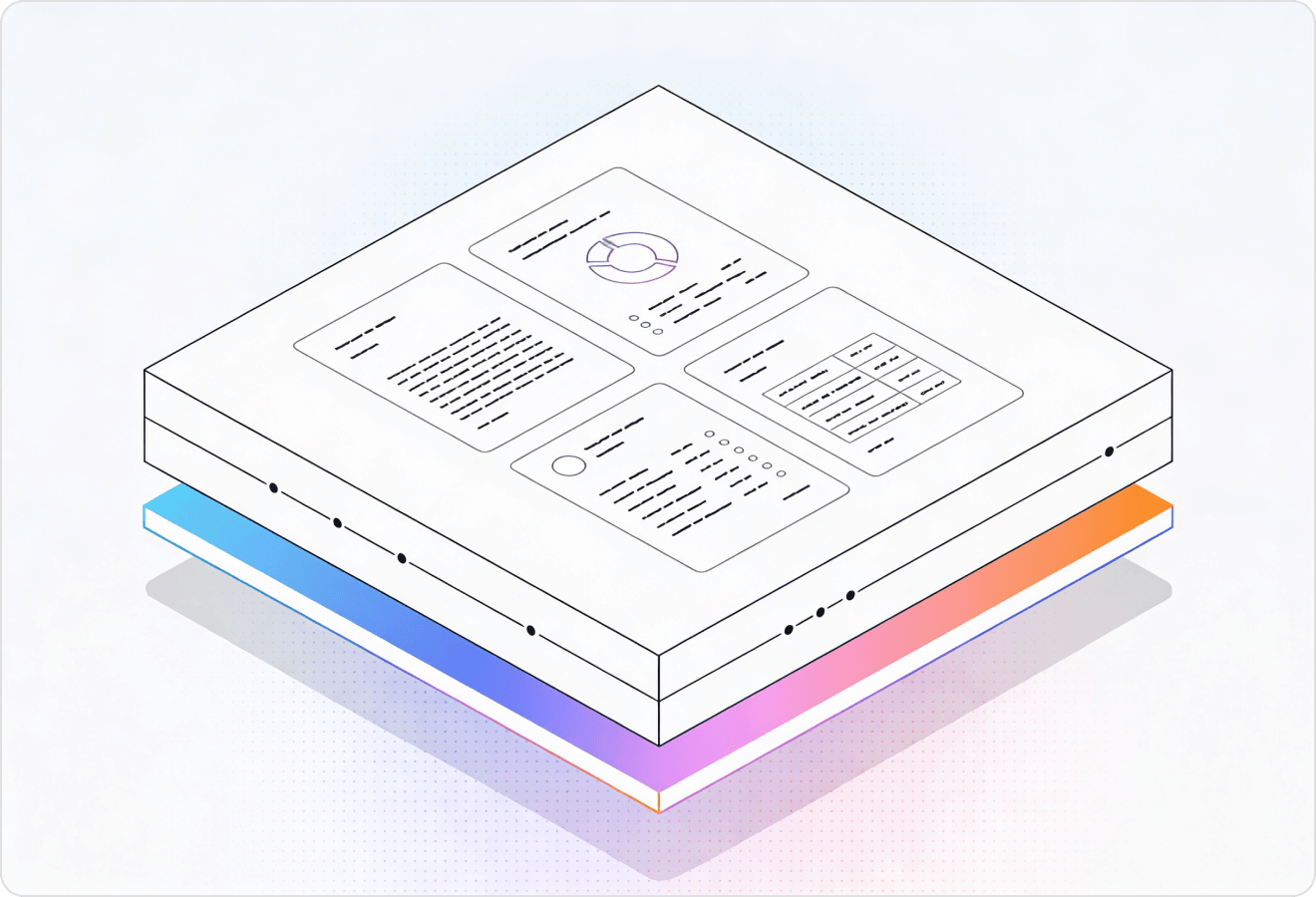

LlamaParse turns messy brokerage statements into clean, structured outputs you can trust, so positions, transactions, and fees flow straight into your systems. Agentic document parsing understands layouts, tables, and embedded visuals, then validates results with citations and confidence scores for faster review.
Best-in-Class Accuracy

Turn client brokerage statements into clean, structured holdings and transactions with LlamaParse’s layout-aware table extraction, even when statements use multi-column layouts and nested positions tables. Feed that output into portfolio review and compliance workflows so advisors stop hand-keying data and can respond to client questions in minutes, not days.

Automate asset verification by parsing brokerage statements into standardized JSON fields (account owner, balances, positions, deposits, and large transfers) with traceable metadata for audit-ready reviews. Natural language parsing instructions let ops teams adapt to new statement templates without brittle rules, reducing conditional approvals and back-and-forth with borrowers.

Extract and reconcile investment activity from brokerage statements to validate financial-loss claims and flag inconsistencies, using citations and confidence scores to speed adjuster decisions. Agentic parsing handles embedded charts and irregular statement sections that traditional OCR scrambles, cutting manual document review on complex claims.

Ship brokerage statement ingestion fast by using LlamaParse to convert messy PDFs into reliable Markdown/JSON your product can map to a canonical schema for onboarding and account aggregation. Tier-based processing keeps unit economics predictable by reserving heavier agentic parsing only for the pages that are actually hard.
The Solution
01
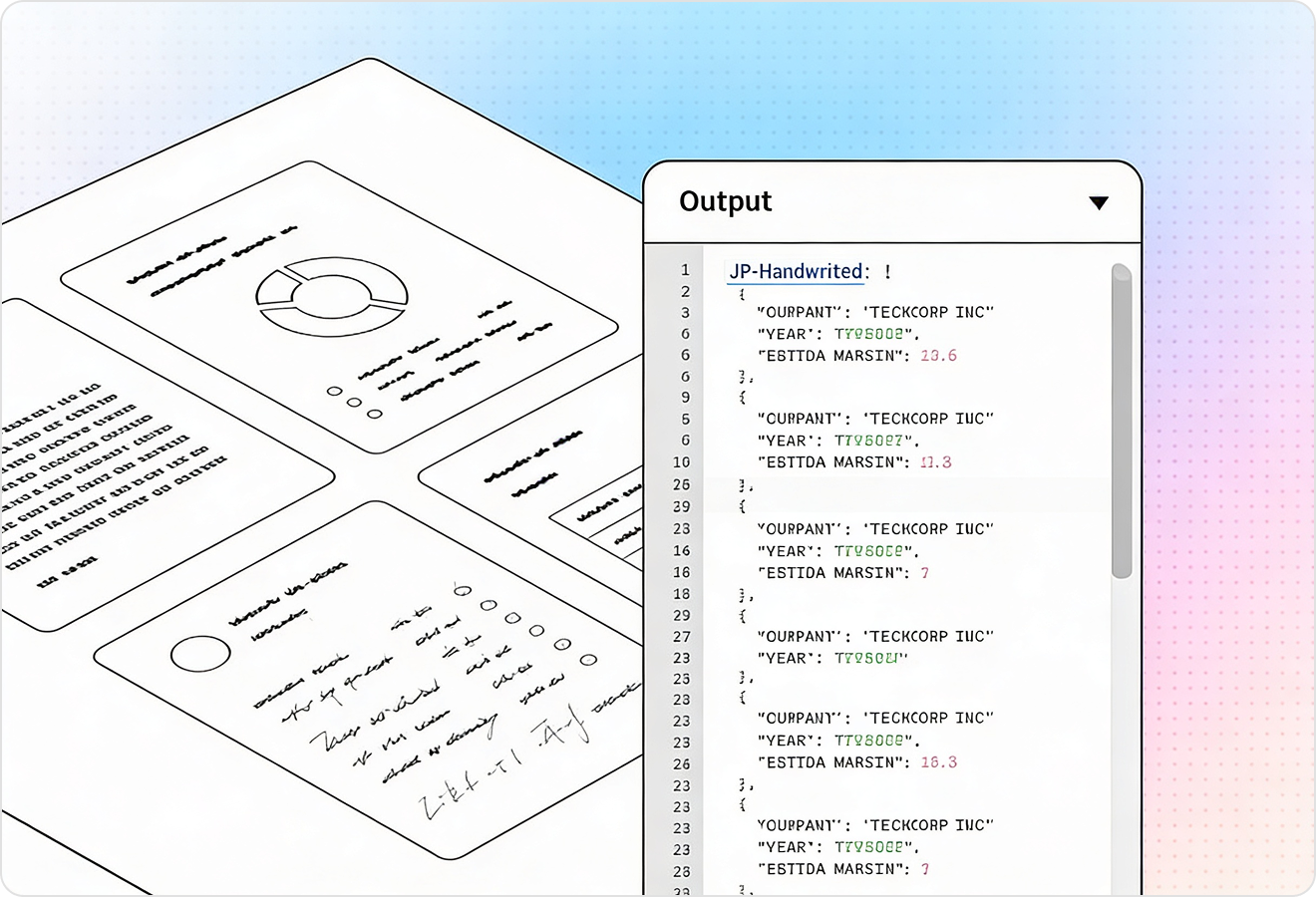
LlamaParse preserves reading order and structure across multi-column brokerage statements, including headers, footers, and section breaks. It reliably extracts holdings, transactions, and fees tables without the cell-shifting and scrambled lines you get from traditional OCR.
02
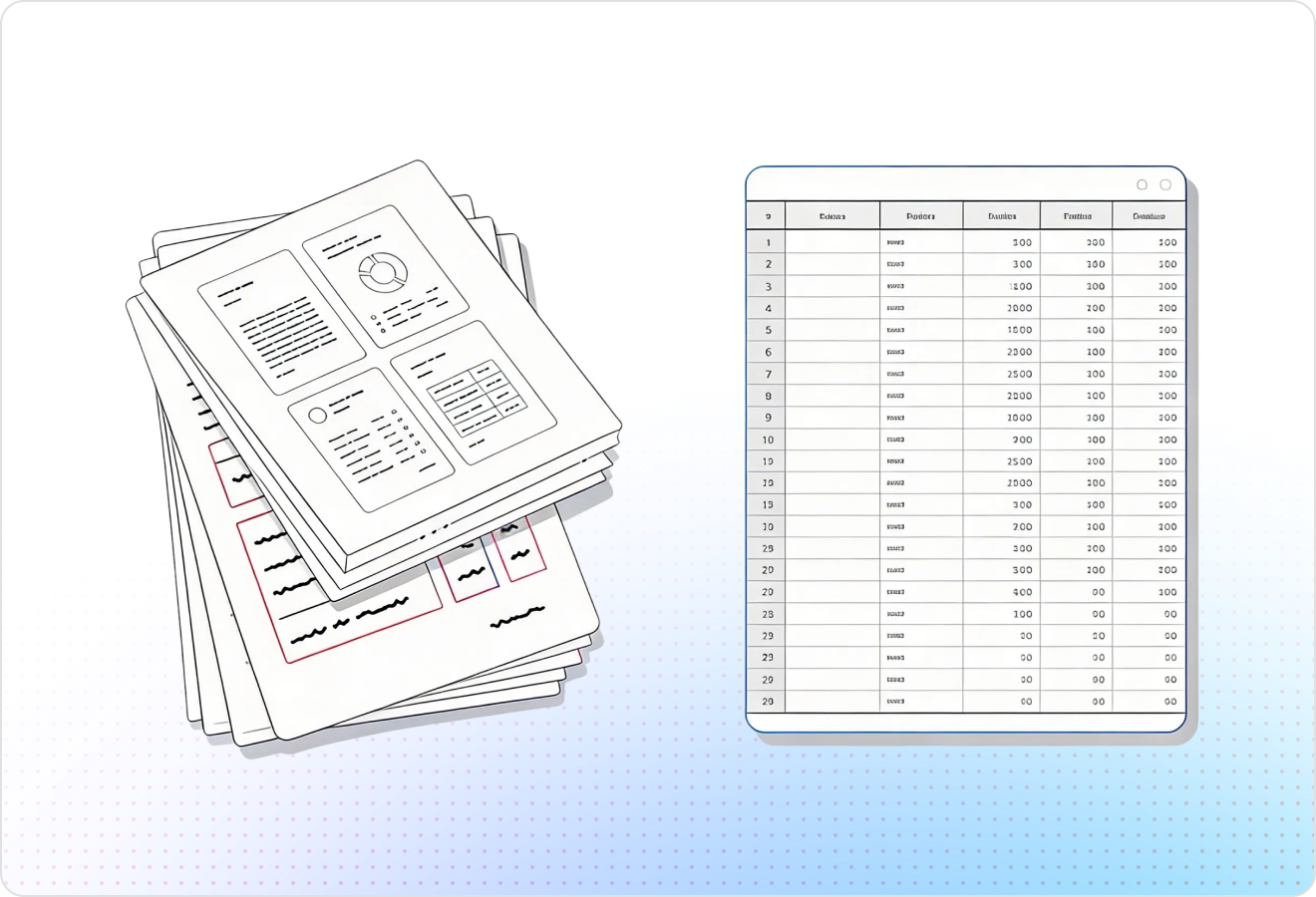
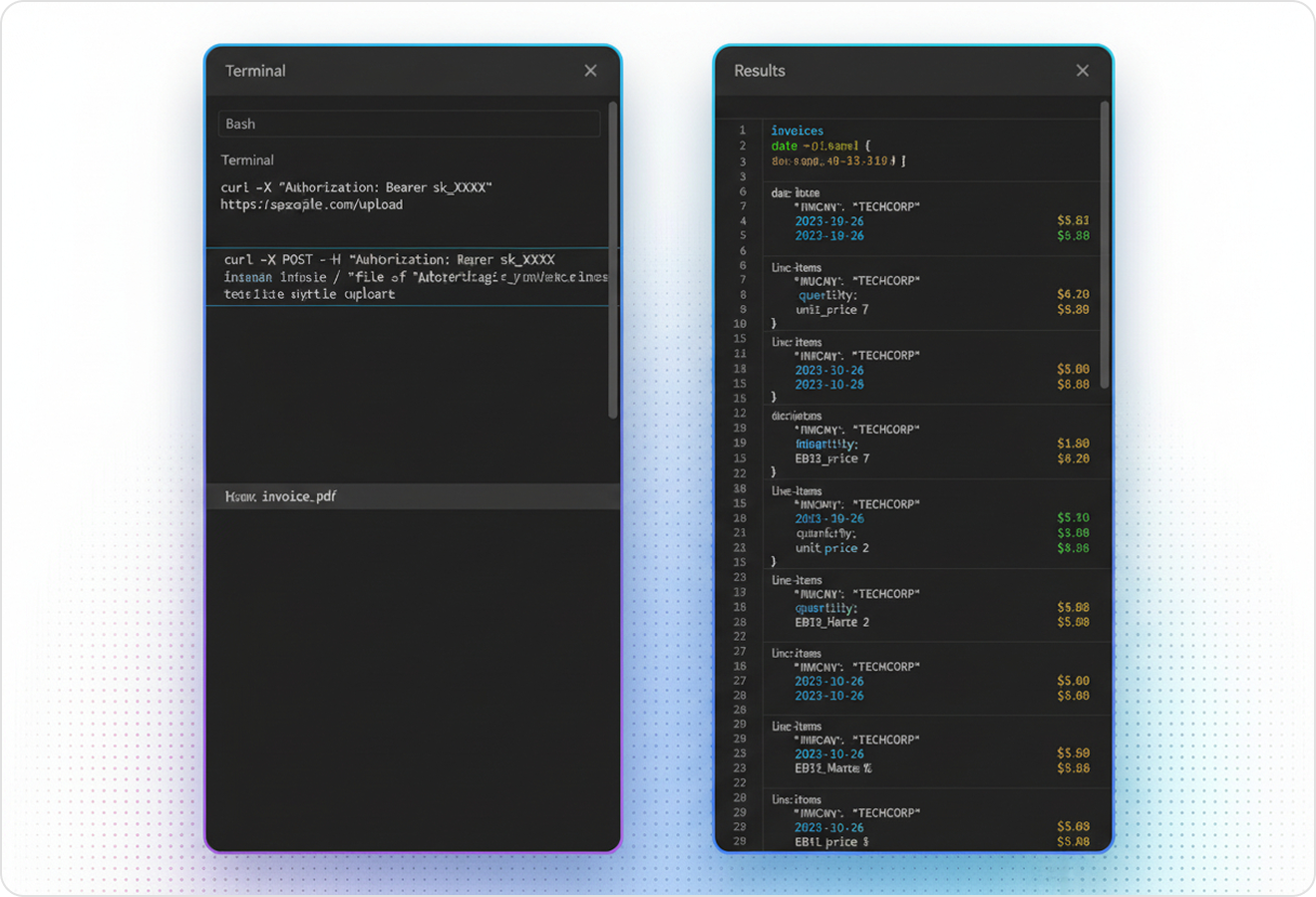
LlamaParse can return structured JSON for key fields like account number, statement period, balances, positions, and activity lines. This makes it straightforward to map statement data into your portfolio system or reconciliation pipeline without brittle post-processing.
03
Every extracted element can include trace metadata like page references and bounding boxes for auditability. That traceability is critical for brokerage statements where you need to prove where a number came from and support fast human review on exceptions.
04
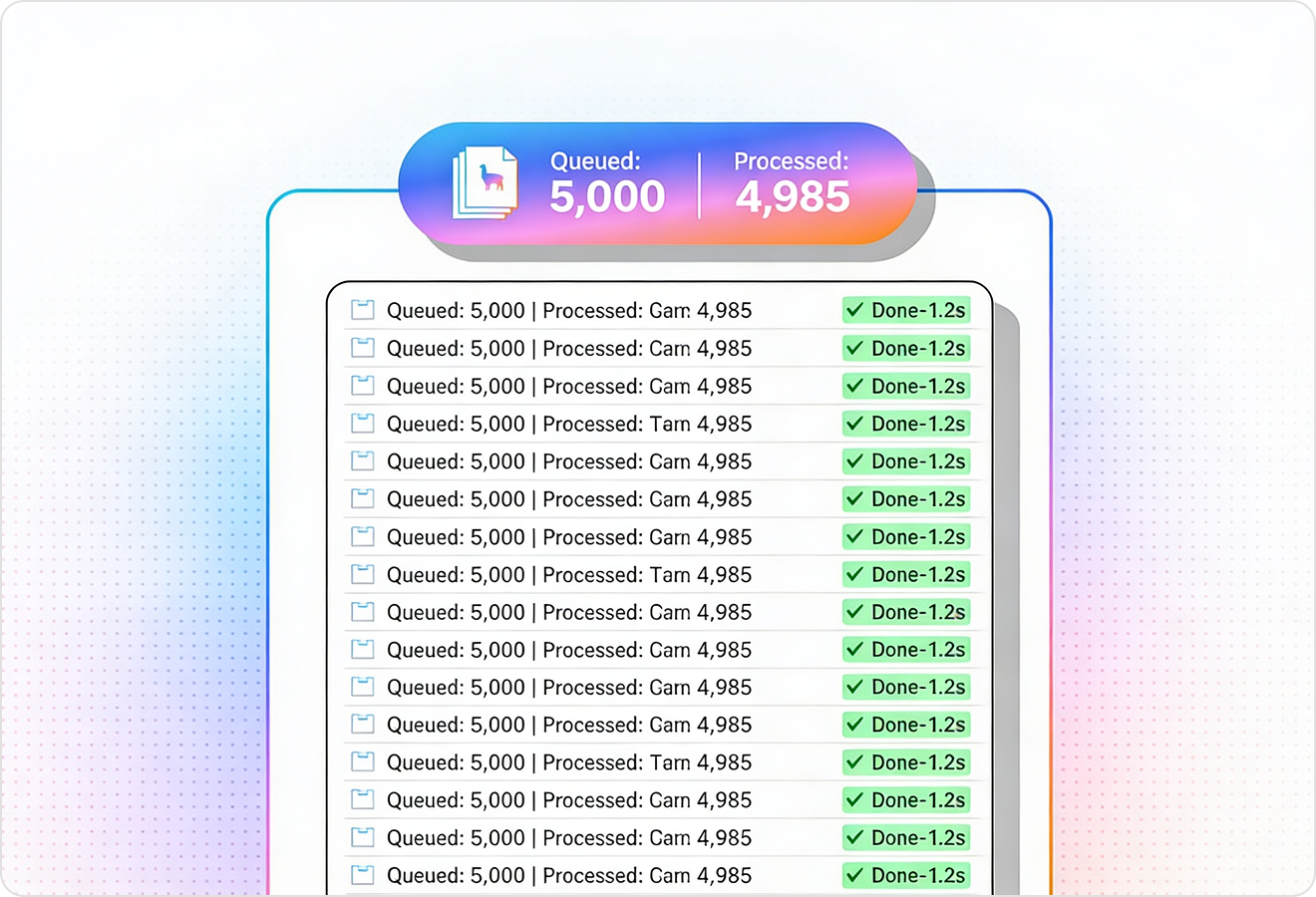
LlamaParse uses agentic validation to catch and fix common extraction issues such as broken rows, missing totals, or inconsistent currency formatting. For brokerage statements, this improves straight-through processing on messy scans and reduces manual cleanup before downstream calculations.
Technical OCR documentation
Explore our developer guides to easily connect your document pipelines to LlamaParse.
Explore the documentation
Our AI catches the typos that tired eyes miss.

Export to Excel, JSON, XML, or directly via API.

SOC2 Type II compliant with end-to-end encryption.

Train the tool on your specific forms in minutes, not days.

Average processing time of <3 seconds per page.
LlamaParse’s support of a wide variety of filetypes and its accuracy of parsing made it the best tool we tested in our evaluations. The LlamaIndex team was very responsive and we were off to the races within a day.
Common FAQs
01
It’s layout-aware, so it preserves reading order across columns, headers/footers, and section breaks. That means holdings, transactions, and fees tables come through cleanly—without the scrambled lines and shifted cells common in traditional OCR.
02
Yes—outputs can be returned as statement-to-JSON with key fields like account number, statement period, balances, positions, and transaction rows. This makes it easy to map data into your portfolio, reporting, or reconciliation pipeline with minimal post-processing.
03
Each extracted element can include traceable metadata such as page references and bounding boxes. This gives you a clear audit trail and speeds up human review because reviewers can jump directly to the exact source location on the statement.
04
What happens when the PDF is a messy scan or the table rows are broken?
Auto validation and correction loops help catch common issues like broken rows, missing totals, and inconsistent currency formatting. The result is higher straight-through processing rates and less manual cleanup before downstream calculations.
05
Will it capture tables reliably without me building fragile templates for each broker format?
It’s designed to generalize across varying statement layouts by using structure-aware parsing rather than rigid, broker-specific templates. You can onboard new statement formats faster and avoid constant maintenance when brokers update their designs.
06
How does this reduce risk and workload compared to manual keying or basic OCR tools?
You get structured outputs plus validation to reduce downstream errors, and trace metadata to support quick, confident approvals on exceptions. That combination typically cuts rework time and helps teams move from manual review to scalable, repeatable automation.