Nov 14, 2025
Document AI: The Next Evolution of Intelligent Document ProcessingPersona
Industry
Use cases
Credit Application OCR
[ Credit Application OCR ]

Use LlamaParse to extract credit data reliably, validate fields automatically, and reduce manual review.
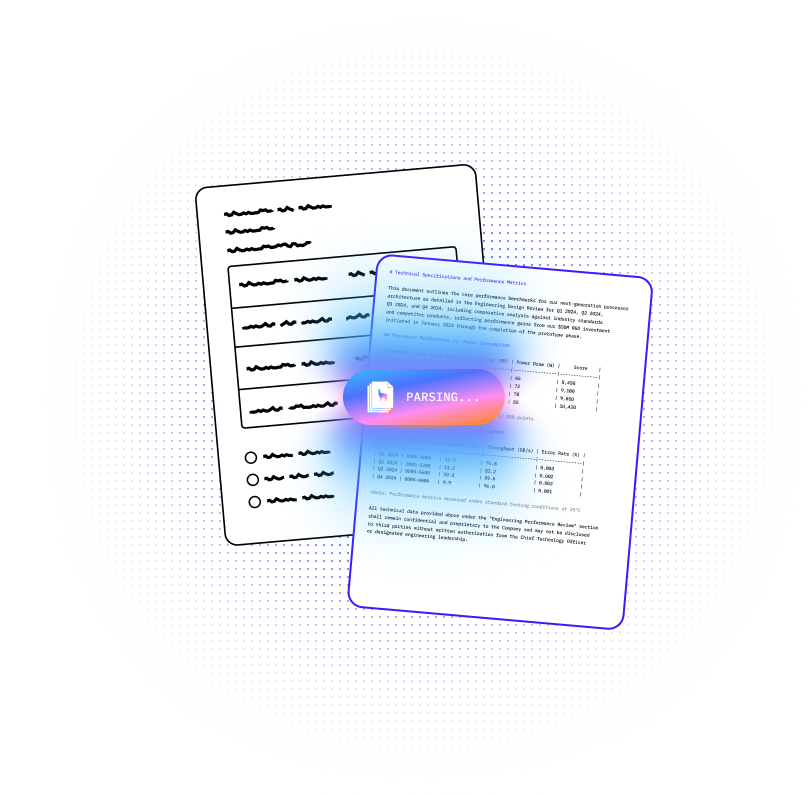
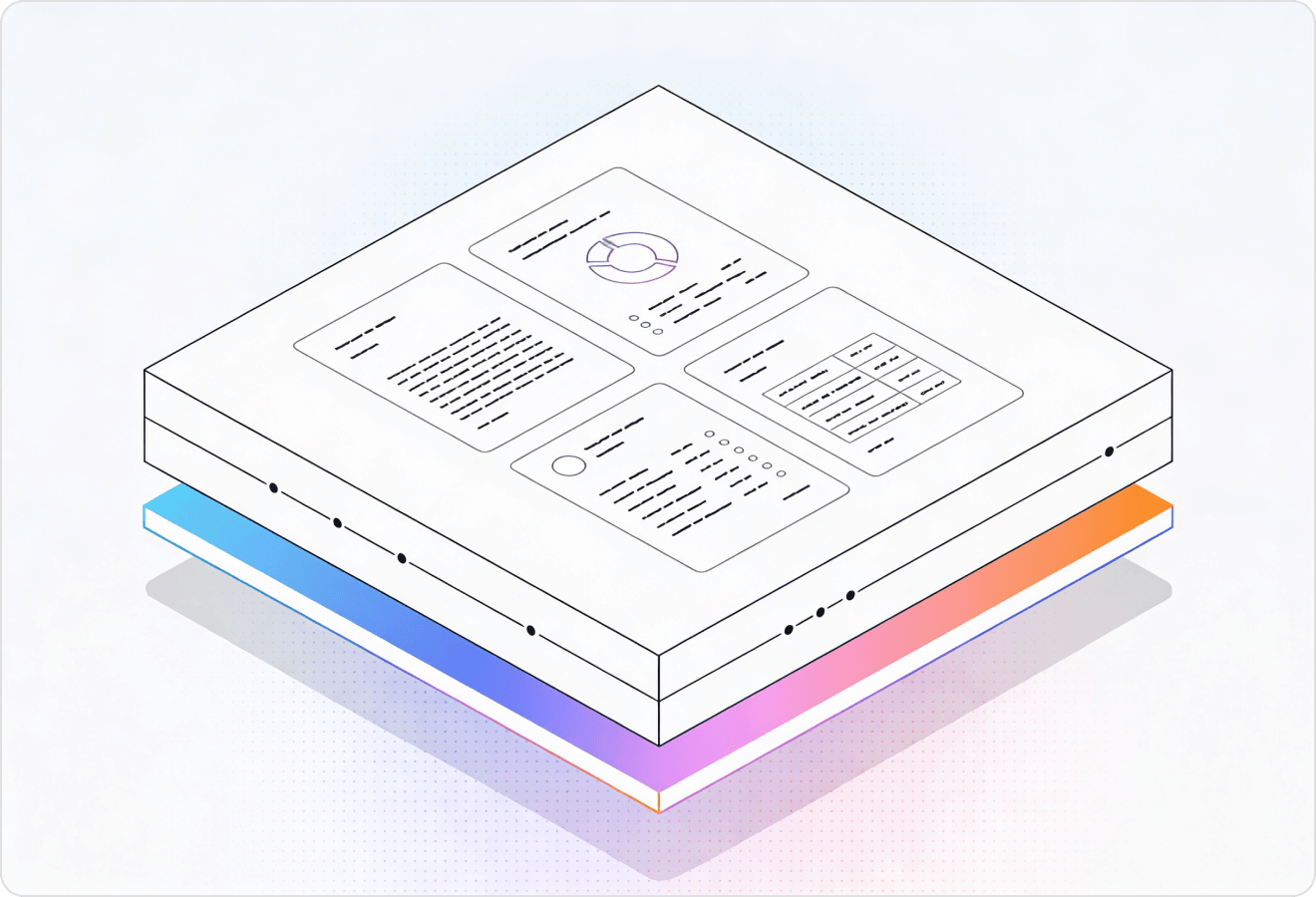

LlamaParse turns messy credit application packets into clean, structured data by understanding layout, tables, and attachments instead of guessing at raw text. It uses agentic parsing with validation loops and traceable metadata, so teams speed decisions, cut rework, and trust every extracted field.
Best-in-Class Accuracy

Use LlamaParse in LlamaCloud to parse credit applications into clean JSON with citations, even when applicants upload multi-column PDFs, scans, and nested tables that break traditional OCR. Auto correction loops and validation metadata reduce rework and speed up underwriting by pushing more applications straight through to decisioning.

Dealers can ingest credit apps, pay stubs, and trade-in documentation and have LlamaParse preserve reading order and table structure so F&I teams stop manually re-keying fields from messy forms. Natural language parsing instructions let you map lender-specific requirements into a consistent schema, cutting funding delays caused by missing or misformatted data.

Leasing teams can process tenant credit applications and supporting documents with layout-aware extraction that correctly captures employer history, income tables, and consent language from varied templates. Structured outputs with page-level traceability make audits and dispute resolution faster by linking every decision back to the exact source location.

Startups can ship credit-application ingestion in days by using LlamaParse APIs to turn uploaded PDFs and images into AI-ready Markdown or JSON without brittle regex pipelines. Tier-based agentic processing keeps costs predictable while still handling edge-case scans, so you can scale from pilot to production without rewriting your parsing stack.
The Solution
01
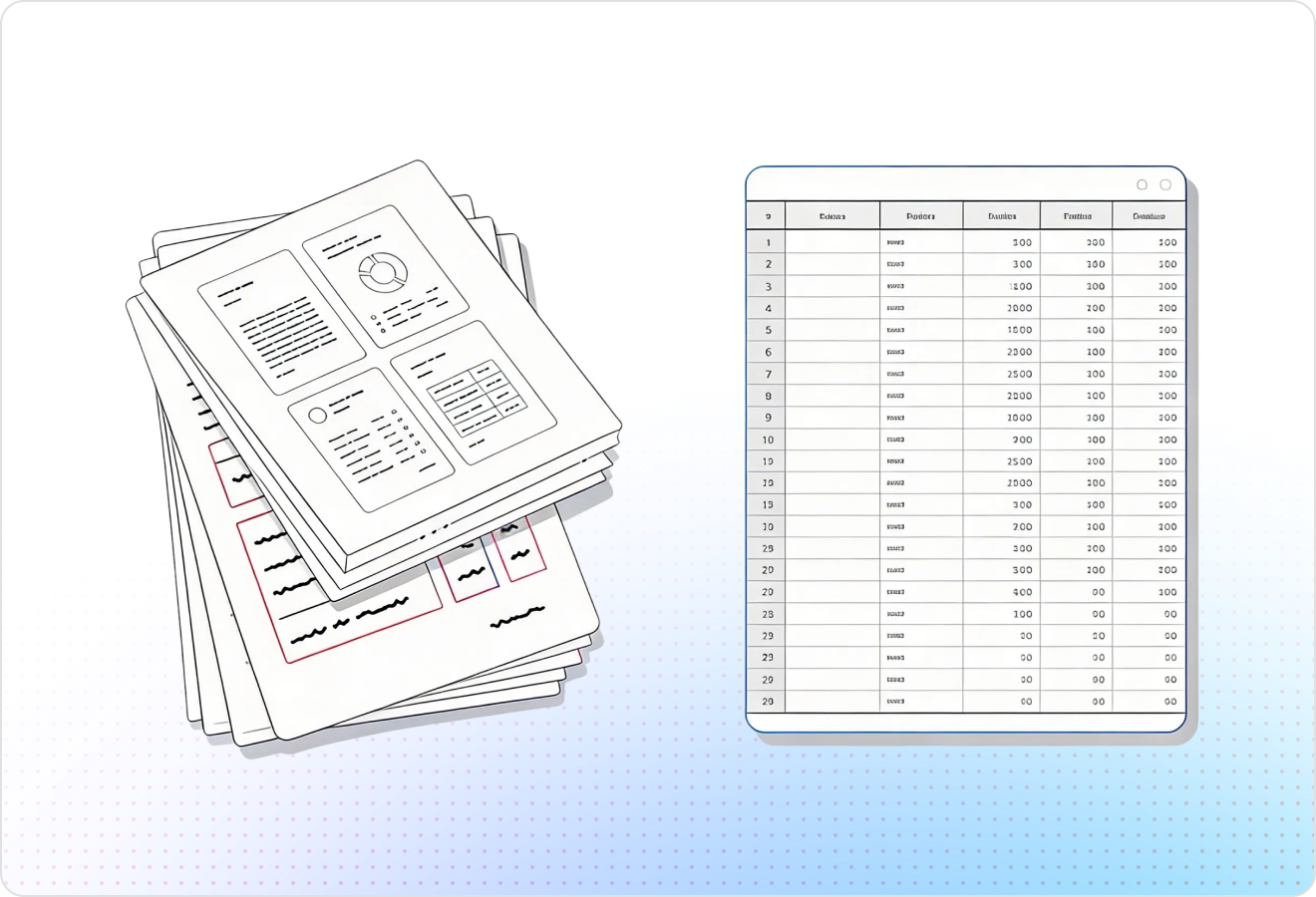
LlamaParse understands real credit application layouts—multi-column sections, checkboxes, headers/footers, and repeated fields—so extracted text stays in the right order. That means borrower identity, employment, and address blocks don’t get scrambled, reducing manual cleanup before underwriting.
02
LlamaParse accurately extracts tables like income breakdowns, liabilities, and monthly payment schedules without losing rows, columns, or totals. This makes it easier to compute debt-to-income and validate declared numbers against supporting documents in the same application packet.
03
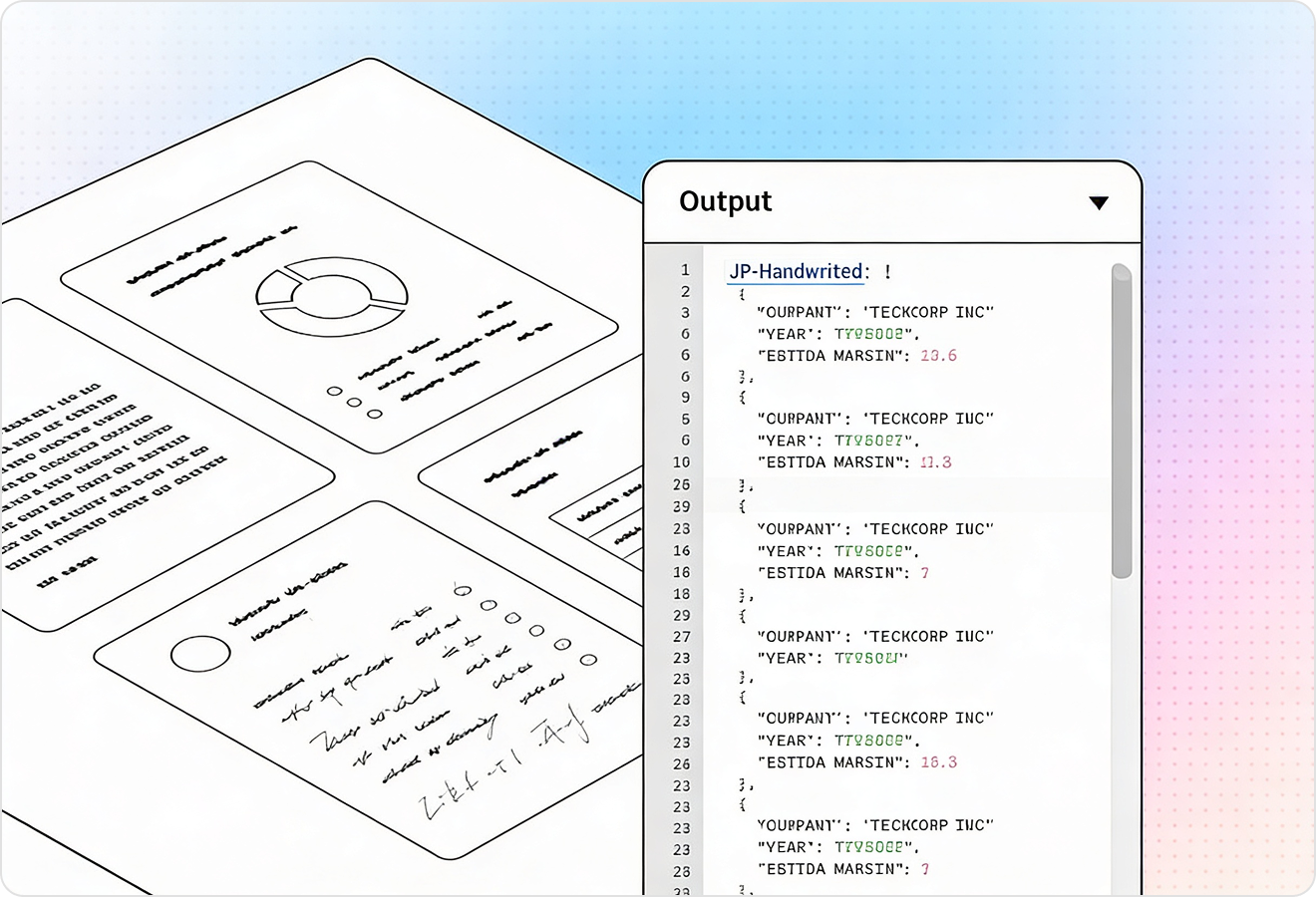
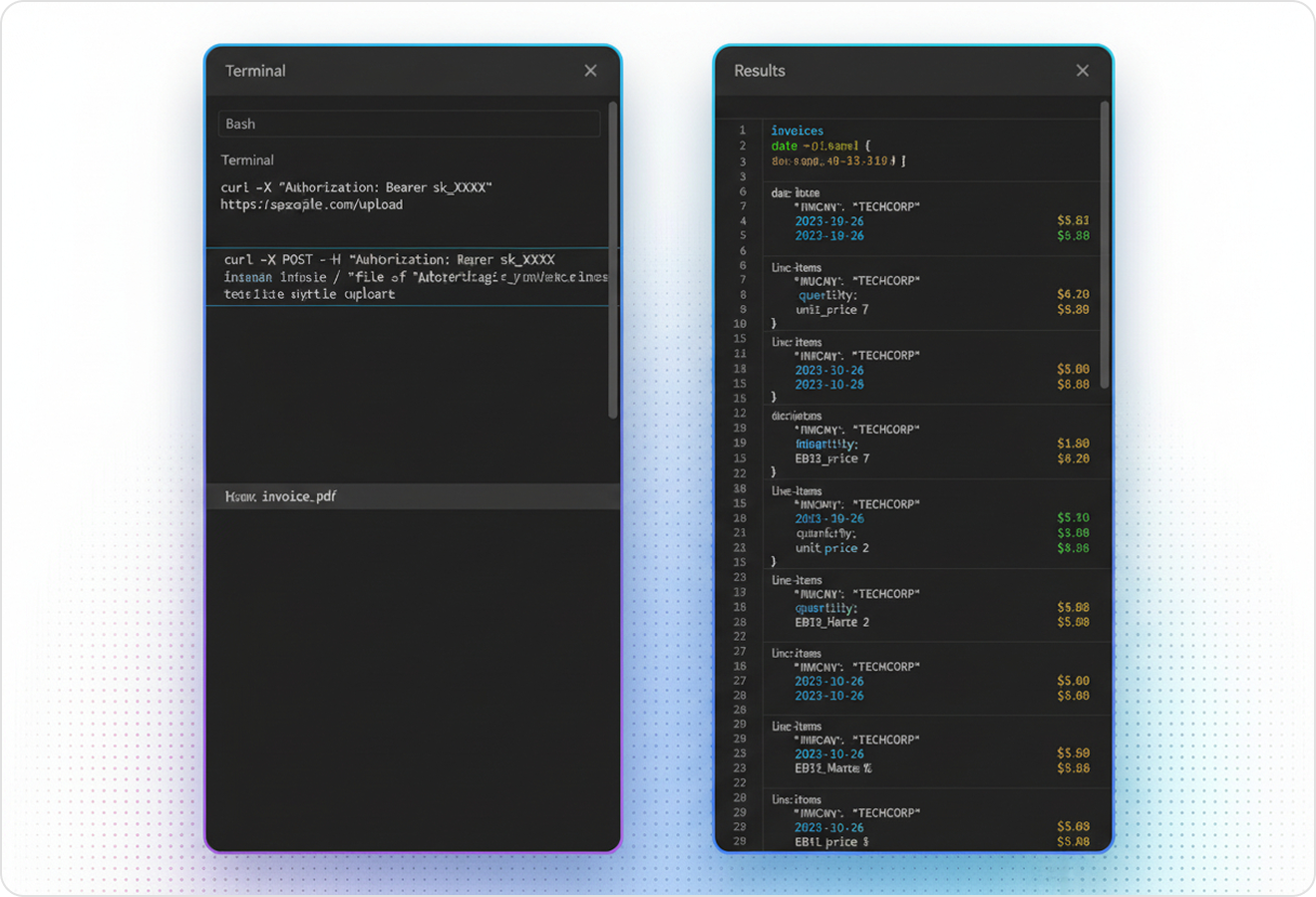
LlamaParse can return structured JSON plus granular metadata (page references, element types, and coordinates) for every extracted field. For credit application processing, that gives you auditable field-level traceability—so reviewers can click back to the exact spot on the page when something looks off.
04
LlamaParse runs built-in validation and self-correction loops to catch common extraction failures like swapped digits, missing fields, or inconsistent totals across pages. In credit applications, that improves straight-through processing by reducing exceptions caused by low-quality scans, handwriting, or inconsistent form templates.
Technical OCR documentation
Explore our developer guides to easily connect your document pipelines to LlamaParse.
Explore the documentation
Our AI catches the typos that tired eyes miss.

Export to Excel, JSON, XML, or directly via API.

SOC2 Type II compliant with end-to-end encryption.

Train the tool on your specific forms in minutes, not days.

Average processing time of <3 seconds per page.
LlamaParse’s support of a wide variety of filetypes and its accuracy of parsing made it the best tool we tested in our evaluations. The LlamaIndex team was very responsive and we were off to the races within a day.
Common FAQs
01
Yes—layout-aware extraction recognizes multi-column blocks, headers/footers, and repeated fields so borrower identity, employment, and address details don’t get scrambled. That means fewer manual fixes before underwriting and more consistent downstream automation.
02
It detects checkboxes and common form patterns, including repeated fields that appear in multiple places or pages. This helps you capture complete, correctly attributed responses even when applicants use different versions of the same form.
03
Yes—table and statement parsing preserves rows, columns, and totals so your income breakdowns and liability schedules stay machine-readable. This makes it easier to calculate debt-to-income and reconcile declared figures with supporting documents in the packet.
04
Do you provide structured JSON output, and can we trace every field back to the source document?
You can receive clean JSON along with field-level metadata like page references and coordinates. Reviewers can click back to the exact location on the page, which speeds audits, reduces disputes, and increases confidence in automated decisions.
05
What happens with low-quality scans, handwriting, or inconsistent totals across pages?
Built-in validation and self-correction loops help catch common issues like swapped digits, missing fields, and inconsistent totals. That reduces exceptions and rework, improving straight-through processing even when documents aren’t perfect.
06
How quickly can we integrate this into our credit application workflow?
Most teams start by sending PDFs or images and receiving normalized JSON that maps cleanly to their underwriting system. Because outputs include traceability metadata, you can roll out automation safely—starting with human review and expanding as confidence grows.