Nov 14, 2025
Document AI: The Next Evolution of Intelligent Document ProcessingPersona
Industry
Use cases
Certificate Of Liability Insurance OCR
[ Certificate Of Liability Insurance OCR ]

Use LlamaParse to pull key COI fields into structured data with fewer errors and reviews.
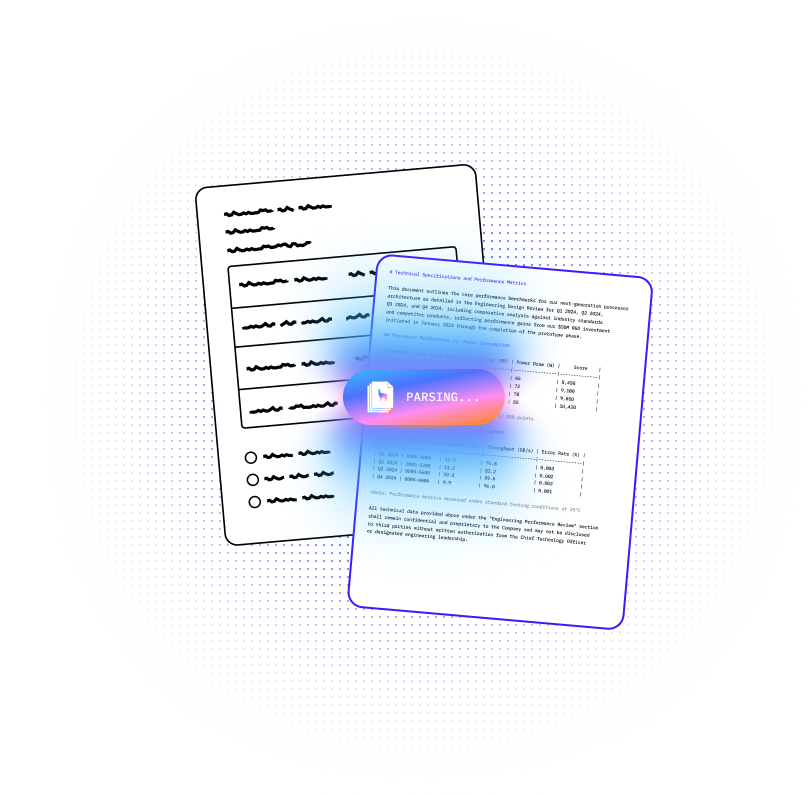
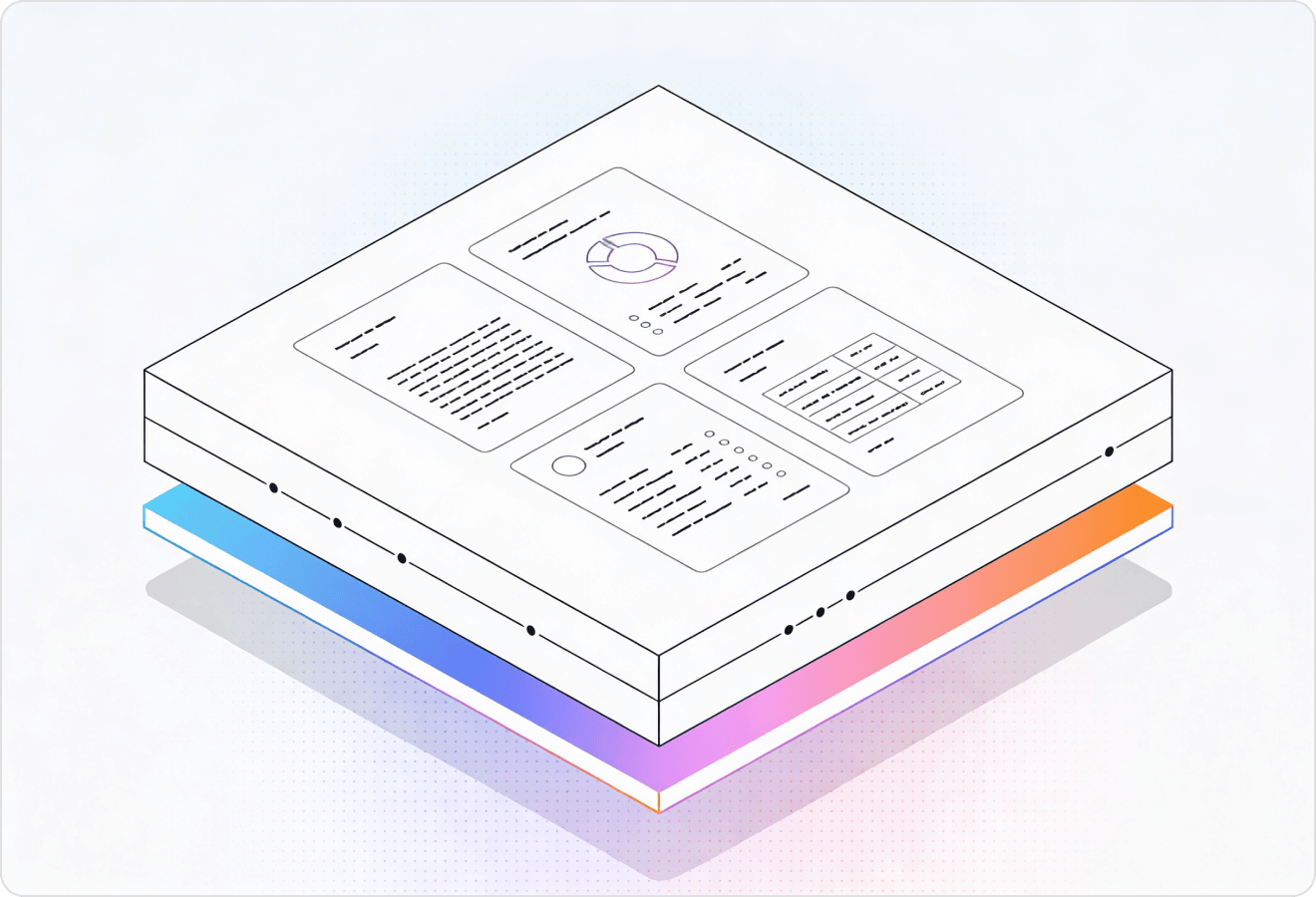
LlamaParse turns messy COI PDFs and scans into clean, structured fields like insured, limits, policy numbers, and dates you can trust. Agentic document parsing validates values against the source with citations and confidence, reducing manual review and accelerating compliance and onboarding.
Best-in-Class Accuracy

Parse Certificates of Liability Insurance into structured JSON so vendor coverage limits, policy numbers, effective dates, and additional insured language flow straight into your compliance system. LlamaParse’s layout-aware extraction handles carrier templates and endorsement tables reliably, reducing jobsite delays caused by manual COI review and missing documentation.

Automatically verify tenant and vendor insurance by extracting coverage types and limits from COIs and flagging gaps against lease requirements before move-in or work orders are approved. Use granular metadata and citations to produce an auditable trail of exactly where each requirement was found, cutting disputes and reducing risk exposure.

Ingest carrier COIs at scale and normalize key fields like auto liability, cargo coverage, and exclusions even when they appear in multi-column forms or scanned attachments. Route simple documents through lower-cost tiers and escalate only the messy scans, keeping onboarding fast without blowing up compliance ops budgets.

Turn inbound COIs from customers, partners, and subcontractors into a clean schema your product can validate automatically, replacing brittle regex and one-off parsing scripts. Natural-language parsing instructions let your team adjust extraction rules in minutes as new COI formats appear, accelerating time-to-market for insurance and vendor-risk workflows.
The Solution
01
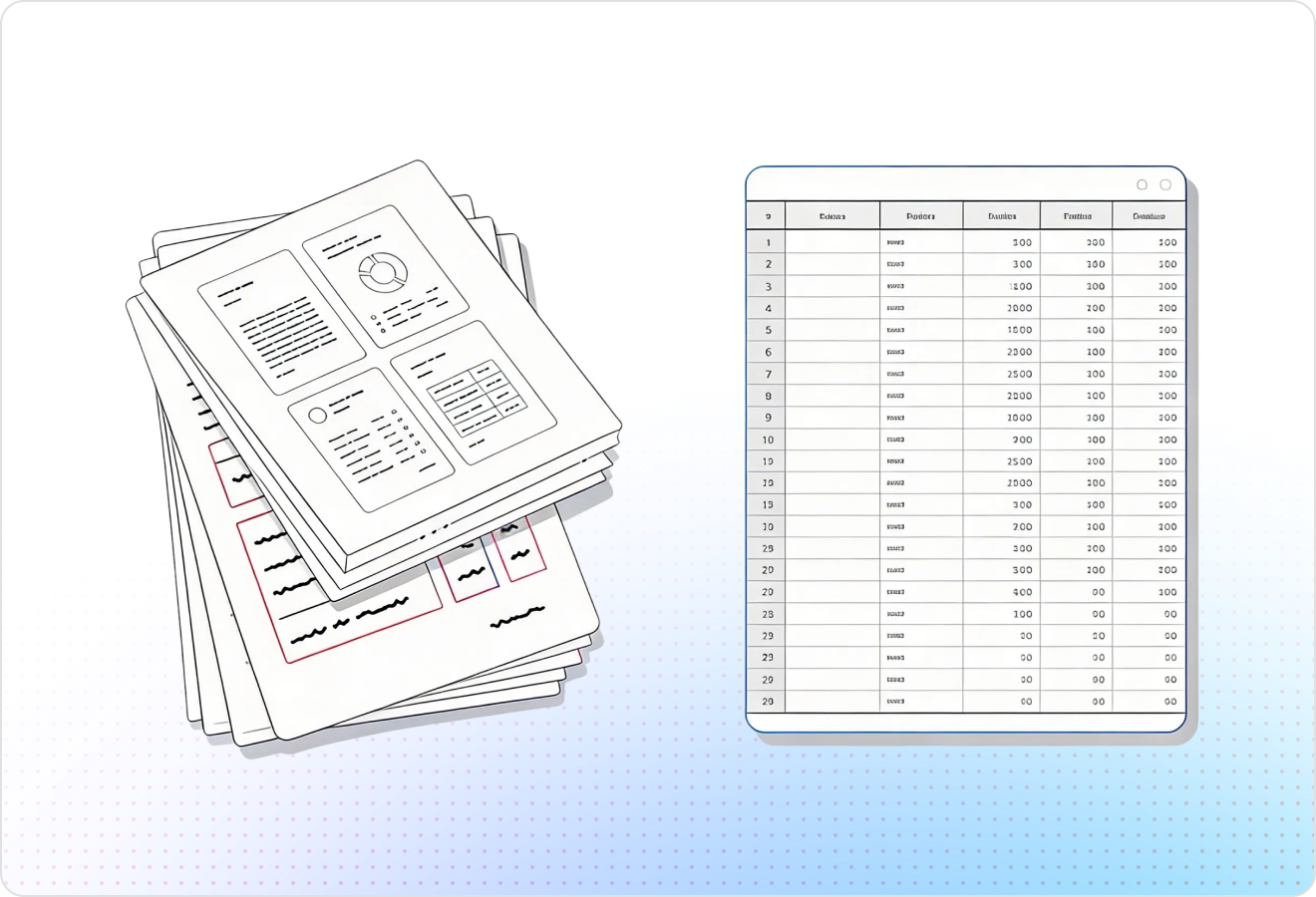
LlamaParse detects the structure of ACORD-style Certificates of Liability Insurance and preserves reading order across multi-column blocks, headers, and footers. That means you can reliably capture insured name, policy numbers, effective/expiration dates, and producer details without brittle template rules.
02
LlamaParse reconstructs coverage sections as clean tables instead of scrambled text, even when rows span multiple lines or columns. This makes it easy to extract per-line limits (GL, Auto, WC, Umbrella), policy types, and occurrence/claims-made indicators for downstream compliance checks.
03
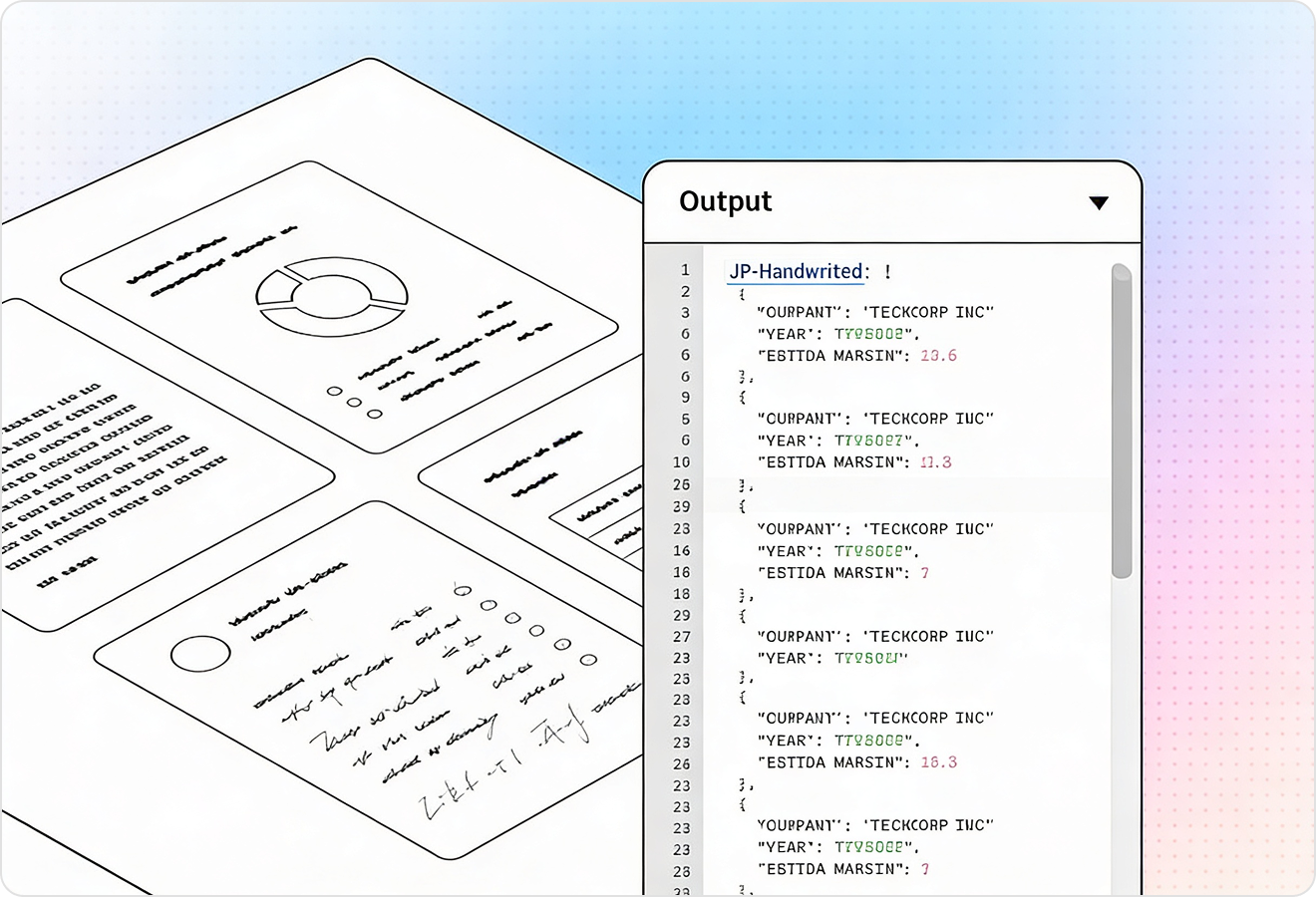
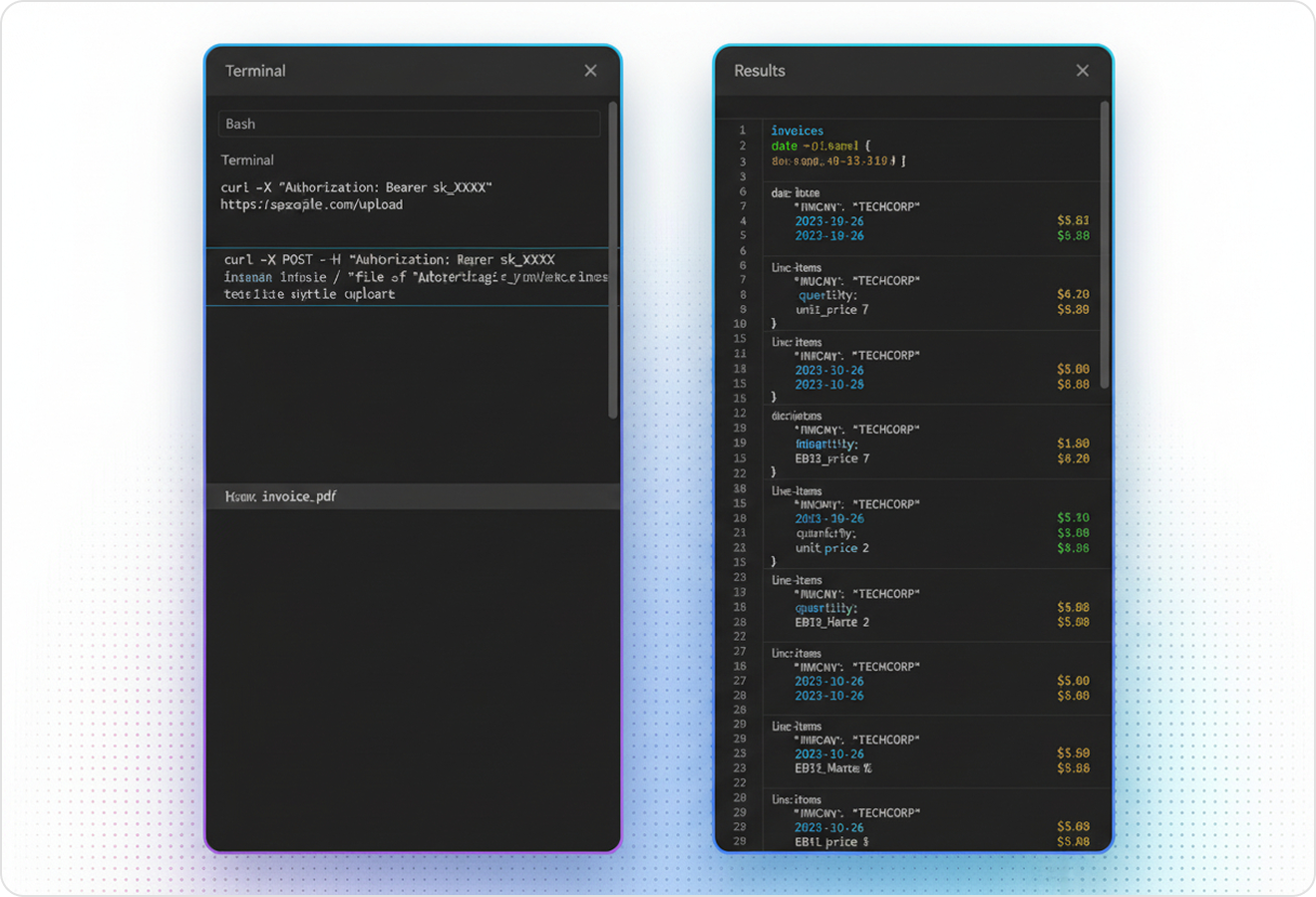
LlamaParse can output structured JSON with granular metadata like page references and element coordinates for every extracted field. For COI workflows, this gives you traceability—so you can show exactly where each limit or endorsement detail came from and route low-confidence items to review.
04
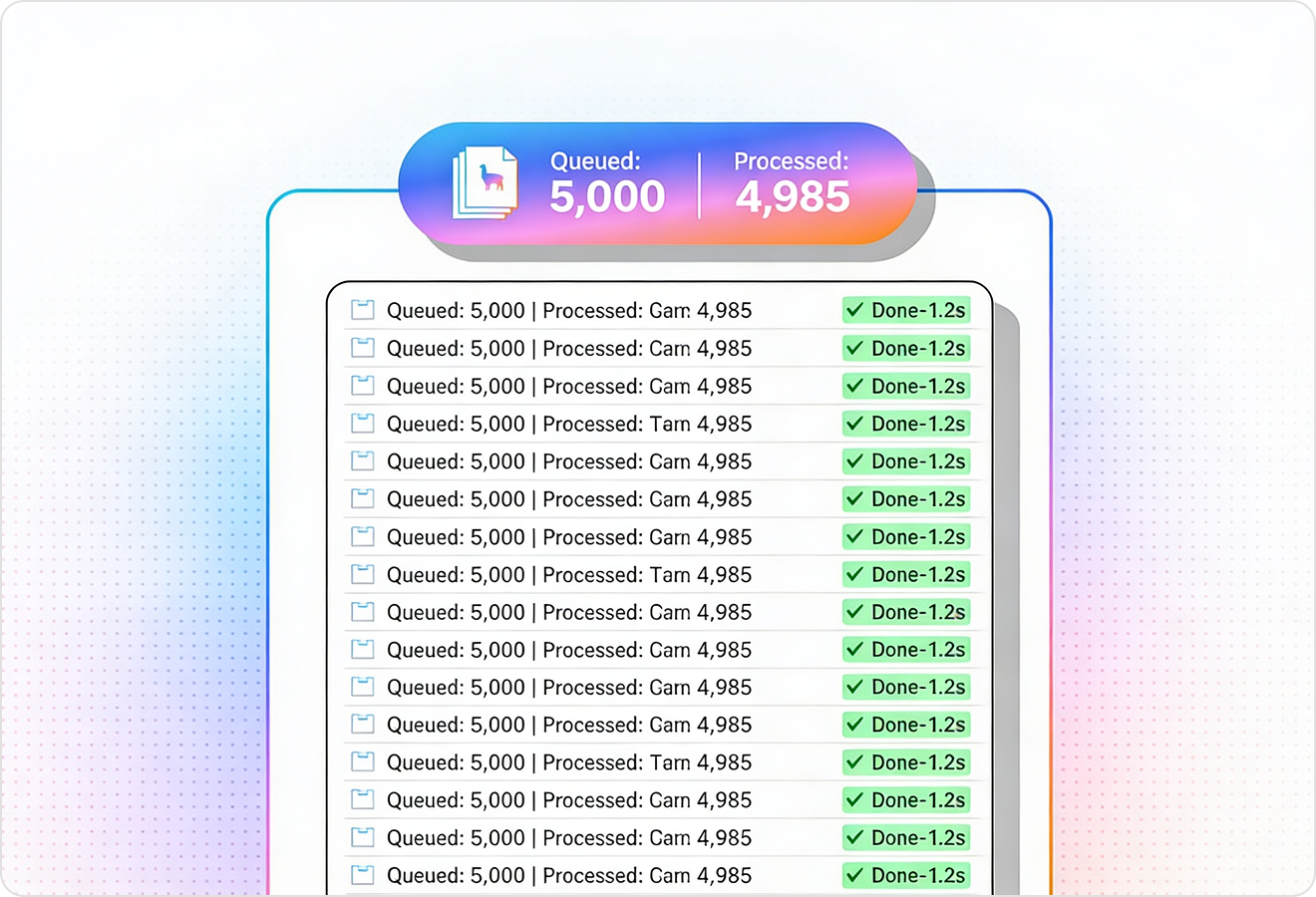
LlamaParse runs validation loops that catch common extraction failures on real-world COIs, like swapped dates, missing limits, or misread carrier names from noisy scans. The result is higher straight-through processing for certificate intake, without building a custom post-processing QA pipeline.
Technical OCR documentation
Explore our developer guides to easily connect your document pipelines to LlamaParse.
Explore the documentation
Our AI catches the typos that tired eyes miss.

Export to Excel, JSON, XML, or directly via API.

SOC2 Type II compliant with end-to-end encryption.

Train the tool on your specific forms in minutes, not days.

Average processing time of <3 seconds per page.
LlamaParse’s support of a wide variety of filetypes and its accuracy of parsing made it the best tool we tested in our evaluations. The LlamaIndex team was very responsive and we were off to the races within a day.
Common FAQs
01
It’s layout-aware, so it detects the structure of ACORD-style COIs and preserves the correct reading order across multi-column sections, headers, and footers. That means you can consistently extract insured details, policy numbers, dates, and producer info without maintaining brittle per-carrier templates.
02
Yes—coverage sections are reconstructed as clean tables, even when rows wrap across lines or columns. You get per-line limits, policy types, and occurrence vs. claims-made indicators in a structured format that’s ready for compliance checks.
03
LlamaParse can output JSON designed for automation, so your downstream systems can consume fields without manual cleanup. This makes it straightforward to plug into intake, compliance, and vendor onboarding pipelines.
04
How do we verify where a specific limit or endorsement detail came from on the document?
JSON Mode includes citations with page references and element coordinates for extracted fields. That gives your team audit-ready traceability and makes it easy to spot-check results or share proof during reviews.
05
What happens with low-quality scans or common OCR mistakes like swapped dates and misread carrier names?
The validation and self-correction loops are built to catch frequent real-world COI issues, including swapped effective/expiration dates, missing limits, and noisy scan misreads. This improves straight-through processing while routing only the truly ambiguous items for review.
06
Will this reduce manual QA, or will our team still spend time fixing extraction errors?
The goal is to minimize manual touchpoints by producing structured, validated outputs with clear citations when you do need to review. Most teams use it to accelerate certificate intake and focus human time on exceptions instead of routine data entry.