Nov 14, 2025
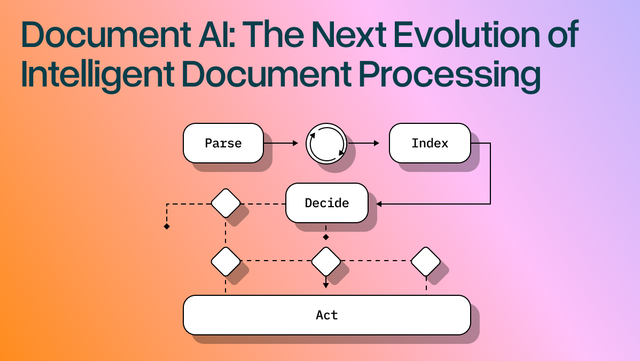
Document AI: The Next Evolution of Intelligent Document ProcessingPersona
Industry
Use cases
Profit And Loss Statement OCR
[ Profit And Loss Statement OCR ]

Turn messy P&L PDFs into structured JSON with LlamaParse, complete with citations and confidence scores.
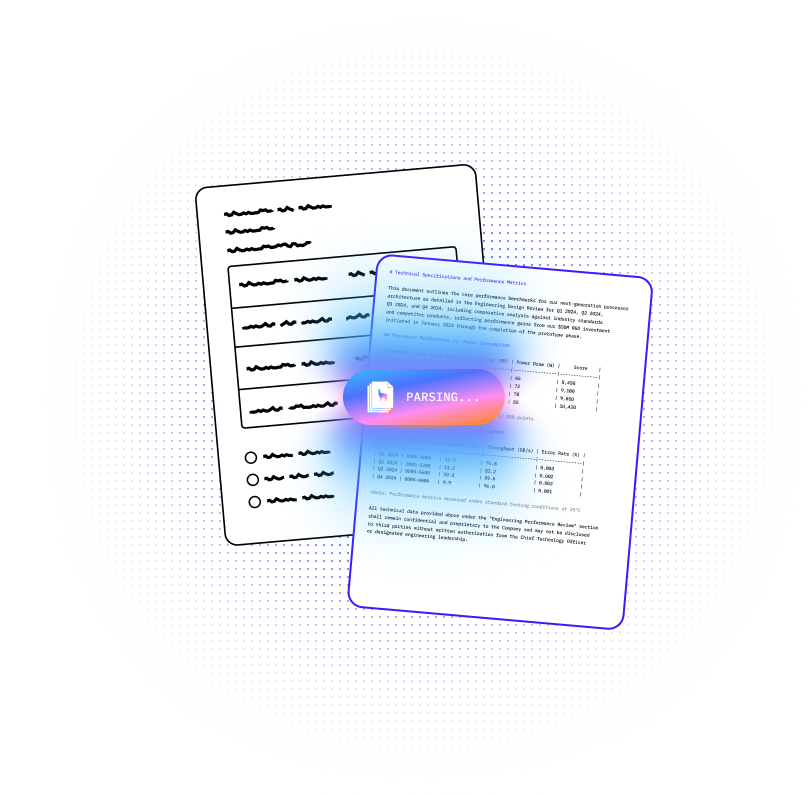


LlamaParse turns messy P&L PDFs and scans into reliable, structured outputs like JSON or clean tables, ready for analytics and downstream automation. Its agentic document parsing understands layout, validates totals and line items, and returns citations and confidence so teams can review exceptions fast.
Best-in-Class Accuracy

Use LlamaParse to turn investor-ready P&L PDFs into clean JSON/Markdown with reliable table structure, so variance analysis and board reporting stop living in brittle spreadsheets. Natural-language parsing instructions let teams standardize metrics (COGS, burn, gross margin) across messy exports from QuickBooks, Xero, and CSV-to-PDF tools without building custom parsers.

Automate spreading by extracting line items, time periods, and notes from borrower P&Ls—even when they’re scanned, multi-column, or inconsistently formatted—while preserving table integrity for model inputs. JSON mode with granular citations and confidence scores makes underwriting auditable, reducing back-and-forth with borrowers and speeding decisions without sacrificing compliance.

Parse location-level P&Ls to normalize labor, food cost, and occupancy expenses across operators and POS/accounting exports, enabling apples-to-apples benchmarking at scale. Layout-aware structure and auto-correction loops prevent scrambled category tables from breaking rollups, so finance leaders can spot underperforming units and renegotiate vendor spend faster.

Extract P&L statements for each property or asset manager into structured outputs that feed portfolio dashboards, debt service analysis, and quarterly investor reporting. Multimodal parsing captures embedded charts and footnoted adjustments that traditional OCR misses, reducing manual reconciliation during acquisitions, refinancing, and audits.
The Solution
01
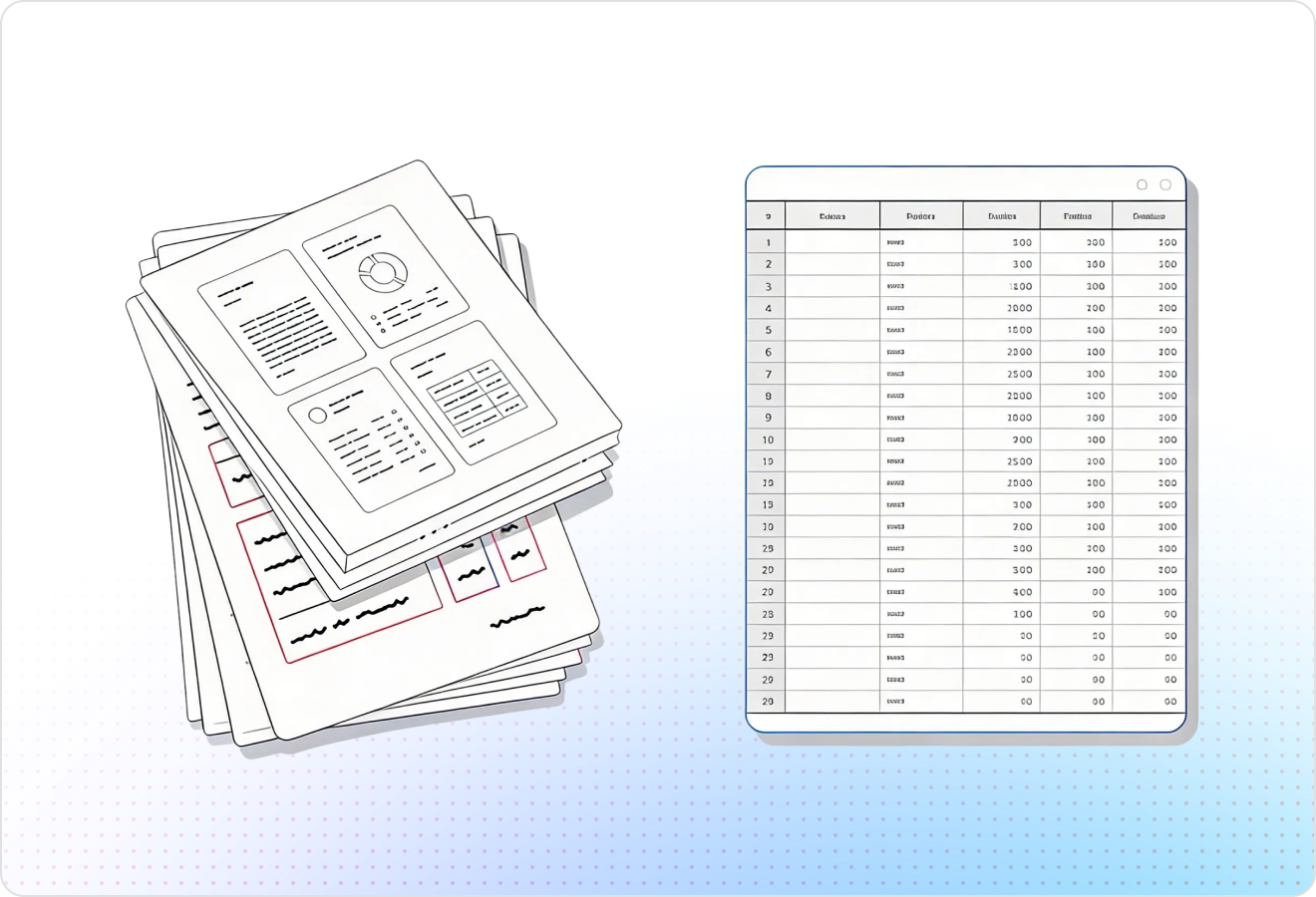
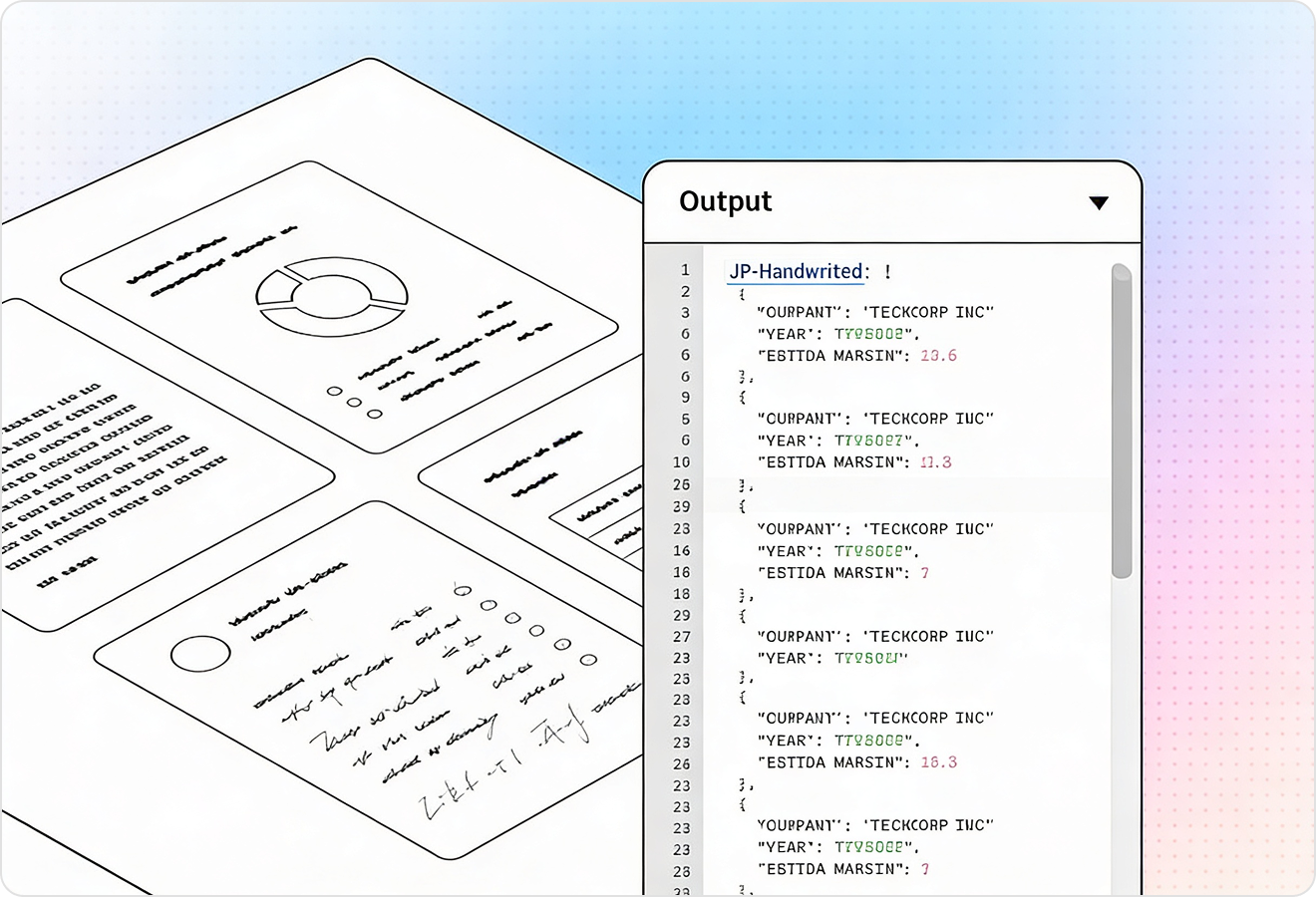
LlamaParse detects page structure and preserves reading order so revenue, COGS, and expense line items don’t get scrambled across columns. This makes Profit & Loss statements reliable to ingest even when formats vary by accounting system or exporter.
02
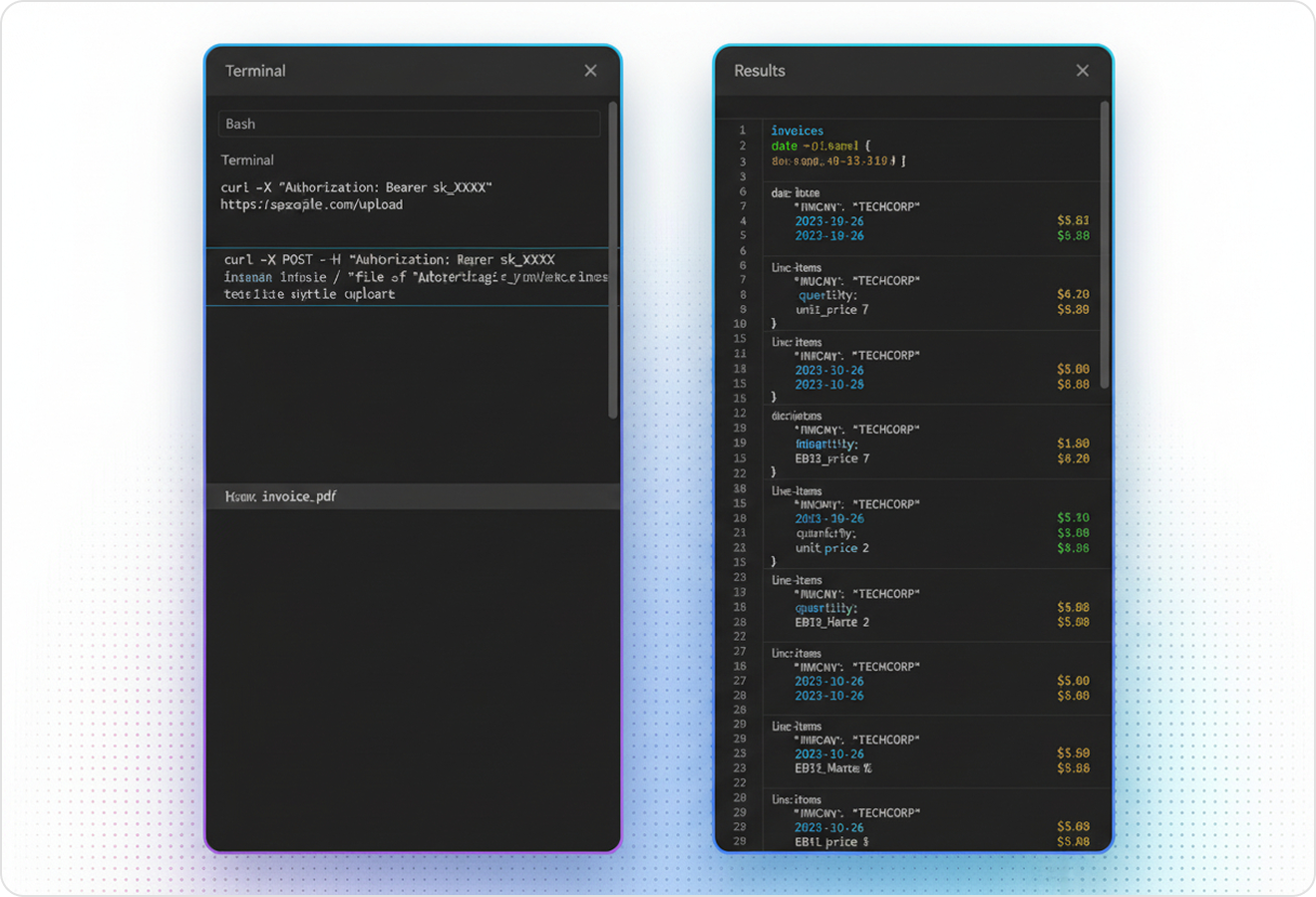
JSON Mode returns structured fields for line items and totals while attaching page-level context for each value. That structure is ideal for mapping P&L data into your ledger, analytics pipeline, or validation rules without brittle post-processing.
03
LlamaParse provides metadata like page references and element coordinates so every extracted number can be traced back to its source. For P&L OCR workflows, this supports human-in-the-loop review of low-confidence totals before anything hits downstream reporting.
04
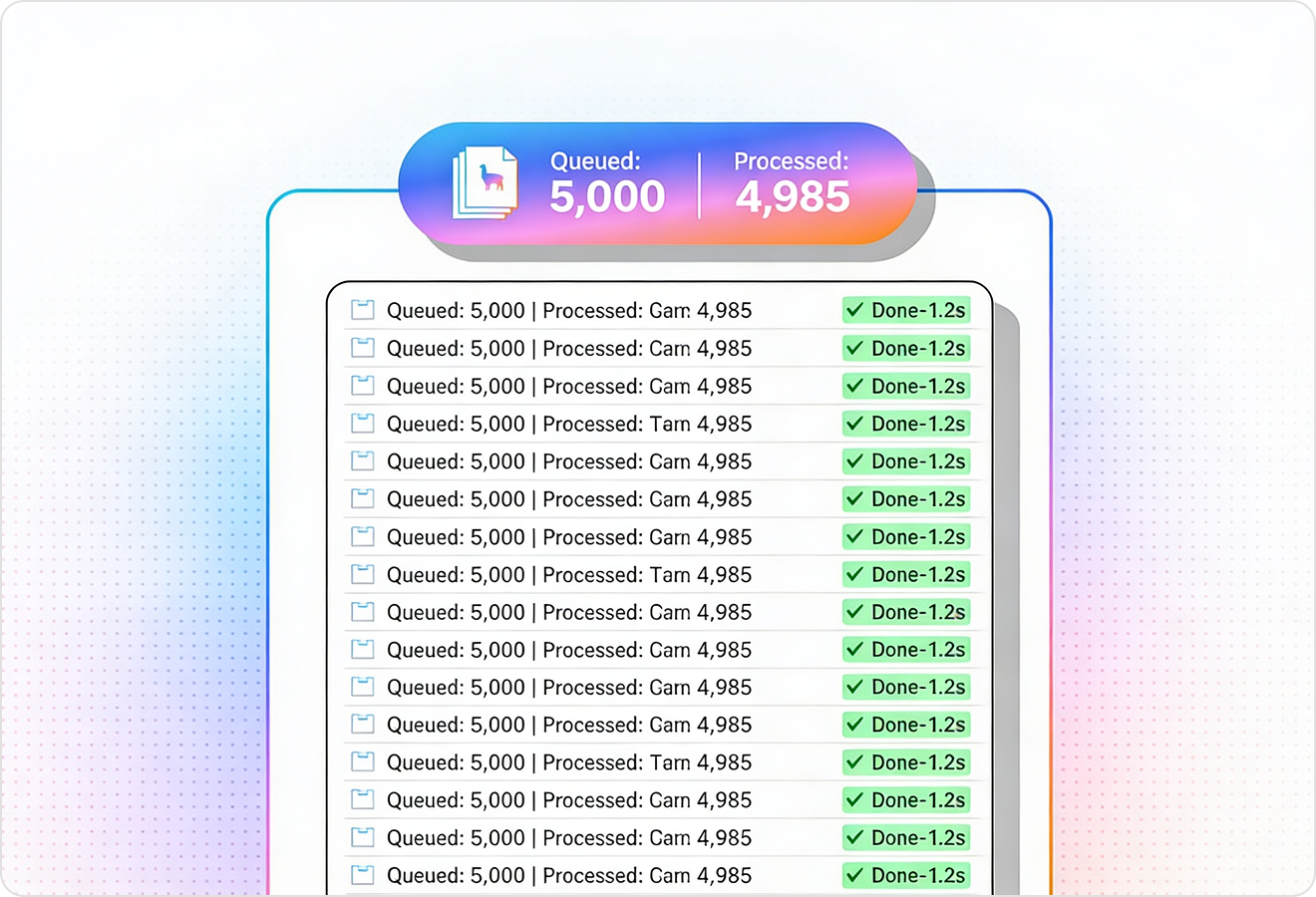
Agentic parsing runs iterative checks to catch common scan and formatting errors that cause wrong decimals, missing negatives, or misread totals. This reduces reconciliation work and increases straight-through processing for monthly P&L uploads.
Technical OCR documentation
Explore our developer guides to easily connect your document pipelines to LlamaParse.
Explore the documentation
Our AI catches the typos that tired eyes miss.

Export to Excel, JSON, XML, or directly via API.

SOC2 Type II compliant with end-to-end encryption.

Train the tool on your specific forms in minutes, not days.

Average processing time of <3 seconds per page.
LlamaParse’s support of a wide variety of filetypes and its accuracy of parsing made it the best tool we tested in our evaluations. The LlamaIndex team was very responsive and we were off to the races within a day.
Common FAQs
01
Yes. Layout-aware table extraction preserves reading order so revenue, COGS, and expense lines don’t get mixed across columns—even when the statement format changes. This means you can reliably ingest P&Ls from different accounting systems without manual reformatting.
02
You can output Financial Statement JSON with structured fields for line items and totals, plus page-level context for each value. That makes it easy to map P&L data into your ledger, BI tools, or validation rules without brittle post-processing.
03
Each extracted value includes verifiable citations like page references and element coordinates, so you can trace numbers back to the source. This supports auditability and makes reviews fast when something looks off.
04
How does it handle scan issues like wrong decimals, missing negatives, or misread totals?
Auto-correction validation loops run iterative checks designed to catch common OCR and formatting errors before data is finalized. That reduces reconciliation work and helps prevent bad totals from flowing into downstream reporting.
05
Can I route low-confidence totals or unusual line items to a human reviewer?
Yes. Confidence signals and source citations make it straightforward to flag questionable values for human-in-the-loop review while letting high-confidence fields pass through automatically. You get control without slowing down your monthly close.
06
Will it work if my P&Ls come from different exporters or have inconsistent layouts month to month?
It’s built for variation: layout-aware parsing adapts to changing templates and still preserves the correct structure and reading order. That consistency helps you standardize ingestion across entities and periods without maintaining template-by-template rules.