Nov 14, 2025
Document AI: The Next Evolution of Intelligent Document ProcessingPersona
Industry
Use cases
W-2 Form OCR
[ W-2 Form OCR ]

Use LlamaParse to turn W-2s into verified JSON fields with layout-aware accuracy and fewer fixes.
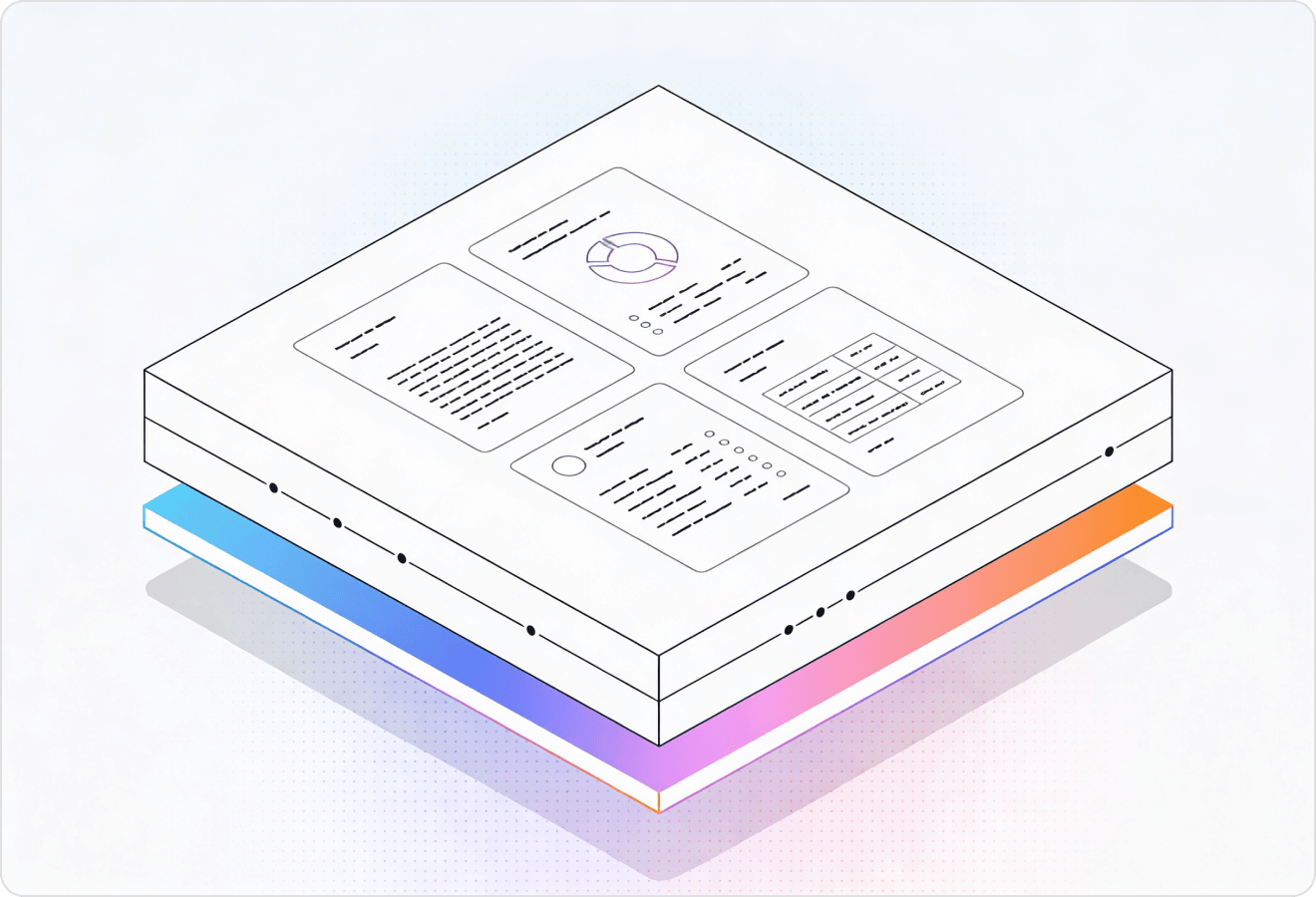

LlamaParse turns W-2 PDFs and scans into clean, structured JSON fields like wages, withholding, and employer info, each backed by source citations. Layout-aware, agentic parsing handles real-world form variations and validation loops reduce errors so reviewers can verify fast and ship downstream automations.
Best-in-Class Accuracy

Use LlamaParse to turn uploaded W-2 PDFs and scanned copies into clean JSON—wages, withholdings, employer IDs, and state/local boxes—without brittle template rules that break when layouts change. Layout-aware table extraction and validation loops cut manual re-keying and reduce payroll corrections during peak filing season.

Parse W-2s into a normalized income dataset to automatically populate borrower profiles, calculate qualifying income, and flag mismatches against stated employment or pay stubs. Agentic document parsing preserves box-level structure across multi-page and multi-state forms, improving straight-through processing while keeping citations for auditability.

Ingest client W-2s at scale and export box-level values directly into your tax workflow as structured JSON or Markdown, including state and locality sections that legacy OCR often scrambles. Natural-language parsing instructions let you standardize outputs across clients and quickly reconcile discrepancies before filing.

Ship W-2 ingestion quickly with LlamaParse APIs, returning structured fields plus confidence and page coordinates so you can route edge cases to review without building a custom parsing pipeline. Tier-based agentic processing keeps unit economics predictable by reserving heavier models only for messy scans and complex layouts.
The Solution
01
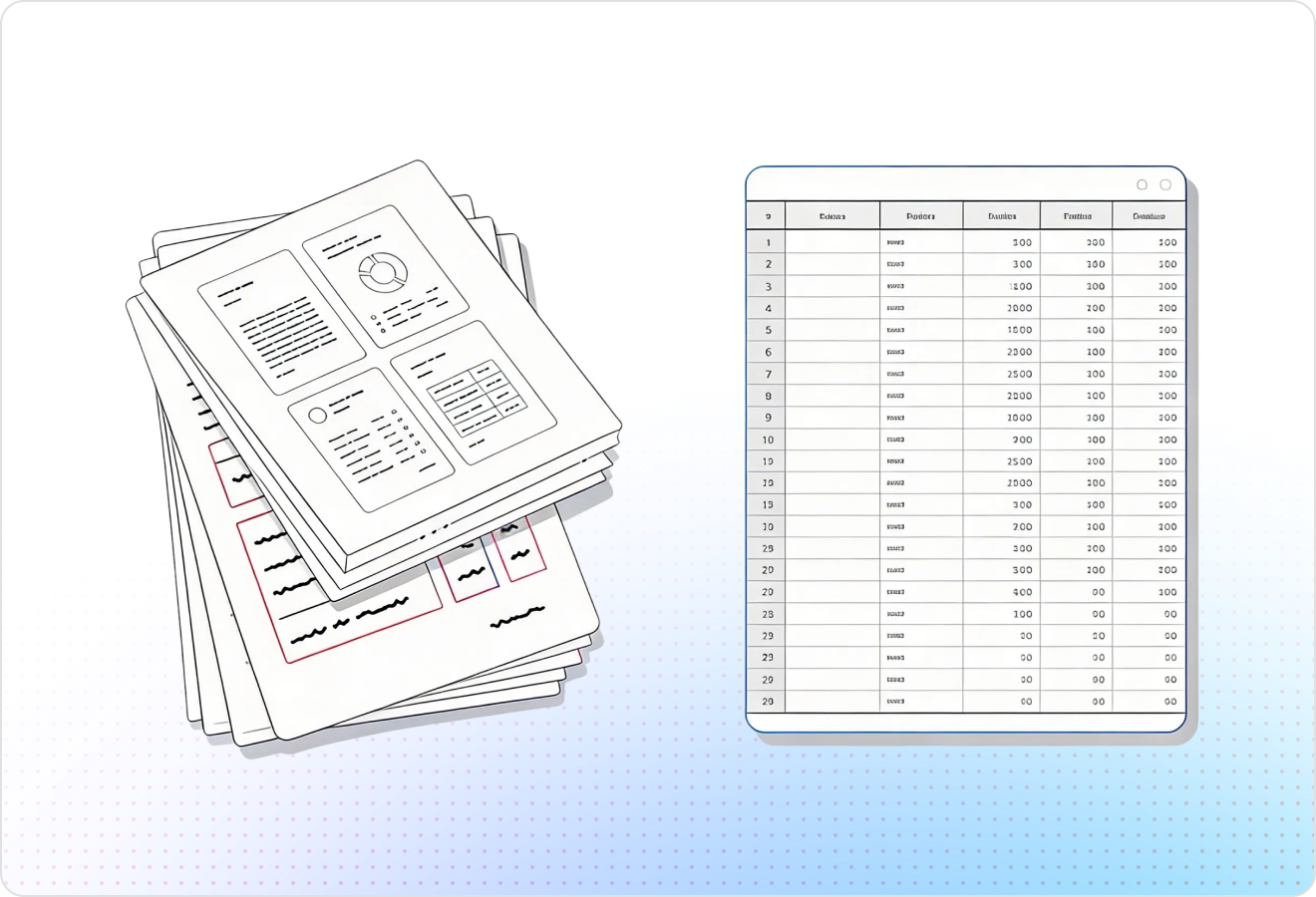
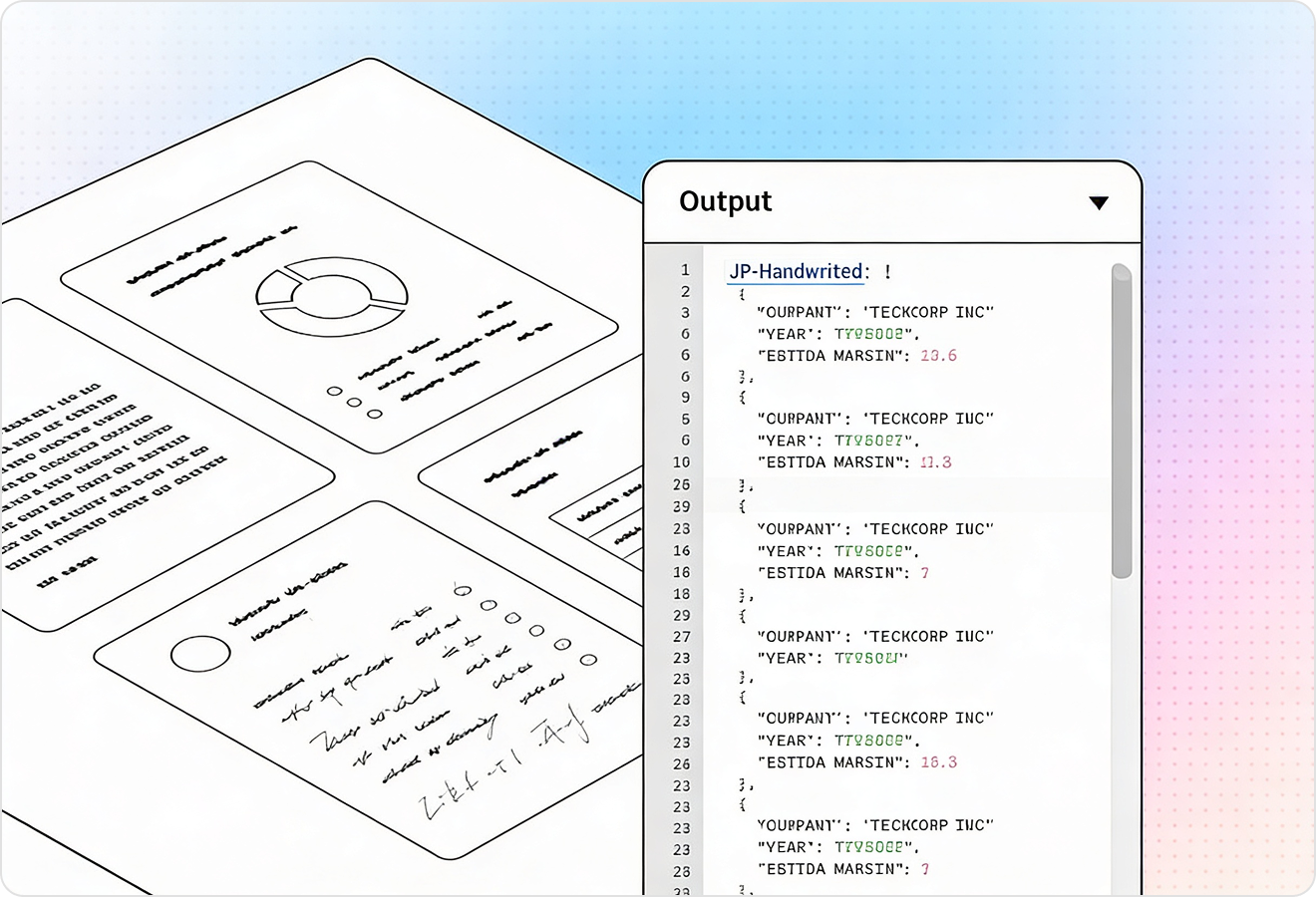
LlamaParse uses layout-aware vision to preserve boxes, lines, and reading order so W-2 sections don’t get scrambled across columns. That makes it reliable to map values to the right fields (e.g., wages, federal withholding, employer EIN) even when scans are skewed or compressed.
02
LlamaParse accurately extracts structured regions like the W-2’s numbered boxes and multi-row employer/employee blocks without losing alignment. You get clean structure you can trust for downstream payroll or tax workflows instead of hand-fixing broken rows and merged cells.
03
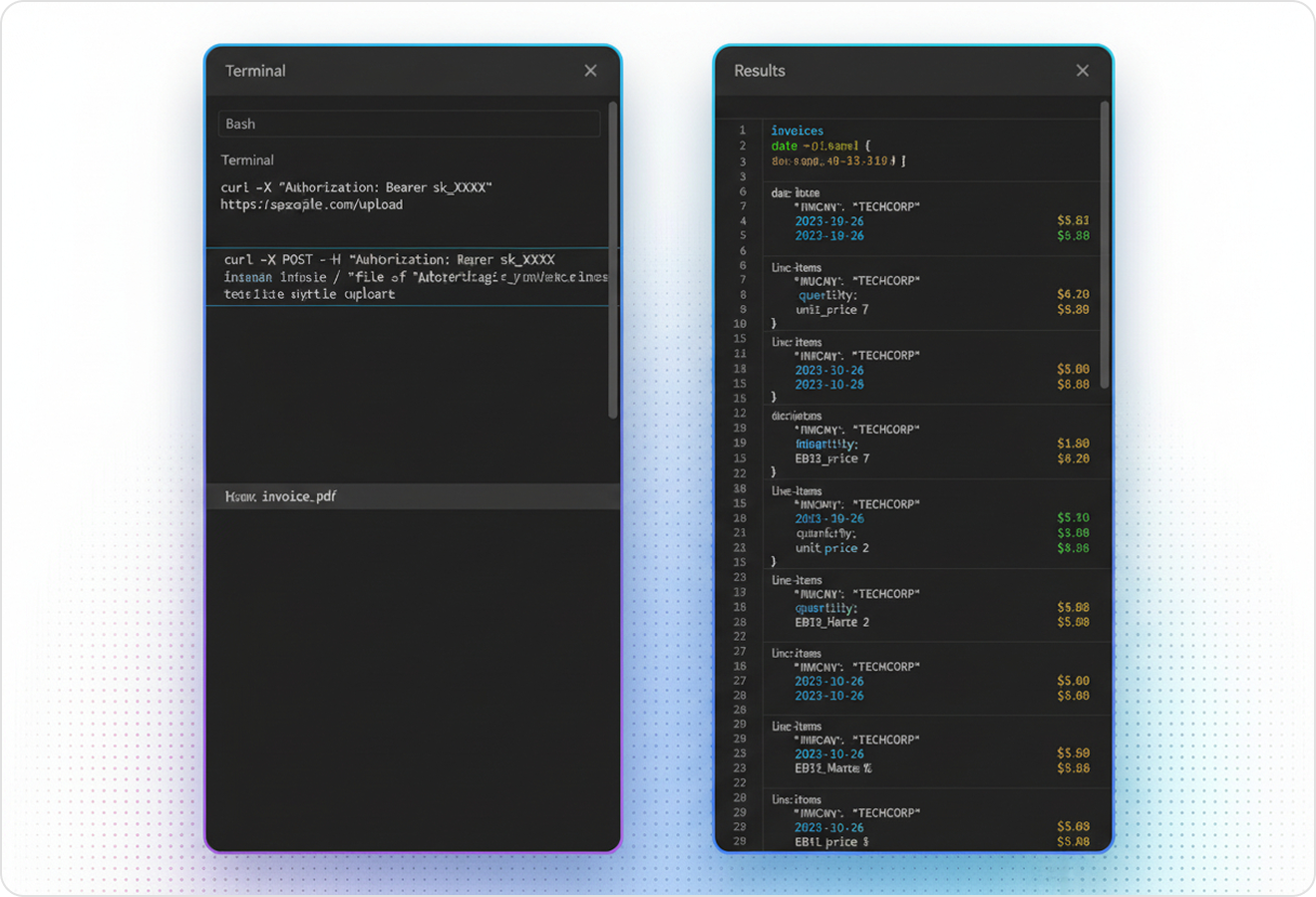
LlamaParse can return W-2 data in structured JSON and attach page-level citations and coordinates for each extracted value. This makes verification and human-in-the-loop review straightforward, especially for audits and exception handling on low-confidence fields.
04
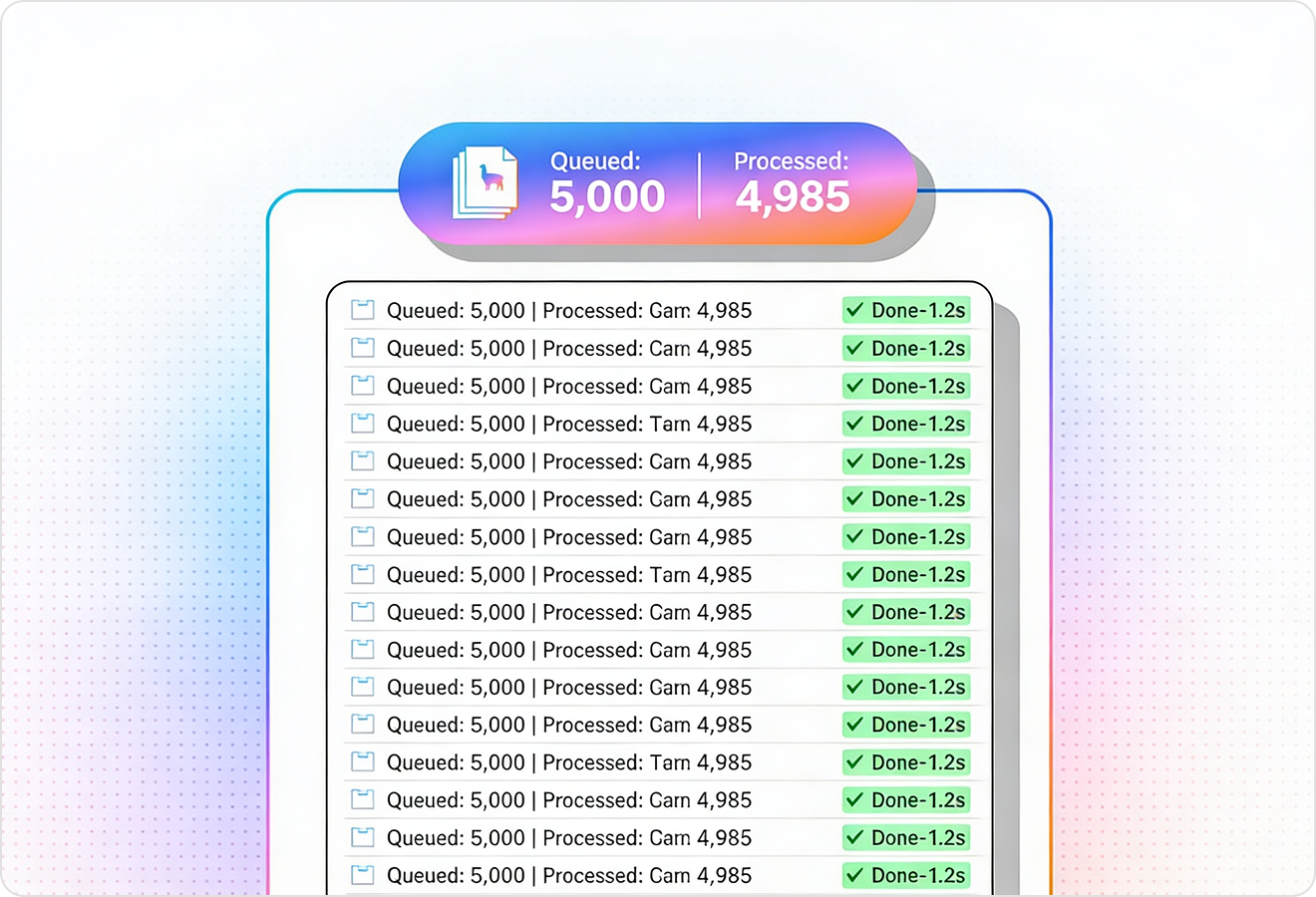
LlamaParse runs validation and self-correction steps to catch common parsing mistakes like swapped box numbers, missing decimals, or misread EIN/SSN formats. That improves straight-through processing for W-2 intake and reduces the amount of manual re-keying your team has to do.
Technical OCR documentation
Explore our developer guides to easily connect your document pipelines to LlamaParse.
Explore the documentation
Our AI catches the typos that tired eyes miss.

Export to Excel, JSON, XML, or directly via API.

SOC2 Type II compliant with end-to-end encryption.

Train the tool on your specific forms in minutes, not days.

Average processing time of <3 seconds per page.
LlamaParse’s support of a wide variety of filetypes and its accuracy of parsing made it the best tool we tested in our evaluations. The LlamaIndex team was very responsive and we were off to the races within a day.
The engine room
01
Our layout-aware field mapping preserves reading order, boxes, and line structure so values don’t drift across columns—even on skewed, compressed, or low-quality scans. That means wages, federal withholding, and employer EIN land in the correct fields with far less manual cleanup.
02
Yes—table and box extraction is designed for the W-2’s grid-like layout, including numbered boxes and multi-line employer/employee sections. You get clean, aligned structure that’s ready for payroll, tax prep, or downstream validation without reformatting.
03
We return W-2 data in structured JSON and include page-level citations with coordinates for each extracted value. This makes spot checks and audit workflows fast because reviewers can jump directly to the exact location on the form.
04
How do you handle common OCR mistakes like swapped box numbers, missing decimals, or misread EIN/SSN formats?
Automatic correction loops run validations to catch issues like box swaps, misplaced decimals, and formatting errors in identifiers. When something looks inconsistent, the system self-corrects or flags it so your team spends time only on true exceptions.
05
What happens when confidence is low—will my team still have to re-key a lot of data?
Low-confidence fields are easy to review because each value is paired with citations and coordinates for quick verification. Most customers see significantly higher straight-through processing, with humans focused on a small set of flagged fields instead of full re-entry.
06
Can this fit into our existing W-2 intake workflow and reduce time spent on exception handling?
Yes—the combination of reliable layout extraction, structured JSON, and built-in validation is designed to plug into existing intake pipelines. You’ll spend less time fixing broken rows or chasing mismapped fields, which speeds up processing and improves consistency across vendors and scan qualities.
Explore Our Resources