Nov 14, 2025
Document AI: The Next Evolution of Intelligent Document ProcessingPersona
Industry
Use cases
Scan Receipts OCR
[ Scan Receipts OCR ]

Use LlamaParse to turn messy receipts into structured, verifiable expense data you can trust.
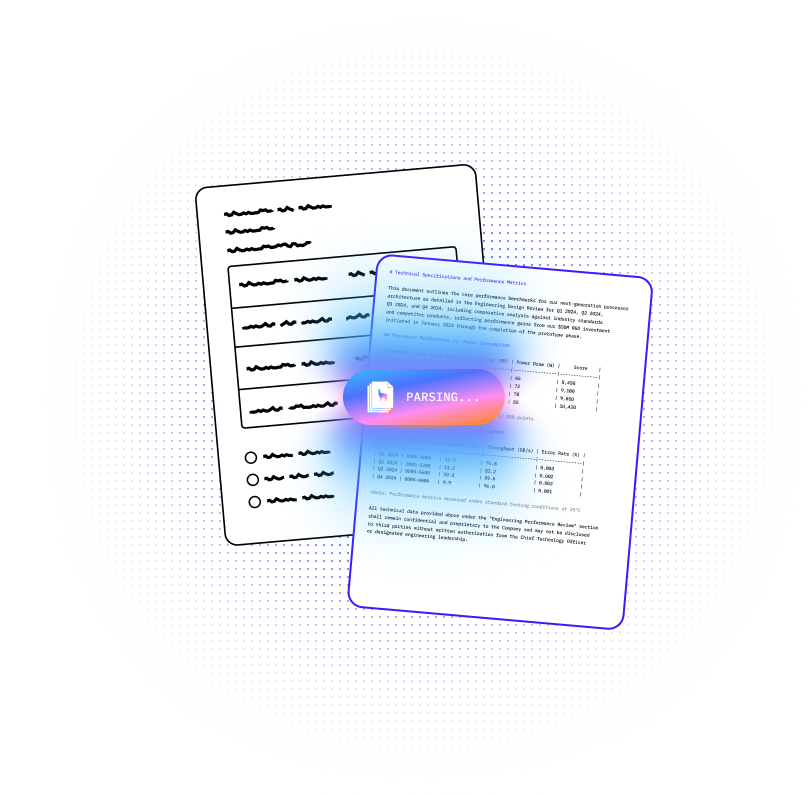
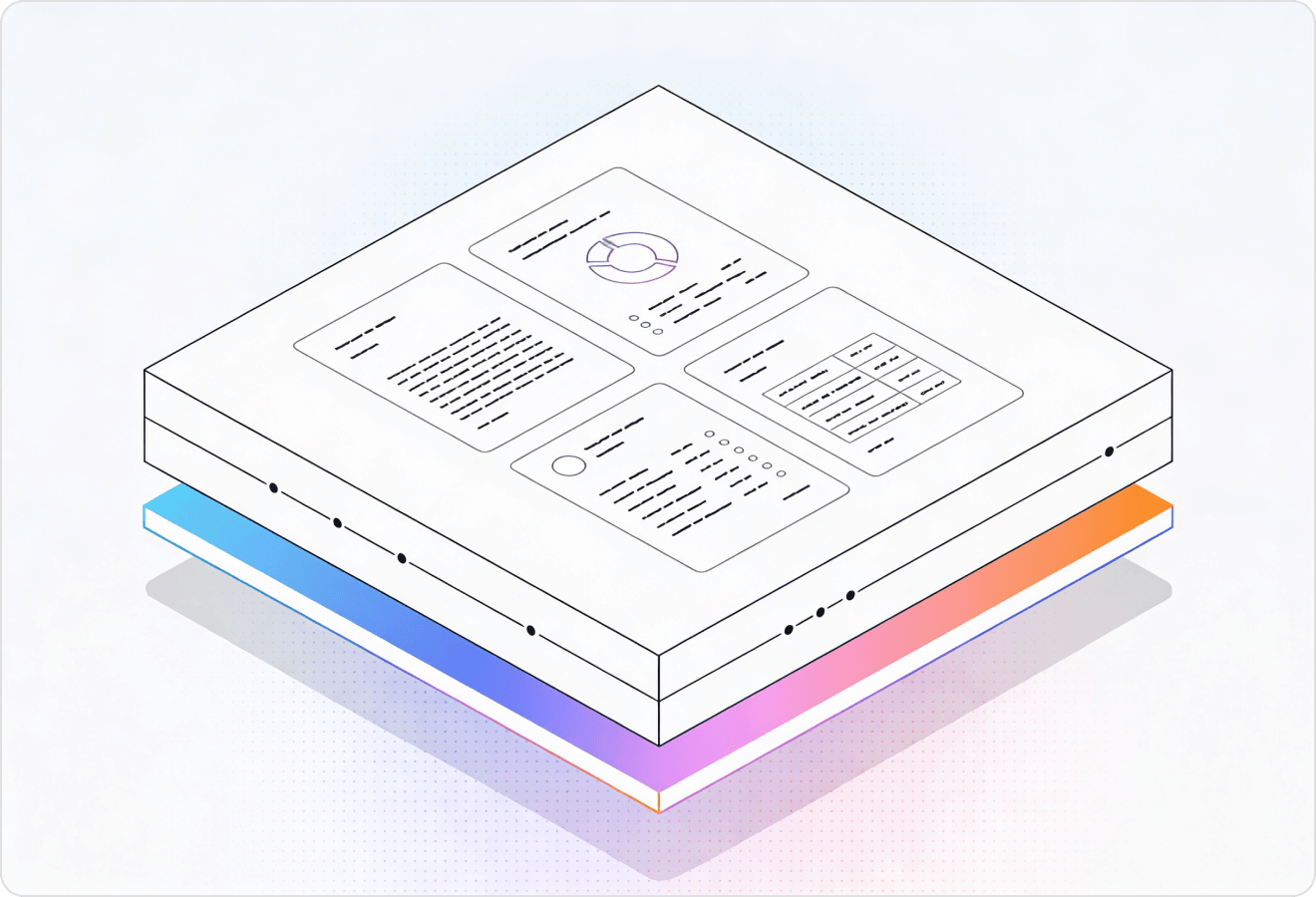

LlamaParse turns messy receipt photos and PDFs into clean, structured line items and totals, ready for reconciliation, reporting, and downstream automation. Agentic document parsing understands layouts and validates extractions with confidence metadata, so you ship fewer exceptions without constant template maintenance.
Best-in-Class Accuracy

Automate receipt capture into a clean, consistent JSON schema for reimbursements, burn reporting, and monthly close—without building brittle parsing rules that break on new merchant formats. LlamaParse preserves line-items, taxes, and tips from messy mobile photos with layout-aware extraction and validation loops, so finance doesn’t spend nights chasing missing fields.

Convert fuel, toll, weigh station, and maintenance receipts into structured data that reconciles spend per vehicle, route, and driver in near real time. LlamaParse reliably extracts totals and line items from crumpled thermal receipts and multi-column prints, enabling faster chargeback resolution and tighter cost controls.

Turn vendor receipts, store expenses, and purchase documentation into audit-ready records with line-level categorization for COGS, shrink, and store-level P&L. LlamaParse keeps table structure intact and returns Markdown or JSON with traceable metadata, reducing manual coding and mis-posted expenses across hundreds of locations.

Extract itemized receipt details for claim substantiation and fraud signals, even when receipts include mixed formats, discounts, and bundled line items. LlamaParse supports instruction-driven parsing to pull only policy-relevant fields and returns citations/confidence for fast human review, cutting cycle time without sacrificing defensibility.
The Solution
01
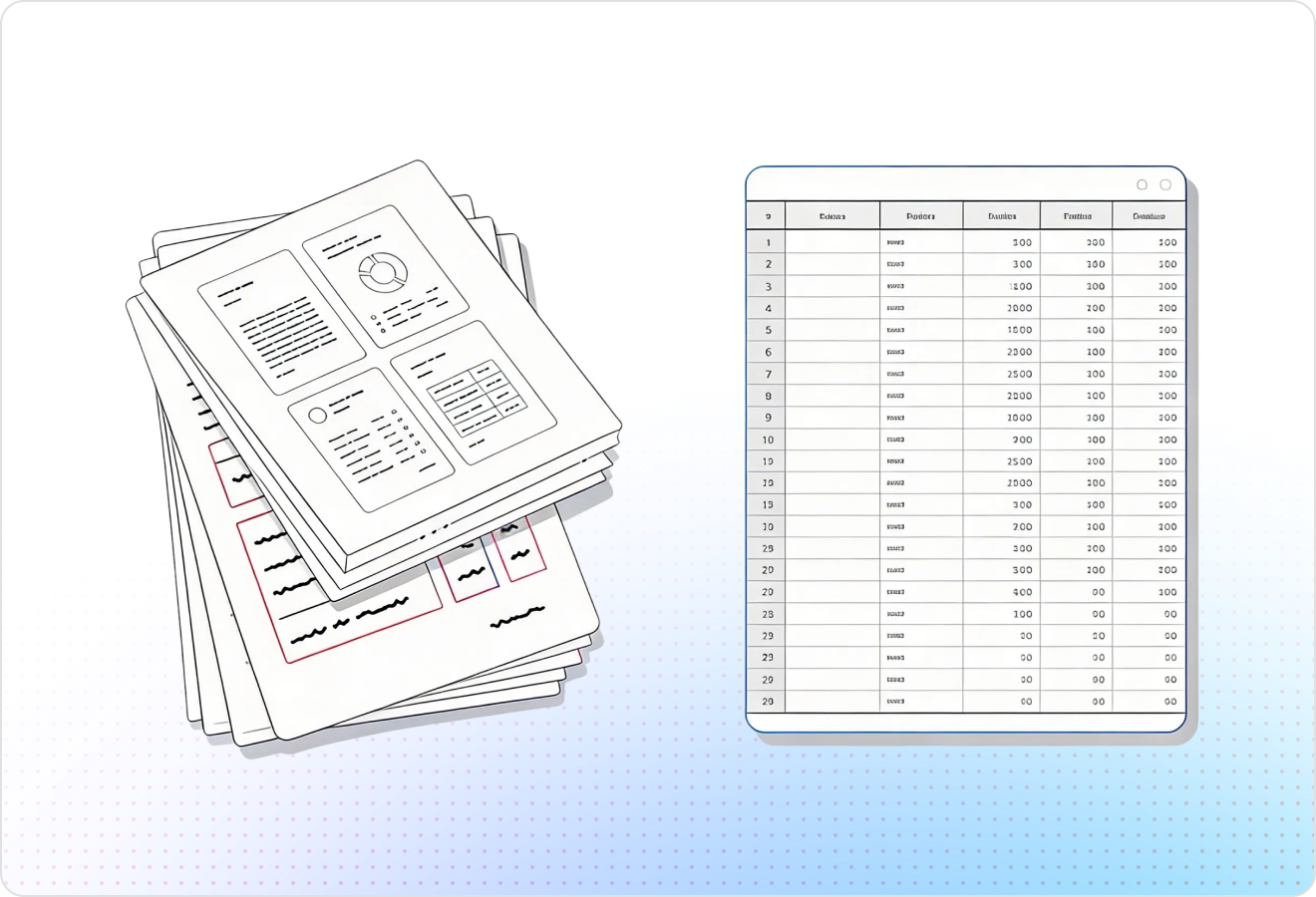
LlamaParse uses layout-aware vision to preserve reading order on crumpled, angled, or low-quality receipt scans. You reliably capture the merchant header, line items, totals, and taxes without scrambled text that breaks downstream reconciliation.
02
Receipts are basically tiny tables, and LlamaParse extracts itemized rows (description, quantity, unit price, discounts) as structured data. This makes it straightforward to compute spend analytics, flag duplicates, and match purchases to budgets or expense categories.
03
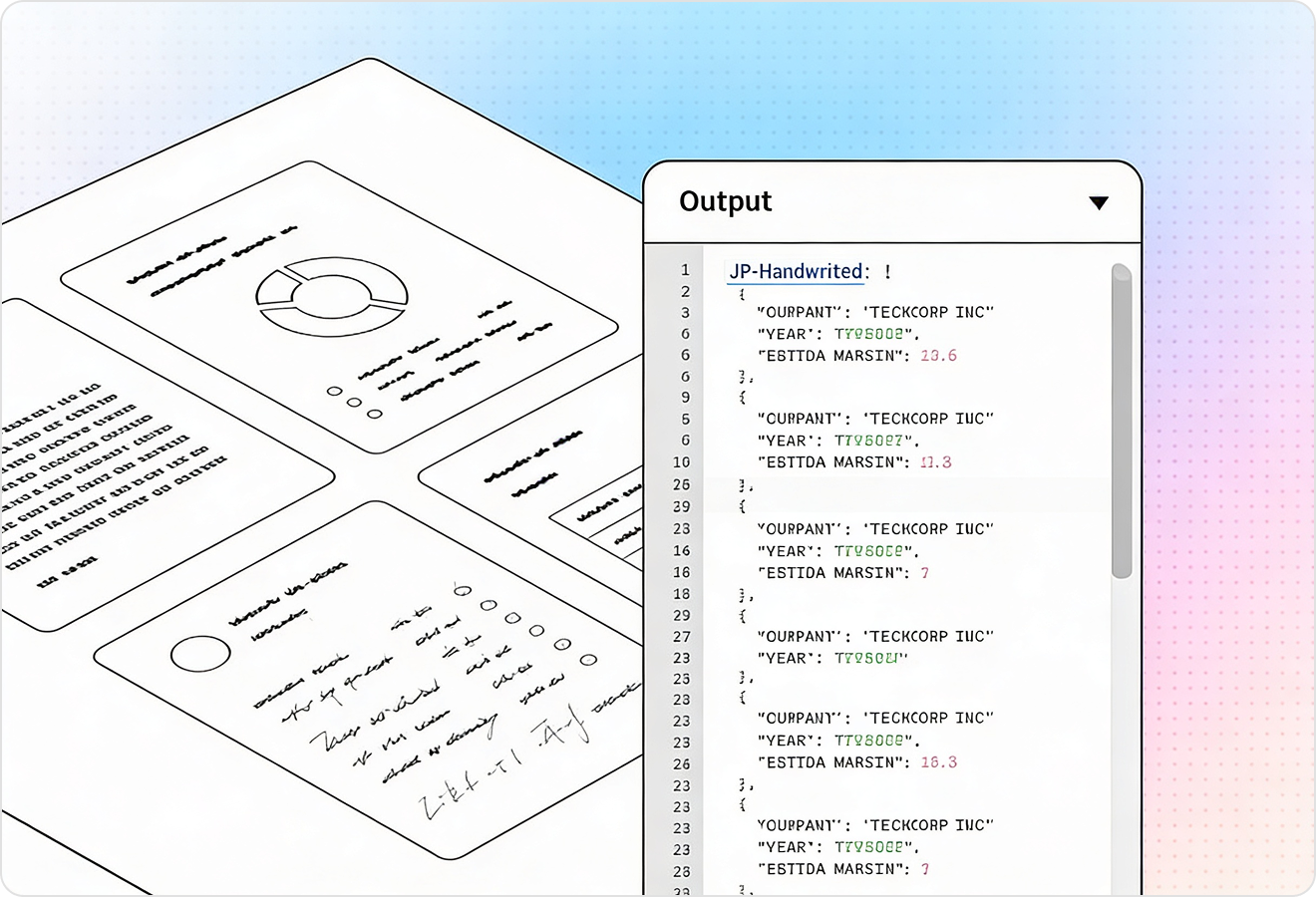
LlamaParse can return receipt fields as JSON, with metadata like page location and citations per extracted value. That traceability lets you audit totals and taxes quickly and route low-confidence fields to human review instead of guessing.
04
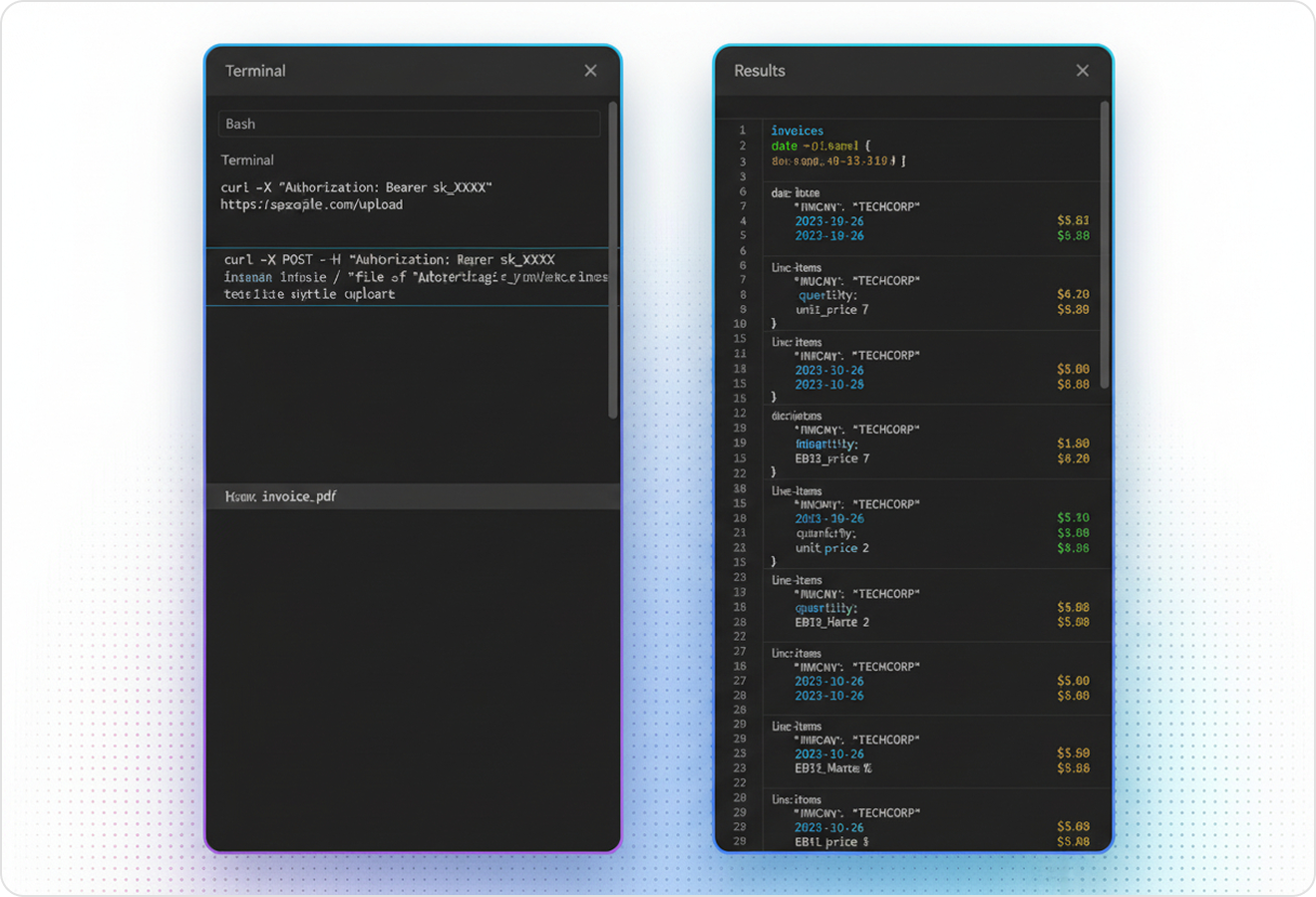
LlamaParse runs validation steps to catch common scan errors like misread totals, missing decimals, or swapped tax/subtotal fields. This reduces manual cleanup and increases straight-through processing for high-volume receipt ingestion.
Technical OCR documentation
Explore our developer guides to easily connect your document pipelines to LlamaParse.
Explore the documentation
Our AI catches the typos that tired eyes miss.

Export to Excel, JSON, XML, or directly via API.

SOC2 Type II compliant with end-to-end encryption.

Train the tool on your specific forms in minutes, not days.

Average processing time of <3 seconds per page.
LlamaParse’s support of a wide variety of filetypes and its accuracy of parsing made it the best tool we tested in our evaluations. The LlamaIndex team was very responsive and we were off to the races within a day.
Common FAQs
01
Yes. Layout-aware parsing preserves the natural reading order even when photos are skewed or the paper is wrinkled, so headers, totals, taxes, and line items don’t get scrambled. That means fewer extraction failures and more reliable reconciliation downstream.
02
Absolutely—receipts are treated like tiny tables, and each row is returned as structured line-item data. This makes it easy to power spend analytics, detect duplicates, and map purchases to budgets or expense categories automatically.
03
Yes, you can get clean JSON output plus evidence metadata such as page location and citations for extracted fields. This traceability helps your team quickly verify totals and taxes and route only questionable fields to review instead of rechecking everything.
04
How do you prevent common OCR mistakes like wrong decimals or swapped subtotal/tax fields?
We run automated validation and correction loops to catch frequent scan errors, including missing decimals and mismatched totals. That reduces manual cleanup and increases straight-through processing for high-volume receipt ingestion.
05
What happens when the receipt is ambiguous or a value is low confidence?
Low-confidence fields can be flagged with supporting evidence so you know exactly what to review. This lets you implement a fast human-in-the-loop workflow while keeping the rest of the receipt processing fully automated.
06
How quickly can I integrate Scan Receipts OCR into my app or workflow?
Because the output is structured JSON, integration is straightforward—store it, search it, or feed it into your accounting and expense systems. Most teams can go from first sample receipts to a working pipeline quickly, then expand to higher volumes with validation in place.