Nov 14, 2025
Document AI: The Next Evolution of Intelligent Document ProcessingPersona
Industry
Use cases
Sage OCR Invoice Scanning
[ Sage OCR Invoice Scanning ]

Use LlamaParse to capture every invoice field accurately, so you approve and pay faster.
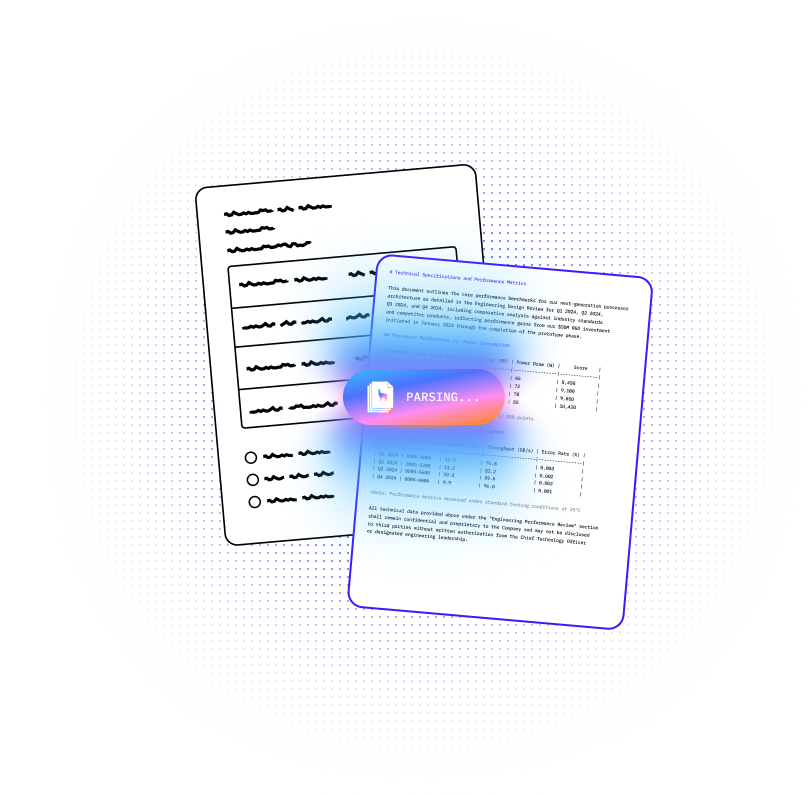
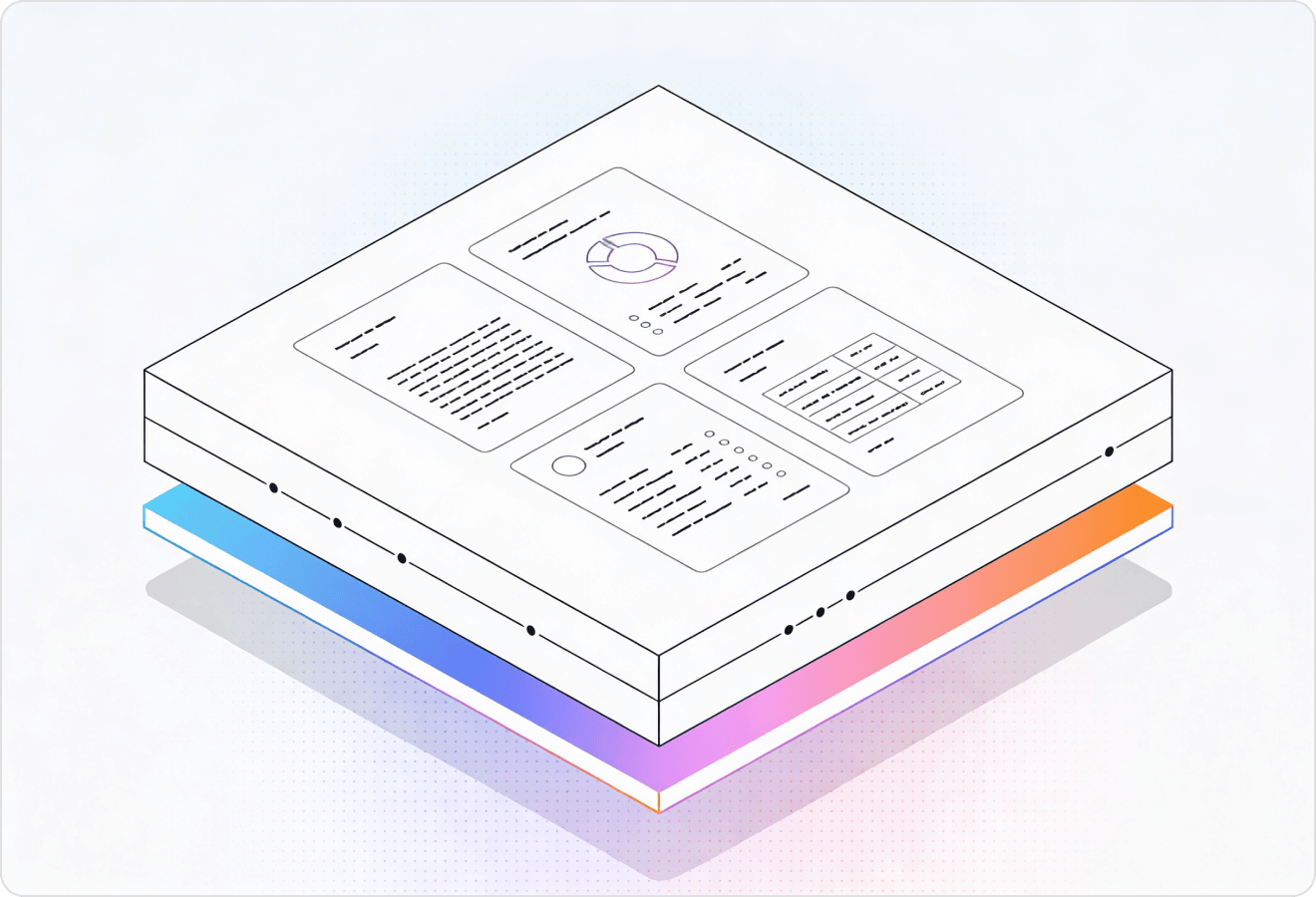

LlamaParse turns Sage invoices into clean, structured fields you can trust, so AP teams stop retyping line items and chasing exceptions. Agentic document parsing understands layouts, tables, and attachments, then adds confidence and citations so you can approve, audit, and sync faster.
Best-in-Class Accuracy

Replace brittle invoice “OCR + rules” with LlamaParse agentic document parsing that preserves line-item tables and multi-column layouts, so bills auto-code cleanly into your ERP without manual fixes. Use JSON mode plus confidence metadata to route only low-trust fields to a quick review queue, keeping close cycles fast while headcount stays lean.

Turn messy subcontractor invoices, pay apps, and change-order backups into structured outputs where headers, retention, and multi-page schedules stay aligned, even when formatting varies by vendor. Extract line items into job-cost codes and phase buckets to stop duplicate billing and keep project margin reporting accurate in real time.

Parse supplier invoices and service statements that include dense tables, lot numbers, and bundled charges, maintaining reading order so AP can match to POs and deliveries without rekeying. Use natural-language parsing instructions to output only the fields you need for compliance-ready audit trails (vendor, dates, totals, tax, itemization) with citations back to the source page.

Ingest carrier invoices and accessorial charge sheets where surcharges, zones, and lane tables often break traditional OCR, and normalize them into consistent Markdown/JSON for rating and reconciliation. Automatically flag mismatches between invoiced and contracted rates by extracting lane, weight break, fuel, and accessorials at the line level.
The Solution
01
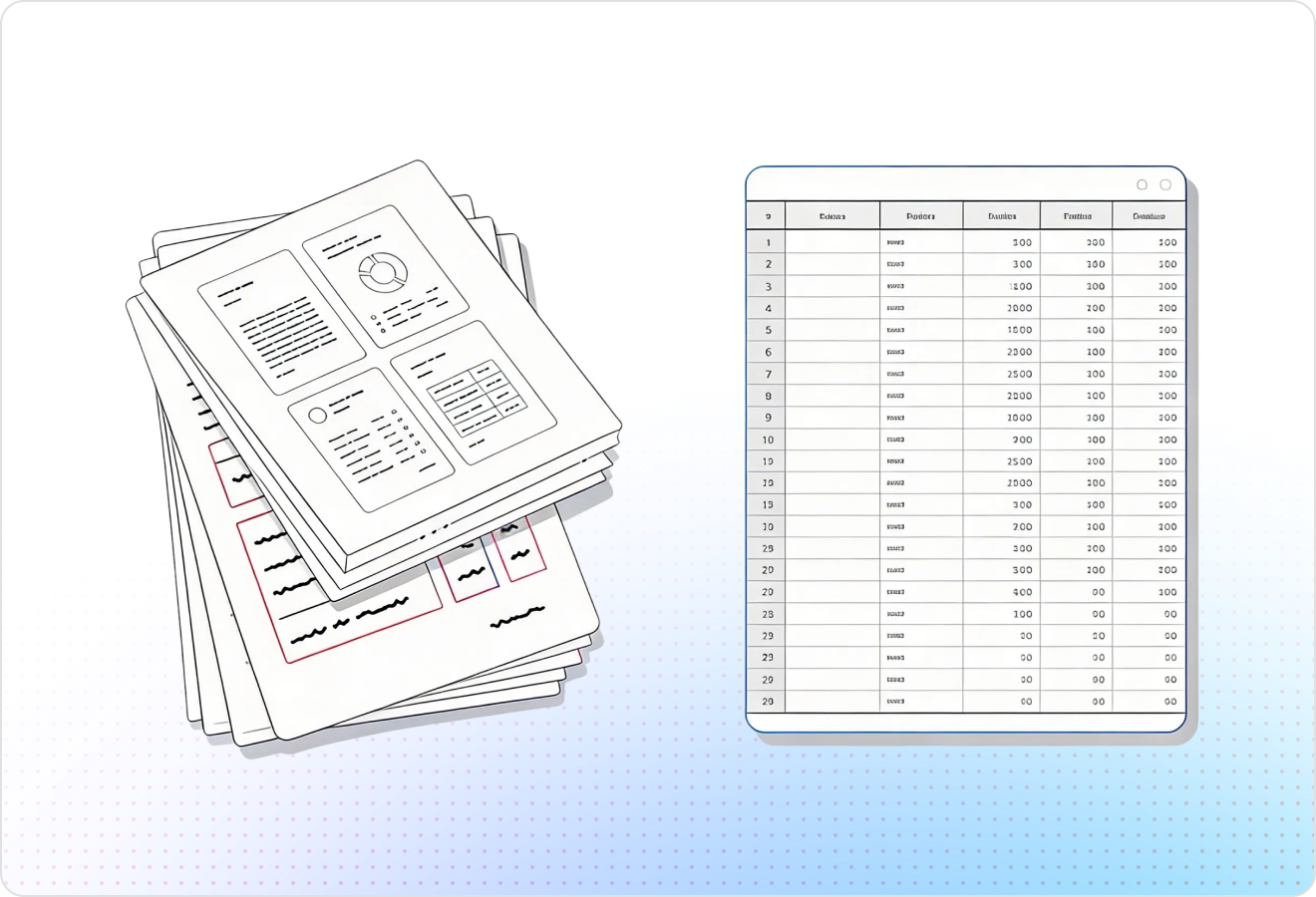
LlamaParse reliably extracts dense line-item tables, including quantities, unit prices, taxes, and discounts, without dropping rows or merging columns. You get clean structured output that maps directly to Sage invoice line entries, reducing manual re-keying and reconciliation work.
02
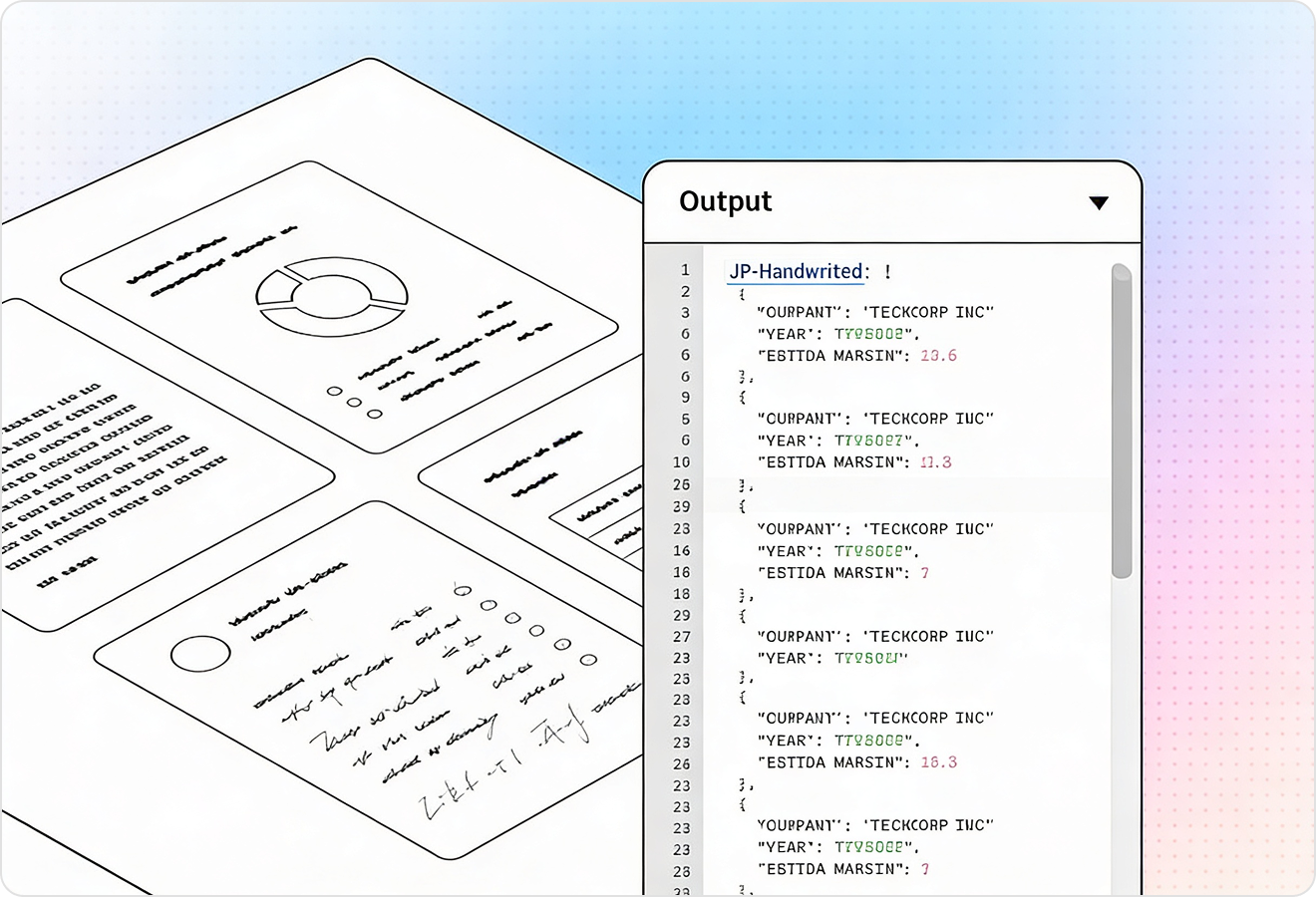
LlamaParse can return invoices as structured JSON tailored to the fields your AP workflow expects (e.g., supplier, PO number, tax amount, currency, payment terms). This makes it straightforward to validate and transform data before pushing it into Sage via API or import, instead of parsing brittle text blobs.
03
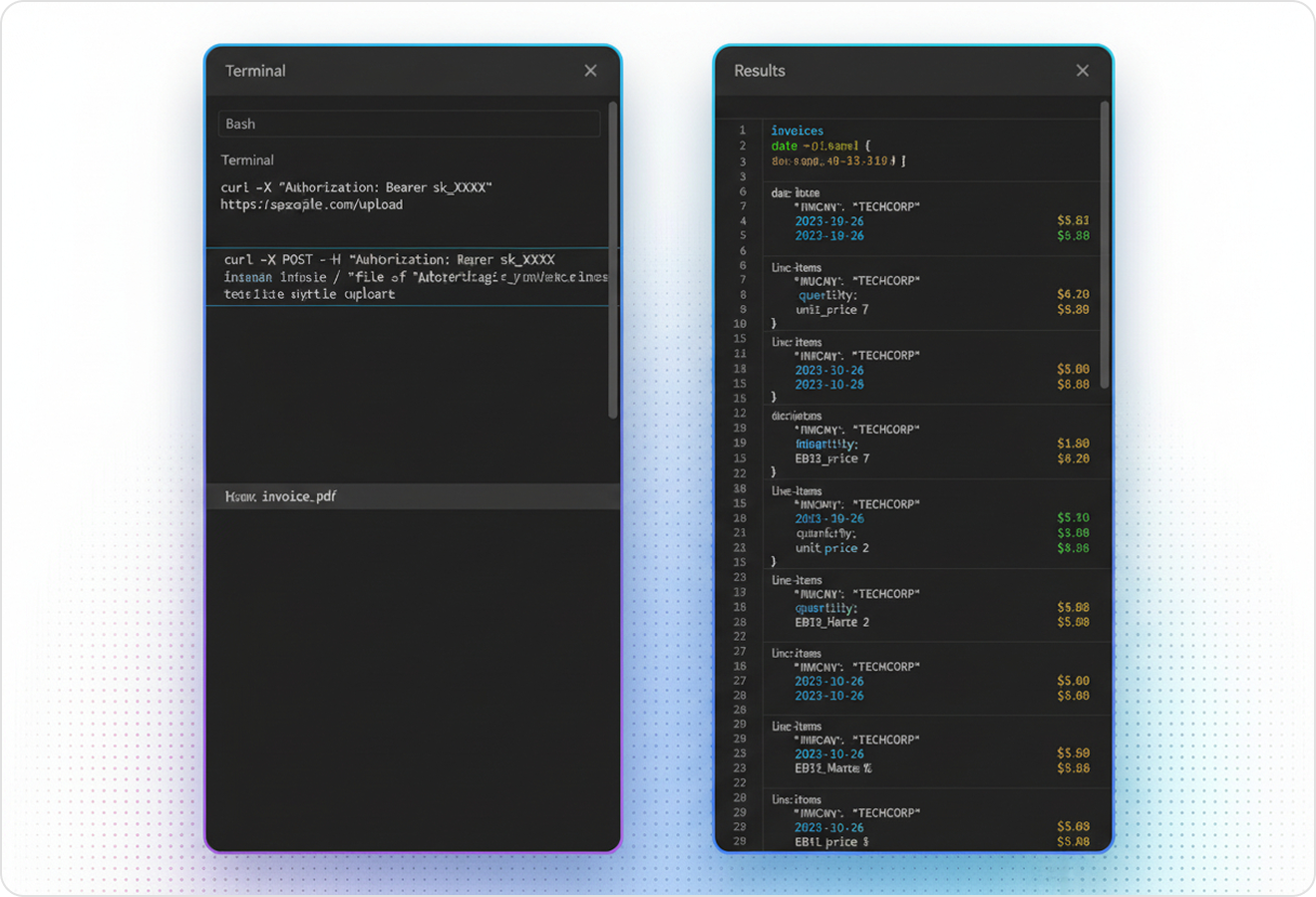
LlamaParse uses self-correction and validation loops to catch common extraction errors like inconsistent totals, missing tax lines, or misread dates on low-quality scans. For invoice scanning in Sage workflows, this improves straight-through processing and routes fewer documents to exception handling.
04
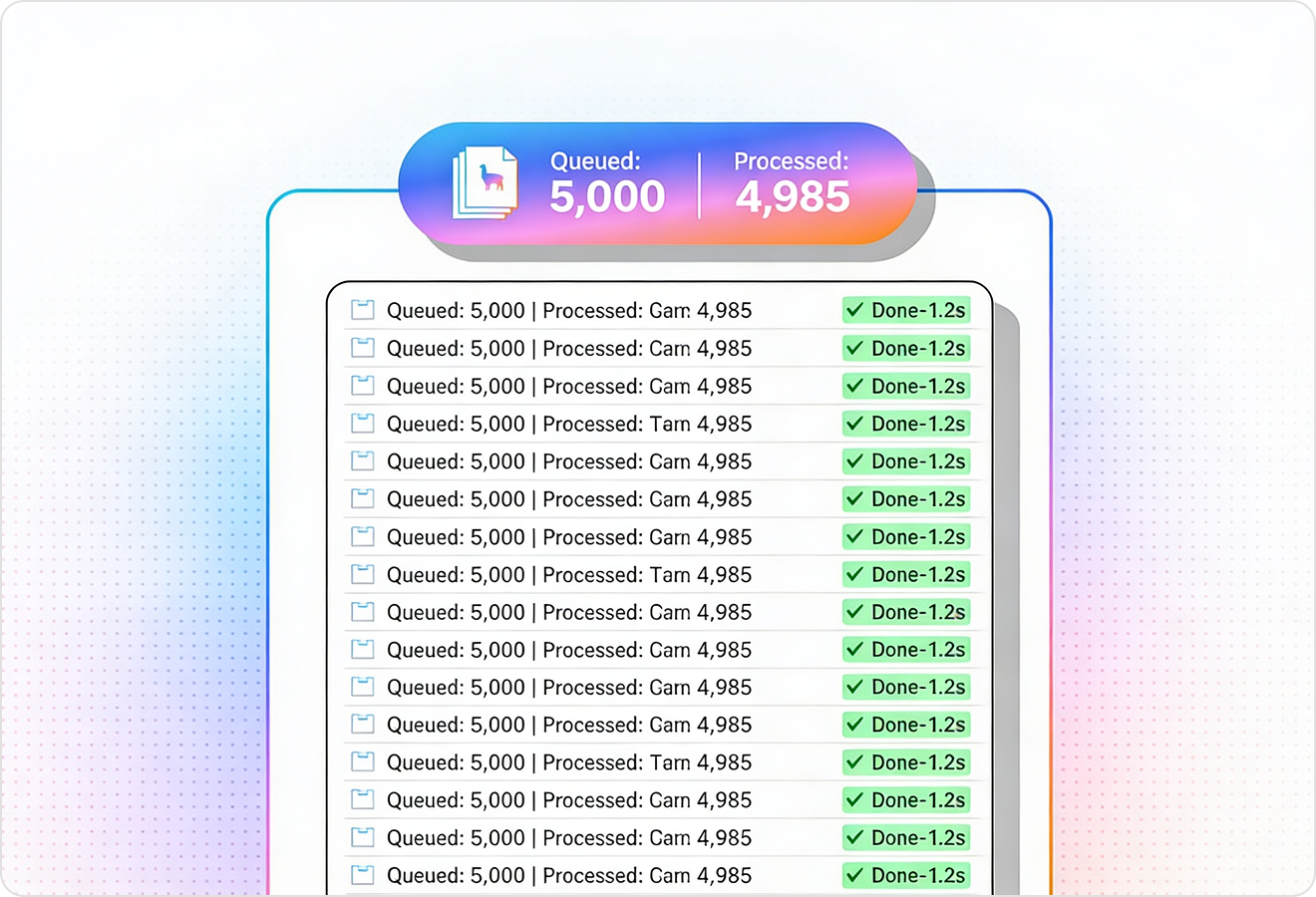
LlamaParse runs validation and auto-correction steps to catch common invoice issues like mismatched totals, missing tax lines, or misread decimals on low-quality scans. In practice, this improves straight-through processing for Xero invoice scanning and cuts down the number of invoices that need manual review.
Technical OCR documentation
Explore our developer guides to easily connect your document pipelines to LlamaParse.
Explore the documentation
Our AI catches the typos that tired eyes miss.

Export to Excel, JSON, XML, or directly via API.

SOC2 Type II compliant with end-to-end encryption.

Train the tool on your specific forms in minutes, not days.

Average processing time of <3 seconds per page.
LlamaParse’s support of a wide variety of filetypes and its accuracy of parsing made it the best tool we tested in our evaluations. The LlamaIndex team was very responsive and we were off to the races within a day.
Common FAQs
01
Yes. Our layout-aware parsing preserves the original reading order across headers, footers, and multi-column sections, so key fields like invoice number, date, vendor, and totals don’t get scrambled. That consistency makes Sage-style invoice scanning far more reliable across varied supplier formats.
02
It’s designed specifically to handle dense line-item tables without dropping rows or merging columns. Quantities, unit prices, taxes, discounts, and descriptions are captured cleanly so you can map them directly to Sage invoice line entries and reduce manual re-keying.
03
Yes—output can be returned as structured JSON tailored to your required fields, such as supplier, PO number, tax amount, currency, and payment terms. This makes validation and transformation straightforward before sending data into Sage via API or import.
04
What happens when the scan is low quality or the totals don’t add up?
Automatic validation loops help catch common issues like inconsistent totals, missing tax lines, or misread dates, and then self-correct when possible. When something still looks off, you can route only those invoices to exception handling instead of reviewing everything.
05
How does this reduce exceptions and improve straight-through processing in Sage workflows?
By preserving layout, extracting line items accurately, and validating key calculations, fewer invoices fail downstream checks. That means more documents can be auto-posted with confidence, while edge cases are clearly flagged for quick review.
06
How quickly can we connect this to Sage and start seeing results?
Most teams can get value quickly because the output is already structured for AP fields and easy to map into Sage imports or APIs. Start with a small set of real invoices to confirm field mapping and validation rules, then expand to full volume once you’re satisfied with accuracy.