Nov 14, 2025
Document AI: The Next Evolution of Intelligent Document ProcessingPersona
Industry
Use cases
Mileage Log OCR
[ Mileage Log OCR ]

Use LlamaParse to turn photos and PDFs into verified trip data your system can trust.
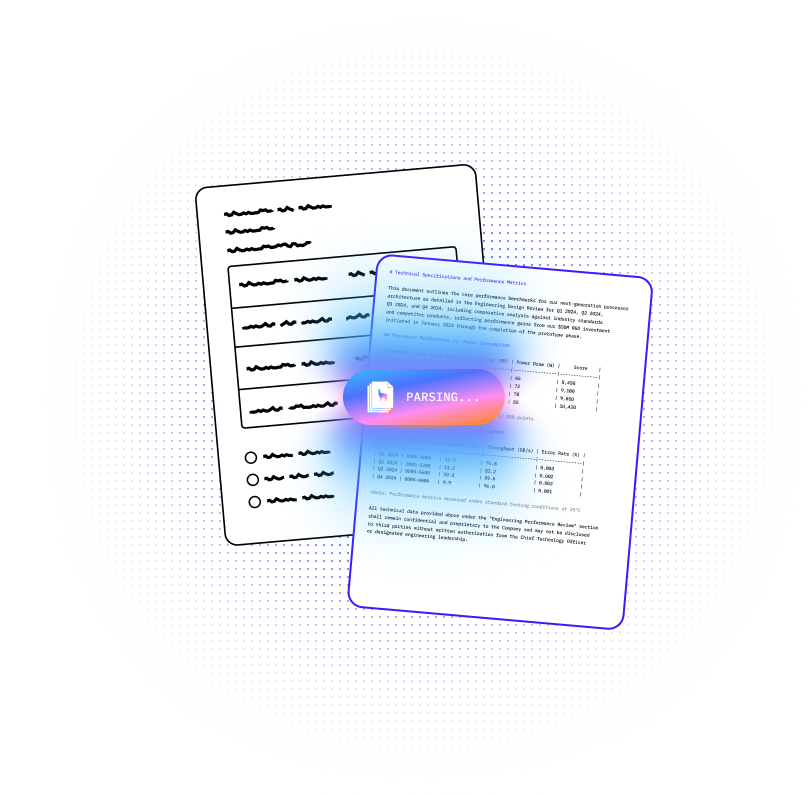


LlamaParse turns messy mileage logs and receipts into structured, audit-ready JSON, capturing dates, odometer readings, routes, and totals without manual cleanup. Agentic document parsing understands layout shifts and handwritten notes, adds confidence metadata, and reduces exceptions so your reimbursement and compliance workflows stay fast.
Best-in-Class Accuracy

Turn driver mileage logs, fuel receipts, and route sheets into structured JSON your TMS or payroll system can actually use, even when forms vary by depot or come in as messy phone photos. LlamaParse preserves tables and reading order so reimbursement and utilization reporting stops relying on manual rekeying and broken spreadsheet imports.

Extract trip purpose, start/stop odometer, and client/job codes from mileage logs with citations and confidence scores, so preparers can defensibly substantiate deductions during audits. LlamaParse’s validation loops reduce “small” extraction errors that silently create compliance risk and hours of cleanup at filing time.

Parse mileage documentation from claimants and field adjusters to verify travel, inspection visits, and billable miles, then reconcile it against claim timelines without manual cross-checking. Multimodal parsing captures notes, photos, and embedded tables in a single, reviewable output that speeds up approvals and reduces leakage.

Ship mileage capture features fast by ingesting arbitrary user-uploaded logs and receipts and normalizing them into a consistent schema via natural-language parsing instructions. Auto Mode routes only the tricky scans to heavier processing, keeping unit costs predictable while you scale from MVP to production.
The Solution
01
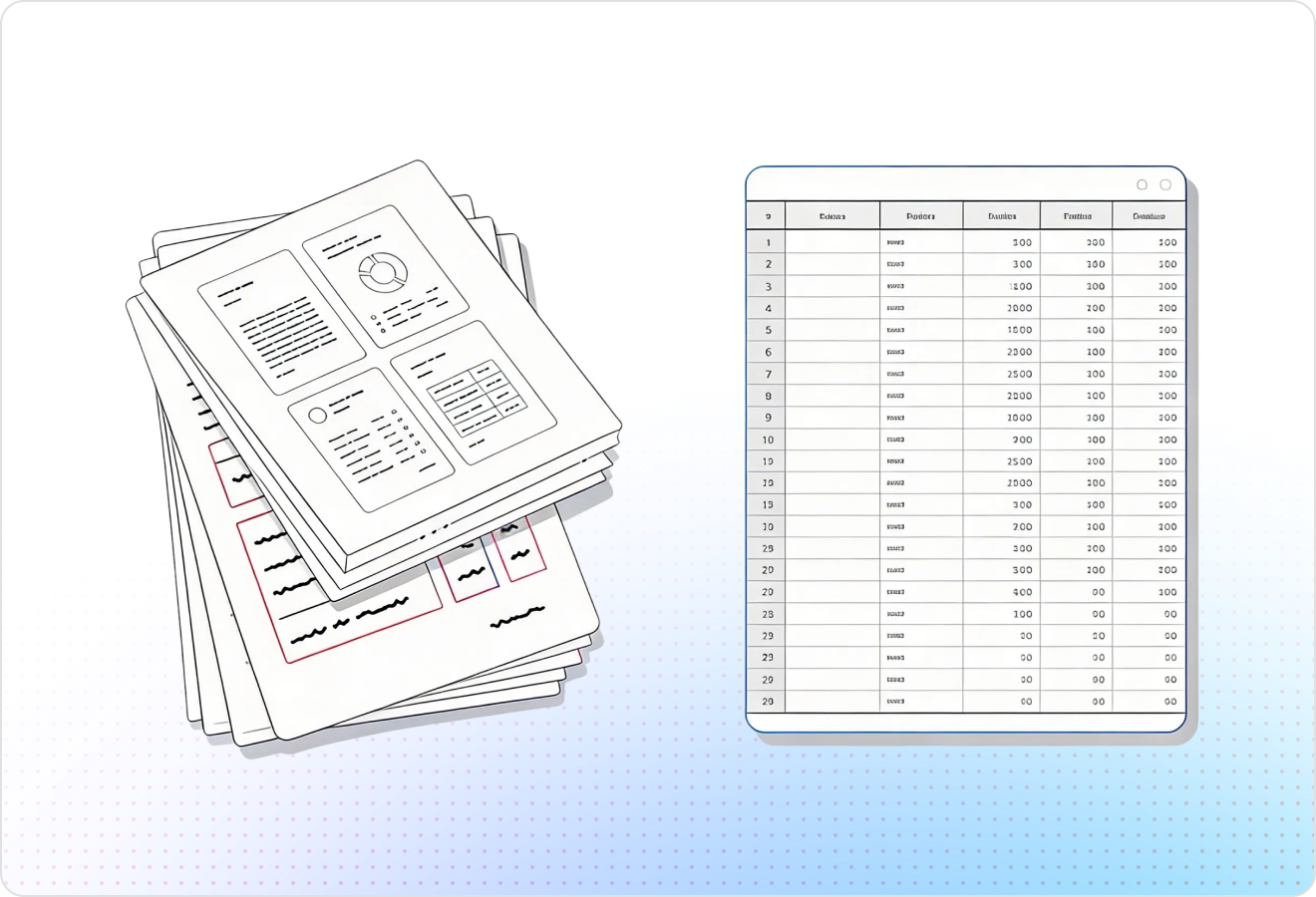
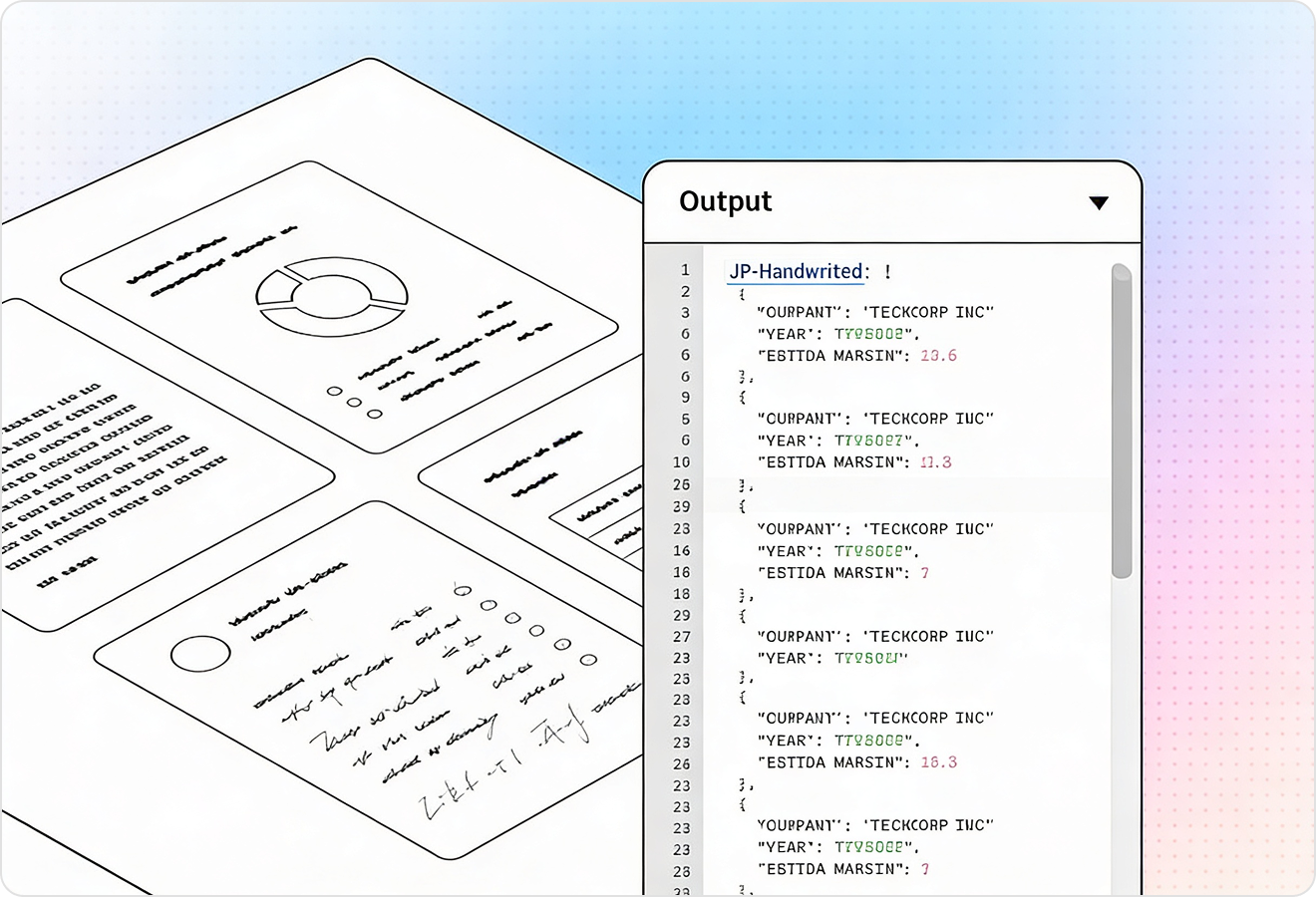
LlamaParse understands page layout so mileage logs don’t get mangled by multi-column forms, headers/footers, or irregular spacing. You reliably capture fields like date, start/end odometer, trip purpose, and total miles in the right reading order without brittle cleanup scripts.
02
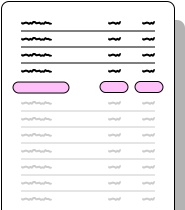
Mileage logs are often tables, and LlamaParse preserves row/column integrity instead of flattening everything into a text blob. That makes it straightforward to export each trip as a clean record for payroll, reimbursement, or tax compliance.
03
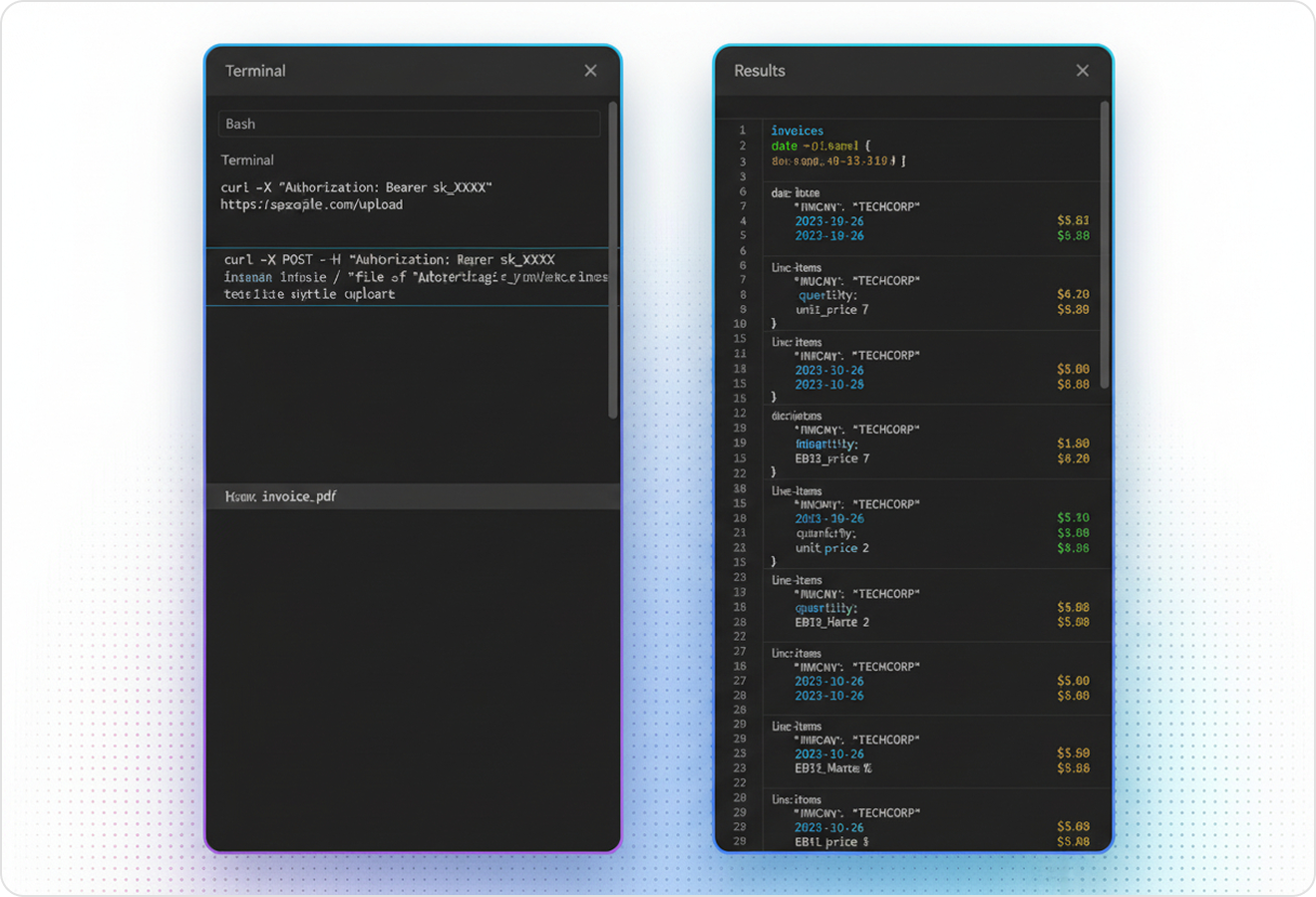
LlamaParse can return structured JSON alongside granular metadata like page numbers and bounding coordinates for each extracted value. For mileage log reviews, you can trace any number back to the exact spot in the source document and flag low-confidence entries for quick approval.
04
LlamaParse uses validation and self-correction loops to reduce common extraction errors from scans—like swapped digits, missing rows, or broken totals. That improves straight-through processing for mileage logs, especially when photos are skewed, low-contrast, or partially cropped.
Technical OCR documentation
Explore our developer guides to easily connect your document pipelines to LlamaParse.
Explore the documentation
Our AI catches the typos that tired eyes miss.

Export to Excel, JSON, XML, or directly via API.

SOC2 Type II compliant with end-to-end encryption.

Train the tool on your specific forms in minutes, not days.

Average processing time of <3 seconds per page.
LlamaParse’s support of a wide variety of filetypes and its accuracy of parsing made it the best tool we tested in our evaluations. The LlamaIndex team was very responsive and we were off to the races within a day.
Common FAQs
01
Yes—layout-aware extraction reads the page the way a person would, so headers, footers, and multi-column formatting don’t scramble your data. You reliably capture key fields like date, start/end odometer, trip purpose, and total miles without manual reformatting.
02
Mileage logs are often table-based, and our parser preserves row and column structure instead of flattening everything into a text block. That makes it easy to export each trip as a structured record for reimbursement, payroll, or tax reporting.
03
Yes, you can receive clean JSON for every trip entry, ready for downstream automation and approvals. This reduces manual copy/paste and speeds up processing from intake to export.
04
How can I verify the extracted numbers and resolve disputes quickly?
Each extracted value can include citations like page numbers and precise bounding coordinates, so reviewers can trace any mileage number back to the exact spot on the document. It’s ideal for audits and approvals because you can quickly flag and review questionable entries.
05
What happens when scans are low quality—skewed photos, faint text, or partially cropped pages?
Auto-correction validation loops help catch common issues like swapped digits, missing rows, and broken totals that often occur with real-world scans. The result is fewer exceptions to manually fix and higher straight-through processing for imperfect uploads.
06
Will this reduce manual cleanup compared to traditional OCR or template-based tools?
Yes—because it understands layout and preserves tables, you avoid brittle templates and post-processing scripts that break when forms change. Teams typically spend far less time correcting reading order and rebuilding tables, so you can scale mileage log processing confidently.