Nov 14, 2025
Document AI: The Next Evolution of Intelligent Document ProcessingPersona
Industry
Use cases
Lab Test Request Form OCR
[ Lab Test Request Form OCR ]

Use LlamaParse to turn messy lab request forms into accurate, structured fields your systems can trust.
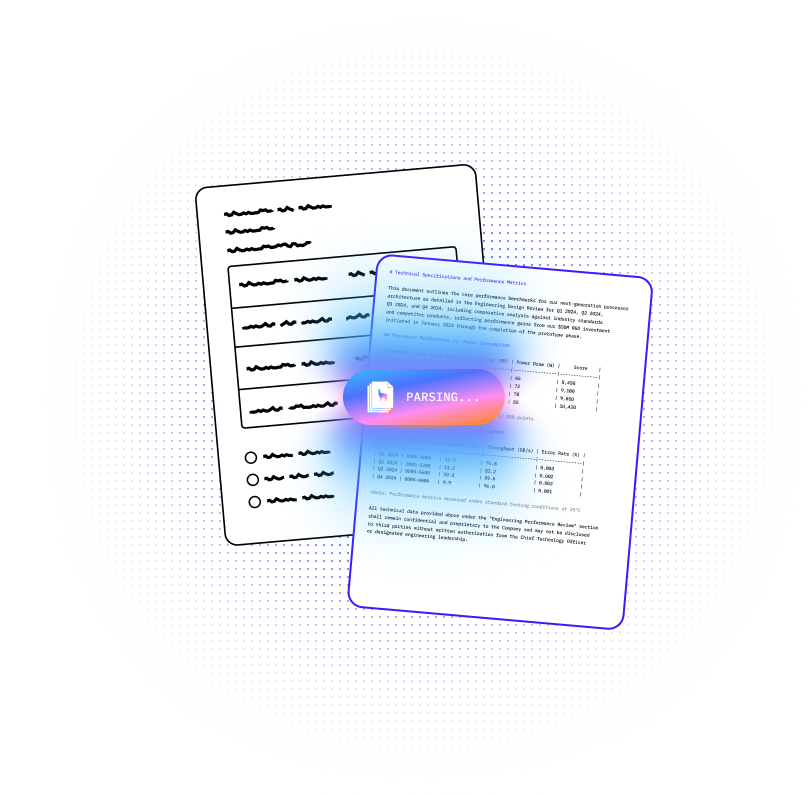
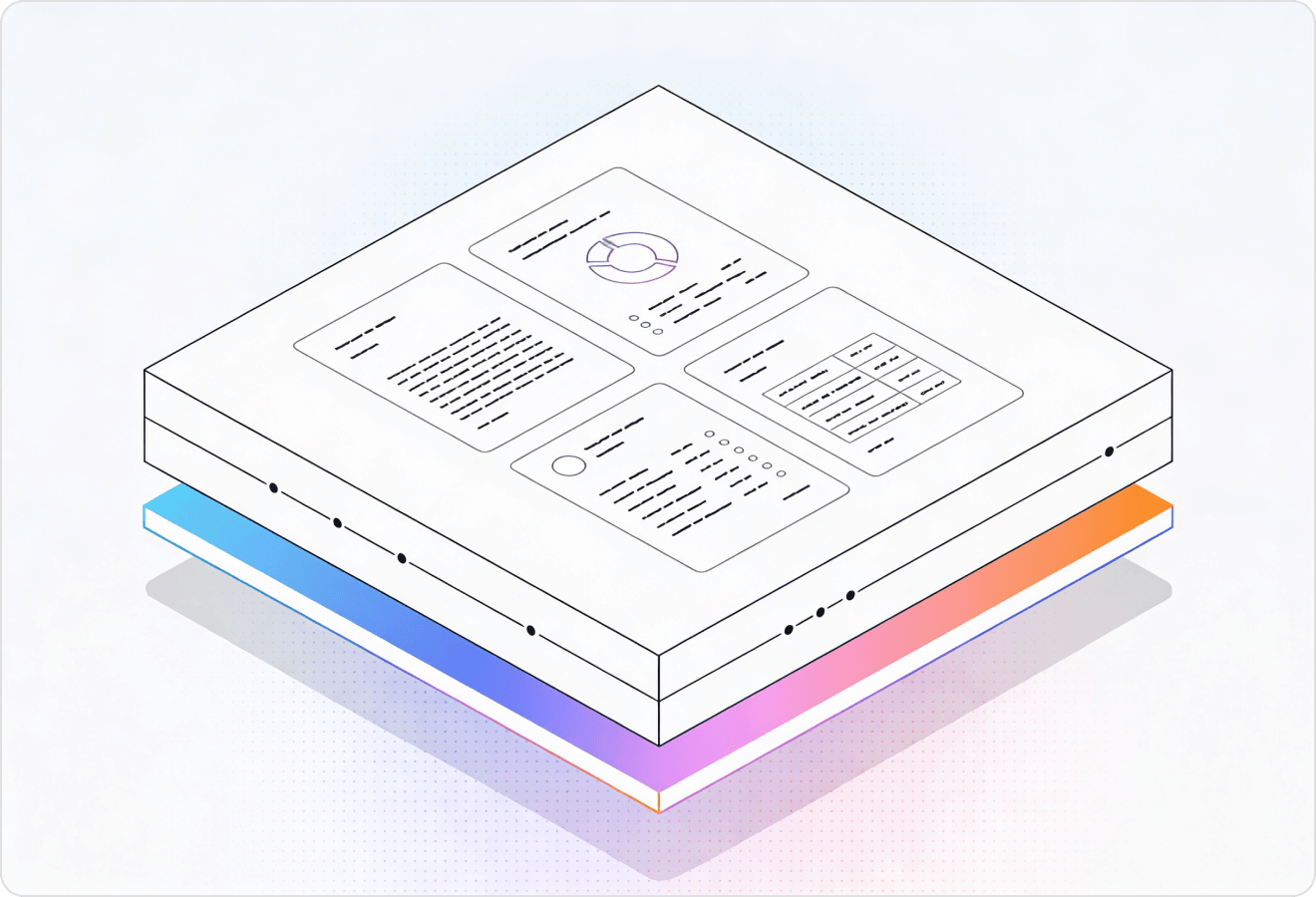
LlamaParse turns messy lab test request forms into clean, structured JSON or Markdown, capturing patient details, tests, and clinician notes reliably. Layout-aware vision and validation loops reduce missed fields and rework, so orders flow straight into your LIS with confidence.
Best-in-Class Accuracy

Turn faxed or scanned lab test request forms into clean, structured JSON so orders, ICD codes, and specimen details flow directly into the LIS/EHR without manual re-keying. LlamaParse preserves table structure and uses validation loops to reduce rejected orders caused by missing fields, illegible handwriting, or swapped patient identifiers.

Normalize high-volume inbound requisitions from thousands of providers—each with different templates—by extracting test panels, priority flags, and collection times with layout-aware parsing. Route only the messy pages to higher-powered agentic processing to keep per-requisition costs predictable while maintaining high straight-through processing.

Automatically ingest lab test requests and attach verifiable metadata (page citations and coordinates) to each extracted field, making prior auth and medical necessity checks faster and auditable. LlamaParse converts multi-column forms and embedded notes into AI-ready outputs that reduce back-and-forth with providers over incomplete documentation.

Ship lab-order automation without building brittle template rules by using natural-language parsing instructions to map form fields to your product schema as it evolves. Get production-ready structured outputs (Markdown/JSON) from real-world scans so your team can focus on workflow and integrations instead of document cleanup.
The Solution
01
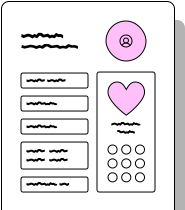
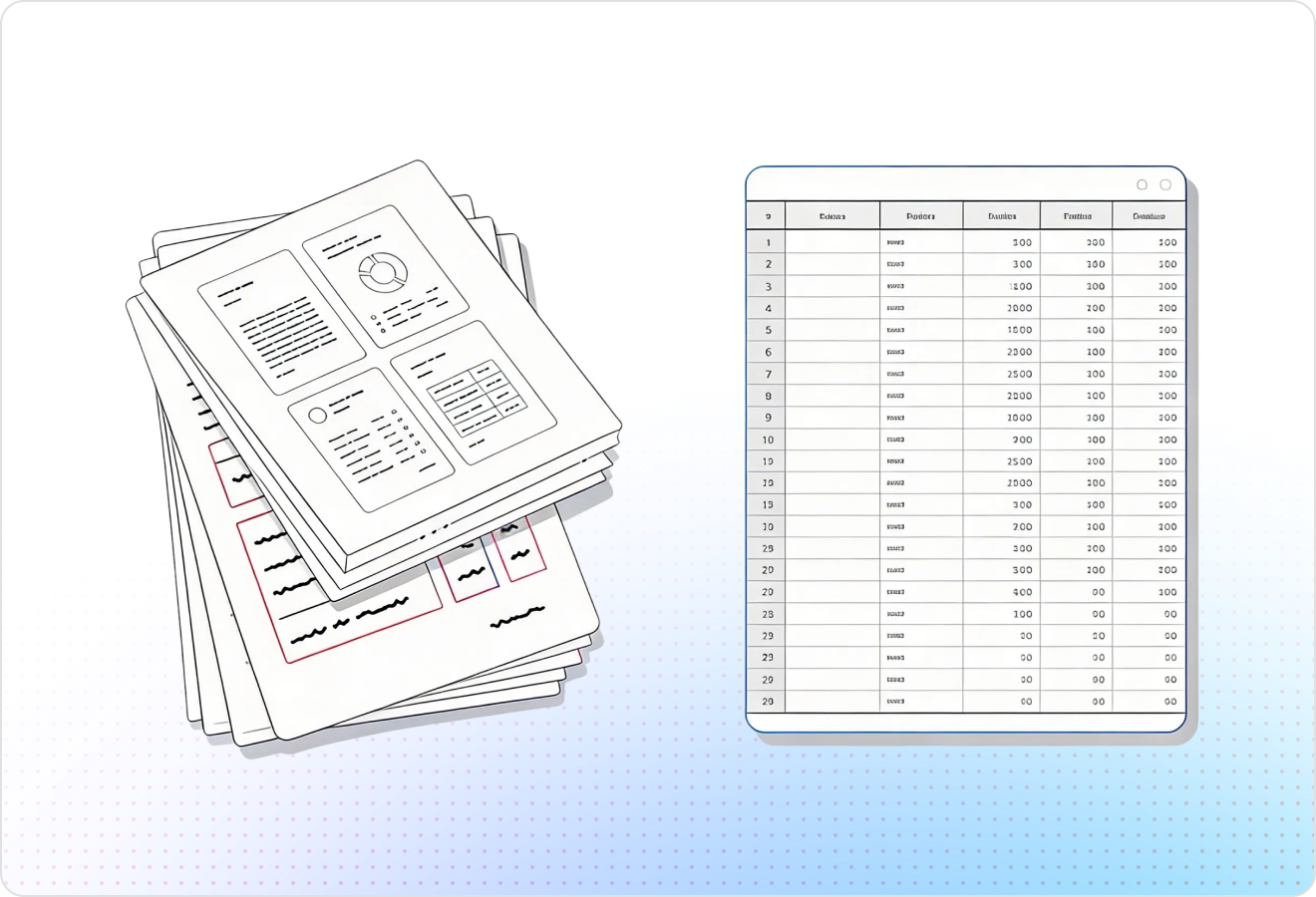
LlamaParse understands page structure so labels, checkboxes, and filled fields stay correctly associated instead of getting scrambled. For lab test request forms, that means patient identifiers, ordering provider details, and specimen info reliably land in the right fields even across different form templates.
02
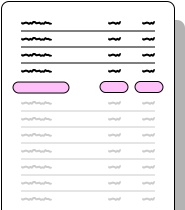
LlamaParse accurately captures tables, multi-column sections, and grouped panels without losing reading order. This is critical for lab orders where test menus, ICD codes, priorities, and collection instructions often live in dense grids that traditional parsing routinely breaks.
03
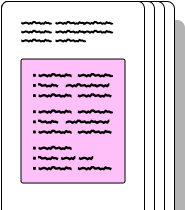
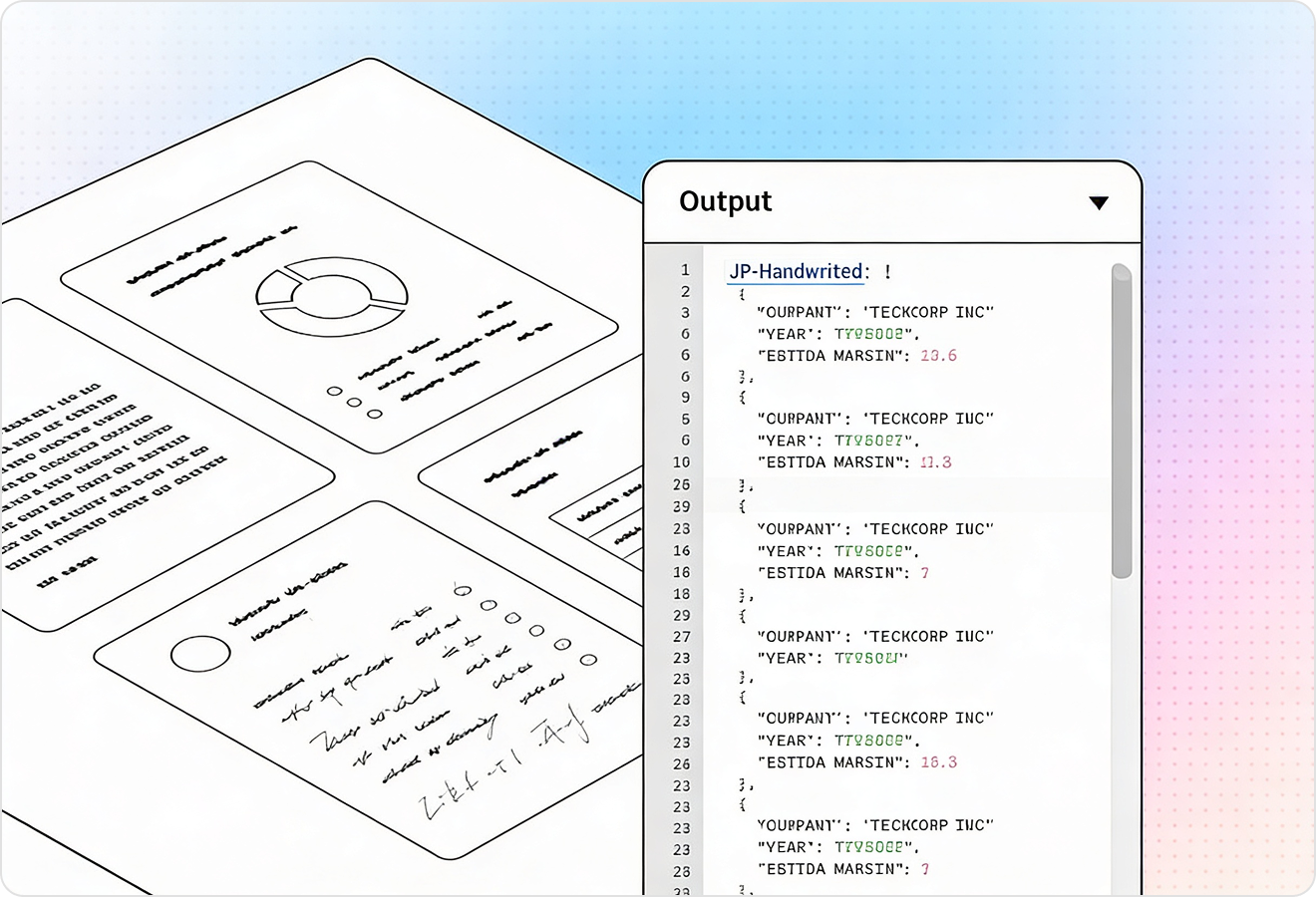
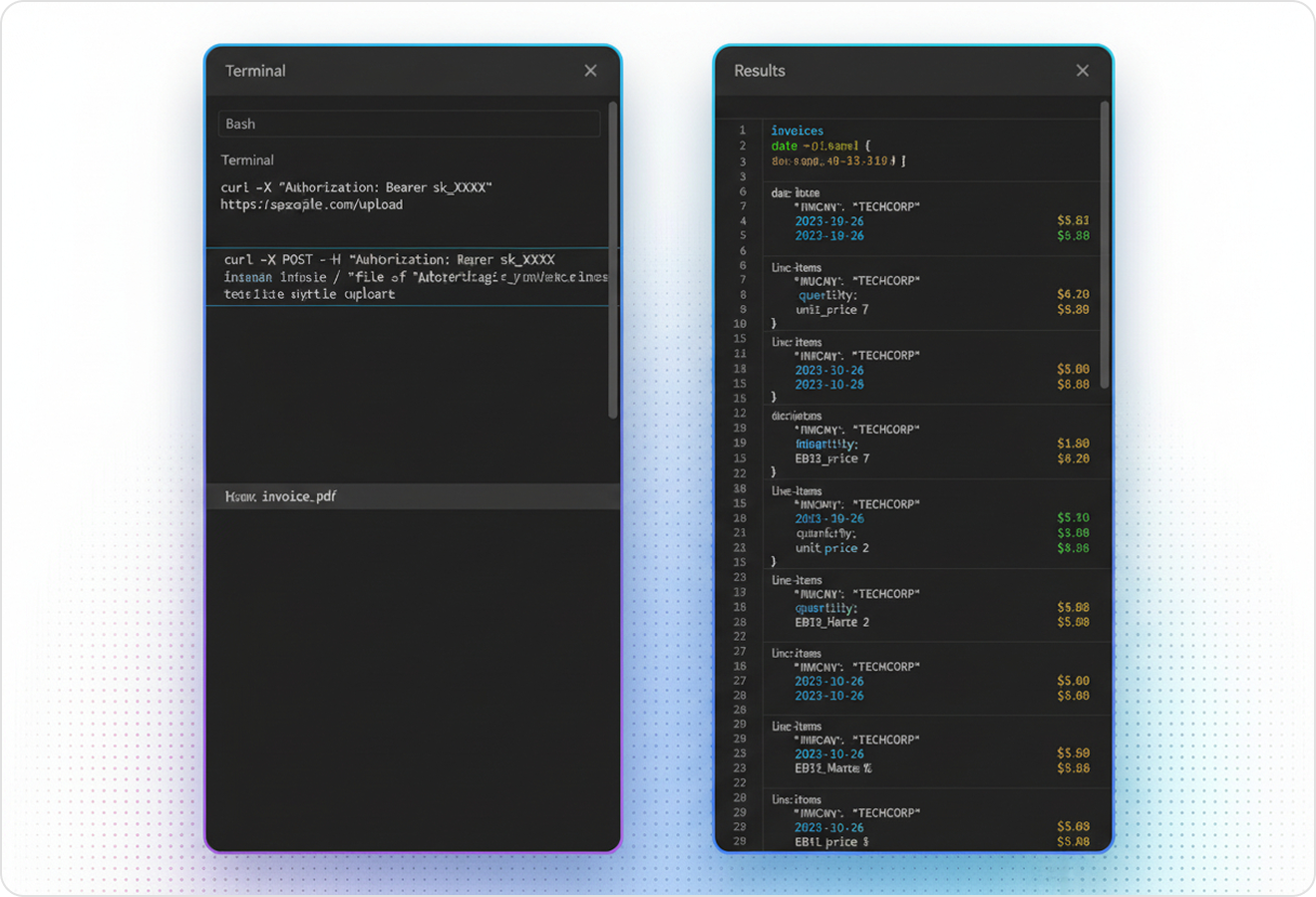
LlamaParse can return clean JSON along with page-level traceability like element types and locations for verification. In lab ordering workflows, this makes it straightforward to map results into LIS/EHR schemas and provide auditors or reviewers exact citations for every extracted field.
04
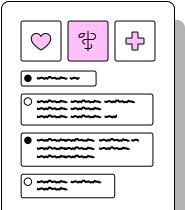
LlamaParse applies self-checking and validation steps to catch common extraction errors before output is finalized. For lab test request forms, that reduces downstream exceptions like mismatched patient demographics, incomplete ordering details, or impossible dates that would otherwise trigger manual rework.
Technical OCR documentation
Explore our developer guides to easily connect your document pipelines to LlamaParse.
Explore the documentation
Our AI catches the typos that tired eyes miss.

Export to Excel, JSON, XML, or directly via API.

SOC2 Type II compliant with end-to-end encryption.

Train the tool on your specific forms in minutes, not days.

Average processing time of <3 seconds per page.
LlamaParse’s support of a wide variety of filetypes and its accuracy of parsing made it the best tool we tested in our evaluations. The LlamaIndex team was very responsive and we were off to the races within a day.
Common FAQs
01
Yes. Our layout-aware form parsing understands the page structure, so labels, checkboxes, and handwritten/typed entries stay correctly linked to their corresponding fields. This helps ensure patient identifiers, ordering provider information, and specimen details map reliably even when forms vary by clinic or lab.
02
It’s built for table and panel extraction, preserving reading order across multi-column sections and grouped panels. That means test selections, ICD codes, priorities, and collection instructions are captured cleanly without scrambled rows or shifted columns.
03
You receive structured JSON designed for straightforward field mapping into LIS/EHR schemas. We also include helpful metadata (like element types and locations) so your team can verify where each value came from and support audit-ready traceability.
04
How do you reduce errors like mismatched patient details, missing ordering information, or impossible dates?
We run auto-correction validation loops that self-check extractions before finalizing output. This catches common issues—like incomplete provider details or invalid date formats—so fewer orders get kicked back for manual rework.
05
Can we quickly verify results and trace extracted fields back to the original document for QA or audits?
Yes. Along with JSON, we provide page-level traceability so reviewers can pinpoint exactly where each extracted field appeared on the form. This makes spot-checking faster and supports compliance workflows without hunting through PDFs.
06
How do we get started—can we test it on our own lab order forms before committing?
Absolutely. You can run a pilot using your real lab request forms to validate extraction accuracy on your templates, including tables and checkbox-driven sections. Once it meets your acceptance criteria, scaling to production is a straightforward API integration.