Nov 14, 2025
Document AI: The Next Evolution of Intelligent Document ProcessingPersona
Industry
Use cases
House Bill Of Lading OCR
[ House Bill Of Lading OCR ]

Use LlamaParse to turn messy HBLs into accurate, layout-aware JSON your systems can trust.
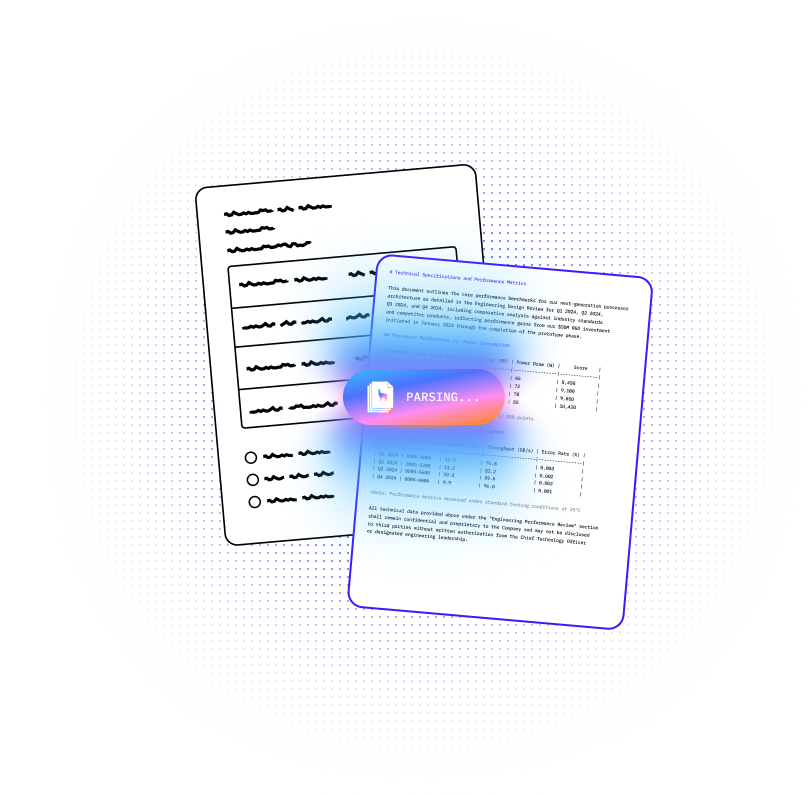
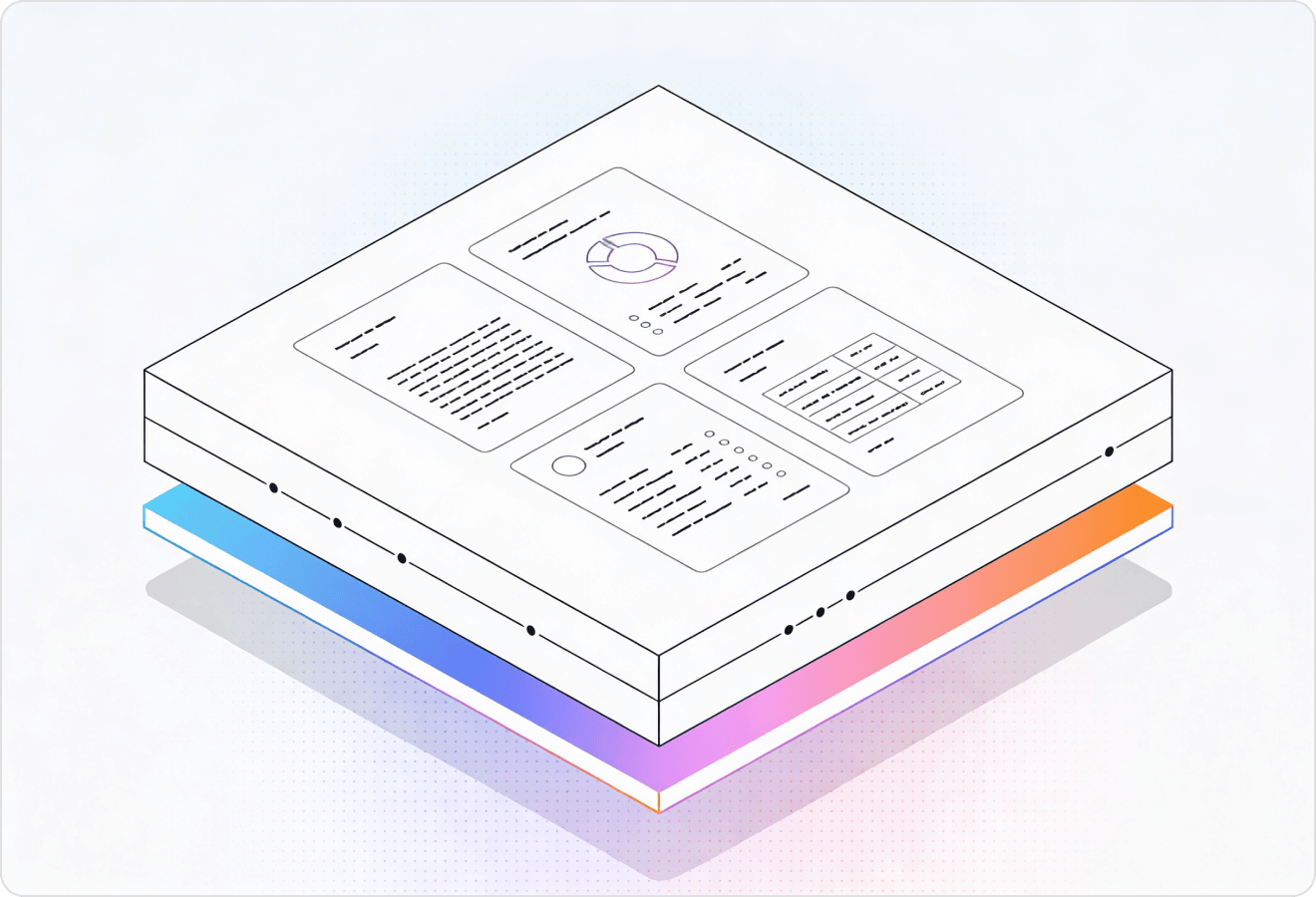

LlamaParse turns house bills of lading into clean, structured records you can trust, capturing key fields across messy scans and templates. Agentic document parsing understands layout, tables, and stamps, then validates extractions with confidence metadata so operations teams can automate downstream workflows.
Best-in-Class Accuracy

Parse House Bills of Lading into clean JSON and preserve table structure for containers, piece counts, and charge lines—so operations teams stop rekeying PDFs and fixing scrambled fields. LlamaParse stays reliable when carriers change templates or scans are messy, and returns confidence metadata so exceptions route straight to the right reviewer.

Extract shipper/consignee, HS-related descriptions, weights, and origin details from HBLs with layout-aware parsing to reduce entry errors and prevent costly clearance delays. Use natural-language parsing instructions to standardize outputs to your filing schema and generate audit-ready traceability with page-level citations.

Turn HBL packages into structured data for faster document checks, discrepancy detection, and underwriting—without building brittle regex pipelines for every format. Auto correction loops and verifiable outputs help teams reconcile names, dates, and quantities before funds are released, shrinking manual review queues.

Ship an HBL ingestion workflow in days by using LlamaParse as the agentic document parsing layer that outputs Markdown/JSON your product can index and automate against. Tier-based processing and cost optimizer modes keep unit economics predictable as you scale from a few customers to high-volume multi-shipper workloads.
The Solution
01
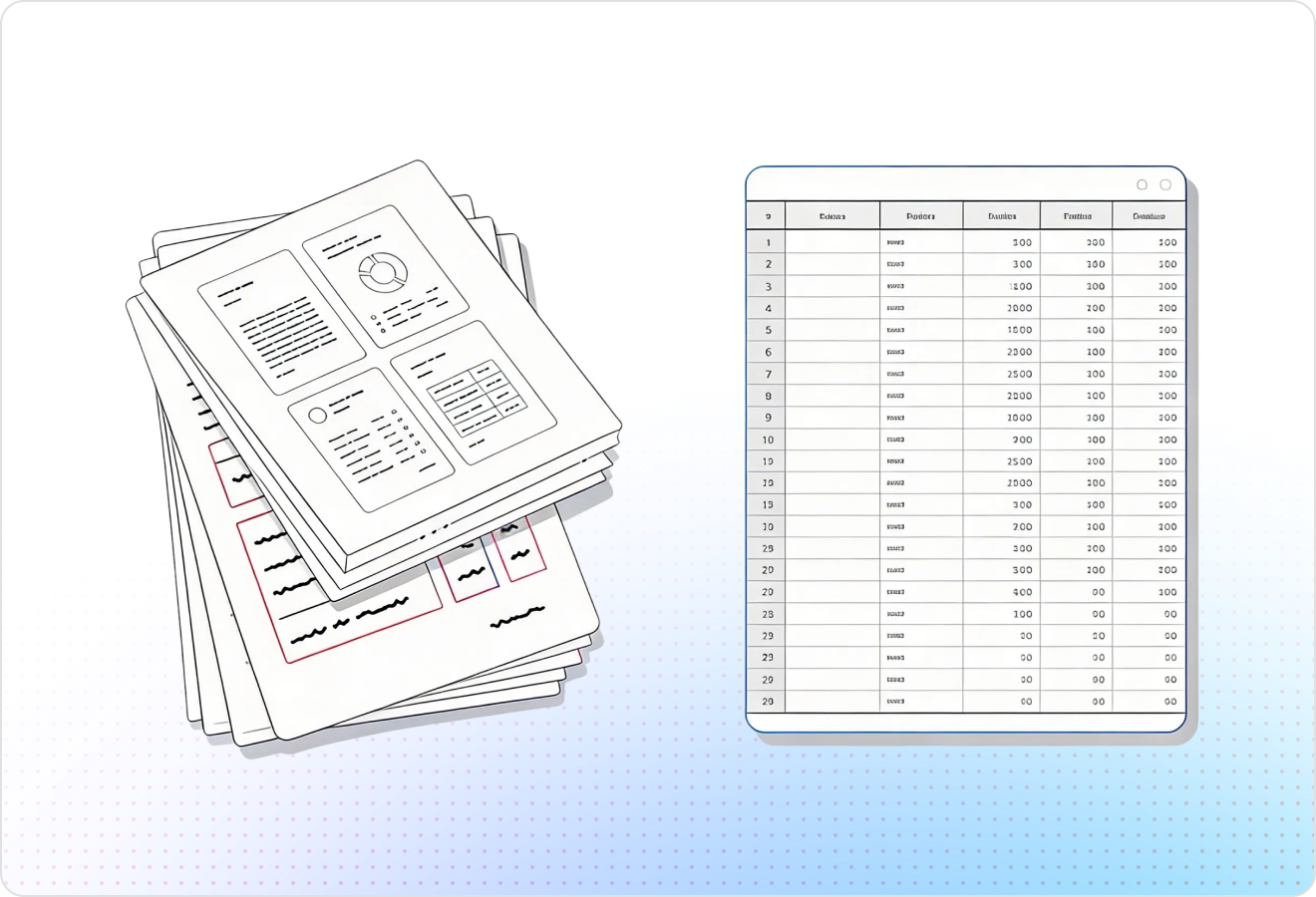
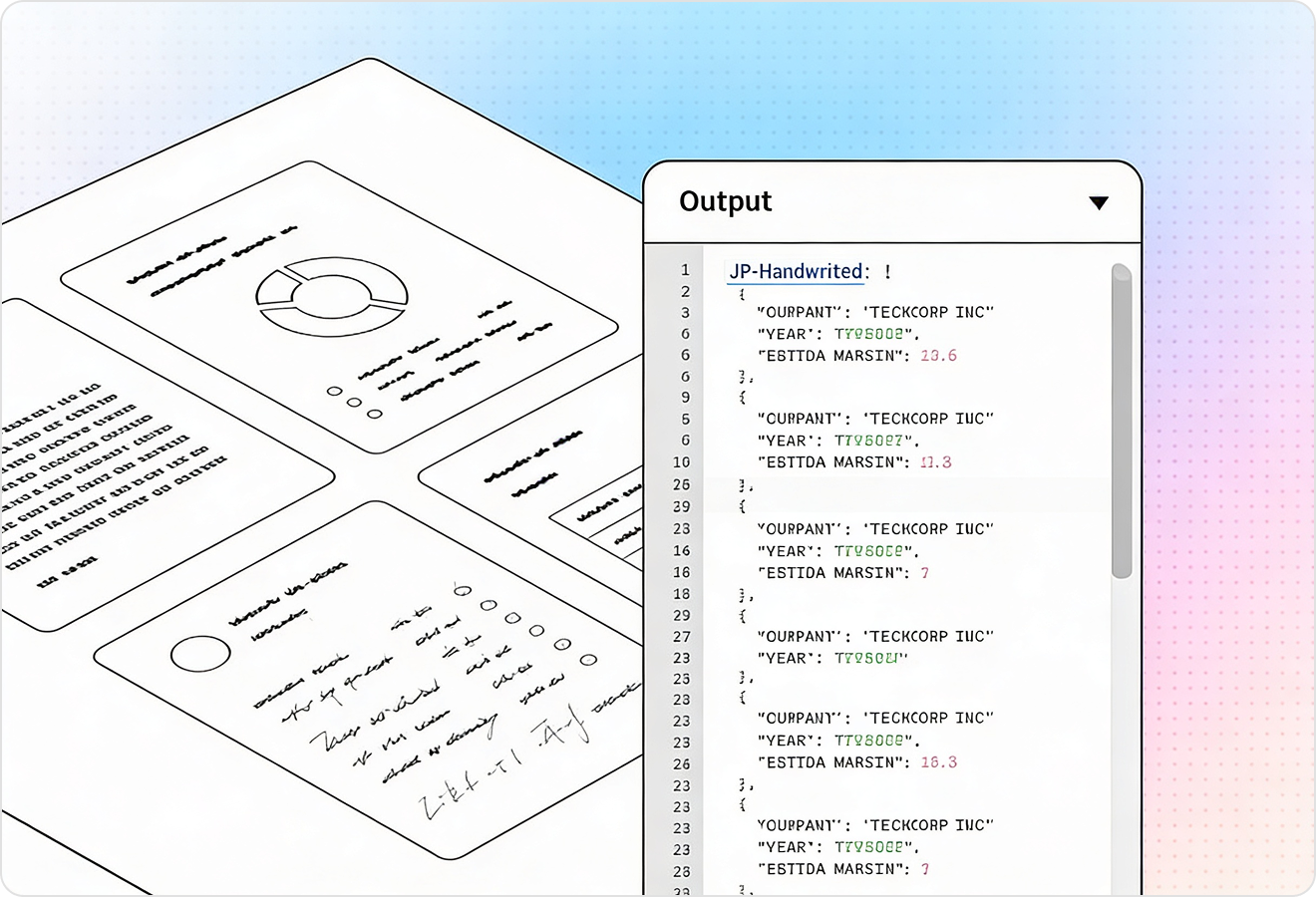
LlamaParse understands page layout to preserve reading order across multi-column blocks, headers/footers, and dense form regions common in house bills of lading. This keeps shipper/consignee, ports, dates, and reference numbers from getting scrambled—so downstream matching and reconciliation actually works.
02
LlamaParse extracts line-item tables (packages, weights, measurements, marks & numbers) without losing row/column structure. That means you can reliably turn the cargo breakdown into structured data for audits, customs prep, and billing—without brittle post-processing.
03
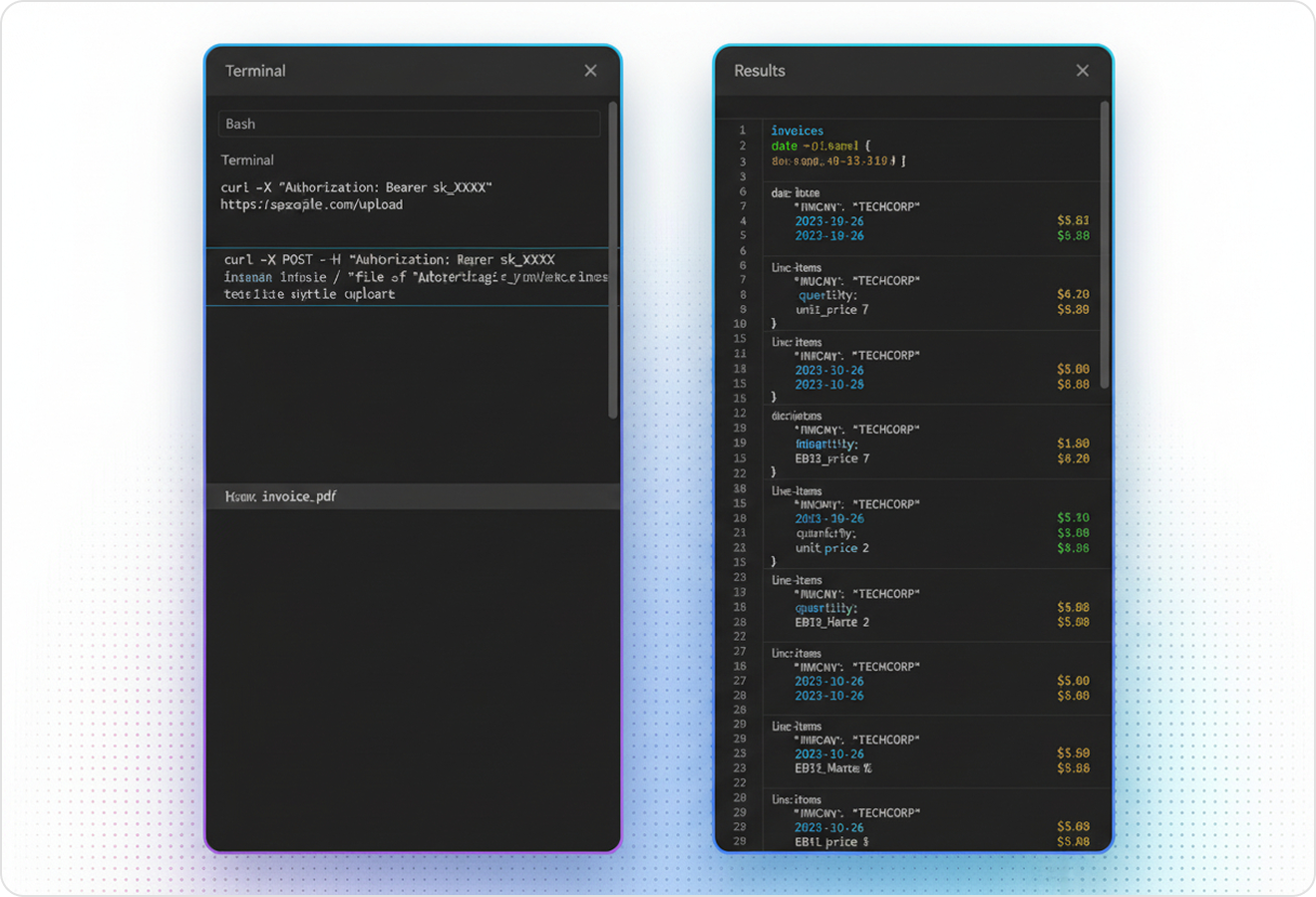
LlamaParse can emit structured JSON and attach granular metadata like page references and spatial coordinates for each extracted element. For house bills of lading, this gives you verifiable, review-friendly outputs so operations teams can quickly confirm disputed fields and handle exceptions.
04
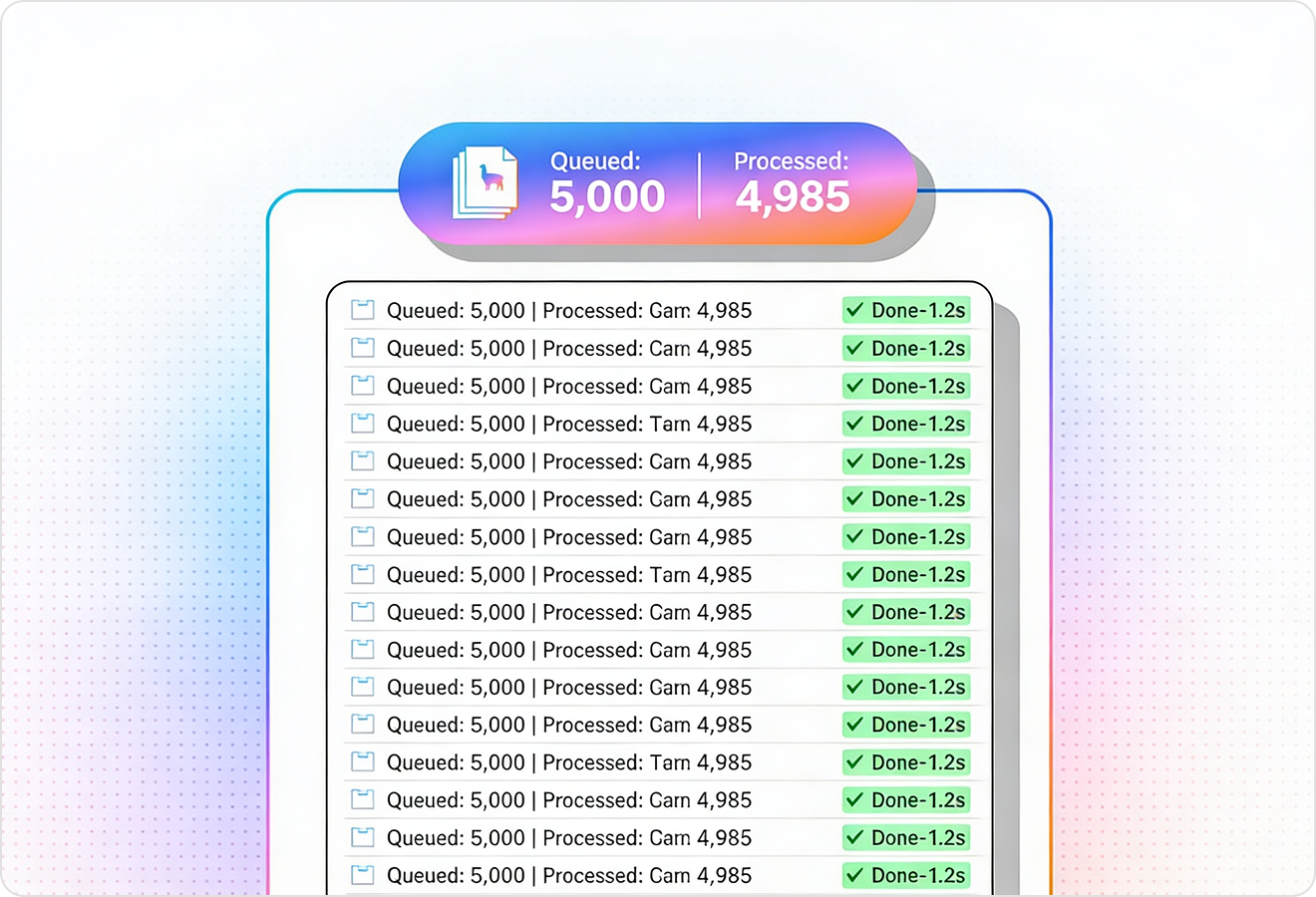
LlamaParse uses self-correction and validation steps to catch common extraction errors on messy scans, stamps, and low-contrast text. For house bills of lading, this improves straight-through processing by reducing misread container numbers, totals, and critical identifiers that cause downstream rejects.
Technical OCR documentation
Explore our developer guides to easily connect your document pipelines to LlamaParse.
Explore the documentation
Our AI catches the typos that tired eyes miss.

Export to Excel, JSON, XML, or directly via API.

SOC2 Type II compliant with end-to-end encryption.

Train the tool on your specific forms in minutes, not days.

Average processing time of <3 seconds per page.
LlamaParse’s support of a wide variety of filetypes and its accuracy of parsing made it the best tool we tested in our evaluations. The LlamaIndex team was very responsive and we were off to the races within a day.
Common FAQs
01
Yes. Layout-aware capture preserves reading order across multi-column sections, headers/footers, and dense form blocks so fields like shipper/consignee, ports, dates, and references don’t get scrambled. That means cleaner downstream matching, reconciliation, and fewer manual fixes.
02
It extracts tables with high fidelity, keeping row/column structure intact instead of flattening everything into text. You can reliably turn the cargo breakdown into structured data for audits, customs prep, billing, and analytics—without brittle post-processing.
03
You can output clean JSON and include traceability metadata like page references and spatial coordinates for each extracted element. This makes reviews faster and dispute resolution easier because operations teams can quickly confirm the exact source on the document.
04
What happens with messy scans—stamps, low-contrast text, skewed pages, or handwriting-like marks?
Auto validation loops help catch and correct common extraction errors caused by noisy scans and overlays like stamps. That reduces misreads of critical identifiers (like container numbers, totals, and references) and increases straight-through processing.
05
How do you reduce exceptions from misread reference numbers or mismatched totals?
The system runs self-correction and validation checks to flag inconsistencies and improve accuracy on the fields that typically trigger rejects. You’ll spend less time chasing mismatches and more time moving shipments through without delays.
06
Is this flexible enough for different carrier formats and templates of house bills of lading?
Yes—because it relies on layout understanding and structure extraction rather than brittle, template-by-template rules. You can onboard new HBL formats faster and keep performance consistent as document layouts vary across forwarders and carriers.