Nov 14, 2025
Document AI: The Next Evolution of Intelligent Document ProcessingPersona
Industry
Use cases
Mortgage Verification OCR
[ Mortgage Verification OCR ]

Use LlamaParse to turn messy mortgage files into verified fields with citations and confidence scores.
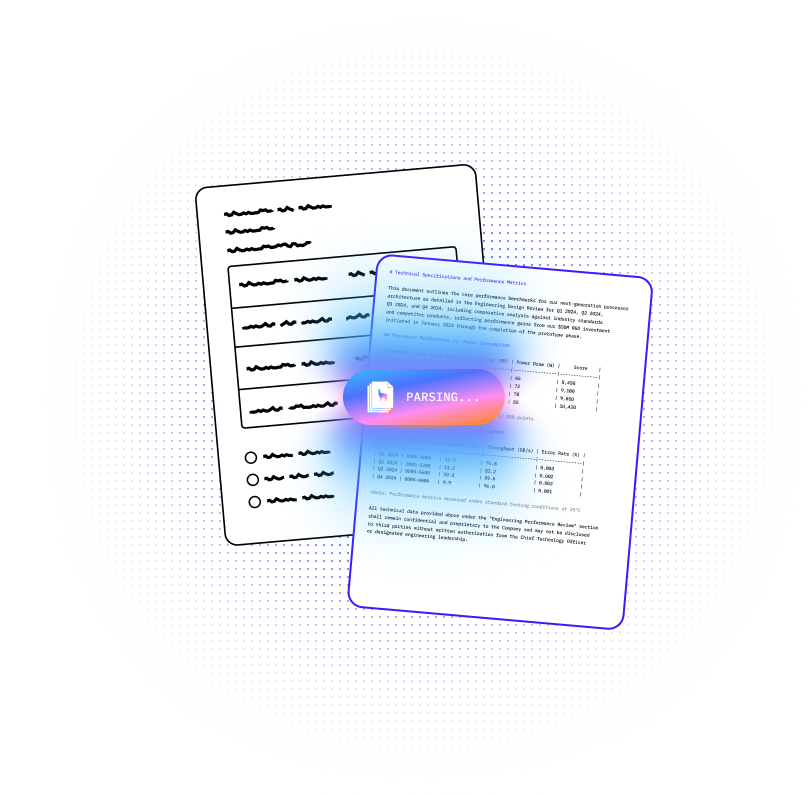
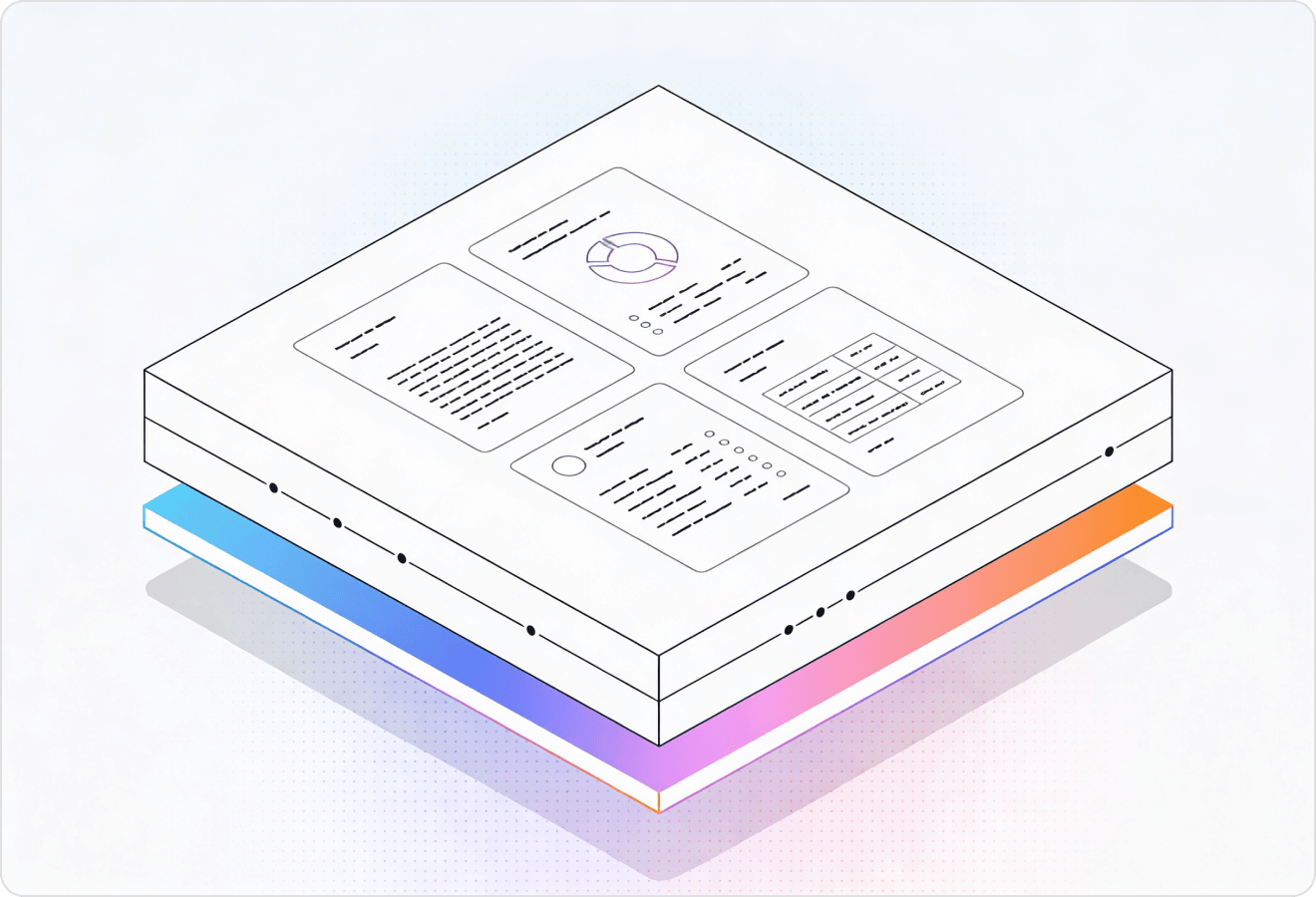

LlamaParse turns messy pay stubs, W-2s, bank statements, and VOE letters into clean, structured fields you can trust for underwriting. It uses layout-aware vision and validation loops to reduce exceptions, preserve citations, and speed reviews without constant template fixes.
Best-in-Class Accuracy

Use LlamaParse in LlamaCloud to turn borrower income packets (pay stubs, W-2s, 1099s, bank statements) into schema-ready JSON with page-level citations, even when tables and multi-column layouts would normally break legacy OCR. This reduces conditions, rework, and QC time by enabling automated verification checks and exception routing when confidence scores drop.

Parse inspection reports, loss runs, repair estimates, and photo-heavy claim PDFs with multimodal understanding so adjusters can extract line items, totals, and policy-relevant fields without manual re-keying. Natural-language parsing instructions let teams enforce carrier-specific extraction rules (e.g., exclude non-covered items) while maintaining traceability back to the source page.

Automate rent-roll and occupancy verification by extracting structured data from leases, tenant ledgers, and bank statements where headers, footers, and repeated tables often scramble standard text extraction. Layout-aware structure preserves reading order and outputs clean Markdown/JSON so teams can reconcile tenant income and payment history faster during leasing and renewals.

Ship mortgage verification workflows quickly by using LlamaParse APIs to ingest messy, user-uploaded PDFs and return consistent JSON outputs ready for underwriting logic and audit logs. Tier-based agentic processing keeps unit economics predictable by reserving heavier vision models for the few pages that are actually complex or low-quality scans.
The Solution
01
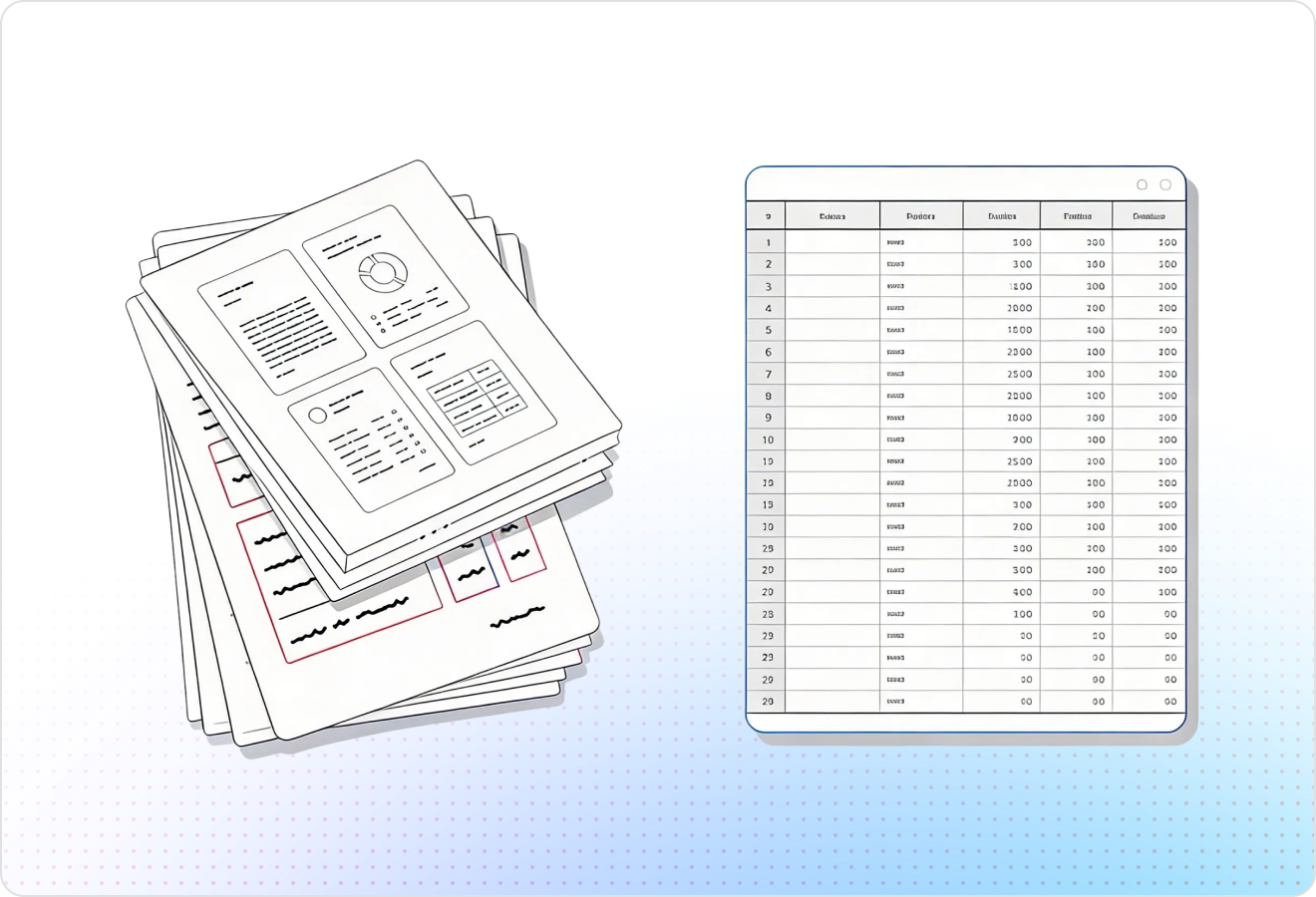
LlamaParse understands page structure across common mortgage packets—W-2s, pay stubs, bank statements, and 1003-style forms—so fields don’t get scrambled by multi-column layouts or headers/footers. That means you can reliably capture borrower names, addresses, account numbers, and employer details without brittle template rules.
02
LlamaParse extracts complex tables and line items while preserving reading order, including transaction histories, escrow breakdowns, and amortization-style summaries. This makes it straightforward to verify income deposits, recurring liabilities, and cash-to-close calculations from real-world statements.
03
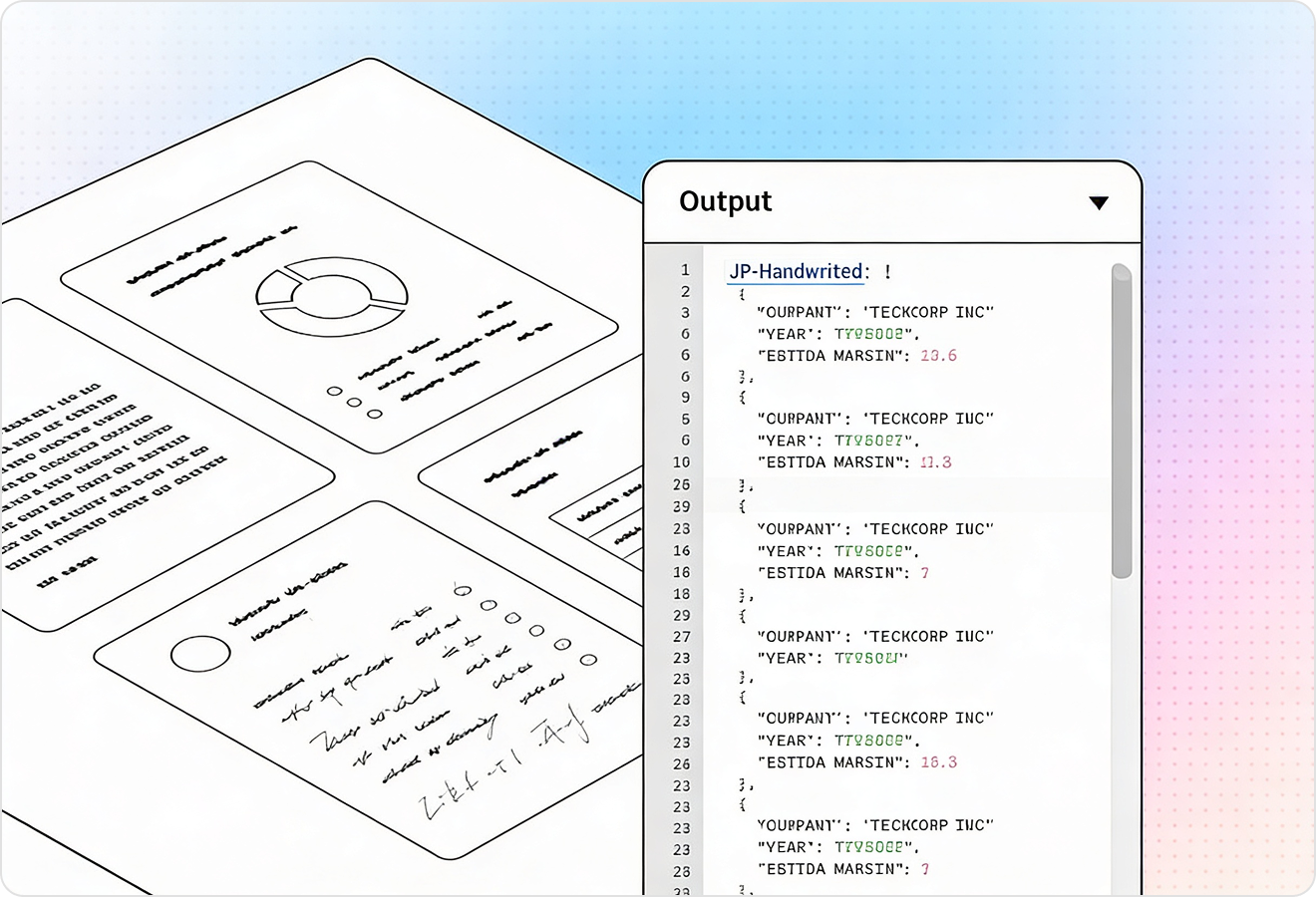
LlamaParse can return structured JSON with granular metadata like page numbers and element coordinates, so every extracted value is traceable to the source. For mortgage verification, this enables audit-ready workflows where underwriters can quickly validate flagged fields and resolve exceptions with confidence.
04
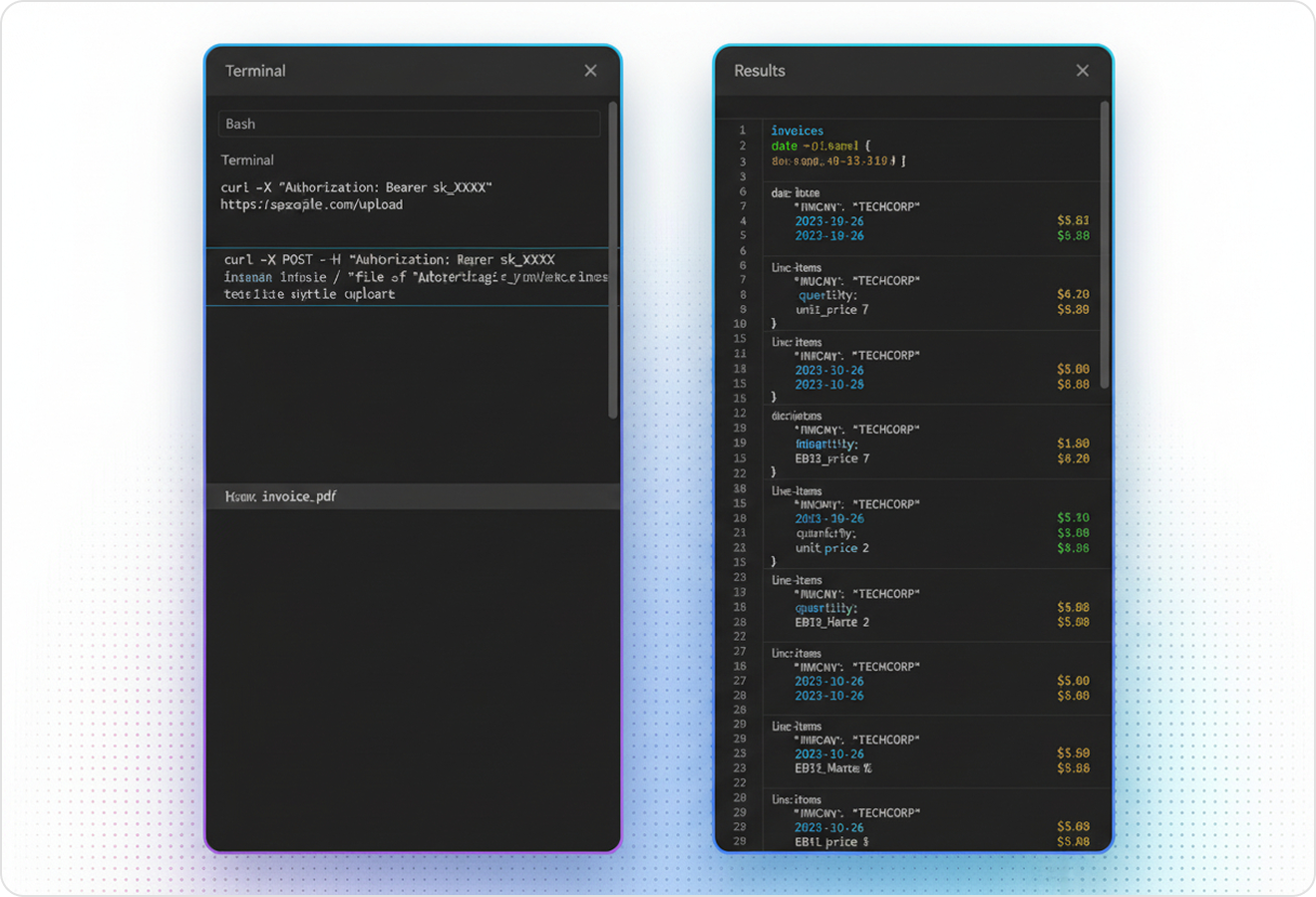
LlamaParse uses agentic validation loops to catch and correct common extraction failures—misread digits, broken tables, and inconsistent totals—before results hit your system. In mortgage verification, that reduces rework on high-stakes fields like balances, payment amounts, and DTI-relevant obligations.
Technical OCR documentation
Explore our developer guides to easily connect your document pipelines to LlamaParse.
Explore the documentation
Our AI catches the typos that tired eyes miss.

Export to Excel, JSON, XML, or directly via API.

SOC2 Type II compliant with end-to-end encryption.

Train the tool on your specific forms in minutes, not days.

Average processing time of <3 seconds per page.
LlamaParse’s support of a wide variety of filetypes and its accuracy of parsing made it the best tool we tested in our evaluations. The LlamaIndex team was very responsive and we were off to the races within a day.
Common FAQs
01
Our layout-aware extraction reads documents the way an underwriter would—accounting for columns, headers/footers, and section groupings—so values don’t get swapped or scrambled. This reduces template maintenance and improves accuracy across the varied formats found in real mortgage packets.
02
Yes—tables and line items are parsed while preserving reading order, even when statements include dense transaction histories or multi-line descriptions. That makes it easier to verify income deposits, identify recurring liabilities, and reconcile cash-to-close numbers with fewer manual checks.
03
We output structured JSON with citations such as page numbers and element coordinates, so each value is traceable back to the exact spot in the source document. This supports faster exception handling and gives your QC and compliance teams a clear audit trail.
04
How do you handle common OCR errors like misread digits or inconsistent totals?
Built-in validation and auto-corrections catch issues like transposed numbers, broken tables, and totals that don’t reconcile before results reach your workflow. This reduces rework on high-impact fields like balances, payment amounts, and DTI-related obligations.
05
What types of mortgage verification documents does this work best on?
It’s optimized for the documents that drive verification decisions—W-2s, pay stubs, bank statements, and standard mortgage forms—where structure varies widely across issuers. You can start with these high-volume documents and expand coverage as your workflows evolve.
06
How quickly can we integrate the extracted results into our LOS or underwriting workflow?
You receive clean, structured JSON that’s straightforward to map into your existing data model, plus citations for easy human review when needed. Most teams can pilot quickly by automating a few high-value fields first, then scaling to broader extraction once results are validated.