Nov 14, 2025
Document AI: The Next Evolution of Intelligent Document ProcessingPersona
Industry
Use cases
UCC Financing Statement OCR
[ UCC Financing Statement OCR ]

Use LlamaParse to turn UCC statements into clean, verifiable JSON with fewer manual checks.
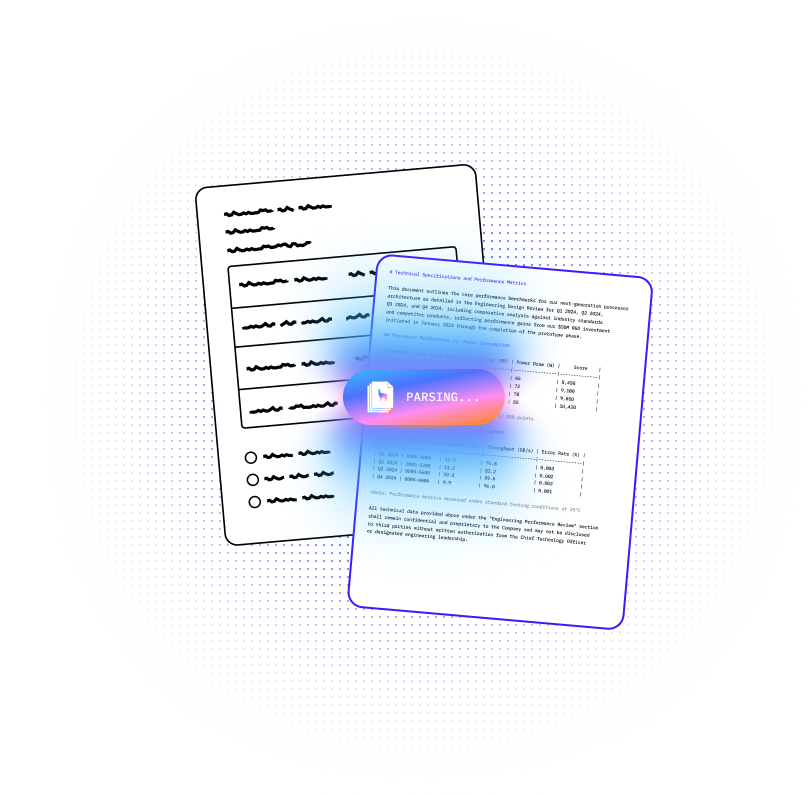
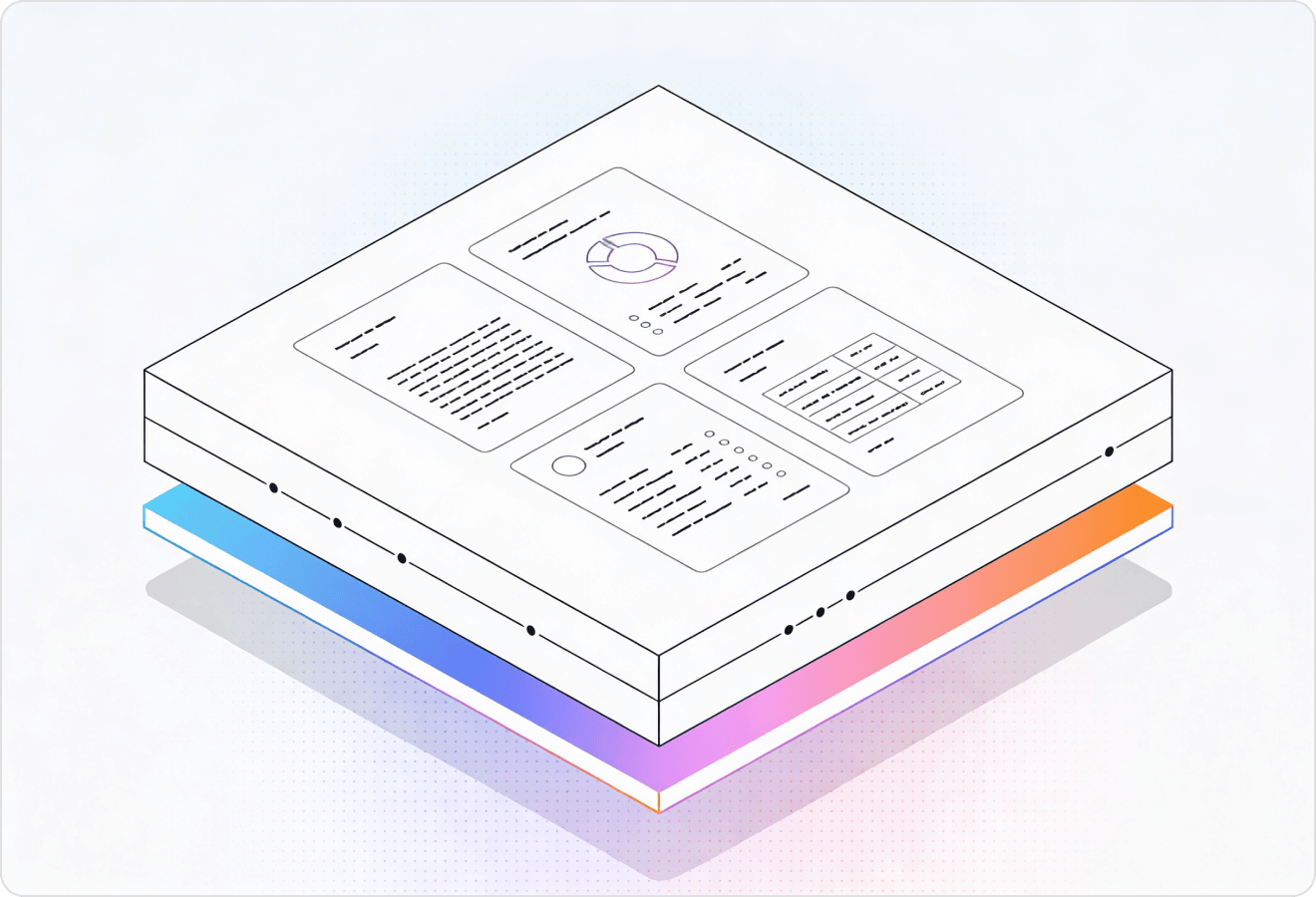

LlamaParse turns messy UCC-1 and UCC-3 filings into clean, schema-ready JSON so you can automate lien searches, monitoring, and underwriting faster. Its agentic document parsing understands layouts, tables, and checkboxes, then validates key fields with confidence signals to reduce rework.
Best-in-Class Accuracy

Use LlamaParse to turn UCC-1/UCC-3 filings, amendments, and multi-page collateral descriptions into structured JSON your underwriting and servicing systems can trust. Layout-aware parsing preserves numbered collateral schedules and tables, reducing missed liens and accelerating lien perfection checks before funding.

Parse UCC filings alongside loss runs and financial packages to automatically surface secured-party priority, blanket liens, and collateral exceptions that change risk pricing. With granular metadata and citations, underwriters can audit exactly where each extracted detail came from without manual page-by-page review.

Convert UCC search results and filing PDFs into clean, queryable records for diligence, M&A closings, and ongoing entity compliance. Natural-language parsing instructions let teams standardize extraction of debtor names, filing dates, jurisdictions, and collateral language across inconsistent county/state formats.

Fintech and legaltech startups can productize UCC filing ingestion by using LlamaParse to output consistent Markdown/JSON even when documents are scanned, skewed, or split into columns. Tier-based agentic processing keeps costs predictable by reserving heavier parsing only for the messy pages while maintaining high straight-through processing in production.
The Solution
01
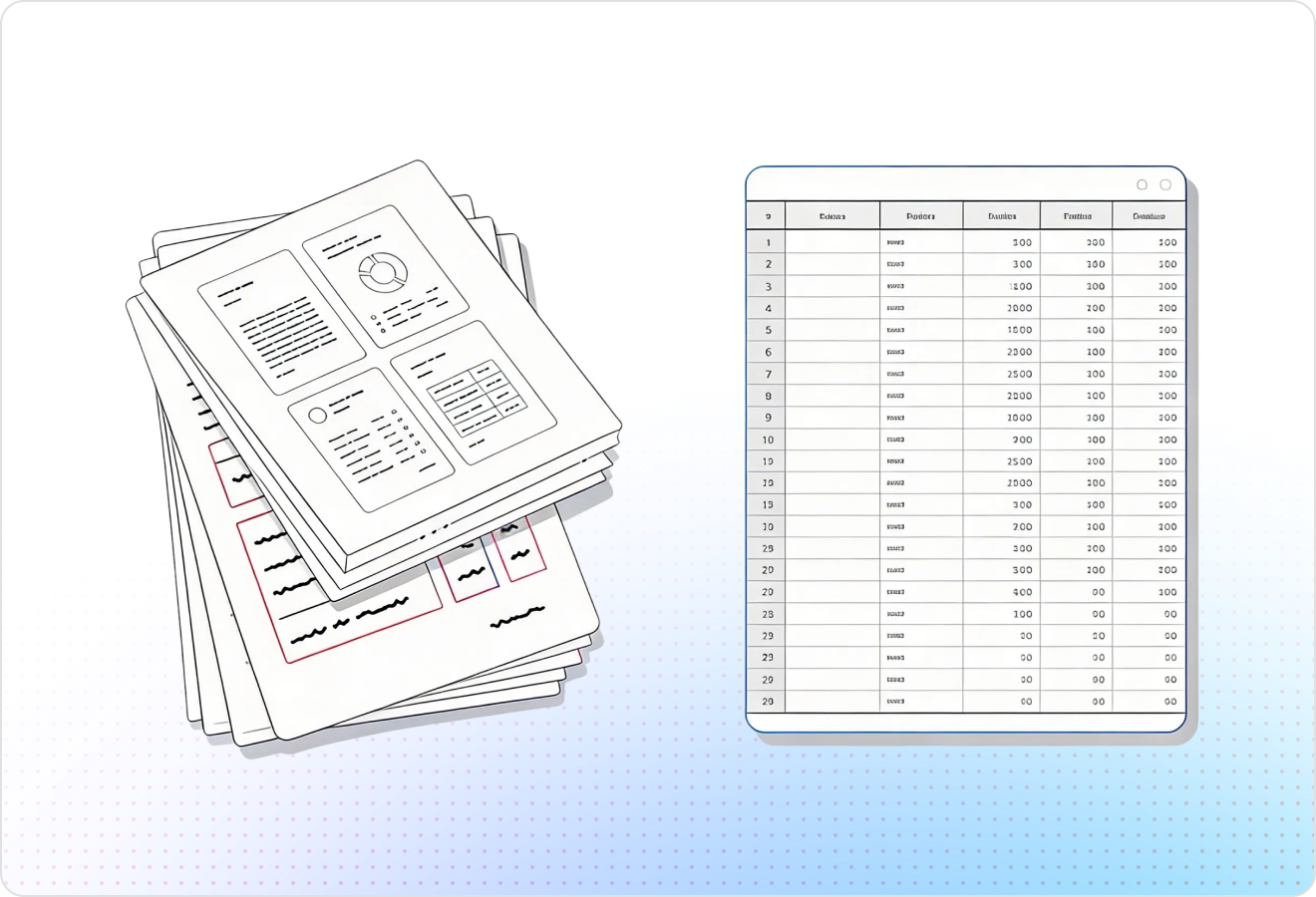
LlamaParse understands real page structure—boxes, columns, headers, and footers—so UCC financing statements don’t get scrambled into unusable text. That means debtor/secured party blocks, addresses, and filing metadata stay in the right reading order for reliable downstream extraction.
02
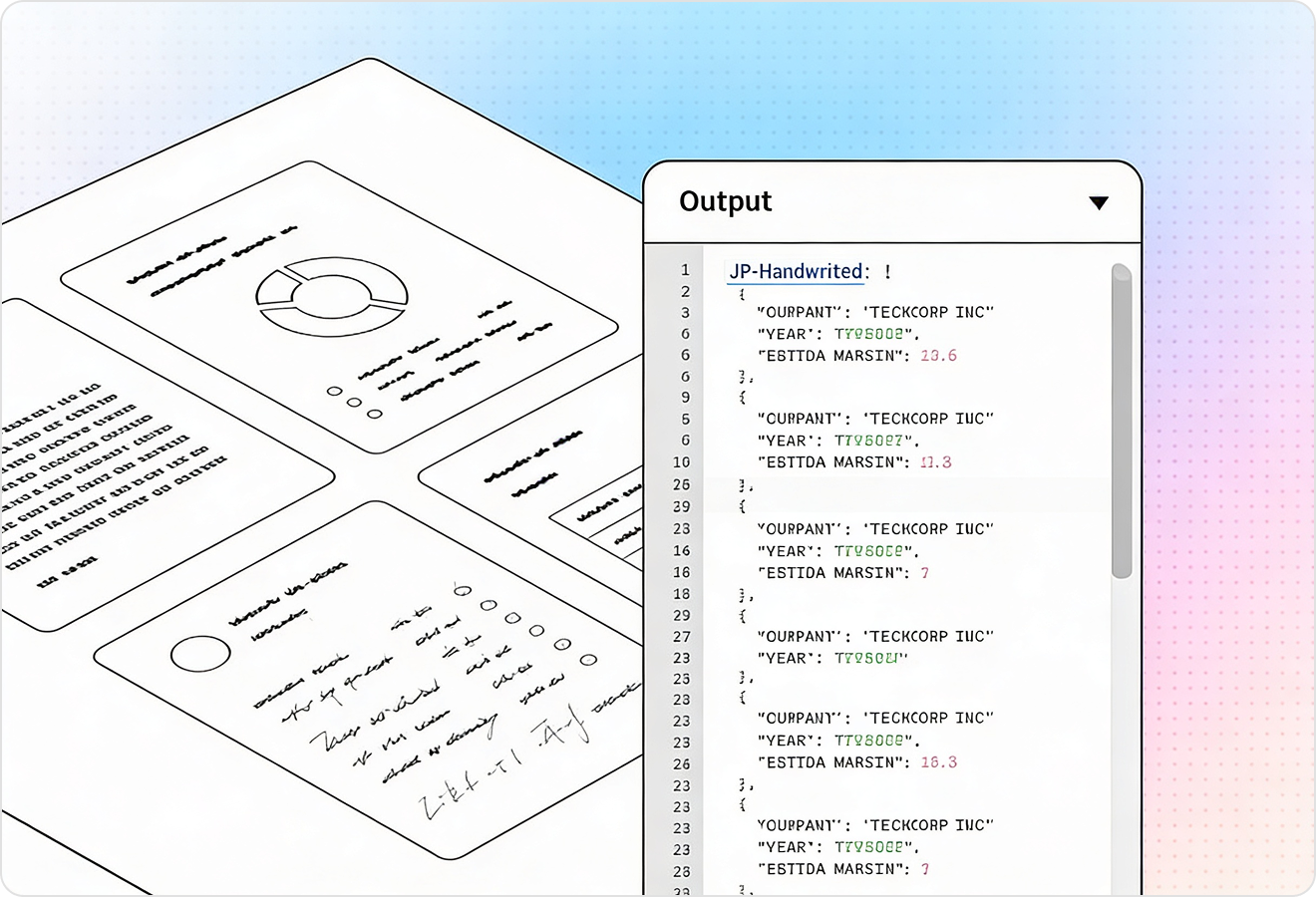
UCC filings often include collateral descriptions, continuation details, or addendum pages with table-like formatting and dense sections. LlamaParse extracts these structures cleanly and reconstructs them into AI-ready outputs so you can index and search collateral language without manual cleanup.
03
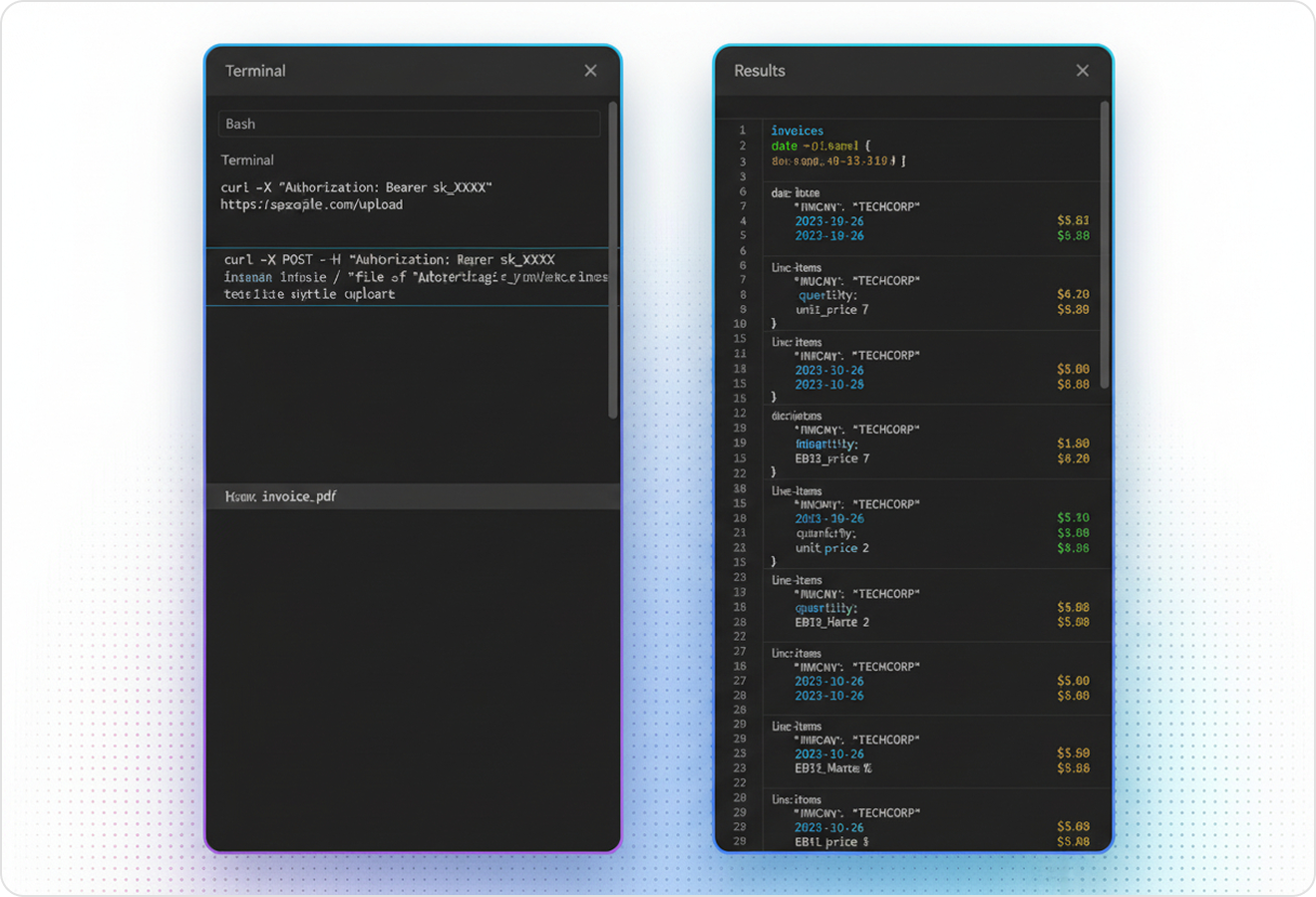
LlamaParse can return structured JSON with page-level references and element metadata, turning a UCC statement into fields you can programmatically validate and store. This makes it straightforward to trace any extracted debtor name or collateral clause back to the exact page location for audit and QA.
04
When scans are faint, skewed, or stamped, LlamaParse uses agentic parsing with validation loops to catch and correct common recognition errors. That reduces exceptions on high-stakes UCC data like legal names, addresses, and file numbers where one wrong character can break matching.
Technical OCR documentation
Explore our developer guides to easily connect your document pipelines to LlamaParse.
Explore the documentation
Our AI catches the typos that tired eyes miss.

Export to Excel, JSON, XML, or directly via API.

SOC2 Type II compliant with end-to-end encryption.

Train the tool on your specific forms in minutes, not days.

Average processing time of <3 seconds per page.
LlamaParse’s support of a wide variety of filetypes and its accuracy of parsing made it the best tool we tested in our evaluations. The LlamaIndex team was very responsive and we were off to the races within a day.
Common FAQs
01
Our layout-aware form capture reads the page the way a person does—respecting boxes, columns, headers, and footers—so key blocks stay in the correct order. That means debtor/secured party names, addresses, and filing metadata land in the right fields for reliable extraction and matching.
02
Yes. We parse table-like formatting and dense attachment sections cleanly, preserving structure so collateral language remains searchable and usable. This reduces manual cleanup when indexing long descriptions, continuation details, and addendum pages.
03
We can return structured JSON with element metadata so you can programmatically validate, store, and reconcile fields like debtor name, file number, and addresses. It’s designed to plug into your workflows without post-processing every document.
04
Can we trace each extracted field back to the original document for audits or QA?
Yes—outputs can include page-level citations and references to the exact location where each value was found. This makes it easy to review edge cases and prove data lineage when compliance or internal QA requires it.
05
How do you handle poor-quality scans, stamps, skew, or faint text on UCC filings?
We use agentic accuracy loops that validate results and correct common OCR mistakes caused by noisy scans or stamps. That reduces exceptions on high-stakes fields—like legal names and file numbers—where one character can break matching.
06
What’s the biggest difference versus basic OCR tools for UCC financing statements?
Basic OCR often returns a flat text blob, which can scramble form sections and make downstream extraction unreliable. We preserve document structure and deliver validated, citation-backed JSON so you spend less time fixing data and more time using it.