Nov 14, 2025
Document AI: The Next Evolution of Intelligent Document ProcessingPersona
Industry
Use cases
Proof Of Insurance OCR
[ Proof Of Insurance OCR ]

Use LlamaParse to turn messy insurance certificates into clean, verifiable JSON your systems can trust.
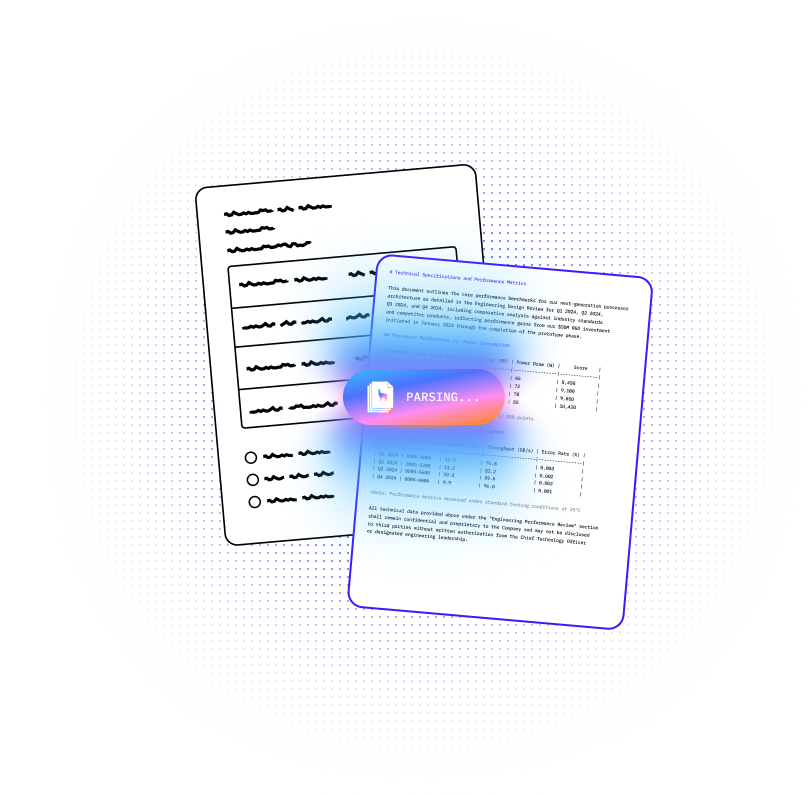
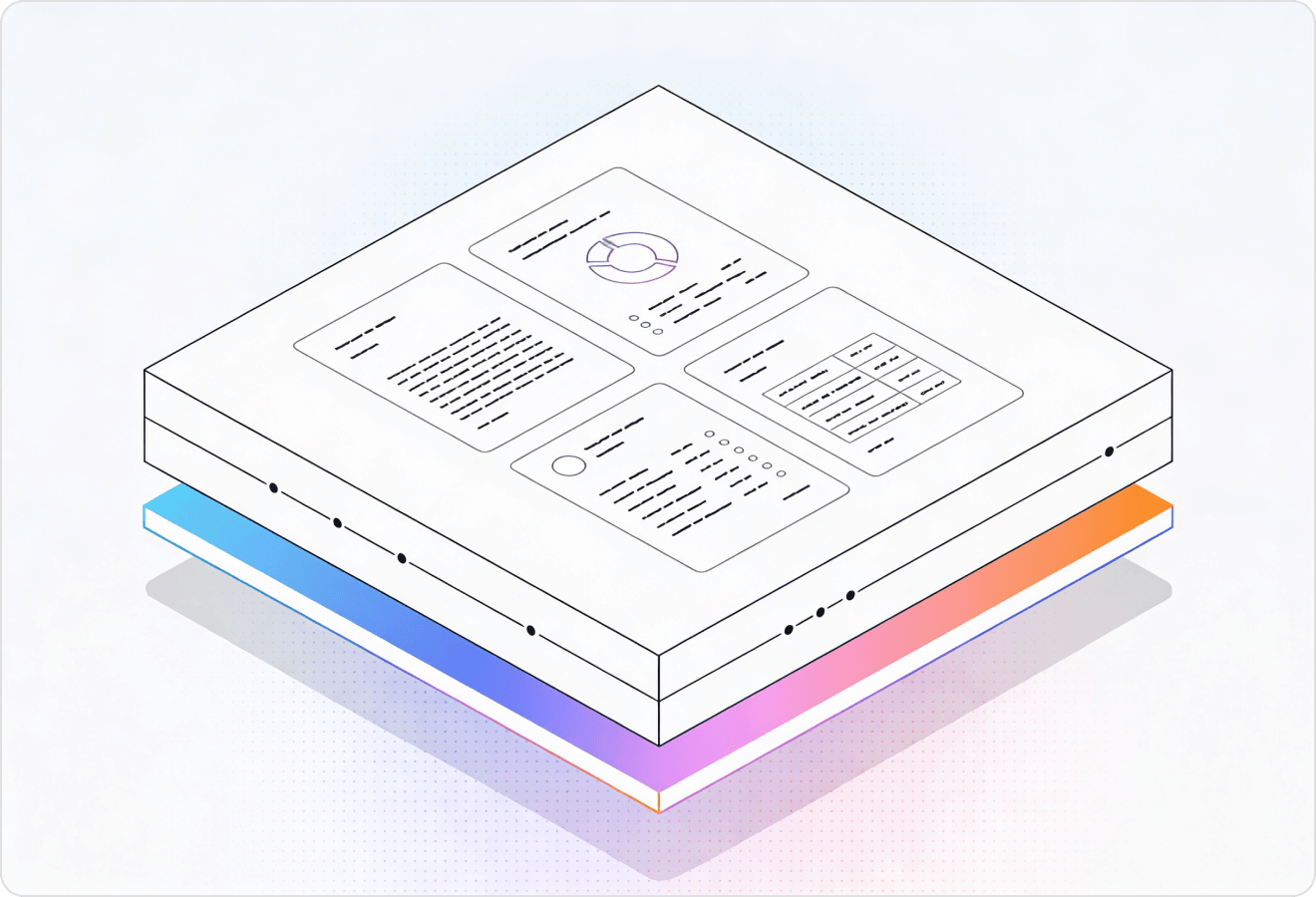
LlamaParse turns proof of insurance PDFs and scans into reliable, structured fields like policy number, VIN, coverage limits, effective dates, and named insured. It uses layout-aware, agentic parsing with verification loops so you spend less time fixing edge cases and more time automating downstream checks.
Best-in-Class Accuracy

Ingest proofs of insurance at intake and endorsements, then use LlamaParse’s layout-aware parsing to reliably extract policy number, effective dates, limits, and named insured—even when the COI format changes by agency. Output clean JSON with citations and confidence scores so exceptions route to reviewers while the rest auto-populates underwriting and policy admin systems.

Automatically validate subcontractor insurance compliance by parsing COIs to verify GL/Auto/Workers’ Comp limits, additional insured wording, and expiration dates, then flag gaps before a crew steps on site. Convert messy PDFs into structured records that sync to vendor management tools, reducing manual follow-ups and preventing costly project delays.

Parse carrier certificates of insurance at onboarding to confirm active coverage, required endorsements, and cargo limits, then block load assignment when coverage lapses. LlamaParse preserves tables and reading order across multi-page certificates so operations teams don’t lose time reconciling scanned forms from different insurers.

Ship proof-of-insurance ingestion in days by using LlamaParse with natural-language parsing instructions to extract the exact schema your product needs for onboarding, KYC-adjacent checks, or embedded insurance flows. Use tier-based processing and cost optimizer mode to keep unit economics predictable while scaling from small pilots to high-volume production.
The Solution
01
LlamaParse uses layout-aware computer vision to preserve reading order and correctly associate labels with values across multi-column insurance forms. This helps you reliably extract key proof-of-insurance fields like policy number, effective/expiration dates, insured name, and insurer—even when the template changes.
02
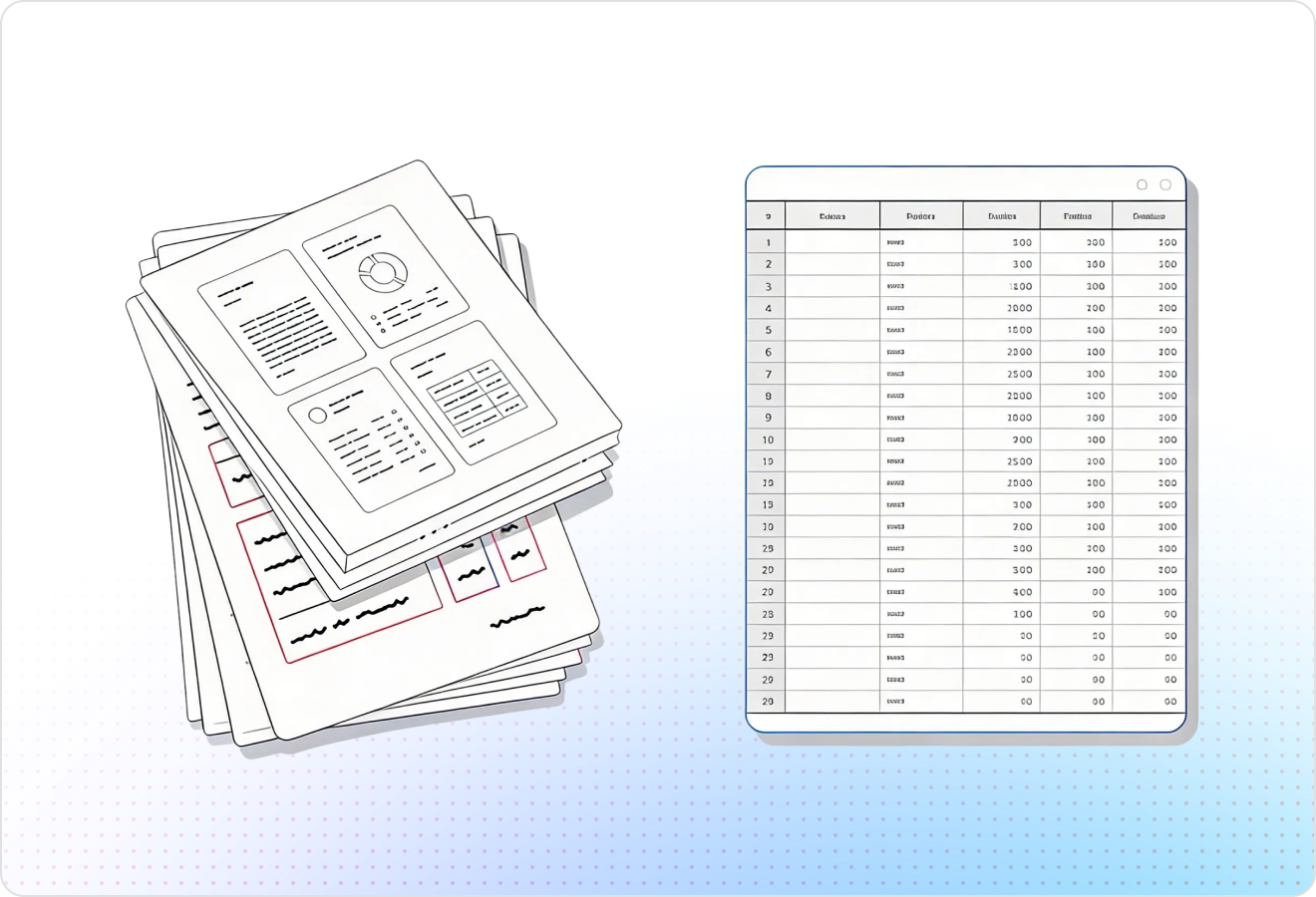
LlamaParse accurately captures tables and structured blocks without scrambling rows, columns, or headings. That makes it practical to pull coverage lines, policy limits, deductibles, and vehicle/unit schedules into clean data you can validate and store.
03
LlamaParse runs multi-step validation loops to catch common extraction errors and resolve inconsistencies in parsed outputs. For proof of insurance, this reduces bad reads on critical compliance fields (like dates or limits) and increases straight-through processing on real-world scans and photos.
04
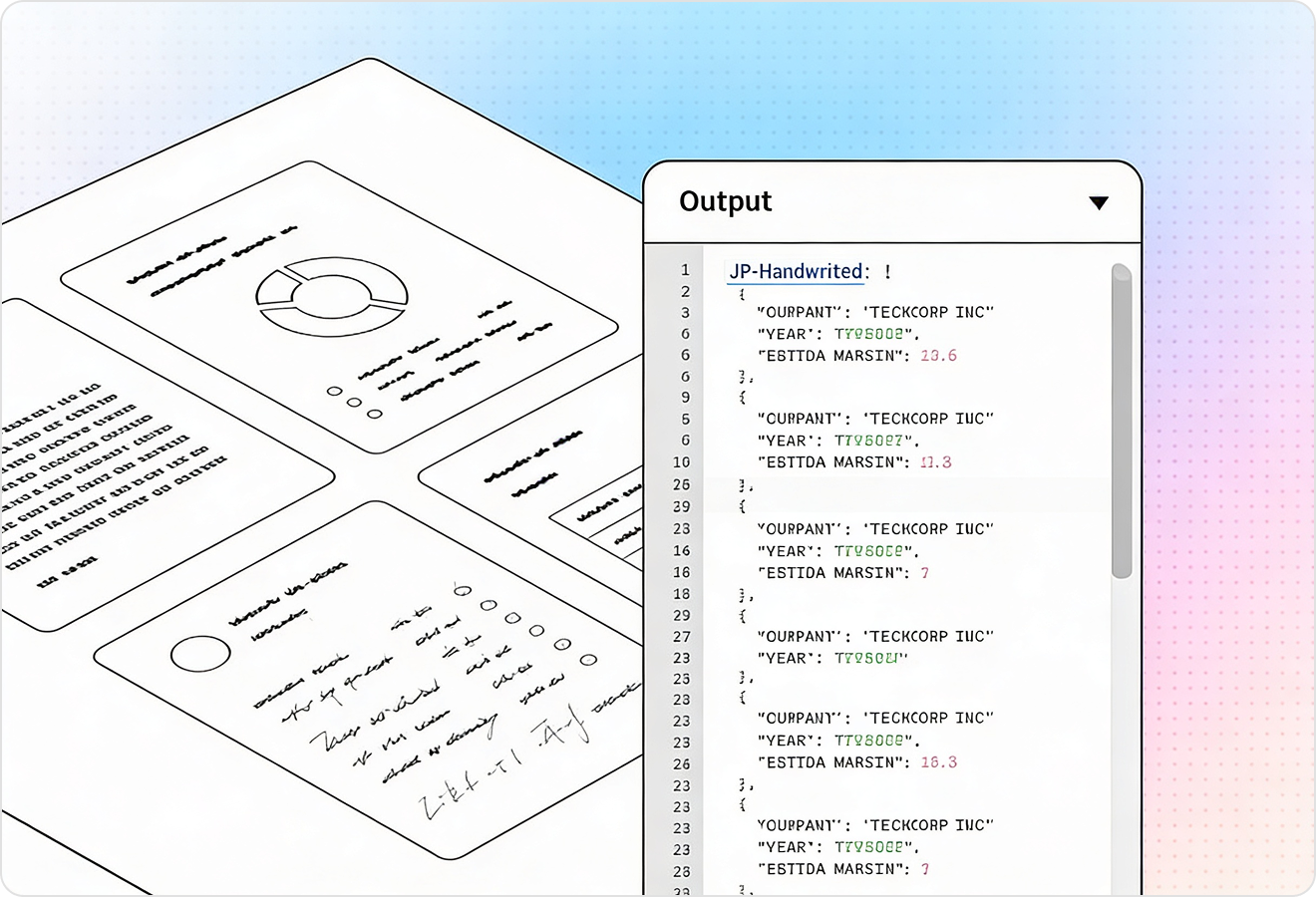
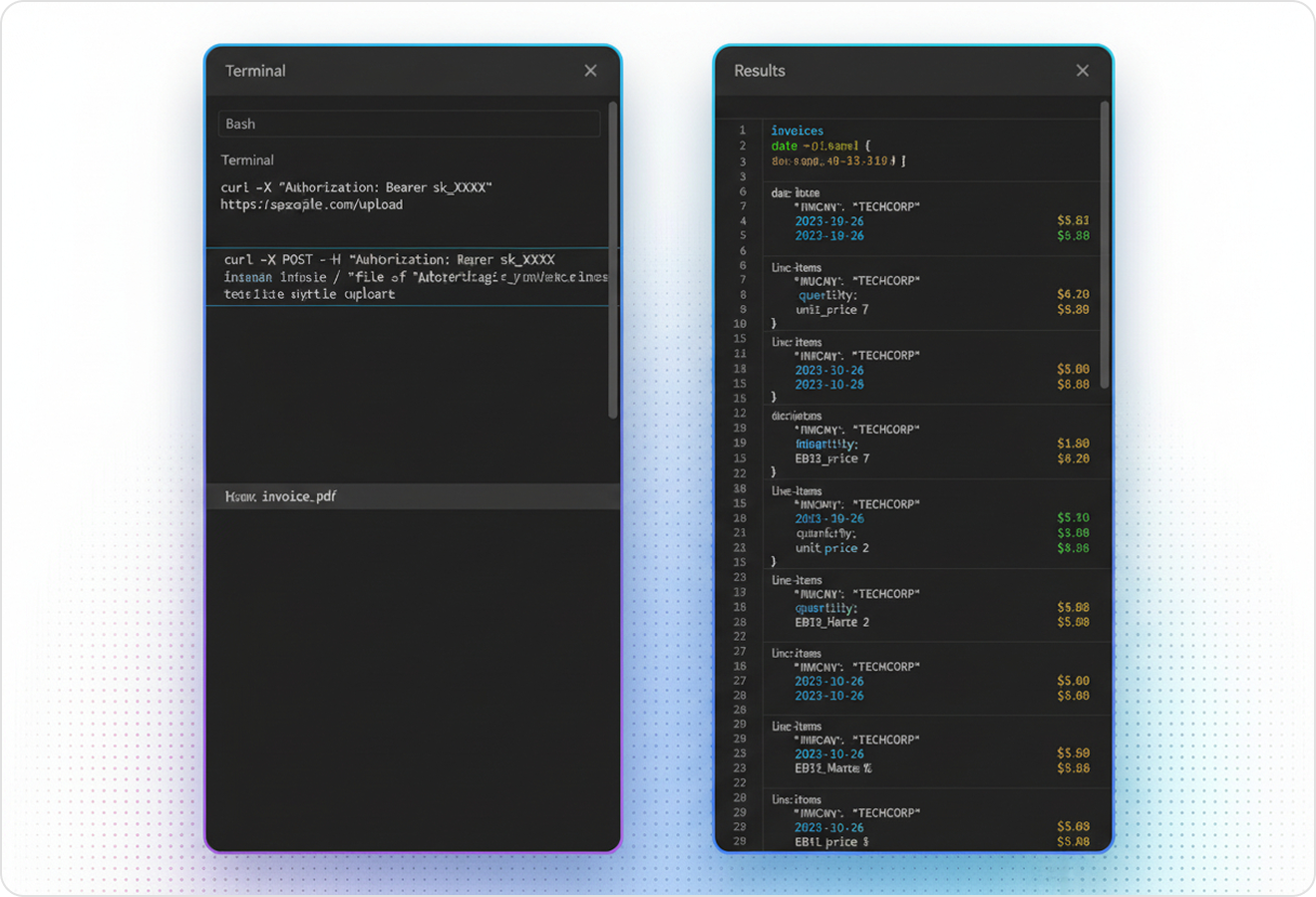
LlamaParse can return structured JSON with granular metadata like page numbers and element-level references for traceability. For proof of insurance workflows, you can attach citations to extracted fields so reviewers can verify the exact source location when exceptions or audits come up.
Technical OCR documentation
Explore our developer guides to easily connect your document pipelines to LlamaParse.
Explore the documentation
Our AI catches the typos that tired eyes miss.

Export to Excel, JSON, XML, or directly via API.

SOC2 Type II compliant with end-to-end encryption.

Train the tool on your specific forms in minutes, not days.

Average processing time of <3 seconds per page.
LlamaParse’s support of a wide variety of filetypes and its accuracy of parsing made it the best tool we tested in our evaluations. The LlamaIndex team was very responsive and we were off to the races within a day.
Common FAQs
01
Yes. Layout-aware extraction preserves reading order and correctly links labels to values across multi-column and redesigned forms. That means key fields like policy number, insured name, and effective/expiration dates stay accurate even when the template changes.
02
It’s designed to parse tables and structured blocks cleanly, keeping rows, columns, and headers aligned. You can reliably pull coverage lines, policy limits, deductibles, and schedules into consistent data that’s easy to validate and store.
03
Multi-step validation and self-correction loops catch common errors and resolve inconsistencies before results are returned. This reduces bad reads on high-risk fields and increases straight-through processing on real-world scans and mobile photos.
04
Do you provide JSON output that’s ready to send into our claims, underwriting, or compliance systems?
Yes—results can be returned as structured JSON so you can map fields directly into your workflow. This minimizes manual rekeying and makes it easier to standardize proof-of-insurance intake across teams and document sources.
05
Can reviewers verify where each extracted value came from during exceptions or audits?
Absolutely. Each extracted field can include citations with page numbers and element-level references to the exact source location. Reviewers can quickly confirm the value in the original document, speeding up exception handling and audit readiness.
06
What happens when a document is messy—low-quality scans, crooked photos, or partially cut off pages?
The system is built for real-world inputs and uses validation to detect and correct many common issues that cause OCR drift. When something still looks uncertain, citations make it fast for a human to verify and resolve, keeping your process moving.