Nov 14, 2025
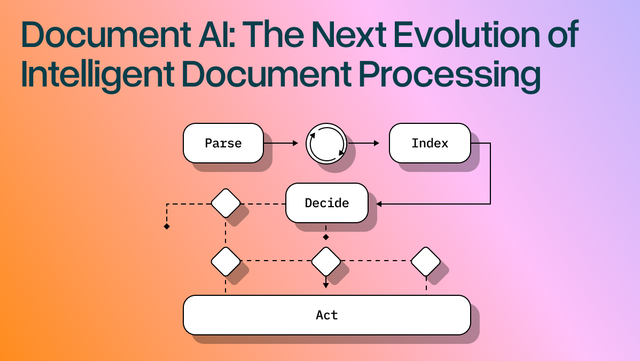
Document AI: The Next Evolution of Intelligent Document ProcessingPersona
Industry
Use cases
Commercial Invoice OCR
[ Commercial Invoice OCR ]

Use LlamaParse to turn invoices into clean, validated JSON your systems can ingest automatically.
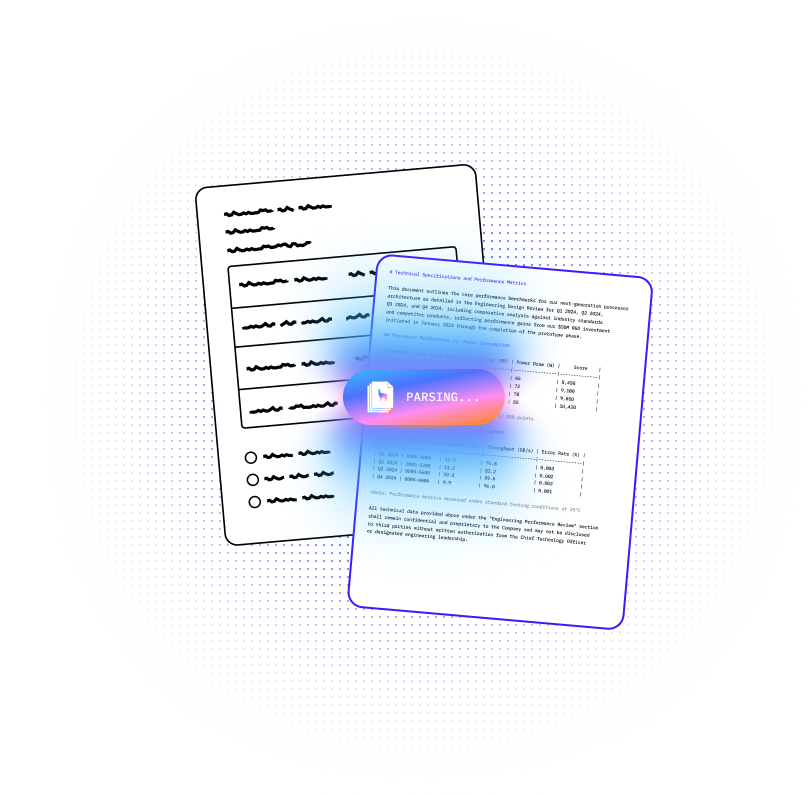


LlamaParse turns messy commercial invoices into reliable, structured fields like line items, totals, HS codes, and shipper data without brittle templates. It uses layout-aware, agentic document parsing with validation loops and citations, so your downstream AP and compliance workflows can trust the output.
Best-in-Class Accuracy

Use LlamaParse to turn commercial invoices into structured JSON with line-item tables, Incoterms, HS codes, and totals preserved in the right reading order—even when layouts vary by supplier. This reduces customs entry errors and accelerates clearance by feeding validated fields directly into TMS/ACE workflows with traceable metadata for quick exception review.

Parse supplier invoices at scale and reliably extract SKU-level quantities, unit costs, discounts, and tax/VAT from complex multi-page tables, then map outputs to your PO and catalog schema using natural-language parsing instructions. This cuts invoice mismatches and short-pay disputes by enabling automated 3-way match and faster AP approvals without brittle, template-based rules.

Commercial invoices in this sector often bundle part numbers, serials, country of origin, and packaging details across dense tables and addenda; LlamaParse preserves that structure and outputs clean Markdown/JSON for ERP ingestion. The result is faster goods-receipt reconciliation and fewer downstream errors in inventory valuation and compliance reporting when vendors change formats mid-contract.

Ship invoice ingestion fast by using LlamaParse as your agentic document parsing layer, with auto-routing to heavier processing only on messy scans so costs stay predictable in production. You get verifiable outputs with confidence and citations, making it straightforward to build human-in-the-loop review and meet customer accuracy expectations without custom model training.
The Solution
01
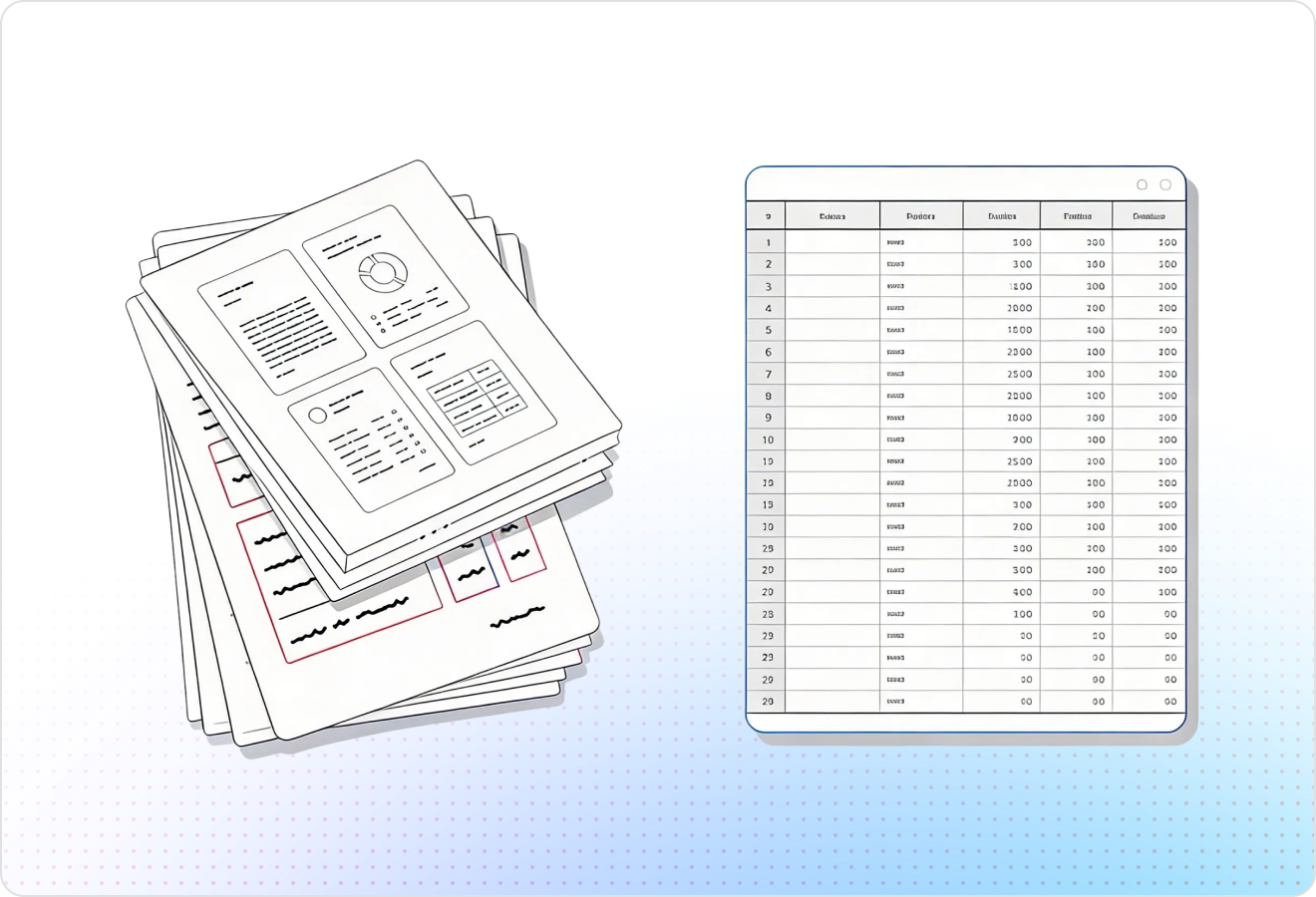
LlamaParse understands commercial invoice layouts and reliably extracts line-item tables, totals, and multi-column sections without scrambling reading order. That means you can pull SKU/HS codes, quantities, unit prices, and amounts into downstream systems without brittle, template-specific fixes.
02
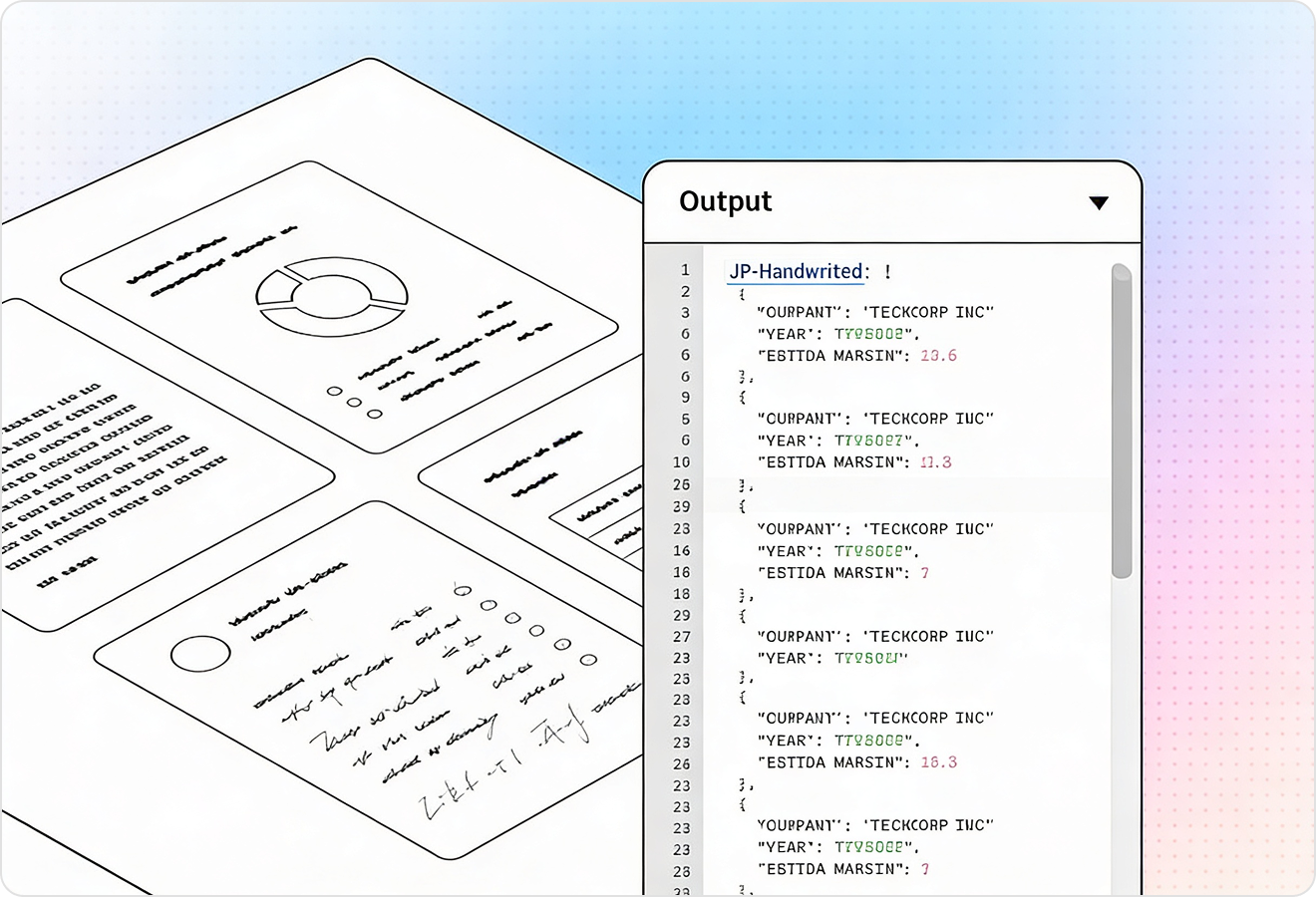
LlamaParse uses validation and self-correction loops to catch common invoice extraction failures like swapped fields, missed totals, or hallucinated characters from noisy scans. This improves straight-through processing when you’re converting invoices into payable-ready data with fewer manual exceptions.
03
You can provide natural-language parsing instructions to consistently map invoice fields like invoice number, Incoterms, ship-to/bill-to, currency, tax, and grand total into the exact schema your ERP expects. It reduces custom regex and post-processing, especially when suppliers change formats or add new sections.
04
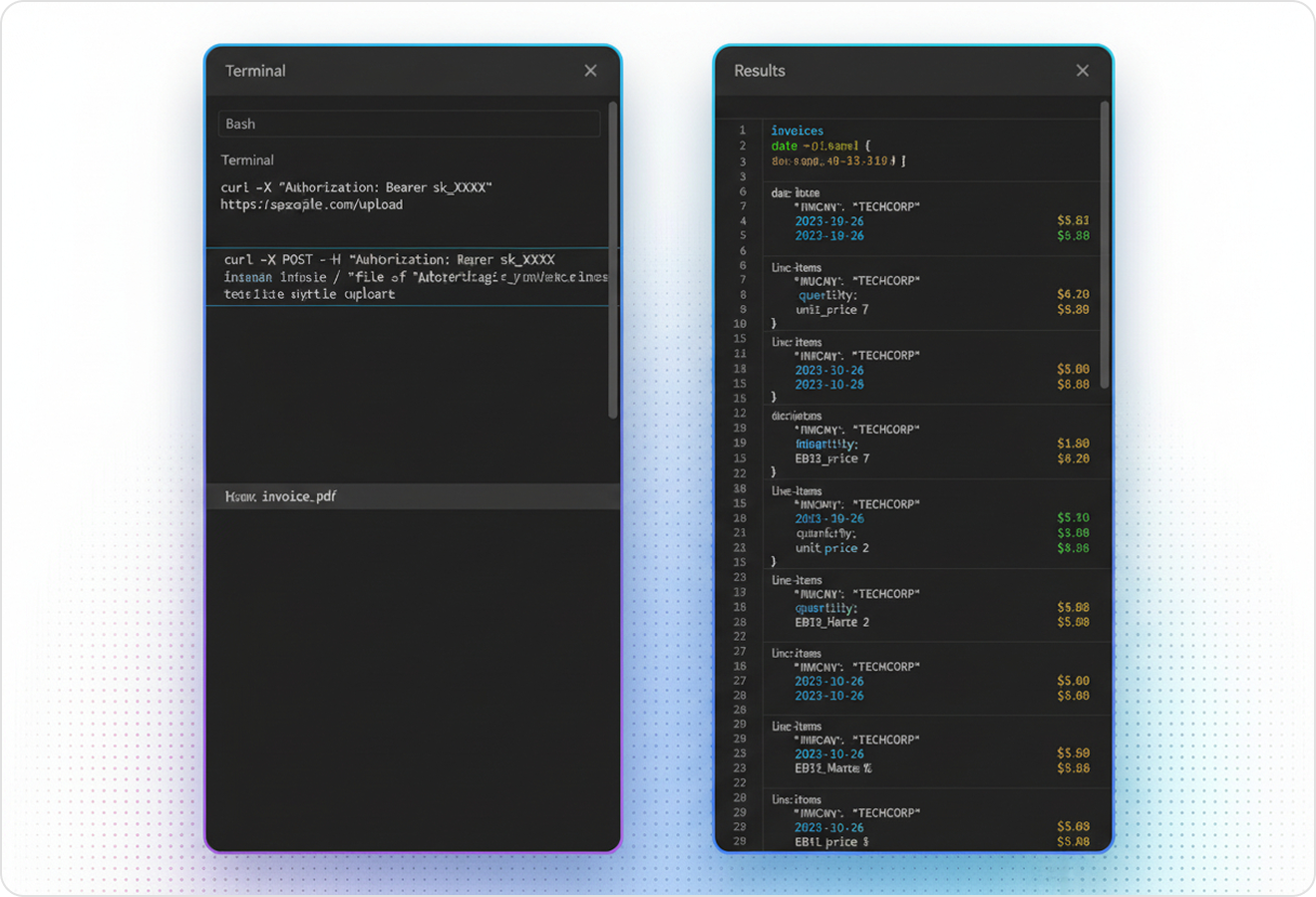
LlamaParse returns structured JSON with rich metadata like page numbers and element locations so each extracted value is easy to verify. For commercial invoices, this gives your ops team fast spot-checking and supports human-in-the-loop review when confidence is low.
Technical OCR documentation
Explore our developer guides to easily connect your document pipelines to LlamaParse.
Explore the documentation
Our AI catches the typos that tired eyes miss.

Export to Excel, JSON, XML, or directly via API.

SOC2 Type II compliant with end-to-end encryption.

Train the tool on your specific forms in minutes, not days.

Average processing time of <3 seconds per page.
LlamaParse’s support of a wide variety of filetypes and its accuracy of parsing made it the best tool we tested in our evaluations. The LlamaIndex team was very responsive and we were off to the races within a day.
Common FAQs
01
Yes—our layout-aware table capture understands commercial invoice structure and preserves multi-column reading order. It reliably pulls SKU/HS codes, quantities, unit prices, and line amounts into clean rows so your downstream systems don’t need fragile, template-by-template fixes.
02
Agentic parsing accuracy loops validate results and self-correct common OCR failures like swapped fields, missed totals, or stray characters from noisy scans. That means higher straight-through processing and fewer manual exceptions when documents aren’t perfect.
03
Yes—schema-guided extraction lets you provide plain-language instructions so fields consistently land in the exact structure your ERP expects. This reduces custom regex and rework when suppliers change formats or add new sections.
04
Do you provide JSON output that’s easy to audit and verify?
We return structured JSON plus traceability metadata like page numbers and element locations. Your team can quickly spot-check any value, and it’s ideal for human-in-the-loop review when confidence is low.
05
What safeguards prevent incorrect totals, taxes, or currency from slipping through?
The parser runs validation checks to catch inconsistencies such as totals that don’t match line sums, missing taxes, or misread currency codes. When something looks off, you get cleaner outputs and fewer downstream reconciliation surprises.
06
How quickly can we go live if we have many suppliers and changing invoice formats?
You don’t need to build and maintain templates for every supplier—layout awareness and schema guidance adapt to format changes with minimal tuning. Most teams start extracting usable commercial-invoice JSON quickly and then refine rules over time as edge cases appear.