Nov 14, 2025
Document AI: The Next Evolution of Intelligent Document ProcessingPersona
Industry
Use cases
Offer Letter OCR
[ Offer Letter OCR ]

Use LlamaParse to capture every field accurately from messy PDFs, with citations and confidence.
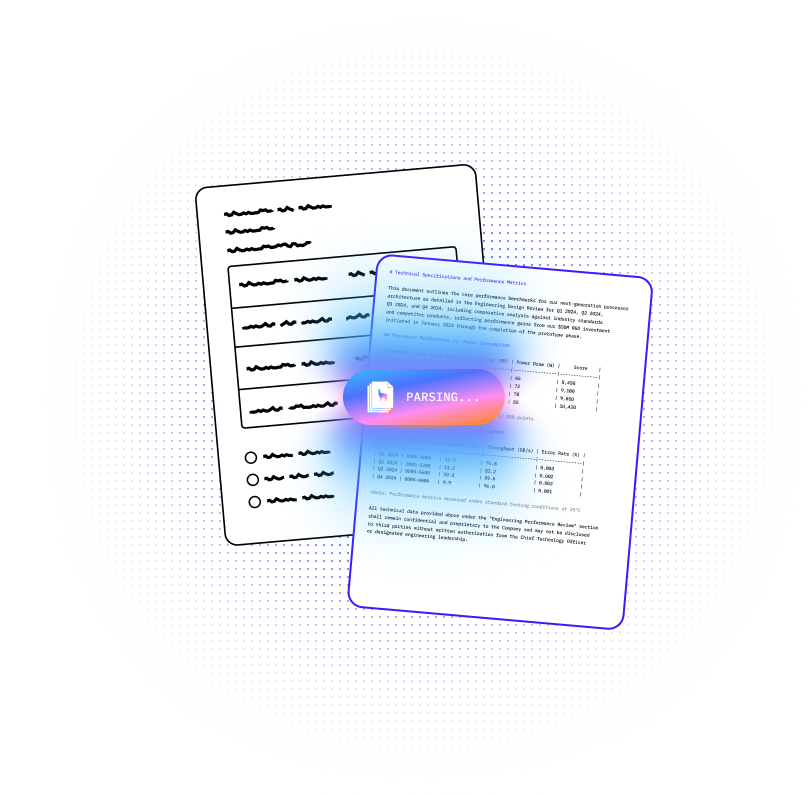
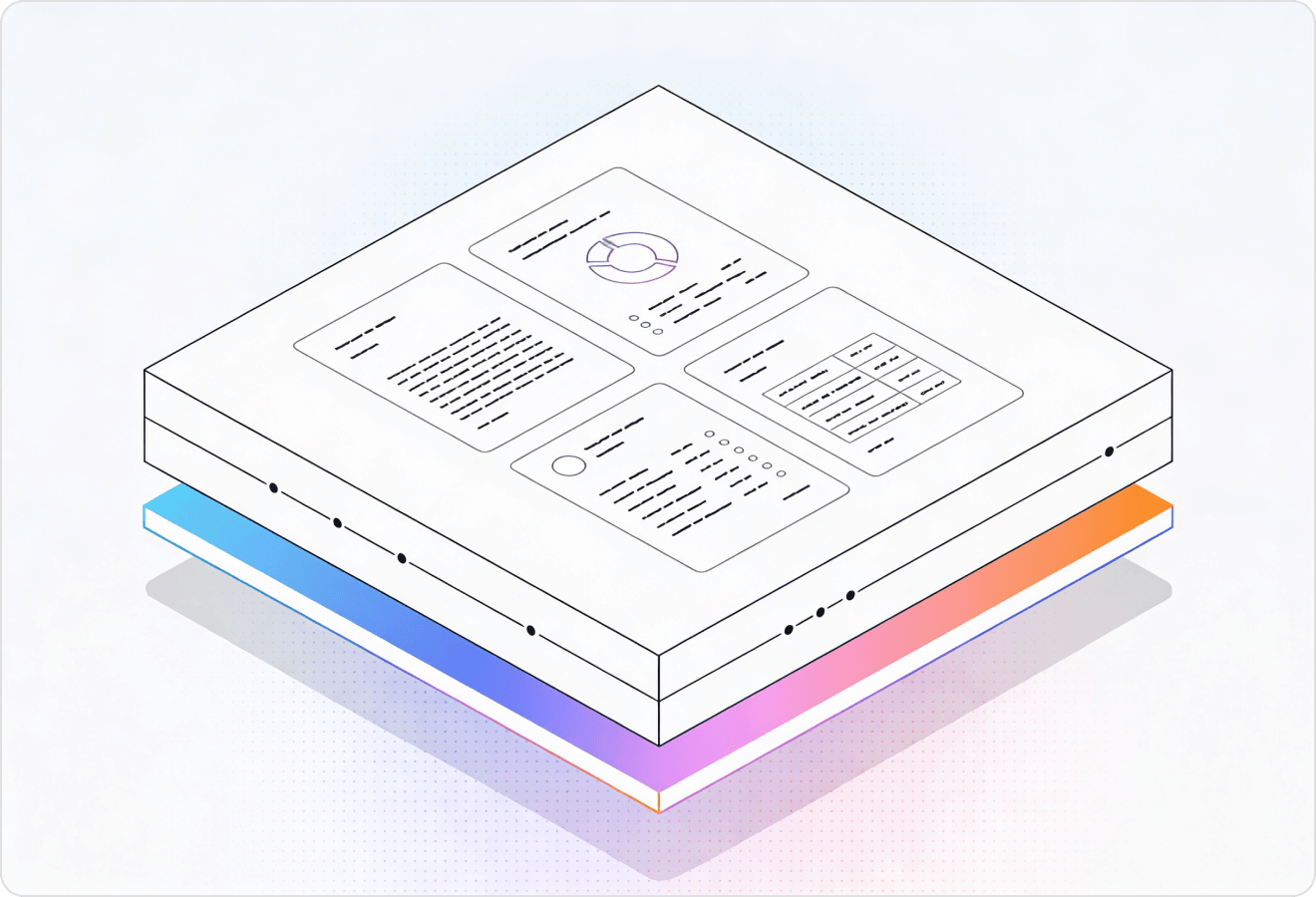

Turn messy PDF or scanned offer letters into clean, structured fields like compensation, start date, equity, and contingencies using LlamaParse. Agentic document parsing understands layout, validates extracted values with confidence and citations, and reduces manual review when templates change.
Best-in-Class Accuracy

Turn candidate offer letters and employment agreements into structured JSON fields (comp, start date, equity, contingencies) even when they arrive as messy PDFs with tables and footers. LlamaParse preserves layout and reading order so HRIS updates, onboarding checklists, and approval workflows run straight-through instead of requiring manual re-keying.

Ingest high-volume client offer letters across varied templates and reliably extract bill rate, pay rate, start dates, and placement terms without building brittle regex rules. Use natural-language parsing instructions to normalize outputs per client and flag exceptions with citations, reducing time-to-submit and contract errors.

Parse offer letters into clause-level, citation-backed outputs so attorneys can quickly verify non-compete language, IP assignment, confidentiality, and termination terms. Multimodal, layout-aware parsing prevents missed clauses hidden in multi-column sections or embedded tables, reducing review risk and turnaround time.

Automate offer-letter ops with an API that extracts salary bands, equity grants, vesting schedules, and signatures into clean Markdown/JSON your product can immediately use. Tier-based processing routes simple pages cheaply while upgrading only complex scans, keeping spend predictable as hiring scales.
The Solution
01
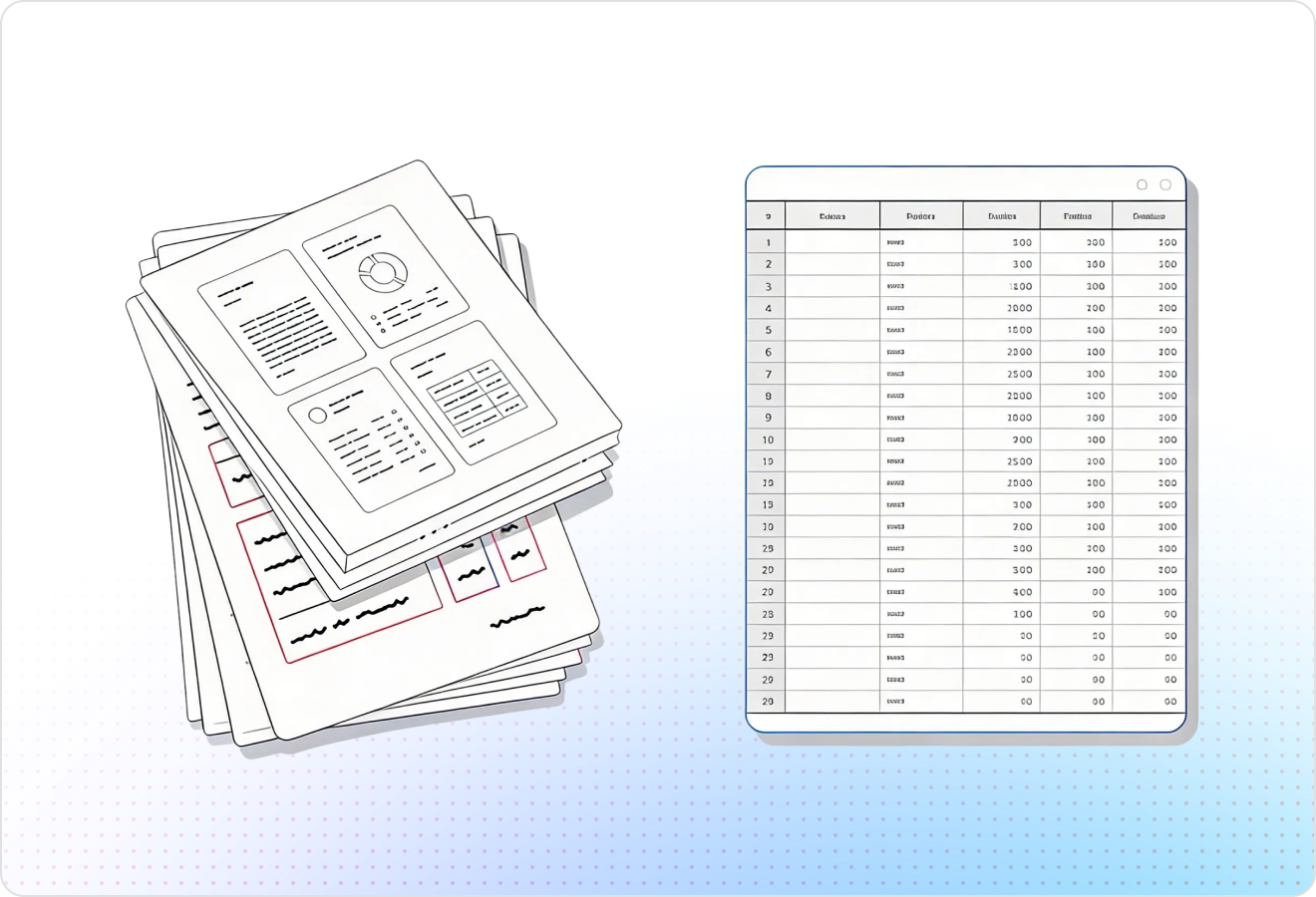
LlamaParse uses layout-aware vision to preserve reading order across headers, letterhead, multi-column sections, and signature blocks. That means your offer letter OCR pipeline doesn’t scramble key fields like job title, start date, or compensation when the template changes.
02
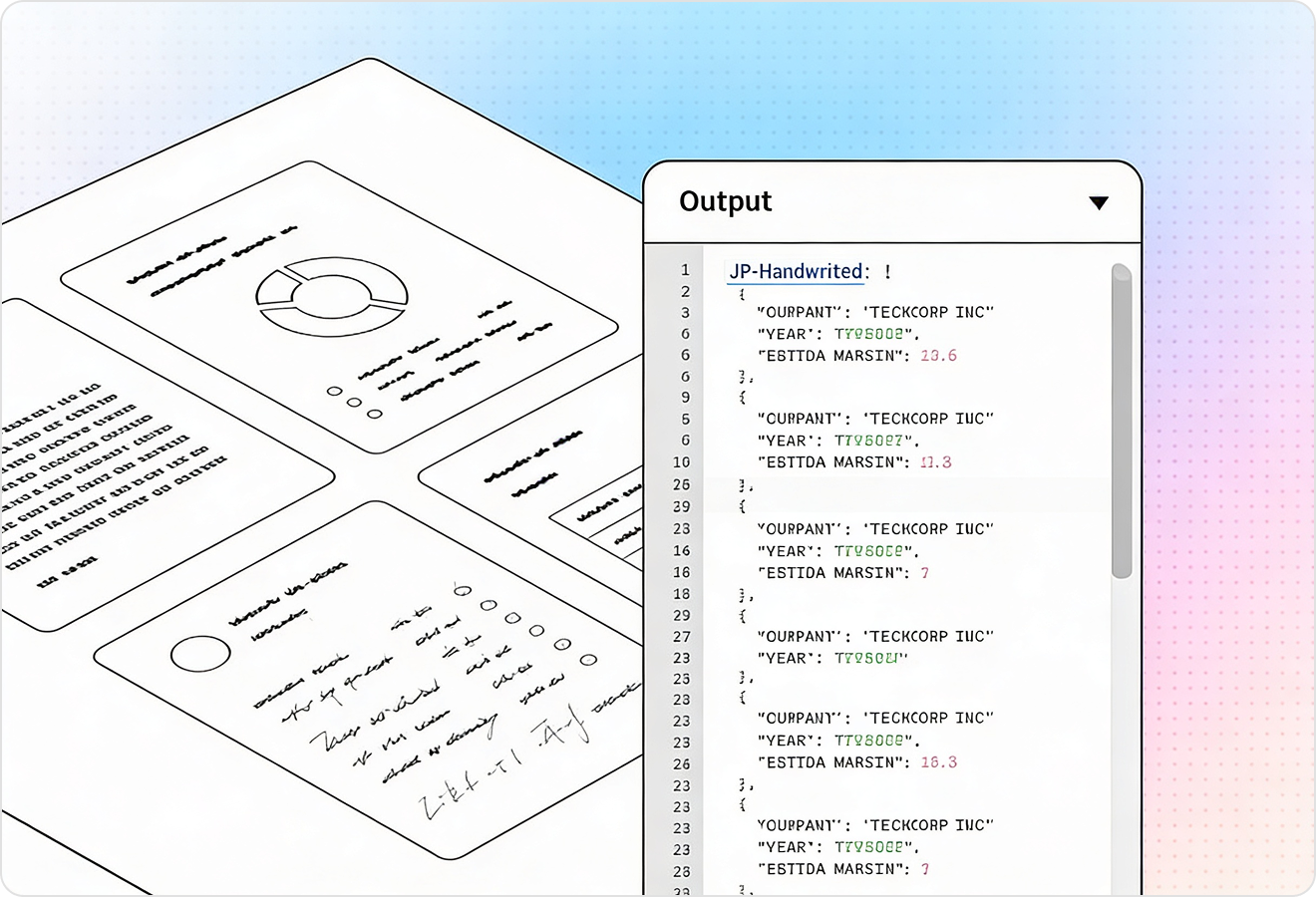
Return AI-ready JSON with each extracted element tied to its page location and document structure. This makes it straightforward to map offer letter data (employee name, salary, equity, contingencies) into HRIS schemas and audit exactly where every value came from.
03
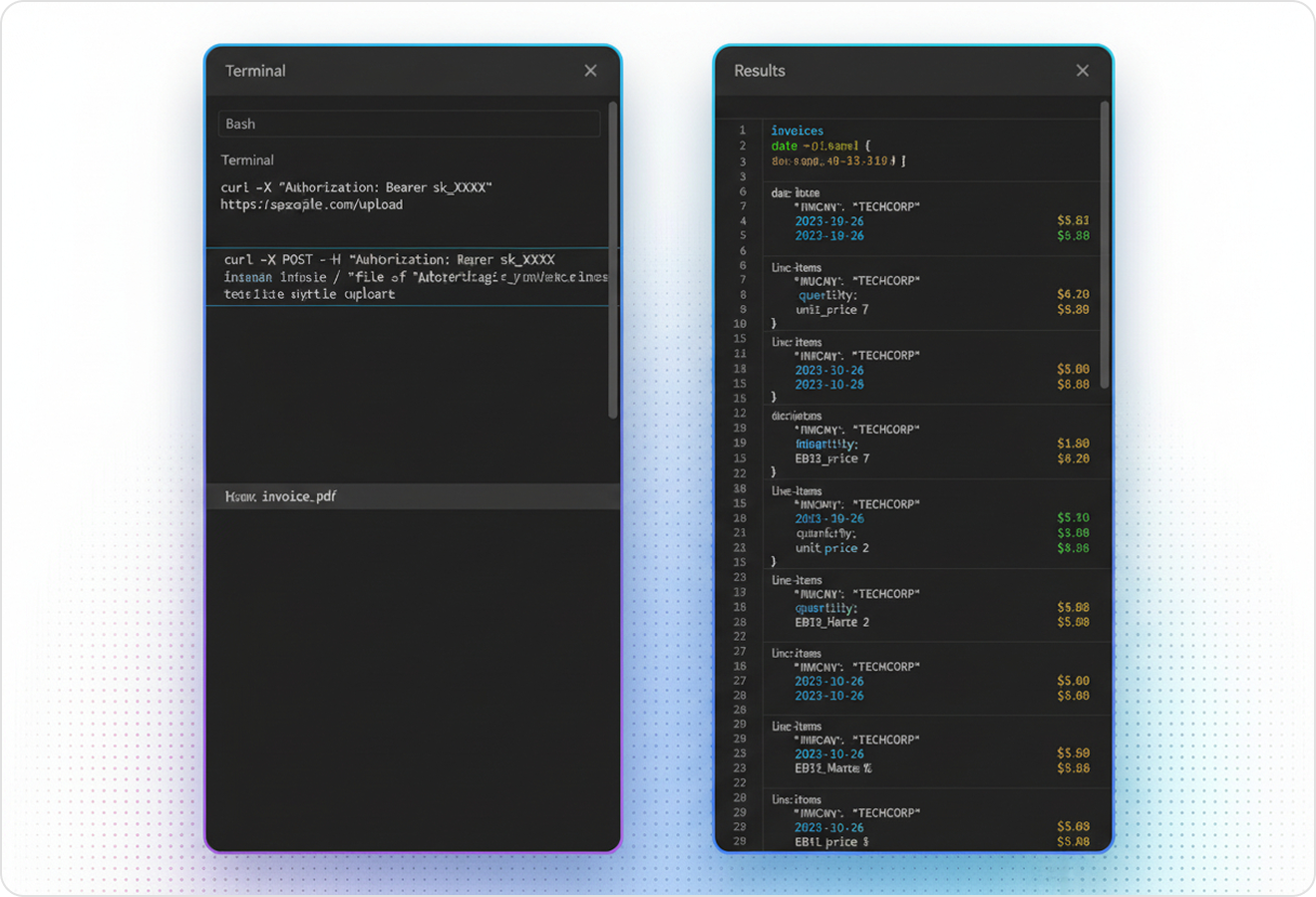
Guide extraction with plain-English instructions so LlamaParse pulls the exact fields you care about, without brittle regex or template-specific rules. For offer letters, you can reliably target sections like compensation, benefits, at-will language, and acceptance terms even when wording varies.
04
LlamaParse applies self-checking and correction loops to reduce common scan and parsing errors before results are returned. This improves straight-through processing for offer letter OCR by catching inconsistencies like mismatched dates, broken tables, or missed line items in compensation details.
Technical OCR documentation
Explore our developer guides to easily connect your document pipelines to LlamaParse.
Explore the documentation
Our AI catches the typos that tired eyes miss.

Export to Excel, JSON, XML, or directly via API.

SOC2 Type II compliant with end-to-end encryption.

Train the tool on your specific forms in minutes, not days.

Average processing time of <3 seconds per page.
LlamaParse’s support of a wide variety of filetypes and its accuracy of parsing made it the best tool we tested in our evaluations. The LlamaIndex team was very responsive and we were off to the races within a day.
Common FAQs
01
Yes—layout-aware parsing preserves reading order across letterhead, multi-column sections, and signature blocks. That helps prevent common errors like mixing up job title, start date, or compensation when formatting changes between templates.
02
You can return structured JSON where each extracted value is tied to its page location and document structure. This makes it easier to map fields like employee name, salary, equity, and contingencies into your HRIS schema and audit exactly where each value came from.
03
No—use plain-English field instructions to tell the system what to pull, even when wording varies across roles, regions, or legal language. It’s a faster way to reliably target sections like compensation, benefits, at-will language, and acceptance terms without brittle rule sets.
04
How does it reduce mistakes from scans—like broken tables or missed compensation line items?
Validation and auto-correction loops catch common OCR and parsing issues before results are returned. This helps improve straight-through processing by flagging inconsistencies like mismatched dates, broken tables, or missing items in compensation details.
05
Can I verify results for compliance or internal audit without re-reading the whole document?
Yes—each extracted element can be traced back to its location in the document structure, so reviewers can quickly spot-check key fields. This supports stronger governance for sensitive data like pay, equity, and employment terms.
06
What offer letter fields can I reliably capture for downstream workflows?
Typical extractions include candidate name, job title, start date, base salary, bonus, equity, benefits, contingencies, and acceptance deadlines. Because extraction is guided by natural-language instructions and validated, it stays consistent across template changes and minor wording differences.