Nov 14, 2025
Document AI: The Next Evolution of Intelligent Document ProcessingPersona
Industry
Use cases
Vendor Agreement OCR
[ Vendor Agreement OCR ]

Use LlamaParse to turn messy vendor contracts into structured, cite-backed terms your team can trust.
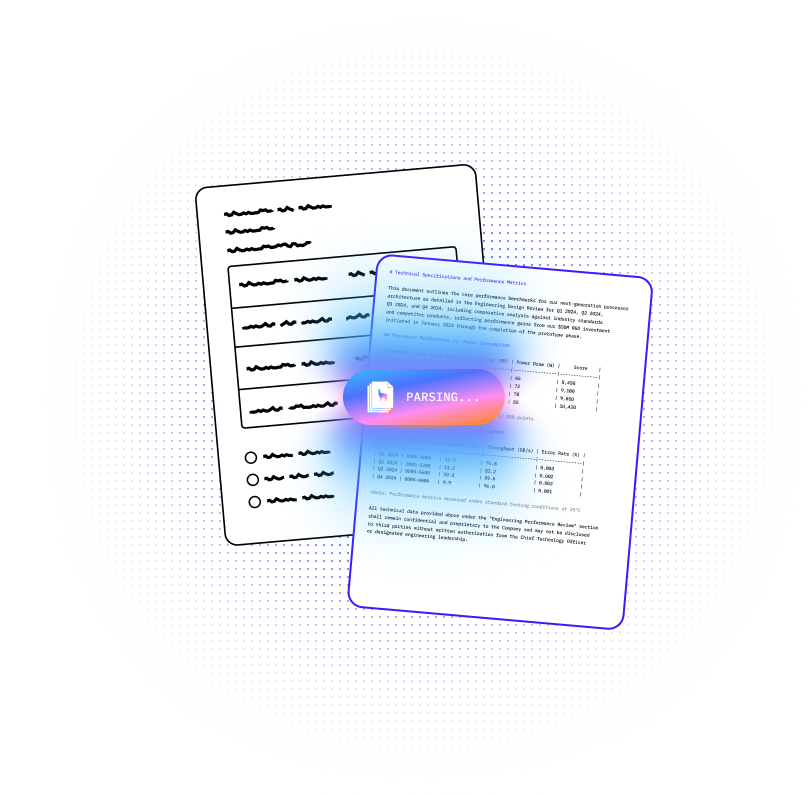
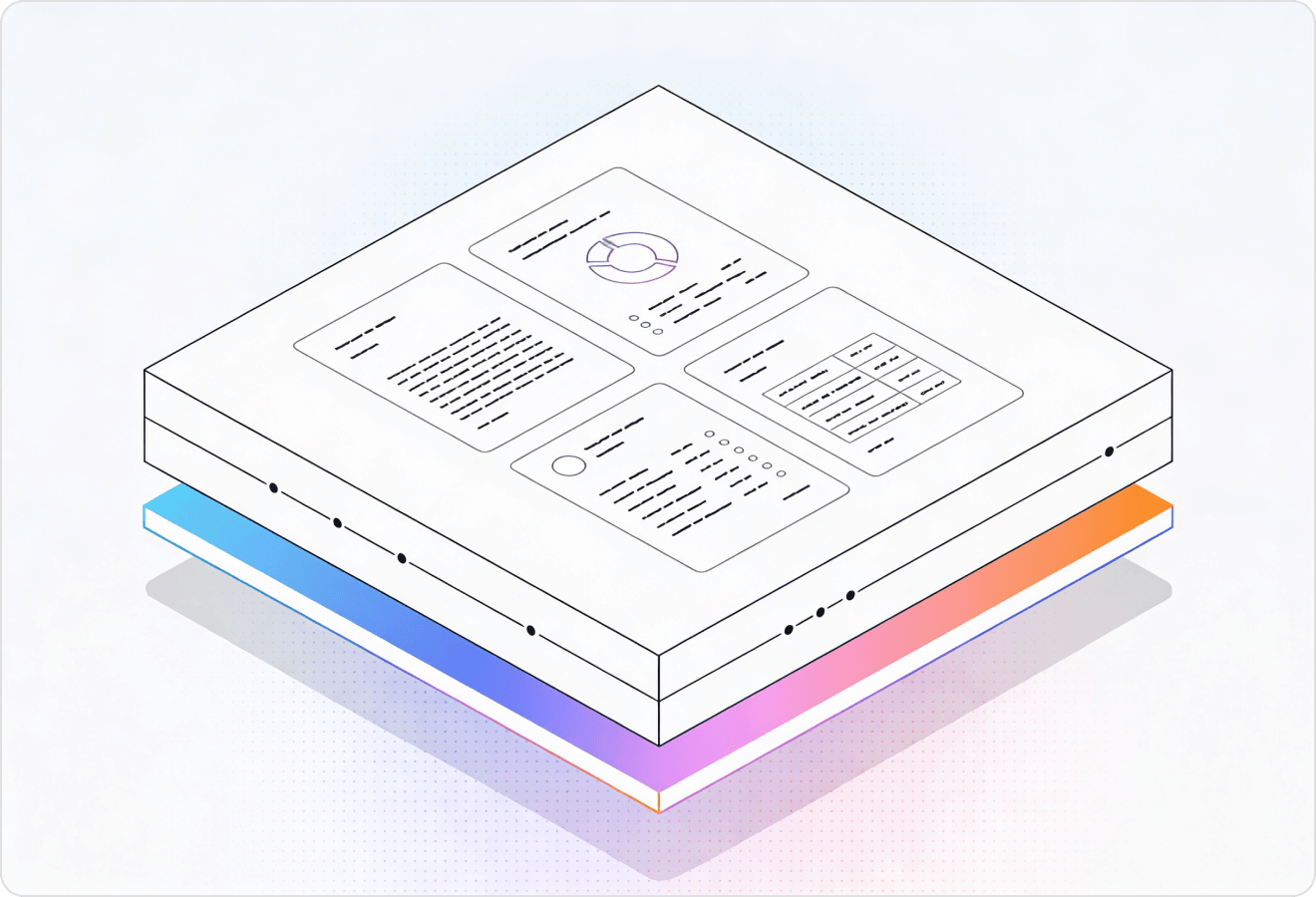
LlamaParse turns messy vendor agreements, including scanned PDFs and redlines, into clean structured fields you can load into your contract system. It understands layout and tables, validates key clauses like term, pricing, and renewal, and returns JSON with confidence metadata for fast review.
Best-in-Class Accuracy

Turn vendor MSAs, DPAs, and security addenda into clean JSON outputs so procurement approvals, renewal dates, and key clauses flow straight into your CRM or ticketing system. LlamaParse stays reliable when templates change—preserving tables, signatures, and clause structure without brittle rules or constant rework.

Extract termination rights, audit language, SLAs, and fee schedules from vendor agreements with layout-aware parsing that keeps multi-column clauses and pricing tables intact. Use citations and confidence metadata to route only exceptions to compliance, reducing review time while maintaining traceability for audits.

Parse supplier contracts to capture lead times, Incoterms, quality requirements, and penalty clauses, even when specs are embedded in dense tables and scanned appendices. Convert complex schedules into Markdown or structured fields that planning and ERP teams can operationalize without manual re-keying.

Standardize vendor service agreements for maintenance, security, and construction by extracting scope, insurance requirements, lien waivers, and renewal terms into a single system of record. Multimodal parsing handles exhibits, stamped scans, and embedded images so teams can compare vendors and prevent missed obligations.
The Solution
01
LlamaParse understands real contract layout—sections, headings, multi-column pages, headers/footers—so vendor agreement text stays in the correct reading order. That means you can reliably extract clauses like termination, indemnity, and liability without the scrambled output that breaks downstream review.
02
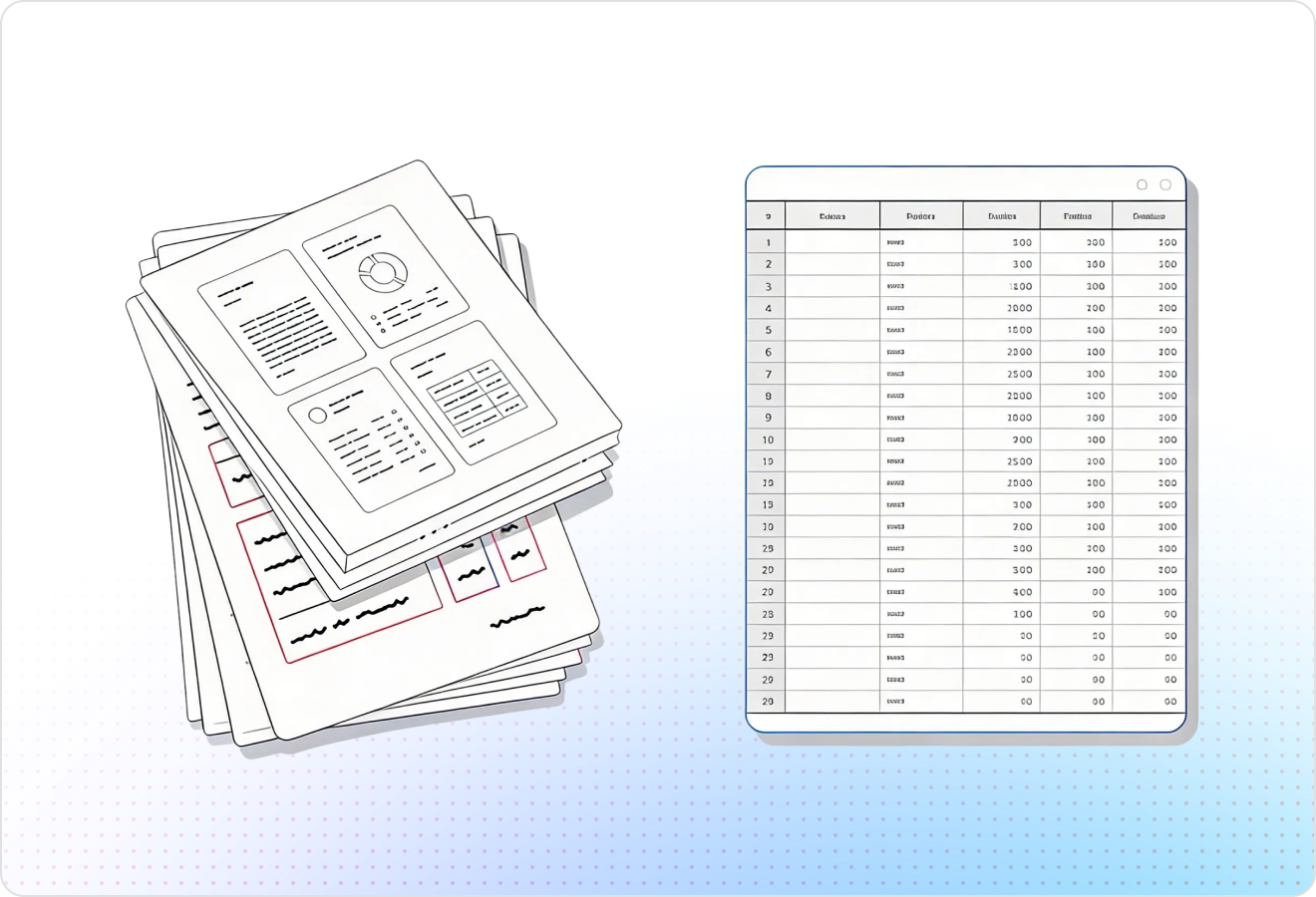
LlamaParse pulls structured tables from pricing sheets, SLAs, and service schedules while preserving rows, columns, and key-value relationships. This makes it straightforward to capture rate cards, renewal terms, and deliverables into AI-ready Markdown or structured data for comparisons across vendors.
03
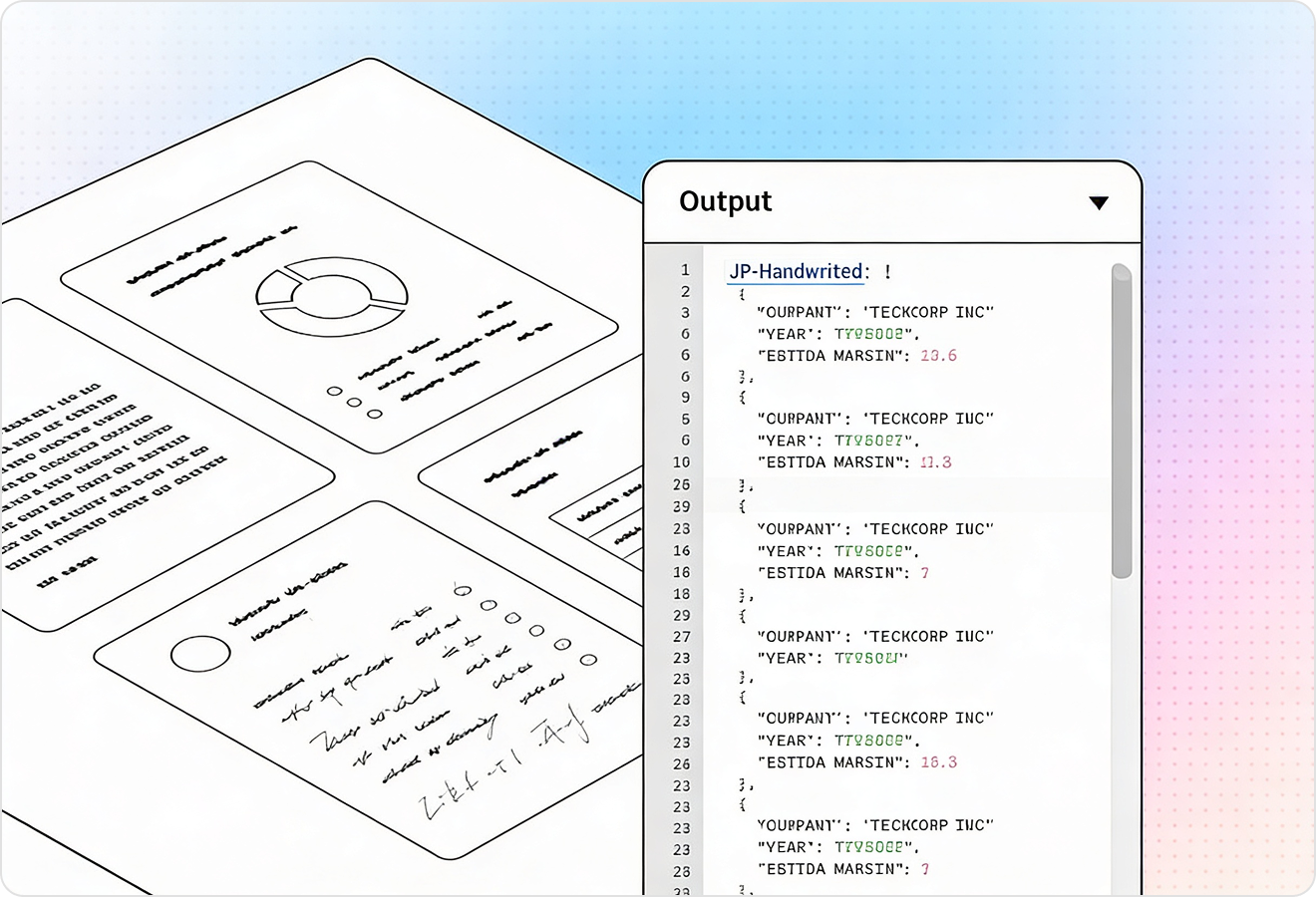
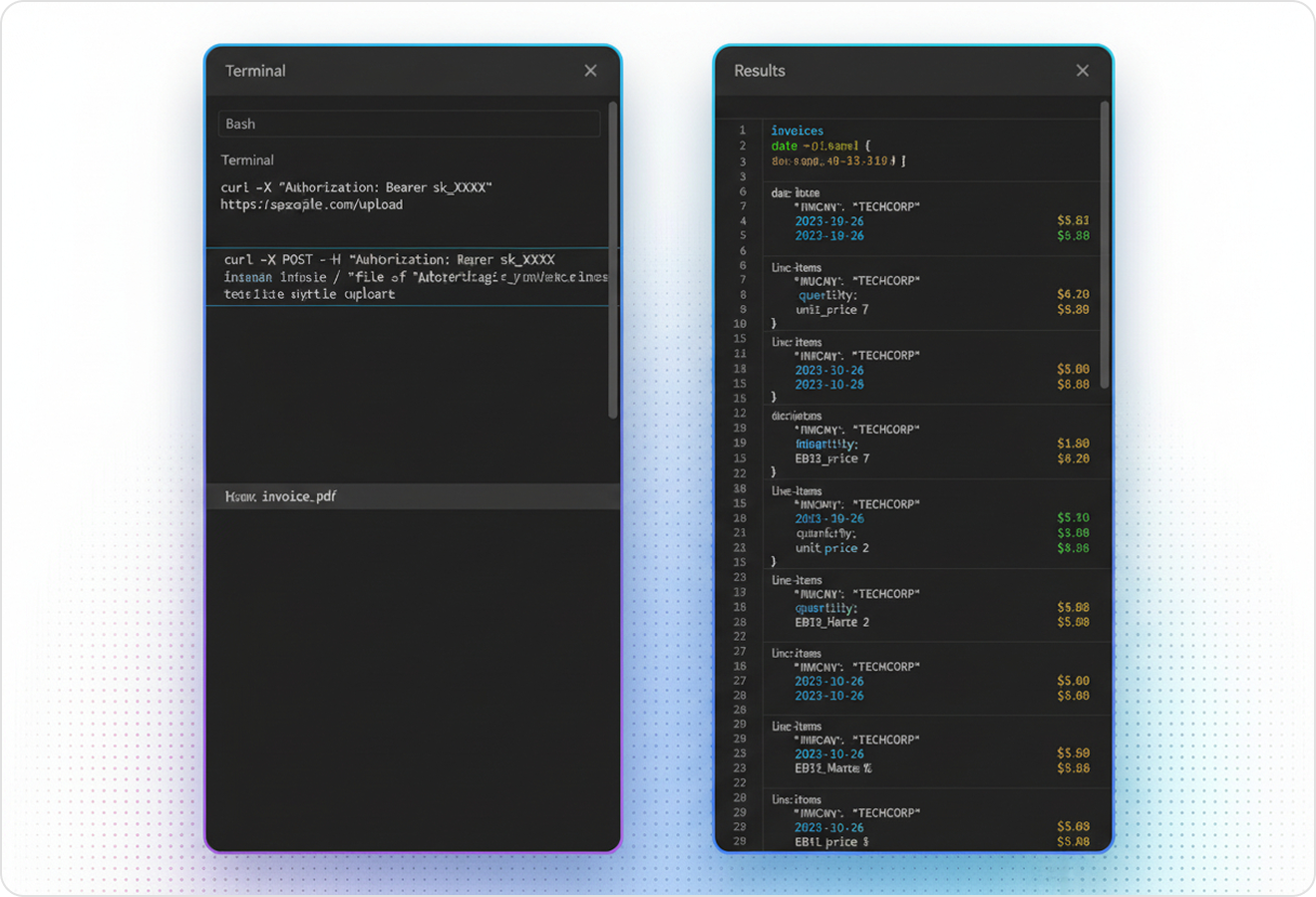
LlamaParse can emit structured JSON enriched with page-level traceability like coordinates and element types, so every extracted term can be tied back to its source. For vendor agreement parsing, this enables audit-friendly workflows where reviewers can jump directly to the exact page and snippet that supports a field.
04
LlamaParse uses self-checking validation loops to catch common parsing errors on messy scans, redlines, and low-quality PDFs before returning the final output. In vendor agreements, that reduces risk around high-stakes fields—like governing law, auto-renewal, or notice addresses—without building a brittle post-processing pipeline.
Technical OCR documentation
Explore our developer guides to easily connect your document pipelines to LlamaParse.
Explore the documentation
Our AI catches the typos that tired eyes miss.

Export to Excel, JSON, XML, or directly via API.

SOC2 Type II compliant with end-to-end encryption.

Train the tool on your specific forms in minutes, not days.

Average processing time of <3 seconds per page.
LlamaParse’s support of a wide variety of filetypes and its accuracy of parsing made it the best tool we tested in our evaluations. The LlamaIndex team was very responsive and we were off to the races within a day.
Common FAQs
01
Our layout-aware OCR preserves the document’s true reading order across headings, multi-column pages, and headers/footers. That means clauses like termination, indemnity, and limitation of liability come through cleanly—without the scrambled output that slows review.
02
Yes—tables are captured with rows, columns, and key-value relationships intact, so rate cards, service credits, and deliverables stay structured. You can output AI-ready Markdown or structured data for fast side-by-side comparisons across vendors.
03
We can output verifiable JSON with metadata like page numbers, coordinates, and element types. Reviewers can click straight to the exact page and snippet that supports a field—making approval and audit workflows significantly easier.
04
How do you handle messy scans, redlines, and low-quality PDFs without breaking extraction?
Agentic validation and correction loops automatically detect and fix common parsing errors before results are returned. This reduces risk on high-stakes fields like governing law, auto-renewal, and notice addresses—without you building a brittle post-processing pipeline.
05
What’s the best way to use the output in our workflow—contract review, CLM, or analytics?
You can export structured JSON or Markdown that’s ready for downstream review tools, CLMs, or internal dashboards. Teams typically map extracted fields into their schema for faster review, consistent comparison across vendors, and cleaner reporting.
06
How quickly can we validate results and get to production without heavy engineering effort?
Because outputs include structured data plus source-backed metadata, teams can validate accuracy quickly and iterate with confidence. Most customers start with a pilot set of vendor agreements, confirm key fields, and then scale to larger volumes once the workflow is proven.