Nov 14, 2025
Document AI: The Next Evolution of Intelligent Document ProcessingPersona
Industry
Use cases
Bill Of Entry OCR
[ Bill Of Entry OCR ]

Use LlamaParse to turn messy Bill of Entry scans into verified JSON your team can trust.
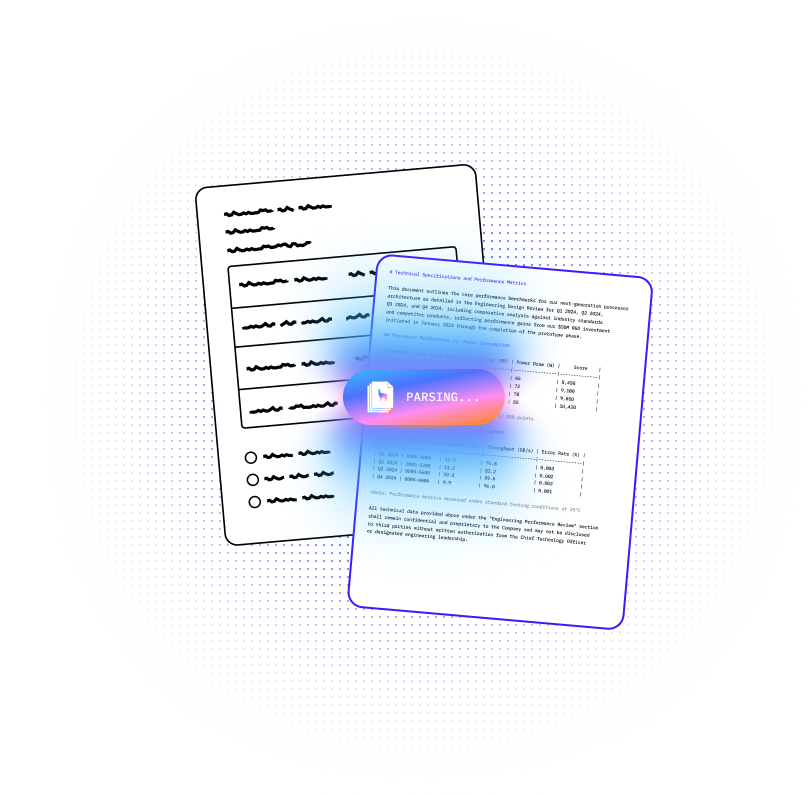
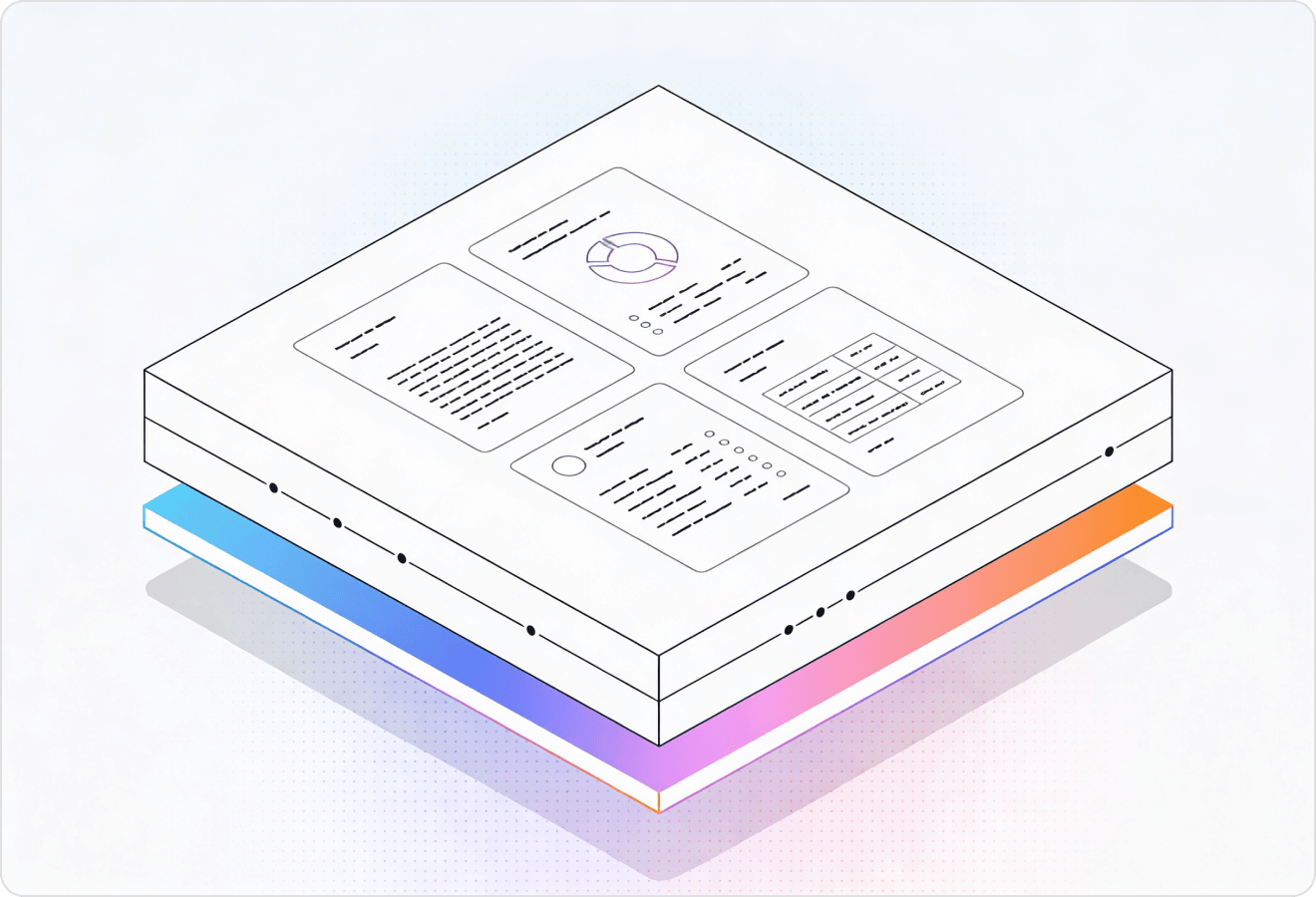

LlamaParse turns bill of entry PDFs and scans into clean, structured JSON your systems can validate, map, and ingest without manual rekeying. Layout-aware parsing and self-checking loops handle tables, stamps, and inconsistent templates, with confidence metadata for fast human review when needed.
Best-in-Class Accuracy

Parse Bills of Entry into clean JSON with line-item tables, HS codes, duties, and container references so filings and amendments stop becoming manual re-keying work. LlamaParse stays reliable when formats vary by port or scanning quality, and returns traceable coordinates and confidence scores for fast exception review.

Automatically reconcile Bill of Entry data against POs, commercial invoices, and supplier terms to catch duty leakage, incorrect HS classification, and quantity mismatches before month-end close. Layout-aware extraction preserves multi-page duty/tax tables so spend, landed cost, and compliance reporting can be updated without spreadsheet cleanup.

Extract Bill of Entry fields needed for LC compliance, collateral verification, and invoice-backed financing, even when stamps, annotations, and mixed layouts appear on the same document. Validation loops reduce document defects and speed up disbursement by turning inconsistent scans into structured, auditable records your operations team can trust.

Ship a Bill of Entry ingestion feature fast by using natural-language parsing instructions to map exactly to your product schema without brittle regex or template rules. Tier-based processing keeps unit economics predictable by reserving heavy agentic parsing for the few pages with complex tables and poor scans.
The Solution
01
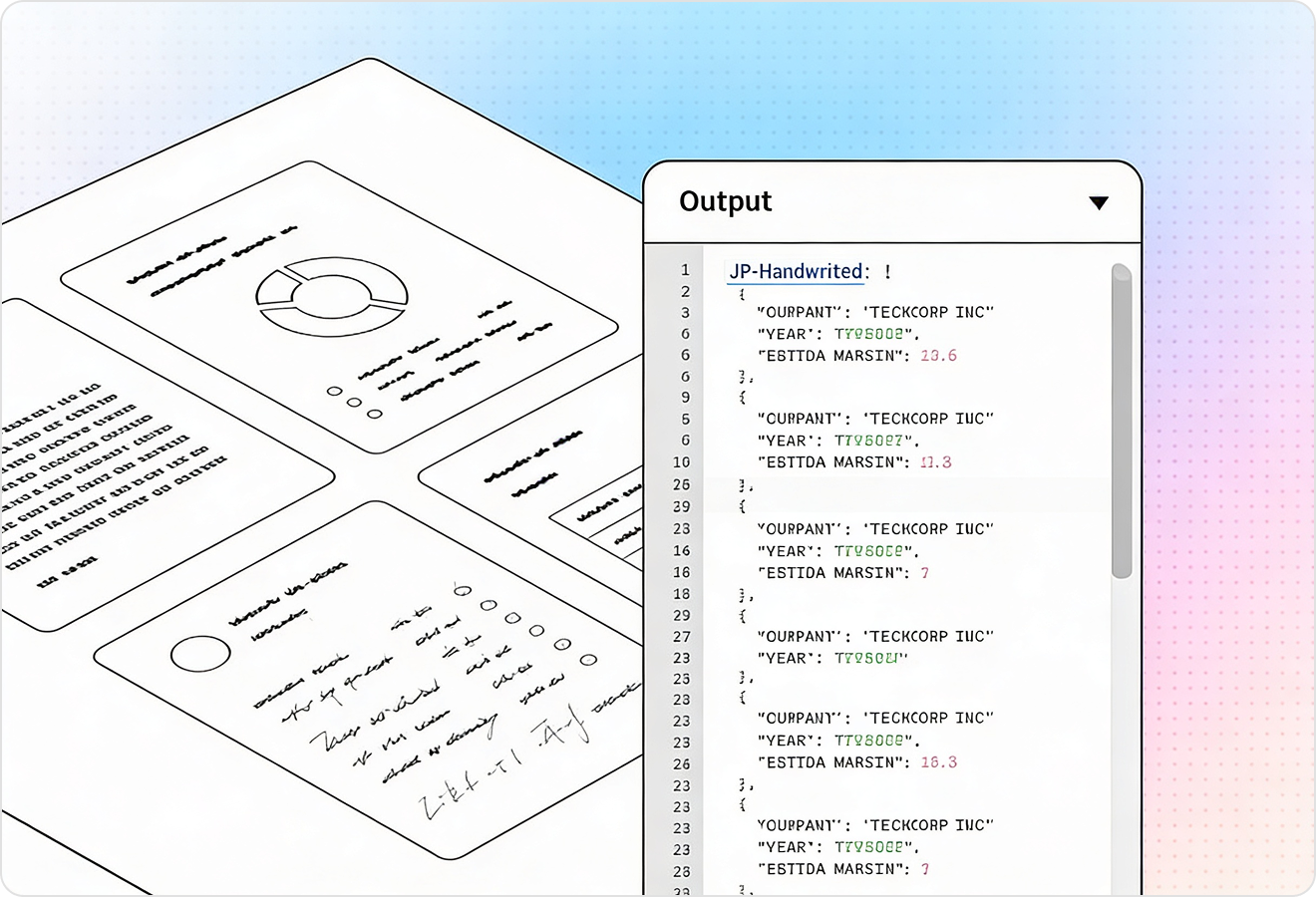
LlamaParse understands page layout and reading order, so Bill of Entry forms with multi-column sections, headers/footers, and dense line items don’t get scrambled. You get reliable capture of key fields like BE number, IEC, port code, importer/exporter details, and duty totals without building brittle post-processing.
02
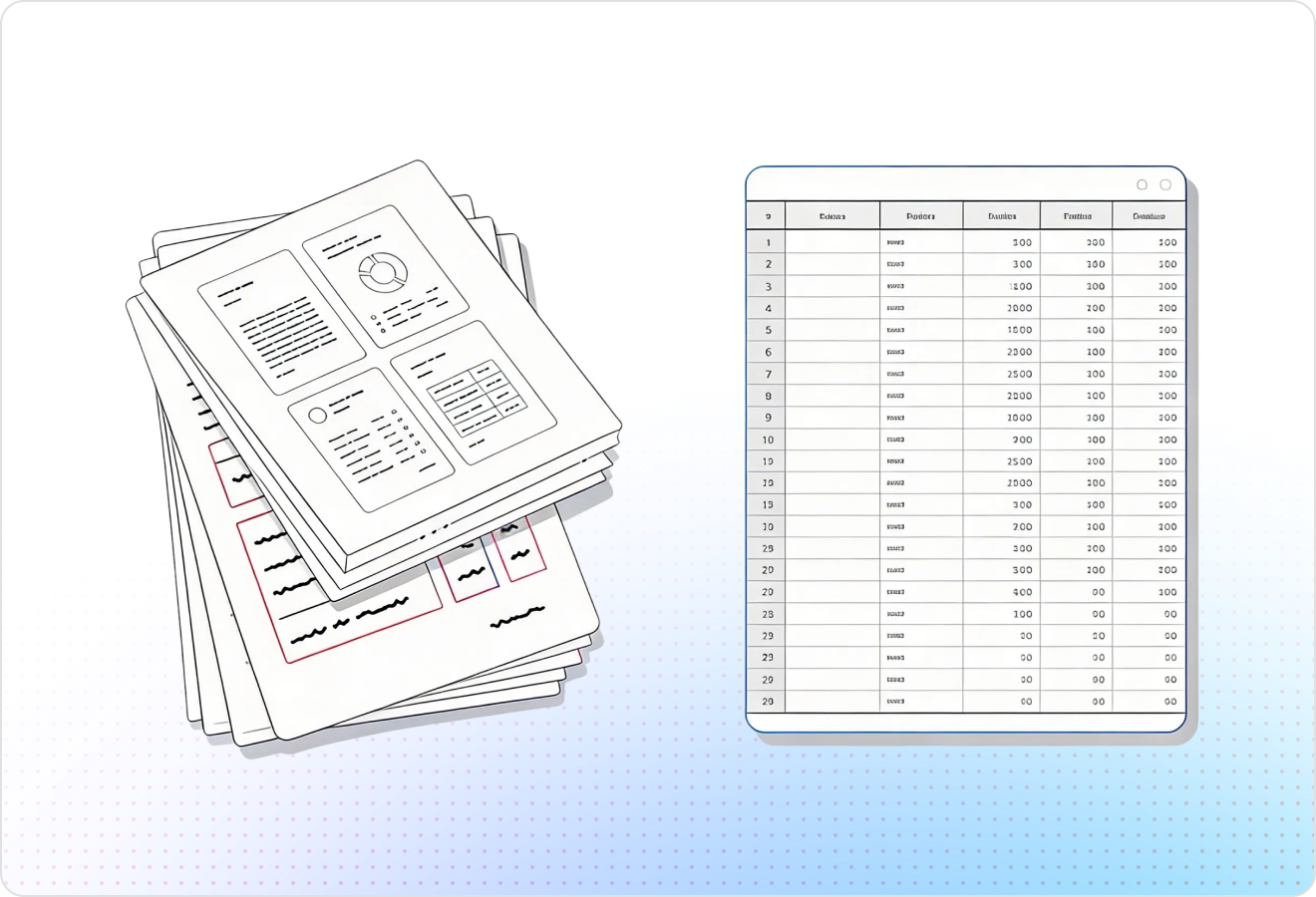
LlamaParse extracts complex line-item tables while preserving row/column relationships across page breaks and irregular grids. This makes it practical to pull HS codes, item descriptions, quantities, assessable value, duty rates, and tax breakdowns into systems that need clean, auditable item-level data.
03
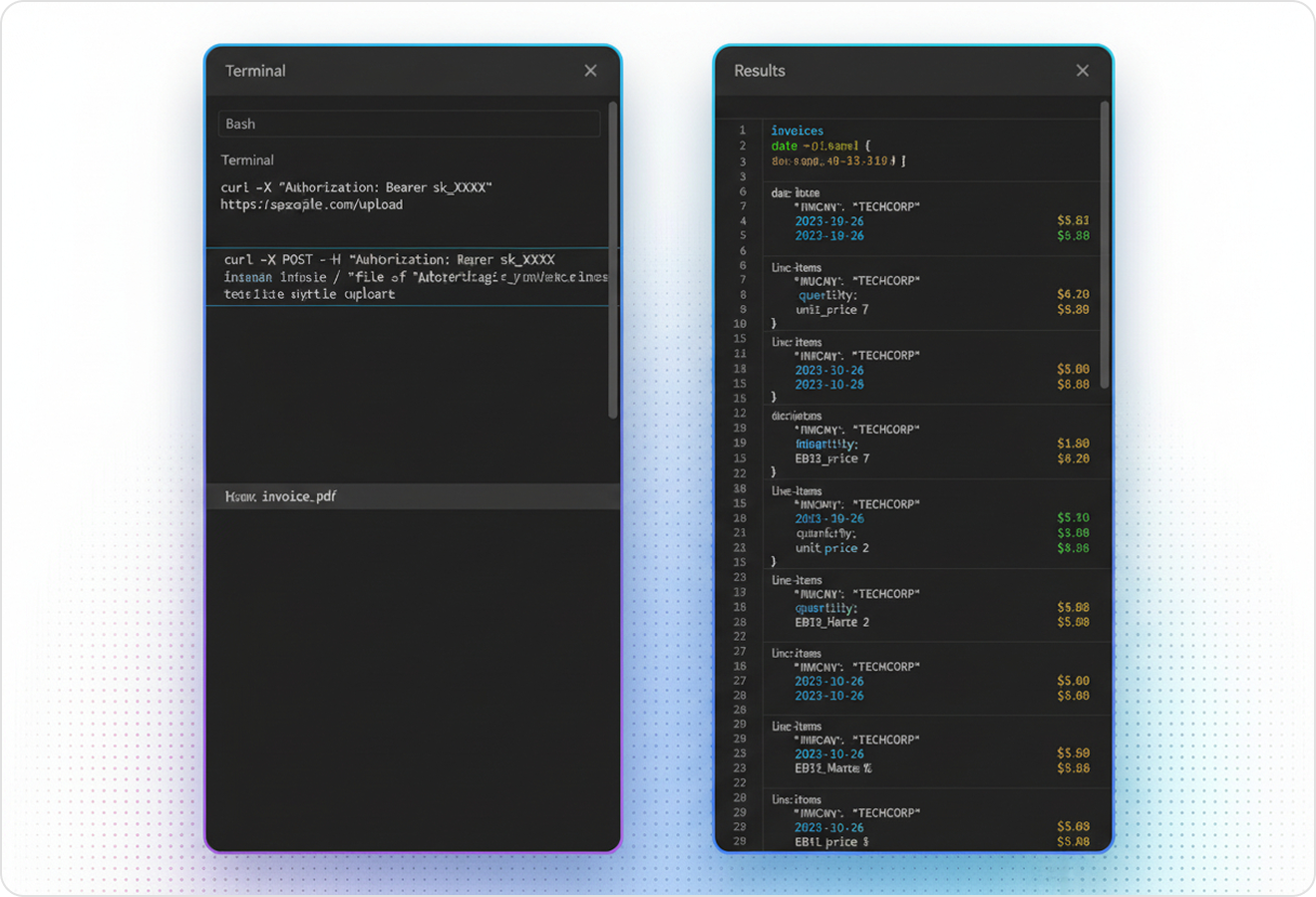
JSON mode returns normalized, machine-ready output along with granular metadata like page references and spatial coordinates for each extracted element. For Bill of Entry workflows, that means you can validate extracted values against the source region, support human review, and meet compliance requirements with clear provenance.
04
LlamaParse uses built-in validation steps to catch and fix common extraction failures from scans, stamps, and noisy print—issues that typically derail legacy OCR pipelines. This improves straight-through processing for Bill of Entry ingestion by reducing mismatched totals, missing line items, and inconsistent formatting before data hits downstream reconciliation.
Technical OCR documentation
Explore our developer guides to easily connect your document pipelines to LlamaParse.
Explore the documentation
Our AI catches the typos that tired eyes miss.

Export to Excel, JSON, XML, or directly via API.

SOC2 Type II compliant with end-to-end encryption.

Train the tool on your specific forms in minutes, not days.

Average processing time of <3 seconds per page.
LlamaParse’s support of a wide variety of filetypes and its accuracy of parsing made it the best tool we tested in our evaluations. The LlamaIndex team was very responsive and we were off to the races within a day.
Common FAQs
01
Yes. Layout-aware extraction follows the document’s reading order so fields don’t get scrambled when the form is dense or multi-column. You can reliably capture BE number, IEC, port code, importer/exporter details, and duty totals without brittle custom rules.
02
It’s built for high-fidelity table parsing that preserves row/column relationships across page breaks and messy table structures. That means clean item-level outputs for HS codes, descriptions, assessable values, duty rates, and tax breakdowns—ready for reconciliation and audit.
03
You receive structured, normalized JSON designed for direct ingestion into your systems. Each extracted element includes page references and spatial coordinates, making it easy to validate values against the exact source region for compliance and human review.
04
How does it handle scans with stamps, low-quality prints, or noisy photocopies?
Built-in validation and correction loops catch common OCR failure modes like missing characters, misread totals, and skipped line items. This improves straight-through processing and reduces the manual cleanup typically required for stamped or imperfect scans.
05
How do you reduce errors like mismatched duty totals or inconsistent formatting across different Bill of Entry templates?
The pipeline performs automatic checks to identify inconsistencies and attempts corrections before data is exported. This helps prevent downstream exceptions by delivering consistent field formats and more reliable totals across ports, brokers, and template variations.
06
How quickly can we integrate this into our Bill of Entry ingestion workflow?
Integration is straightforward because the output is machine-ready JSON with predictable structure and traceability metadata. Most teams can connect it to their existing document intake and validation steps quickly, then expand coverage as volume grows.