Nov 14, 2025
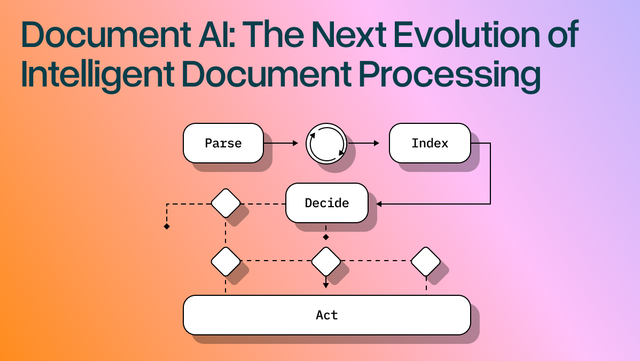
Document AI: The Next Evolution of Intelligent Document ProcessingPersona
Industry
Use cases
Non-Compete Agreement OCR
[ Non-Compete Agreement OCR ]

Use LlamaParse to turn scanned non-competes into structured fields you can review and verify.
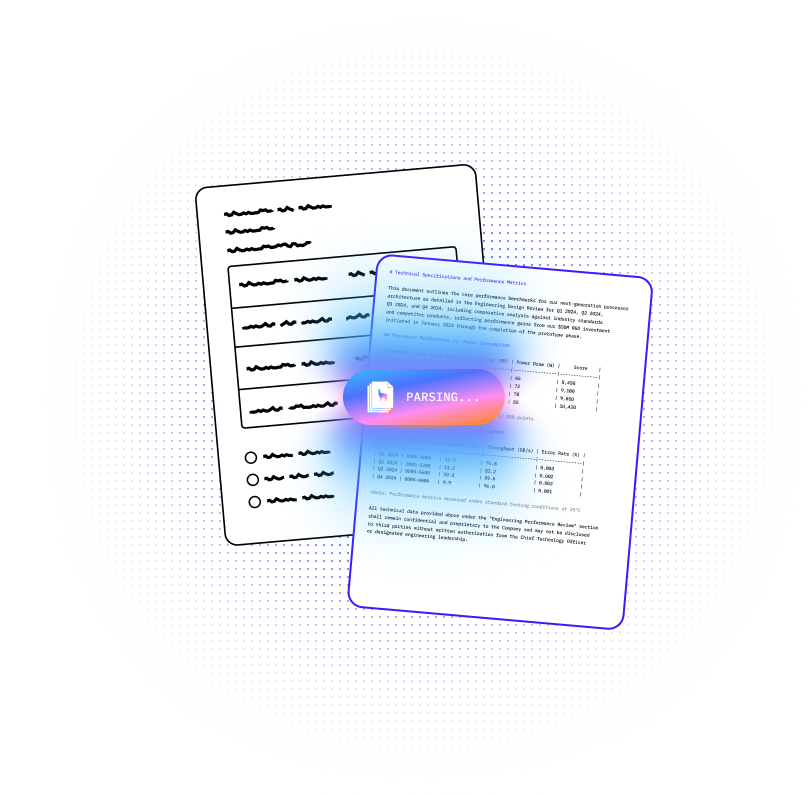
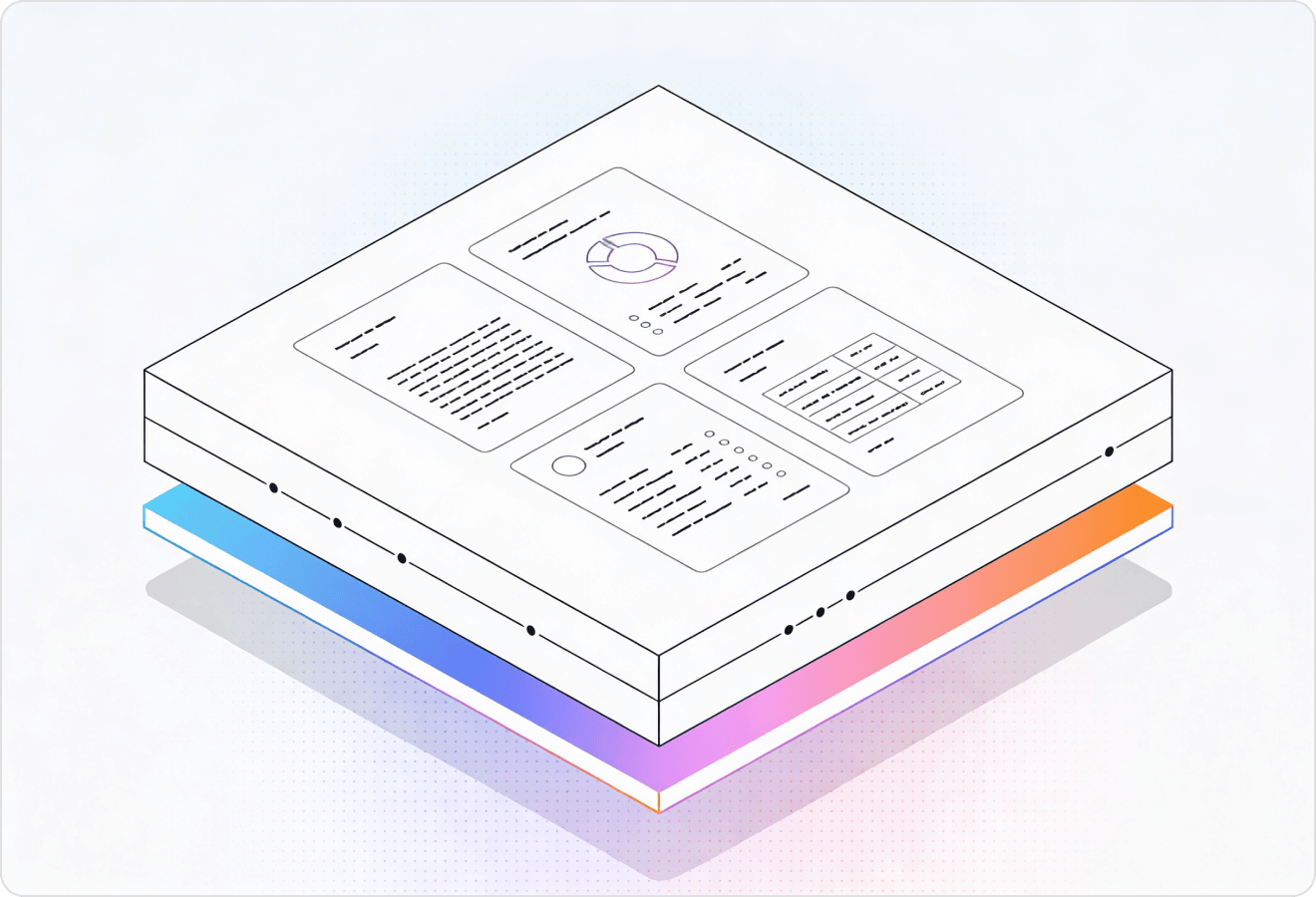
LlamaParse turns scanned PDFs and messy non-compete agreements into clean JSON or Markdown, so every clause, term, and party becomes usable data. It’s layout-aware and self-validating, reducing missed tables and extraction errors while giving your team citations and confidence for review.
Best-in-Class Accuracy

Turn scattered non-compete PDFs from hiring, M&A, and contractor onboarding into clean JSON so ops and legal can instantly flag restricted roles, geographies, and time windows before offers go out. LlamaParse preserves clause structure and citations, making it easy to route edge cases for review without slowing down hiring velocity.

Automatically extract enforceability-critical fields like term length, territory, customer restrictions, and carve-outs from candidate-provided agreements and normalize them into your ATS/CRM. LlamaParse’s layout-aware parsing handles multi-column templates and scanned signatures so recruiters stop losing time to manual rekeying and missed risk.

Ingest advisor and broker non-competes at scale to detect client-solicitation and confidentiality constraints during team lifts, branch acquisitions, and competitor hiring. LlamaParse outputs structured, traceable data with page-level evidence so compliance can audit decisions and document rationale fast.

Parse employee and subcontractor non-competes to prevent assigning talent to prohibited clients or overlapping scopes, especially when agreements include tables of named accounts or product lines. LlamaParse converts these sections into reliable Markdown/JSON so delivery leaders can enforce guardrails before staffing and avoid costly disputes.
The Solution
01
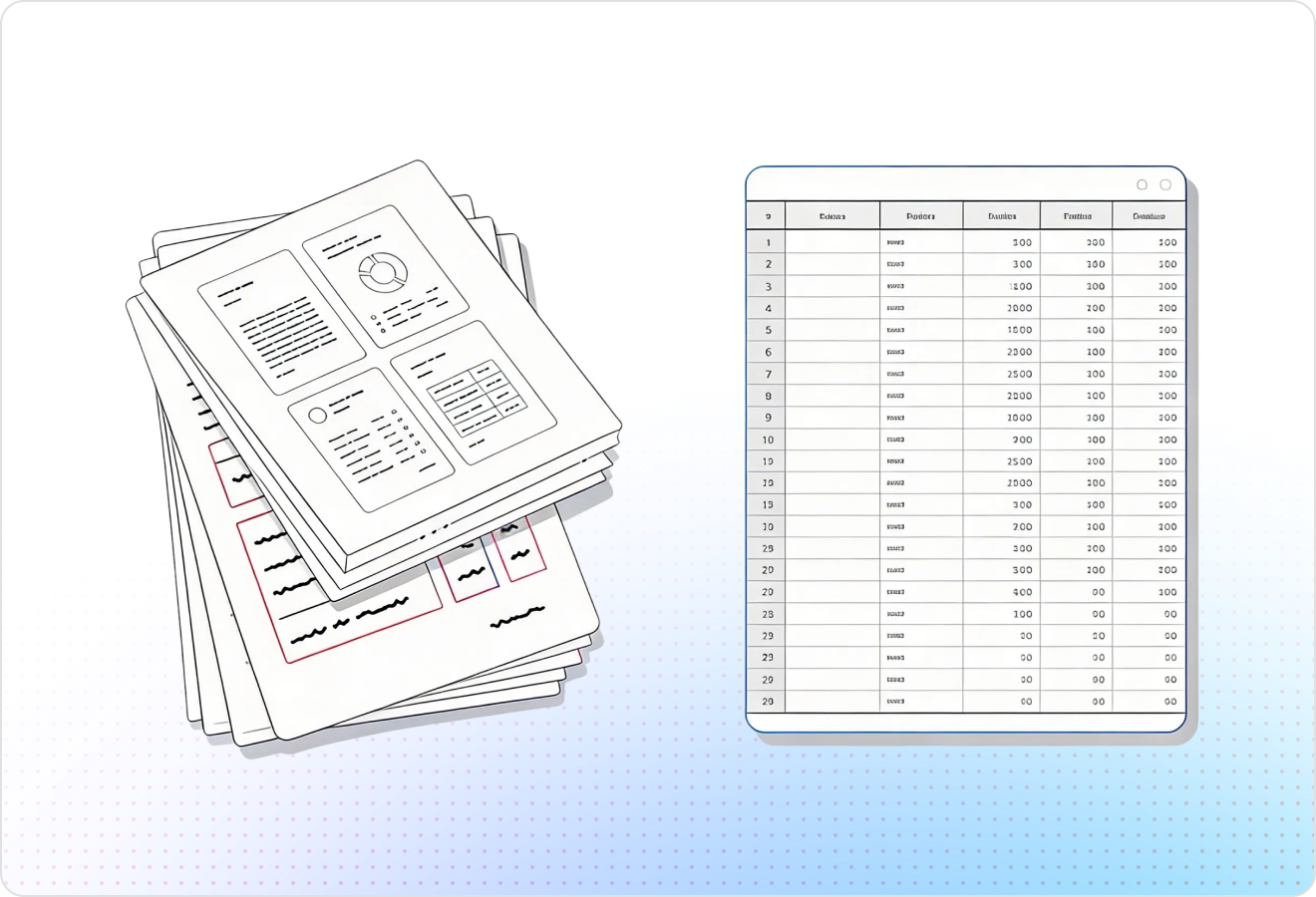
LlamaParse uses layout-aware computer vision to preserve reading order across multi-column agreements, headers/footers, and signature blocks. That means non-compete clauses, definitions, and exceptions stay in the right context instead of getting scrambled into unusable text.
02
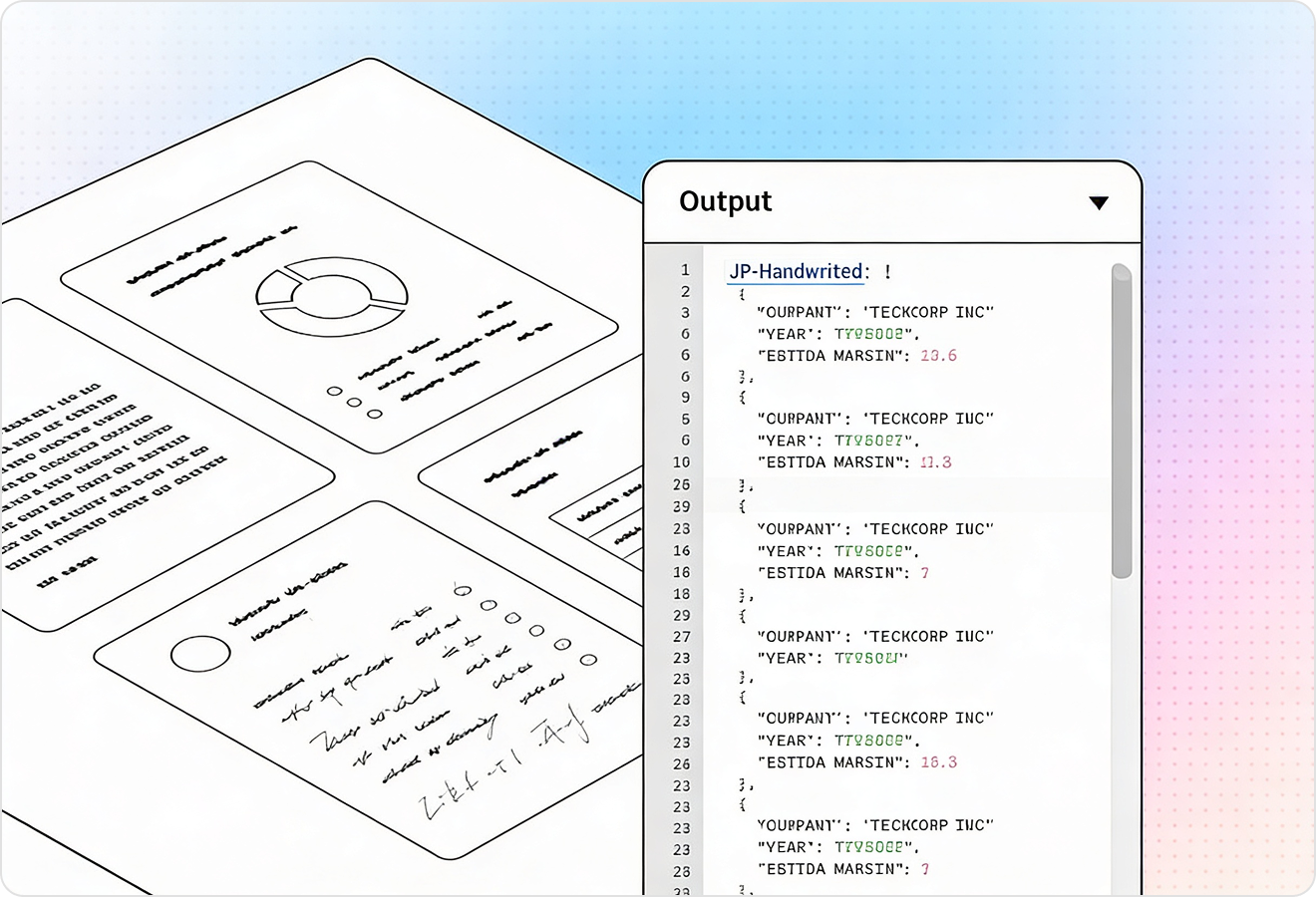
LlamaParse applies agentic document parsing with VLM-powered extraction and self-correction loops to handle messy scans, faint text, and inconsistent formatting. This reduces critical errors when capturing high-stakes terms like restricted activities, geography, and duration from non-compete agreements.
03
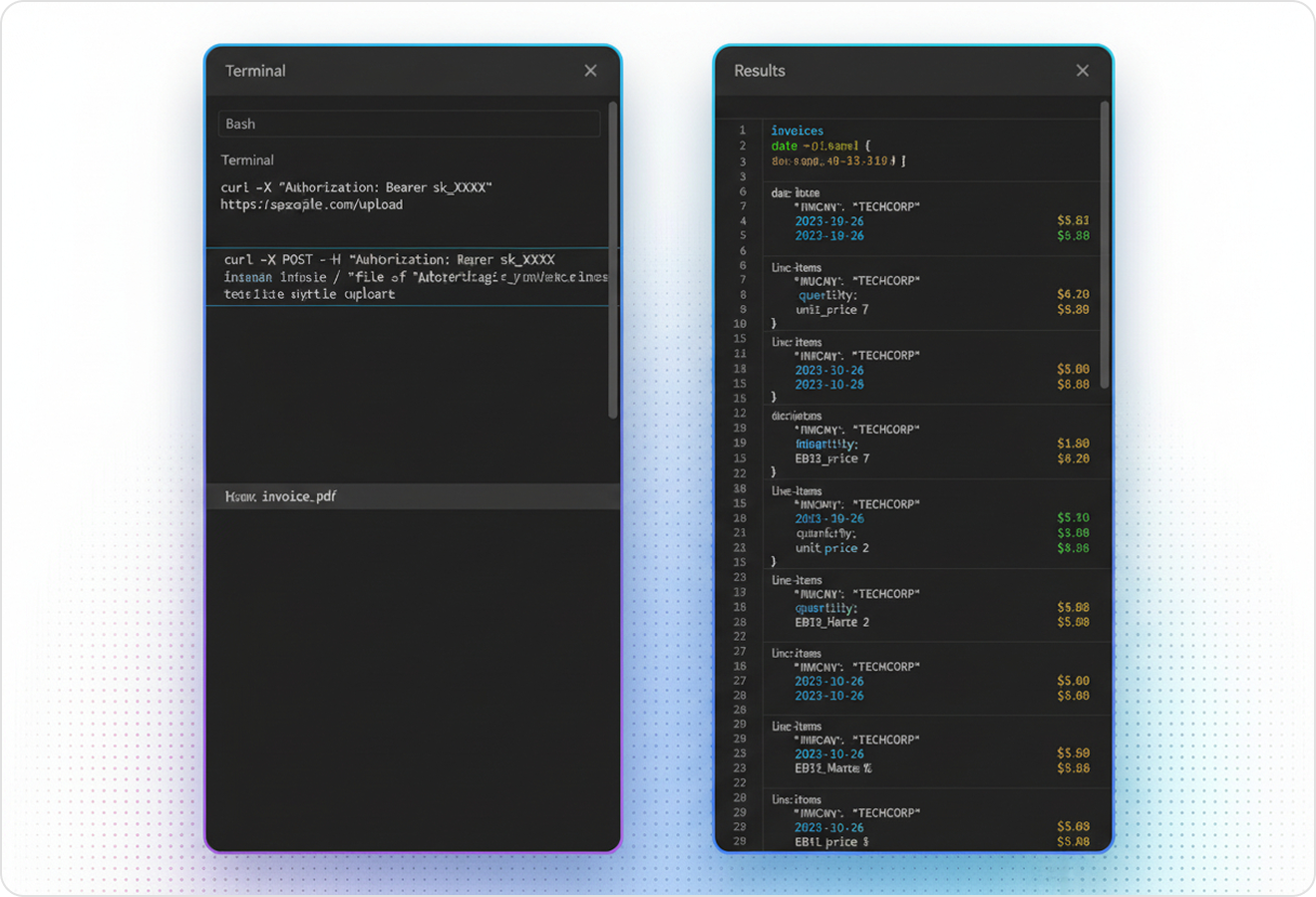
LlamaParse can return structured JSON with granular metadata like page numbers and bounding boxes for each extracted field. For non-compete review workflows, you can trace every term back to the exact location in the document for fast legal validation and auditability.
04
LlamaParse supports natural language parsing instructions to shape output around the fields you actually care about (e.g., effective date, parties, restrictive period, carve-outs). This lets you standardize non-compete data across vendors and templates without brittle regex or custom post-processing.
Technical OCR documentation
Explore our developer guides to easily connect your document pipelines to LlamaParse.
Explore the documentation
Our AI catches the typos that tired eyes miss.

Export to Excel, JSON, XML, or directly via API.

SOC2 Type II compliant with end-to-end encryption.

Train the tool on your specific forms in minutes, not days.

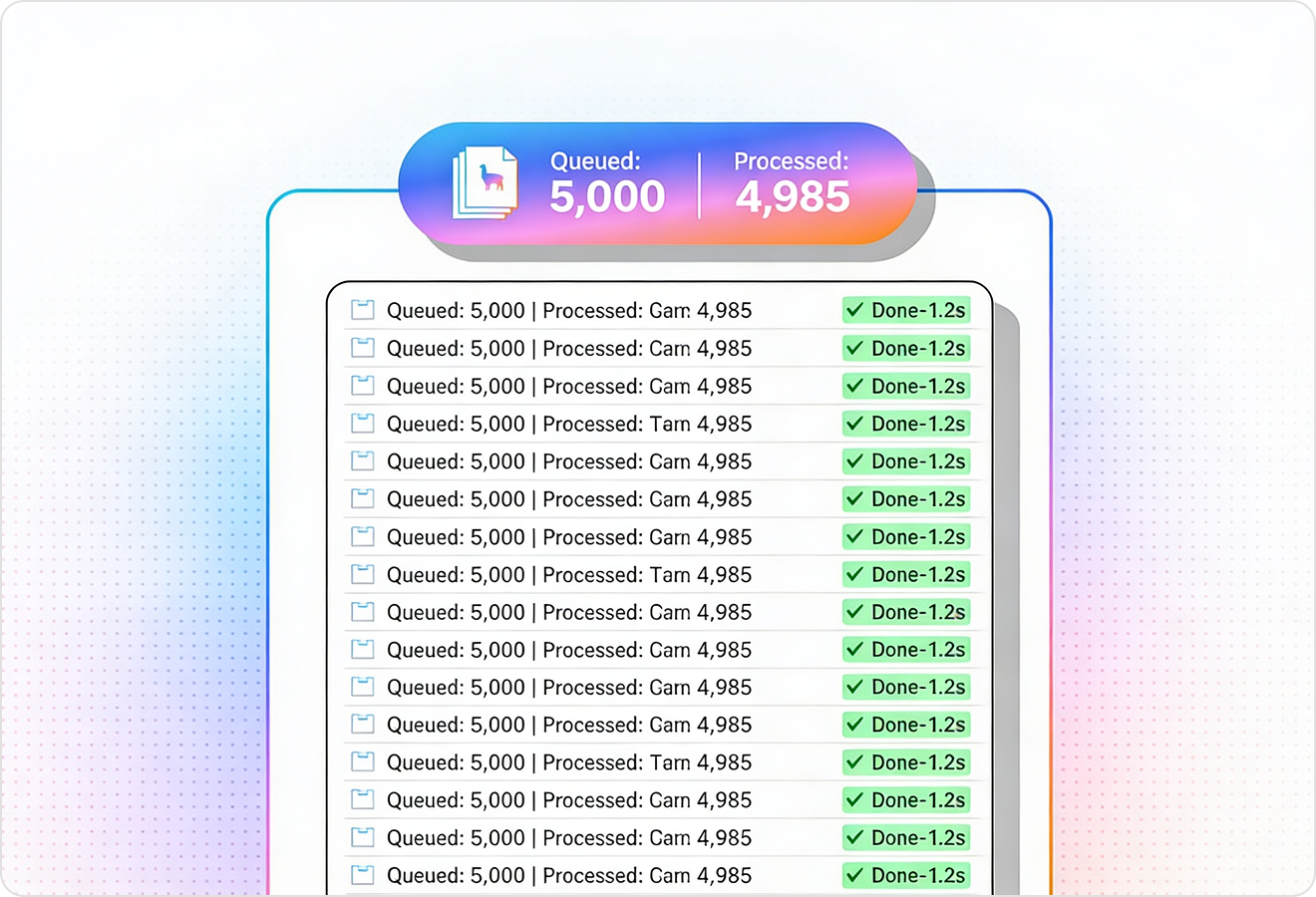
Average processing time of <3 seconds per page.
LlamaParse’s support of a wide variety of filetypes and its accuracy of parsing made it the best tool we tested in our evaluations. The LlamaIndex team was very responsive and we were off to the races within a day.
Common FAQs
01
Yes. Layout-aware clause parsing preserves reading order across columns, headers/footers, and signature blocks so definitions, exceptions, and restrictions stay connected. You get usable clause text without the “scrambled paragraph” problem common in basic OCR.
02
LlamaParse is built for real-world scans, using agentic extraction with self-correction to reduce missed or misread terms. That means fewer critical errors when capturing high-stakes details like restricted activities, geography, and duration. You can also flag low-confidence areas for quick review.
03
Yes—outputs can include structured JSON with citations like page numbers and bounding boxes for each field. This makes attorney review faster because you can jump directly to the source text. It also improves auditability for compliance and internal approvals.
04
Can we customize what gets extracted (effective date, parties, restrictive period, carve-outs) without building brittle regex?
Yes. Instruction-guided extraction lets you specify the fields you care about in plain language and standardize results across vendors and templates. This reduces implementation time and avoids constant maintenance when document formats change.
05
What happens when a non-compete has multiple exceptions or carve-outs spread across sections?
The parser preserves context and can capture multiple carve-outs as separate, structured items rather than flattening them into one blob. That helps you quickly understand what’s actually restricted versus what’s permitted. It’s especially useful when exceptions reference definitions or earlier clauses.
06
How does the JSON output fit into our workflow for review, search, and reporting?
You can feed the structured JSON directly into your contract database, CRM, or review tools to power search and reporting on key terms. Because fields come with citations, your team can verify results quickly before relying on them. This shortens turnaround time while keeping review standards high.