Nov 14, 2025
Document AI: The Next Evolution of Intelligent Document ProcessingPersona
Industry
Use cases
Warranty Deed OCR
[ Warranty Deed OCR ]

Turn deeds into clean, structured fields with LlamaParse so your team reviews faster with confidence.
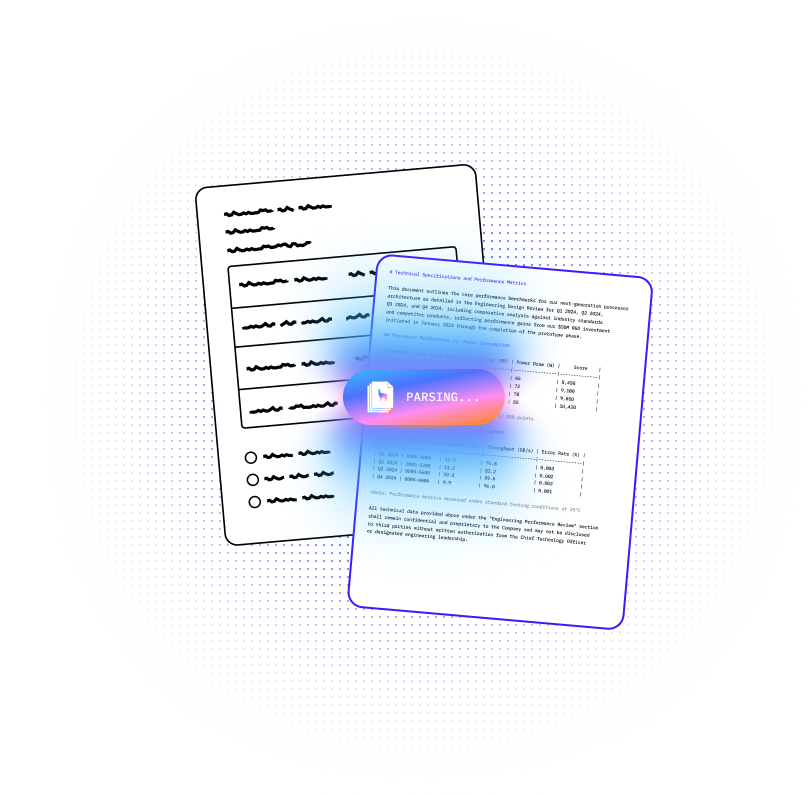
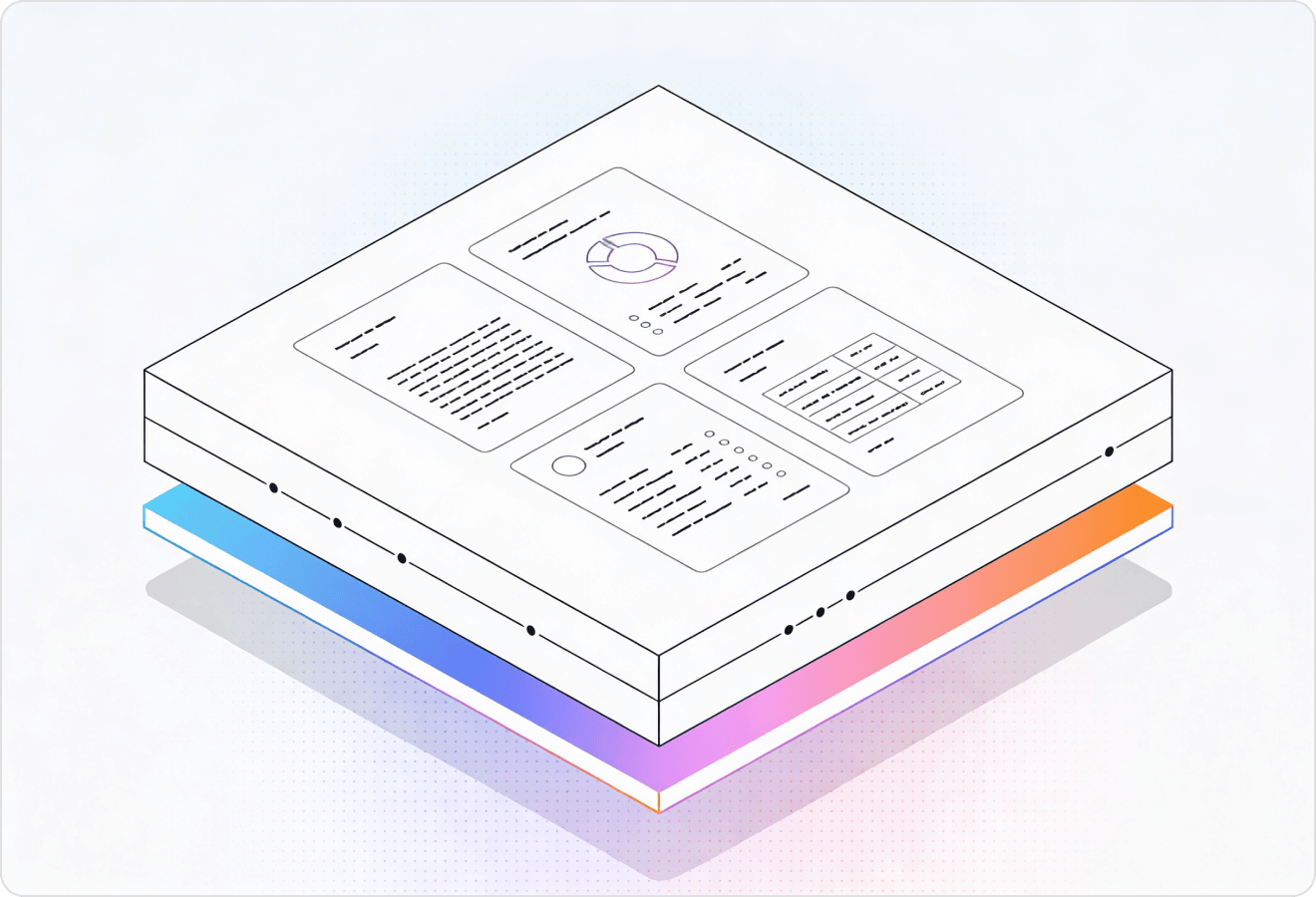
LlamaParse turns scanned warranty deeds and messy PDFs into reliable, structured fields like grantor, grantee, legal description, and recording info. Its agentic document parsing understands layout, checks itself with validation loops, and returns verifiable JSON or Markdown you can automate.
Best-in-Class Accuracy

Parse warranty deeds into clean JSON—grantor/grantee, legal description, vesting, APN, recording stamps, and notary blocks—even when scans are skewed or multi-column. LlamaParse preserves reading order and layout so your team can automate indexing and cut re-keying errors that slow down closings.

Ingest recorded warranty deeds to auto-verify ownership transfers and populate servicing systems with citation-backed fields for auditability. LlamaParse’s metadata and confidence signals reduce post-close exceptions by flagging mismatches early instead of discovering them during collateral reviews.

Extract deed details to confirm insurable interest, named insured alignment, and property identifiers during new policy issuance or claims intake. LlamaParse handles stamps, seals, and embedded images reliably, preventing coverage delays caused by unreadable scans and missing deed attributes.

Ship a deed ingestion workflow fast by using natural-language parsing instructions to output your exact schema without building brittle regex pipelines. Use tier-based processing to keep unit costs predictable while still upgrading only the hardest pages to higher-accuracy parsing when your upload mix gets messy.
The Solution
01
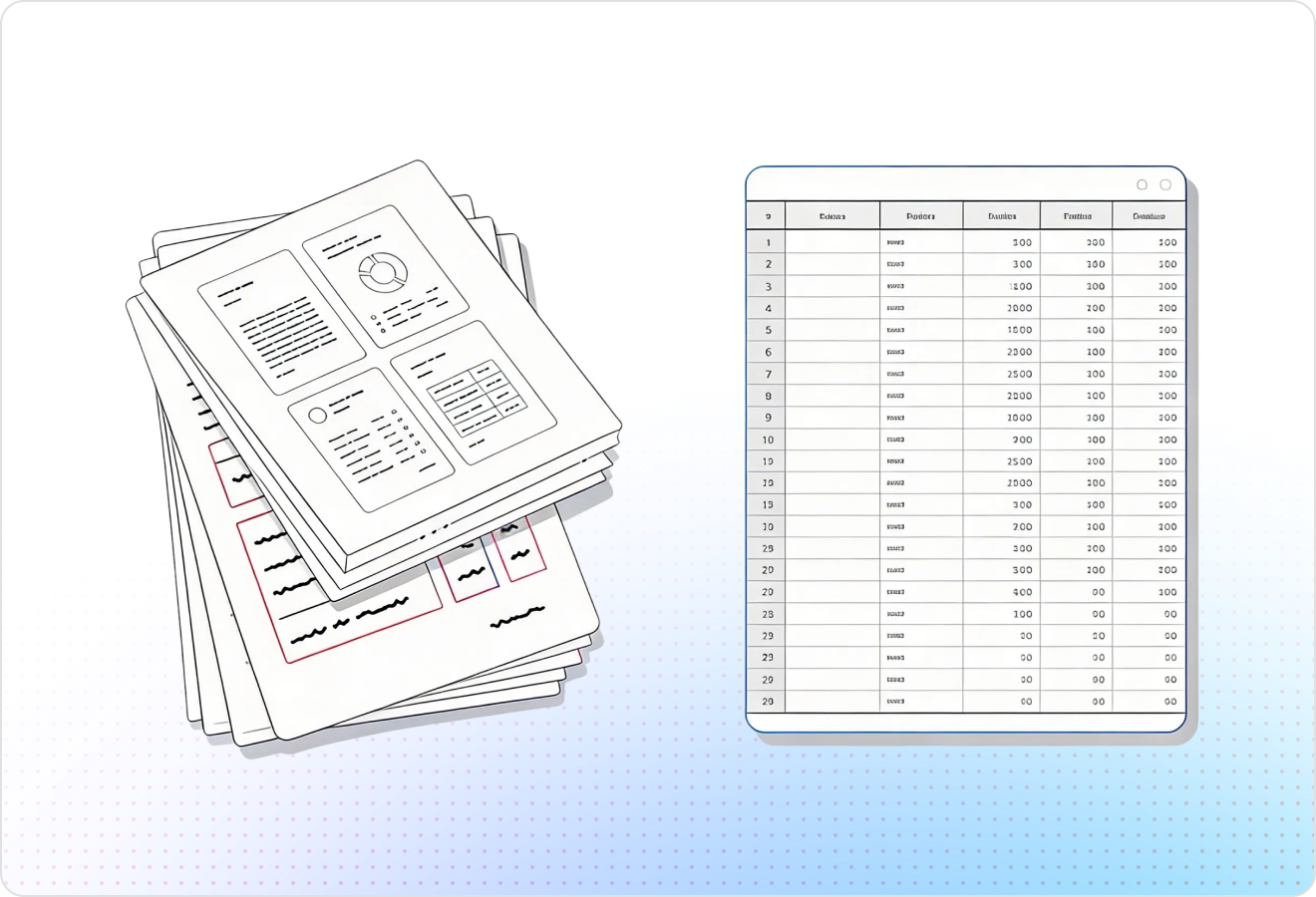
LlamaParse uses layout-aware vision to preserve reading order across multi-column text, headers/footers, and stamped margins common in recorded warranty deeds. That means you can reliably capture grantor/grantee language, legal descriptions, and recording blocks without scrambled output or brittle post-processing.
02
LlamaParse extracts structured blocks like parcel tables, consideration sections, and notary/acknowledgment panels even when they’re boxed, aligned, or split across lines. This helps you pull clean, field-ready data for title workflows instead of manual cleanup from messy scans.
03
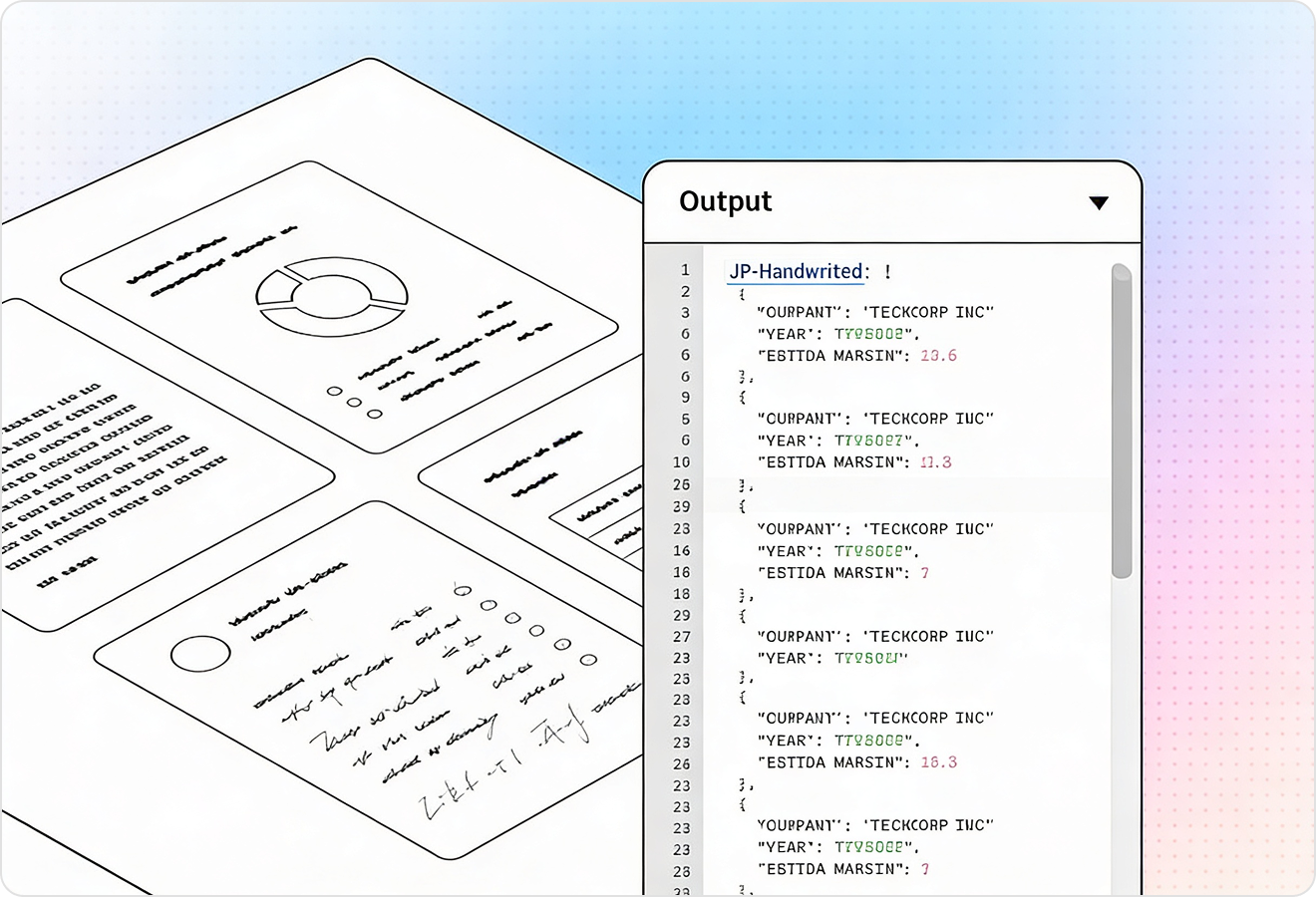
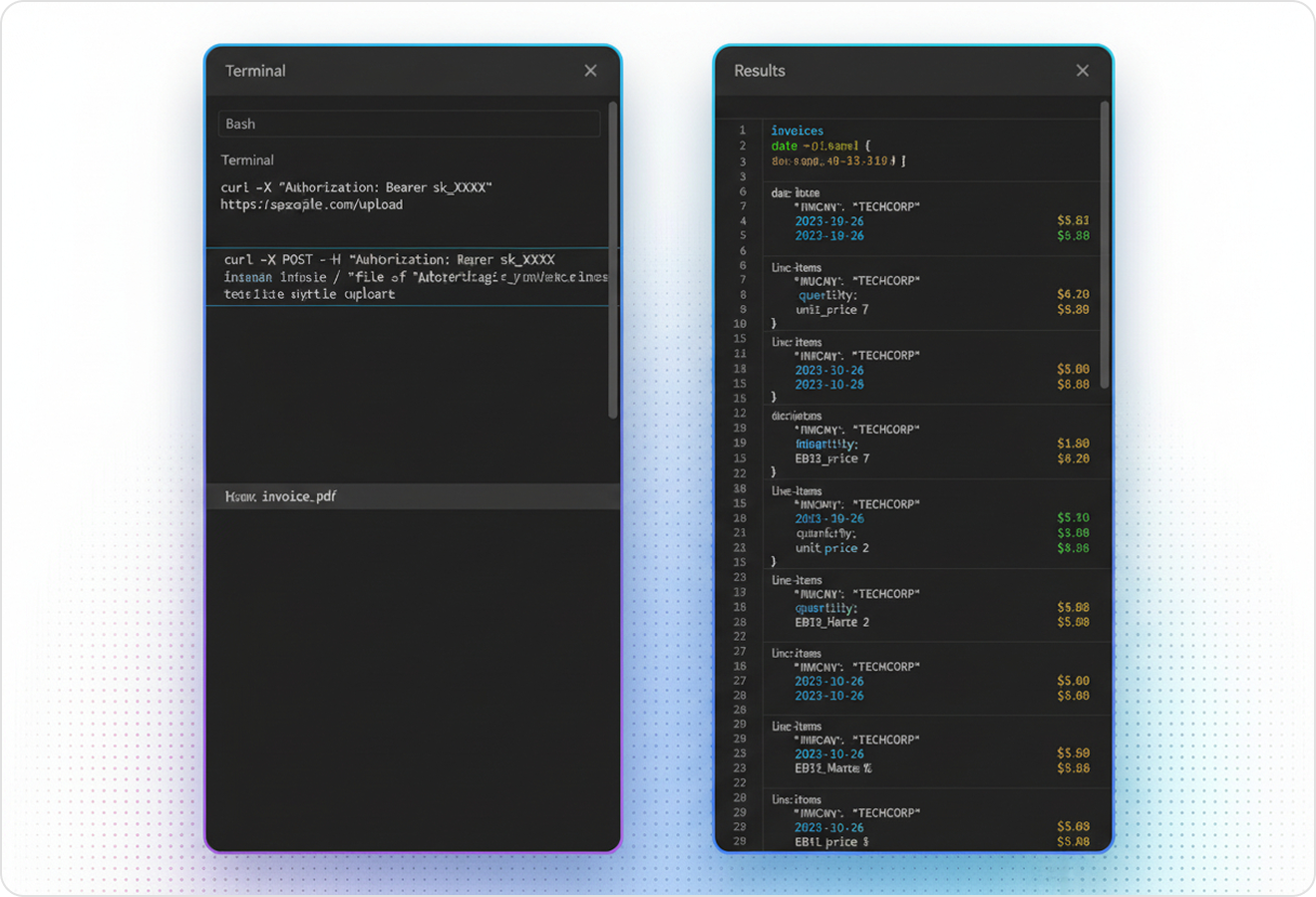
LlamaParse can return warranty deed outputs as structured JSON with granular metadata like page numbers and coordinates for each extracted element. That traceability makes it easy to validate critical fields (names, dates, instrument numbers) and route low-confidence items to human review with exact source locations.
04
LlamaParse applies validation and self-correction steps to reduce common scan errors like misread names, broken line wraps, and inconsistent formatting in legal boilerplate. For warranty deeds, this improves straight-through processing by catching extraction mistakes before they hit downstream systems.
Technical OCR documentation
Explore our developer guides to easily connect your document pipelines to LlamaParse.
Explore the documentation
Our AI catches the typos that tired eyes miss.

Export to Excel, JSON, XML, or directly via API.

SOC2 Type II compliant with end-to-end encryption.

Train the tool on your specific forms in minutes, not days.

Average processing time of <3 seconds per page.
LlamaParse’s support of a wide variety of filetypes and its accuracy of parsing made it the best tool we tested in our evaluations. The LlamaIndex team was very responsive and we were off to the races within a day.
Common FAQs
01
Yes—our layout-aware parsing preserves reading order across columns, headers/footers, and margin stamps commonly found on recorded deeds. This helps prevent scrambled grantor/grantee language and ensures legal descriptions and recording blocks stay intact without brittle post-processing.
02
It’s designed to capture the sections title teams depend on, including grantor/grantee language, consideration clauses, legal descriptions, and recording blocks. By respecting document layout, it reduces missed or merged fields that often happen with standard OCR on deed scans.
03
The parser detects and extracts structured blocks such as parcel tables, boxed notary/acknowledgment panels, and aligned sections even when they’re split across lines. You get cleaner, field-ready outputs that reduce manual cleanup in title and recording workflows.
04
Do you provide structured output like JSON for importing into our title system?
Yes—JSON mode returns extracted fields in a structured format that’s easier to map into your downstream systems. This speeds up integrations and helps standardize data across different deed templates and county recording styles.
05
Can we trace every extracted field back to the exact spot on the deed for audit and QC?
Absolutely—outputs can include citations with page numbers and coordinates for each extracted element. That makes it simple to verify critical fields like names, dates, and instrument numbers, and to route exceptions to review with precise source locations.
06
What about common scan errors like broken lines, misread names, or inconsistent legal boilerplate?
Auto-correction loops apply validation and self-correction to reduce errors caused by poor scans, line wraps, and formatting inconsistencies. This improves straight-through processing while still giving you clear signals on what needs human review when confidence is low.