Nov 14, 2025
Document AI: The Next Evolution of Intelligent Document ProcessingPersona
Industry
Use cases
Private Placement Memorandum OCR
[ Private Placement Memorandum OCR ]

Use LlamaParse to pull structured deal terms from PPMs with citations you can verify.
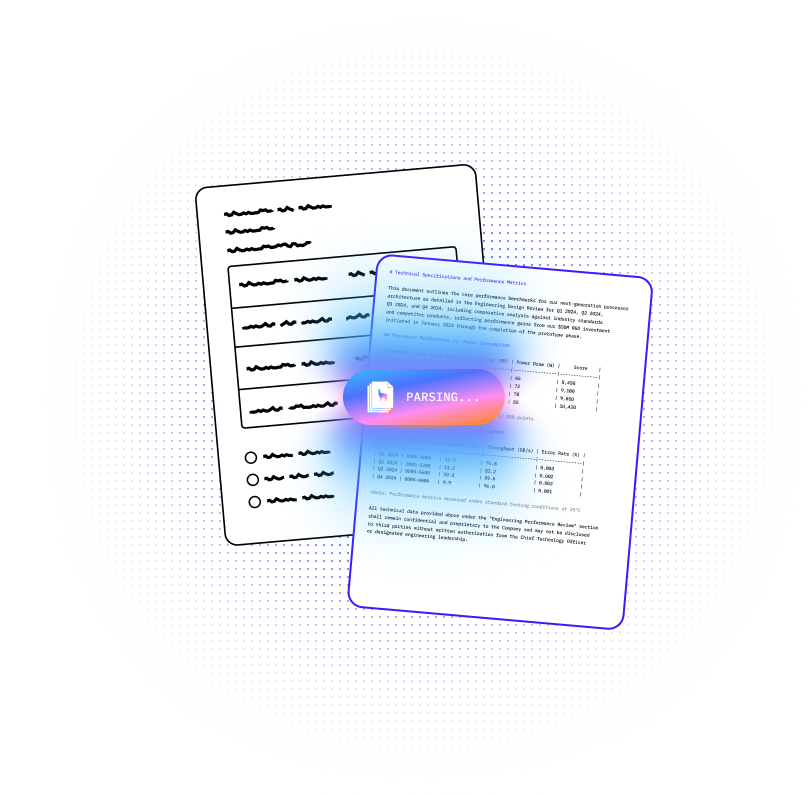
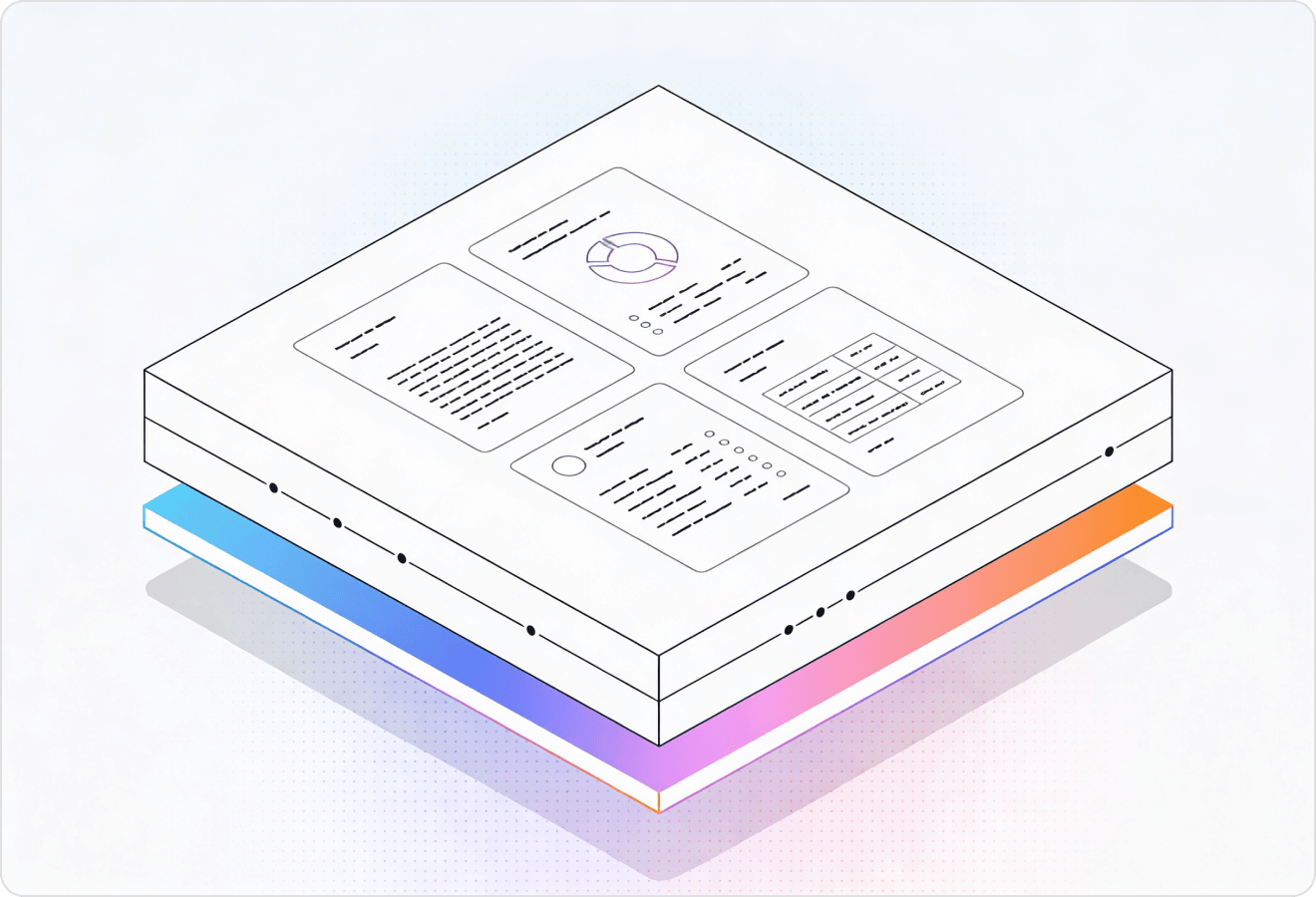

LlamaParse turns dense PPM PDFs into clean, structured JSON or Markdown so you can query terms, fees, risks, and covenants reliably. It’s layout-aware and agentic, so tables, footnotes, and exhibits stay intact with confidence metadata for fast review and fewer misses.
Best-in-Class Accuracy

Use LlamaParse to turn PPM PDFs into clean Markdown/JSON that preserves multi-column risk factors, fee tables, and waterfalls so analysts can search and compare terms across deals in minutes. Layout-aware extraction plus citations and confidence scores reduce legal review back-and-forth and make it easier to justify investment decisions with traceable source text.

Automatically ingest sponsor PPMs and extract minimums, lockups, liquidity, suitability language, and conflicts into a structured client-facing summary without hand-copying from messy PDFs. Natural-language parsing instructions let ops teams standardize outputs across managers while catching table-heavy sections like performance fees and redemption schedules accurately.

Parse draft and final PPMs into a verifiable, sectioned representation that keeps definitions, cross-references, and disclosure tables intact for faster redline review and consistency checks. Agentic correction loops help flag missing exhibits and inconsistent numbers across sections, reducing avoidable errors before filing or distribution.

Build an investor-ops workflow that converts inbound PPMs into structured JSON for instant term comparison, memo generation, and internal approvals without a dedicated back office. Tier-based processing and cost optimizer mode keep spend predictable while still routing complex tables and scanned pages to higher-accuracy parsing when it matters.
The Solution
01
LlamaParse preserves reading order across multi-column pages, headings, footers, and dense legal sections common in private placement memorandums. That means your extracted “Risk Factors,” “Use of Proceeds,” and “Subscription Procedures” don’t get scrambled, so downstream review and automation stay reliable
02
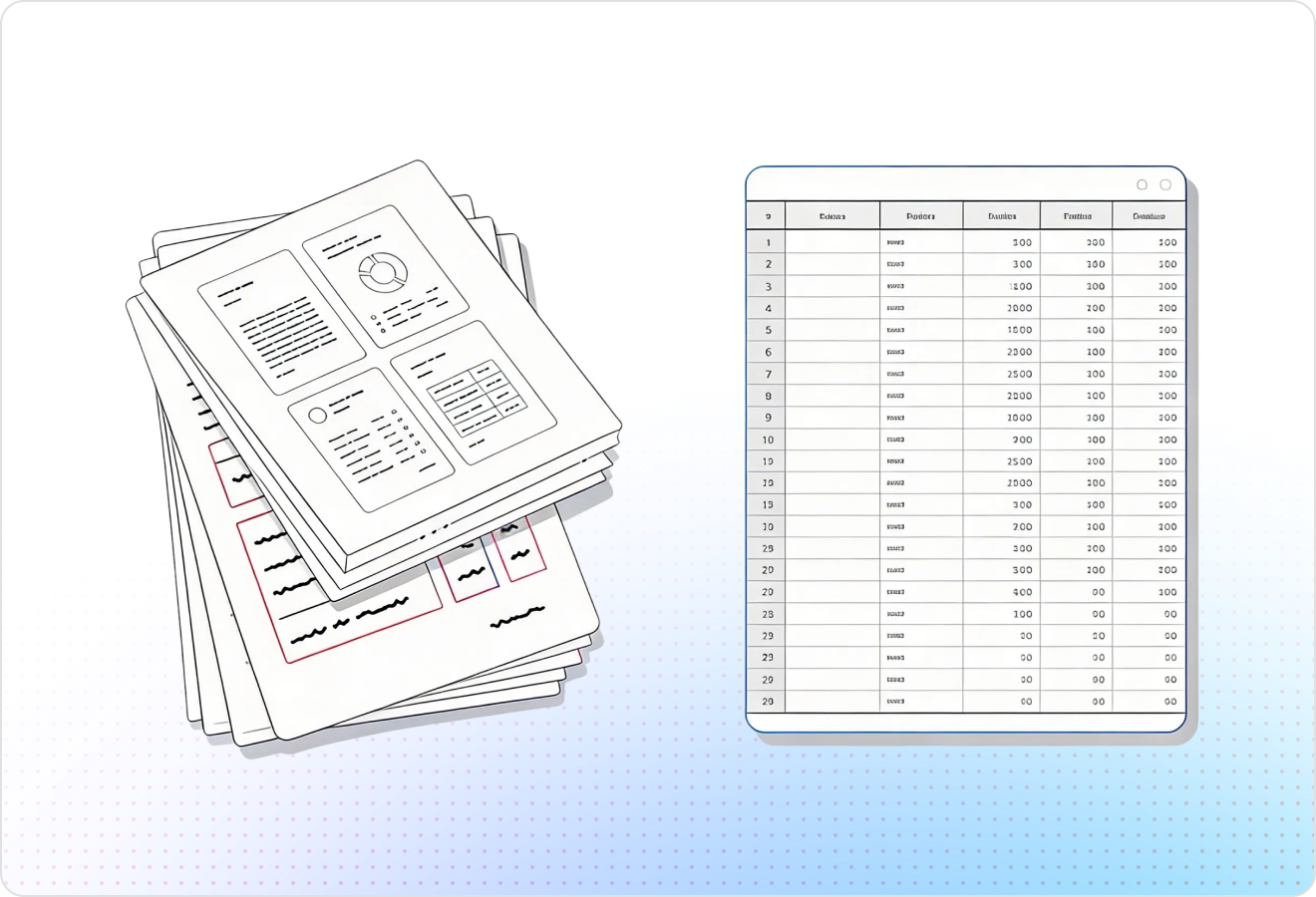
LlamaParse accurately pulls complex tables and nested schedules—fees, capitalization tables, investor classes, and offering terms—without the broken rows you see with legacy approaches. You get clean structured outputs you can validate and compare across PPM versions or issuers.
03
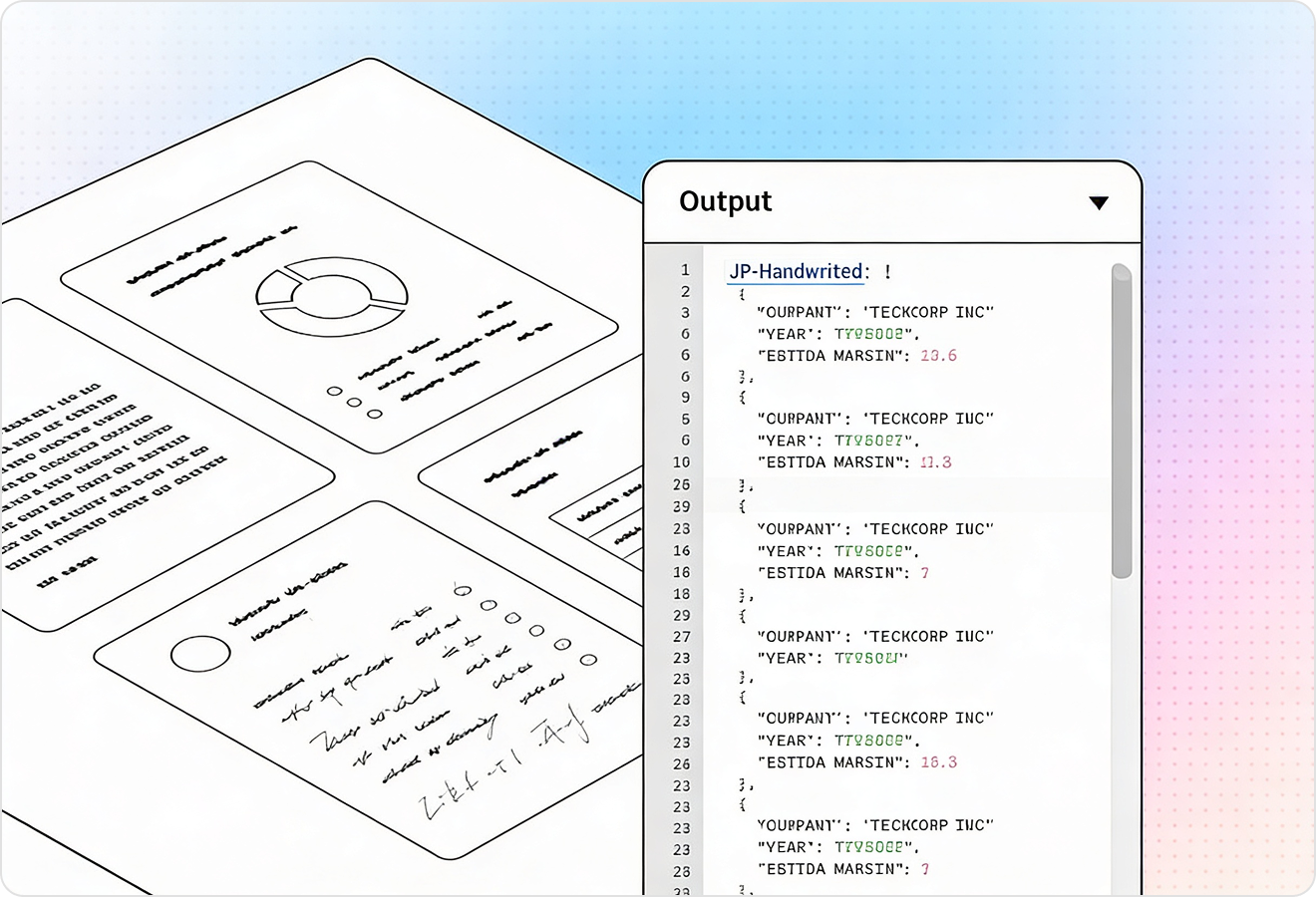
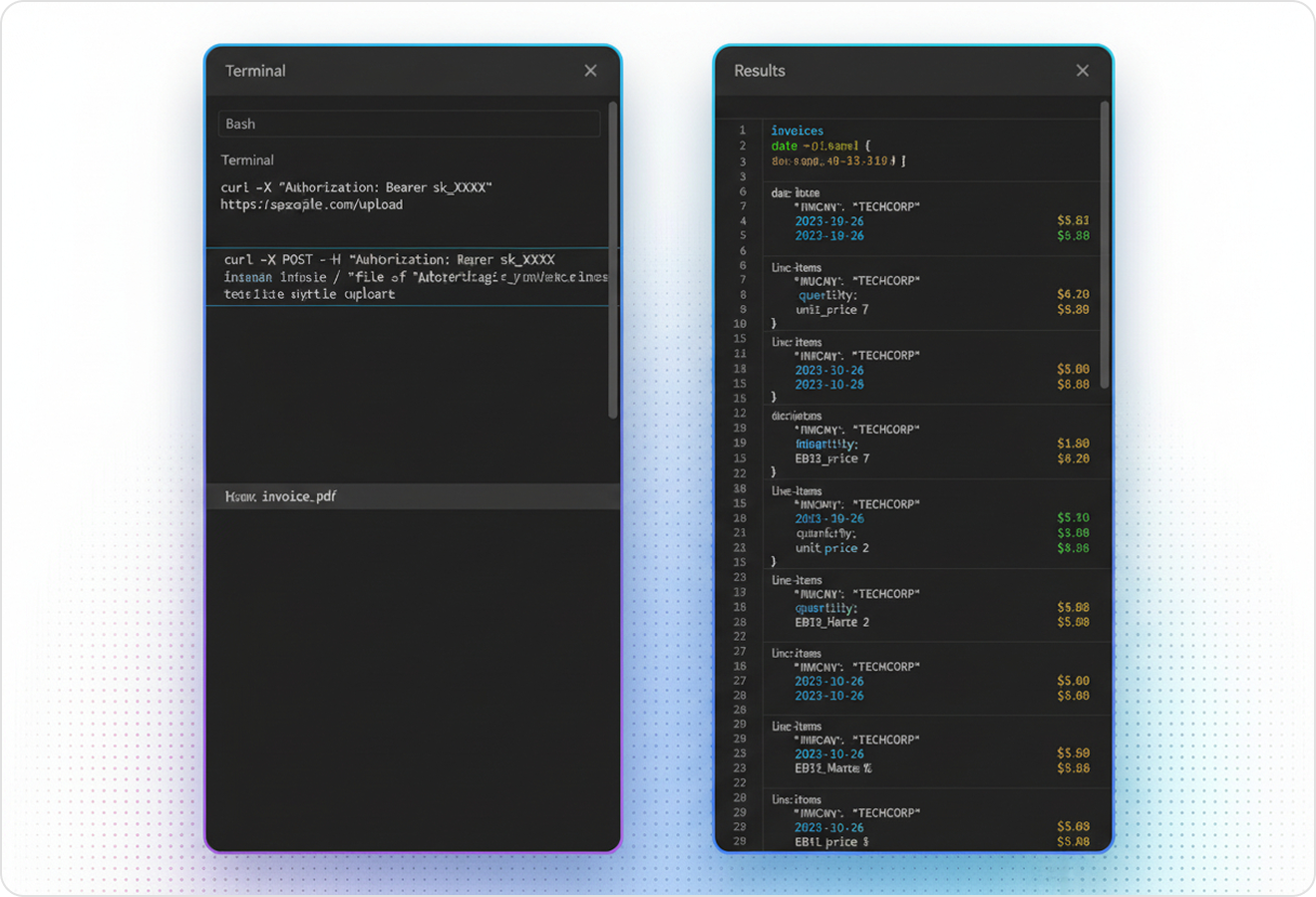
LlamaParse can return structured JSON with granular metadata like page numbers and element types to keep every extracted field traceable. For PPM workflows, that makes it easy to cite the exact source page for key terms during compliance checks, approvals, and audit trails.
04
LlamaParse uses self-correction and validation steps to catch inconsistencies and common extraction errors in long, repetitive legal documents. This reduces manual QA on PPM ingestion, especially for critical numbers, defined terms, and cross-referenced sections.
Technical OCR documentation
Explore our developer guides to easily connect your document pipelines to LlamaParse.
Explore the documentation
Our AI catches the typos that tired eyes miss.

Export to Excel, JSON, XML, or directly via API.

SOC2 Type II compliant with end-to-end encryption.

Train the tool on your specific forms in minutes, not days.

Average processing time of <3 seconds per page.
LlamaParse’s support of a wide variety of filetypes and its accuracy of parsing made it the best tool we tested in our evaluations. The LlamaIndex team was very responsive and we were off to the races within a day.
Common FAQs
01
Yes—our layout-aware parsing preserves true reading order across multi-column pages, headings, footers, and long legal sections. That means sections like “Risk Factors,” “Use of Proceeds,” and “Subscription Procedures” stay in sequence, so reviews and downstream automation don’t break.
02
We extract tables and nested schedules into clean, structured outputs without the broken rows and merged cells common with legacy OCR. This makes it easy to validate numbers and compare terms across PPM versions, issuers, or funds.
03
Absolutely—outputs can include structured JSON plus granular metadata like page numbers and element types. You can cite the exact source location for key terms during compliance checks, approvals, and audit trails.
04
What safeguards are in place to reduce extraction errors in long, repetitive PPMs?
Automatic validation loops help catch inconsistencies and common OCR mistakes, especially around critical numbers, defined terms, and cross-referenced sections. This reduces manual QA time while increasing confidence in the extracted data.
05
Can this handle updates and amendments—so I can compare PPM versions without redoing everything manually?
Yes—because the output is structured and consistent, you can reliably diff key sections and tables across versions. Teams use this to spot changes in offering terms, fees, and disclosures faster and with fewer review cycles.
06
How quickly can we integrate PPM OCR into our review or onboarding workflow?
You can start with a simple API-driven workflow that returns structured JSON ready for your checklist, compliance, or document management system. Most teams see value quickly because the output is traceable, consistent, and built for automation—not just text extraction.