Nov 14, 2025
Document AI: The Next Evolution of Intelligent Document ProcessingPersona
Industry
Use cases
Statement Of Work OCR
[ Statement Of Work OCR ]

Use LlamaParse to turn SOW PDFs into clean JSON with fields you can trust.
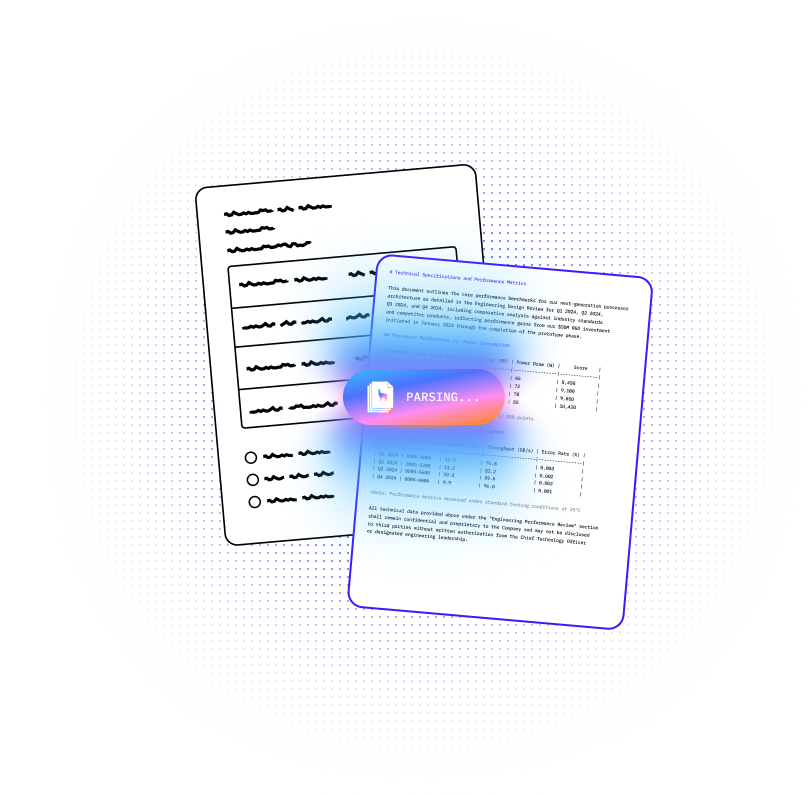
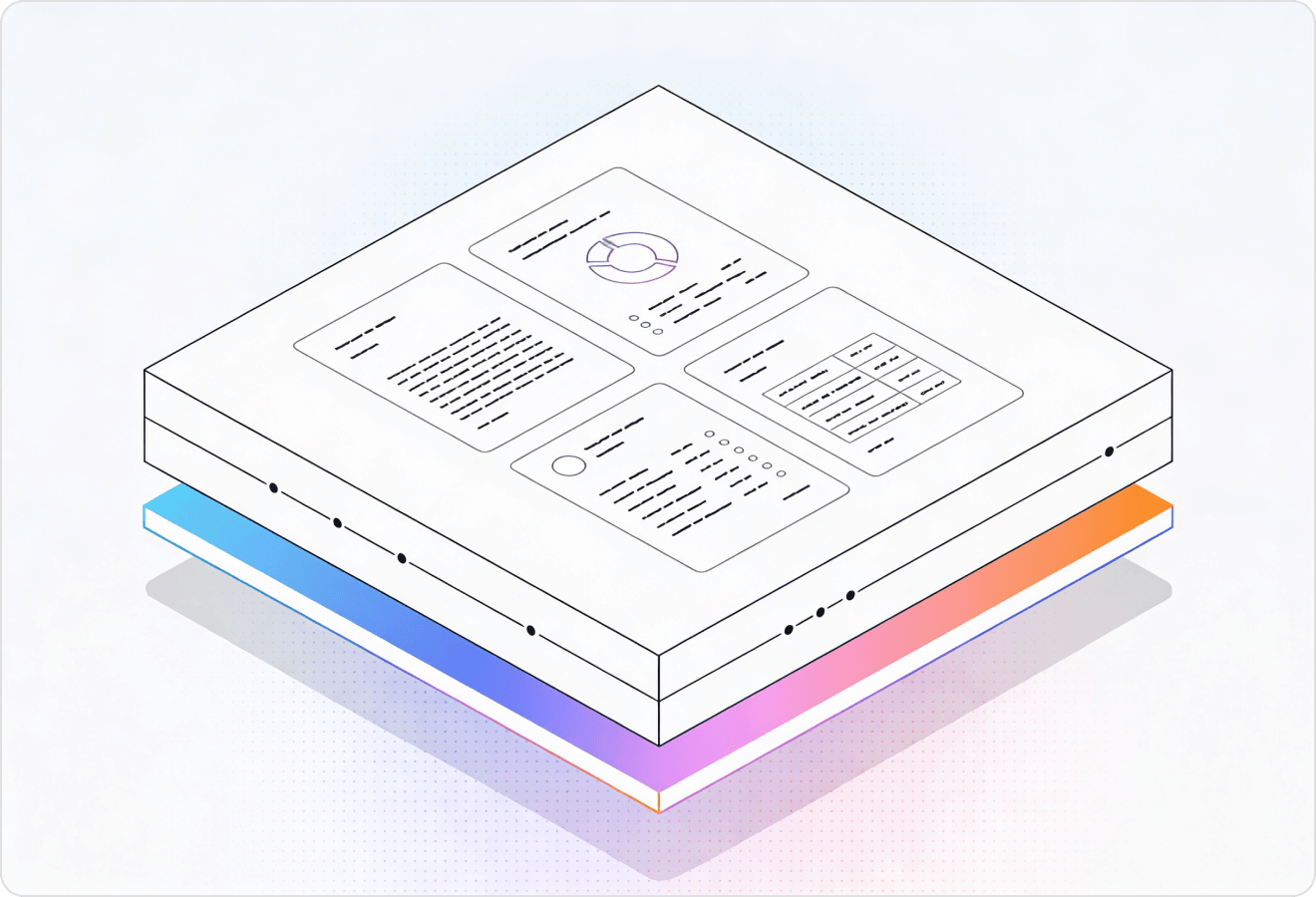
LlamaParse turns messy SOW PDFs and scans into clean, schema-ready JSON in minutes, so you can automate intake and downstream approvals. Its agentic document parsing reads layout, tables, and embedded visuals with validation loops and citations, reducing rework and speeding contract ops.
Best-in-Class Accuracy

Turn Statements of Work into clean, layout-preserved Markdown/JSON so scopes, alternates, and milestone tables don’t get scrambled across columns. Extract line items, dates, exclusions, and acceptance criteria with citations so PMs can reconcile vendor SOWs against bids and change orders without manual rekeying.

Parse SOWs into structured fields like deliverables, payment terms, liability caps, and renewal language—even when they’re buried in tables or scanned exhibits—so contract review doesn’t stall on formatting. Attach page-level metadata and confidence to each clause so teams can triage exceptions fast and keep an audit trail for approvals.

Normalize client SOWs into a consistent schema for SLAs, service catalogs, response times, and pricing schedules, even when each customer uses a different template. Use natural-language parsing instructions to output ticketing-ready JSON that maps scope to workflows, preventing missed obligations and unprofitable delivery.

Convert inbound SOW PDFs into structured data that auto-populates CRM, billing, and onboarding checklists without engineers writing brittle regex or template-specific parsers. Use tier-based agentic processing to keep costs predictable while maintaining accuracy on the messy, one-off SOW formats that slow down early revenue.
The Solution
01
LlamaParse uses layout-aware vision to preserve reading order across multi-column sections, headers/footers, and dense legal formatting common in Statements of Work. You get clean, correctly sequenced content so scope, deliverables, and terms don’t end up scrambled during extraction.
02
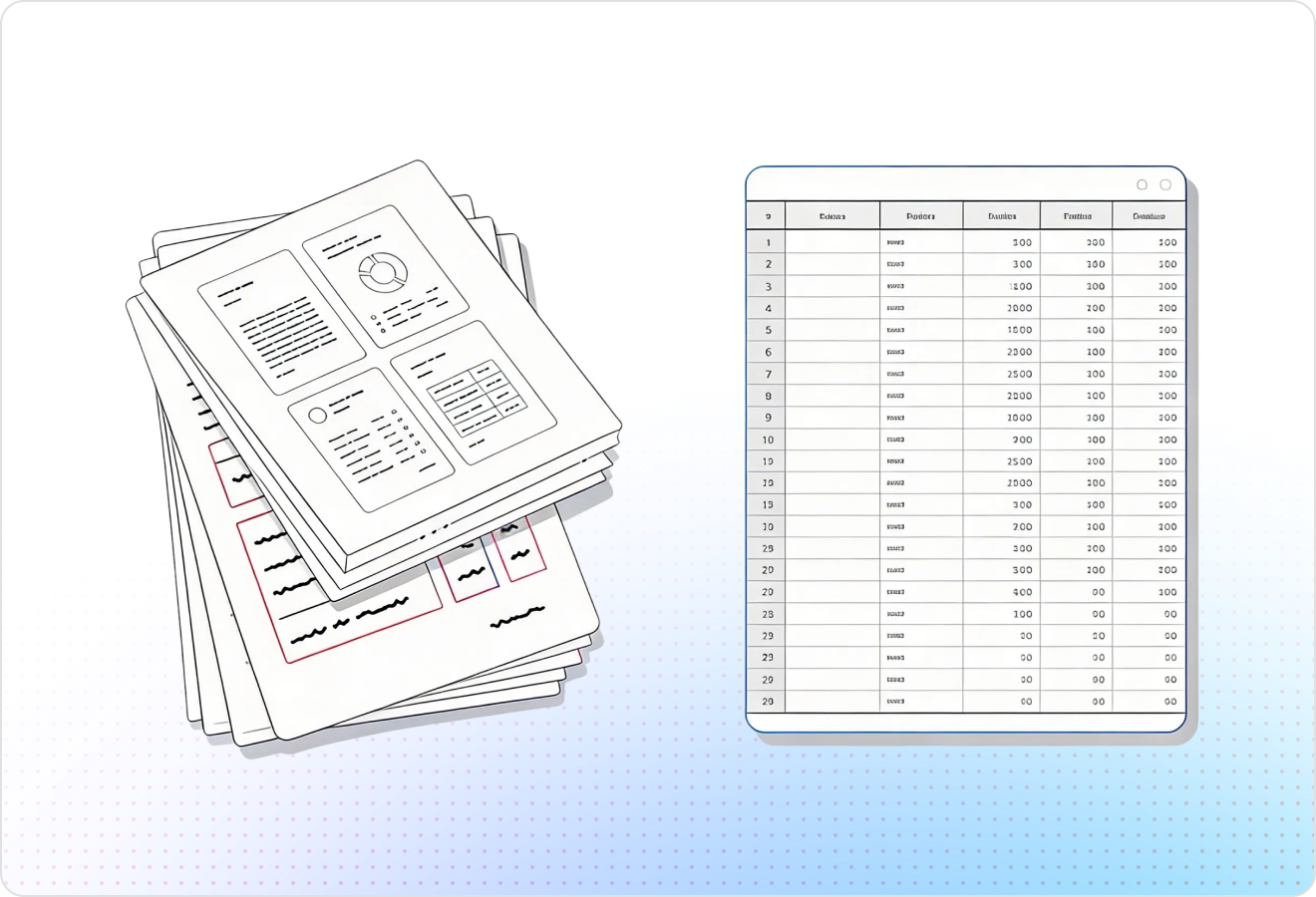
LlamaParse extracts complex tables (rates, milestones, acceptance criteria, SLAs) without dropping rows or misaligning columns. This makes it practical to turn SOW pricing grids and deliverables matrices into reliable downstream data for approvals, billing, or contract analytics.
03
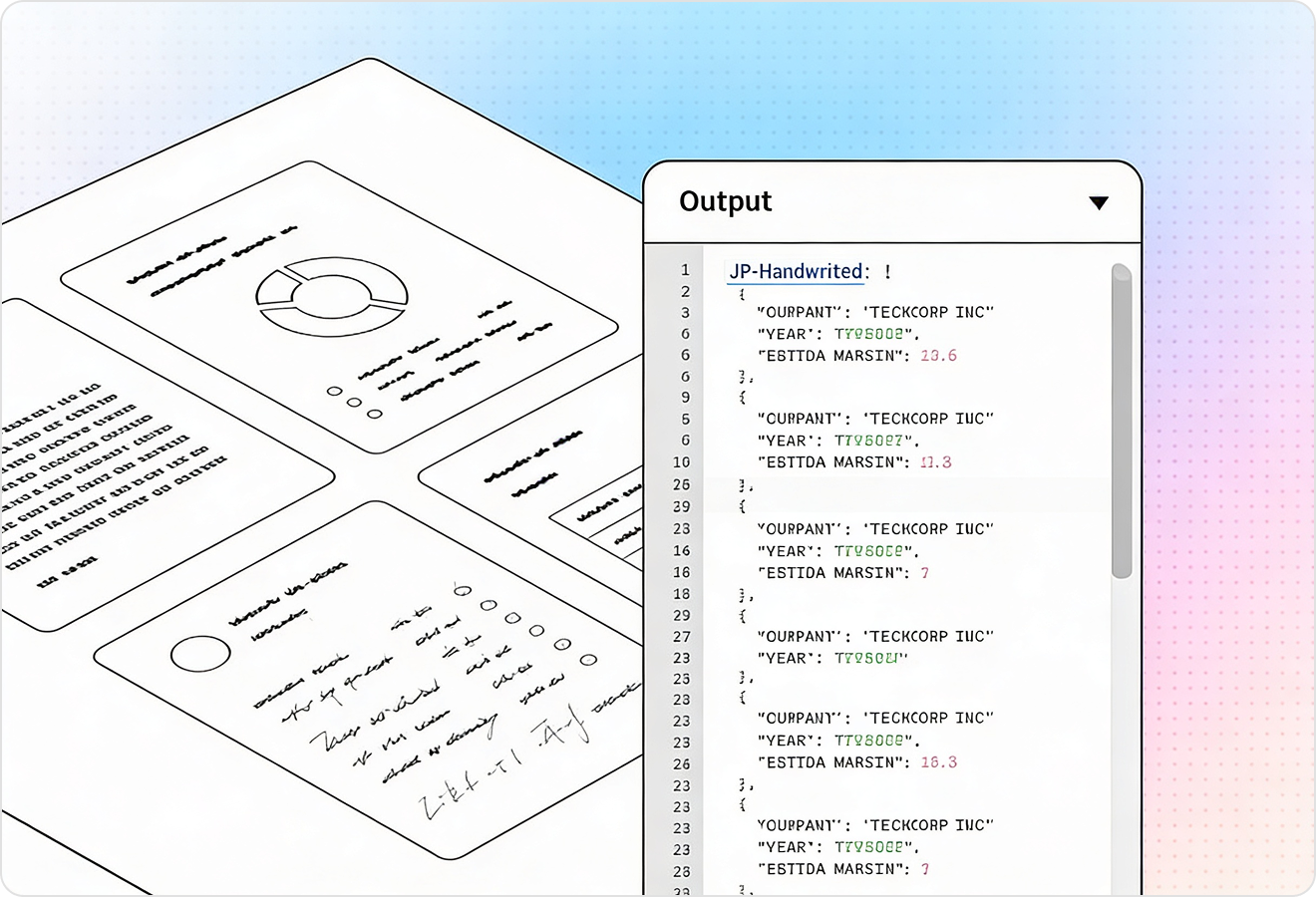
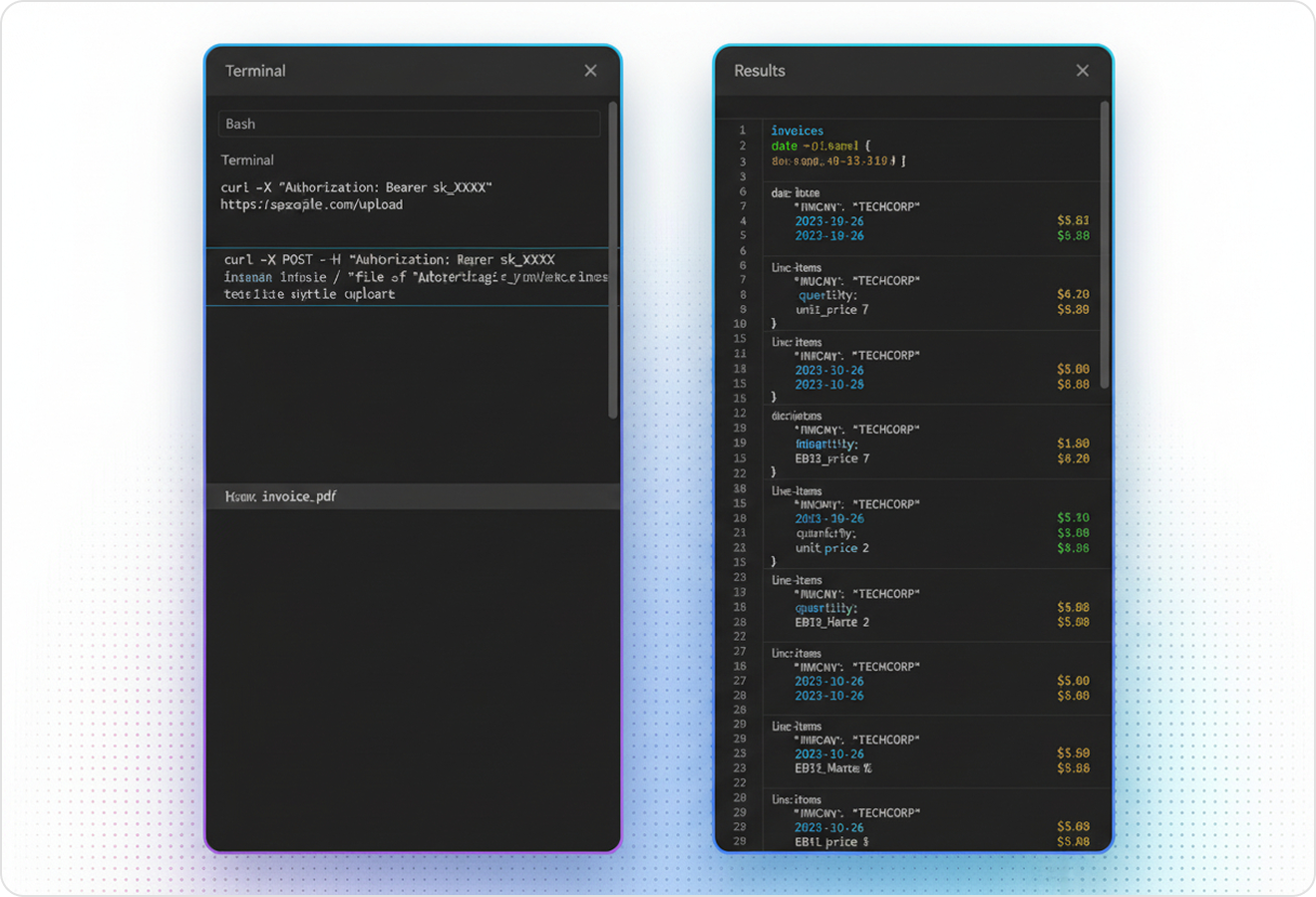
JSON mode returns structured fields along with granular metadata like page numbers and coordinates for each extracted element. For SOW workflows, that traceability lets you verify key clauses (payment terms, change control, liability) and quickly route exceptions to human review.
04
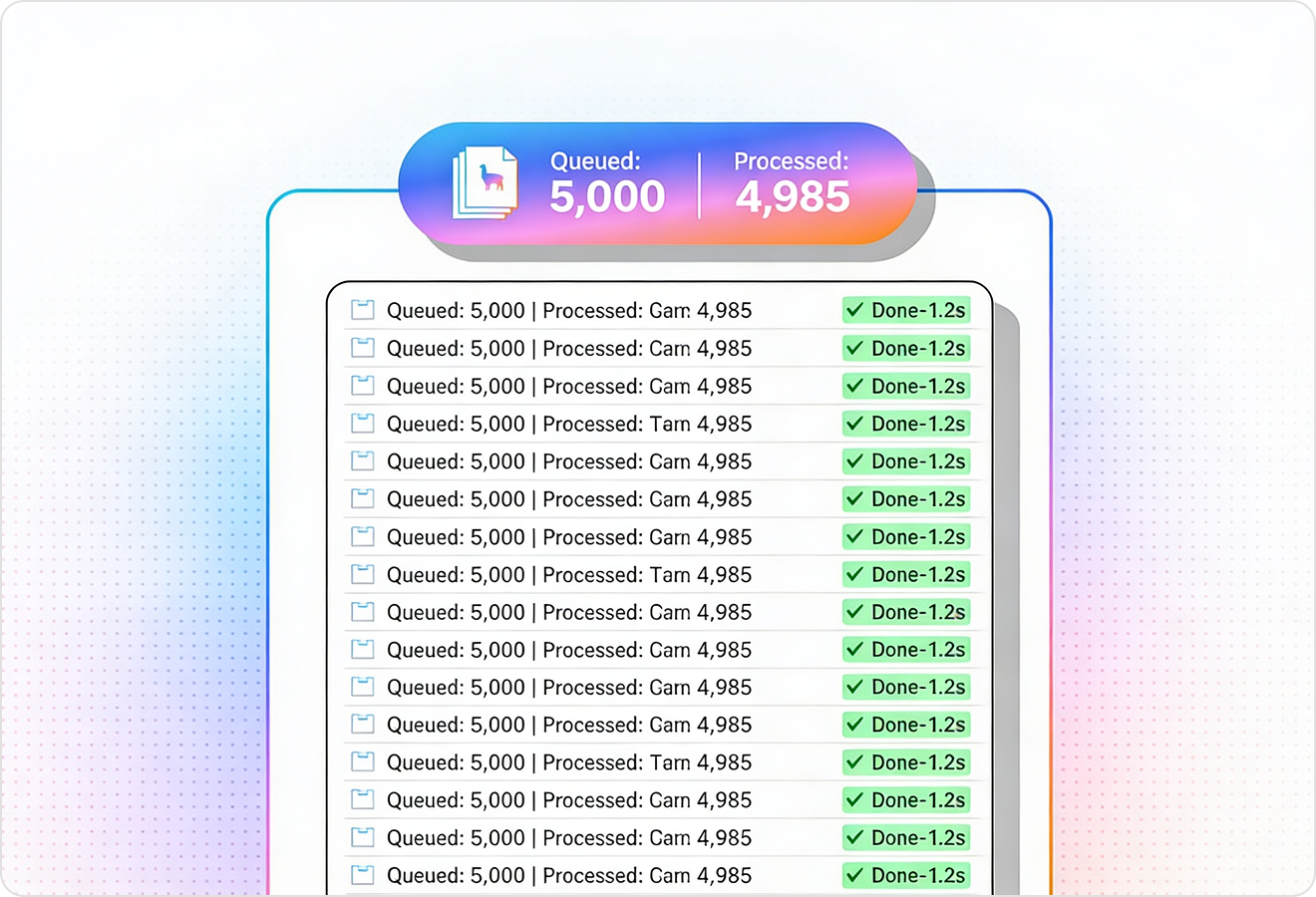
LlamaParse runs validation passes to catch and fix common extraction errors, including missing table cells, duplicated text blocks, and inconsistent section parsing. That reduces rework when processing scanned or revised SOWs and improves straight-through processing for high-volume contract intake.
Technical OCR documentation
Explore our developer guides to easily connect your document pipelines to LlamaParse.
Explore the documentation
Our AI catches the typos that tired eyes miss.

Export to Excel, JSON, XML, or directly via API.

SOC2 Type II compliant with end-to-end encryption.

Train the tool on your specific forms in minutes, not days.

Average processing time of <3 seconds per page.
LlamaParse’s support of a wide variety of filetypes and its accuracy of parsing made it the best tool we tested in our evaluations. The LlamaIndex team was very responsive and we were off to the races within a day.
Common FAQs
01
Yes—layout-aware reconstruction preserves the intended reading order across columns, sections, and repeating header/footer content. That means scope, deliverables, and terms stay in sequence instead of getting merged or scrambled. You spend less time fixing formatting and more time reviewing what matters.
02
Tables are extracted with rows and columns aligned so pricing grids and deliverables matrices remain usable downstream. This reduces issues like dropped rows or shifted columns that can break approvals and billing. It’s reliable enough to automate workflows without constant manual cleanup.
03
Yes, JSON output includes structured fields plus citations like page numbers and coordinates for each extracted element. That traceability makes it easy to verify key clauses (payment terms, change control, liability) and confidently audit results. When exceptions appear, you can route only those items to human review.
04
What happens when the OCR misses a cell, duplicates text, or mis-parses a section in a scanned SOW?
Validation and auto-correction loops catch common errors such as missing table cells, duplicated blocks, and inconsistent section parsing. This reduces rework and improves straight-through processing, especially on scanned or revised documents. You get more consistent output without adding manual QA steps.
05
How does this help my team speed up SOW approvals and reduce risk in reviews?
Clean sequencing, accurate tables, and cited JSON make it faster to spot pricing, deliverables, and key obligations without hunting through PDFs. Reviewers can jump directly to the source location for any extracted value, reducing back-and-forth and missed terms. The result is quicker approvals with stronger control.
06
Can we use this for high-volume SOW intake without creating a lot of manual validation work?
Yes—automated validation reduces the number of documents that require full manual review, so teams can process more SOWs with the same headcount. Citations make spot-checking fast, and structured output integrates cleanly into downstream systems. It’s designed to scale from occasional uploads to continuous intake.