Nov 14, 2025
Document AI: The Next Evolution of Intelligent Document ProcessingPersona
Industry
Use cases
Prior Authorization Document Processing
[ Prior Authorization Document Processing ]

Use LlamaParse to turn messy prior auth forms into structured, verifiable data your team can trust.
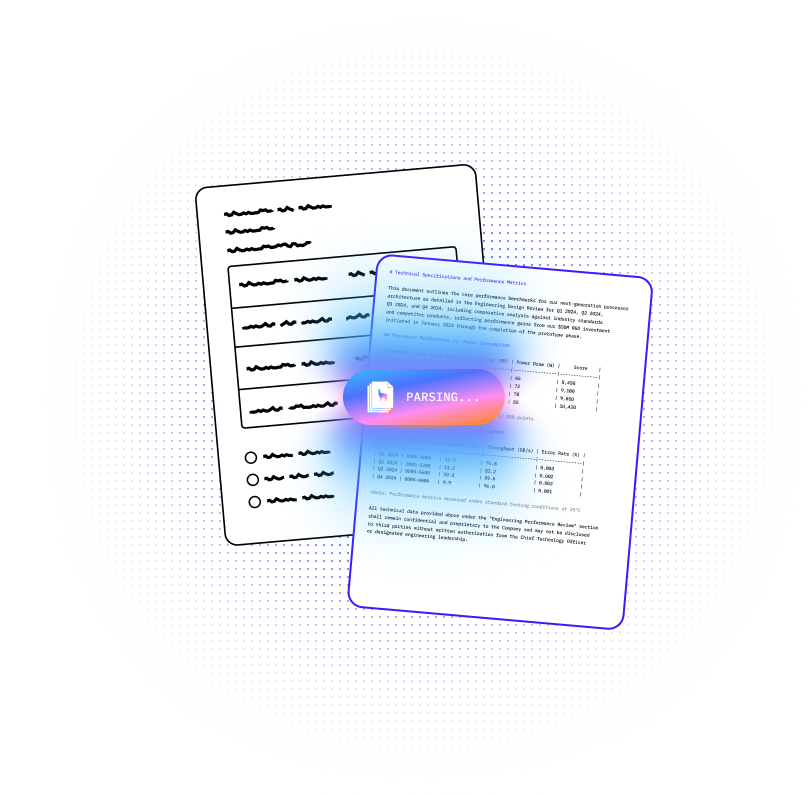
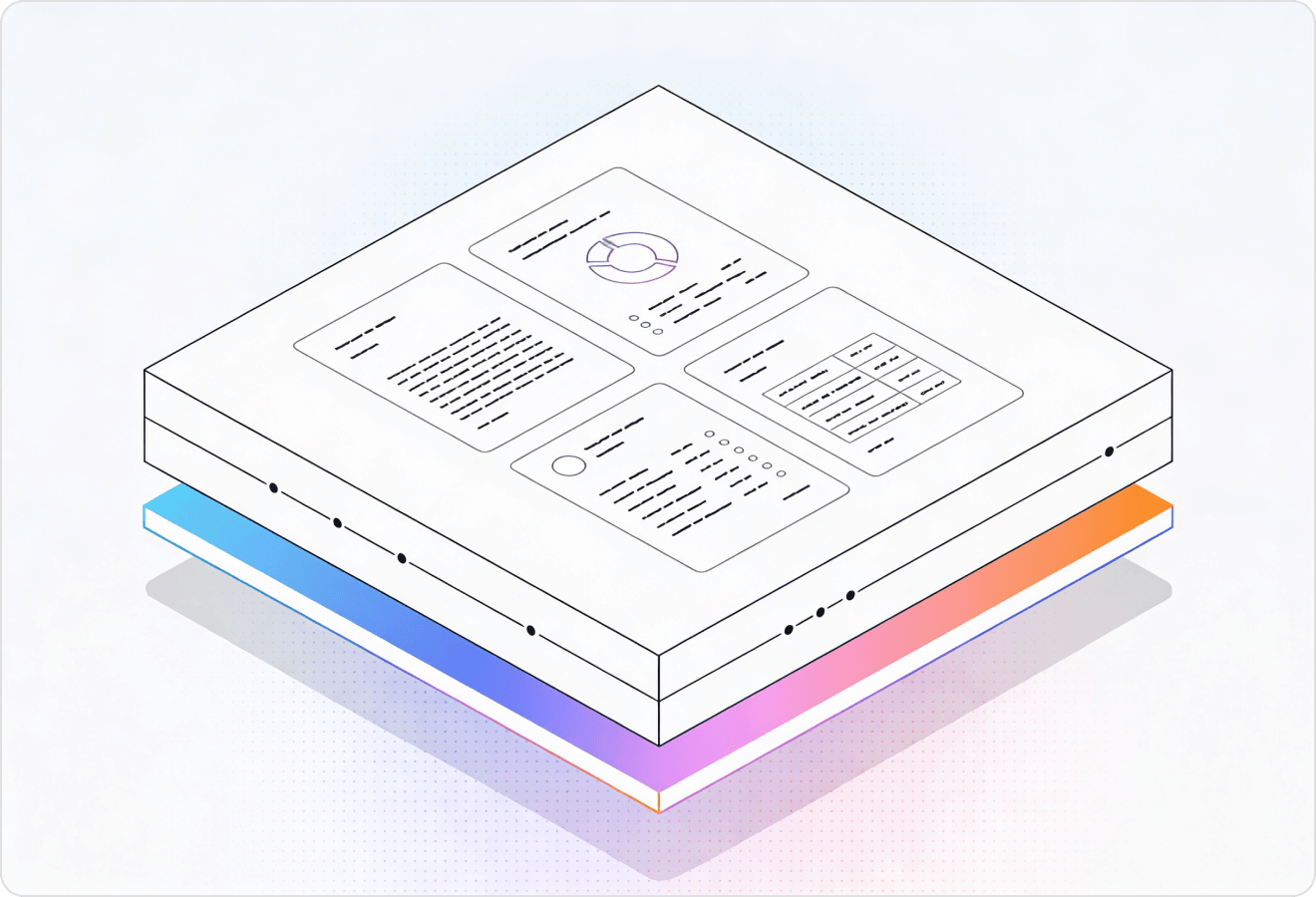
LlamaParse turns messy prior auth packets into clean, structured outputs your systems can trust, so you can automate intake and downstream decisions. Layout-aware vision and validation loops capture tables, checkboxes, and attachments with citations and confidence, reducing rework and speeding approvals.
Best-in-Class Accuracy

Turn payer prior auth packets (forms, clinical notes, labs, imaging reports) into structured JSON with page-level citations so staff can submit complete requests and respond to denials faster. LlamaParse preserves tables, checklists, and multi-column layouts that break legacy OCR, reducing rework and speeding time-to-approval.

Extract drug criteria, step-therapy rules, and dosage/quantity limits from prior authorization policies and faxed submissions, including embedded charts and scanned attachments. Use natural-language parsing instructions to standardize outputs across payers and automatically route exceptions for review with confidence scores.

Convert prior authorization determinations, appeal letters, and utilization review documentation into audit-ready records with traceable metadata (page, coordinates, source). This enables faster compliance reporting and reduces risk by making every extracted decision rationale verifiable during internal reviews and external audits.

Ship an end-to-end prior auth document ingestion layer quickly by using LlamaParse to transform messy PDFs and faxes into clean Markdown/JSON that feeds your workflows without brittle post-processing code. Auto routing and cost optimizer modes keep unit economics predictable while you scale from pilot volumes to production batches.
The Solution
01
LlamaParse preserves reading order across multi-page prior auth packets, including headers, footers, and multi-column sections. That keeps patient demographics, payer criteria, and clinical narratives aligned so downstream systems don’t misfile or misinterpret fields.
02
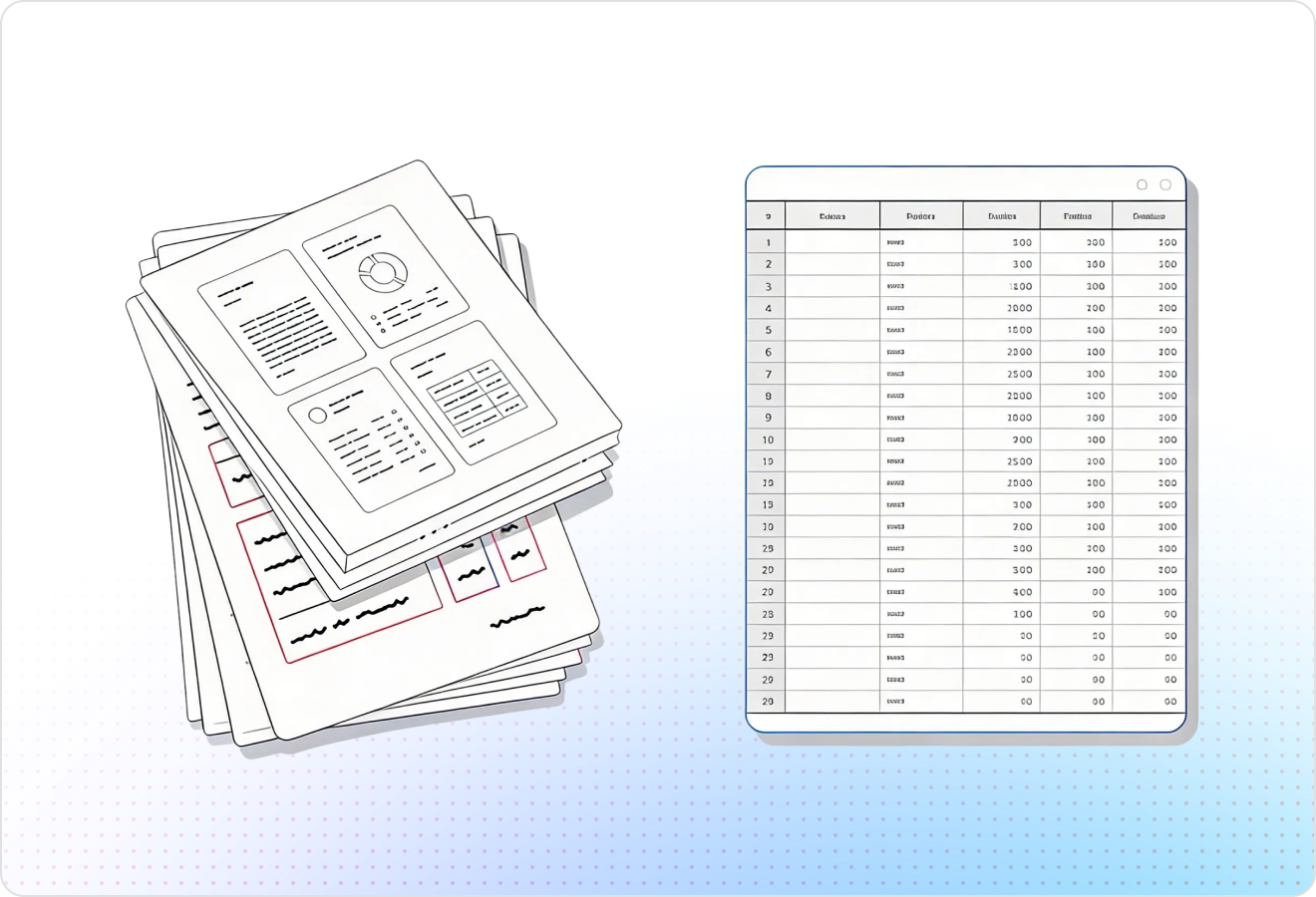
LlamaParse accurately captures complex tables like medication histories, lab result grids, and benefit requirement checklists without scrambling rows or columns. This makes it easier to programmatically validate coverage criteria and populate structured prior authorization submissions.
03
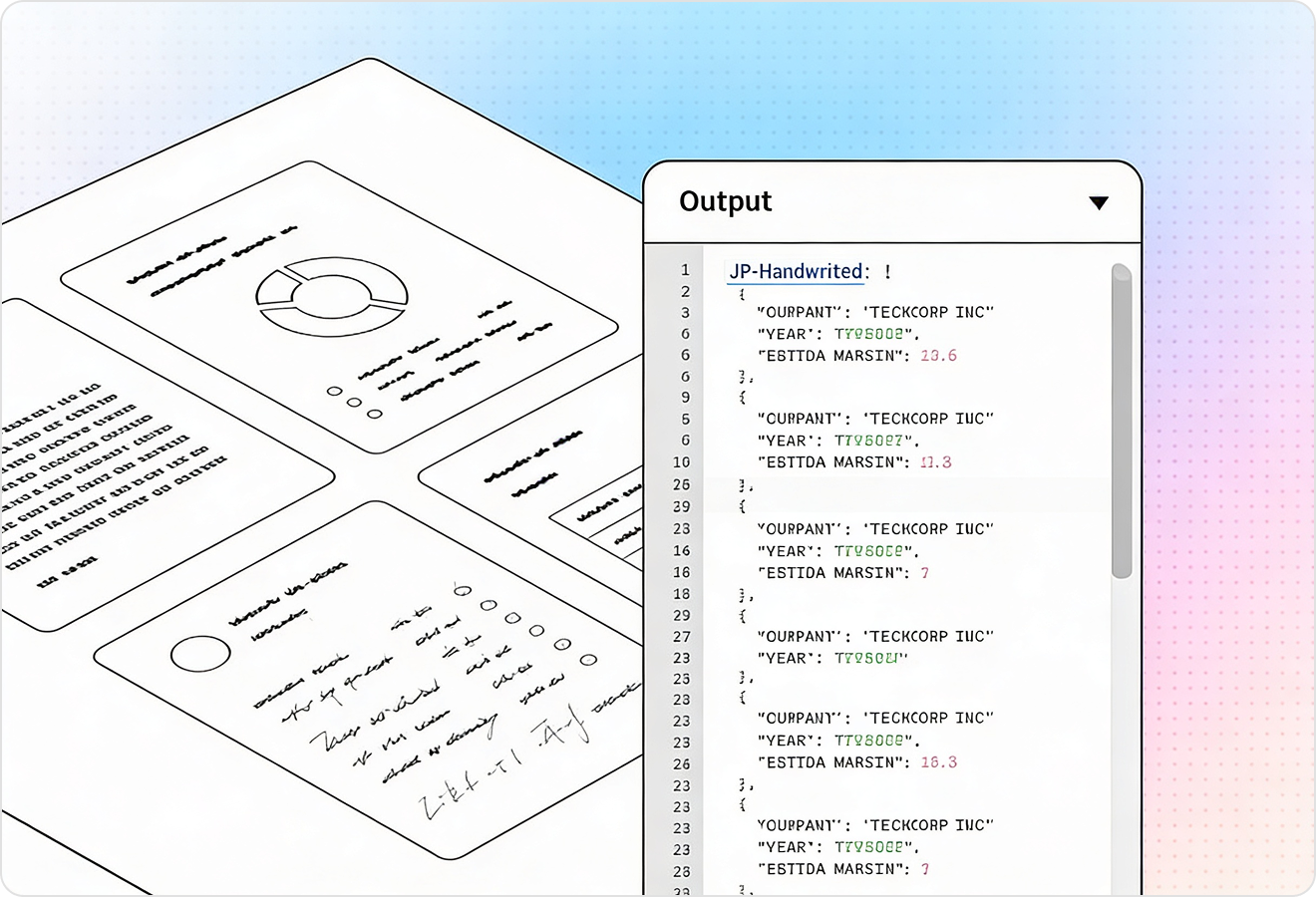
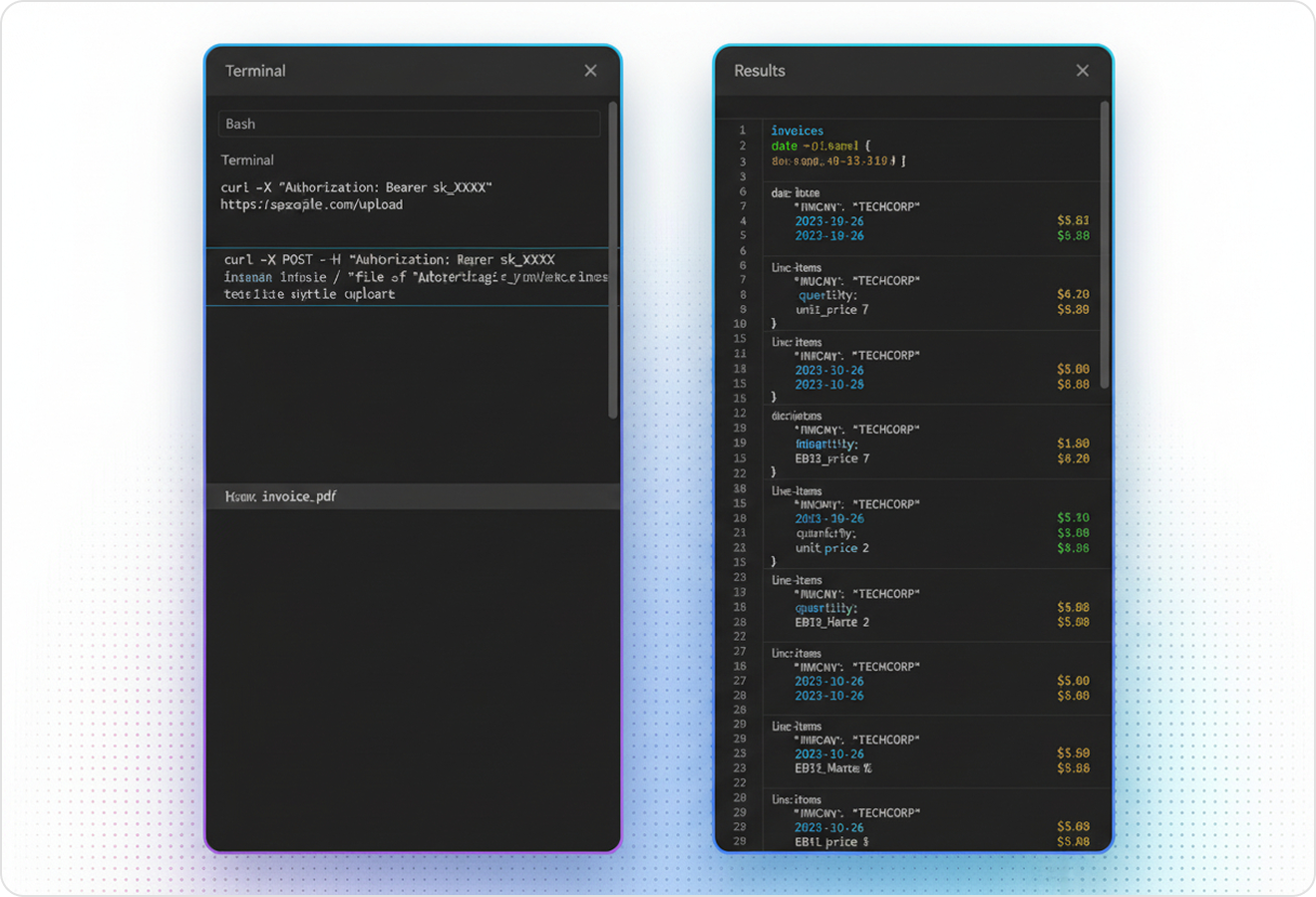
LlamaParse can return structured JSON with granular metadata like page numbers and coordinates for every extracted element. For prior auth, this gives you audit-ready traceability and faster human review because you can point reviewers to the exact source location.
04
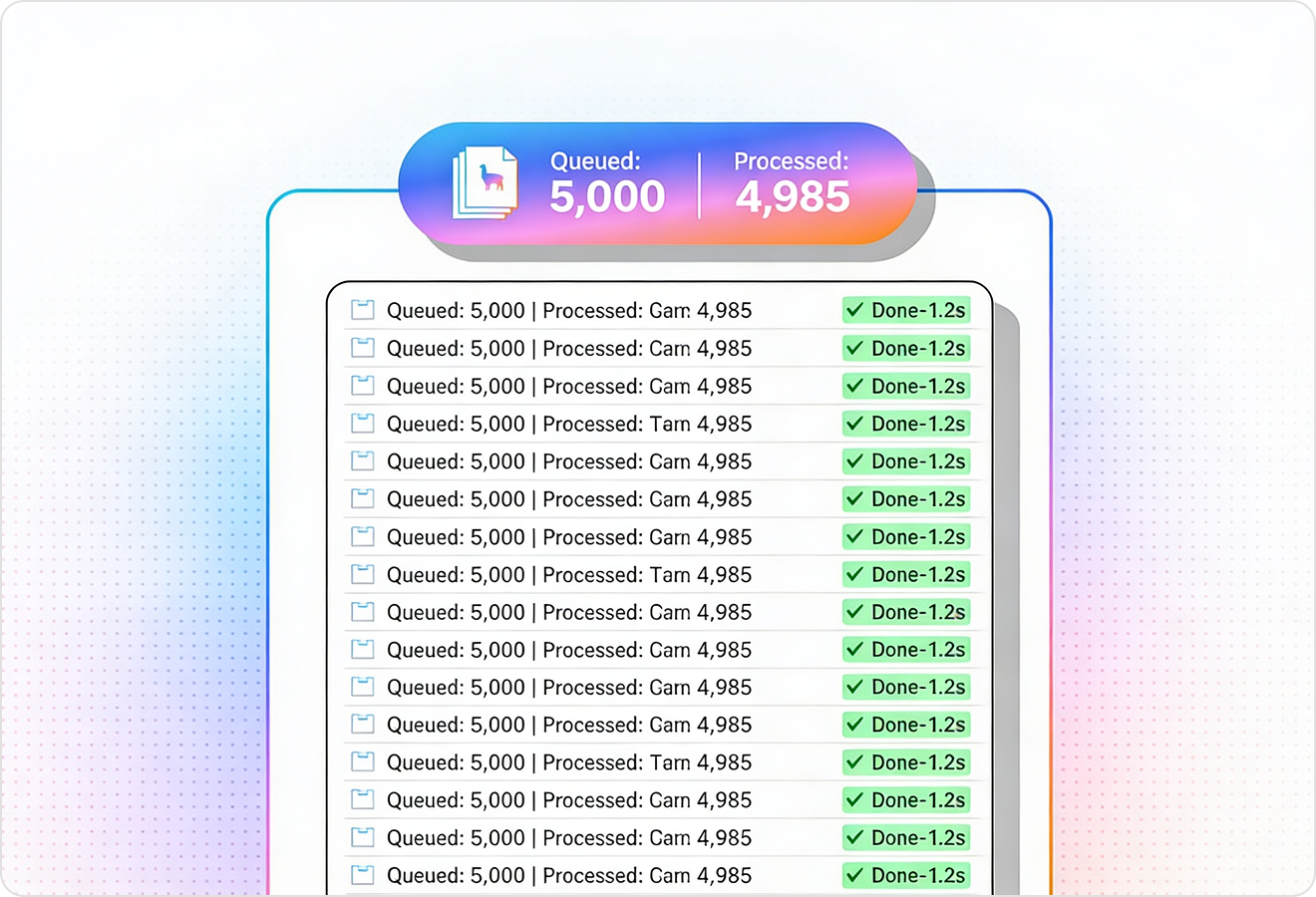
LlamaParse uses validation and self-correction during agentic parsing to catch missing fields, inconsistent values, and common extraction errors in messy scans. That improves straight-through processing for prior authorizations and reduces costly back-and-forth when packets are incomplete.
Technical OCR documentation
Explore our developer guides to easily connect your document pipelines to LlamaParse.
Explore the documentation
Our AI catches the typos that tired eyes miss.

Export to Excel, JSON, XML, or directly via API.

SOC2 Type II compliant with end-to-end encryption.

Train the tool on your specific forms in minutes, not days.

Average processing time of <3 seconds per page.
LlamaParse’s support of a wide variety of filetypes and its accuracy of parsing made it the best tool we tested in our evaluations. The LlamaIndex team was very responsive and we were off to the races within a day.
Common FAQs
01
Layout-aware form parsing preserves the original reading order across pages, including headers, footers, and multi-column sections. That keeps patient demographics, payer criteria, and clinical narratives correctly aligned so your downstream systems don’t misfile or misinterpret data.
02
Yes—table and checklist extraction captures rows, columns, and nested structures without scrambling values. This helps you reliably validate coverage requirements and populate structured prior authorization submissions automatically.
03
In JSON Mode, every extracted element can include metadata such as page number and on-page coordinates. That makes audits and appeals easier because reviewers can jump directly to the exact source location in the packet.
04
What happens when documents are messy scans or missing key fields?
Auto correction loops validate results during parsing to catch missing fields, inconsistent values, and common OCR/extraction errors. You get higher straight-through processing rates and fewer delays caused by incomplete packets.
05
How does this reduce back-and-forth between providers, payers, and internal teams?
By keeping narratives and criteria aligned and extracting checklists cleanly, the system surfaces what’s present and what’s missing earlier in the workflow. Teams can correct issues faster, submit cleaner packets, and avoid repeated requests for the same information.
06
How quickly can we integrate the output into our prior auth workflow tools?
Structured JSON output is designed to plug into existing intake, rules, and case management systems with minimal transformation. Because it includes both the extracted values and where they came from, you can automate confidently while keeping human review efficient.