Nov 14, 2025
Document AI: The Next Evolution of Intelligent Document ProcessingPersona
Industry
Use cases
OCR HIPAA
[ OCR HIPAA ]

Use LlamaParse to turn scans into structured, audit-ready outputs with citations and confidence scores.
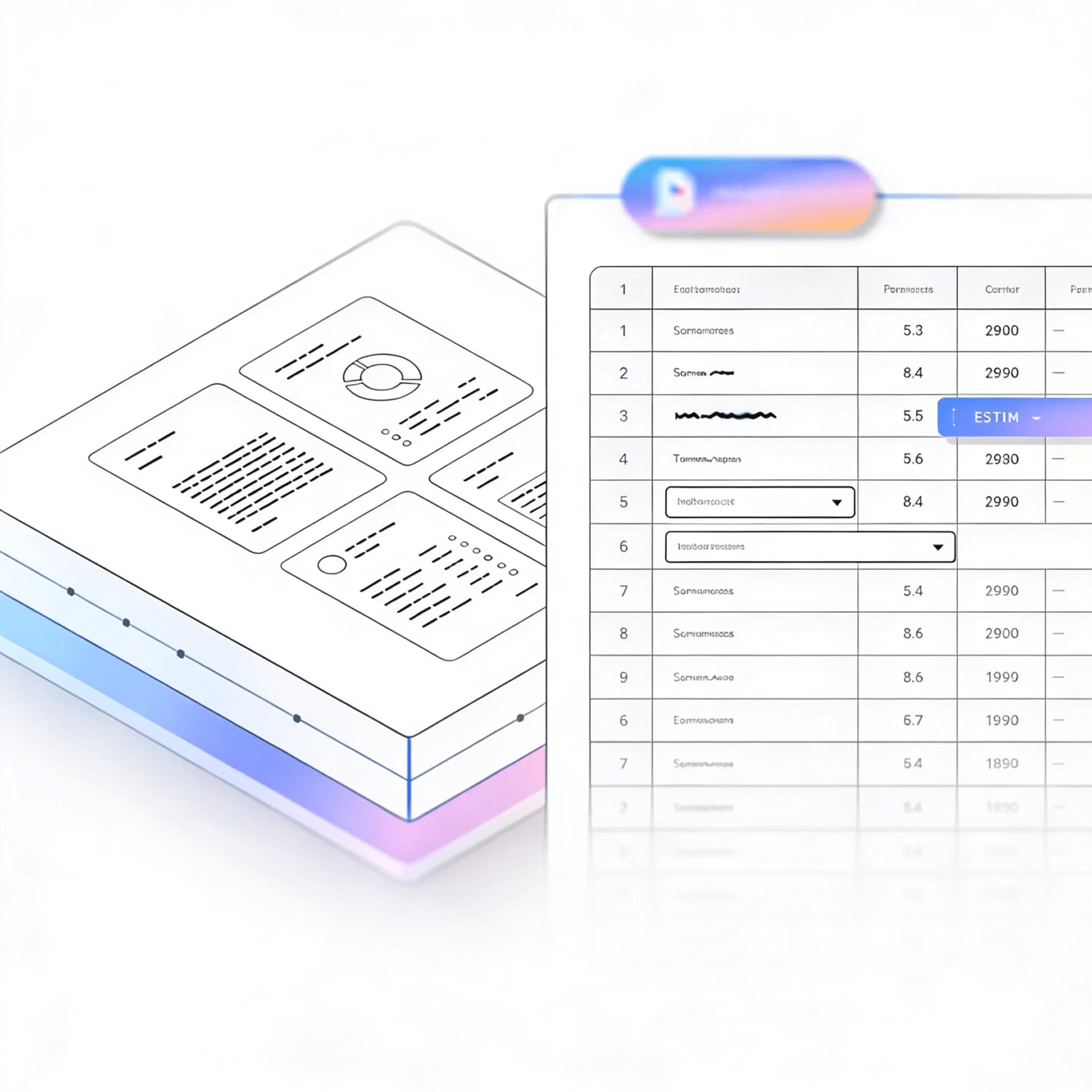
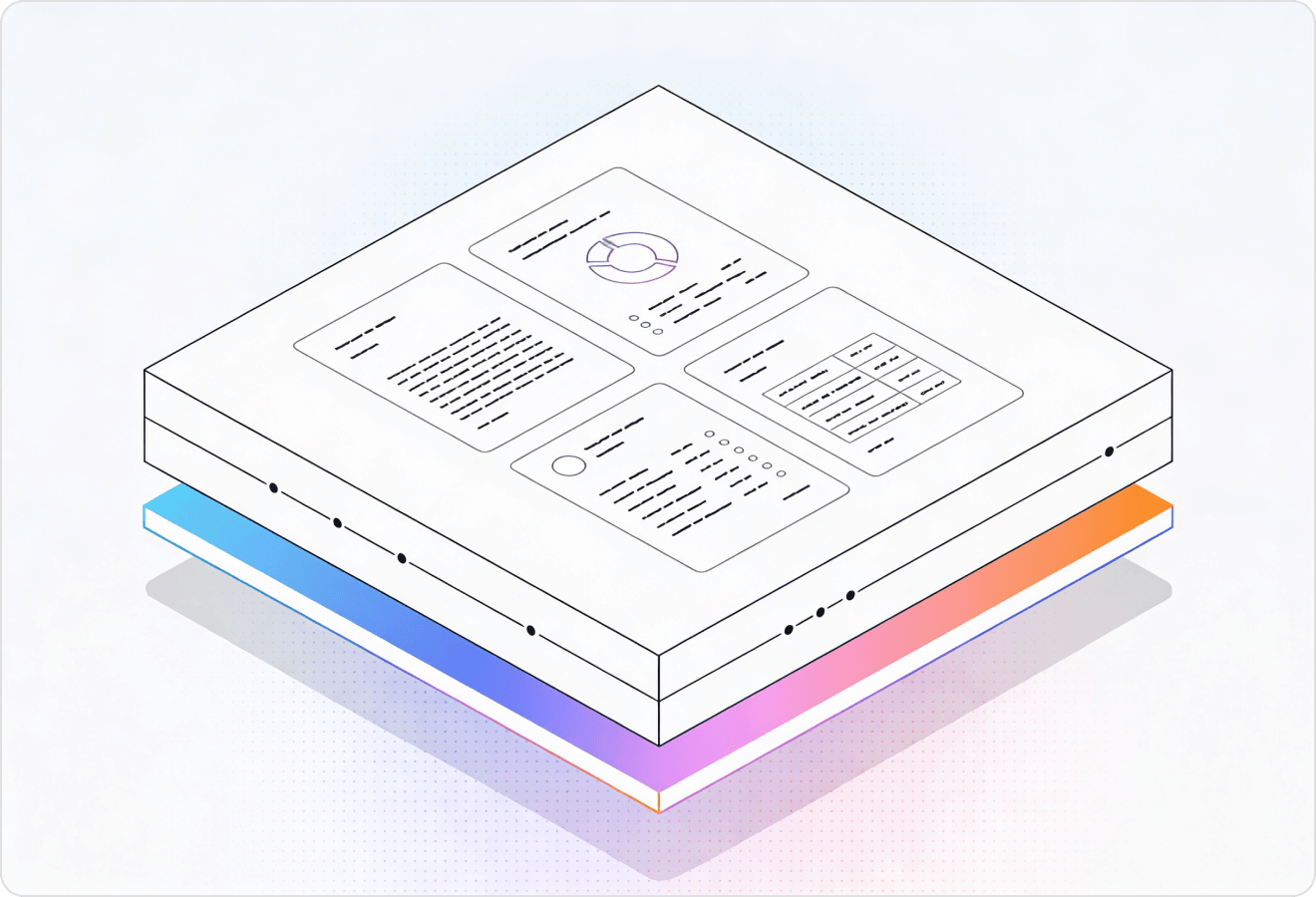
LlamaParse turns HIPAA-heavy PDFs, faxes, and scanned forms into clean, structured fields you can trust for audits and downstream workflows. Layout-aware vision and validation loops reduce extraction errors on tables and signatures, while citations and confidence scores speed human review.
Best-in-Class Accuracy

Turn scanned intake packets, lab results, and referral faxes into clean JSON with page-level citations so staff can verify PHI quickly and reduce charting errors. LlamaParse’s layout-aware extraction preserves tables and multi-column forms, eliminating the brittle “fix the OCR” steps that slow prior auth and care coordination.

Extract ICD/CPT codes, dates of service, and line-item charges from EOBs and UB-04/CMS-1500 attachments without losing table structure or reading order. Use tier-based agentic processing to reserve heavier parsing only for low-quality scans, cutting per-claim handling time while keeping HIPAA workflows audit-friendly with traceable metadata.

Ship HIPAA-ready document ingestion fast by using natural-language parsing instructions to standardize outputs across messy PDFs (intake forms, consents, clinical notes) into your product schema. LlamaParse’s auto-correction loops reduce manual review and support load when users upload crooked photos, partial scans, or inconsistent clinic templates.

Convert remits, denials, and payer correspondence into structured records that route automatically to the right workqueue, with exact page coordinates for fast exception handling. Multimodal parsing captures embedded charts and handwritten annotations on scanned documents, improving first-pass resolution and reducing rework in denial appeals.
The Solution
01
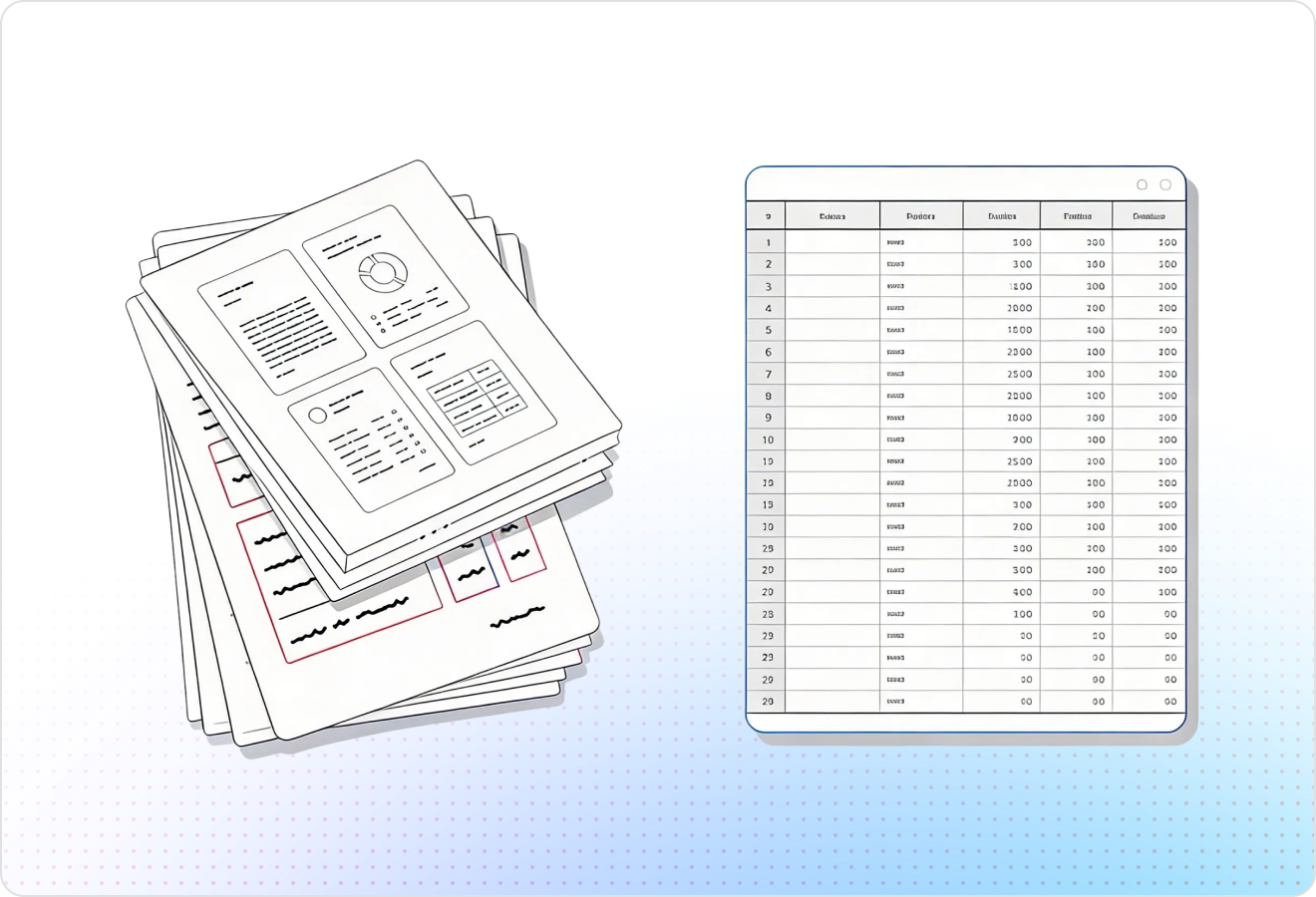
LlamaParse understands real page structure—tables, multi-column notes, headers/footers, and scanned forms—so clinical text doesn’t get scrambled during ingestion. For HIPAA workflows, that means PHI fields (names, MRNs, dates, diagnoses) are captured in the right context, reducing downstream misclassification and risky data handling.
02
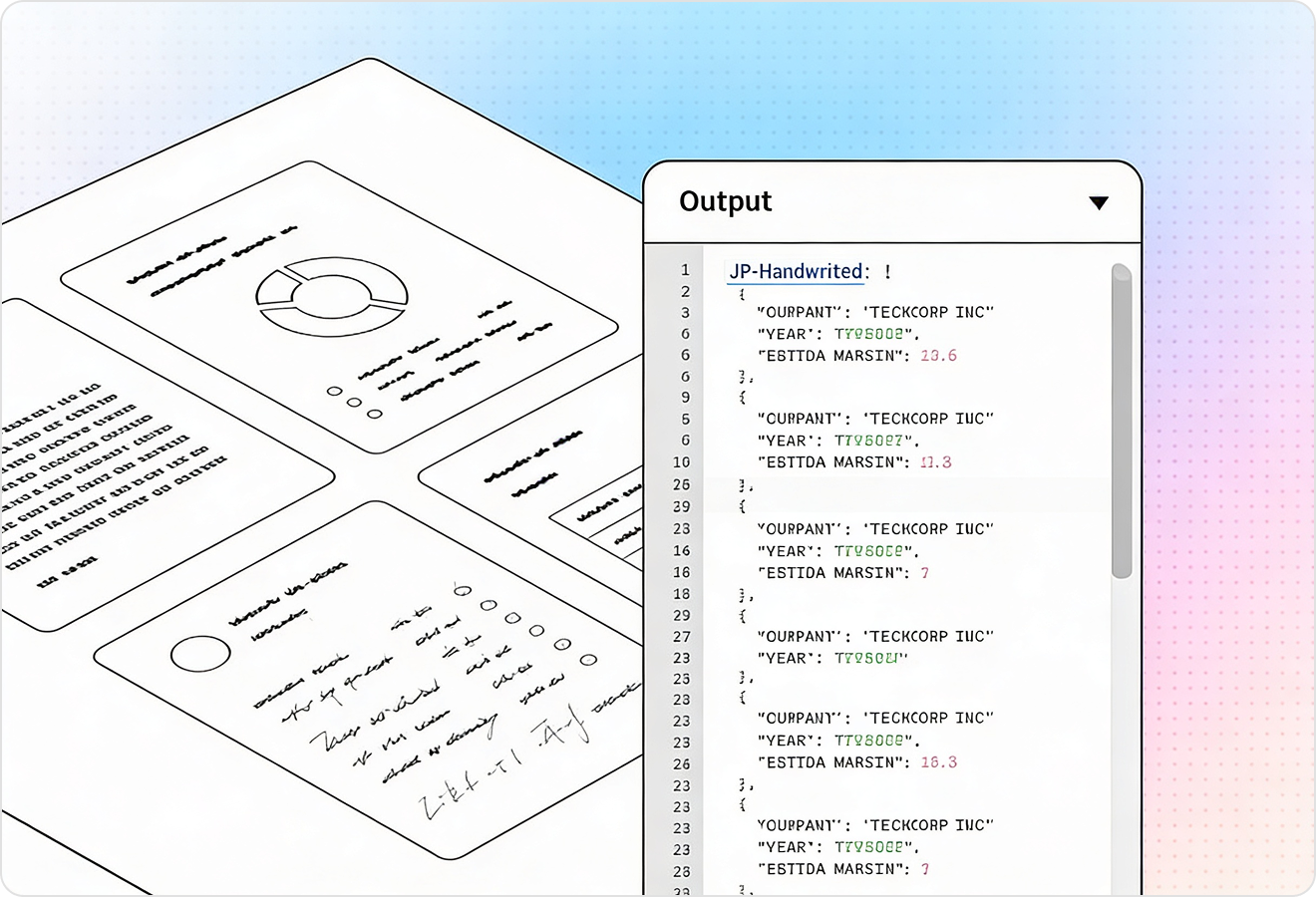
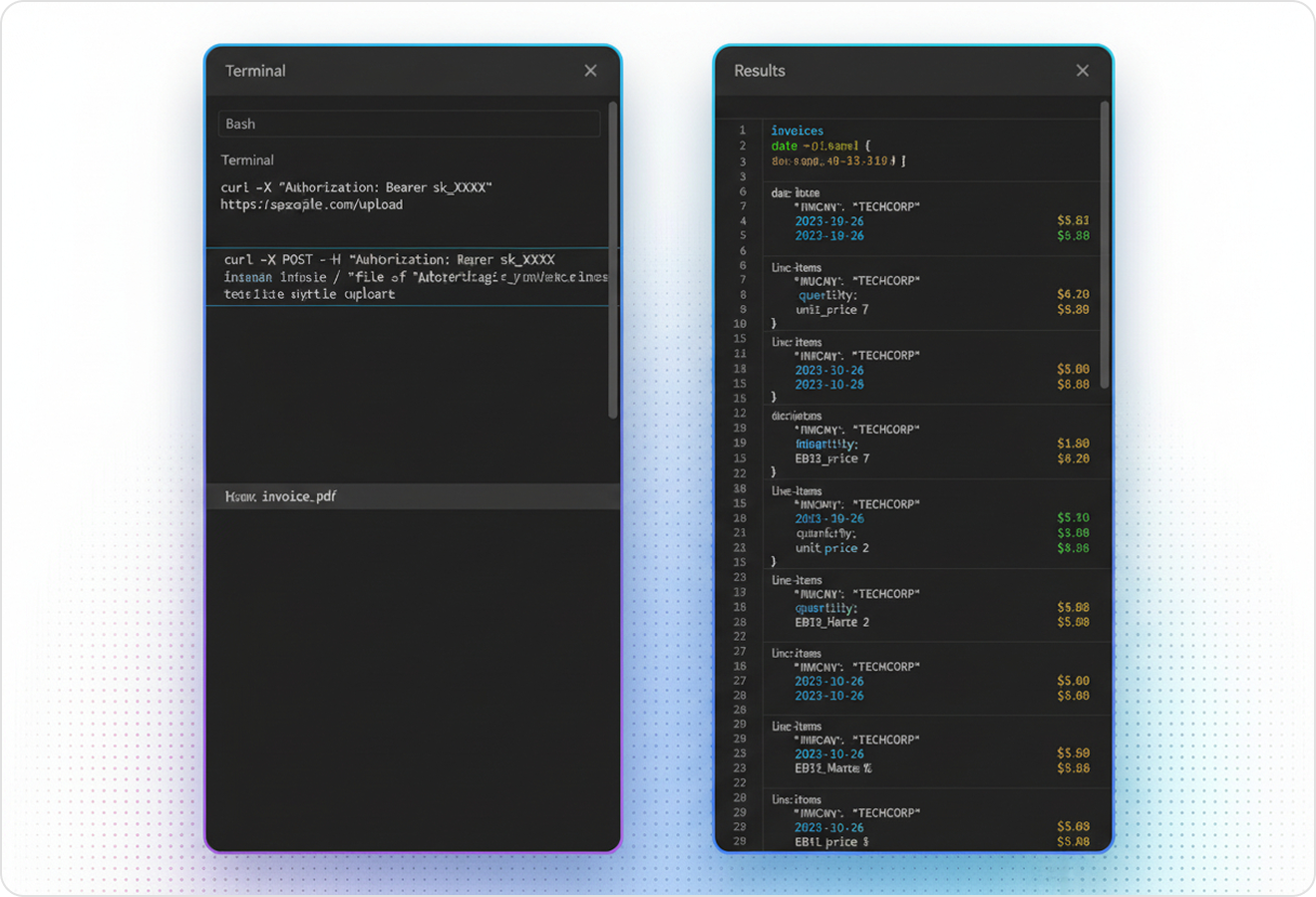
JSON mode returns structured output with page numbers, element types, and coordinates that tie every extracted field back to the source. This supports HIPAA-aligned auditability by making it straightforward to prove where a value came from and to route uncertain extractions into human review.
03
LlamaParse runs self-checks and correction passes to catch common scan issues, hallucinated text, and broken table structure before results are returned. In HIPAA contexts, higher straight-through accuracy reduces manual touchpoints on PHI and lowers the chance of propagating incorrect patient data into systems of record.
04
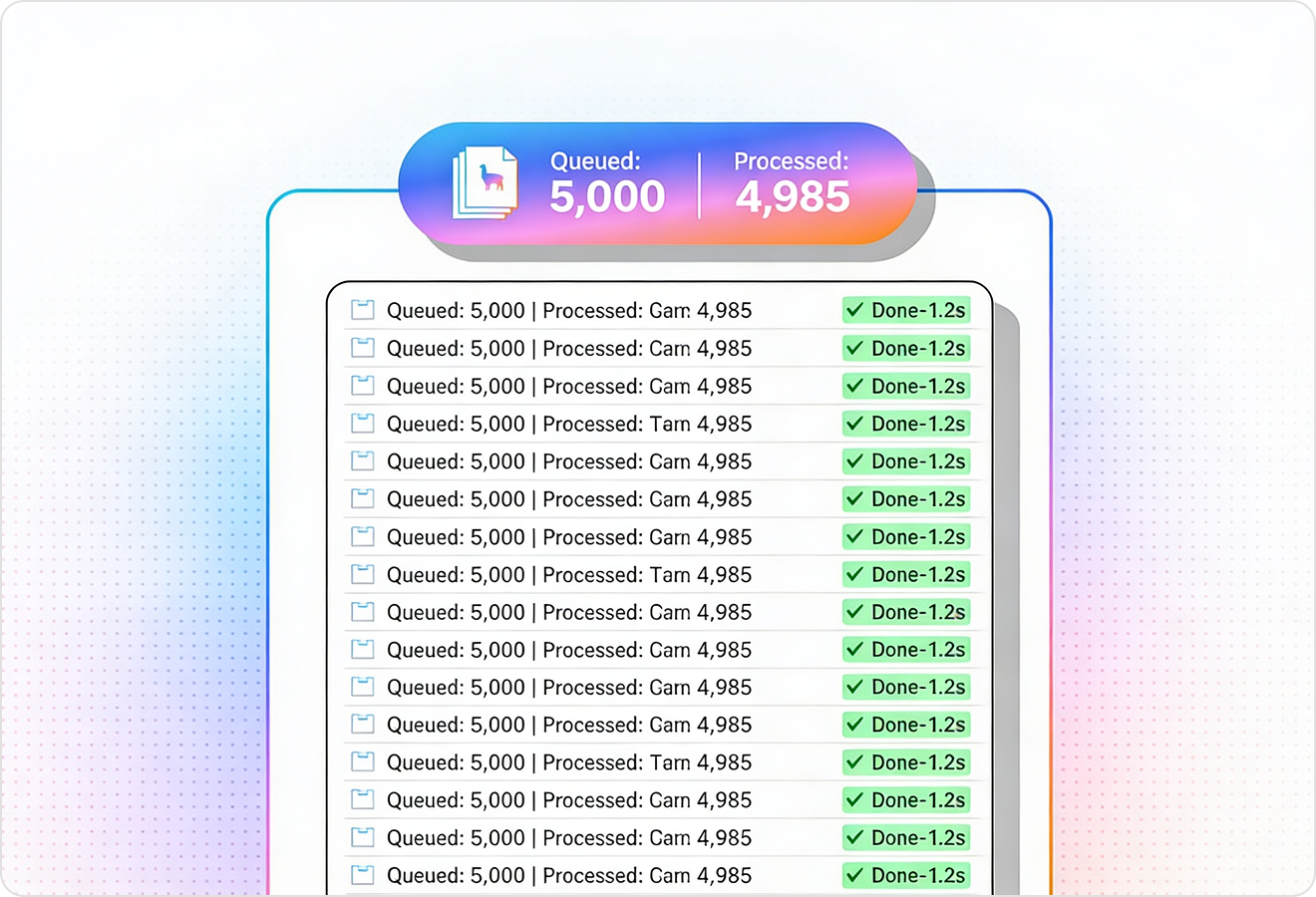
Auto mode dynamically applies heavier vision-language parsing only to the pages that need it, while simpler pages run on faster, cheaper paths. For HIPAA document backlogs, this keeps per-document costs predictable without sacrificing accuracy on complex, PHI-dense artifacts like EOBs, referrals, and lab reports.
Technical OCR documentation
Explore our developer guides to easily connect your document pipelines to LlamaParse.

Our AI catches the typos that tired eyes miss.

Export to Excel, JSON, XML, or directly via API.

SOC2 Type II compliant with end-to-end encryption.

Train the tool on your specific forms in minutes, not days.

Average processing time of <3 seconds per page.
LlamaParse’s support of a wide variety of filetypes and its accuracy of parsing made it the best tool we tested in our evaluations. The LlamaIndex team was very responsive and we were off to the races within a day.
Common FAQs
01
Our layout-aware extraction preserves the original page structure—tables, columns, headers/footers, and form fields—so text isn’t merged or reordered. That means PHI like names, MRNs, dates, and diagnoses stays in the right context, reducing downstream misclassification and risky handling.
02
Yes. In JSON mode, each extracted value includes verifiable metadata such as page number, element type, and coordinates so you can cite precisely where it came from. This makes HIPAA-aligned auditability and spot-checking straightforward, especially during compliance reviews.
03
We run auto-correction and validation loops to catch common scan issues, broken tables, and suspect text before results are returned. When confidence is low, you can route those items to human review using the included citations, reducing the chance of propagating errors into systems of record.
04
Will this work on PHI-dense documents like EOBs, referrals, and lab reports without exploding our processing costs?
Tiered agentic processing automatically applies heavier vision-language parsing only to pages that need it, while simpler pages run on faster, lower-cost paths. You get reliable accuracy on complex pages while keeping per-document spend predictable for large HIPAA backlogs.
05
How does this reduce the amount of manual handling of PHI for our operations team?
Higher straight-through accuracy means fewer exceptions and fewer touches on patient data during ingestion. When review is needed, citations and structured outputs make it fast to verify and correct only what matters, instead of re-reading entire documents.
06
What do we actually get back from the parser, and how easy is it to integrate into our HIPAA workflow?
You receive structured JSON designed for downstream systems, with extracted fields plus page-level and element-level metadata for traceability. That structure makes it easier to validate, route, and store results in compliant workflows—without building brittle parsing rules for every document type.